Longevity guide · Updated 2026
A Practical Longevity Stack for Non-Obsessives: Habits First, Measurements Second, Speculative Biology Last
A calm longevity stack for busy people — sleep, Zone 2, strength, a few measurements, and Amazon tools worth buying before NAD, clocks, or rapamycin.

Longevity media rewards complexity. A practical stack for non-obsessives does the opposite: fund the behaviors with the best odds, measure a few things that change decisions, and postpone speculative biology until the boring layers are automatic. For the category map and order of operations, start with The Longevity Protocol.
This guide compares eleven stack layers — sleep consistency, Zone 2 with an optional Polar H10, a CAP kettlebell, Garmin Venu 3, Omron home BP, clinician annual labs, Camry grip checks, creatine, conditional vitamin D3, optional Ultrahuman Ring Air, and a deliberate “later” filter for clocks, NAD, and rapamycin. Deep dives: Continuous Monitoring, Strength Training, Zone 2, Blood Panels, NAD Precursors, and Rapamycin.
Overview: order of operations beats shopping lists
If you only remember one rule: habits before hardware, clinical basics before boutique biomarkers, training before capsules. Evidence tier in the table is 1 = foundation, 2 = measurement, 3 = optional or later. “Include in default stack” marks the calm starter set — not a mandate to buy everything with an Amazon button.
Key takeaways
- Default weekly stack: sleep window, Zone 2 minutes, 2 strength sessions.
- Default measurements: home BP (if relevant), annual clinician labs, optional grip trend.
- Default Amazon kit for many people: kettlebell + Polar H10 + Omron cuff + creatine.
- One wearable ceiling: Garmin-class no-membership watch, or skip wearables entirely.
- Vitamin D: only with lab context.
- Buy later: epigenetic clocks, NAD stacks, rapamycin protocols.
- Biggest mistake: funding a longevity cart while sleep and training are still chaotic.
Layer 1 — Foundation habits
Sleep consistency is free and non-negotiable. Zone 2 is easy aerobic work you can talk through — add a Polar H10 if wrist HR lies. Strength can start with one kettlebell and progressive patterns; expand only when you outgrow it (strength guide). These three outperform most purchases.
Layer 2 — Measurements that change decisions
A home BP cuff beats another aging score for many adults. Clinician-ordered annual labs beat endless at-home kits (panel guide). A Garmin (or any single wearable you will not obsess over) can track sleep and activity trends (monitoring guide). A Camry grip meter is optional monthly context — not a training plan.
Layer 3 — Optional buys and later biology
Creatine monohydrate is the rare supplement that earns a default slot for people who lift. Vitamin D3 is conditional on labs. Ultrahuman is an optional ring if a watch ruins sleep and basics already stick. Clocks, NAD, and rapamycin stay behind a buy-later filter until fundamentals are dull and durable.
How we evaluate stack layers
- Evidence and outcome linkage (30%)
- Adherence for busy humans (25%)
- Decision usefulness of any measurement (20%)
- Cost over 3 years (15%)
- Amazon practicality where relevant (10%)
Interactive comparison
Filter by form factor, sort by score or price, and pin up to three options for a focused side-by-side view.
Tradeoff:
Sticker price still matters here — most options are one-time hardware buys, so the three-year estimate mainly reflects purchase price plus expected upkeep.
Estimates are directional and based on common public pricing patterns. Promotions, refurbished units, family plans, and tier changes can move these numbers materially.
3-year cost of ownership
Device
Year 1
3-year estimate
Amazon Price
Sleep Consistency Protocol
$0
$0
—
Clinician-Ordered Annual Labs
$150
$450
—
Speculative Tier: Clocks, NAD, Rapamycin
$0
$0
—
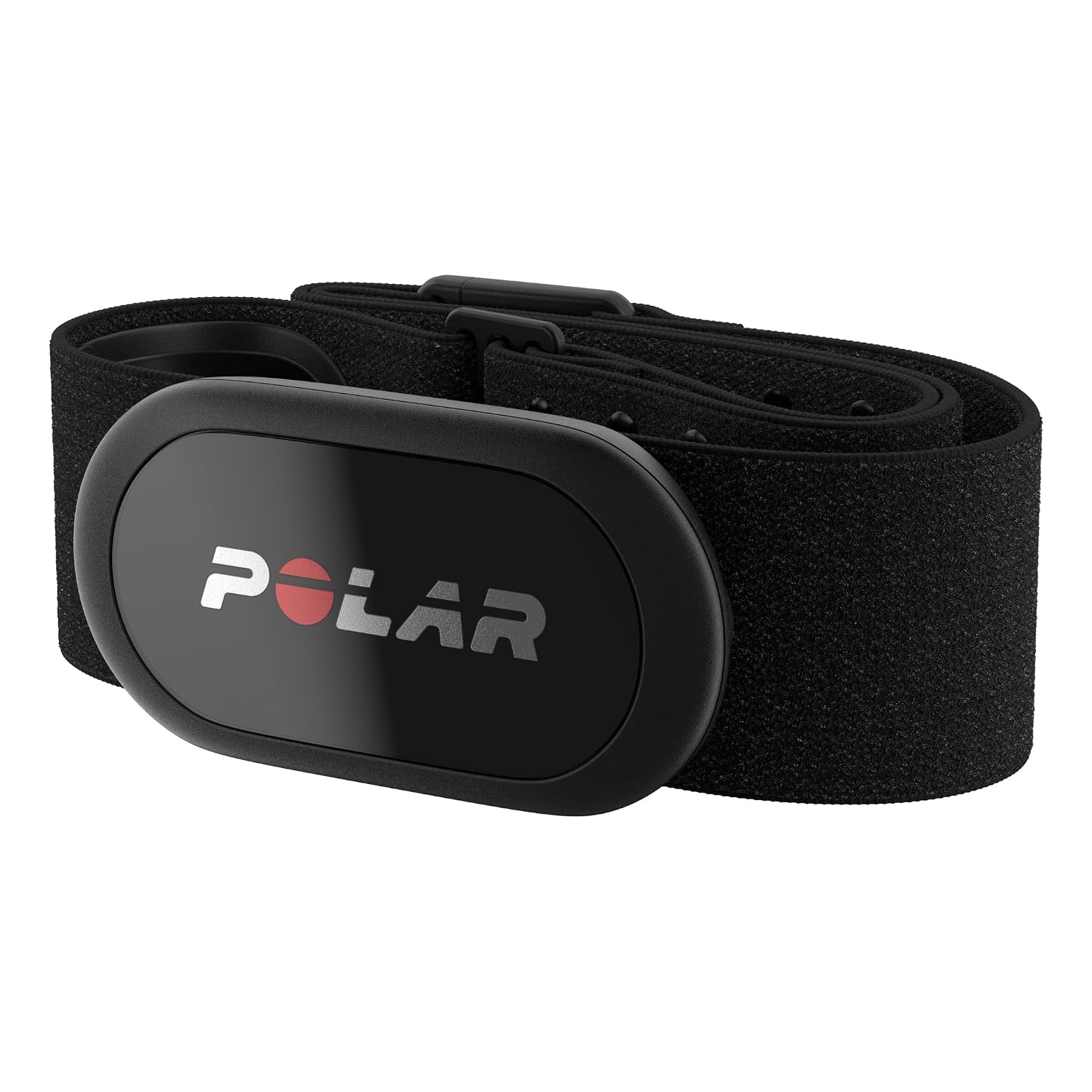
Zone 2 Habit + Polar H10
$120
$160
$104.95
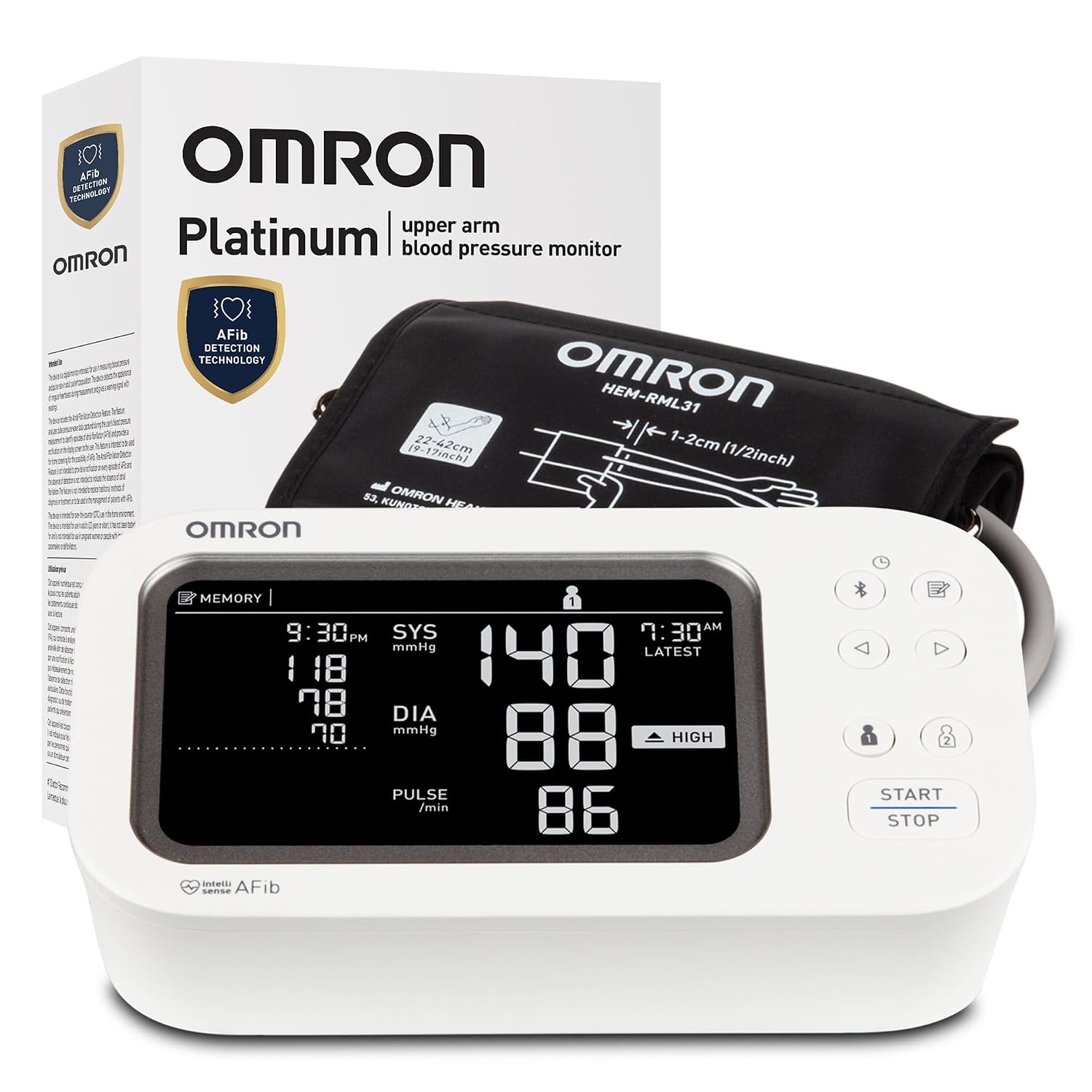
Omron Platinum Blood Pressure Monitor
$110
$130
$97.19
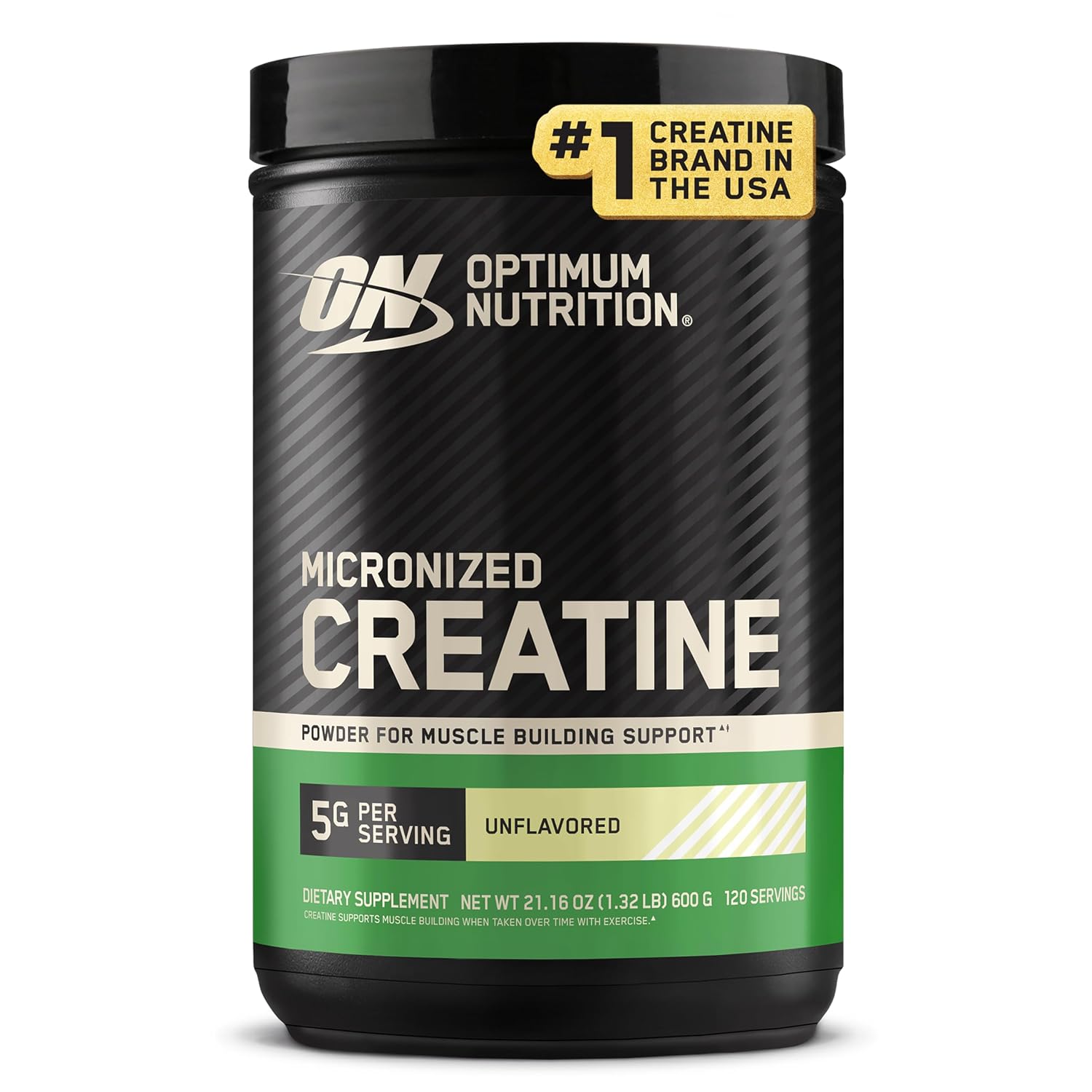
Optimum Nutrition Creatine Monohydrate
$60
$180
$27.99
CAP Barbell Cast Iron Kettlebell
$100
$150
$39.99
Camry EH101 Hand Dynamometer
$32
$40
$31.99
Garmin Venu 3
$449
$449
$364
Nature Made Vitamin D3
$25
$75
$14.50
Ultrahuman Ring Air (Optional)
$349
$349
$299
Start minimal. Add only what removes a real friction or answers a real question.Which stack should you run?
Run the default stack if...
Buy the Amazon starter kit if...
Add Garmin Venu 3 if...
Add Camry grip checks if...
Add vitamin D3 only if...
Add Ultrahuman later if...
Keep speculative tier closed if...
Below are deeper notes on every option in the comparison table, sorted by editorial score. Jump directly from the table pins or the cost section.
Behavior first · Protocol
Best for: The highest-leverage longevity habit before any wearable or supplement
Protect a consistent sleep window before you buy aging gadgets. Non-obsessive longevity starts with nights you can repeat for years. Sleep duration and timing consistency support metabolic health, training recovery, and daytime blood-pressure control. A non-obsessive longevity stack funds sleep, training, and a few measurements before speculative biology shopping. Protect a consistent sleep window before you buy aging gadgets. Non-obsessive longevity starts with nights you can repeat for years.
Estimated ownership: about $0 in year 1 and
$0 over 3 years.
Free — optional blackout curtains or earplugs if environment is the bottleneck.
Primary care / insurance pathway · Clinic-order
Best for: Highest-trust default for annual metabolic and cardiovascular screening with someone who can act on results
Start here for most adults: a clinician-ordered annual panel still beats shopping a stack of kits if results will be ignored. Ask explicitly for ApoB, HbA1c, and a full lipid panel when risk warrants it. Clinician-ordered venous labs remain the highest-trust annual pathway when results feed decisions, not just PDFs. Annual blood work is most useful as a longitudinal record — same markers, same conditions, interpreted with a clinician when abnormal. Start here for most adults: a clinician-ordered annual panel still beats shopping a stack of kits if results will be ignored. Ask explicitly for ApoB, HbA1c, and a full lipid panel when risk warrants it.
Estimated ownership: about $150 in year 1 and
$450 over 3 years.
Assumes modest annual out-of-pocket for covered preventive labs; cash-pay add-ons change the math.
Buy-later filter · Protocol
Best for: Knowing what to postpone until sleep, training, BP, and labs are handled
Epigenetic clocks, NAD bottles, and rapamycin protocols are not the non-obsessive starting stack. Revisit only after fundamentals are boringly consistent. Speculative longevity interventions can consume money and attention that would better fund sleep, training, and clinical basics. A non-obsessive longevity stack funds sleep, training, and a few measurements before speculative biology shopping. Epigenetic clocks, NAD bottles, and rapamycin protocols are not the non-obsessive starting stack. Revisit only after fundamentals are boringly consistent.
Estimated ownership: about $0 in year 1 and
$0 over 3 years.
Default spend is $0 here — fund basics first.
Polar / field methods · Cardio-stack
Best for: Easy aerobic minutes most weeks with optional ECG-class heart-rate honesty
Zone 2 is the non-obsessive cardio layer: conversational effort most weeks, with a Polar H10 if you want heart-rate truth without buying a new watch. Easy aerobic training supports cardiorespiratory fitness; a chest strap improves intensity honesty versus wrist optical HR. A non-obsessive longevity stack funds sleep, training, and a few measurements before speculative biology shopping. Zone 2 is the non-obsessive cardio layer: conversational effort most weeks, with a Polar H10 if you want heart-rate truth without buying a new watch.
Estimated ownership: about $120 in year 1 and
$160 over 3 years.
Assumes optional H10 purchase. The habit itself is free.
Omron · Cuff
Best for: Knowing your blood pressure story before you turn heat or cold into a hobby
Omron Platinum is the calm adult in the thermal room: check blood pressure at home, especially if you have cardiovascular risk factors, before you treat extreme temperatures like a personality trait. Uncontrolled hypertension is a classic reason to pause and talk to a clinician before aggressive heat or cold. Measure seated, rested, and consistently — not while hyped up after a record plunge. Choose Omron for baseline BP honesty. Pair Polar if you also want live heart-rate during sessions.
Estimated ownership: about $110 in year 1 and
$130 over 3 years.
Monitor plus occasional cuff replacement or batteries. Tiny cost next to a cabin or plunge.
Optimum Nutrition · Supplement
Best for: The rare supplement that supports training performance with unusually strong evidence density
Creatine monohydrate is the non-obsessive supplement default — useful for strength work, not a substitute for sleep or lifting. Creatine monohydrate is extensively studied for high-intensity performance and lean-mass support alongside resistance training. A non-obsessive longevity stack funds sleep, training, and a few measurements before speculative biology shopping. Creatine monohydrate is the non-obsessive supplement default — useful for strength work, not a substitute for sleep or lifting.
Estimated ownership: about $60 in year 1 and
$180 over 3 years.
Assumes ~$30–$60/year depending on tub size and serving.
CAP Barbell · Kettlebell
Best for: Hinge power, loaded carries, and compact full-body sessions with one piece of iron
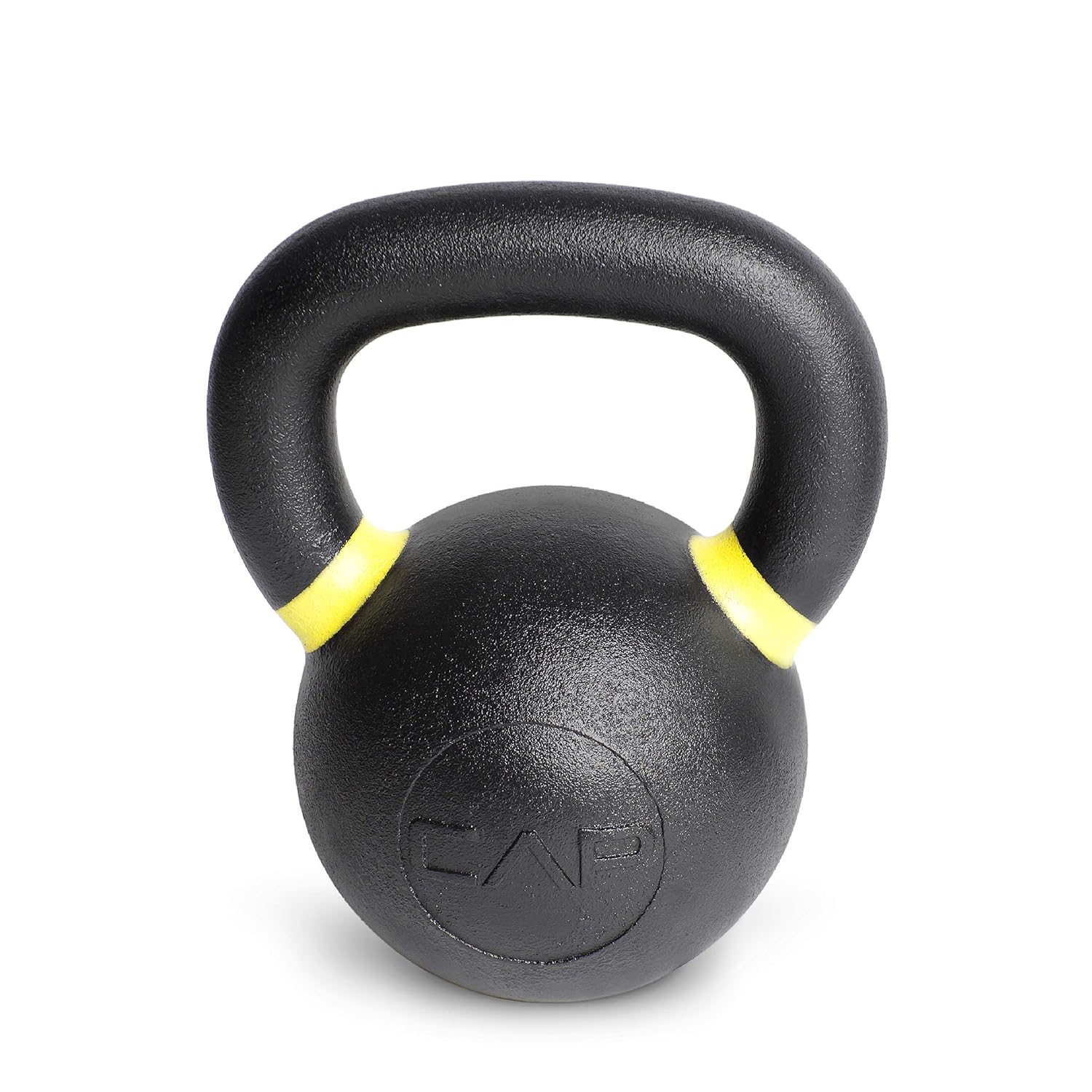
A CAP cast-iron kettlebell is the simplest Amazon iron for longevity: hinges, squats, carries, and get-ups that build muscle and resilient hips. Kettlebells support hinge-dominant power, goblet squats, and loaded carries useful for fall-resilience and conditioning. Strength is longevity medicine when progressive overload is consistent for months — equipment only helps if you show up. A CAP cast-iron kettlebell is the simplest Amazon iron for longevity: hinges, squats, carries, and get-ups that build muscle and resilient hips.
Estimated ownership: about $100 in year 1 and
$150 over 3 years.
Assumes one starter bell plus a later second weight (~$50–$100 total early years).
Camry · Dynamometer
Best for: Tracking grip strength as a simple longevity biomarker alongside your training
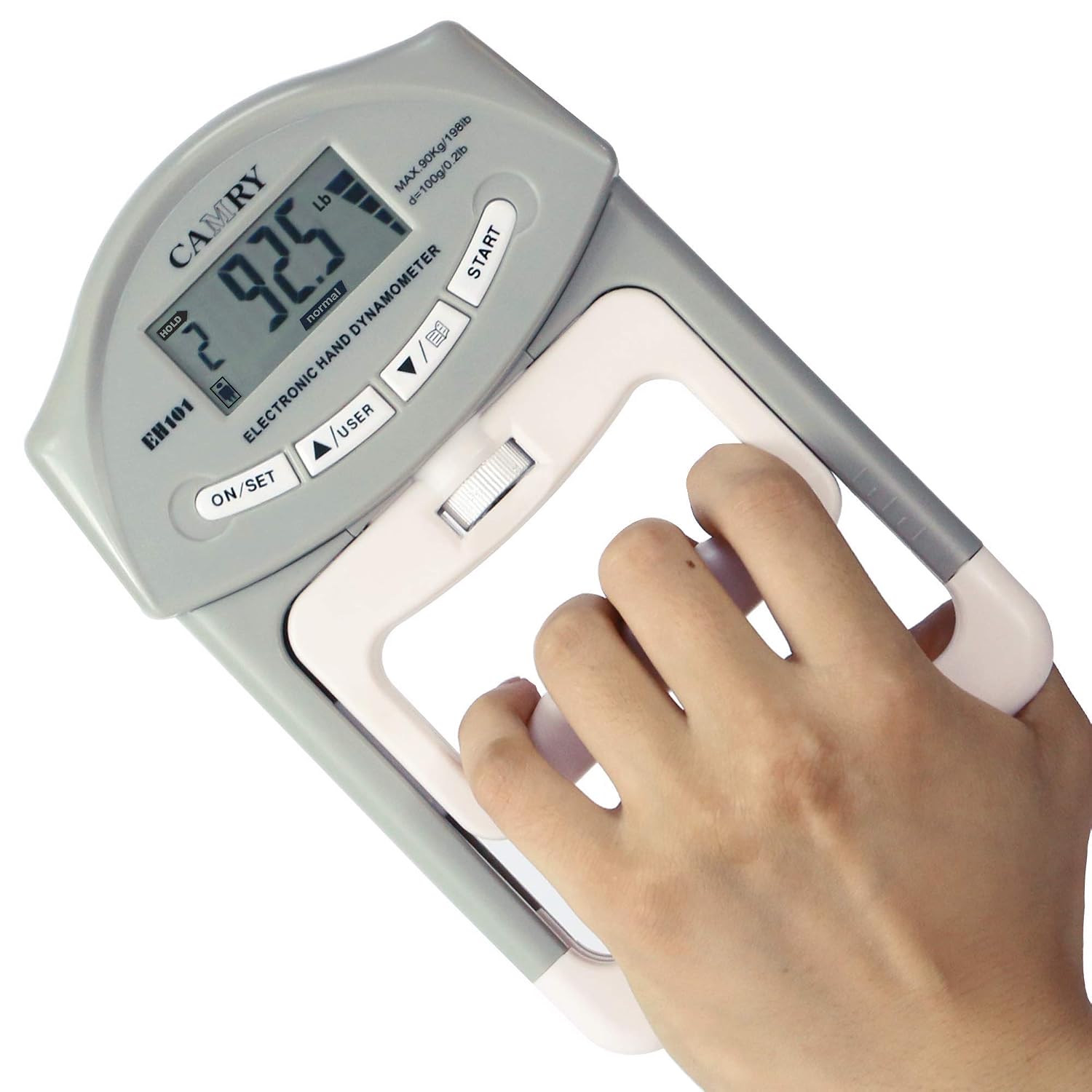
Camry EH101 is the Amazon grip meter for longevity dashboards: track a mortality-linked biomarker while your real medicine remains progressive lifting. Consumer hand dynamometers estimate grip force for longitudinal trending; standardize posture and trials. Strength is longevity medicine when progressive overload is consistent for months — equipment only helps if you show up. Camry EH101 is the Amazon grip meter for longevity dashboards: track a mortality-linked biomarker while your real medicine remains progressive lifting.
Estimated ownership: about $32 in year 1 and
$40 over 3 years.
Hardware plus AAA batteries. See also our grip-strength deep dive for clinic-grade options.
Garmin · Watch
Best for: Training-focused users who also care about sleep
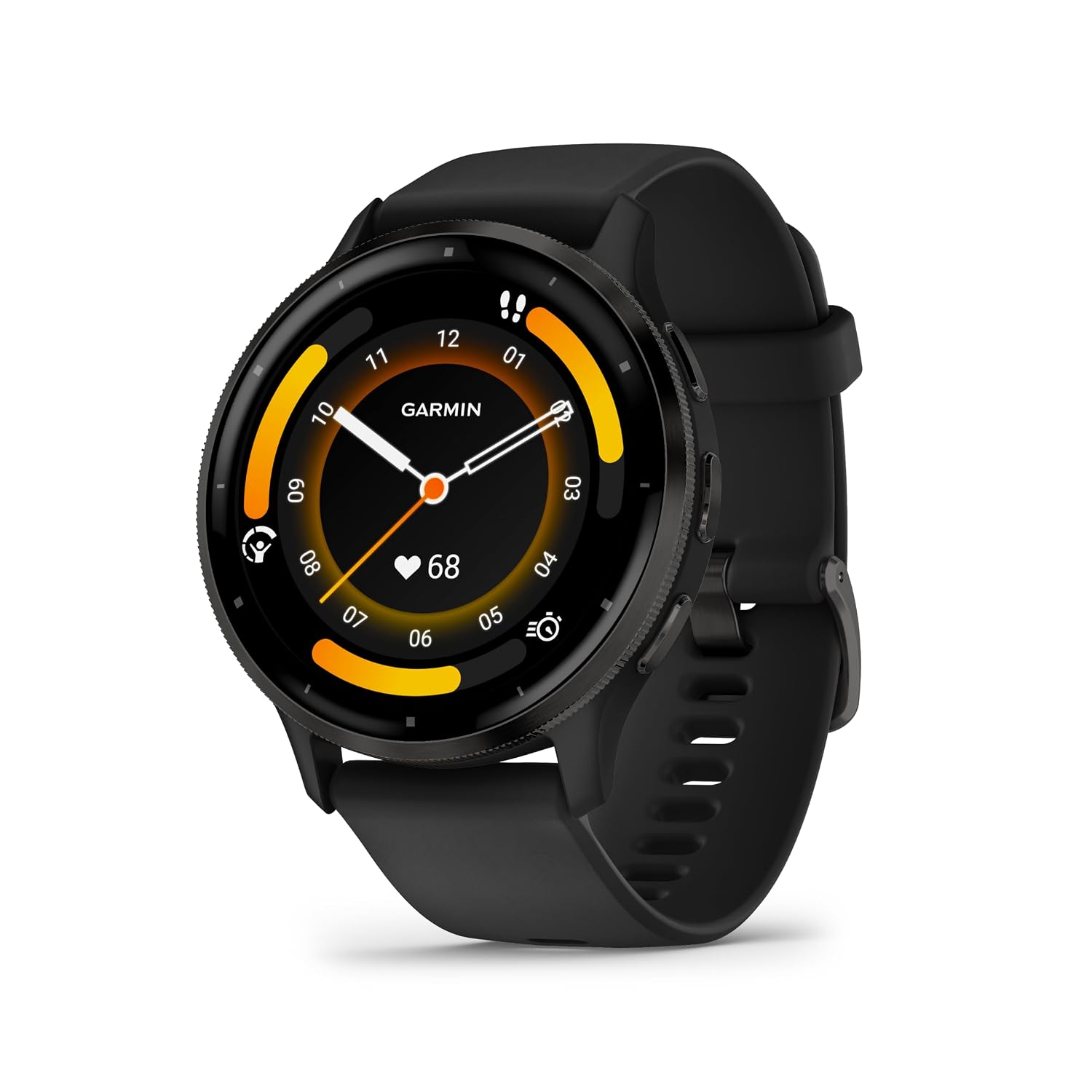
Garmin Venu 3 is easy to underestimate in sleep conversations because people assume Garmin equals running watches. In reality, Sleep Coach, HRV Status, and multi-week battery life make it one of the best no-subscription sleep-and-training hybrids. Battery life is the strategic advantage. Two weeks of wear means fewer gaps and less bedtime charging anxiety than Apple or Pixel watches. Garmin’s sleep tools are practical rather than flashy. If you want guidance tied to training readiness and body-battery style energy concepts, the ecosystem feels coherent. Choose Venu 3 if you train regularly and refuse subscriptions. Skip it if you want a jewelry-like ring or a maximalist smartwatch app store.
Estimated ownership: about $449 in year 1 and
$449 over 3 years.
One-time hardware purchase with no required sleep subscription.
Nature Made · Supplement
Best for: Correcting documented deficiency — not as a default forever mega-dose
Vitamin D3 is a conditional stack item: buy it when a lab says you need it, not because a podcast said everyone should mega-dose. Vitamin D supplementation is most coherent when guided by serum 25-hydroxyvitamin D and clinical context. A non-obsessive longevity stack funds sleep, training, and a few measurements before speculative biology shopping. Vitamin D3 is a conditional stack item: buy it when a lab says you need it, not because a podcast said everyone should mega-dose.
Estimated ownership: about $25 in year 1 and
$75 over 3 years.
Only count this cost if labs justify supplementation.
Ultrahuman · Ring
Best for: Upgrading sleep/HRV tracking after basics are solid — without Oura-style membership
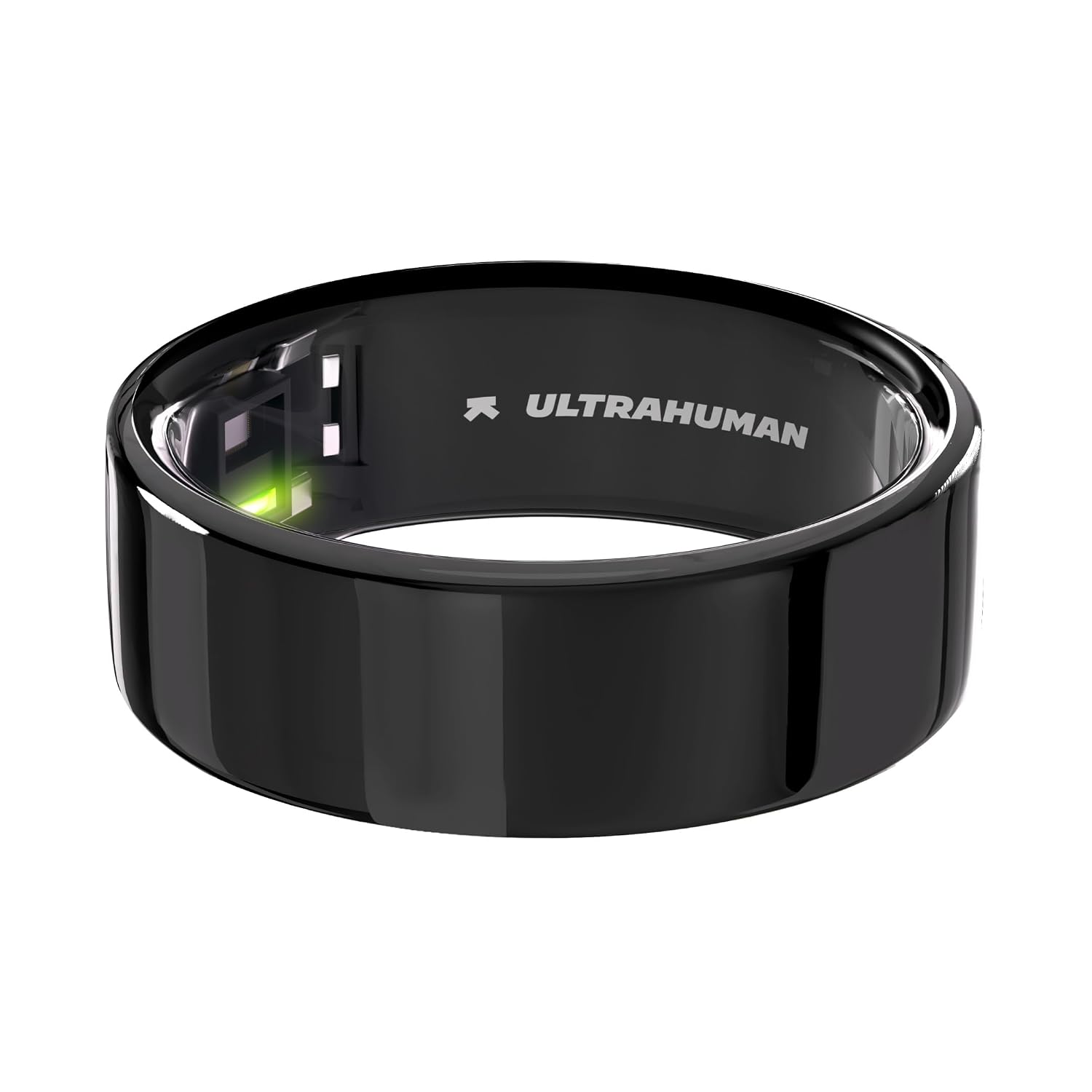
Ultrahuman is an optional ring upgrade for non-obsessives who want overnight recovery trends after the boring stack is already working. No-subscription smart rings track sleep and HRV with lower recurring cost than membership rings. A non-obsessive longevity stack funds sleep, training, and a few measurements before speculative biology shopping. Ultrahuman is an optional ring upgrade for non-obsessives who want overnight recovery trends after the boring stack is already working.
Estimated ownership: about $349 in year 1 and
$349 over 3 years.
Optional hardware — skip until sleep, Zone 2, and strength are habitual.
Detailed reviews
Sleep Consistency Protocol
Pros
Cons
Choose this if
Skip this if
Clinician-Ordered Annual Labs
Pros
Cons
Choose this if
Skip this if
Speculative Tier: Clocks, NAD, Rapamycin
Pros
Cons
Choose this if
Skip this if
Zone 2 Habit + Polar H10
Pros
Cons
Choose this if
Skip this if
Omron Platinum Blood Pressure Monitor
Pros
Cons
Choose this if
Skip this if
Optimum Nutrition Creatine Monohydrate
Pros
Cons
Choose this if
Skip this if
CAP Barbell Cast Iron Kettlebell
Pros
Cons
Choose this if
Skip this if
Camry EH101 Hand Dynamometer
Pros
Cons
Choose this if
Skip this if
Garmin Venu 3
Pros
Cons
Choose this if
Skip this if
Nature Made Vitamin D3
Pros
Cons
Choose this if
Skip this if
Ultrahuman Ring Air (Optional)
Pros
Cons
Choose this if
Skip this if
A sample non-obsessive week
- Most days: fixed wake time; walk after meals when possible.
- 2–3 days: Zone 2 (30–60 minutes conversational).
- 2 days: full-body strength (kettlebell or gym).
- Weekly: glance at sleep/activity trends if you wear a watch — do not grade every night.
- Monthly: optional grip check; BP checks on a calm schedule if you monitor at home.
- Yearly: clinician labs; revisit goals; still skip the IV drip menu.
It means a stack you can run with a normal job and social life: a few weekly training sessions, protected sleep, annual labs, and maybe one wearable. It does not mean ignoring health — it means refusing to make longevity a second full-time job. No. The default stack is sleep, Zone 2, strength, blood pressure awareness, and clinician labs. Wearables, grip meters, creatine, vitamin D (if deficient), and rings are optional upgrades after basics stick. In the speculative later tier. They can be interesting with clinician context after fundamentals are boringly consistent — they are poor first purchases. As a training-support supplement with unusually strong evidence density, yes for many people who lift. It is still secondary to sleep and progressive strength work, not a longevity drug. Behaviors can be nearly free. A practical Amazon kit might be a kettlebell, Polar H10, BP cuff, and creatine for a few hundred dollars once — plus optional watch. Membership-heavy rings and clinic IV drips are usually the wrong early spend. Look for sustainable habits, better fitness (easier hills, stronger lifts), steadier sleep, and labs/BP trending in a healthier direction with your clinician — not a prettier biological-age PDF every month.Practical longevity stack FAQ
What does “non-obsessive” mean here?
+
Do I need every item in the comparison table?
+
Where do NAD, rapamycin, and biological age clocks fit?
+
Is creatine really part of a longevity stack?
+
How much should this cost?
+
How do I know the stack is working?
+
This comparison is designed for practical decision-making. Product capabilities, pricing, and memberships change quickly, so treat battery claims, plan costs, and feature availability as moving targets.
Related Keersa guide: Continuous Monitoring for Aging Metrics
How to pick one calm wearable or log for sleep, HRV, and activity without dashboard overload.
Related Keersa guide: Strength Training as Longevity Medicine
Muscle, bone, and fall-resilience tools — the physical base behind a non-obsessive stack.
Related Keersa guide: Zone 2 Training Technology
Easy aerobic minutes and heart-rate honesty without turning cardio into a second career.
Related Keersa guide: Blood Panels Worth Tracking Annually
What to measure yearly with a clinician before buying boutique test kits on autopilot.
Related Keersa guide: NAD Precursors: NR, NMN, and Reality
Why NAD bottles sit in the optional/later tier for most non-obsessives.
Related Keersa guide: Rapamycin and Longevity Pharmacology
Specialist pharmacology — not a starter stack item.
Leong et al., “Prognostic value of grip strength…” (The Lancet, 2015)
Grip strength tracks hard outcomes — useful context for optional monthly dynamometer checks alongside real lifting.
O’Bryan et al., progressive resistance training and BMD in older adults (Sports Medicine, 2022)
Supports keeping progressive strength work in the foundation tier of any longevity stack.
Affiliate disclosure: some product links on Keersa Health may earn a commission at no extra cost to you.
Editorial recommendations are independent of commercial relationships.
Read our full disclosure.
Sources and editorial notes
Bottom line
A practical longevity stack is mostly calendar discipline: sleep, easy cardio, progressive strength, blood pressure and labs that matter, and a short list of Amazon tools that support those behaviors. Speculative longevity shopping can wait. Related: Strength Training as Longevity Medicine, Zone 2 Training Technology, and Continuous Monitoring for Aging Metrics.