Longevity guide · Updated 2026
Zone 2 Training Technology: Heart Rate, Lactate Proxies, and Tools That Keep Easy Days Easy
A practical, relatable guide to Zone 2 training tech — what Zone 2 actually means, how to find it without lab drama, and which heart-rate straps, watches, bike computers, and lactate tools help you build aerobic base for healthspan.

Zone 2 has a branding problem. Online it sounds like a secret mitochondrial cheat code. In real life it is closer to brushing your teeth: unglamorous, repeatable, and incredibly easy to skip when ego wants a sweat selfie. The technology around Zone 2 exists for one job — keeping easy days easy — so your aerobic engine can adapt without you accidentally living in the gray zone forever.
This guide explains Zone 2 in human language, how to find it, where gadgets help or mislead, and compares eleven tools: talk test and MAF-style caps, Polar H10 / Wahoo TICKR / Garmin HRM-Pro straps, Forerunner / COROS / Apple / Polar watches, a Wahoo bike computer, and a Lactate Plus meter for calibration. Related: VO2 Max as a Longevity Biomarker, GPS and Power Meters for Endurance, and Blood Panels Worth Tracking Annually.
Overview: the “conversational engine” session
Imagine your metabolism as a hybrid car. At easy effort it leans on fat oxidation and clears lactate smoothly. Push too hard and you tip into heavier carbohydrate burn, rising lactate, and a session that costs recovery you meant to save for intervals or lifting. Zone 2 sits near that efficient cruise — not a nap, not a race.
Research comparing athletes and less-fit adults shows a simple pattern: as intensity rises, fat oxidation falls and blood lactate rises together. Fitter people can usually do more work before that tip. Zone 2 training is partly about spending time near a useful cruise point often enough that the engine gets better at the job.
Endurance athletes often accumulate most training at low intensity with smaller doses of hard work (polarized or pyramidal patterns). You do not need to become a pro cyclist. You do need enough easy volume that hard days stay hard on purpose.
Key takeaways
- Best free tool: talk test — full sentences without gasping.
- Best accuracy upgrade: Polar H10 (or a solid dual-band strap).
- Best budget strap: Wahoo TICKR.
- Best everyday Zone 2 watch: Garmin Forerunner 265 class (pair a strap).
- Best cheap GPS logger: COROS Pace 3.
- Best cycling Zone 2 screen: Wahoo ELEMNT Bolt + HR (power optional).
- Best calibration toy: Lactate Plus — after the habit exists.
- Guidance class in the table: 1 = feel/heuristic, 2 = HR/device estimate, 3 = lactate.
- Biggest mistake: buying a flagship watch while every “easy” run is actually a tempo.
What Zone 2 is (and is not)
Is: sustainable aerobic work you could repeat tomorrow. Speech is available. Form stays clean. Heart rate (if accurate) sits in your personal easy band.
Is not: the only intensity that builds mitochondria, a moral purity test, or a reason to avoid all hard training. Time-crunched people often need some higher-intensity work to move fitness. Zone 2 is the volume glue — not a religion.
How to find your Zone 2 without panic
- Start with the talk test. Can you speak a normal sentence? Good. Only fragments? Too hard.
- Add a heart-rate ceiling. Use lab zones if you have them; otherwise a field test, coach estimate, or a conservative heuristic (MAF-style caps) as a bumper.
- Prefer ECG straps over wrist optical when the number decides whether you slow down.
- On the bike, consider power + HR. Hills and wind make “easy pace” lying liars; watts and HR together tell a cleaner story — more in GPS and Power Meters for Endurance.
- Recalibrate as fitness rises. Yesterday’s Zone 2 pace becomes today’s Zone 1 shuffle. That is success.
Where technology helps — and where it gaslights you
- Helps: live zone alerts, post-ride time-in-zone, pairing easy days to training load so you stop stacking threshold forever.
- Gaslights: generic 220−age zones, sweaty optical sensors on intervals, “Zone 2” badges while you cannot talk, and lactate memes without a testing protocol.
Buy sensors to enforce patience. Do not buy sensors to outsource judgment.
How we evaluate Zone 2 tools
- Honesty (30%) — does it keep intensity truthful?
- Friction (25%) — will you use it three times a week?
- Ecosystem fit (20%) — watch, bike computer, phone, indoor trainer.
- Cost realism (15%) — strap vs watch vs lactate consumables.
- Longevity usefulness (10%) — supports years of aerobic base, not one influencer week.
Interactive comparison
Filter by form factor, sort by score or price, and pin up to three options for a focused side-by-side view.
Tradeoff:
Sticker price still matters here — most options are one-time hardware buys, so the three-year estimate mainly reflects purchase price plus expected upkeep.
Estimates are directional and based on common public pricing patterns. Promotions, refurbished units, family plans, and tier changes can move these numbers materially.
3-year cost of ownership
Device
Year 1
3-year estimate
Amazon Price
Talk Test and RPE Protocol
$0
$0
—
Garmin HRM-Pro Plus
$145
$185
$158.99
Garmin Forerunner 265
$470
$520
$438.95
Polar H10 Heart Rate Sensor
$115
$145
$104.95
Wahoo TICKR Heart Rate Monitor
$60
$100
$99.99
COROS Pace 3
$239
$269
$199
Wahoo ELEMNT BOLT V2
$295
$335
—
Nova Biomedical Lactate Plus
$520
$900
—
Polar Vantage M3
$470
$530
$494.32
Apple Watch Series (GPS)
$420
$500
$399
MAF 180 Heart-Rate Cap Method
$0
$0
—
Match tools to the lie you are trying to stop telling yourself.Which Zone 2 stack should you use?
Choose the talk test (and maybe MAF caps) if...
Choose Polar H10, TICKR, or HRM-Pro if...
Choose Forerunner, COROS, Polar, or Apple Watch if...
Choose Wahoo Bolt if...
Choose Lactate Plus if...
Below are deeper notes on every option in the comparison table, sorted by editorial score. Jump directly from the table pins or the cost section.
Field coaching methods · Protocol
Best for: Zero-cost Zone 2 guidance when you can still speak in full sentences without gasping
The talk test is still the most underrated Zone 2 tool: if you cannot finish a sentence, you are probably not in easy aerobic territory. Start here before buying another sensor. Conversational-pace and RPE anchors estimate aerobic intensity without heart-rate hardware. Zone 2 technology is only as good as your willingness to keep easy days easy — sensors help honesty, they do not create mitochondria by themselves. The talk test is still the most underrated Zone 2 tool: if you cannot finish a sentence, you are probably not in easy aerobic territory. Start here before buying another sensor.
Estimated ownership: about $0 in year 1 and
$0 over 3 years.
Free forever — optional notebook or phone voice memo for adherence.
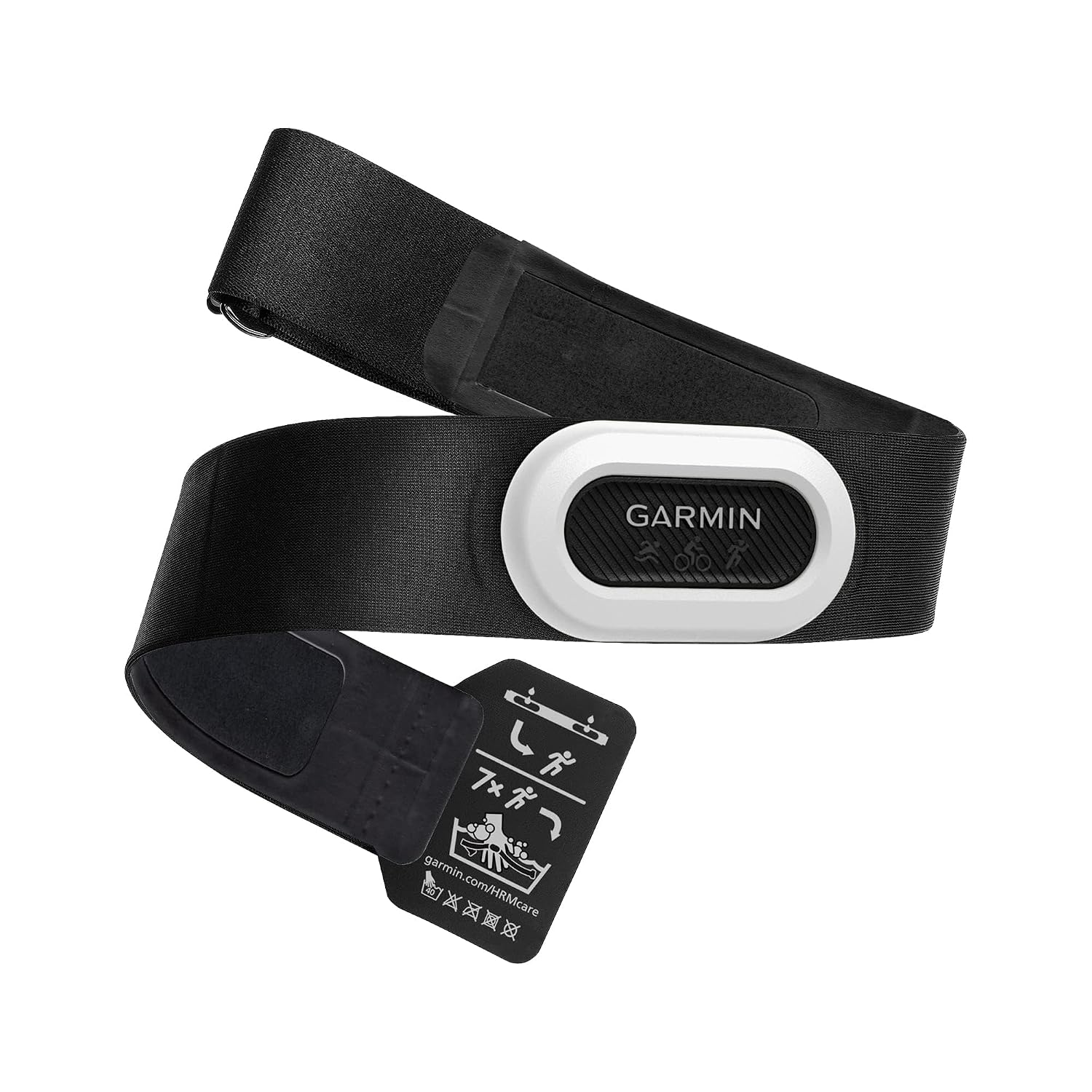
Garmin · Chest-strap
Best for: Garmin athletes who want ECG HR plus running dynamics while protecting Zone 2 honesty
HRM-Pro Plus is the Garmin-native Zone 2 strap: accurate beats for easy days, plus dynamics if you also do quality sessions in the same ecosystem. Garmin premium chest straps add running dynamics and activity storage on top of ECG heart rate. Zone 2 technology is only as good as your willingness to keep easy days easy — sensors help honesty, they do not create mitochondria by themselves. HRM-Pro Plus is the Garmin-native Zone 2 strap: accurate beats for easy days, plus dynamics if you also do quality sessions in the same ecosystem.
Estimated ownership: about $145 in year 1 and
$185 over 3 years.
Hardware — battery door is tool-free on Pro Plus.
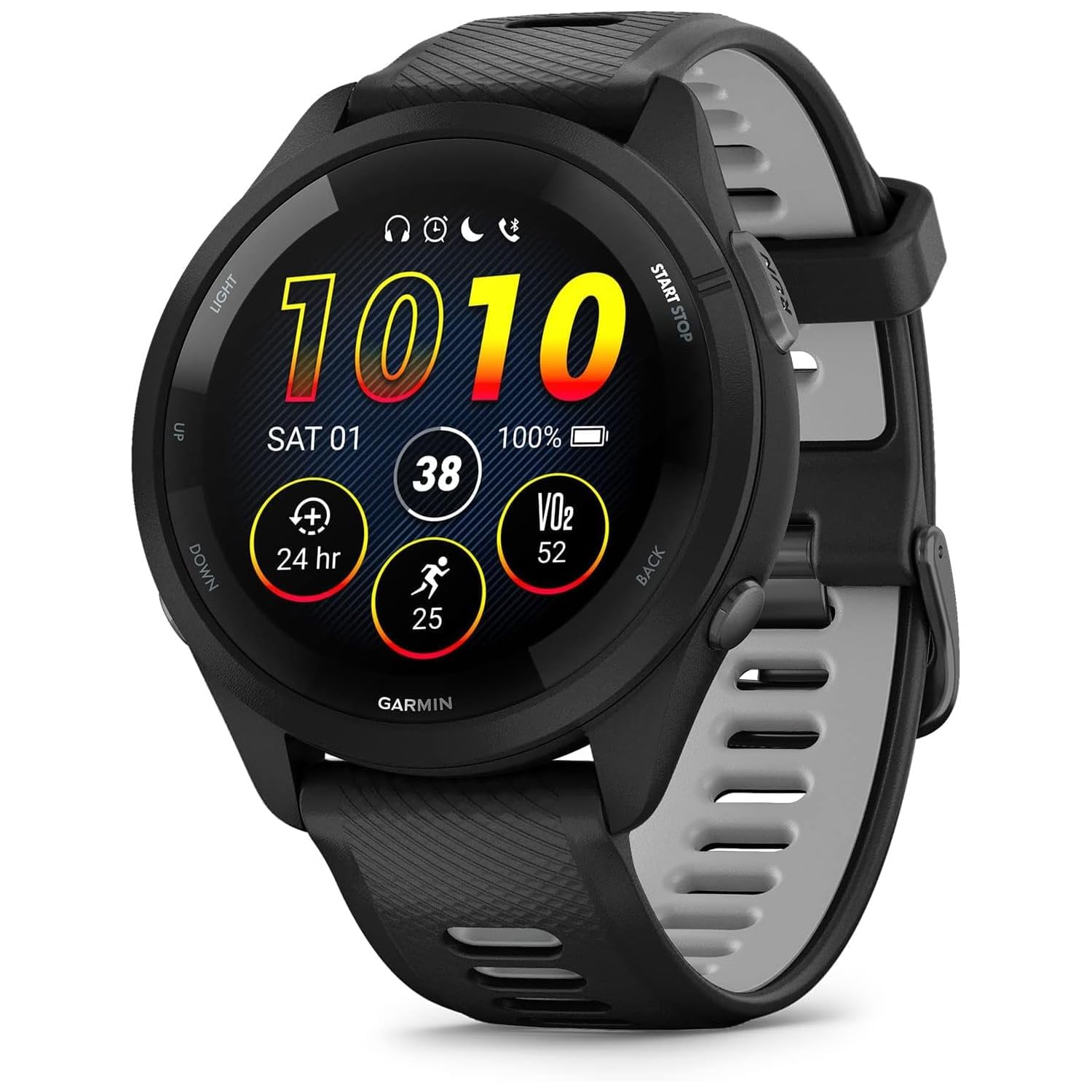
Garmin · Watch
Best for: Everyday runners who want multiband GNSS, training load tools, and optional running-power estimates without a Fenix price
Forerunner 265 is the practical endurance GPS watch for runners who want accurate enough outdoor pace, structured workouts, and Garmin’s training-status stack without flagship money. Buy it for GNSS + coaching workflow — not as a substitute for a dual-sided bike power meter. GPS pace is still noisy under trees and downtown canyons. Multiband helps; it does not create perfect splits. Use the watch as the session computer. Escalate to Stryd when hills/wind make pace a bad intensity proxy. Choose Forerunner if you live in Garmin Connect. Skip it if battery-per-dollar and lightness dominate — look at COROS.
Estimated ownership: about $470 in year 1 and
$520 over 3 years.
Hardware plus optional chest strap / footpod. No mandatory training membership.
Polar · Strap
Best for: Live heart-rate honesty during heat or cold so “I feel fine” has a second opinion
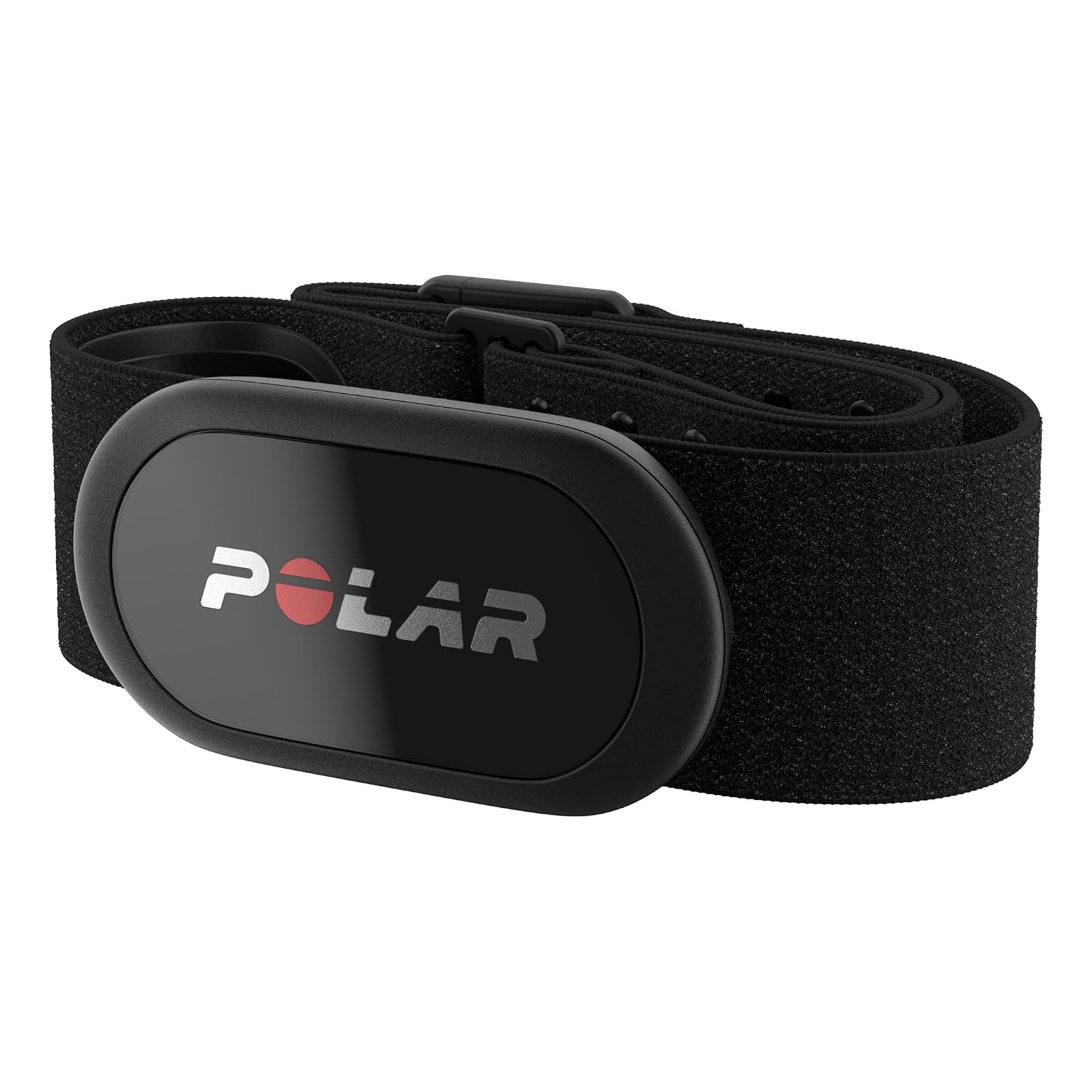
Polar H10 is the session companion: watch heart rate rise in the sauna or during a plunge without guessing. Use it to learn your patterns — then still exit for dizziness, chest pain, or “this feels wrong.” Moisten electrodes and wear snug. A floppy strap is a creative writing exercise, not data. Compare like-with-like sessions. One heroic HR spike after coffee and no sleep is not a personality. Choose Polar for live HR. Choose Omron for resting BP baselines on non-session mornings.
Estimated ownership: about $115 in year 1 and
$145 over 3 years.
Strap plus occasional battery/strap replacement. App pairing is free with many ecosystems.
Wahoo · Chest-strap
Best for: Budget ECG-class Zone 2 heart rate for Zwift, bike computers, and phones
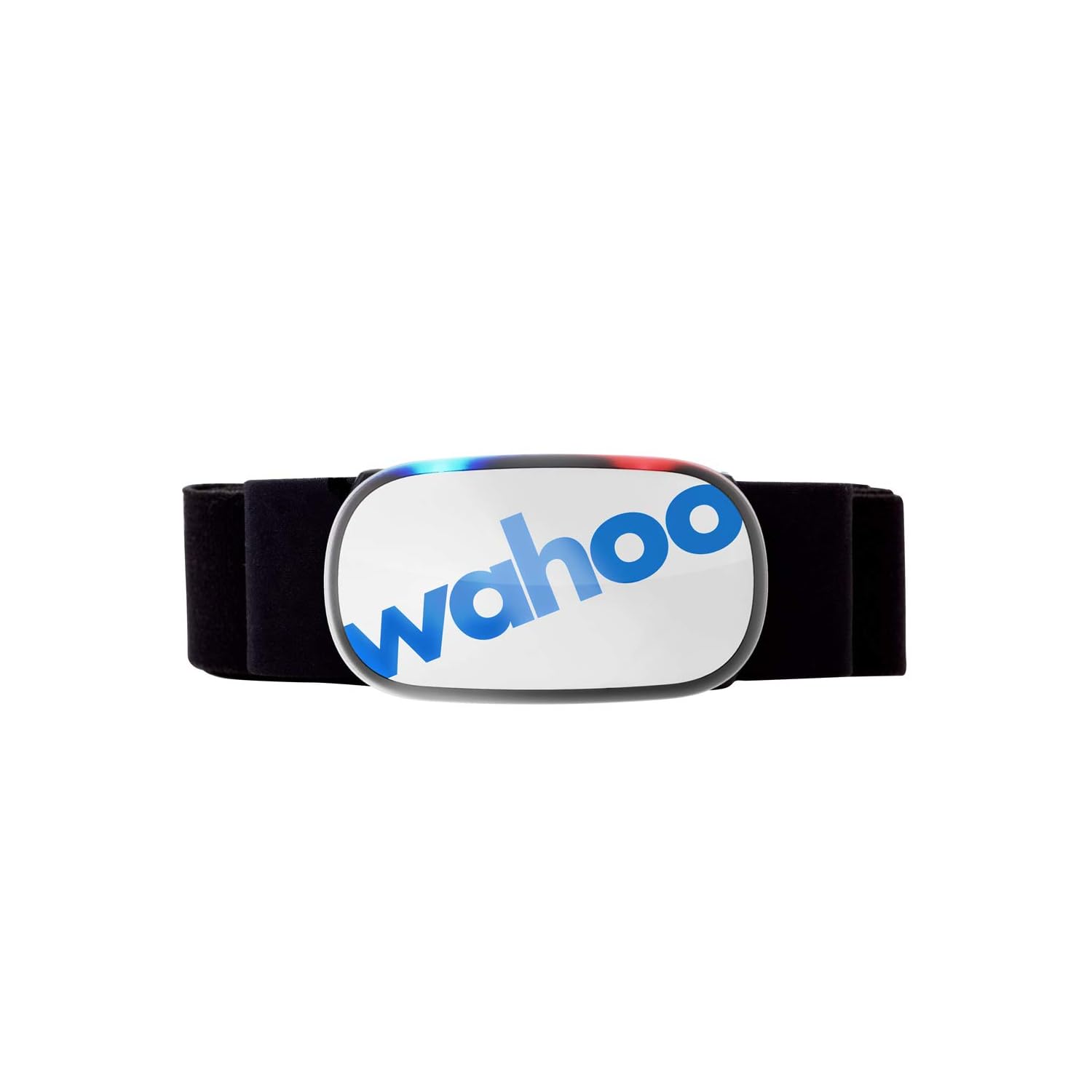
TICKR is the affordable Zone 2 honesty device: strap up, keep HR in the easy band, stop turning recovery rides into accidental threshold days. Budget dual-band chest straps deliver live heart rate to bikes, watches, and training apps. Zone 2 technology is only as good as your willingness to keep easy days easy — sensors help honesty, they do not create mitochondria by themselves. TICKR is the affordable Zone 2 honesty device: strap up, keep HR in the easy band, stop turning recovery rides into accidental threshold days.
Estimated ownership: about $60 in year 1 and
$100 over 3 years.
Hardware — replace when battery/strap wear out.
COROS · Watch
Best for: Value multiband GNSS running with class-leading battery for the price
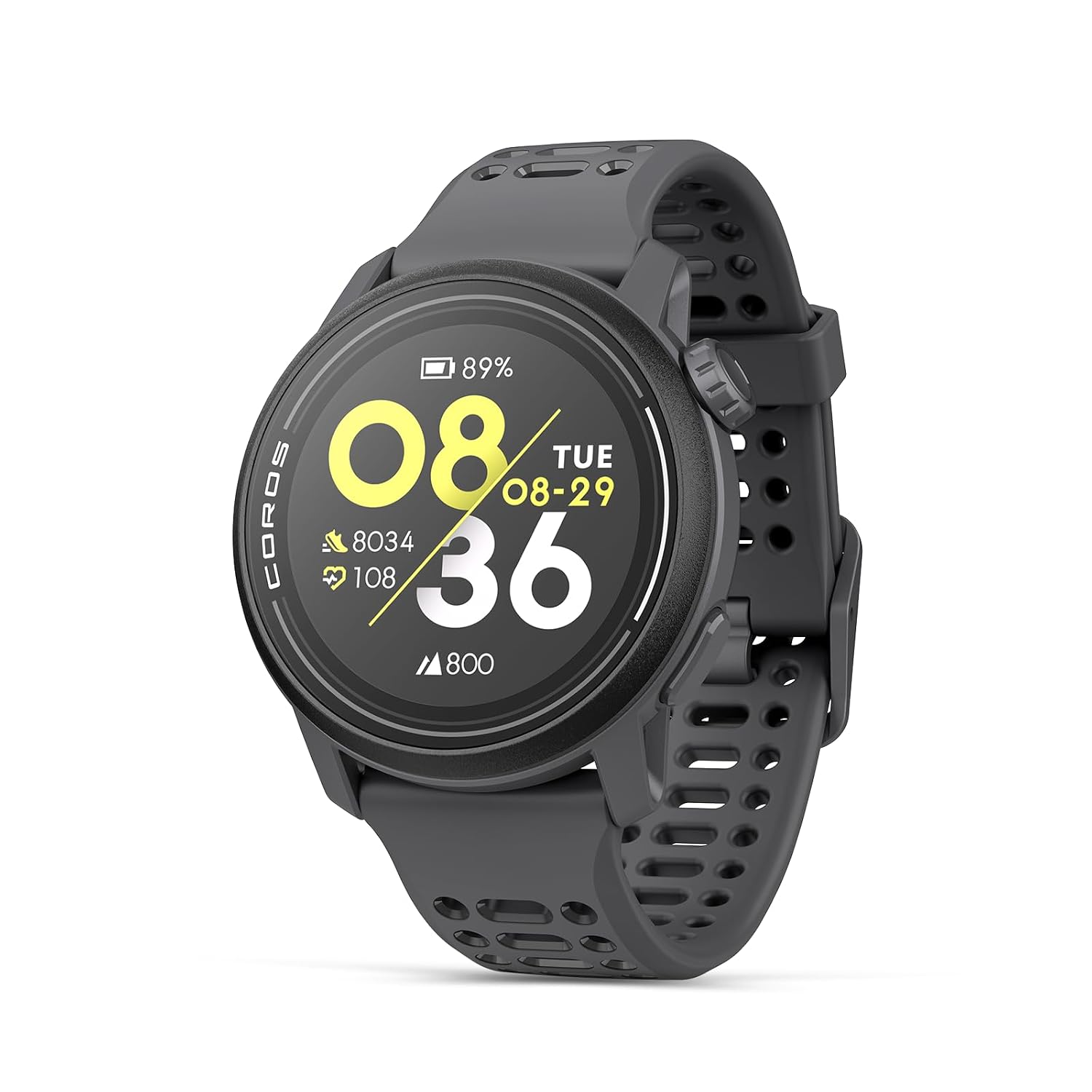
COROS Pace 3 is the battery-and-value pick for endurance GNSS: lightweight, long-lived, and serious enough for structured running without paying Forerunner/Fenix premiums. If your bottleneck is forgetting to charge before long runs, battery life is a training feature. Keep intensity decisions simple: pace, HR, and RPE first; add running power later if needed. Choose Pace 3 for value GNSS. Skip it if you need Garmin’s deepest multisport ecosystem.
Estimated ownership: about $239 in year 1 and
$269 over 3 years.
One of the best hardware-value entries. Optional HRM/footpod extras are separate.
Wahoo · Bike-computer
Best for: Cyclists who want a clean, phone-configured head unit that pairs beautifully with power meters and trainers
Wahoo BOLT V2 is the minimalist cycling GPS alternative to Garmin Edge: fewer rabbit holes, strong sensor pairing, and a display meant for watts and navigation without smartwatch cosplay. If you already own a Kickr/trainer, Wahoo’s ecosystem friction is lower. Choose BOLT for simple outdoor cycling computers. Skip it if you want the deepest Garmin navigation stack.
Estimated ownership: about $295 in year 1 and
$335 over 3 years.
Computer only. Pair with Assioma or a smart trainer for intensity control.
Nova Biomedical · Lactate-meter
Best for: Calibrating what “Zone 2” means in lactate terms for serious aerobic athletes and coaches
Lactate meters answer a different question than watches: not “what is my HR?” but “where is my metabolism tipping?” Use sparingly to set zones, then live in HR/power most weeks. Portable lactate analyzers estimate blood lactate from a small capillary sample to help set aerobic thresholds. Zone 2 technology is only as good as your willingness to keep easy days easy — sensors help honesty, they do not create mitochondria by themselves. Lactate meters answer a different question than watches: not “what is my HR?” but “where is my metabolism tipping?” Use sparingly to set zones, then live in HR/power most weeks.
Estimated ownership: about $520 in year 1 and
$900 over 3 years.
Meter plus several strip boxes per year if you test regularly — coaching practices amortize better than individuals.
Polar · Watch
Best for: Polar watch users who want Running Index / fitness estimates plus optional H10 pairing
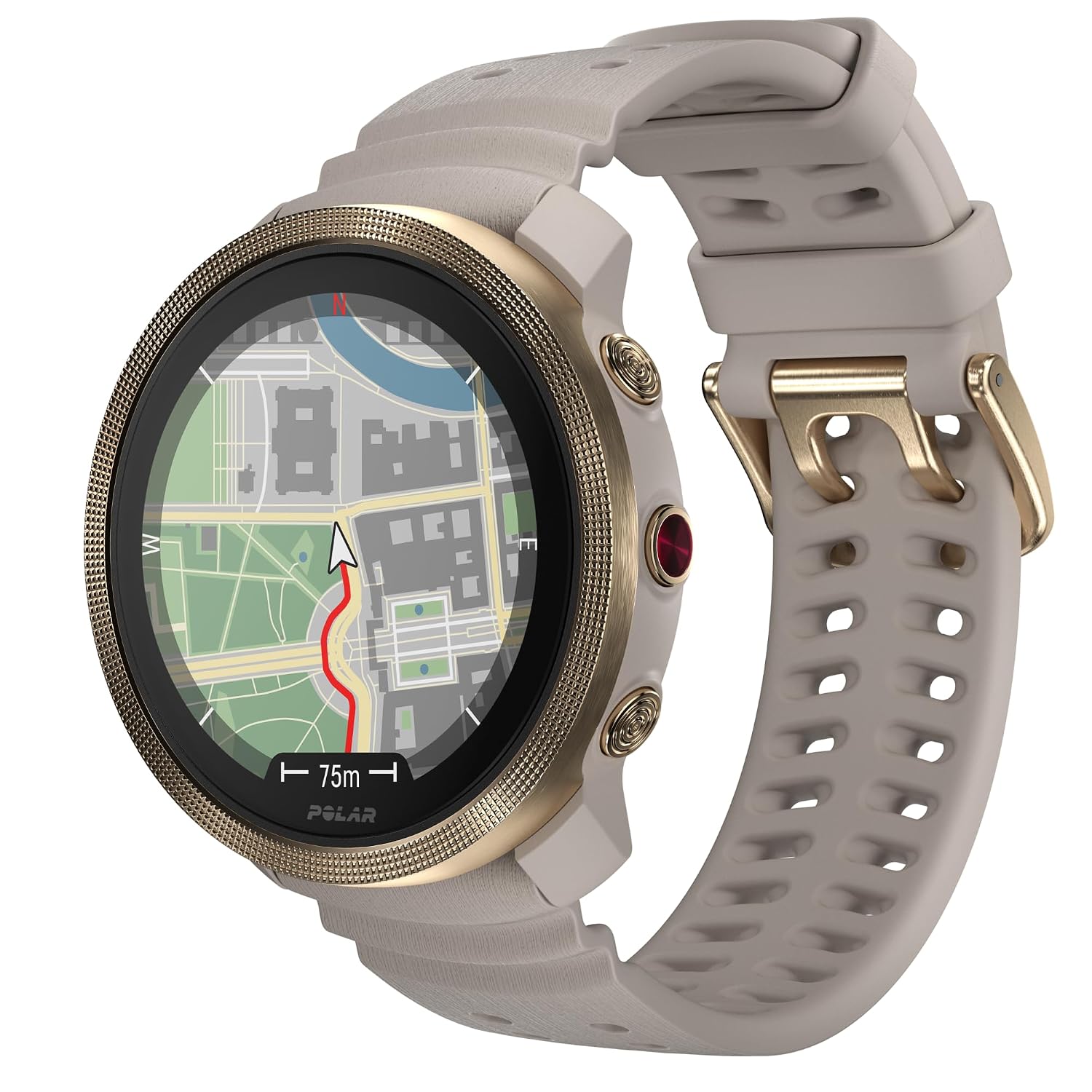
Vantage M3 is a credible Polar watch for longevity VO2 estimates when you like Polar’s training philosophy. Pair an H10 if you care about HR quality. Polar multisport VO2/fitness estimate watch. Wearable VO2 max estimates model cardiorespiratory fitness from heart rate and pace/power — useful for trends, not absolute clinical benchmarking. Vantage M3 is a credible Polar watch for longevity VO2 estimates when you like Polar’s training philosophy. Pair an H10 if you care about HR quality.
Estimated ownership: about $470 in year 1 and
$530 over 3 years.
Hardware — pair with H10 for best resting/estimate quality.
Apple · Watch
Best for: Lower-cost Apple Watch path to the same Cardio Fitness estimate family
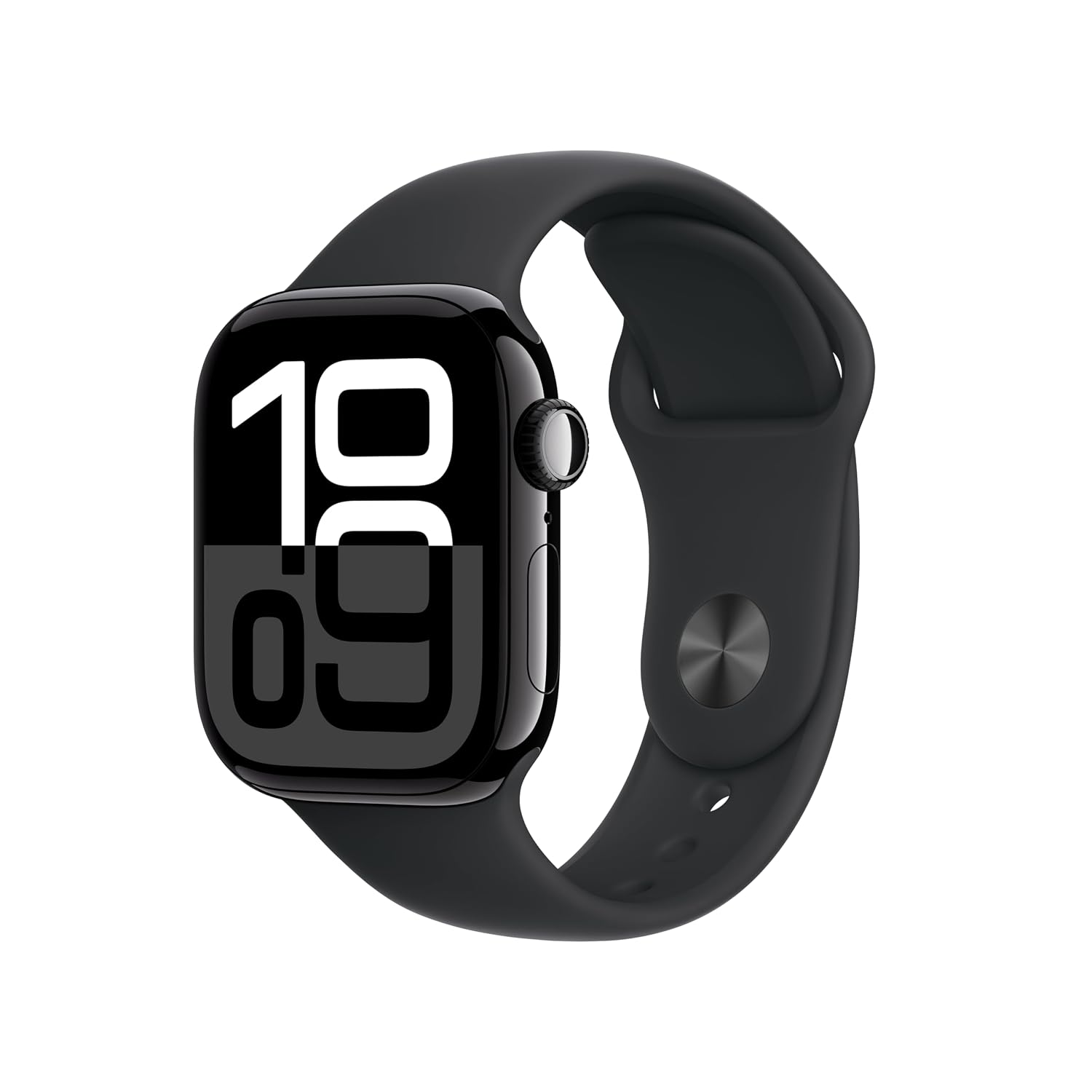
A standard Apple Watch is enough if you only want Cardio Fitness trends in Apple Health. Do not pay Ultra money for a more “true” VO2 max — the method is still an estimate. Apple Watch Series Cardio Fitness estimate. Wearable VO2 max estimates model cardiorespiratory fitness from heart rate and pace/power — useful for trends, not absolute clinical benchmarking. A standard Apple Watch is enough if you only want Cardio Fitness trends in Apple Health. Do not pay Ultra money for a more “true” VO2 max — the method is still an estimate.
Estimated ownership: about $420 in year 1 and
$500 over 3 years.
Hardware — replace cadence depends on how hard you train with it.
MAF-style HR ceiling heuristic · Protocol
Best for: A simple numeric ceiling for “keep it easy” aerobic sessions when lab zones are unavailable
MAF-style caps (roughly 180 minus age, with adjustments) are training bumpers, not lab results. Use them to stop gray-zone jogging — then refine with talk test, lactate, or field testing. Age-based heart-rate ceiling heuristics give beginners a numeric “do not exceed” target for aerobic base work. Zone 2 technology is only as good as your willingness to keep easy days easy — sensors help honesty, they do not create mitochondria by themselves. MAF-style caps (roughly 180 minus age, with adjustments) are training bumpers, not lab results. Use them to stop gray-zone jogging — then refine with talk test, lactate, or field testing.
Estimated ownership: about $0 in year 1 and
$0 over 3 years.
Free method — still needs some HR sensor to execute well.
Detailed reviews
Talk Test and RPE Protocol
Pros
Cons
Choose this if
Skip this if
Garmin HRM-Pro Plus
Pros
Cons
Choose this if
Skip this if
Garmin Forerunner 265
Pros
Cons
Choose this if
Skip this if
Polar H10 Heart Rate Sensor
Pros
Cons
Choose this if
Skip this if
Wahoo TICKR Heart Rate Monitor
Pros
Cons
Choose this if
Skip this if
COROS Pace 3
Pros
Cons
Choose this if
Skip this if
Wahoo ELEMNT BOLT V2
Pros
Cons
Choose this if
Skip this if
Nova Biomedical Lactate Plus
Pros
Cons
Choose this if
Skip this if
Polar Vantage M3
Pros
Cons
Choose this if
Skip this if
Apple Watch Series (GPS)
Pros
Cons
Choose this if
Skip this if
MAF 180 Heart-Rate Cap Method
Pros
Cons
Choose this if
Skip this if
A simple week that actually works
- 2–4 easy sessions (walk, jog, cycle, row) held to talk-test + HR honesty.
- 1 optional harder session if recovery and experience allow.
- Strength work still belongs in a longevity week — Zone 2 does not replace muscle.
- Sleep first if easy days feel mysteriously hard — fatigue raises heart rate for the same pace.
Track progress with how you feel at a given HR/power, optional VO2 trends, and metabolic labs over months — not with daily zone perfectionism.
It is easy aerobic work near the top of “comfortable hard” — you can talk in sentences, you could go much longer, and you are not accumulating that heavy-legged threshold burn. Different zone systems number it differently; the job is the same: build base without turning every session into a race. No. Higher intensities also drive big aerobic and mitochondrial adaptations, especially when weekly time is limited. Zone 2 shines as repeatable volume that supports metabolic flexibility and recovery between harder days — not as the only virtuous workout. Usually not at first. Nail talk-test honesty and consistent heart-rate caps for months. Lactate meters help coaches and serious athletes calibrate zones; they are a poor first purchase if you still treat easy days like tempo. Wrist optical HR can lag, slip on intervals, or use generic max-HR math that does not match you. Use a chest strap, check the talk test, and recalibrate zones after a field test or lab session. Enough that easy work is clearly the majority of your cardio time if you follow polarized/pyramidal endurance patterns — often several hours for committed athletes, and fewer for beginners who are still building the habit. Consistency beats a perfect weekly total you abandon. Yes for many beginners and older adults — especially hills or brisk pacing that raises heart rate while speech stays comfortable. As fitness rises, you may need jogging, cycling, or rowing to reach the same stimulus.Zone 2 training technology FAQ
What is Zone 2 in plain English?
+
Is Zone 2 the only intensity that improves mitochondria?
+
Do I need a lactate meter?
+
Why does my watch say Zone 2 while I am gasping?
+
How many Zone 2 minutes per week?
+
Can walking count as Zone 2?
+
This comparison is designed for practical decision-making. Product capabilities, pricing, and memberships change quickly, so treat battery claims, plan costs, and feature availability as moving targets.
Shows blood lactate rising as fat oxidation falls across fitness levels — the physiological rationale behind using easy aerobic work and lactate-aware intensity. Endurance athletes often accumulate most volume at low intensity with a smaller share of high intensity — useful context for why “easy” days are not optional fluff.
Related Keersa guide: VO2 Max as a Longevity Biomarker
Cardiorespiratory fitness outcomes that Zone 2 volume often supports over months — measured vs estimated.
Related Keersa guide: GPS and Power Meters for Endurance
Pace and power hardware that pairs with heart-rate Zone 2 when terrain or wind makes effort hard to judge.
Related Keersa guide: Blood Panels Worth Tracking Annually
Metabolic blood markers that often improve alongside consistent aerobic training — complementary, not competing.
Related Keersa guide: Rapamycin and Longevity Pharmacology
Where speculative gerotherapeutics sit relative to high-confidence training — specialist pharmacology, not a Zone 2 substitute.
Affiliate disclosure: some product links on Keersa Health may earn a commission at no extra cost to you.
Editorial recommendations are independent of commercial relationships.
Read our full disclosure.
Sources and editorial notes
Bottom line
Zone 2 technology is patience technology. Use the talk test for free honesty, a chest strap for trustworthy heart rate, a sports watch or bike computer for alerts and logs, and lactate only when you are ready to calibrate like a coach. Related: VO2 Max as a Longevity Biomarker and GPS and Power Meters for Endurance.
Next in Longevity: Rapamycin and Longevity Pharmacology — mechanisms, human evidence status, and why this remains a specialist conversation.