Longevity guide · Updated 2026
VO2 Max as a Longevity Biomarker: Why Cardiorespiratory Fitness Predicts Outcomes & How to Measure It
A deep dive into VO2 max as a healthspan biomarker — what the mortality evidence shows, how lab testing differs from watch estimates, and eleven measurement paths from metabolic carts to Garmin, Apple Watch, Polar, and free field protocols.
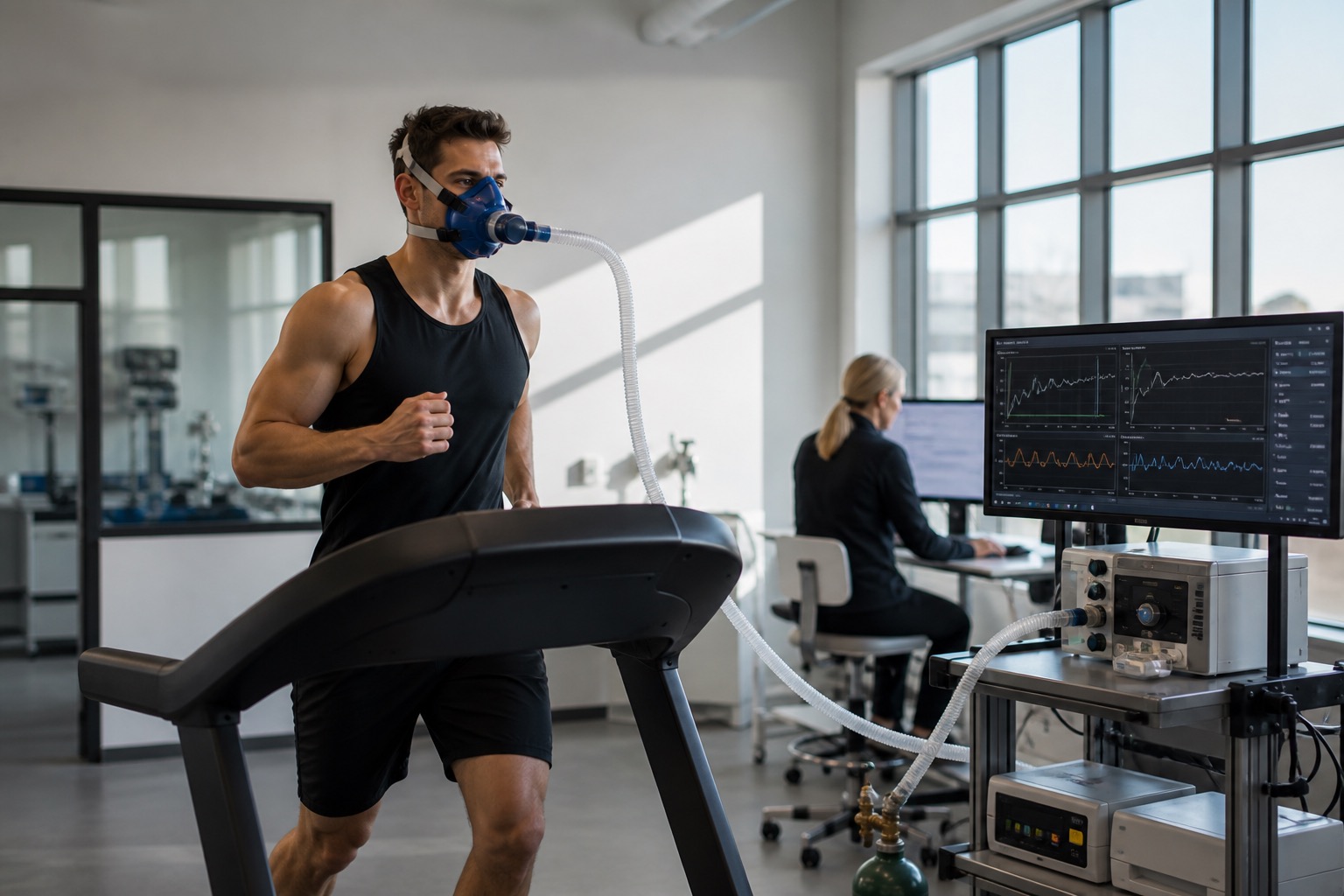
If longevity had a single training-linked vital sign, cardiorespiratory fitness would be on the shortlist. VO2 max — the maximum rate of oxygen your body can use during intense exercise — is the classic lab expression of that fitness. Higher CRF is associated with lower mortality risk across large studies. The modern confusion is not whether fitness matters. It is whether the number on your watch is the same thing as a metabolic-cart test.
This guide explains the biomarker, how measurement classes differ, and compares eleven paths: clinical metabolic carts, portable analyzers (VO2 Master, PNOE), wearable estimates (Garmin, Apple Watch, Polar, COROS), a Polar H10 accuracy accessory, and a free Cooper-style field protocol. Related measurement context: Biological Age Tests Explained and GPS and Power Meters for Endurance.
Key takeaways
- Best absolute measurement: clinical metabolic-cart graded exercise test.
- Best personal longevity stack: yearly lab (optional) + daily watch estimate trends.
- Best running-first watch estimate: Garmin Forerunner 265 class.
- Best cheap estimate hardware: COROS Pace 3.
- Best HR accuracy accessory: Polar H10.
- Best free start: Cooper-style field protocol.
- Skip for most individuals: owning PNOE/VO2 Master capital — book tests instead.
- Biggest mistake: treating a wearable VO2 reading like a lab absolute.
Why VO2 max predicts outcomes
Cardiorespiratory fitness integrates lungs, heart, blood, and muscle’s ability to deliver and use oxygen. Meta-analyses and clinical cohorts link higher CRF to lower all-cause mortality and fewer cardiovascular events. The relationship is graded: moving from low to moderate fitness often matters more than polishing an already high number.
Practically, VO2 max is a trainable biomarker. Unlike a one-time epigenetic snapshot, it responds to weeks and months of aerobic work — which is why longevity-minded training programs obsess over Zone 2 volume plus some intensity.
Measurement classes (do not mix them up)
1. Direct gas exchange (true measurement)
A mask samples expired O2 (and usually CO2) during incremental exercise. This is the method behind research definitions of VO2 max / VO2 peak. Labs use metabolic carts; some coaches use portable analyzers.
2. Wearable estimates
Watches model fitness from heart-rate response to pace or power. Useful for trends. Typical disagreements versus carts are large enough to matter if you treat the watch like a clinical instrument. Apple Watch validation work is a clear reminder of systematic gaps.
3. Field protocols
Timed runs or step tests estimate VO2 from performance equations. Free and educational; noisier than good wearables and far noisier than carts.
Measurement class in the comparison table: 1 = direct gas, 2 = wearable estimate, 3 = field protocol.
How we evaluate VO2 measurement tools
- Method honesty (30%) — measured vs estimated, clearly labeled.
- Longevity usefulness (25%) — can it track change you can train?
- Friction (20%) — will you actually collect data monthly?
- Cost realism (15%) — per-test vs ownership vs free protocol.
- Safety context (10%) — maximal testing needs sensible clearance.
Interactive comparison
Filter by form factor, sort by score or price, and pin up to three options for a focused side-by-side view.
Tradeoff:
Sticker price still matters here — most options are one-time hardware buys, so the three-year estimate mainly reflects purchase price plus expected upkeep.
Estimates are directional and based on common public pricing patterns. Promotions, refurbished units, family plans, and tier changes can move these numbers materially.
3-year cost of ownership
Device
Year 1
3-year estimate
Amazon Price
Clinical Metabolic Cart VO2 Max Test
$250
$750
—
Garmin Forerunner 265
$470
$520
$438.95
Polar H10 Heart Rate Sensor
$115
$145
$104.95
COROS Pace 3
$239
$269
$199
VO2 Master Analyzer
$7,800
$9,000
—
Garmin Venu 3
$449
$449
$364
PNOE Metabolic Analyzer
$10,000
$14,000
—
Apple Watch Ultra 2
$799
$799
$799
Polar Vantage M3
$470
$530
$494.32
Apple Watch Series (GPS)
$420
$500
$399
Cooper 12-Minute / Field Estimate Protocol
$0
$0
—
Choose the method that matches the decision you need to make.Which VO2 measurement path should you use?
Choose a clinical metabolic cart if...
Choose Garmin, COROS, Polar, or Apple Watch if...
Choose Polar H10 if...
Choose VO2 Master or PNOE if...
Choose a Cooper-style field test if...
Below are deeper notes on every option in the comparison table, sorted by editorial score. Jump directly from the table pins or the cost section.
Performance lab / cardiopulmonary clinic · Lab-session
Best for: Gold-standard measured VO2 max / VO2 peak for a true baseline you can retest yearly
A metabolic-cart graded exercise test is still the reference for absolute VO2 max. Use it to calibrate longevity targets — then let wearables track direction between visits. Direct gas-exchange lab session. True VO2 max measurement samples expired gases during incremental exercise until criteria for max or peak are met. A metabolic-cart graded exercise test is still the reference for absolute VO2 max. Use it to calibrate longevity targets — then let wearables track direction between visits.
Estimated ownership: about $250 in year 1 and
$750 over 3 years.
Assumes roughly one lab test per year. Sports-medicine vs university labs change the sticker.
Garmin · Watch
Best for: Everyday runners who want multiband GNSS, training load tools, and optional running-power estimates without a Fenix price
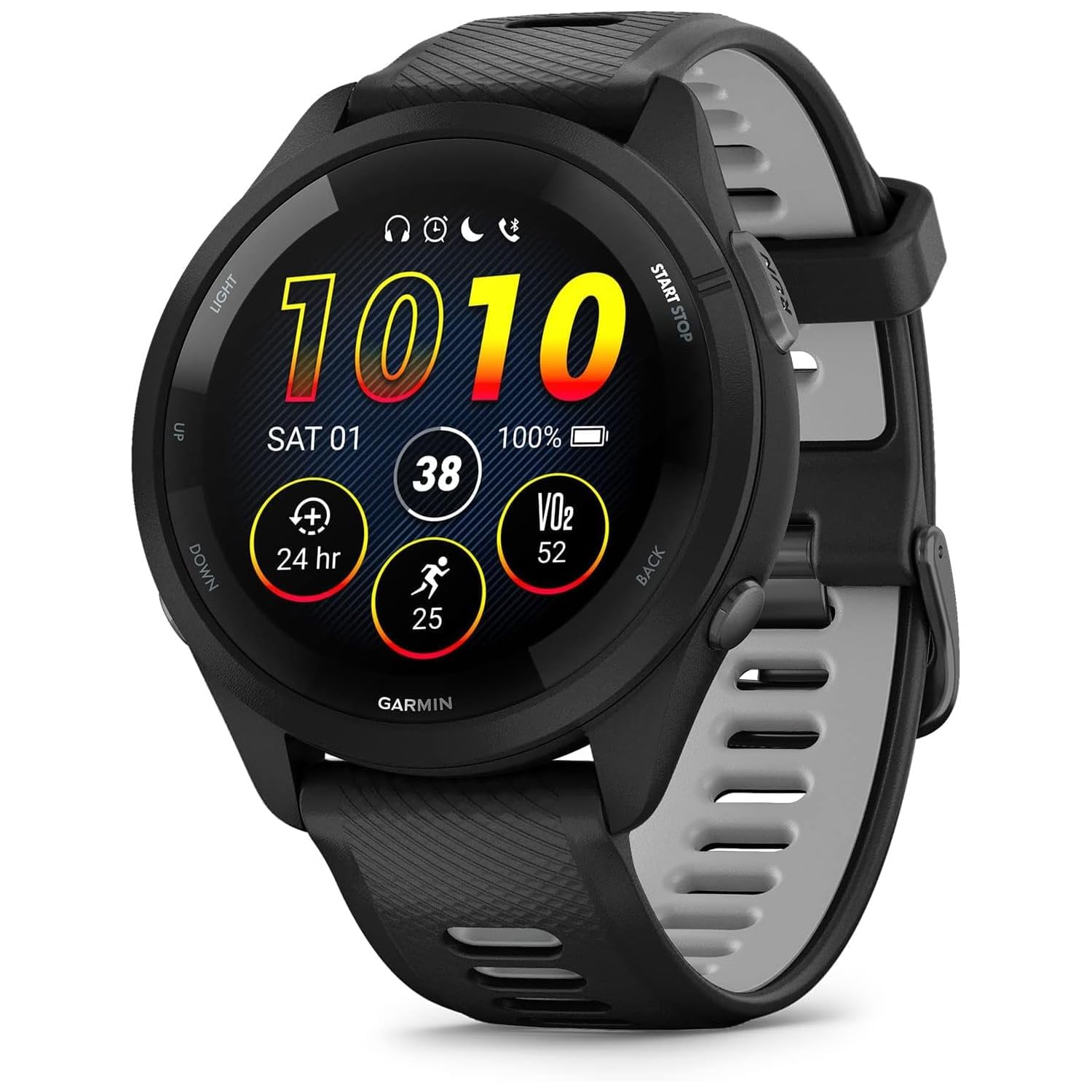
Forerunner 265 is the practical endurance GPS watch for runners who want accurate enough outdoor pace, structured workouts, and Garmin’s training-status stack without flagship money. Buy it for GNSS + coaching workflow — not as a substitute for a dual-sided bike power meter. GPS pace is still noisy under trees and downtown canyons. Multiband helps; it does not create perfect splits. Use the watch as the session computer. Escalate to Stryd when hills/wind make pace a bad intensity proxy. Choose Forerunner if you live in Garmin Connect. Skip it if battery-per-dollar and lightness dominate — look at COROS.
Estimated ownership: about $470 in year 1 and
$520 over 3 years.
Hardware plus optional chest strap / footpod. No mandatory training membership.
Polar · Strap
Best for: Live heart-rate honesty during heat or cold so “I feel fine” has a second opinion
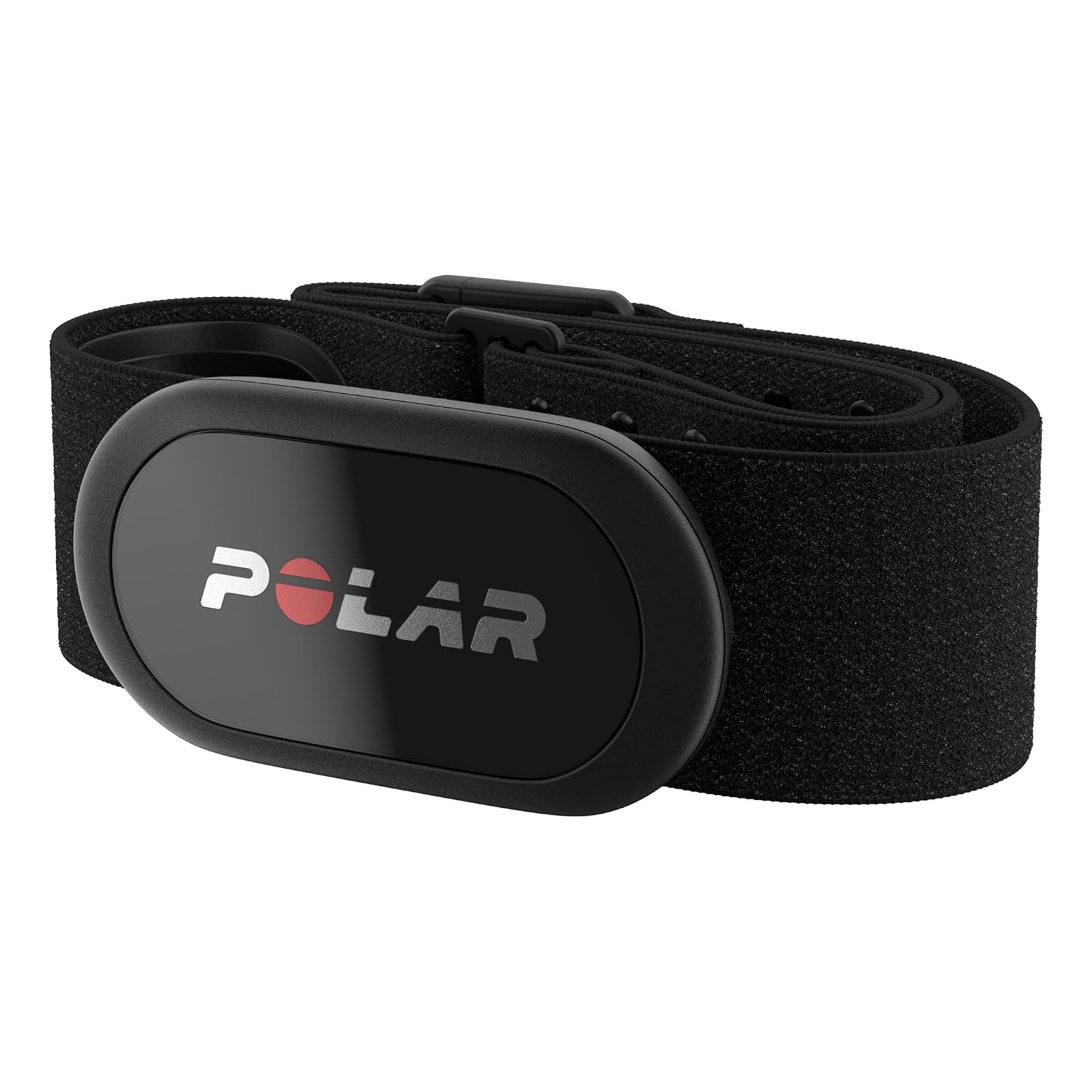
Polar H10 is the session companion: watch heart rate rise in the sauna or during a plunge without guessing. Use it to learn your patterns — then still exit for dizziness, chest pain, or “this feels wrong.” Moisten electrodes and wear snug. A floppy strap is a creative writing exercise, not data. Compare like-with-like sessions. One heroic HR spike after coffee and no sleep is not a personality. Choose Polar for live HR. Choose Omron for resting BP baselines on non-session mornings.
Estimated ownership: about $115 in year 1 and
$145 over 3 years.
Strap plus occasional battery/strap replacement. App pairing is free with many ecosystems.
COROS · Watch
Best for: Value multiband GNSS running with class-leading battery for the price
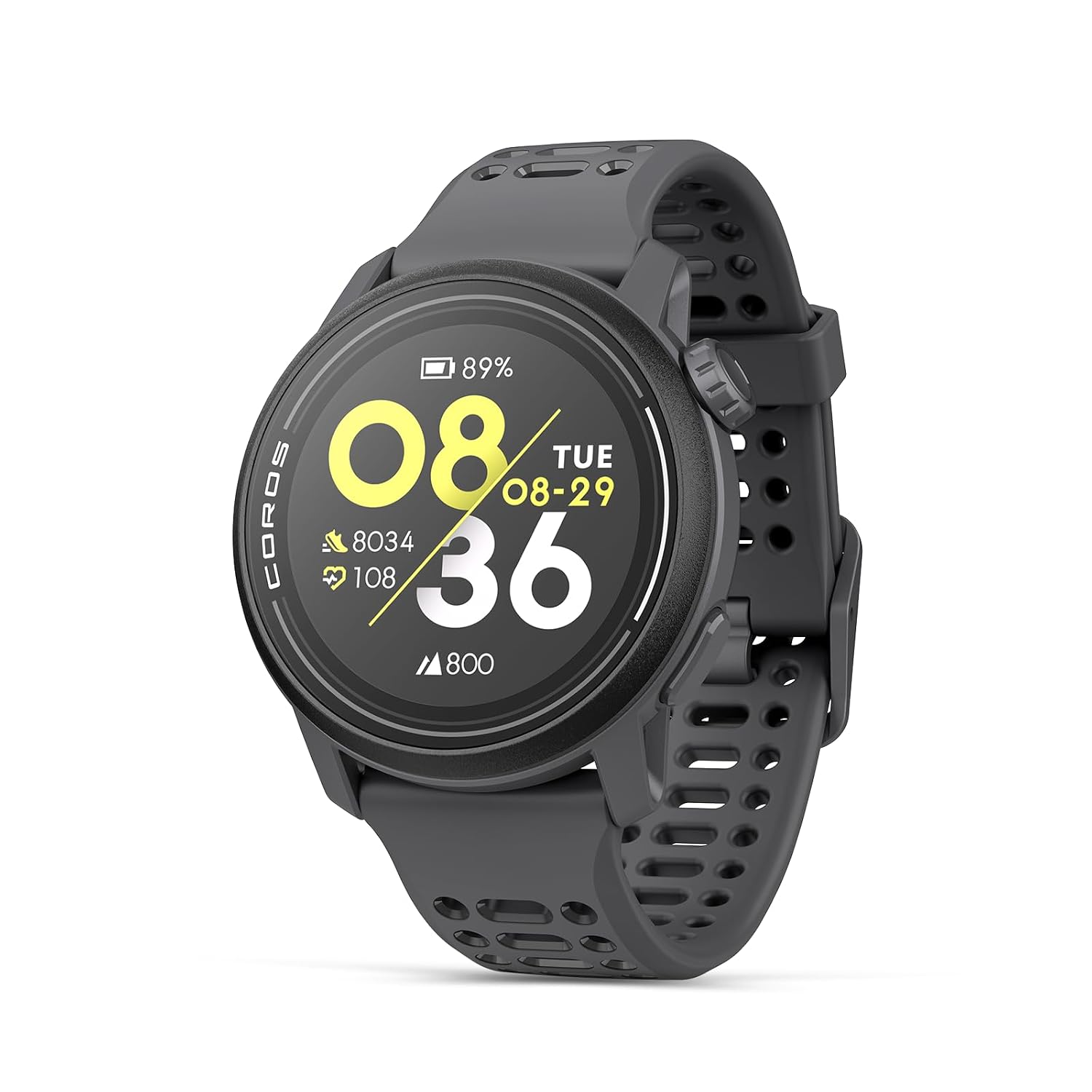
COROS Pace 3 is the battery-and-value pick for endurance GNSS: lightweight, long-lived, and serious enough for structured running without paying Forerunner/Fenix premiums. If your bottleneck is forgetting to charge before long runs, battery life is a training feature. Keep intensity decisions simple: pace, HR, and RPE first; add running power later if needed. Choose Pace 3 for value GNSS. Skip it if you need Garmin’s deepest multisport ecosystem.
Estimated ownership: about $239 in year 1 and
$269 over 3 years.
One of the best hardware-value entries. Optional HRM/footpod extras are separate.
VO2 Master · Portable-analyzer
Best for: Coaches and serious individuals who need measured field VO2 without a full lab cart
VO2 Master is the portable measurement lane: real gas analysis without a university bay. Buy it to run tests — not as a personal daily wearable. Portable direct VO2 analyzer. True VO2 max measurement samples expired gases during incremental exercise until criteria for max or peak are met. VO2 Master is the portable measurement lane: real gas analysis without a university bay. Buy it to run tests — not as a personal daily wearable.
Estimated ownership: about $7,800 in year 1 and
$9,000 over 3 years.
Hardware plus consumables/calibration over three years — clinic volume changes ROI.
Garmin · Watch
Best for: Training-focused users who also care about sleep
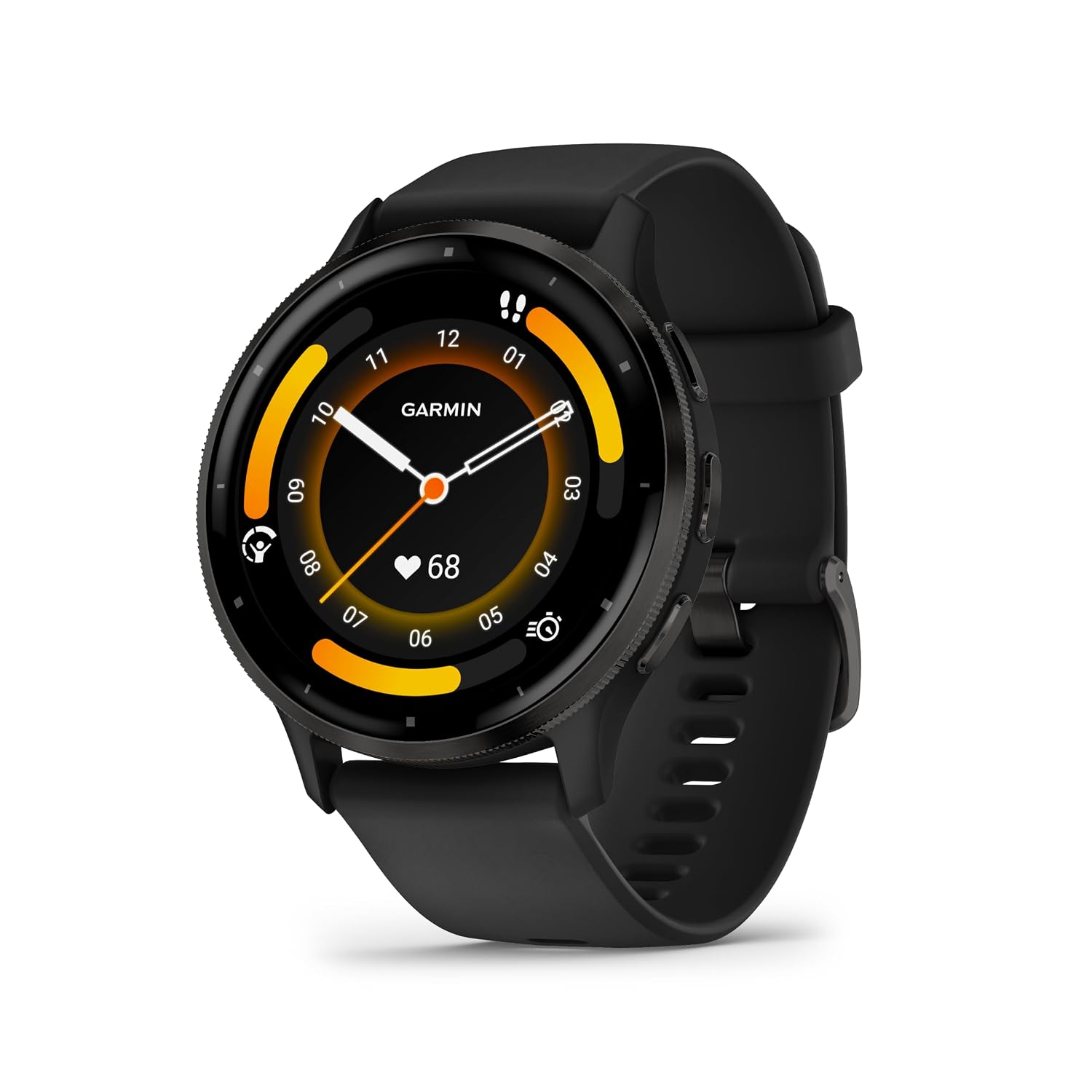
Garmin Venu 3 is easy to underestimate in sleep conversations because people assume Garmin equals running watches. In reality, Sleep Coach, HRV Status, and multi-week battery life make it one of the best no-subscription sleep-and-training hybrids. Battery life is the strategic advantage. Two weeks of wear means fewer gaps and less bedtime charging anxiety than Apple or Pixel watches. Garmin’s sleep tools are practical rather than flashy. If you want guidance tied to training readiness and body-battery style energy concepts, the ecosystem feels coherent. Choose Venu 3 if you train regularly and refuse subscriptions. Skip it if you want a jewelry-like ring or a maximalist smartwatch app store.
Estimated ownership: about $449 in year 1 and
$449 over 3 years.
One-time hardware purchase with no required sleep subscription.
PNOE · Clinic-analyzer
Best for: Longevity and performance clinics that need measured metabolic testing with reporting software
PNOE is a clinic measurement platform, not a longevity shopping-cart impulse. Relevant if you are building a testing practice — irrelevant if you just want your own number once a year. Clinic metabolic analyzer platform. True VO2 max measurement samples expired gases during incremental exercise until criteria for max or peak are met. PNOE is a clinic measurement platform, not a longevity shopping-cart impulse. Relevant if you are building a testing practice — irrelevant if you just want your own number once a year.
Estimated ownership: about $10,000 in year 1 and
$14,000 over 3 years.
Illustrative clinic ownership — software and service contracts dominate multi-year cost.
Apple · Watch
Best for: iPhone users who want one wearable for everything
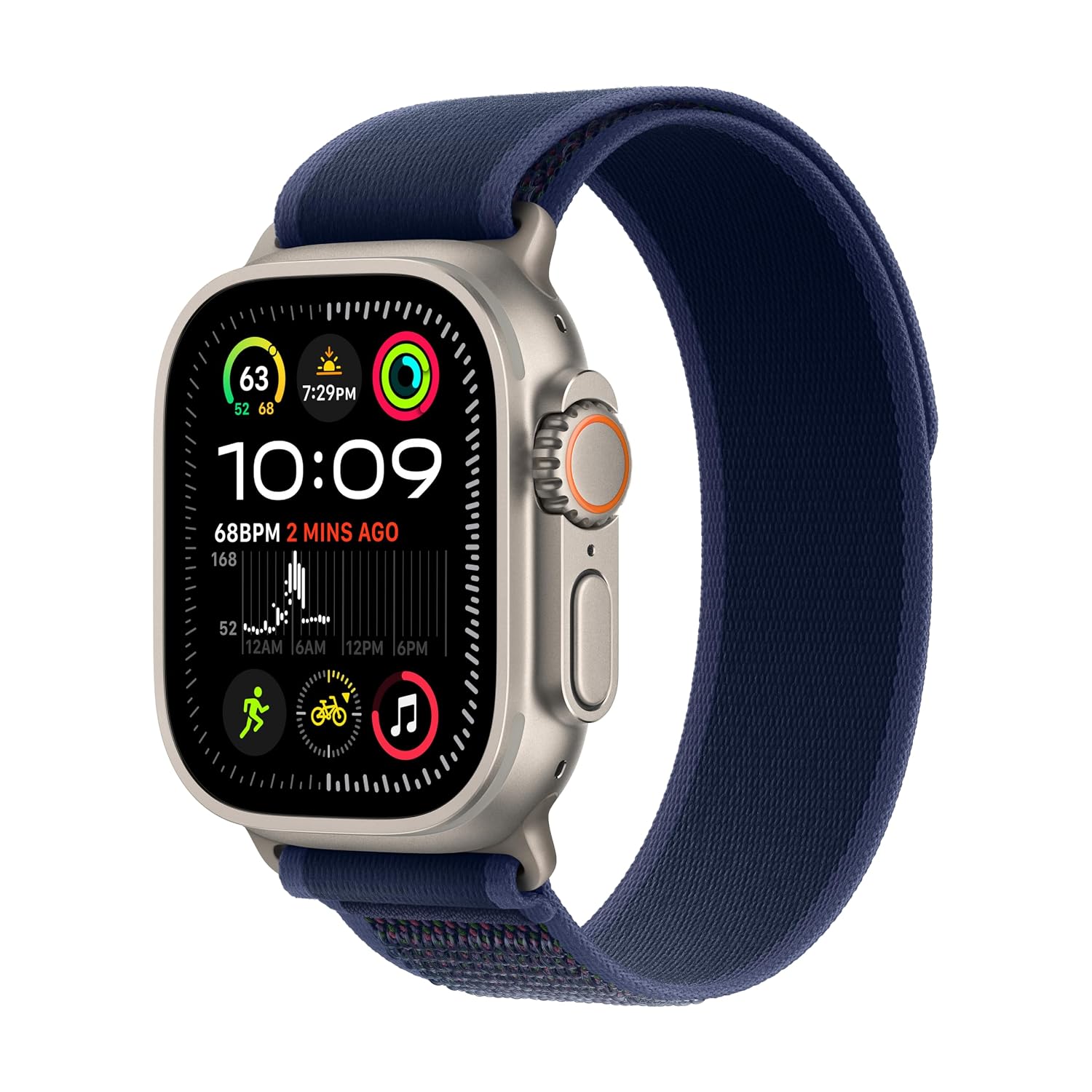
Apple Watch Ultra 2 is the best “one device” sleep option for many iPhone users. Sleep stages, vitals, and Health app history are polished, and daytime utility is unmatched. The catch is the same Apple Watch problem: charging habits can interrupt overnight trend continuity. Ultra improves endurance versus standard Apple Watch models, which helps sleep tracking in practice. Still, it is not a week-long ring. If you forget to charge before bed, you lose the night that mattered. Where Ultra wins is consolidation. If you already want dive/adventure durability, training metrics, notifications, and sleep in one purchase, paying for a separate ring may be unnecessary. Choose Ultra if your wearable life is already Apple-centric and sleep is one major feature among many. Skip it if sleep specialization and multi-day wear are the top priorities.
Estimated ownership: about $799 in year 1 and
$799 over 3 years.
Hardware-only estimate; Apple Watch Ultra is expensive upfront but has no sleep membership wall.
Polar · Watch
Best for: Polar watch users who want Running Index / fitness estimates plus optional H10 pairing
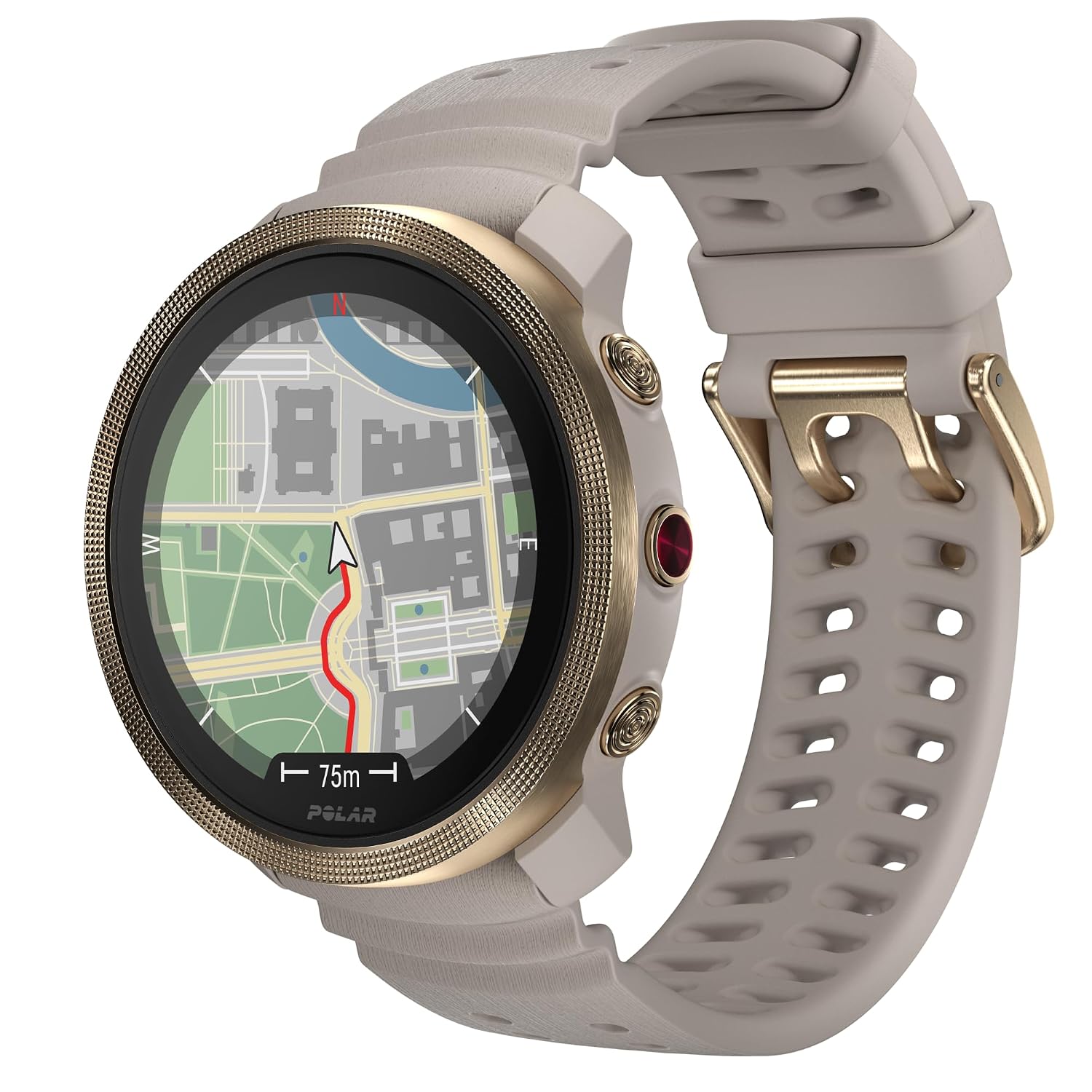
Vantage M3 is a credible Polar watch for longevity VO2 estimates when you like Polar’s training philosophy. Pair an H10 if you care about HR quality. Polar multisport VO2/fitness estimate watch. Wearable VO2 max estimates model cardiorespiratory fitness from heart rate and pace/power — useful for trends, not absolute clinical benchmarking. Vantage M3 is a credible Polar watch for longevity VO2 estimates when you like Polar’s training philosophy. Pair an H10 if you care about HR quality.
Estimated ownership: about $470 in year 1 and
$530 over 3 years.
Hardware — pair with H10 for best resting/estimate quality.
Apple · Watch
Best for: Lower-cost Apple Watch path to the same Cardio Fitness estimate family
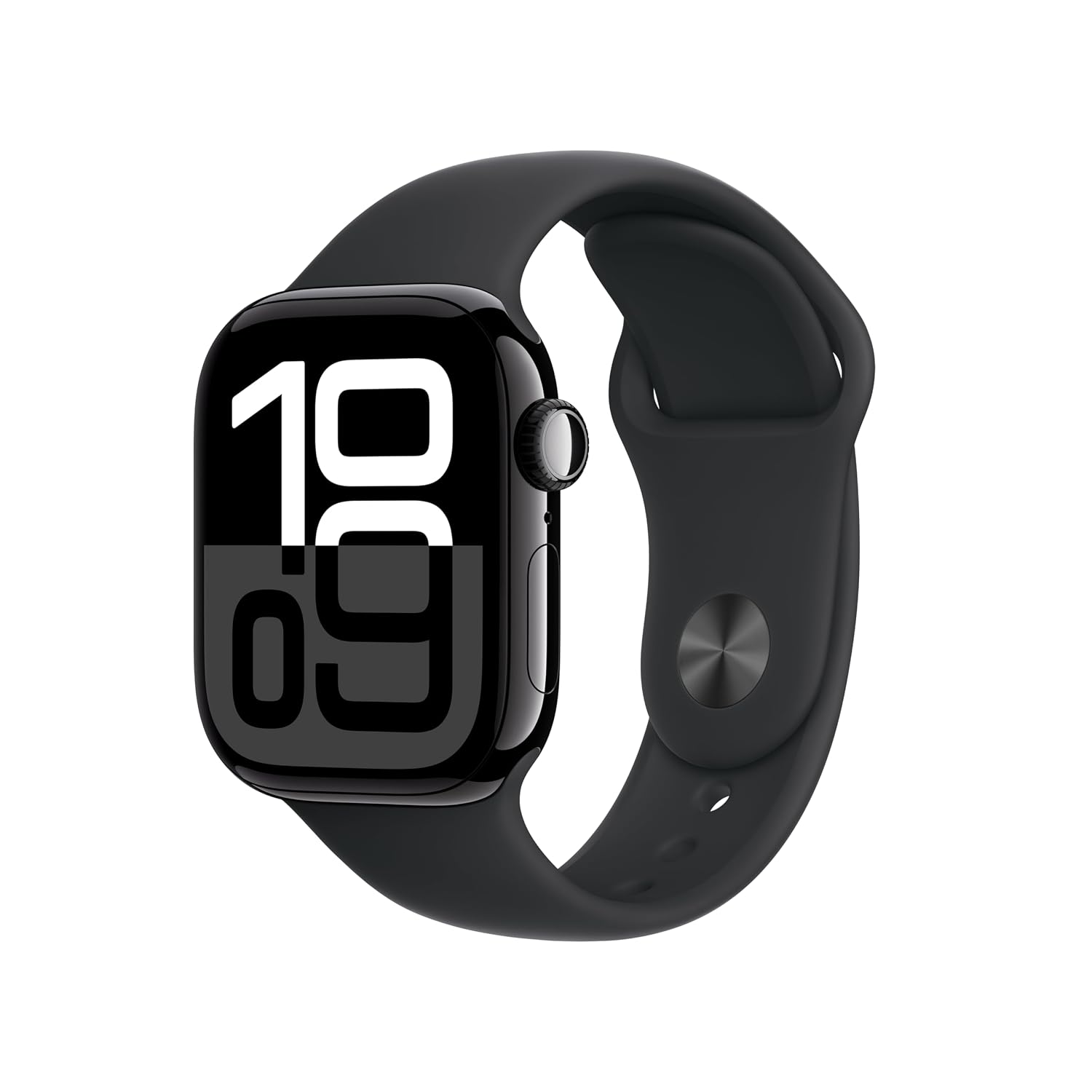
A standard Apple Watch is enough if you only want Cardio Fitness trends in Apple Health. Do not pay Ultra money for a more “true” VO2 max — the method is still an estimate. Apple Watch Series Cardio Fitness estimate. Wearable VO2 max estimates model cardiorespiratory fitness from heart rate and pace/power — useful for trends, not absolute clinical benchmarking. A standard Apple Watch is enough if you only want Cardio Fitness trends in Apple Health. Do not pay Ultra money for a more “true” VO2 max — the method is still an estimate.
Estimated ownership: about $420 in year 1 and
$500 over 3 years.
Hardware — replace cadence depends on how hard you train with it.
Field testing protocols · Protocol
Best for: Zero-cost longitudinal field estimate when you will not buy a watch or book a lab yet
A Cooper-style field test is the zero-dollar longevity VO2 proxy: run hard for a fixed time, estimate from distance, retest seasonally. Use it until you graduate to a watch trend or a lab baseline. Free field VO2 estimate protocol. Field tests estimate VO2 max from timed distance or pace at known efforts — useful when gear is not available, noisier than carts and many wearables. A Cooper-style field test is the zero-dollar longevity VO2 proxy: run hard for a fixed time, estimate from distance, retest seasonally. Use it until you graduate to a watch trend or a lab baseline.
Estimated ownership: about $0 in year 1 and
$0 over 3 years.
Free protocol — optional track membership is separate.
Detailed reviews
Clinical Metabolic Cart VO2 Max Test
Pros
Cons
Choose this if
Skip this if
Garmin Forerunner 265
Pros
Cons
Choose this if
Skip this if
Polar H10 Heart Rate Sensor
Pros
Cons
Choose this if
Skip this if
COROS Pace 3
Pros
Cons
Choose this if
Skip this if
VO2 Master Analyzer
Pros
Cons
Choose this if
Skip this if
Garmin Venu 3
Pros
Cons
Choose this if
Skip this if
PNOE Metabolic Analyzer
Pros
Cons
Choose this if
Skip this if
Apple Watch Ultra 2
Pros
Cons
Choose this if
Skip this if
Polar Vantage M3
Pros
Cons
Choose this if
Skip this if
Apple Watch Series (GPS)
Pros
Cons
Choose this if
Skip this if
Cooper 12-Minute / Field Estimate Protocol
Pros
Cons
Choose this if
Skip this if
How to use the number without fooling yourself
- Pick a primary method for trends (usually one watch brand).
- Calibrate occasionally with a lab test if absolute norms matter to you.
- Judge 8–12 week slopes, not overnight changes after one hard run.
- Keep profile data honest — weight, age, and max HR assumptions matter for estimates.
- Train the trait: easy aerobic volume, some intervals, sleep, and consistency beat gadget upgrades.
Realistic improvement timelines
- 4–8 weeks: beginners often see noticeable estimate and performance changes.
- 3–6 months: meaningful CRF category moves are realistic with consistent training.
- Years: maintaining upper-normal fitness as you age is itself a win — decline is the default without training.
Deep training tech context for endurance inputs: GPS and Power Meters for Endurance. Complementary longevity dashboards: Biological Age Tests Explained.
Higher cardiorespiratory fitness is repeatedly associated with lower all-cause mortality and fewer cardiovascular events in large analyses. Fitness behaves like a vital sign — graded benefit across the distribution, not only an elite-athlete story. For multi-month trends, often yes if you do qualifying outdoor efforts and keep profile data honest. For absolute comparison to lab norms or clinical decisions, no — watches estimate from heart rate and pace, they do not measure expired gases. Lab VO2: roughly yearly (or after a major training block). Wearable estimates: glance monthly, judge by 8–12 week slopes. Field protocols: seasonal is plenty. Context matters by age and sex. Practically, moving up even one fitness category is meaningful. Chasing elite percentiles is optional; escaping the lowest fitness tier is the highest-ROI health move. Consistent aerobic training with some higher-intensity work: easy volume plus intervals or hills, plus supporting sleep and body composition. Polarized or pyramidal patterns both work when adherence is real. Usually no for personal longevity. Book a lab test for absolutes; use a watch for trends. Portable analyzers make sense for coaches and clinics running many tests.VO2 max longevity FAQ
Why is VO2 max considered a longevity biomarker?
+
Is my watch VO2 max accurate enough?
+
How often should I test?
+
What is a good VO2 max for longevity?
+
How do I improve VO2 max?
+
Do I need a portable analyzer like VO2 Master?
+
This comparison is designed for practical decision-making. Product capabilities, pricing, and memberships change quickly, so treat battery claims, plan costs, and feature availability as moving targets.
Meta-analysis linking higher CRF to lower all-cause mortality and CV events — core evidence for treating VO2 max / fitness as a longevity biomarker. Large clinical cohort: higher CRF associated with lower long-term mortality — elite fitness not required to see graded benefit. Consumer watch estimates can systematically differ from indirect calorimetry — useful caution for treating wearable VO2 as a lab absolute.
Related Keersa guide: Biological Age Tests Explained
Another longevity measurement category — molecular clocks vs cardiorespiratory fitness as complementary, not competing, dashboards.
Related Keersa guide: DEXA, Visceral Fat, and Body Composition
Composition imaging companion to fitness biomarkers — visceral fat and lean mass trends the scale cannot show.
Related Keersa guide: GPS and Power Meters for Endurance
Hardware that improves the pace/power inputs many wearable VO2 estimates depend on.
Affiliate disclosure: some product links on Keersa Health may earn a commission at no extra cost to you.
Editorial recommendations are independent of commercial relationships.
Read our full disclosure.
Sources and editorial notes
Bottom line
VO2 max earns its longevity reputation because cardiorespiratory fitness predicts outcomes and responds to training. Measure it with a lab when you need truth; track it with a watch when you need a slope; start with a field test when you need zero cost. Related: Biological Age Tests Explained and Grip Strength as a Health Biomarker.
Next in Longevity: DEXA, Visceral Fat, and Body Composition — what DEXA adds beyond the scale and how often to scan.