Longevity guide · Updated 2026
Strength Training as Longevity Medicine: Muscle, Bone, Fall Risk, and Amazon-Reachable Tools That Help You Train
A practical guide to strength as longevity medicine — muscle, bone, and fall resilience, plus Amazon-reachable dumbbells, kettlebells, bands, and grip tools for a sustainable home setup.
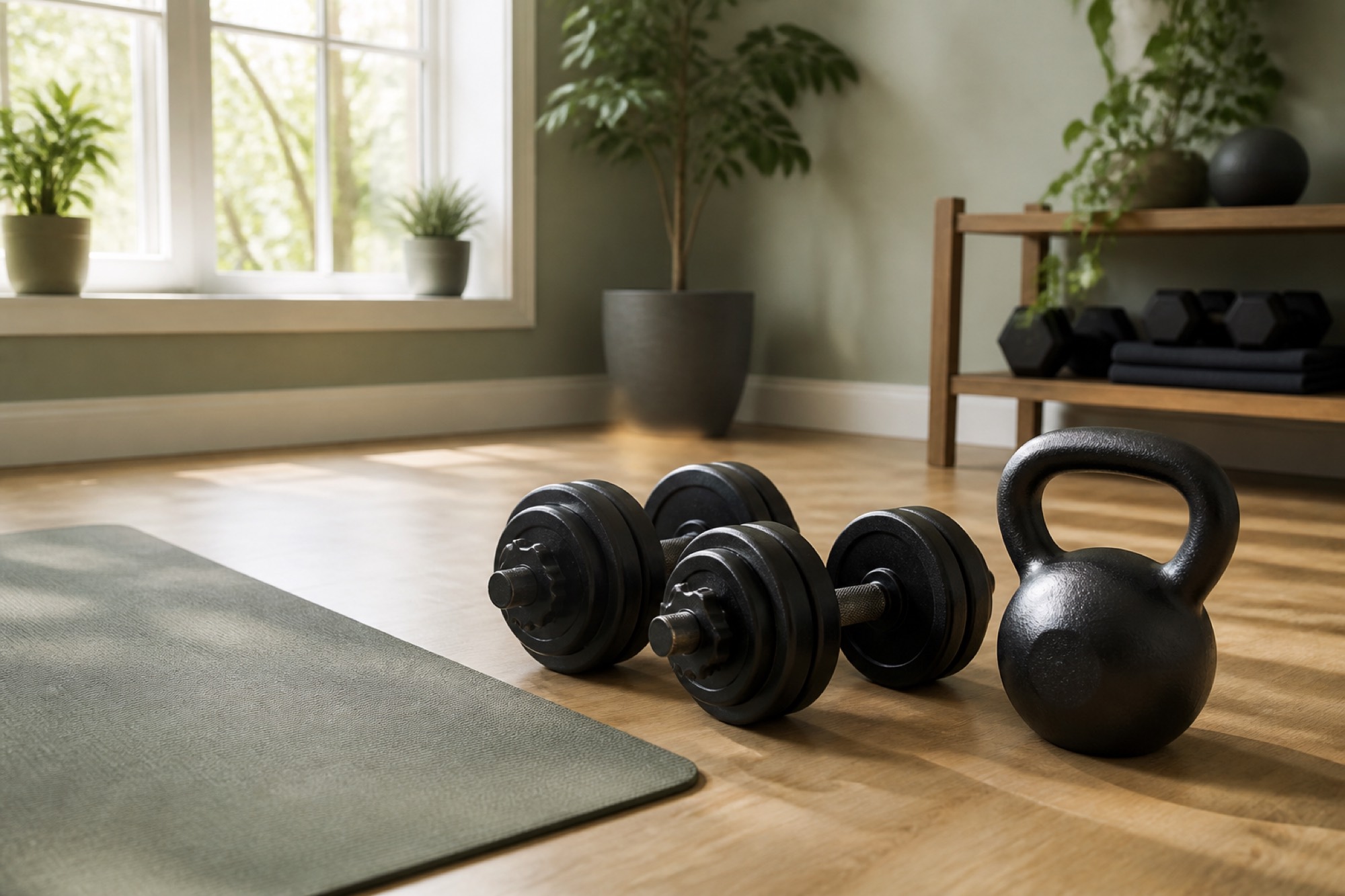
If longevity content has a quiet hierarchy, strength training sits near the top: preserve muscle, load bone, keep the capacity to get off the floor and catch yourself. This guide treats progressive resistance training as practical longevity medicine — and compares Amazon-reachable tools that help you do the work at home when a full barbell gym is not your starting point.
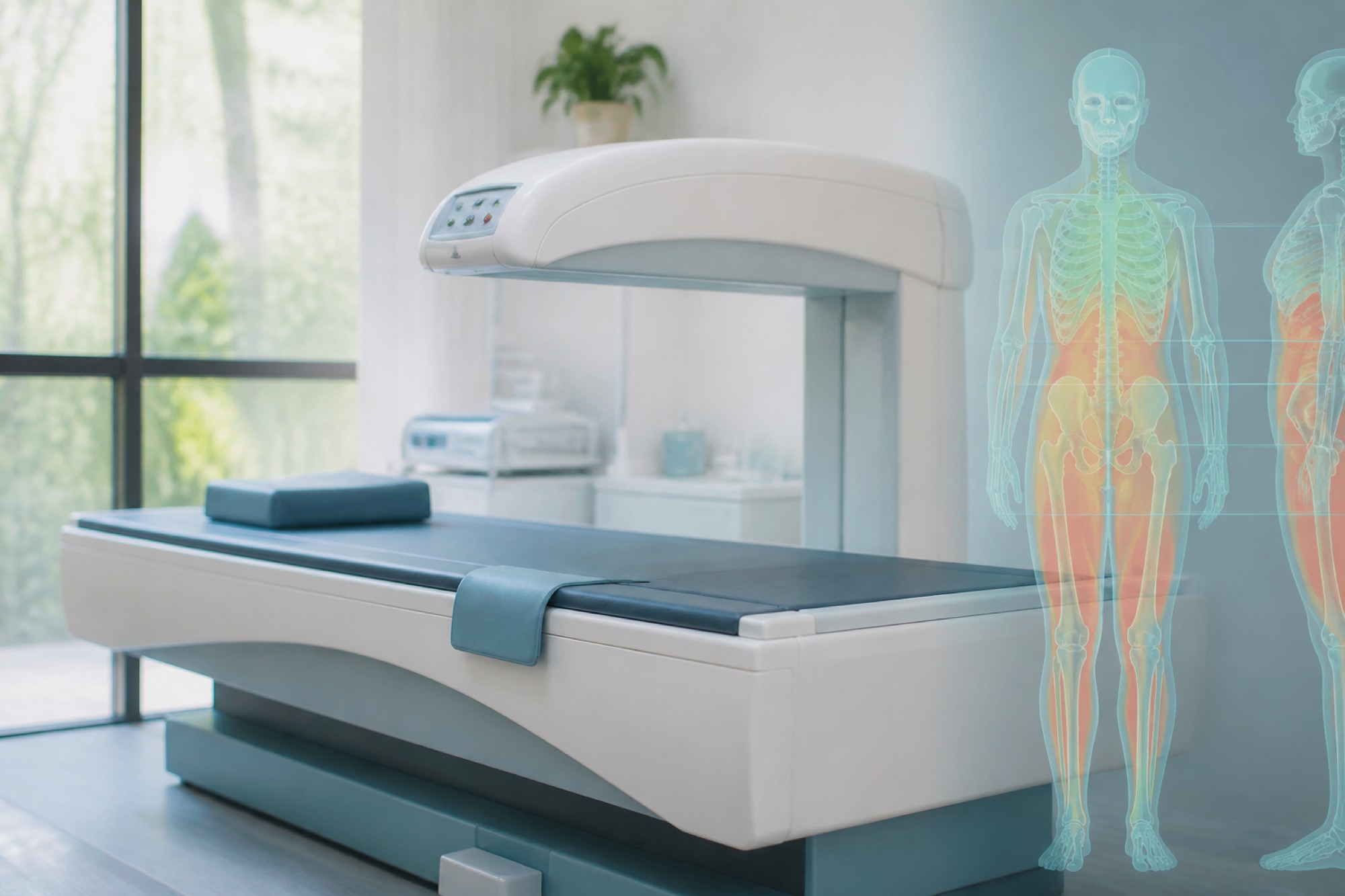
We cover eleven options: a free bodyweight protocol, commercial gym barbell basics, Bowflex SelectTech 552, JaxJox DumbbellConnect, a CAP kettlebell, Serious Steel bands, a doorway pull-up bar, a CAP weighted vest, Camry grip tracking, an adjustable bench, and TRX GO. Related reading: Zone 2 Training Technology, DEXA, Visceral Fat, and Body Composition, Continuous Monitoring for Aging Metrics, and Grip Strength as a Health Biomarker.
Overview: muscle is not optional aging hardware
Sarcopenia and lost power are not vanity problems. Lower strength and grip associate with higher mortality and disability risk in large studies. Meta-analyses of progressive resistance training in older adults show meaningful gains in strength and function, with supportive signals for hip/femur bone mineral density when programs are progressive enough. The medicine is the overload you recover from — not the logo on the dumbbell.
Key takeaways
- Best first move: two or three weekly full-body sessions with progressive difficulty — bodyweight counts if it progresses.
- Best Amazon home stack for many people: SelectTech-class dumbbells + bench + pull-up progression (bar + bands).
- Best single piece of iron: a kettlebell you will swing, squat, and carry.
- Best biomarker add-on: Camry-class grip meter monthly — while you keep lifting the big patterns.
- Equipment class in the table: 1 = protocol/bands/bodyweight tools, 2 = home free weights, 3 = gym or heavy smart/commercial path.
- Biggest mistake: buying a smart gym before you have 12 consistent weeks of hard sets.
What to train for longevity (patterns, not influencer splits)
- Squat or lunge pattern — sit-to-stand capacity and lower-body muscle.
- Hinge — deadlift, kettlebell swing, or Romanian hinge for posterior chain and hip power.
- Push — push-up or press variations.
- Pull — row and/or pull-up/chin-up progressions.
- Carry or brace — farmer carries, vest walks, or anti-rotation core work for real-world resilience.
Progress one variable at a time: reps, sets, slower tempo, fuller range, or more load. Log sessions. Pair with Zone 2 so strength recovery stays intact.
Bone density and fall risk — what strength can and cannot do
Progressive resistance training is among the better lifestyle tools for maintaining muscle and supporting hip/femur BMD signals in older adults. Fall risk also depends on power, balance, vision, medications, and environment. Weighted vest walks and single-leg work help; they do not replace medical care for osteoporosis. Check progress with function and, when relevant, DEXA — not with a single viral exercise.
Grip strength as a signal, not the whole program
Grip predicts outcomes partly because it proxies whole-body strength and health. Track it if you like dashboards (grip guide). Build it by lifting and hanging — not by living on a spring gripper.
How we evaluate strength gear for longevity
- Progressive overload capacity (30%) — can load rise for months?
- Movement coverage (25%) — squat/hinge/push/pull/carry
- Adherence friction (20%) — setup time, space, membership
- Amazon practicality (15%) — reachable purchase and replacement
- Honesty of marketing (10%) — tool versus miracle aging device
Interactive comparison
Filter by form factor, sort by score or price, and pin up to three options for a focused side-by-side view.
Tradeoff:
Sticker price is misleading in this category. Membership-heavy products can cost more over three years than premium hardware with no required plan.
Estimates are directional and based on common public pricing patterns. Promotions, refurbished units, family plans, and tier changes can move these numbers materially.
3-year cost of ownership
Device
Year 1
3-year estimate
Amazon Price
Membership
Bodyweight Progressive Overload Protocol
$0
$0
—
No membership
Commercial Gym Barbell Basics
$600
$1,800
—
Membership is the product
CAP Barbell Cast Iron Kettlebell
$100
$150
$39.99
No membership
Camry EH101 Hand Dynamometer
$32
$40
$31.99
No membership
Yes4All Doorway Pull-Up Bar
$35
$45
$39
No membership
Serious Steel Resistance Bands
$80
$140
—
No membership
Adjustable Weight Bench
$160
$180
$75.49
No membership
Bowflex SelectTech 552
$429
$449
—
Optional JRNY / app content
TRX GO Suspension Trainer
$110
$130
$139.95
Optional app / programs — straps work without a fee
CAP Barbell Adjustable Weighted Vest
$130
$150
$149.99
No membership
JaxJox DumbbellConnect
$619
$679
$745
App features optional / historically uneven support
Choose based on space, load needs, and whether you will leave home to train.Which strength path should you use?
Choose the bodyweight protocol if...
Choose a commercial gym if...
Choose Bowflex SelectTech 552 if...
Choose JaxJox if...
Choose a CAP kettlebell if...
Choose bands + pull-up bar if...
Add a weighted vest if...
Add Camry grip metering if...
Add a bench and/or TRX if...
Below are deeper notes on every option in the comparison table, sorted by editorial score. Jump directly from the table pins or the cost section.
Training method · Protocol
Best for: Starting strength for longevity with zero equipment while you learn progressive difficulty
A structured bodyweight protocol is still the highest-ROI longevity strength start: push, pull, squat, hinge, and carry patterns progressed weekly before you buy iron. Bodyweight progressive overload uses harder variations, slower tempos, and denser sets to raise stimulus without free weights. Strength is longevity medicine when progressive overload is consistent for months — equipment only helps if you show up. A structured bodyweight protocol is still the highest-ROI longevity strength start: push, pull, squat, hinge, and carry patterns progressed weekly before you buy iron.
Estimated ownership: about $0 in year 1 and
$0 over 3 years.
Free — optional notebook for reps and difficulty notes.
Local gym membership · Gym
Best for: Squat, hinge, press, and pull with real progressive load when a home setup would stall you
A basic gym membership remains the most complete longevity strength toolkit: progressive barbell and machine loading for muscle, bone, and fall-resilience capacity. Commercial gyms provide barbells, racks, and machines that support progressive resistance training for sarcopenia and bone-density goals. Strength is longevity medicine when progressive overload is consistent for months — equipment only helps if you show up. A basic gym membership remains the most complete longevity strength toolkit: progressive barbell and machine loading for muscle, bone, and fall-resilience capacity.
Estimated ownership: about $600 in year 1 and
$1,800 over 3 years.
Assumes ~$50/mo membership. Coaching and day passes vary widely.
CAP Barbell · Kettlebell
Best for: Hinge power, loaded carries, and compact full-body sessions with one piece of iron
A CAP cast-iron kettlebell is the simplest Amazon iron for longevity: hinges, squats, carries, and get-ups that build muscle and resilient hips. Kettlebells support hinge-dominant power, goblet squats, and loaded carries useful for fall-resilience and conditioning. Strength is longevity medicine when progressive overload is consistent for months — equipment only helps if you show up. A CAP cast-iron kettlebell is the simplest Amazon iron for longevity: hinges, squats, carries, and get-ups that build muscle and resilient hips.
Estimated ownership: about $100 in year 1 and
$150 over 3 years.
Assumes one starter bell plus a later second weight (~$50–$100 total early years).
Camry · Dynamometer
Best for: Tracking grip strength as a simple longevity biomarker alongside your training
Camry EH101 is the Amazon grip meter for longevity dashboards: track a mortality-linked biomarker while your real medicine remains progressive lifting. Consumer hand dynamometers estimate grip force for longitudinal trending; standardize posture and trials. Strength is longevity medicine when progressive overload is consistent for months — equipment only helps if you show up. Camry EH101 is the Amazon grip meter for longevity dashboards: track a mortality-linked biomarker while your real medicine remains progressive lifting.
Estimated ownership: about $32 in year 1 and
$40 over 3 years.
Hardware plus AAA batteries. See also our grip-strength deep dive for clinic-grade options.
Yes4All · Pull-up-bar
Best for: Vertical pulling strength at home — a key anti-frailty upper-body pattern
A doorway pull-up bar is the cheapest Amazon way to train a longevity-critical pattern: hanging and pulling your own bodyweight. Doorway pull-up bars enable chin-ups, pull-ups, and hanging work that support upper-body strength and shoulder resilience. Strength is longevity medicine when progressive overload is consistent for months — equipment only helps if you show up. A doorway pull-up bar is the cheapest Amazon way to train a longevity-critical pattern: hanging and pulling your own bodyweight.
Estimated ownership: about $35 in year 1 and
$45 over 3 years.
Hardware — verify door frame compatibility before loading bodyweight.
Serious Steel · Bands
Best for: Travel, warm-ups, assisted pull-ups, and progressive band strength when iron is unavailable
A quality resistance-band set is the travel and assistance layer of a longevity strength stack — especially for pull-up progressions and joint-friendly volume. Loop and power bands provide portable progressive resistance and assistance for pull-ups and accessory work. Strength is longevity medicine when progressive overload is consistent for months — equipment only helps if you show up. A quality resistance-band set is the travel and assistance layer of a longevity strength stack — especially for pull-up progressions and joint-friendly volume.
Estimated ownership: about $80 in year 1 and
$140 over 3 years.
Replace worn bands over years — inspect before heavy assisted pull-ups.
Amazon / home-gym brands · Bench
Best for: Unlocking presses, rows, and hip thrusts with dumbbells at home
A solid adjustable bench is the silent partner in home longevity lifting: without it, dumbbell programs stay half-finished. Adjustable benches enable incline presses, supported rows, and hip thrusts that expand home hypertrophy options. Strength is longevity medicine when progressive overload is consistent for months — equipment only helps if you show up. A solid adjustable bench is the silent partner in home longevity lifting: without it, dumbbell programs stay half-finished.
Estimated ownership: about $160 in year 1 and
$180 over 3 years.
Hardware — prioritize weight rating and stability over fold tricks.
Bowflex · Dumbbell
Best for: Proven mechanical adjustable dumbbells with optional app coaching — no motors required
Bowflex SelectTech 552 is the control group for smart resistance marketing: mechanical adjustable dumbbells that already solve space and progression for most people. If a connected gym cannot beat this on adherence and cost, you do not need the connected gym. “Smart” should mean better training decisions or lower friction — not Bluetooth for its own sake. Pair these with a simple program before spending four figures on motors. Choose SelectTech as the baseline home strength kit. Upgrade to motorized systems only when coaching/features clearly improve consistency.
Estimated ownership: about $429 in year 1 and
$449 over 3 years.
One-time hardware. Optional app subscriptions are unnecessary for basic progressive training.
TRX · Suspension
Best for: Travel-friendly pulling, core, and single-leg strength when a rack is not available
TRX GO is the portable longevity strength add-on: rows, split squats, and core work that travel with you when iron cannot. Suspension trainers scale bodyweight rowing, squatting, and core patterns via body angle and stance. Strength is longevity medicine when progressive overload is consistent for months — equipment only helps if you show up. TRX GO is the portable longevity strength add-on: rows, split squats, and core work that travel with you when iron cannot.
Estimated ownership: about $110 in year 1 and
$130 over 3 years.
Hardware — optional programs are not required to train.
CAP Barbell · Vest
Best for: Adding progressive load to walks, step-ups, and bodyweight strength for bone and work capacity
An adjustable weighted vest turns daily walking and bodyweight work into progressive loading — a practical longevity bridge between steps and a full gym. Weighted vests add external load to walking and calisthenics, supporting work capacity and weight-bearing stimulus. Strength is longevity medicine when progressive overload is consistent for months — equipment only helps if you show up. An adjustable weighted vest turns daily walking and bodyweight work into progressive loading — a practical longevity bridge between steps and a full gym.
Estimated ownership: about $130 in year 1 and
$150 over 3 years.
Hardware — progress load gradually; walking shoes matter as much as the vest.
JaxJox · Dumbbell
Best for: Amazon-reachable electronic adjustable dumbbells with quick weight changes
JaxJox DumbbellConnect is the practical “smart enough” Amazon strength buy: electronic adjustable dumbbells that shrink a rack into two handles. It is not a motorized cable gym — and that is fine if your goal is fast weight changes and space savings. Connected dumbbells succeed when adjustment friction drops. They fail when buyers expect Tonal-class programming from a pair of bells. Check live app/support notes on the marketplace listing — software longevity varies in this category. Choose JaxJox for compact adjustable iron. Skip it if you need 100+ lb dumbbell work or full digital cables.
Estimated ownership: about $619 in year 1 and
$679 over 3 years.
Hardware-focused. Treat premium app content as optional and verify current app status before relying on classes.
Detailed reviews
Bodyweight Progressive Overload Protocol
Pros
Cons
Choose this if
Skip this if
Commercial Gym Barbell Basics
Pros
Cons
Choose this if
Skip this if
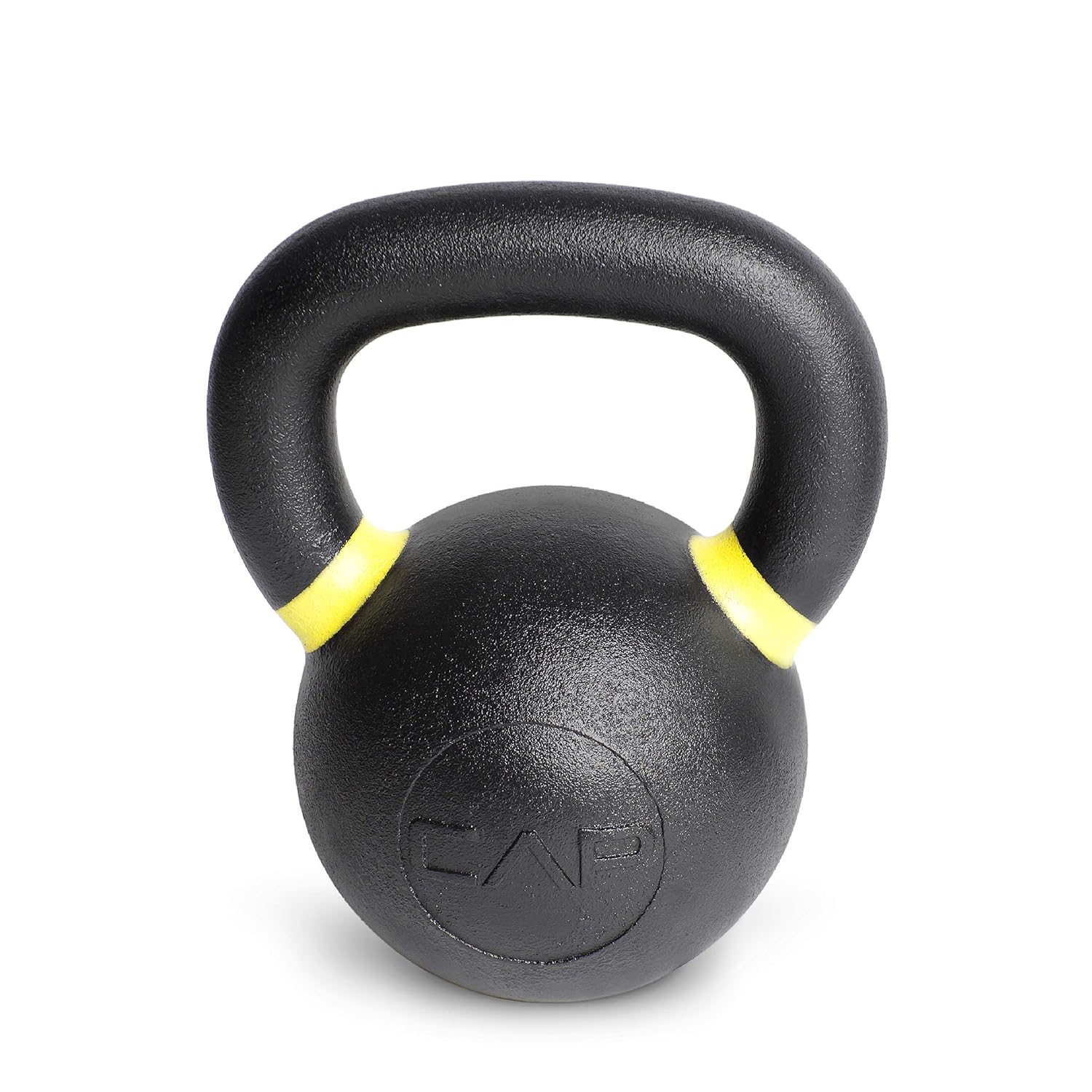
CAP Barbell Cast Iron Kettlebell
Pros
Cons
Choose this if
Skip this if
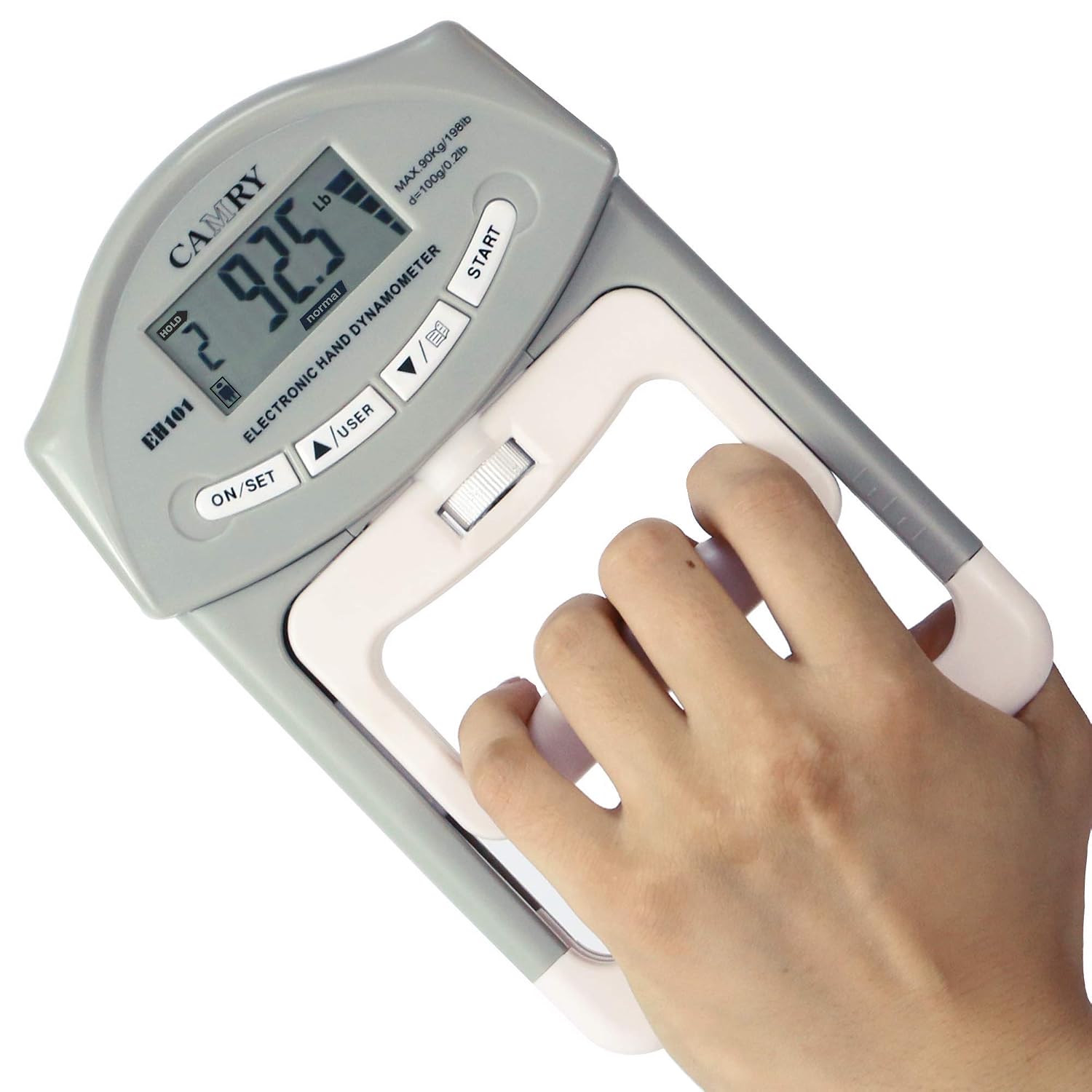
Camry EH101 Hand Dynamometer
Pros
Cons
Choose this if
Skip this if
Yes4All Doorway Pull-Up Bar
Pros
Cons
Choose this if
Skip this if
Serious Steel Resistance Bands
Pros
Cons
Choose this if
Skip this if
Adjustable Weight Bench
Pros
Cons
Choose this if
Skip this if
Bowflex SelectTech 552
Pros
Cons
Choose this if
Skip this if
TRX GO Suspension Trainer
Pros
Cons
Choose this if
Skip this if
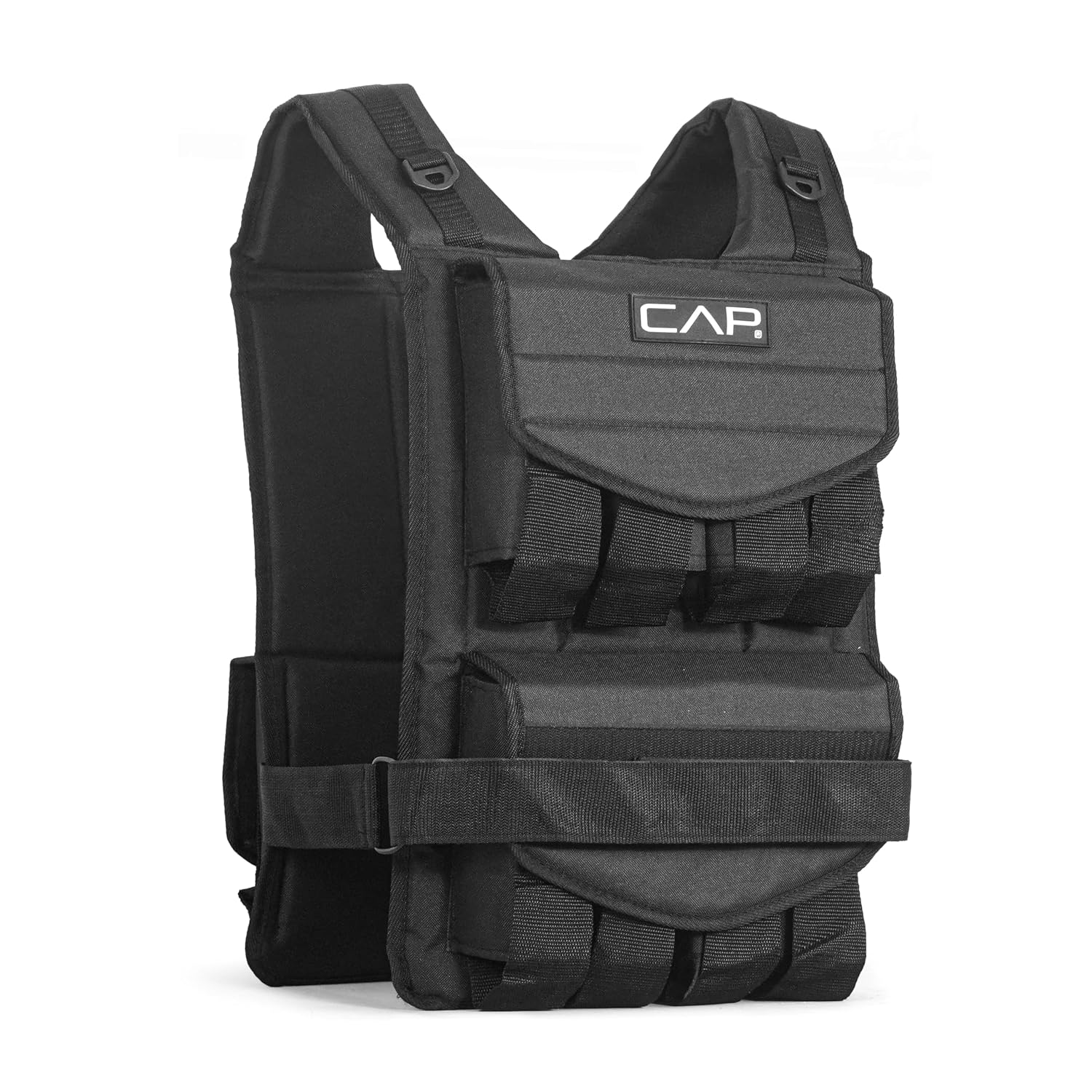
CAP Barbell Adjustable Weighted Vest
Pros
Cons
Choose this if
Skip this if
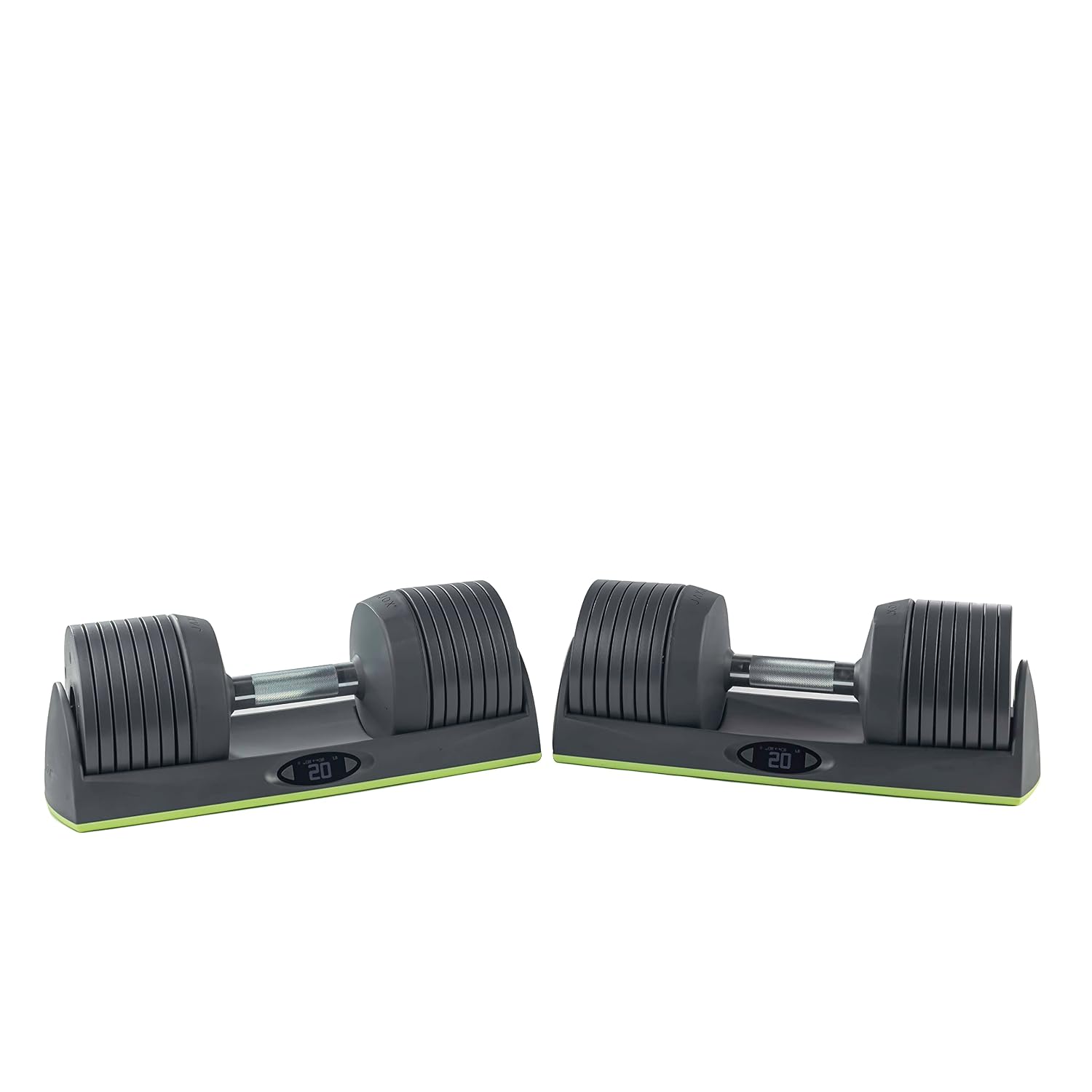
JaxJox DumbbellConnect
Pros
Cons
Choose this if
Skip this if
Sample stacks that stay sane
- Zero-equipment start: bodyweight protocol for 8–12 weeks, then add a pull-up bar and bands.
- Apartment iron: Bowflex or JaxJox + adjustable bench + kettlebell.
- Minimalist iron: one or two kettlebells + TRX or bands for rows.
- Gym-first: commercial membership for squats and hinges; keep bands at home for travel.
- Measure lightly: Camry grip monthly + optional DEXA/body composition yearly.
Because progressive resistance training is one of the highest-confidence tools for preserving muscle, function, and — with the right loading — supporting bone. Grip strength and muscle loss track hard outcomes in large cohorts. That is closer to first-line care than most longevity supplements. Most people do well with 2–3 full-body sessions weekly covering squat/hinge, push, pull, and a carry or core finisher. Consistency for months beats a perfect 6-day split you abandon. Home adjustable dumbbells, a kettlebell, bands, and a pull-up progression can take beginners and intermediates very far. A gym helps when you need heavier lower-body loading or machines. Buy equipment that matches the loads you will actually use for a year. Progressive resistance training can improve femur/hip BMD in older adults in meta-analyses, but results vary by site and program. It is necessary foundation work — not a guarantee that a DEXA will transform without nutrition, medical context, and enough progressive load. No. Grip is a useful biomarker and a weak proxy for whole-body strength. Train the big patterns; optionally track grip monthly with a dynamometer. Squeezing a gripper is not a longevity program. Start with bodyweight progressions or light dumbbells, prioritize form, and add load slowly. Pain that alters movement is a stop signal. A few sessions with a competent coach can be cheaper than guessing for a year.Strength training as longevity medicine FAQ
Why is strength training called longevity medicine here?
+
How many days per week do I need?
+
Do I need a barbell gym, or is home equipment enough?
+
Will lifting alone fix bone density?
+
Is grip training enough if grip predicts mortality?
+
What if I am older or new to lifting?
+
This comparison is designed for practical decision-making. Product capabilities, pricing, and memberships change quickly, so treat battery claims, plan costs, and feature availability as moving targets.
Large multinational cohort linking lower grip strength to higher all-cause and cardiovascular mortality — foundational biomarker context for why strength tracks aging risk. Meta-analysis: progressive resistance training increases muscle strength and femur/hip BMD in older adults; lumbar spine BMD effects are less consistent — supports heavy-ish, progressive loading for longevity. RT improves muscle strength, lean mass, grip, and function in sarcopenia; practical dose-response framing for accumulating hard sets over months.
Related Keersa guide: Grip Strength as a Health Biomarker
Dynamometers, norms, and how to measure grip without confusing a squeeze test for a training plan.
Related Keersa guide: Zone 2 Training Technology
Aerobic base pairs with strength — longevity is not only lifting or only easy cardio.
Related Keersa guide: DEXA, Visceral Fat, and Body Composition
Muscle and fat trends from imaging complement what the barbell and scale cannot show alone.
Related Keersa guide: Continuous Monitoring for Aging Metrics
Sleep, HRV, and activity trends help you see whether strength training is recovering or grinding you down.
Affiliate disclosure: some product links on Keersa Health may earn a commission at no extra cost to you.
Editorial recommendations are independent of commercial relationships.
Read our full disclosure.
Sources and editorial notes
Bottom line
Strength training earns the “longevity medicine” label when it is progressive, consistent, and built around real movement patterns. Buy the smallest kit that lets you overload for a year — often adjustable dumbbells, a bench, a pull progression, and maybe a kettlebell — and keep Zone 2 and sleep in the plan. Related: Continuous Monitoring for Aging Metrics, Zone 2 Training Technology, and Grip Strength as a Health Biomarker.
Next in Longevity: A Practical Longevity Stack for Non-Obsessives — high-confidence behaviors first; speculative interventions last, if ever.