Longevity guide · Updated 2026
The Longevity Protocol: What Actually Extends Healthspan
An authoritative 2026 overview of healthspan order of operations — sleep, Zone 2, strength, measurements, and when boutique biology is worth reading next.

Longevity protocols in 2026 are crowded with clocks, capsules, and dashboards. This is the Keersa Health overview: what actually moves healthspan odds, a practical order of operations, four commonly used tools, and when to open our deeper guides on biomarkers, training tech, monitoring, and pharmacology.
Key takeaways
- Healthspan is a system: sleep + aerobic fitness + muscle/strength + metabolic/cardiovascular risk + medical context.
- Order of operations beats shopping lists: habits first, clinical basics second, wearables third, speculative biology last.
- Zone 2 and strength are higher-confidence levers than most longevity supplements.
- Measure what changes decisions: blood pressure, annual labs, fitness/strength trends — not every available biomarker.
- Four common tools: recovery ring, HR strap, kettlebell, home BP cuff — useful after habits exist.
- Red flags need clinicians, not another aging PDF.
The order of operations
Buy less at the start. Change the defaults that run every week.
- Protect sleep. Consistent timing beats revenge bedtime and most sleep gadgets.
- Build easy aerobic volume. Conversational Zone 2 most weeks supports cardiorespiratory fitness linked to outcomes.
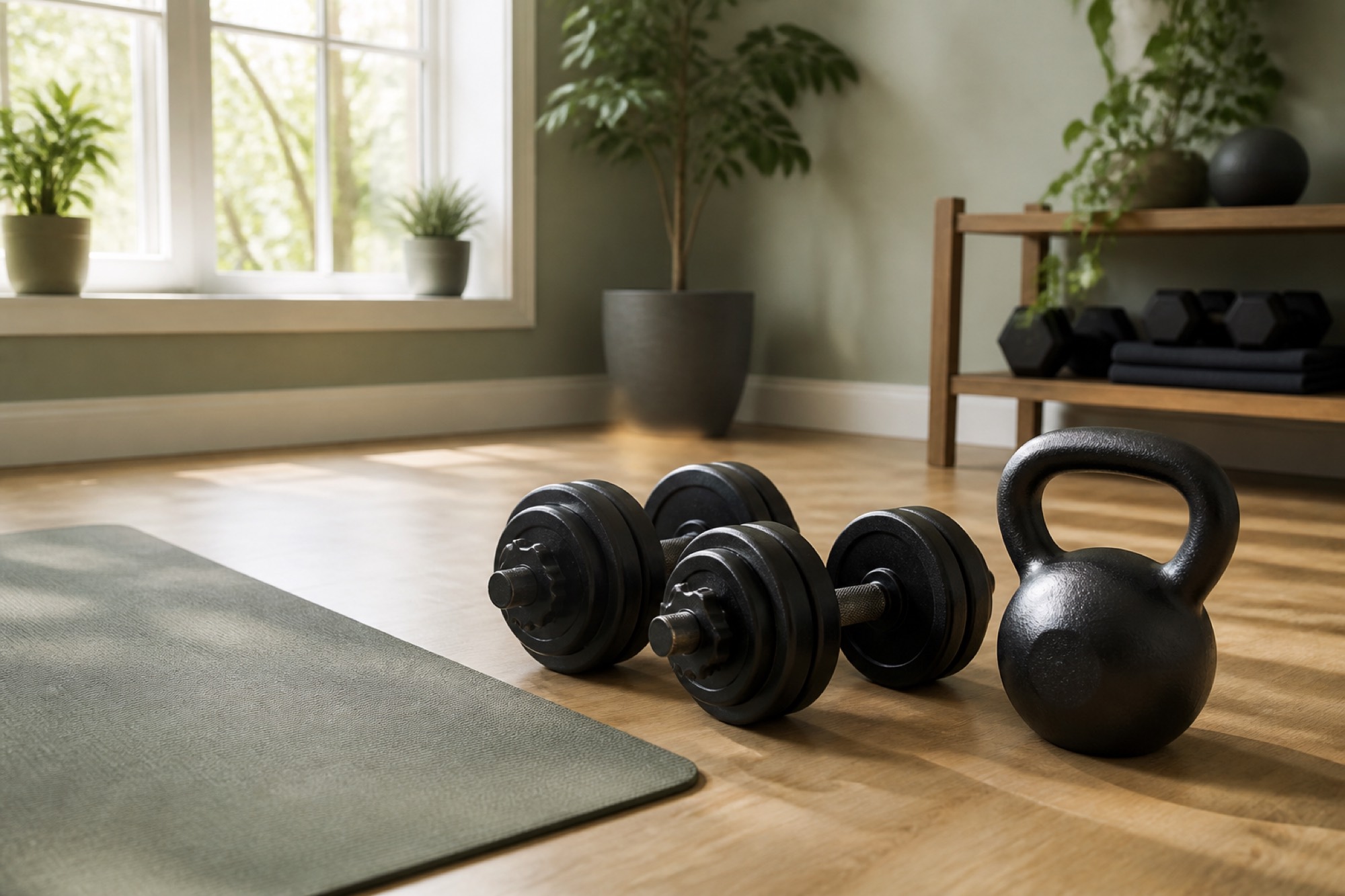
- Train strength. Progressive loading for muscle, bone, and fall resilience — iron before influencer stacks.
- Know a few vitals. Home blood pressure (when relevant) and clinician-ordered annual labs.
- Add one recovery or activity dashboard only if it changes behavior without creating score anxiety.
- Use specialty measurements with a question. VO2, DEXA, grip trends, seasonal CGM blocks — not all at once.
- Postpone speculative biology until fundamentals are dull and durable: clocks, NAD, rapamycin.
Foundations: sleep, Zone 2, strength
If longevity content has a quiet hierarchy, these three sit at the top. Sleep protects recovery and metabolic control. Easy aerobic work builds the engine behind VO2-related risk. Progressive strength preserves the physical capacity aging tries to take away.
When you want product-level or protocol-level detail:
- Zone 2 Training Technology — heart-rate straps, watches, and lactate tools that keep easy days easy.
- Strength Training as Longevity Medicine — home iron, bands, pull progressions, and grip as a biomarker.
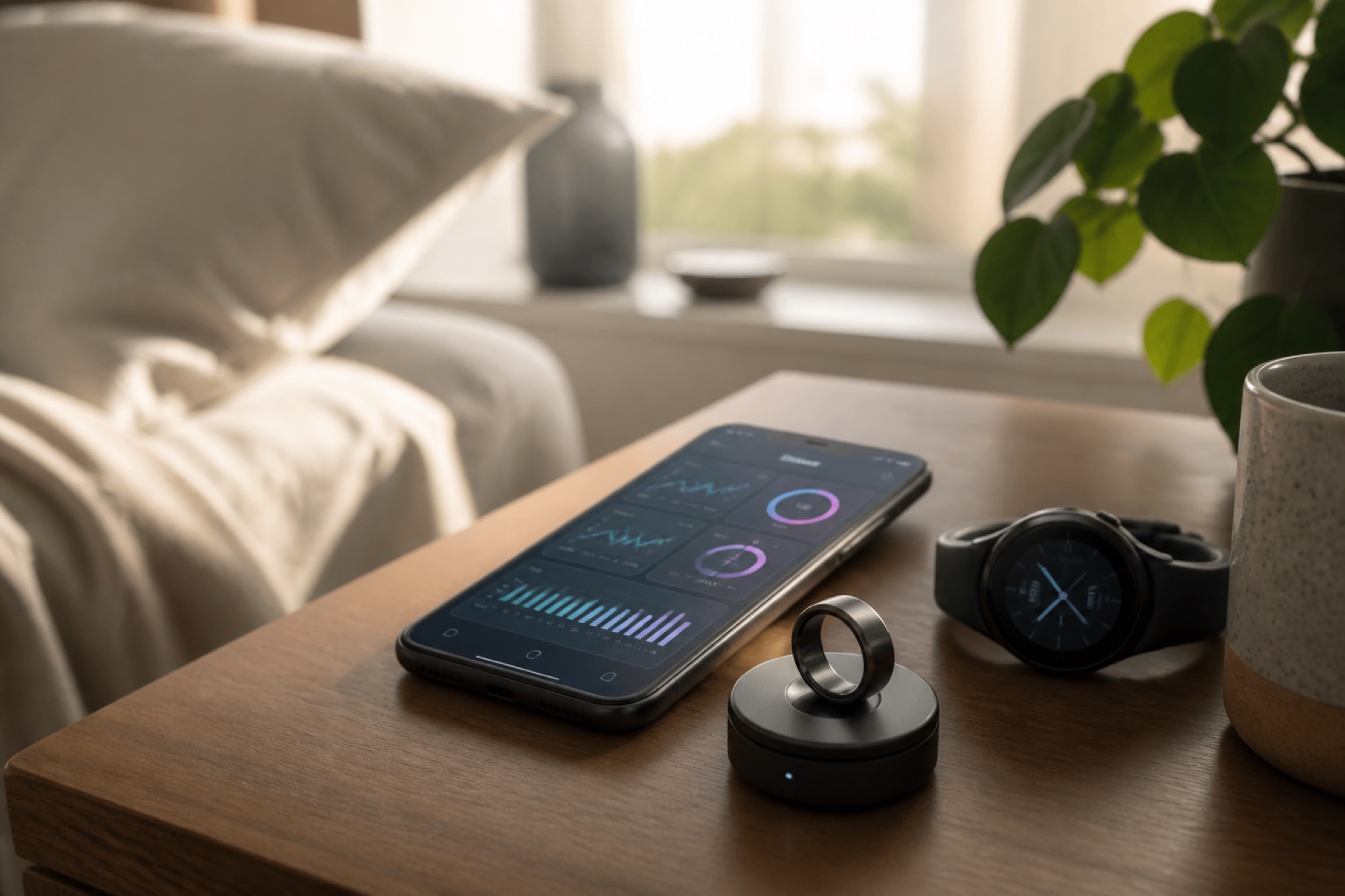
- Continuous Monitoring for Aging Metrics — rings, watches, CGM, and under-mattress sleep tools for longitudinal trends.
Measurements that earn a slot
Not every test deserves equal attention. Prefer measurements that change training, medical care, or nutrition decisions.
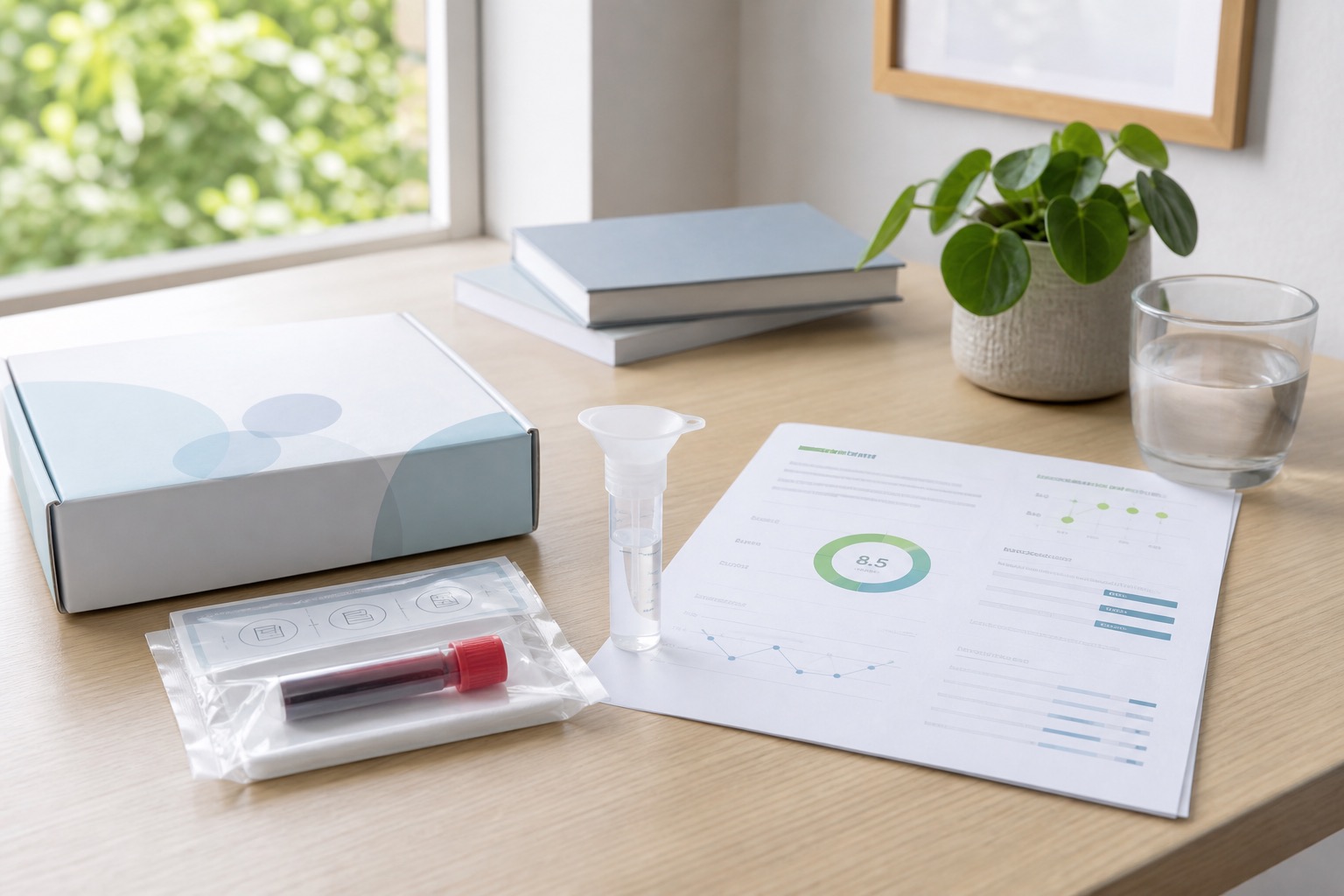
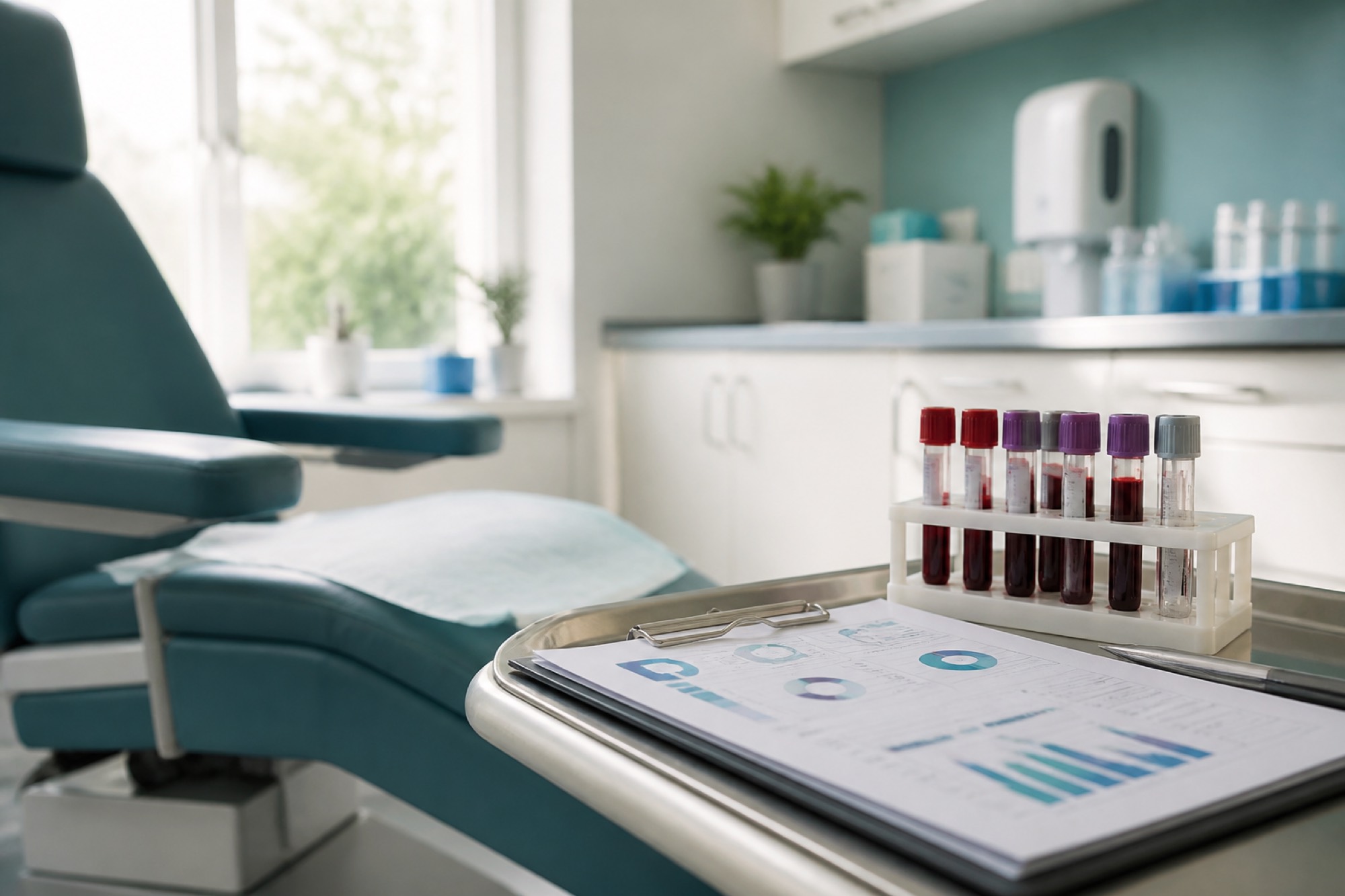
- Blood Panels Worth Tracking Annually — metabolic, lipid, and inflammation context without kit overload.
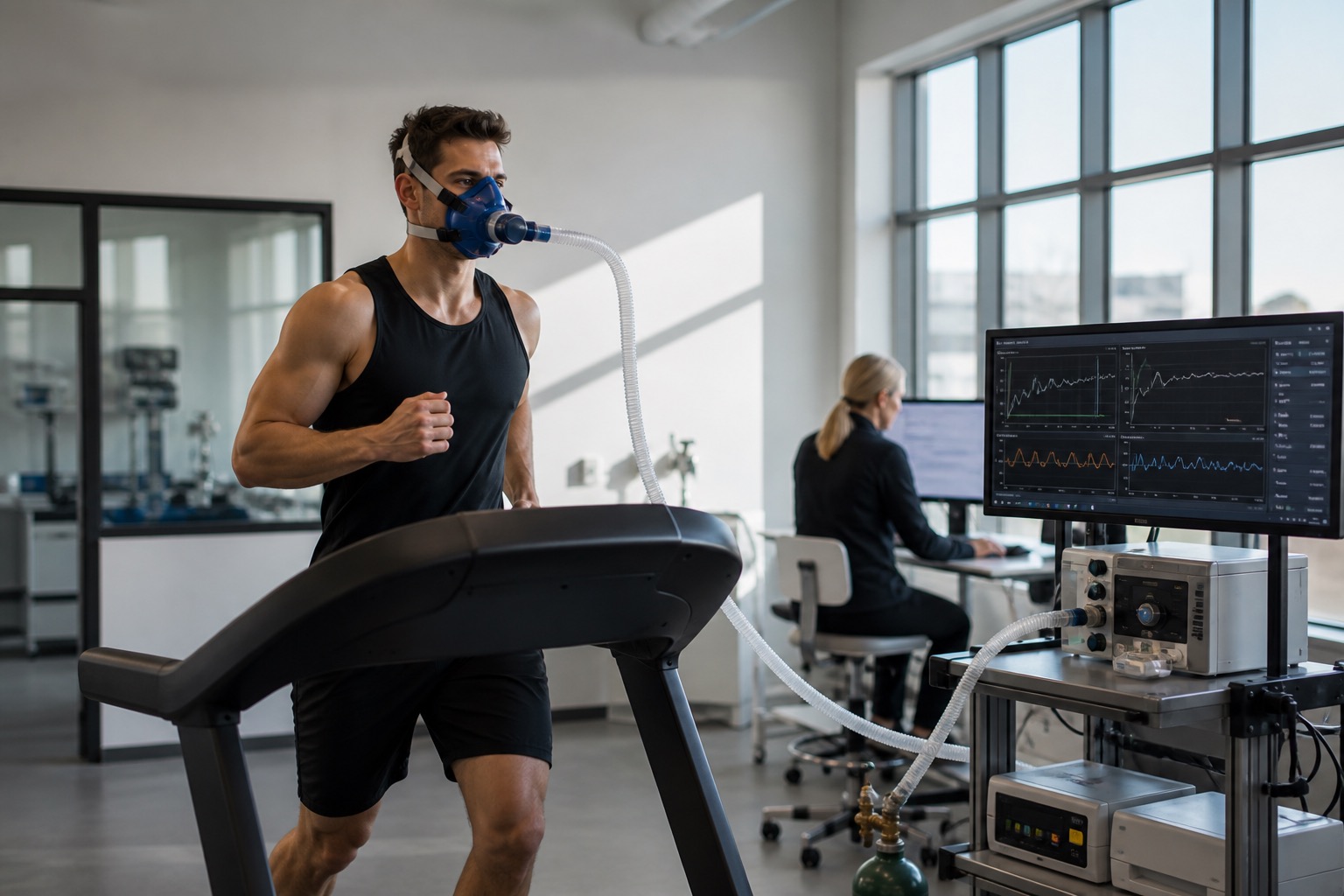
- VO2 Max as a Longevity Biomarker — why cardiorespiratory fitness predicts outcomes and how to improve it realistically.
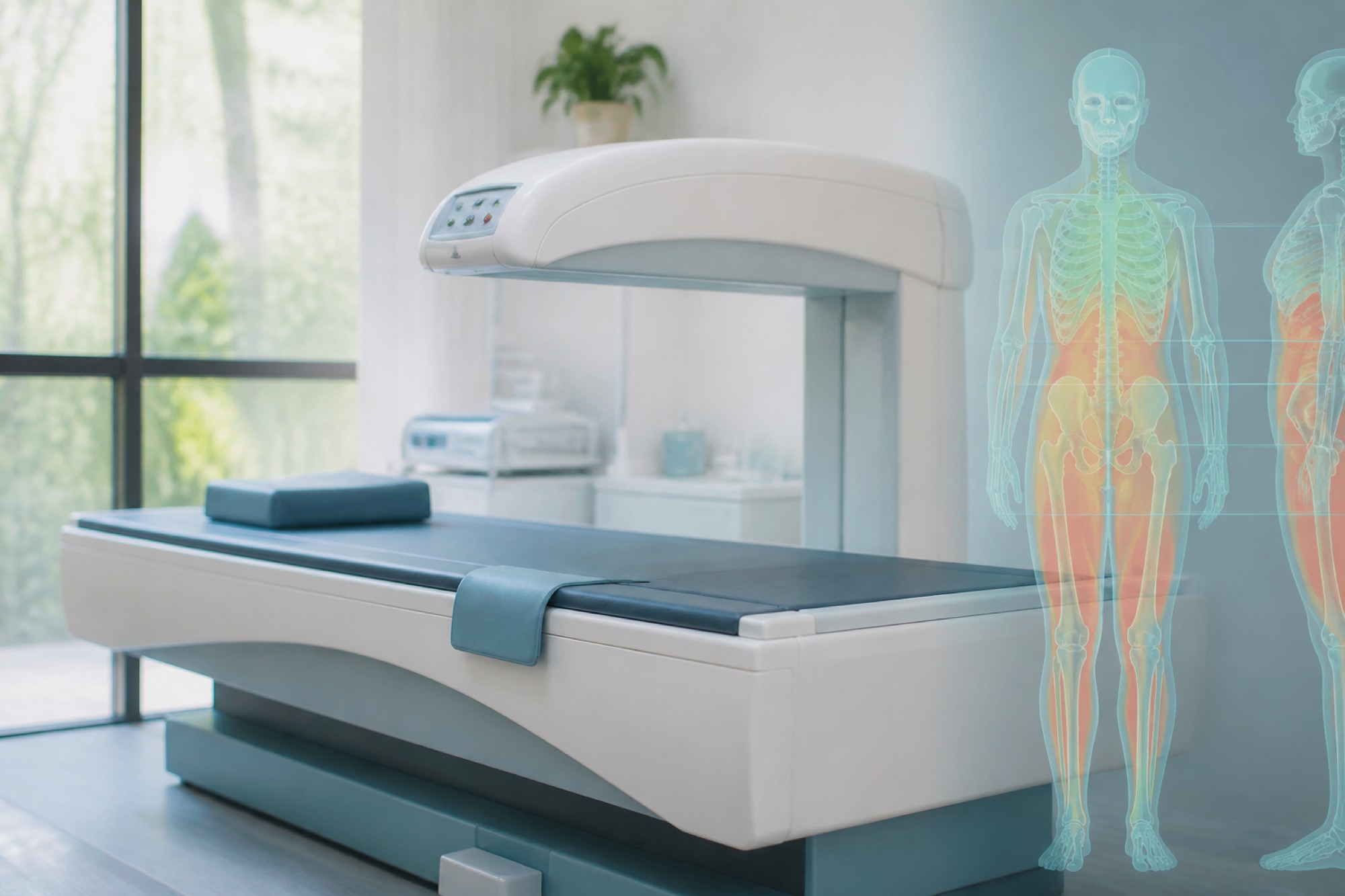
- DEXA, Visceral Fat, and Body Composition — what imaging adds beyond the scale.
- Biological Age Tests Explained — how to read clocks without treating a number like a birthday.
Four commonly used longevity tools
These are not magic. They are the Amazon-reachable tools people reach for most often once habits exist: overnight recovery tracking, honest aerobic heart rate, simple strength loading, and home blood pressure. Stack role in the table: 1 = recovery wearable, 2 = cardio tool, 3 = strength tool, 4 = clinical vital.
Interactive comparison
Filter by form factor, sort by score or price, and pin up to three options for a focused side-by-side view.
Tradeoff:
Sticker price still matters here — most options are one-time hardware buys, so the three-year estimate mainly reflects purchase price plus expected upkeep.
Estimates are directional and based on common public pricing patterns. Promotions, refurbished units, family plans, and tier changes can move these numbers materially.
3-year cost of ownership
Device
Year 1
3-year estimate
Amazon Price
Oura Ring 4
$419
$559
$349
Omron Platinum Blood Pressure Monitor
$110
$130
$97.19
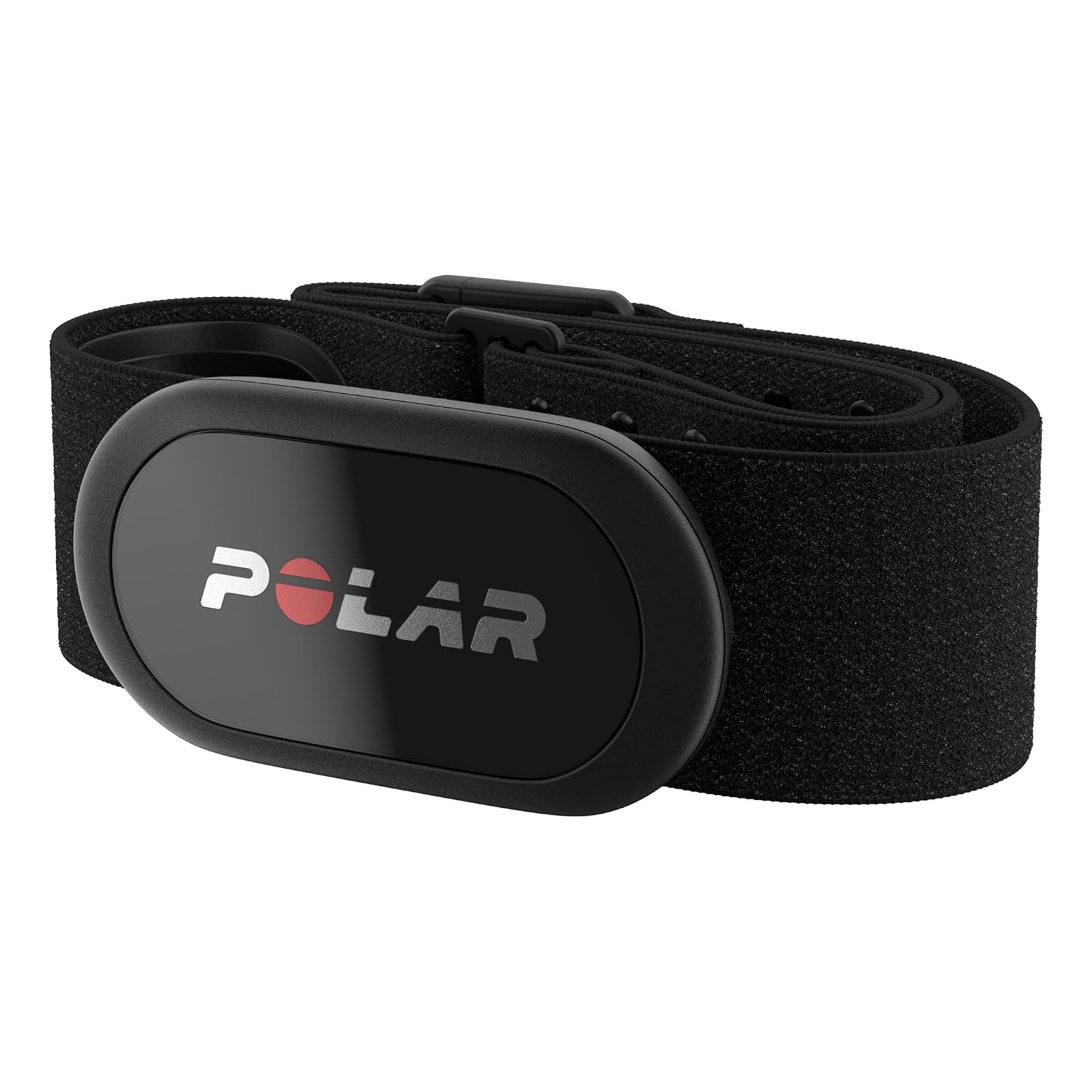
Polar H10 Heart Rate Sensor
$115
$145
$104.95
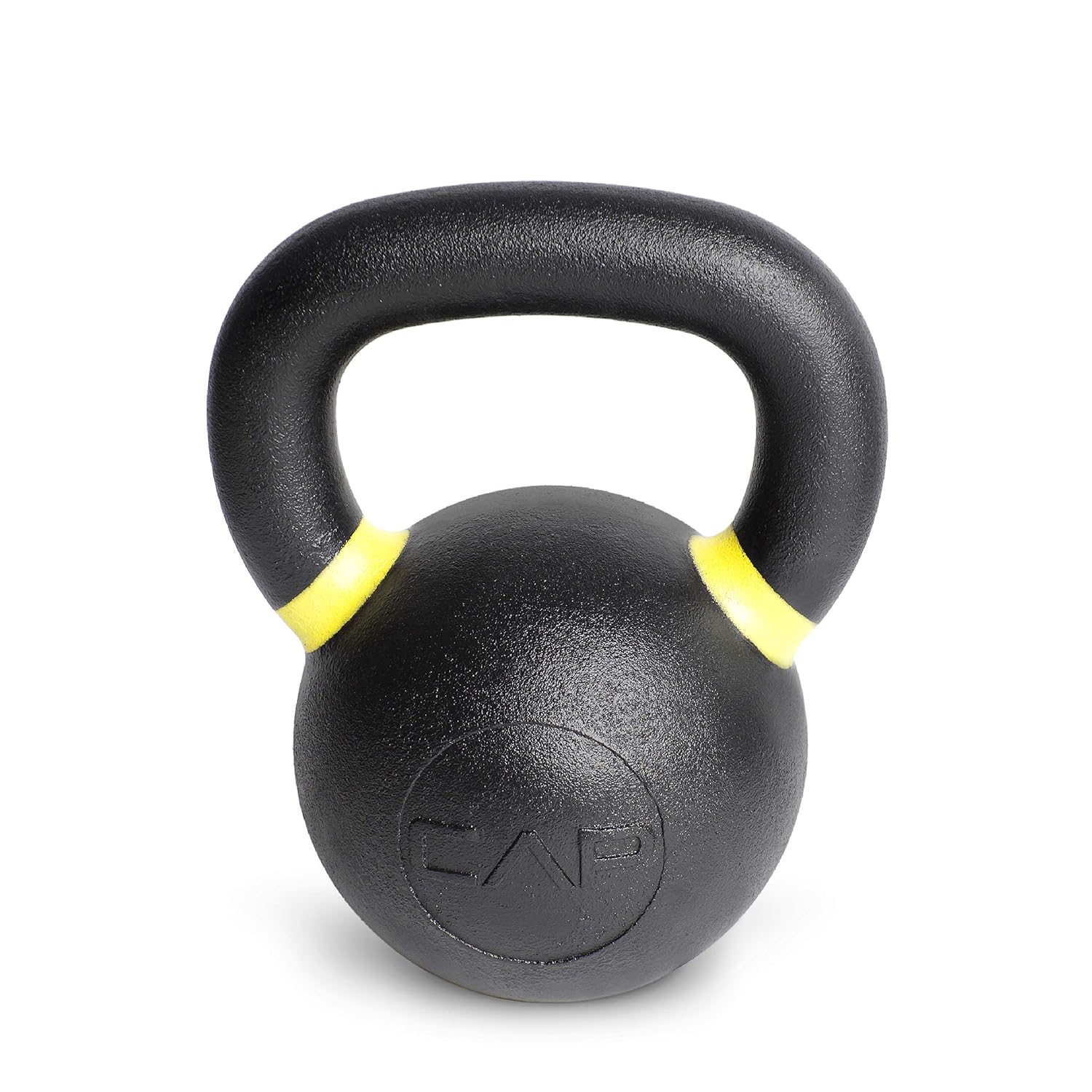
CAP Barbell Cast Iron Kettlebell
$100
$150
$39.99
Buy for a missing habit or measurement â not for a complete Amazon aesthetic.Which starter tools should you buy?
Choose Oura Ring 4 if...
Choose Polar H10 if...
Choose a CAP kettlebell if...
Choose Omron Platinum if...
Skip buying all four at once if...
Below are deeper notes on every option in the comparison table, sorted by editorial score. Jump directly from the table pins or the cost section.
Oura · Ring
Best for: Holistic sleep + recovery scoring
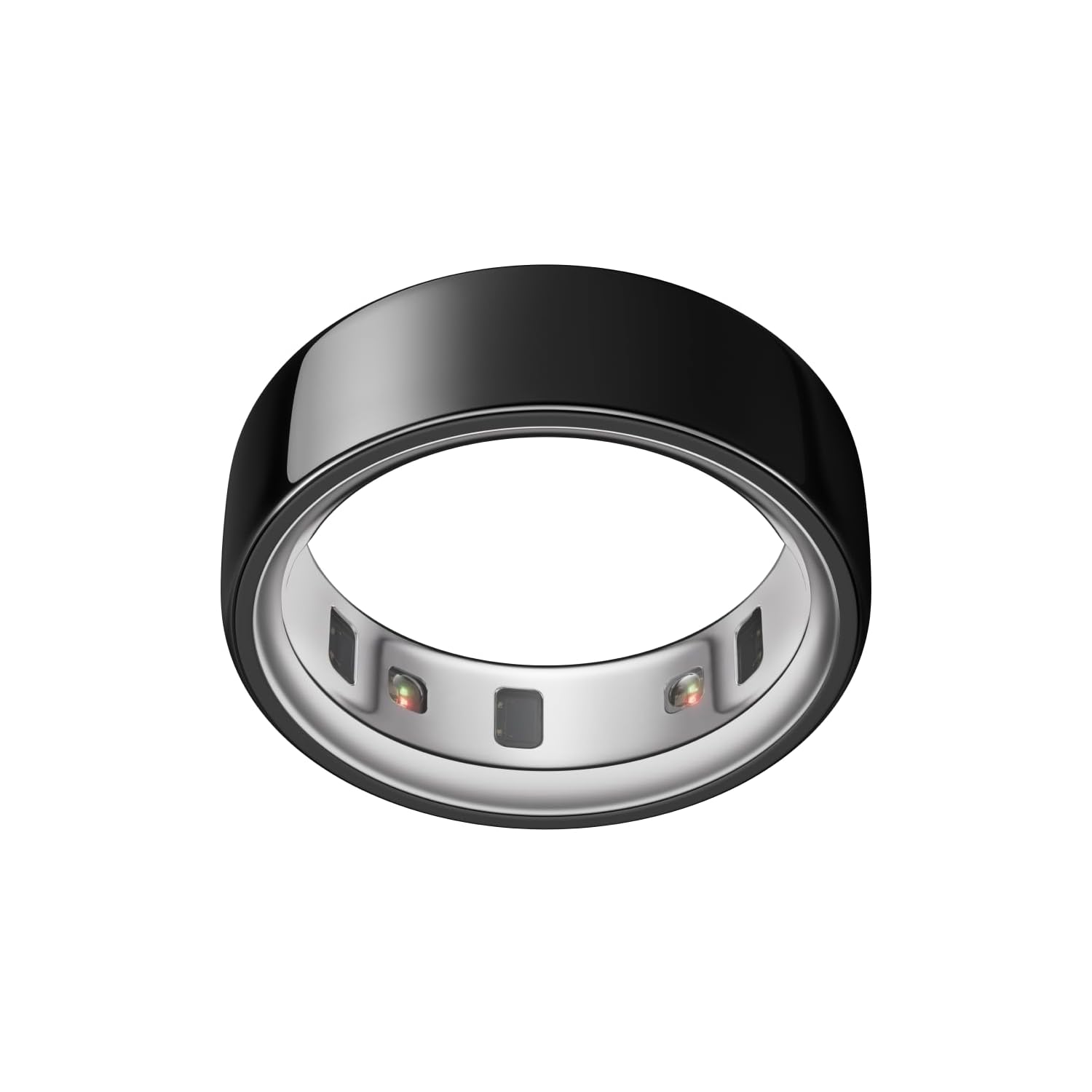
Oura Ring 4 is the default recommendation for most people whose primary goal is better sleep tracking. The ring form factor is easy to wear every night, the app presents sleep stages and recovery context clearly, and long-term temperature and HRV trends are more useful than one-off scores. It is not a clinical sleep study replacement, but it is one of the strongest consumer systems for building a personal sleep baseline. Where Oura stands out is adherence. A tracker only helps if you wear it through weekends, travel, and imperfect nights. Rings generally win here versus bulky watches. Oura also pairs sleep duration and staging with readiness-style recovery context, so users can connect late nights, alcohol, illness, or training load to next-day physiology. The main buying tension is membership value. Core tracking can still be useful, but many of the deeper insights and long-term reporting are stronger with a paid plan. Fit also matters: a loose ring can degrade optical signal quality. If you are between sizes, prioritize fit over aesthetics. Choose Oura if sleep quality, comfort, and trend tracking matter more than notifications or GPS. Skip it if you want a full smartwatch experience or refuse any subscription ecosystem.
Estimated ownership: about $419 in year 1 and
$559 over 3 years.
Assumes hardware at ~$349 plus membership (~$70/year). Exact tiers vary.
Omron · Cuff
Best for: Knowing your blood pressure story before you turn heat or cold into a hobby
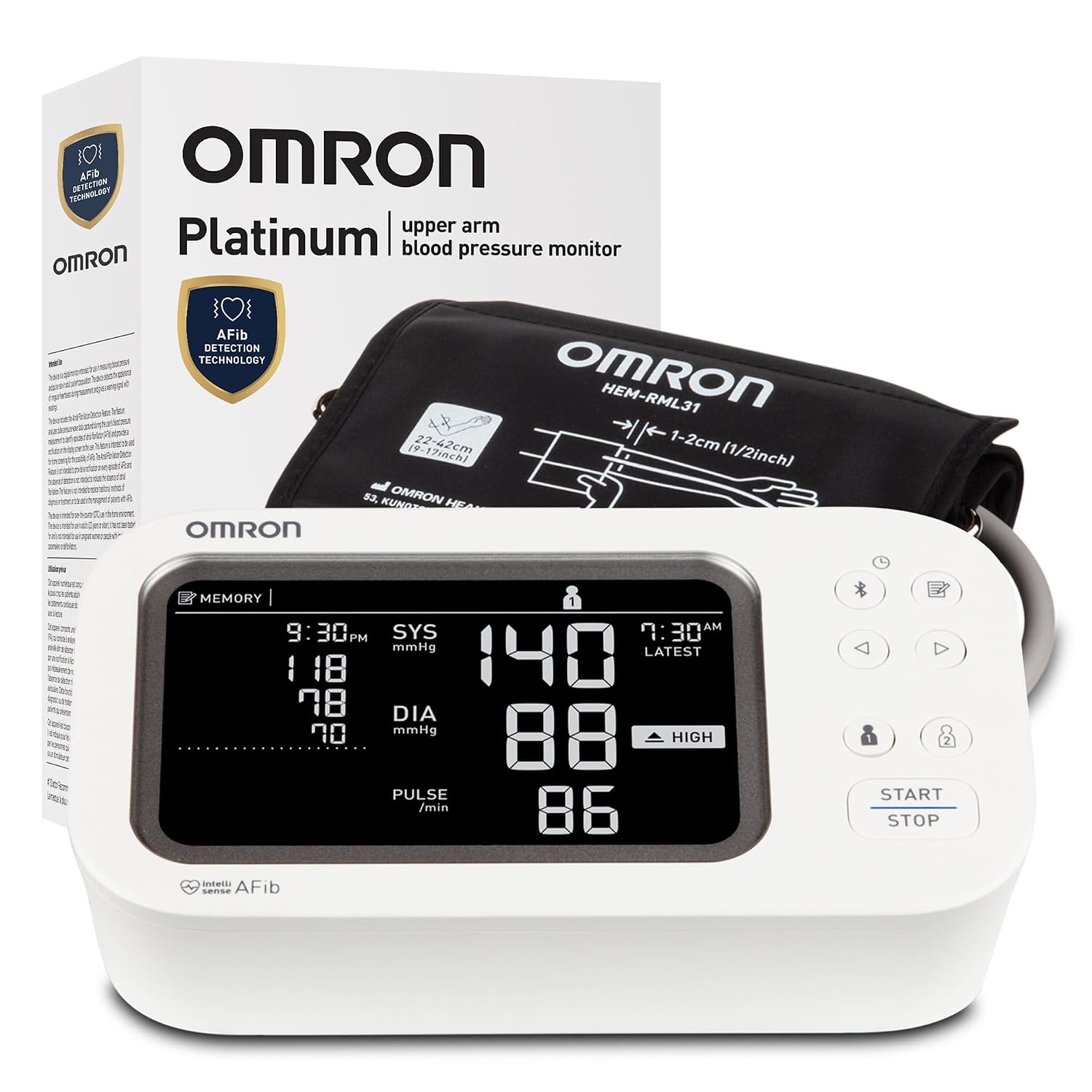
Omron Platinum is the calm adult in the thermal room: check blood pressure at home, especially if you have cardiovascular risk factors, before you treat extreme temperatures like a personality trait. Uncontrolled hypertension is a classic reason to pause and talk to a clinician before aggressive heat or cold. Measure seated, rested, and consistently — not while hyped up after a record plunge. Choose Omron for baseline BP honesty. Pair Polar if you also want live heart-rate during sessions.
Estimated ownership: about $110 in year 1 and
$130 over 3 years.
Monitor plus occasional cuff replacement or batteries. Tiny cost next to a cabin or plunge.
Polar · Strap
Best for: Live heart-rate honesty during heat or cold so “I feel fine” has a second opinion
Polar H10 is the session companion: watch heart rate rise in the sauna or during a plunge without guessing. Use it to learn your patterns — then still exit for dizziness, chest pain, or “this feels wrong.” Moisten electrodes and wear snug. A floppy strap is a creative writing exercise, not data. Compare like-with-like sessions. One heroic HR spike after coffee and no sleep is not a personality. Choose Polar for live HR. Choose Omron for resting BP baselines on non-session mornings.
Estimated ownership: about $115 in year 1 and
$145 over 3 years.
Strap plus occasional battery/strap replacement. App pairing is free with many ecosystems.
CAP Barbell · Kettlebell
Best for: Hinge power, loaded carries, and compact full-body sessions with one piece of iron
A CAP cast-iron kettlebell is the simplest Amazon iron for longevity: hinges, squats, carries, and get-ups that build muscle and resilient hips. Kettlebells support hinge-dominant power, goblet squats, and loaded carries useful for fall-resilience and conditioning. Strength is longevity medicine when progressive overload is consistent for months — equipment only helps if you show up. A CAP cast-iron kettlebell is the simplest Amazon iron for longevity: hinges, squats, carries, and get-ups that build muscle and resilient hips.
Estimated ownership: about $100 in year 1 and
$150 over 3 years.
Assumes one starter bell plus a later second weight (~$50–$100 total early years).
Detailed reviews
Oura Ring 4
Pros
Cons
Choose this if
Skip this if
Omron Platinum Blood Pressure Monitor
Pros
Cons
Choose this if
Skip this if
Polar H10 Heart Rate Sensor
Pros
Cons
Choose this if
Skip this if
CAP Barbell Cast Iron Kettlebell
Pros
Cons
Choose this if
Skip this if
The later tier: NAD, rapamycin, and complexity
Boutique biology can be fascinating — and expensive — while sleep debt and unused sneakers sit in the corner. Keep specialty pharmacology and precursor experiments behind a filter:
- NAD Precursors: NR, NMN, and Reality — biomarker effects versus marketing.
- Rapamycin and Longevity Pharmacology — specialist framing, not a starter protocol.
A simple weekly protocol
- Most nights: consistent sleep window; calmer final hour.
- 2–3 days: Zone 2 (conversational effort; use a strap if wrist HR lies).
- 2 days: full-body strength (kettlebell, gym, or progressive home setup).
- Weekly: glance at recovery/activity trends if you wear a ring or watch — do not grade every night.
- On a calm schedule: home BP if you monitor; skip cuff anxiety spirals.
- Yearly: clinician labs; revisit fitness and strength goals.
- Only then: optional clocks, CGM blocks, or clinician-supervised experiments.
For a busy-person shopping map that matches this overview, read A Practical Longevity Stack for Non-Obsessives.
Where to go next
Use this page as the map. Open a deep dive when you already know which lever you are pulling:
- Practical longevity stack — default kit and what to postpone.
- Strength training — muscle, bone, and fall-risk tools.
- Zone 2 technology — keep easy cardio honest.
- Continuous monitoring — sleep, HRV, activity, glucose dashboards.
- Annual blood panels — labs that matter.
- VO2 max — fitness as a longevity biomarker.
- DEXA and composition — visceral fat and lean mass context.
- Biological age tests — clocks without overreacting.
- NAD precursors — NR/NMN reality check.
- Rapamycin — specialist pharmacology framing.
Start with sleep consistency, easy aerobic minutes (Zone 2), and progressive strength two or more days per week. Add home blood pressure and annual clinician labs next. Buy wearables and specialty tests only after those defaults are stable. No. Epigenetic clocks can be interesting later, but they are poor first purchases. Fitness, strength, sleep, blood pressure, and standard labs usually change decisions sooner. Read our biological age guide when you already know what question a clock would answer. Not for most people. They sit in a later, specialist lane after fundamentals are boringly consistent. See our NAD and rapamycin deep dives for evidence framing — not as day-one shopping. A recovery wearable (often an Oura-class ring), a heart-rate strap for honest Zone 2, a simple strength tool like a kettlebell, and a home blood-pressure cuff. None replace sleep or training consistency. As higher-signal checkpoints once training exists: VO2/fitness age for cardiorespiratory capacity, DEXA for visceral fat and lean mass context. They are measurements and feedback — not daily lifestyle replacements. Open A Practical Longevity Stack for Non-Obsessives for a default weekly kit, then the deep dive that matches your bottleneck — strength, Zone 2, monitoring, or labs.Longevity protocol FAQ
What should I fix first if I want better healthspan in 2026?
+
Do I need a biological age test to start?
+
Are NAD supplements or rapamycin part of the starter protocol?
+
Which four devices show up most often in practical longevity kits?
+
How do VO2 max and DEXA fit?
+
Where should a busy person go after this overview?
+
This comparison is designed for practical decision-making. Product capabilities, pricing, and memberships change quickly, so treat battery claims, plan costs, and feature availability as moving targets.
Leong et al., “Prognostic value of grip strength…” (The Lancet, 2015)
Population-scale reminder that strength-related biomarkers track hard outcomes — useful framing for putting training before boutique aging tests. Supports keeping progressive strength work in the foundation tier of any longevity order of operations.
Teo et al., wearable sleep metrics and aging-related risk markers (Communications Biology, 2019)
Consumer wearable sleep signals can associate with cardiovascular and aging-related markers — trends over time, not nightly diagnoses.
Related Keersa guide: A Practical Longevity Stack for Non-Obsessives
The shopping-and-habits companion to this overview — default stack, optional upgrades, and what to postpone.
Related Keersa guide: Strength Training as Longevity Medicine
Home iron, bands, and progressive patterns for muscle, bone, and fall resilience.
Related Keersa guide: Zone 2 Training Technology
Heart-rate honesty and tools for easy aerobic volume that supports healthspan.
Related Keersa guide: Continuous Monitoring for Aging Metrics
Rings, watches, CGM, and under-mattress options for longitudinal sleep, HRV, activity, and glucose.
Keersa Health Longevity category guides
Product and protocol comparisons linked from this overview; capabilities and pricing change — verify before purchase.
Affiliate disclosure: some product links on Keersa Health may earn a commission at no extra cost to you.
Editorial recommendations are independent of commercial relationships.
Read our full disclosure.
Sources and editorial notes
Bottom line
The best longevity protocol is boring on purpose: sleep you protect, easy cardio you repeat, strength you progress, and a few measurements that change real decisions. Technology and advanced biology help when they reinforce those defaults — not when they replace them. Start here, then open the comparison guides only for the specific problem you still need to solve.