Longevity guide · Updated 2026
Continuous Monitoring for Aging Metrics: Sleep, HRV, Activity, and Glucose on a Personal Healthspan Dashboard
A practical guide to continuous aging metrics — which Amazon-reachable rings, bands, watches, under-mattress sensors, and OTC CGMs actually help you track sleep, HRV, activity, and glucose over months without turning every night into a score panic.
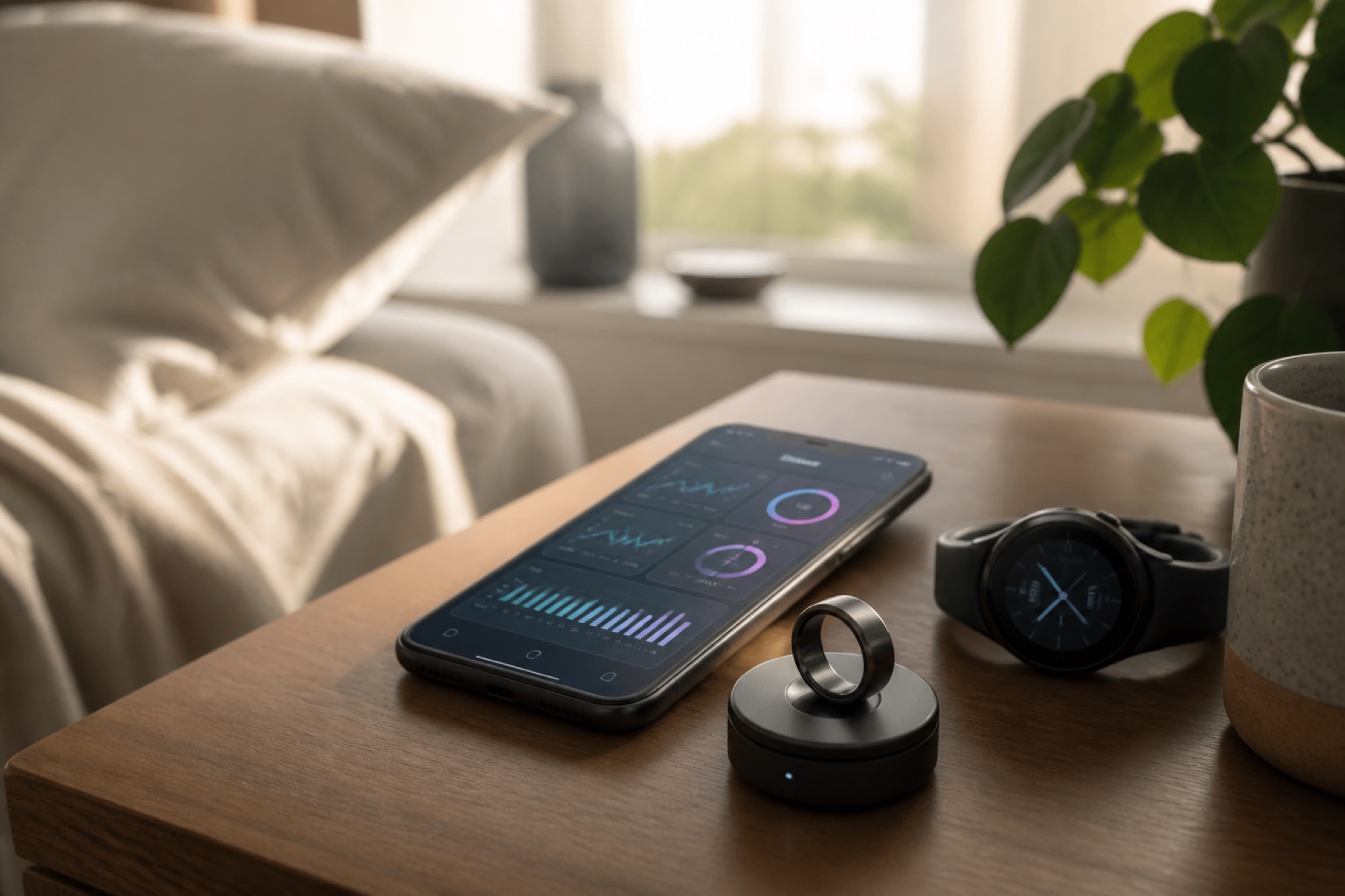
Longevity shopping often jumps to supplements and clocks. The quieter advantage is continuous monitoring: sleep, heart-rate variability (HRV), activity, and — when useful — glucose, logged for months so you can see whether habits are working. This guide focuses on Amazon-reachable metrics devices that can feed a personal healthspan dashboard without requiring a clinic membership.
We compare eleven options: Oura Ring 4, WHOOP 5.0, Ultrahuman Ring Air, Apple Watch Series and Ultra 2, Garmin Venu 3 and Forerunner 265, Dexcom Stelo OTC CGM, Withings Sleep Analyzer, Polar H10 as a truth-check strap, and a free manual log. Related reading: Zone 2 Training Technology, Blood Panels Worth Tracking Annually, VO2 Max as a Longevity Biomarker, and NAD Precursors: NR, NMN, and Reality.
Overview: what “continuous” should mean
Continuous does not mean staring at scores hourly. It means sensors capture signals in the background while you live normally — then you review trends on a human schedule. A useful aging dashboard answers: Am I sleeping enough consistently? Is recovery (HRV/resting heart rate) drifting the wrong way for months? Am I moving and training enough? When I change meals or bedtime, does glucose or sleep respond?
Key takeaways
- Best first stack: one sleep/HRV wearable you will actually wear + honest activity tracking + annual labs.
- Best ring for many people: Oura Ring 4 if you accept membership; Ultrahuman Ring Air if you want buy-once ring economics.
- Best coached band: WHOOP if membership-first hardware fits your budget and psychology.
- Best watch paths: Garmin for no-membership multi-day battery; Apple Watch if you already live in Apple Health.
- Best metabolic add-on: Dexcom Stelo in focused months — not always year-round.
- Wearable class in the table: 1 = ring/band/pad/protocol, 2 = watch or strap, 3 = CGM.
- Biggest mistake: buying three dashboards and reacting to daily readiness like a grade.
Metrics that matter for aging (and ones that do not)
Keep: sleep duration and timing consistency; overnight HRV and resting heart rate trends; steps or training minutes; occasional glucose pattern blocks; yearly labs and fitness markers (VO2, strength).
Treat lightly: proprietary “age” scores, nightly stage pie charts, and single bad nights. Research on wearable sleep and activity phenotypes supports longitudinal risk association more than night-by-night medical claims.
Do not confuse with diagnosis: consumer HRV is not a clinical ECG panel; OTC CGM is not an insulin-dosing system for people who need prescription CGMs; under-mattress apnea flags still need clinical follow-up.
How to build a simple healthspan dashboard
- Pick one primary overnight device (ring, band, watch, or under-mattress pad).
- Decide daytime activity — phone steps, sports watch GPS, or WHOOP strain.
- Add glucose only with a question (late dinners? alcohol? Zone 2 vs intervals?) and a 2–8 week Stelo block.
- Calibrate hard sessions with a chest strap when optical HR looks wrong (Zone 2 tools).
- Review monthly; change one habit; re-check labs annually.
Membership math before you fall in love with a band
Oura’s fullest insights lean on membership after any intro period. WHOOP is membership-first — stop paying and the product stops being a product. Ultrahuman, Garmin, Apple Watch, Withings, Polar, and Stelo (buy-as-you-go) keep more of the value in hardware or sensors you already purchased. Three-year cost often decides the “best” tracker more than feature lists.
Where CGM fits (and where it does not)
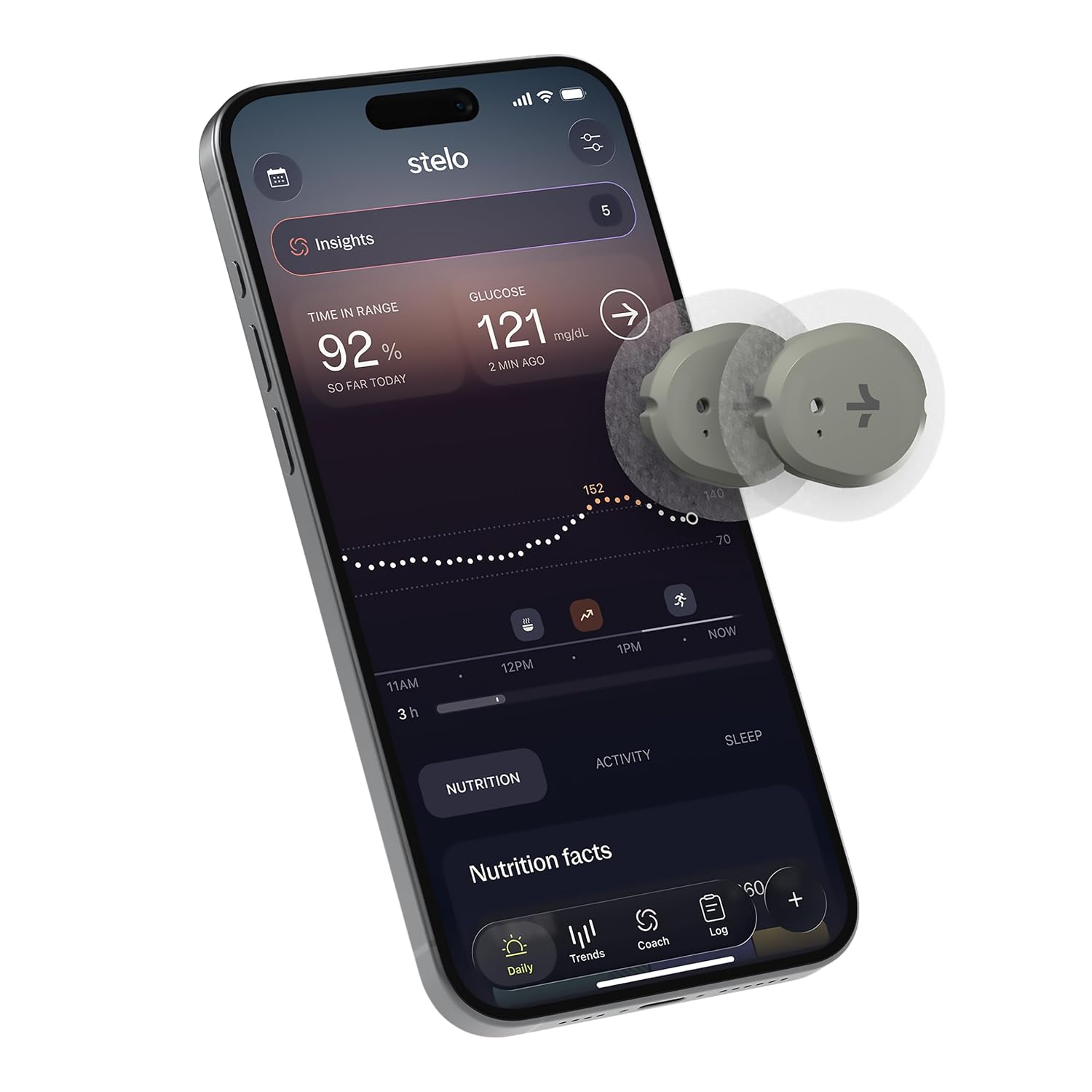
Dexcom Stelo is an over-the-counter continuous glucose option for adults not using insulin. It shines for seeing how sleep debt, meals, and training shape glucose. It does not replace sleep/HRV wearables, and continuous year-round use gets expensive fast — many people learn more from seasonal check-in months than from forever sensors.
How we evaluate aging-metrics devices
- Adherence (30%) — will you wear it for a year?
- Signal usefulness (25%) — sleep/HRV/activity/glucose relevance to behavior change
- Honesty of claims (15%) — trends vs medical cosplay
- Membership burden (15%) — buy-once vs forever fee
- Amazon practicality (15%) — reachable purchase path and replacement ease
Interactive comparison
Filter by form factor, sort by score or price, and pin up to three options for a focused side-by-side view.
Tradeoff:
Sticker price is misleading in this category. Membership-heavy products can cost more over three years than premium hardware with no required plan.
Estimates are directional and based on common public pricing patterns. Promotions, refurbished units, family plans, and tier changes can move these numbers materially.
3-year cost of ownership
Device
Year 1
3-year estimate
Amazon Price
Membership
Oura Ring 4
$419
$559
$349
Optional / recommended
Manual Healthspan Log + Annual Labs
$0
$0
—
No membership
Garmin Forerunner 265
$470
$520
$438.95
No required membership (Garmin Connect free core)
Dexcom Stelo OTC CGM
$396
$1,188
$48.97
Optional autoship — buy one month at a time if preferred
WHOOP 5.0
$239
$717
$288
Required membership
Polar H10 Heart Rate Sensor
$115
$145
$104.95
No membership — pair with a watch or phone app
Ultrahuman Ring Air
$349
$349
$299
No required membership
Garmin Venu 3
$449
$449
$364
None required
Apple Watch Ultra 2
$799
$799
$799
None for core sleep
Apple Watch Series (GPS)
$420
$500
$399
No membership required for Cardio Fitness estimates
Withings Sleep Analyzer
$150
$150
$199.95
None required
Choose based on form factor, membership tolerance, and whether glucose is part of your question.Which continuous monitoring path should you use?
Choose a free manual log if...
Choose Oura Ring 4 if...
Choose Ultrahuman Ring Air if...
Choose WHOOP 5.0 if...
Choose Apple Watch if...
Choose Garmin if...
Choose Dexcom Stelo if...
Choose Withings Sleep Analyzer if...
Add Polar H10 if...
Below are deeper notes on every option in the comparison table, sorted by editorial score. Jump directly from the table pins or the cost section.
Oura · Ring
Best for: Holistic sleep + recovery scoring
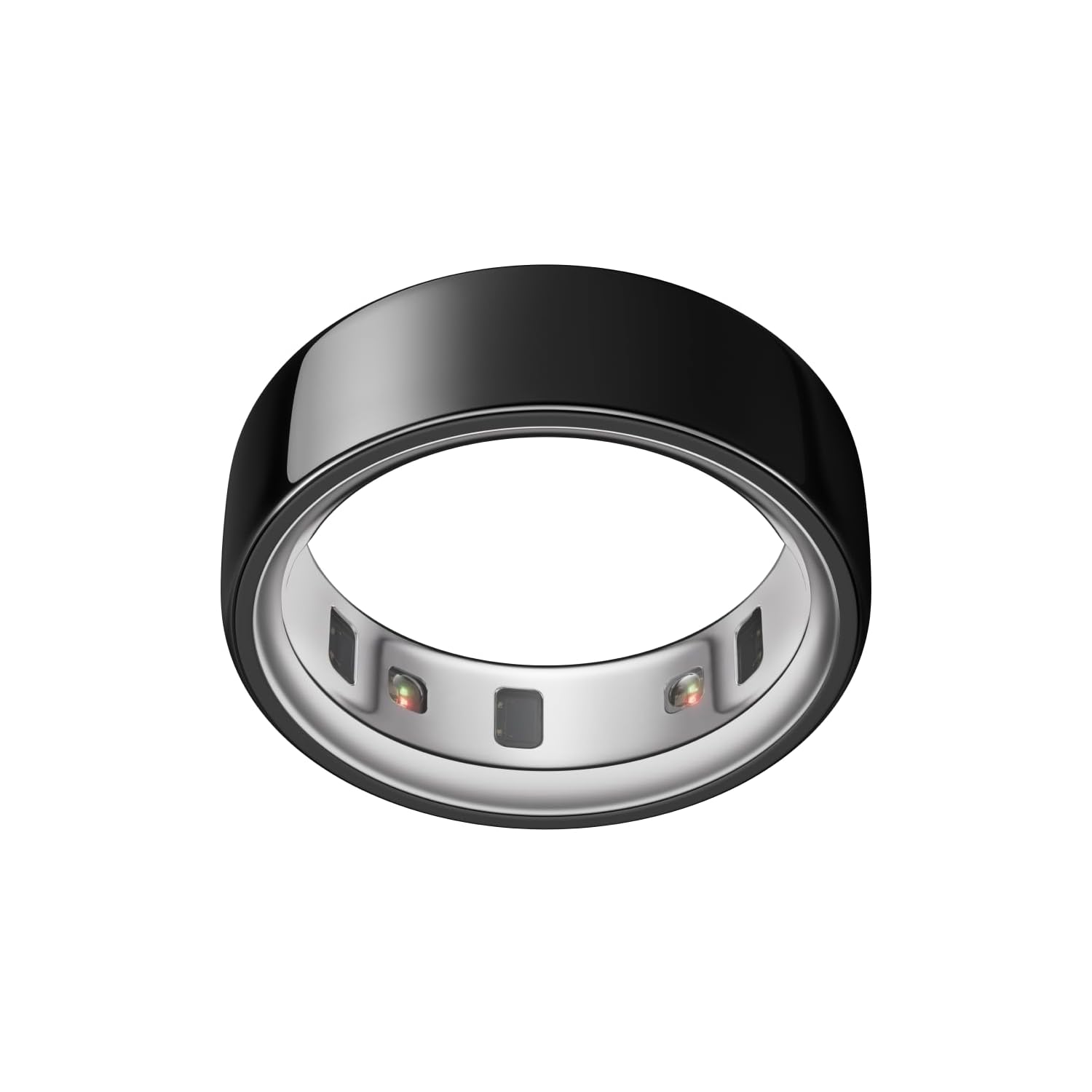
Oura Ring 4 is the default recommendation for most people whose primary goal is better sleep tracking. The ring form factor is easy to wear every night, the app presents sleep stages and recovery context clearly, and long-term temperature and HRV trends are more useful than one-off scores. It is not a clinical sleep study replacement, but it is one of the strongest consumer systems for building a personal sleep baseline. Where Oura stands out is adherence. A tracker only helps if you wear it through weekends, travel, and imperfect nights. Rings generally win here versus bulky watches. Oura also pairs sleep duration and staging with readiness-style recovery context, so users can connect late nights, alcohol, illness, or training load to next-day physiology. The main buying tension is membership value. Core tracking can still be useful, but many of the deeper insights and long-term reporting are stronger with a paid plan. Fit also matters: a loose ring can degrade optical signal quality. If you are between sizes, prioritize fit over aesthetics. Choose Oura if sleep quality, comfort, and trend tracking matter more than notifications or GPS. Skip it if you want a full smartwatch experience or refuse any subscription ecosystem.
Estimated ownership: about $419 in year 1 and
$559 over 3 years.
Assumes hardware at ~$349 plus membership (~$70/year). Exact tiers vary.
Spreadsheet / notes protocol · Protocol
Best for: Capturing the metrics that matter when you are not ready to buy another wearable
A boring log of sleep time, steps, waist, training, and yearly labs still beats an unread wearable PDF. Start here, then add devices that fill gaps. Manual longitudinal logs combine sleep, activity, and lab biomarkers without continuous sensors. Aging metrics are most useful as multi-month trends tied to behavior change — not as daily moral scores. A boring log of sleep time, steps, waist, training, and yearly labs still beats an unread wearable PDF. Start here, then add devices that fill gaps.
Estimated ownership: about $0 in year 1 and
$0 over 3 years.
Free protocol — lab costs are separate.
Garmin · Watch
Best for: Everyday runners who want multiband GNSS, training load tools, and optional running-power estimates without a Fenix price
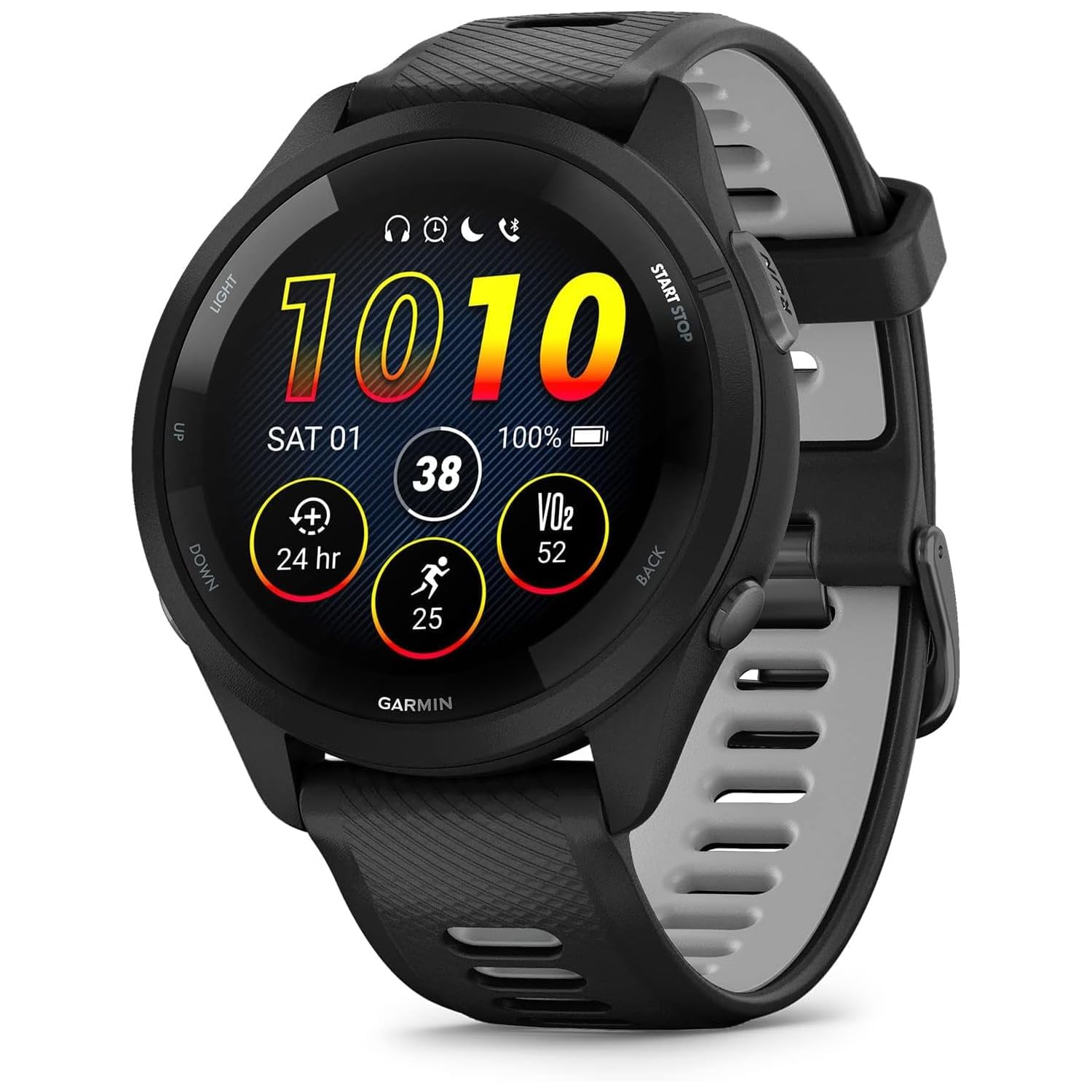
Forerunner 265 is the practical endurance GPS watch for runners who want accurate enough outdoor pace, structured workouts, and Garmin’s training-status stack without flagship money. Buy it for GNSS + coaching workflow — not as a substitute for a dual-sided bike power meter. GPS pace is still noisy under trees and downtown canyons. Multiband helps; it does not create perfect splits. Use the watch as the session computer. Escalate to Stryd when hills/wind make pace a bad intensity proxy. Choose Forerunner if you live in Garmin Connect. Skip it if battery-per-dollar and lightness dominate — look at COROS.
Estimated ownership: about $470 in year 1 and
$520 over 3 years.
Hardware plus optional chest strap / footpod. No mandatory training membership.
Dexcom / Stelo · Cgm
Best for: Continuous glucose pattern learning for adults not on insulin — meals, sleep, and training effects
Stelo is the Amazon-reachable CGM for aging metrics: use it in focused blocks to learn glucose responses, then keep a ring/watch for daily sleep and HRV. Over-the-counter continuous glucose monitors estimate interstitial glucose around the clock for metabolic pattern discovery. Aging metrics are most useful as multi-month trends tied to behavior change — not as daily moral scores. Stelo is the Amazon-reachable CGM for aging metrics: use it in focused blocks to learn glucose responses, then keep a ring/watch for daily sleep and HRV.
Estimated ownership: about $396 in year 1 and
$1,188 over 3 years.
Assumes ~4 months of sensors/year for seasonal check-ins (~$99/mo). Continuous year-round use is ~$1,000+/year.
WHOOP · Band
Best for: Athletes optimizing strain and recovery
WHOOP 5.0 is less a sleep gadget and more a recovery operating system. Sleep is one input into a broader loop of strain, recovery, and coaching. If you train hard and want prescriptions rather than just charts, WHOOP is one of the best options available. WHOOP’s sleep value comes from continuity. Battery life and the battery-pack charging approach reduce the data gaps that plague daily-charge watches. That matters when you are trying to understand sleep debt, restorative sleep, and readiness across a training block. The membership model is the real product. You are paying for ongoing coaching infrastructure, not a one-time gadget. Over three years that can cost more than a ring plus light membership, so WHOOP only makes sense if you will use the feedback loop. Choose WHOOP if athletic recovery decisions are the point. Skip it if you mainly want comfortable sleep staging without a subscription identity.
Estimated ownership: about $239 in year 1 and
$717 over 3 years.
Membership-driven model; hardware access is bundled with plan pricing that varies by tier.
Polar · Strap
Best for: Live heart-rate honesty during heat or cold so “I feel fine” has a second opinion
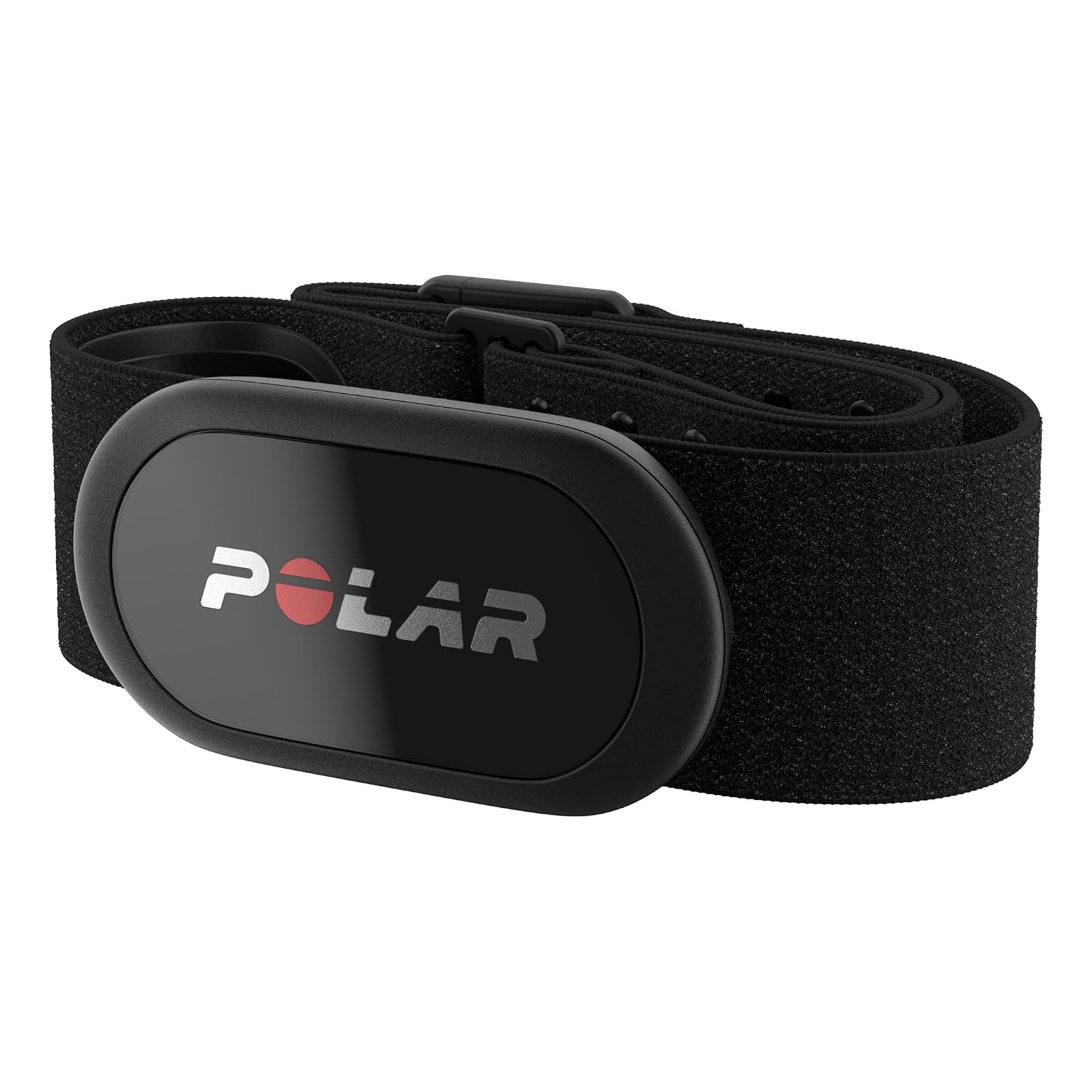
Polar H10 is the session companion: watch heart rate rise in the sauna or during a plunge without guessing. Use it to learn your patterns — then still exit for dizziness, chest pain, or “this feels wrong.” Moisten electrodes and wear snug. A floppy strap is a creative writing exercise, not data. Compare like-with-like sessions. One heroic HR spike after coffee and no sleep is not a personality. Choose Polar for live HR. Choose Omron for resting BP baselines on non-session mornings.
Estimated ownership: about $115 in year 1 and
$145 over 3 years.
Strap plus occasional battery/strap replacement. App pairing is free with many ecosystems.
Ultrahuman · Ring
Best for: Ring tracking without a mandatory subscription
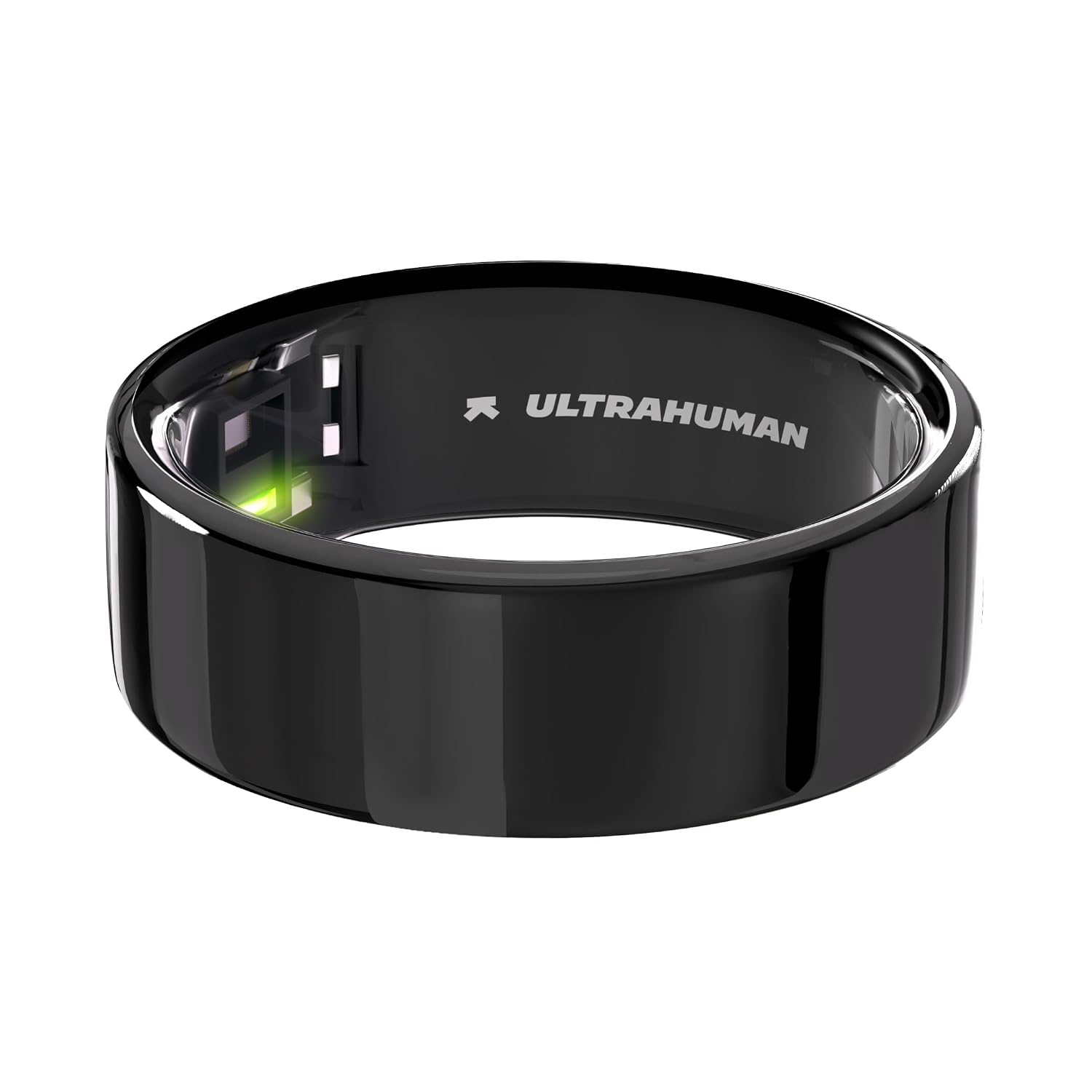
Ultrahuman Ring Air is one of the strongest alternatives for buyers who want ring-based sleep tracking without feeling locked into a mandatory membership. It covers the core biometric set most people care about — sleep staging, HRV, SpO2, and temperature — while leaning into a more modular insights style. The appeal is simple: ring comfort plus lower long-term cost friction. For users comparing three-year ownership against Oura or WHOOP, Ultrahuman can look attractive if the app workflow fits how you review data. The tradeoff is maturity. Oura has a longer public track record and denser third-party discussion around sleep validation. Ultrahuman is competitive on paper and useful in practice for many users, but you should evaluate app stability, support, and feature cadence before committing. Choose Ultrahuman if you want a smart ring and hate subscriptions. Skip it if you specifically want the most established sleep-ring ecosystem.
Estimated ownership: about $349 in year 1 and
$349 over 3 years.
Hardware-focused estimate assuming no required membership for core features.
Garmin · Watch
Best for: Training-focused users who also care about sleep
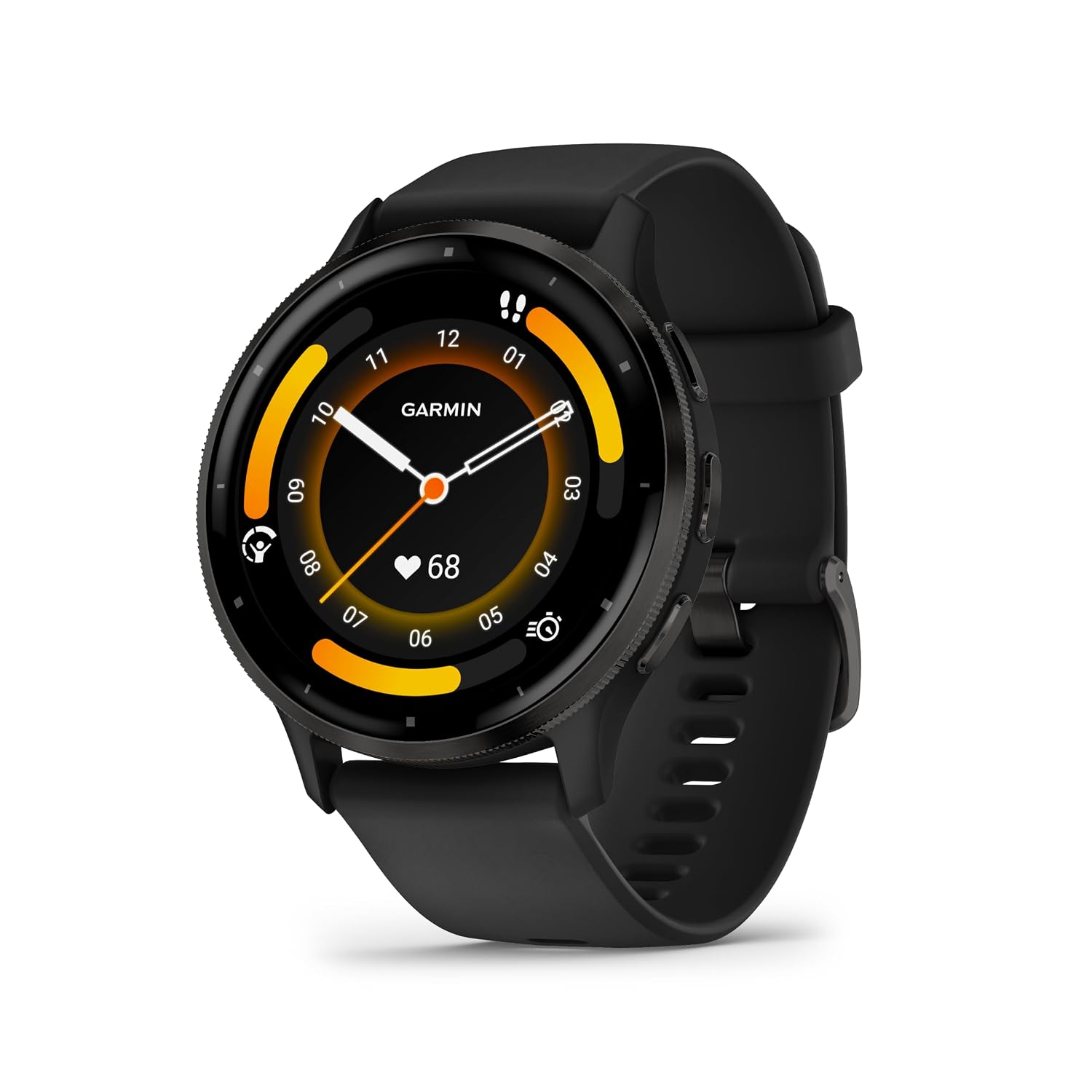
Garmin Venu 3 is easy to underestimate in sleep conversations because people assume Garmin equals running watches. In reality, Sleep Coach, HRV Status, and multi-week battery life make it one of the best no-subscription sleep-and-training hybrids. Battery life is the strategic advantage. Two weeks of wear means fewer gaps and less bedtime charging anxiety than Apple or Pixel watches. Garmin’s sleep tools are practical rather than flashy. If you want guidance tied to training readiness and body-battery style energy concepts, the ecosystem feels coherent. Choose Venu 3 if you train regularly and refuse subscriptions. Skip it if you want a jewelry-like ring or a maximalist smartwatch app store.
Estimated ownership: about $449 in year 1 and
$449 over 3 years.
One-time hardware purchase with no required sleep subscription.
Apple · Watch
Best for: iPhone users who want one wearable for everything
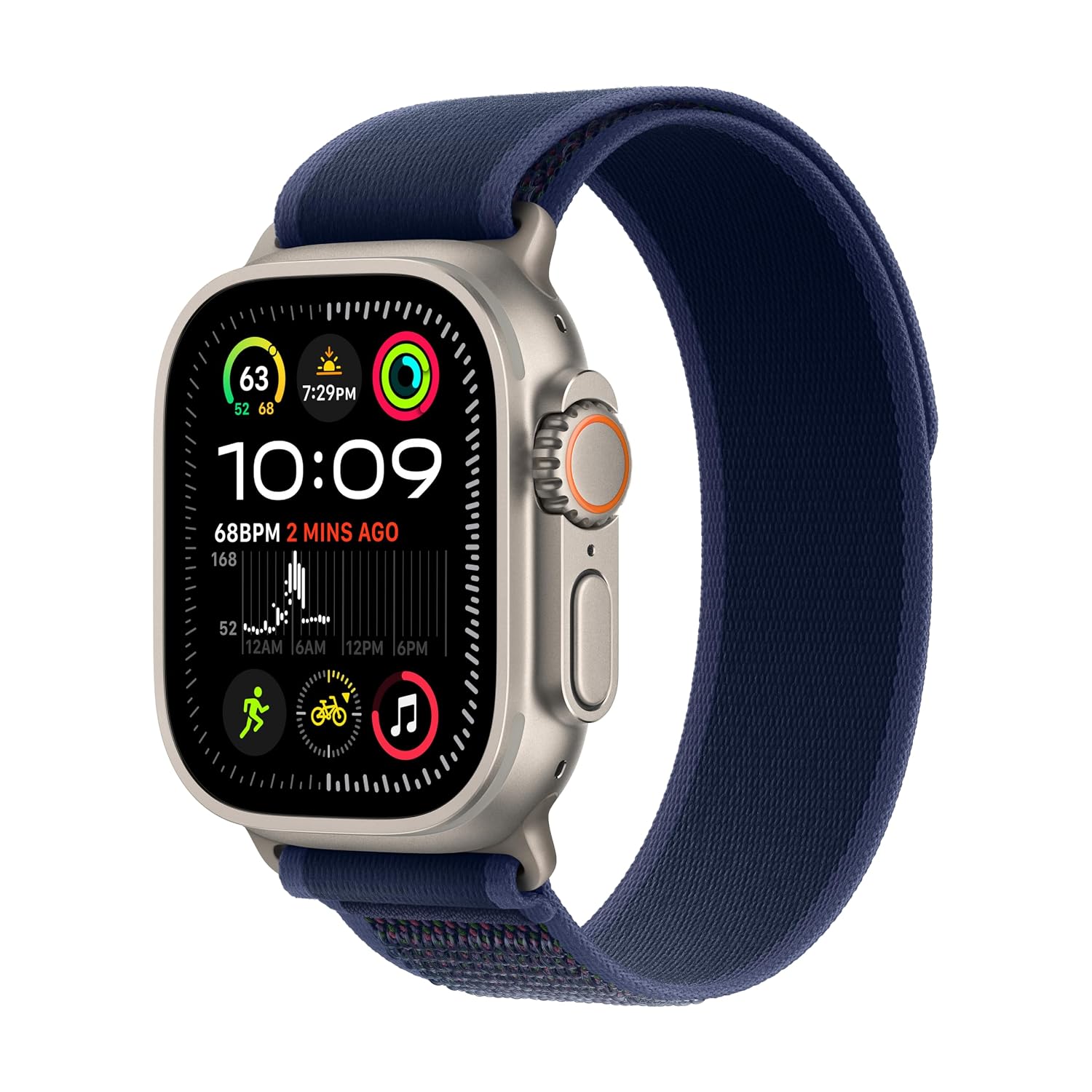
Apple Watch Ultra 2 is the best “one device” sleep option for many iPhone users. Sleep stages, vitals, and Health app history are polished, and daytime utility is unmatched. The catch is the same Apple Watch problem: charging habits can interrupt overnight trend continuity. Ultra improves endurance versus standard Apple Watch models, which helps sleep tracking in practice. Still, it is not a week-long ring. If you forget to charge before bed, you lose the night that mattered. Where Ultra wins is consolidation. If you already want dive/adventure durability, training metrics, notifications, and sleep in one purchase, paying for a separate ring may be unnecessary. Choose Ultra if your wearable life is already Apple-centric and sleep is one major feature among many. Skip it if sleep specialization and multi-day wear are the top priorities.
Estimated ownership: about $799 in year 1 and
$799 over 3 years.
Hardware-only estimate; Apple Watch Ultra is expensive upfront but has no sleep membership wall.
Apple · Watch
Best for: Lower-cost Apple Watch path to the same Cardio Fitness estimate family
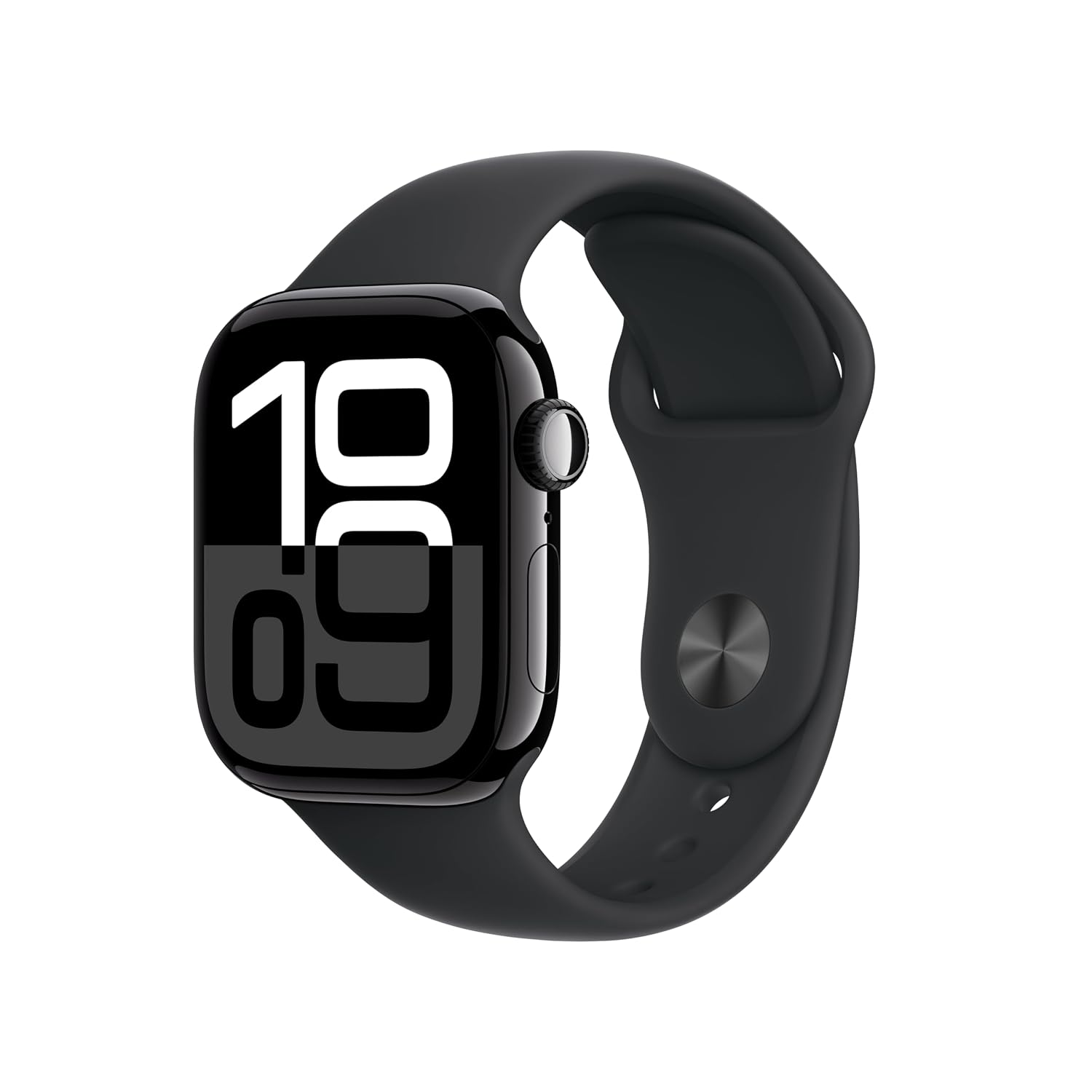
A standard Apple Watch is enough if you only want Cardio Fitness trends in Apple Health. Do not pay Ultra money for a more “true” VO2 max — the method is still an estimate. Apple Watch Series Cardio Fitness estimate. Wearable VO2 max estimates model cardiorespiratory fitness from heart rate and pace/power — useful for trends, not absolute clinical benchmarking. A standard Apple Watch is enough if you only want Cardio Fitness trends in Apple Health. Do not pay Ultra money for a more “true” VO2 max — the method is still an estimate.
Estimated ownership: about $420 in year 1 and
$500 over 3 years.
Hardware — replace cadence depends on how hard you train with it.
Withings · Bedside
Best for: Wearable-free sleep apnea screening signals
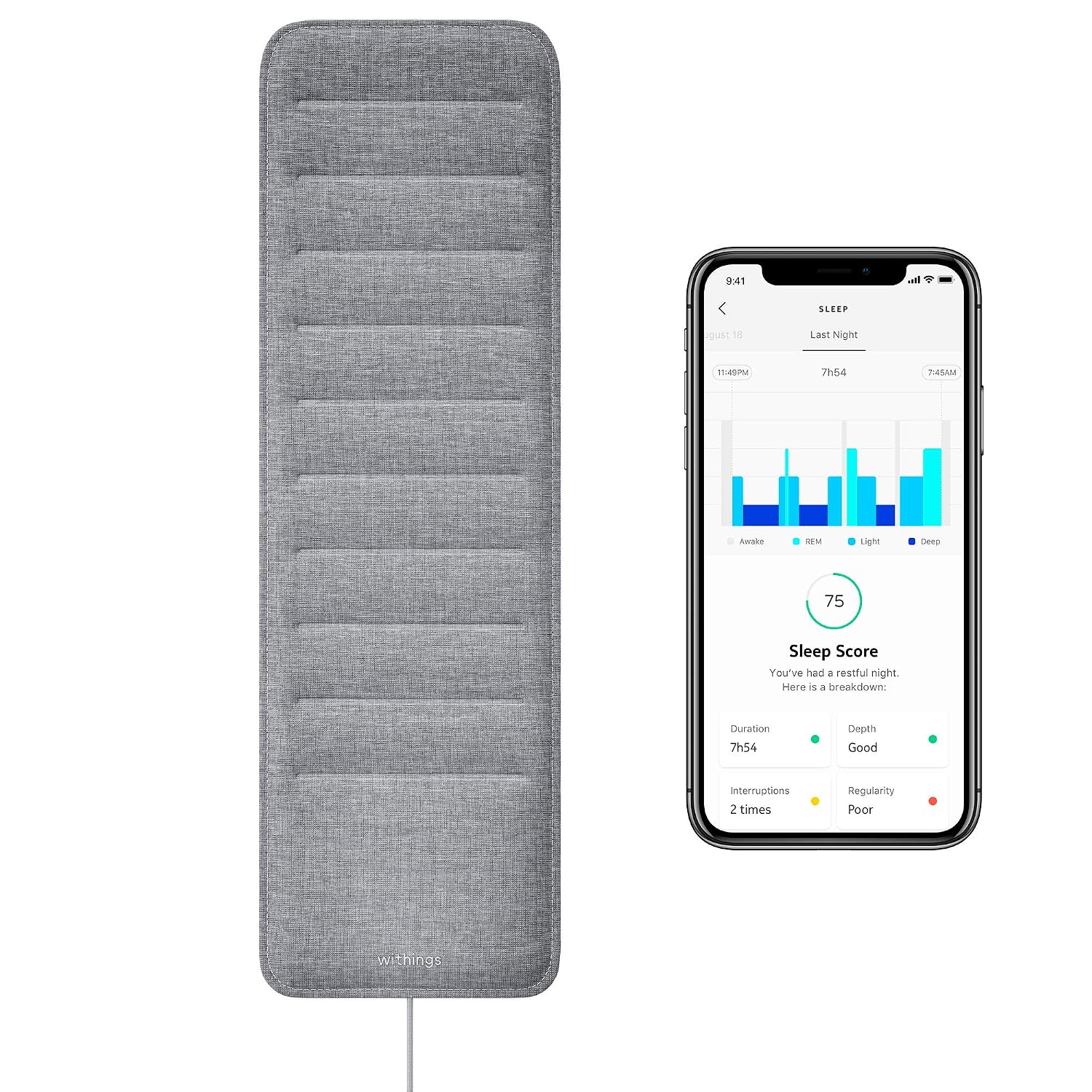
Withings Sleep Analyzer is the best answer for people who refuse to wear anything to bed. As an under-mattress sensor, it removes comfort objections entirely and focuses on sleep detection plus breathing-disturbance risk signals. This is not a direct like-for-like versus Oura or WHOOP. You lose portable daytime recovery context, but you gain zero on-body friction and automatic tracking for the bed where it is installed. It is especially relevant for users curious about snoring or apnea-related risk flags who still understand that consumer sensors are not diagnostic devices. Choose Sleep Analyzer if wearables are a non-starter. Skip it if you travel often or want HRV/recovery coaching throughout the day.
Estimated ownership: about $150 in year 1 and
$150 over 3 years.
One-time device cost; always-on powered sensor with no wearable membership.
Detailed reviews
Oura Ring 4
Pros
Cons
Choose this if
Skip this if
Manual Healthspan Log + Annual Labs
Pros
Cons
Choose this if
Skip this if
Garmin Forerunner 265
Pros
Cons
Choose this if
Skip this if
Dexcom Stelo OTC CGM
Pros
Cons
Choose this if
Skip this if
WHOOP 5.0
Pros
Cons
Choose this if
Skip this if
Polar H10 Heart Rate Sensor
Pros
Cons
Choose this if
Skip this if
Ultrahuman Ring Air
Pros
Cons
Choose this if
Skip this if
Garmin Venu 3
Pros
Cons
Choose this if
Skip this if
Apple Watch Ultra 2
Pros
Cons
Choose this if
Skip this if
Apple Watch Series (GPS)
Pros
Cons
Choose this if
Skip this if
Withings Sleep Analyzer
Pros
Cons
Choose this if
Skip this if
Sample stacks that stay sane
- Quiet ring stack: Ultrahuman or Oura + phone steps + annual labs.
- Garmin training stack: Venu 3 or Forerunner 265 + optional Polar H10 + seasonal Stelo.
- Apple Health stack: Apple Watch (charge strategically) + Stelo block when testing nutrition sleep timing.
- No-wearable sleep: Withings Sleep Analyzer + daytime watch or phone + labs.
- Manual-first: spreadsheet of sleep/steps/waist for 8 weeks — then buy the device that fills the biggest gap.
Prioritize sleep duration and consistency, resting/overnight HRV trends, daytime activity or training load, waist or weight trend, and occasional glucose pattern learning. Add VO2 or fitness estimates and annual bloodwork for outcome-linked context. Daily “readiness” scores are optional coaching — not medical truth. No. Consumer sleep staging is an estimate. It is still useful for trends: bedtime consistency, total sleep time, and large disruptions. Treat stage pie charts as directional, not diagnostic for apnea or insomnia. Not necessarily. Rings and watches cover sleep and HRV. An OTC CGM like Stelo is for metabolic pattern learning — meals, late eating, alcohol, sleep debt — usually in focused blocks rather than forever, unless a clinician recommends ongoing use. Oura (or Ultrahuman) leans ring comfort and overnight recovery. WHOOP leans screenless coaching and strain/recovery loops with a required membership. Pick the form factor you will wear for a year; membership math matters more than marketing healthspan labels. Often yes for activity-plus-sleep dashboards, especially if you already charge a watch daily and live in that ecosystem. Rings usually win pure overnight adherence. Many people use a watch by day and skip overnight wear — which weakens sleep trends. Review weekly or monthly: sleep time, HRV baseline drift, training consistency, and (if using CGM) post-meal patterns. Change one behavior at a time. Pair with annual labs and fitness markers rather than reacting to every red day.Continuous monitoring for aging metrics FAQ
Which aging metrics are worth continuous tracking?
+
Is wearable sleep as good as a sleep lab?
+
Do I need a CGM if I already wear a ring?
+
Whoop or Oura for longevity tracking?
+
Can Apple Watch or Garmin replace a ring?
+
What should I do with the data?
+
This comparison is designed for practical decision-making. Product capabilities, pricing, and memberships change quickly, so treat battery claims, plan costs, and feature availability as moving targets.
Wearable-derived sleep metrics associated with CVD risk markers and telomere attrition signals — supporting longitudinal sleep tracking as a research and personal dashboard tool, not a diagnosis. Exploratory consumer-wearable study linking overnight HR/HRV dynamics with glycemic risk markers — hypothesis-generating framing for combining recovery wearables with glucose learning, not clinical CGM replacement.
Dexcom Stelo product information (OTC CGM)
Over-the-counter continuous glucose monitoring for adults not on insulin — pattern learning tool; follow labeling for intended use and limitations.
Related Keersa guide: Zone 2 Training Technology
Daytime aerobic load is easier to interpret when continuous HR and Zone 2 tools stay honest.
Related Keersa guide: Blood Panels Worth Tracking Annually
Wearables and CGMs complement — they do not replace — annual metabolic and inflammatory labs.
Related Keersa guide: VO2 Max as a Longevity Biomarker
Fitness age and VO2 trends are stronger outcome-linked signals than most daily wearable scores.
Related Keersa guide: NAD Precursors: NR, NMN, and Reality
If you experiment with supplements, continuous sleep/HRV/glucose trends are better outcome proxies than vibes alone.
Affiliate disclosure: some product links on Keersa Health may earn a commission at no extra cost to you.
Editorial recommendations are independent of commercial relationships.
Read our full disclosure.
Sources and editorial notes
Bottom line
Continuous monitoring for aging is less about collecting every biometric and more about a few signals you will act on for years. Prefer one comfortable overnight tracker, truthful daytime activity, optional CGM learning blocks, and labs that matter. Related: Zone 2 Training Technology, Blood Panels Worth Tracking Annually, and VO2 Max as a Longevity Biomarker.
Next in Longevity: Strength Training as Longevity Medicine — muscle, bone, and fall-risk basics behind aging well.