Longevity guide · Updated 2026
Biological Age Tests Explained: Epigenetic Clocks, Blood Scores & How to Compare Them
A deep dive into biological age testing — what epigenetic clocks, glycan assays, and blood-based inner-age scores actually measure — plus eleven leading consumer options from TruAge and GlycanAge to InnerAge and DIY PhenoAge.
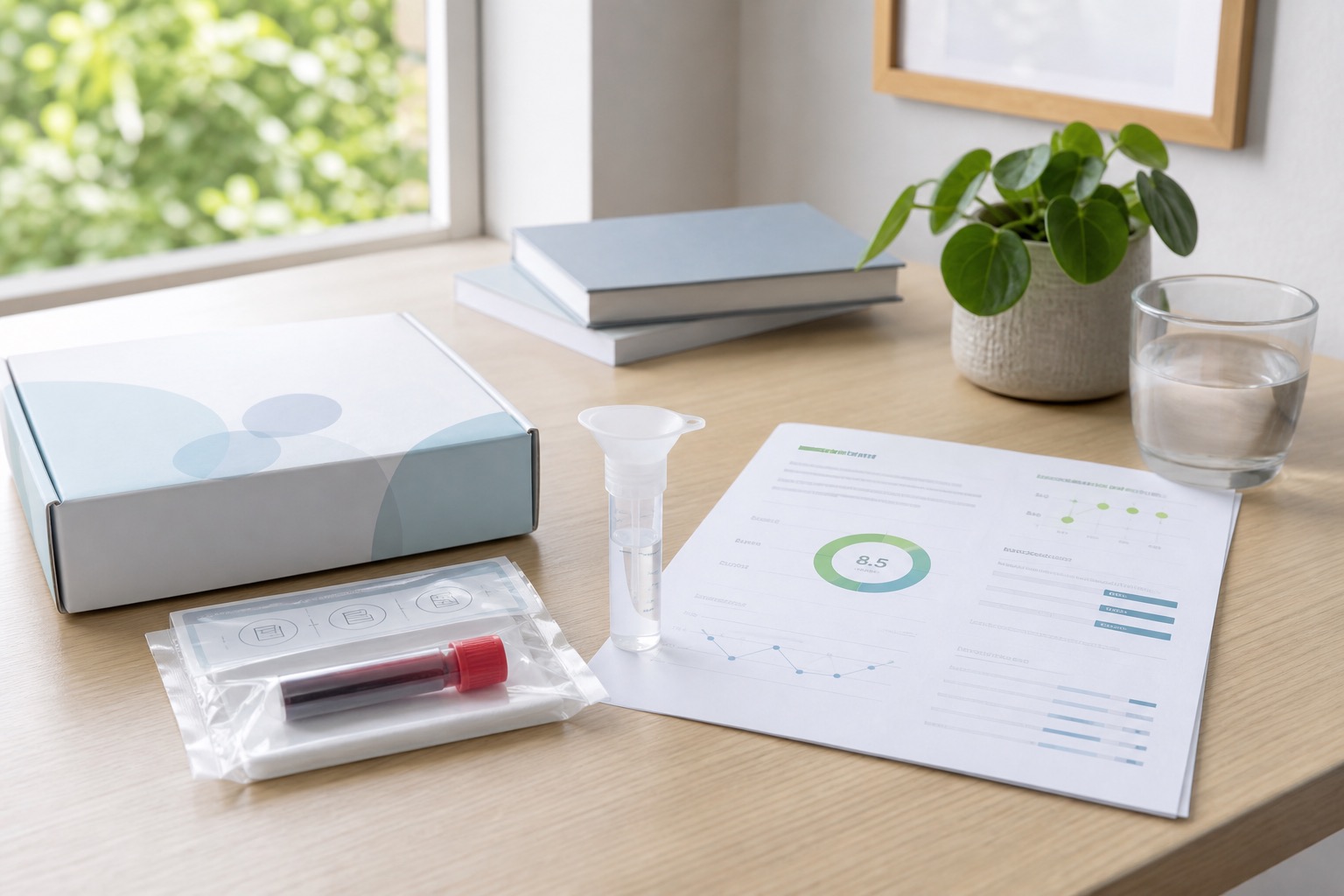
“Biological age” sounds like a single number hiding inside your cells. In practice it is a family of models: DNA methylation clocks, immune glycan patterns, blood-chemistry scores, and weaker consumer metrics like telomere length. Companies then wrap those models in kits, apps, and memberships. This guide explains what each class measures, how to interpret a result without spiraling, and which leading tests deserve a place in a longevity toolkit.
We compare eleven options spanning TruDiagnostic TruAge COMPLETE, NOVOS Age, Elysium Index, myDNAge, TallyAge, GlycanAge, InsideTracker InnerAge, Function-style comprehensive labs, DIY PhenoAge, Clock Foundation–class GrimAge reports, and consumer telomere kits. Related low-tech biomarker context: Grip Strength as a Health Biomarker.
Key takeaways
- Best first move for most people: actionable blood work — DIY PhenoAge labs or InnerAge-class panels.
- Best deep epigenetic kit: TruDiagnostic TruAge COMPLETE (multi-clock + pace + organ-system reporting).
- Best pace-focused mid epigenetic option: NOVOS Age.
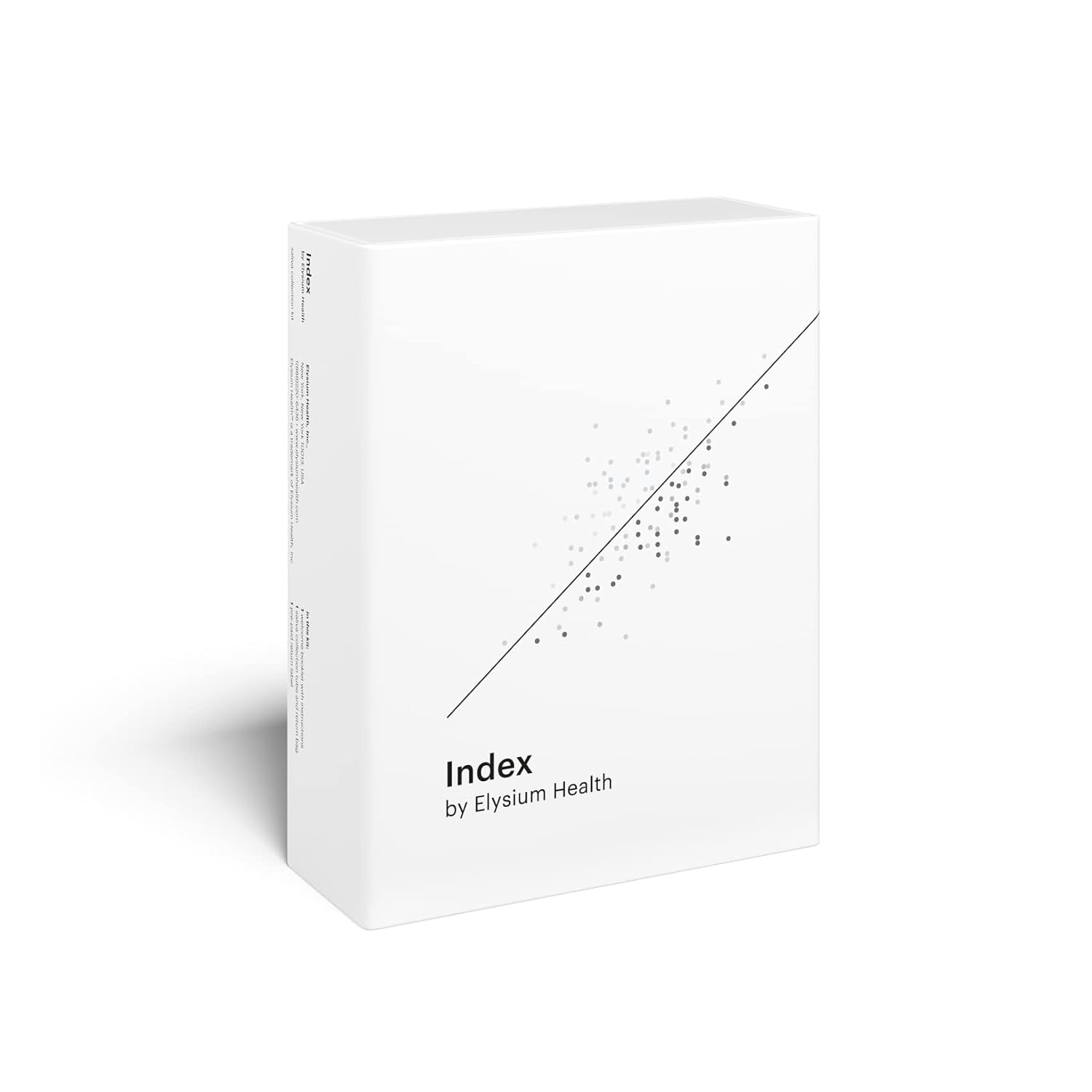
- Best saliva epigenetic convenience: Elysium Index.
- Best complementary immune/inflammation lane: GlycanAge.
- Best outcome-trained classic methylation lane: GrimAge/PhenoAge-class reports (Clock Foundation and similar).
- Usually skip for decisions: consumer telomere length kits.
- Biggest mistake: treating one kit’s “bio age” as a diagnosis or as comparable to a different brand’s score.
What “biological age” means (and does not)
Chronological age counts birthdays. Biological age estimates try to summarize how aged your physiology looks relative to peers — using molecular or clinical signals that correlate with morbidity, mortality, or functional decline in cohorts.
Important limits:
- A score is a model, not a stopwatch inside your mitochondria.
- Cross-test comparisons are shaky. A 42 on one kit and a 38 on another may not mean you “got younger.”
- Consumer kits are not FDA-cleared medical diagnostics for treating disease.
- Behavior still dominates. Sleep, cardiorespiratory fitness, strength, metabolic health, and not smoking move outcomes more than buying another dashboard.
The main test classes
1. Epigenetic clocks (DNA methylation)
Cells add chemical tags (methyl groups) to DNA in patterns that shift with age and exposures. Algorithms trained on those patterns estimate age or aging rate.
- First-generation clocks (Horvath-lineage) were trained largely to predict chronological age. Useful historically; less ideal as a sole intervention tracker.
- Second-generation clocks (PhenoAge, GrimAge) incorporate health-outcome information and generally relate more strongly to risk.
- Pace metrics (DunedinPACE) estimate how fast you are aging now — more like a speedometer than an odometer.
Consumer products differ in sample type (blood vs saliva vs cheek swab), which clocks they report, and how much organ-system theater they add.
2. Blood-chemistry “inner age” scores
These use clinical labs — lipids, glucose, inflammation markers, organ enzymes, and similar — to estimate risk or an algorithmic age. They are usually more actionable in the short term because you can target the markers themselves.
PhenoAge also exists as a published blood-biomarker calculation you can approximate from standard labs without a boutique methylation kit.
3. Glycan / immune aging
IgG antibody sugar patterns (glycans) change with age and inflammatory status. GlycanAge-class tests read that axis. Treat them as complementary to methylation — not as a drop-in replacement.
4. Telomere length
Telomeres shorten with cell division and relate to aging biology in research. As a personal dashboard, consumer telomere kits are usually too noisy and weakly actionable compared with blood panels or pace clocks.
How we evaluate biological age tests
- Scientific class honesty (30%) — DNAm vs blood vs glycan vs telomere, clearly labeled.
- Validation tier (25%) — outcome-trained clocks and pace metrics outrank curiosity metrics.
- Actionability (20%) — can the result change next quarter’s behaviors?
- Longitudinal usefulness (15%) — noise vs signal for retesting.
- Ownership friction (10%) — collection method, price, membership fog.
Validation tier in the comparison table: 1 = strongest published aging-biology lane for consumers, 2 = solid complementary or classic options, 3 = weak decision tools.
Interactive comparison
Filter by form factor, sort by score or price, and pin up to three options for a focused side-by-side view.
Tradeoff:
Sticker price still matters here — most options are one-time hardware buys, so the three-year estimate mainly reflects purchase price plus expected upkeep.
Estimates are directional and based on common public pricing patterns. Promotions, refurbished units, family plans, and tier changes can move these numbers materially.
3-year cost of ownership
Device
Year 1
3-year estimate
Amazon Price
TruDiagnostic TruAge COMPLETE
$500
$1,500
$138.95
PhenoAge from Standard Blood Labs (DIY)
$160
$480
—
Clock Foundation GrimAge / DNAm Report
$325
$975
—
InsideTracker InnerAge 2.0
$500
$1,500
—
NOVOS Age
$350
$1,050
—
GlycanAge
$350
$1,050
—
Elysium Index
$350
$1,050
$60
Function Health Comprehensive Labs
$500
$1,500
—
myDNAge
$300
$900
—
Tally Health TallyAge
$400
$1,200
—
Consumer Telomere Length Kit
$120
$360
—
Match the biology you care about â then the kit.Which biological age test should you buy?
Choose DIY PhenoAge or InnerAge-class blood panels if...
Choose TruAge COMPLETE if...
Choose NOVOS Age or GrimAge-class reports if...
Choose Elysium Index or TallyAge if...
Choose GlycanAge if...
Skip consumer telomere kits if...
Below are deeper notes on every option in the comparison table, sorted by editorial score. Jump directly from the table pins or the cost section.
TruDiagnostic · Epigenetic-kit
Best for: Deepest consumer epigenetic report: biological age, pace of aging, and organ-system clocks in one kit
TruAge COMPLETE is the deep epigenetic option for people who want more than a single “bio age” headline — pace plus organ-system context, with the honesty that numbers still need behavior change to matter. Multi-metric DNA methylation kit. Epigenetic clocks estimate aging from DNA methylation patterns; newer pace metrics aim to track rate of aging rather than only a static age. TruAge COMPLETE is the deep epigenetic option for people who want more than a single “bio age” headline — pace plus organ-system context, with the honesty that numbers still need behavior change to matter.
Estimated ownership: about $500 in year 1 and
$1,500 over 3 years.
Assumes roughly one COMPLETE test per year at ~$500. Quarterly plans change the math.
Levine PhenoAge method · Diy-score
Best for: Lowest-cost outcome-trained biological age estimate from routine blood markers
DIY PhenoAge is the highest-ROI bio-age move for many: get the labs, run a published calculator, fix the markers. Skip boutique branding until this is boring. Published blood-chemistry age score. PhenoAge-style scores use clinical biomarkers trained on morbidity/mortality outcomes — a different, often more actionable lane than first-generation methylation age. DIY PhenoAge is the highest-ROI bio-age move for many: get the labs, run a published calculator, fix the markers. Skip boutique branding until this is boring.
Estimated ownership: about $160 in year 1 and
$480 over 3 years.
Assumes one or two self-pay lab panels per year if insurance does not cover.
Clock Foundation · Epigenetic-kit
Best for: Outcome-oriented methylation clocks (GrimAge/PhenoAge lineage) from a research-clock organization
Clock Foundation-style GrimAge/PhenoAge reports sit in the scientifically serious methylation lane: outcome-trained clocks without requiring the flashiest consumer dashboard. Outcome-trained epigenetic clock report. Second-generation clocks like GrimAge and PhenoAge were built around health outcomes and mortality risk — often more informative than clocks trained only to predict chronological age. Clock Foundation-style GrimAge/PhenoAge reports sit in the scientifically serious methylation lane: outcome-trained clocks without requiring the flashiest consumer dashboard.
Estimated ownership: about $325 in year 1 and
$975 over 3 years.
Assumes roughly one report per year.
InsideTracker · Blood-panel
Best for: Actionable blood-biomarker “inner age” with clear diet and lifestyle levers — not an epigenetic clock
InnerAge is the best first bio-age-adjacent purchase for many people: blood markers you can act on in weeks to months. It is not a DNA methylation clock — and that is often a feature. Blood-biomarker age algorithm. Blood chemistry panels estimate aging risk and “inner age” from clinical labs — highly actionable, different science than epigenetic clocks. InnerAge is the best first bio-age-adjacent purchase for many people: blood markers you can act on in weeks to months. It is not a DNA methylation clock — and that is often a feature.
Estimated ownership: about $500 in year 1 and
$1,500 over 3 years.
Assumes roughly two actionable panels per year if you use it for coaching loops.
NOVOS · Epigenetic-kit
Best for: Pace-focused epigenetic testing with a longevity-brand ecosystem around the report
NOVOS Age is a strong mid-price epigenetic pick when you care most about pace of aging rather than the widest organ-clock dashboard. Pace-oriented DNA methylation kit. Epigenetic clocks estimate aging from DNA methylation patterns; newer pace metrics aim to track rate of aging rather than only a static age. NOVOS Age is a strong mid-price epigenetic pick when you care most about pace of aging rather than the widest organ-clock dashboard.
Estimated ownership: about $350 in year 1 and
$1,050 over 3 years.
Assumes roughly one test per year. Bundles with supplements are optional noise.
GlycanAge · Glycan-kit
Best for: Immune and inflammation-linked aging signal via IgG glycans — complementary to methylation clocks
GlycanAge measures a different axis of aging biology — IgG glycosylation — so it complements epigenetic clocks rather than replacing them. Use it when inflammation and immune aging are the question. IgG glycan aging kit. Glycan patterns on antibodies shift with age and inflammatory state — a different lens than DNA methylation clocks. GlycanAge measures a different axis of aging biology — IgG glycosylation — so it complements epigenetic clocks rather than replacing them. Use it when inflammation and immune aging are the question.
Estimated ownership: about $350 in year 1 and
$1,050 over 3 years.
Assumes roughly one test per year.
Elysium Health · Epigenetic-kit
Best for: Saliva-based epigenetic testing when you want a credentialed consumer DNAm product without a blood draw
Index is the saliva epigenetic on-ramp: less blood-draw friction, still a methylation story. Use it for trends, not as a doctor substitute. Saliva DNA methylation kit. Epigenetic clocks estimate aging from DNA methylation patterns; newer pace metrics aim to track rate of aging rather than only a static age. Index is the saliva epigenetic on-ramp: less blood-draw friction, still a methylation story. Use it for trends, not as a doctor substitute.
Estimated ownership: about $350 in year 1 and
$1,050 over 3 years.
Plan pricing moves the number — budget the real checkout total, not the headline “from” price.
Function Health · Blood-panel
Best for: Broad annual blood work with longevity-clinic UX — biological age as a summary, not the whole product
Function-style comprehensive labs are a longevity bloodwork membership more than a clock. Buy them for biomarker coverage and trends — treat any biological-age badge as optional narration. Broad lab membership panel. Blood chemistry panels estimate aging risk and “inner age” from clinical labs — highly actionable, different science than epigenetic clocks. Function-style comprehensive labs are a longevity bloodwork membership more than a clock. Buy them for biomarker coverage and trends — treat any biological-age badge as optional narration.
Estimated ownership: about $500 in year 1 and
$1,500 over 3 years.
Annual membership estimate — confirm current inclusions before buying.
myDNAge · Epigenetic-kit
Best for: Horvath-clock-lineage epigenetic age when you want a classic methylation age estimate
myDNAge is the classic epigenetic age lane: a Horvath-associated clock story without the full multi-metric dashboard of newer COMPLETE products. Classic epigenetic age kit. Epigenetic clocks estimate aging from DNA methylation patterns; newer pace metrics aim to track rate of aging rather than only a static age. myDNAge is the classic epigenetic age lane: a Horvath-associated clock story without the full multi-metric dashboard of newer COMPLETE products.
Estimated ownership: about $300 in year 1 and
$900 over 3 years.
Assumes roughly one test per year.
Tally Health · Epigenetic-kit
Best for: Cheek-swab epigenetic testing with a consumer longevity brand experience
TallyAge is the cheek-swab bio-age product for people who want epigenetic theater with minimal collection hassle. Keep membership upsells out of the scientific judgment. Cheek-swab epigenetic kit. Epigenetic clocks estimate aging from DNA methylation patterns; newer pace metrics aim to track rate of aging rather than only a static age. TallyAge is the cheek-swab bio-age product for people who want epigenetic theater with minimal collection hassle. Keep membership upsells out of the scientific judgment.
Estimated ownership: about $400 in year 1 and
$1,200 over 3 years.
Kit plus typical membership adjacency — your real total may exceed the test sticker.
Generic DTC telomere tests · Telomere-kit
Best for: Understanding a popular but weaker consumer aging metric — usually a skip for decision-making
Telomere kits sell a simple story. For personal decision-making they are usually the wrong biological age purchase — interesting biology, weak individual dashboard. Telomere length consumer kit. Telomere length relates to cellular aging biology but is a noisy individual metric compared with newer clocks and clinical biomarkers. Telomere kits sell a simple story. For personal decision-making they are usually the wrong biological age purchase — interesting biology, weak individual dashboard.
Estimated ownership: about $120 in year 1 and
$360 over 3 years.
Curiosity spend — not a recommended annual protocol for most people.
Detailed reviews

TruDiagnostic TruAge COMPLETE
Pros
Cons
Choose this if
Skip this if
PhenoAge from Standard Blood Labs (DIY)
Pros
Cons
Choose this if
Skip this if
Clock Foundation GrimAge / DNAm Report
Pros
Cons
Choose this if
Skip this if
InsideTracker InnerAge 2.0
Pros
Cons
Choose this if
Skip this if
NOVOS Age
Pros
Cons
Choose this if
Skip this if
GlycanAge
Pros
Cons
Choose this if
Skip this if
Elysium Index
Pros
Cons
Choose this if
Skip this if
Function Health Comprehensive Labs
Pros
Cons
Choose this if
Skip this if
myDNAge
Pros
Cons
Choose this if
Skip this if
Tally Health TallyAge
Pros
Cons
Choose this if
Skip this if
Consumer Telomere Length Kit
Pros
Cons
Choose this if
Skip this if
How to interpret results without overreacting
- Pick one primary method for trends. Do not score-shop across brands after every podcast.
- Prefer pace and biomarkers you can influence over a single vanity age.
- Retest on a schedule, same vendor when possible, after sustained changes — not after a three-day juice cleanse.
- Translate to behaviors: VO2 max work, strength, sleep, protein, metabolic health, alcohol, smoking — not just supplements.
- Escalate medically when needed. A scary organ age on a wellness PDF does not replace clinical evaluation.
A practical testing ladder
- Stage 0: sleep, training, grip, waist, blood pressure — free or cheap signals.
- Stage 1: standard labs + DIY PhenoAge or a high-quality blood panel (InnerAge / Function-class).
- Stage 2: annual epigenetic kit with pace reporting (NOVOS Age or TruAge COMPLETE).
- Stage 3 optional: GlycanAge if inflammation/immune aging is a specific question; GrimAge-class reports if you want outcome-trained methylation without the fullest consumer dashboard.
- Skip for most: telomere kits as decision engines.
It depends on the class. Epigenetic kits estimate aging from DNA methylation patterns. Glycan tests read immune/inflammation-linked antibody sugar patterns. Blood “inner age” products score clinical biomarkers. They are related ideas — not interchangeable numbers. For research-grade aging biology, DNA methylation clocks with outcome training (PhenoAge/GrimAge lineage) and pace metrics like DunedinPACE are the strongest published lanes. “Accurate” still means population prediction — not a personal fortune teller. Most people should start with actionable blood markers (DIY PhenoAge labs or InnerAge-class panels). Add a methylation kit once sleep, training, and basics are stable and you want a yearly pace signal. Blood panels can support shorter loops (months). Epigenetic kits are usually annual — more often mostly buys noise and anxiety unless you are in a structured protocol. No. These are wellness and research-adjacent tools. Abnormal symptoms, family history, or clinical red flags still belong with a clinician and appropriate medical testing. Because they measure different biology, use different algorithms, and have different noise. Disagreement is expected. Trends within one method beat cross-brand score shopping.Biological age tests FAQ
What does a biological age test actually measure?
+
Which biological age test is most accurate?
+
Should I start with an epigenetic kit or blood work?
+
How often should I retest?
+
Can a biological age test diagnose disease?
+
Why do two tests disagree?
+
This comparison is designed for practical decision-making. Product capabilities, pricing, and memberships change quickly, so treat battery claims, plan costs, and feature availability as moving targets.
Horvath, “DNA methylation age of human tissues and cell types” (Genome Biology, 2013)
Foundational multi-tissue epigenetic clock — the scientific ancestor of many consumer “biological age” methylation products.
Levine et al., “An epigenetic biomarker of aging for lifespan and healthspan” (Aging, 2018)
PhenoAge: outcome-oriented aging biomarker linking clinical physiology and DNA methylation — also the basis for DIY blood-chemistry PhenoAge calculators.
Lu et al., “DNA methylation GrimAge strongly predicts lifespan and healthspan” (Aging, 2019)
GrimAge: second-generation methylation clock trained with mortality-related surrogate biomarkers — stronger risk framing than age-mirroring clocks alone.
Belsky et al., “DunedinPACE, a DNA methylation biomarker of the pace of aging” (eLife, 2022)
Pace-of-aging metric designed from longitudinal within-person change — the leading candidate for tracking whether interventions shift aging rate.
Related Keersa guide: Grip Strength as a Health Biomarker
A low-tech longevity biomarker with strong outcome associations — useful contrast to boutique clocks.
Affiliate disclosure: some product links on Keersa Health may earn a commission at no extra cost to you.
Editorial recommendations are independent of commercial relationships.
Read our full disclosure.
Sources and editorial notes
Bottom line
Biological age tests are useful when you treat them as class-specific models — methylation clocks for genomic-regulatory aging patterns, blood scores for actionable physiology, glycans for immune/inflammation context. Start with blood literacy, add a serious epigenetic pace kit when the basics are stable, and refuse to let a single number become your identity. Related: Grip Strength as a Health Biomarker.
Next in Longevity: VO2 Max as a Longevity Biomarker — why cardiorespiratory fitness predicts outcomes and how to measure improvement.