Heat & Cold guide · Updated 2026
Cold Exposure Timing Around Training: When CWI Helps Recovery — and When It May Blunt Hypertrophy
A detailed 2026 guide to cold exposure timing around training — delaying or skipping post-lift plunges, using cold after endurance, competition congestion modes, and rest-day protocols — with evidence caveats.
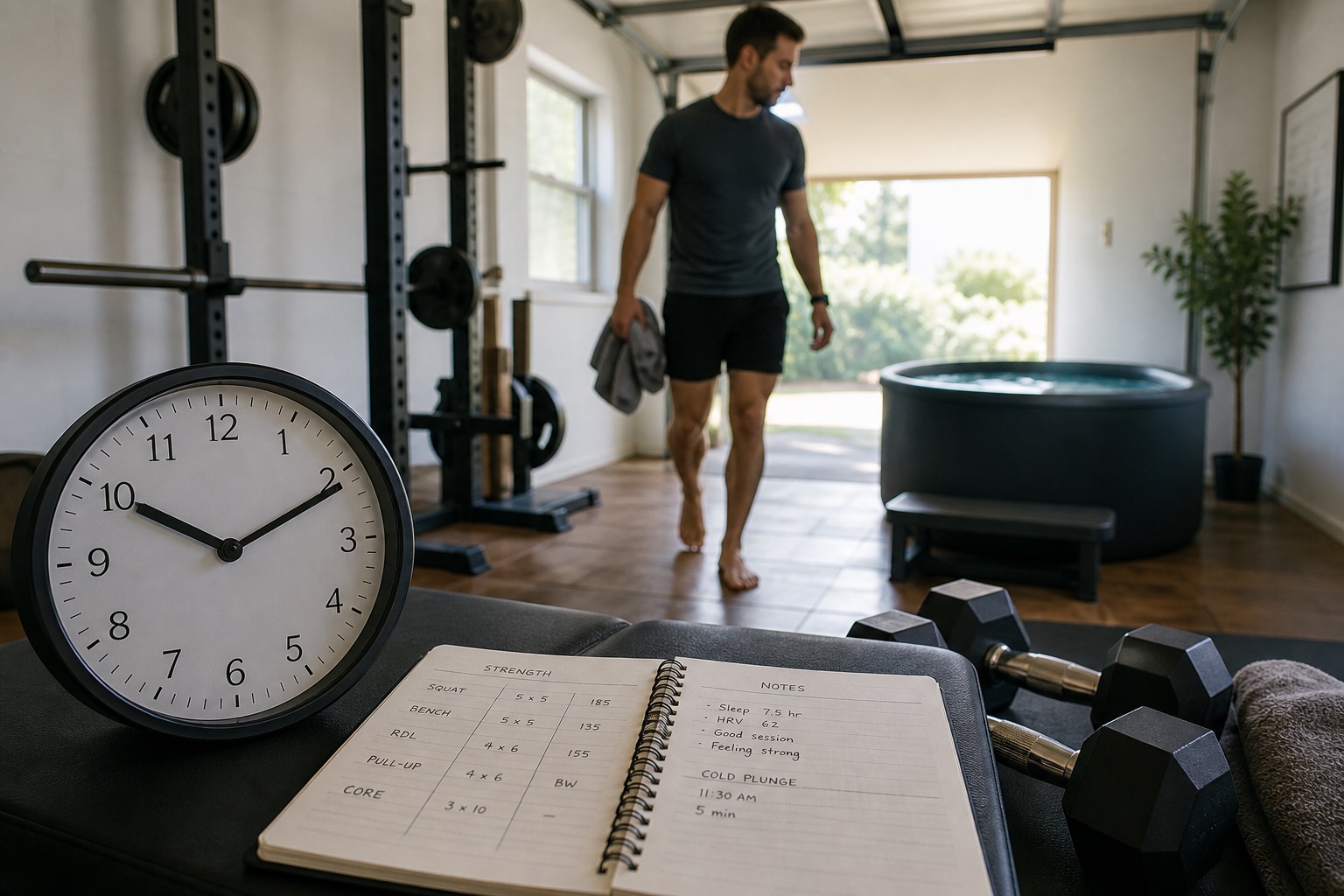
Cold exposure timing around training is where recovery culture collides with adaptation biology. In 2026 cold plunges are easy to buy and easy to misuse: habitual ice baths right after hypertrophy sessions are the pattern most linked to blunted muscle-growth signaling and smaller training adaptations, while the same tool can still make sense after endurance work or during competition congestion.
This guide turns that literature into calendar rules — delay, avoid on lift days, post-endurance OK, competition priority, morning separation, and rest-day only — then maps each rule to ordinary home plunge setups.
Key takeaways
- Best default for lifters who still want cold: Delay After Hypertrophy (4–6+ hours).
- Best growth-first rule: Avoid Cold on Hypertrophy Days.
- Best endurance-day use: Post-Endurance Recovery Cold.
- Best short-block exception: Competition Congestion Priority.
- Best habit separation: Morning Cold, Lift Later.
- Best simple anti-interference rule: Non-Training Day Cold Only.
- Biggest mistake: plunging after every hard hypertrophy session because soreness feels productive.
How we evaluate timing protocols
Editorial scores favor rules everyday athletes can follow without a lab — and without pretending cold is either poison or panacea. We score each protocol across five pillars:
- Adaptation honesty (25%) — alignment with hypertrophy/strength interference evidence.
- Recovery usefulness (20%) — when acute soreness/readiness goals are legitimate.
- Calendar realism (20%) — can a busy adult actually run the rule?
- Periodization clarity (20%) — know when to switch modes.
- Hardware fit (15%) — works with DIY or turnkey plunges from our setup guide.
Important limitation: study quality varies; effects are average tendencies, not destiny. Individual responses differ. Medical contraindications to cold still apply.
What the training studies show
Roberts and colleagues showed that post-exercise CWI can attenuate acute anabolic signaling and some long-term strength-training adaptations. Fyfe et al. found attenuated anabolic signaling and fiber hypertrophy with regular post-resistance CWI. Newer meta-analyses (including hypertrophy-focused pooling) similarly suggest immediate post-RT CWI may reduce hypertrophic gains relative to training without it, and strength-gain metas often find a small attenuating effect.
By contrast, regular CWI alongside endurance training has not shown the same clear performance-adaptation penalty in pooled analyses — which is why sport and timing matter more than vibes.
Timing variables that matter most
- Proximity to hypertrophy RT — immediate post-lift is the red zone.
- Training goal that day — size vs endurance vs competition readiness.
- Delay / day separation — hours or full rest days.
- Block length — congestion modes should expire.
- Dose — measured 10–15°C band beats punishment plunges.
Interactive comparison
Filter by form factor, sort by score or price, and pin up to three options for a focused side-by-side view.
Tradeoff:
Sticker price still matters here — most options are one-time hardware buys, so the three-year estimate mainly reflects purchase price plus expected upkeep.
Estimates are directional and based on common public pricing patterns. Promotions, refurbished units, family plans, and tier changes can move these numbers materially.
3-year cost of ownership
Device
Year 1
3-year estimate
Amazon Price
Avoid Cold on Hypertrophy Days
$1,650
$2,100
—
Delay After Hypertrophy (4–6+ h)
$1,650
$2,100
$859.89
Post-Endurance Recovery Cold
$1,650
$2,100
$859.89
Non-Training Day Cold Only
$700
$1,600
$49.99
Competition Congestion Priority
$6,400
$7,200
—
Morning Cold, Lift Later
$1,400
$1,900
$1,149.99
Pick the rule that matches the weekâs job. Growth blocks avoid or delay post-lift cold. Endurance days can use cold more freely. Competition congestion temporarily prioritizes readiness.Growth vs recovery vs competition
Choose Avoid or Non-Training Day Only if...
Choose Delay or Morning Separation if...
Choose Post-Endurance or Congestion if...
Wait on aggressive cold timing experiments if...
Below are deeper notes on every option in the comparison table, sorted by editorial score. Jump directly from the table pins or the cost section.
Protocol · Protocol
Best for: Maximizing muscle-growth priority by keeping CWI off hypertrophy resistance days
Avoid Cold on Hypertrophy Days is the strict growth protocol: no post-session CWI when the session’s job is muscle size. Plunge on rest days, easy cardio days, or well after the mesocycle’s priority shifts. Meta-analytic signals for attenuated hypertrophy/strength adaptations cluster around regular immediate post-RT CWI. “Hypertrophy day” means the hard sets matter — not a light technique session. Choose Avoid when growth is primary. Soften to Delay when adherence to cold itself is a goal.
Estimated ownership: about $1,650 in year 1 and
$2,100 over 3 years.
Hardware idle on lift days is fine — you bought consistency of training adaptations, not daily ice photos.
Protocol · Protocol
Best for: Keeping cold exposure while reducing immediate post-lift interference with hypertrophy-focused training
Delay After Hypertrophy is the default compromise: finish hard lifting, eat/protein, then plunge later (often 4–6+ hours). It keeps cold in the week without making every set a post-lift ice bath. Immediate post-RT CWI is the pattern most linked to blunted hypertrophy/strength adaptation signals in training studies and meta-analyses. If evenings are your only plunge window, train earlier — do not train, plunge, and call it “delayed” five minutes later. Choose Delay when you want both growth and cold. Choose Avoid-on-Lift-Days when hypertrophy is the only priority.
Estimated ownership: about $1,650 in year 1 and
$2,100 over 3 years.
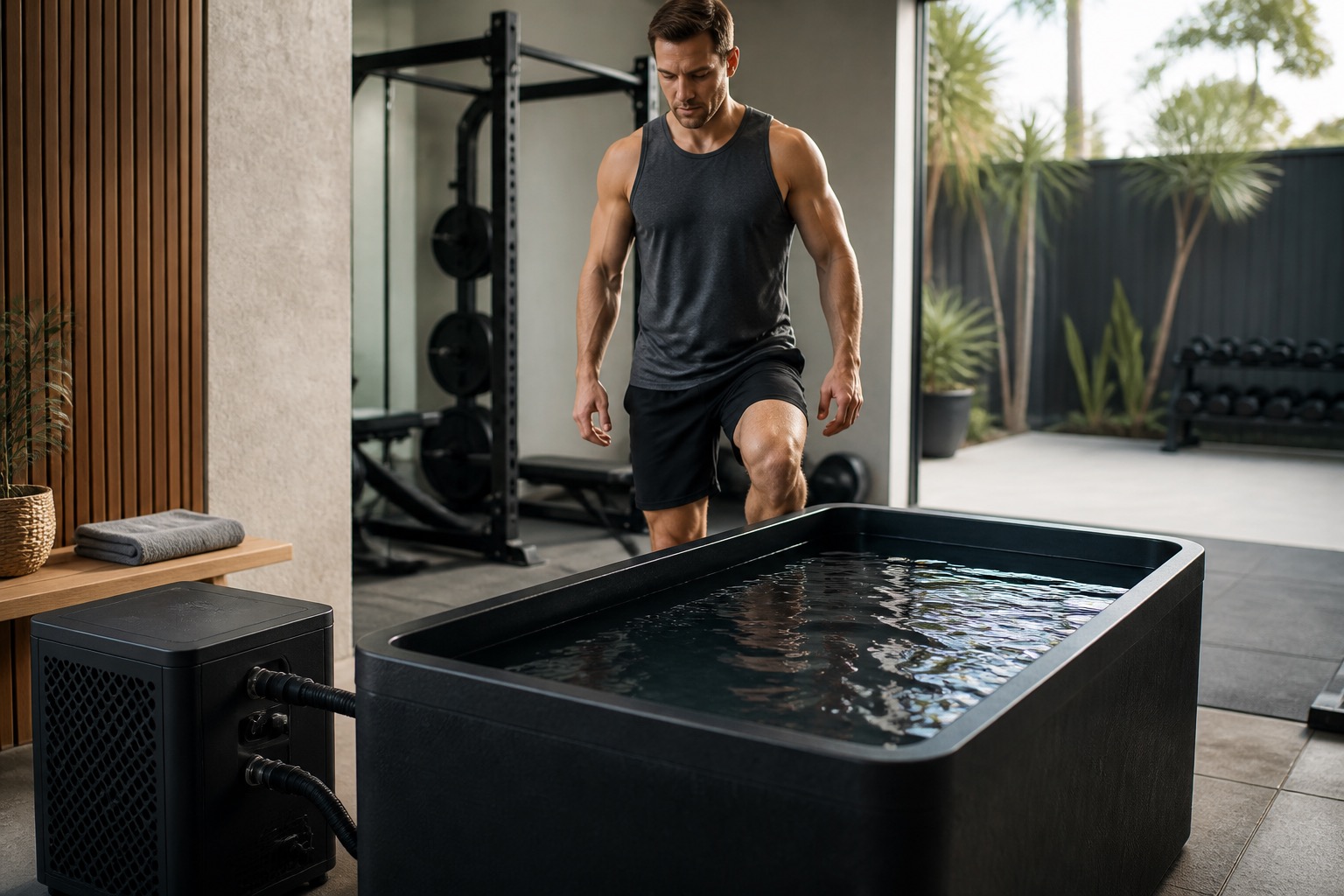
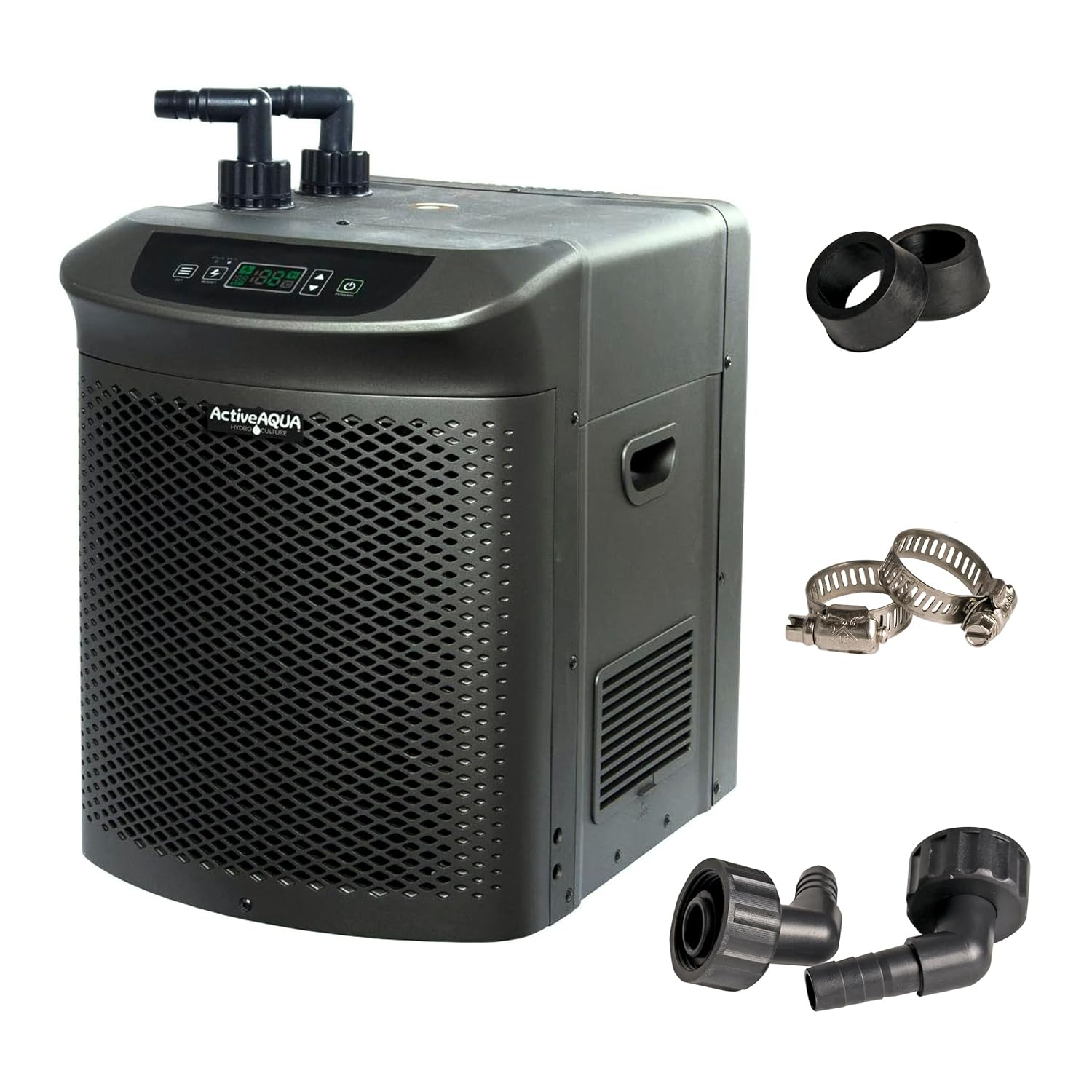
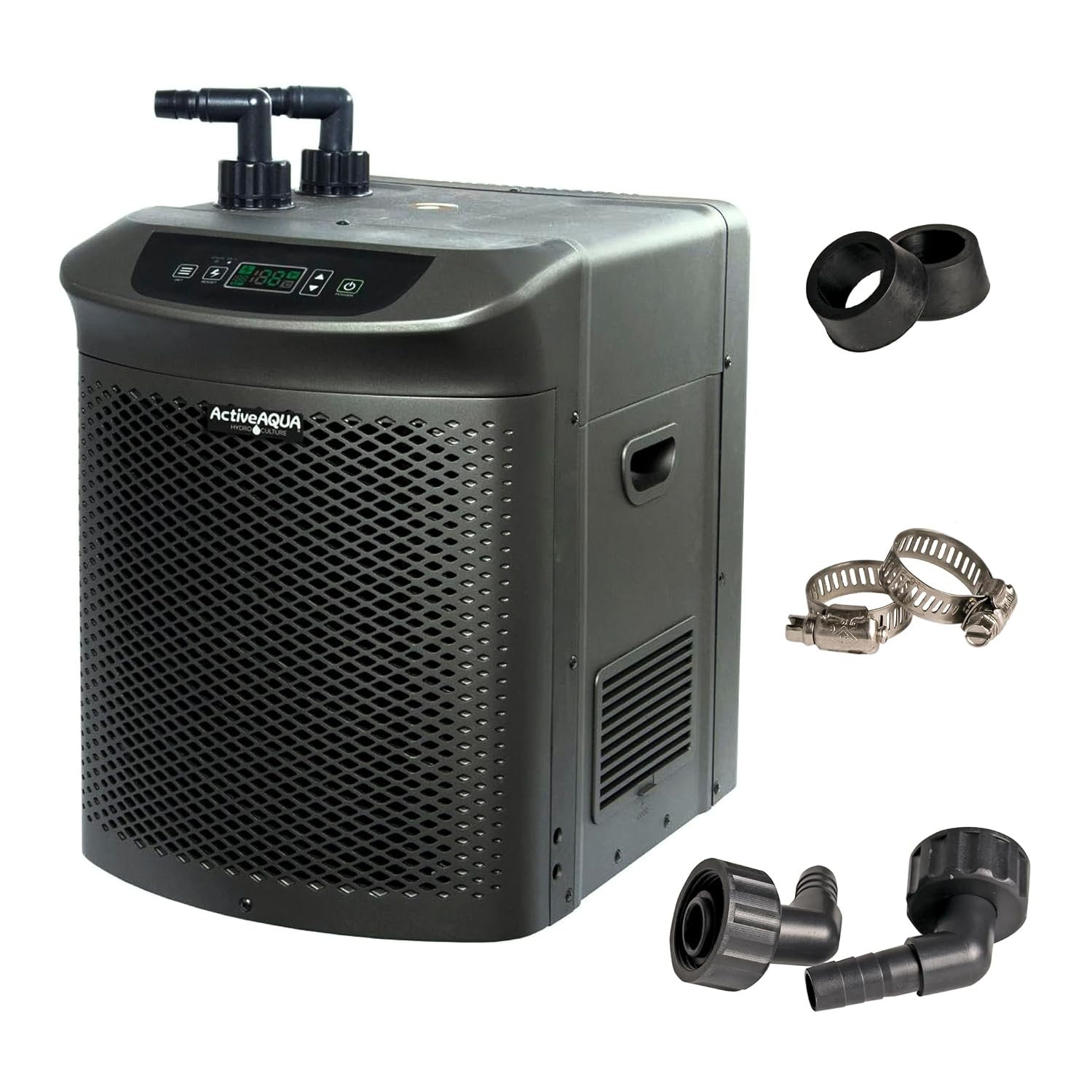
Assumes DIY chiller-class plunge ownership. The scarce resource is time separation, not hardware.
Protocol · Protocol
Best for: Using CWI after endurance sessions when acute recovery matters and hypertrophy is not the adaptation target
Post-Endurance Recovery Cold is for run/ride/row days: CWI after aerobic work when you want soreness control and next-day readiness. Do not smuggle hard hypertrophy lifting into the same window and call it “endurance.” Pooled training analyses often show clearer interference concerns for strength than for endurance performance adaptations. Keep water in a measured recovery band (~10–15°C) rather than punishment temps. Choose this on pure endurance days. Use Avoid/Delay when lifting for size.
Estimated ownership: about $1,650 in year 1 and
$2,100 over 3 years.
Same plunge ownership. Protocol value is permissioned timing, not new gear.
Protocol · Protocol
Best for: Simplest interference-avoidance rule: cold never shares a calendar day with hard training
Non-Training Day Cold Only is the cleanest calendar rule: plunge when you are not lifting/conditioning hard. Ideal for growth phases and for people who over-combined stressors. Define “training day” in advance (hard sessions only vs any sweat). Use rest-day cold for mood/resilience goals without chasing post-lift recovery myths. Choose this for simplicity. Move to Delay if you want more cold days.
Estimated ownership: about $700 in year 1 and
$1,600 over 3 years.
Can start with inflatable/ice. Upgrade hardware only if rest-day adherence is already solid.
Protocol · Protocol
Best for: Short blocks where next-session readiness beats long-term hypertrophy signaling
Competition Congestion Priority flips the default: during dense fixtures or playoffs, immediate CWI can be rational for acute recovery. Exit the mode when training blocks return to adaptation-first. This is periodization, not a personality. Label the calendar weeks. Pair with conservative volumes so cold is not covering reckless programming. Choose Congestion for short peaks. Return to Avoid/Delay in growth blocks.
Estimated ownership: about $6,400 in year 1 and
$7,200 over 3 years.
Assumes ready plunge access (turnkey or solid DIY). You are buying readiness in a defined window.
Protocol · Protocol
Best for: Keeping a daily cold habit while parking hard lifting many hours later
Morning Cold, Lift Later separates stressors: plunge early, lift in the afternoon/evening. It avoids the classic immediate post-RT CWI pattern while preserving cold exposure frequency. Warm up thoroughly before lifting if mornings are cold-heavy — do not treat residual chill as a badge. If morning cold tanks bar speed, shorten the plunge or move it to off days. Choose Morning Cold for habit separation. Choose Avoid if even same-day cold feels like a compromise.
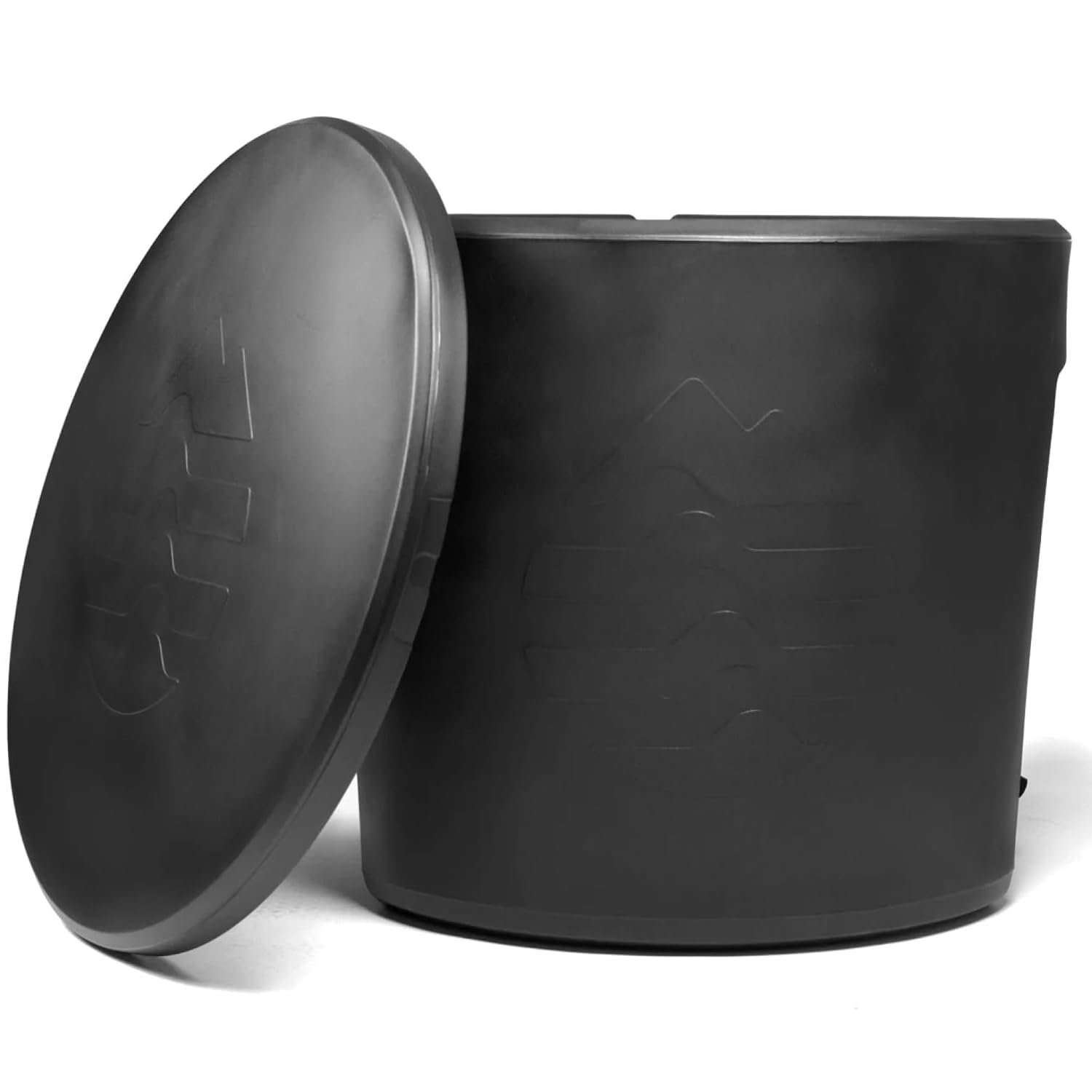
Estimated ownership: about $1,400 in year 1 and
$1,900 over 3 years.
Ice Barrel-class or DIY ownership. Habit timing is the intervention.
Detailed reviews
Avoid Cold on Hypertrophy Days
Pros
Cons
Choose this if
Skip this if
Delay After Hypertrophy (4–6+ h)
Pros
Cons
Choose this if
Skip this if
Post-Endurance Recovery Cold
Pros
Cons
Choose this if
Skip this if
Non-Training Day Cold Only
Pros
Cons
Choose this if
Skip this if
Competition Congestion Priority
Pros
Cons
Choose this if
Skip this if
Morning Cold, Lift Later
Pros
Cons
Choose this if
Skip this if
How to choose a timing rule
- Name the block goal. Hypertrophy, endurance, or in-season readiness?
- Default to Avoid or Delay during growth phases.
- Allow Post-Endurance Cold on pure aerobic days if it helps you.
- Open Congestion mode only for labeled peak weeks.
- Keep hardware simple. Timing beats buying a colder chiller — see Cold Plunge Setup Guide.
- Reassess every mesocycle. Do not let a tournament rule become a personality.
Quick recommendations by persona
- Hypertrophy primary: Avoid Cold on Hypertrophy Days
- Wants cold + growth: Delay After Hypertrophy
- Endurance days: Post-Endurance Recovery Cold
- Playoff / tournament weeks: Competition Congestion Priority
- Morning ritual person: Morning Cold, Lift Later
- Wants the simplest rule: Non-Training Day Cold Only
Regular immediate post-resistance CWI is the pattern most associated with attenuated hypertrophy and some strength-adaptation signals in training studies and meta-analyses. It is not magic anti-muscle water — but it is not free either. Delay, skip on hypertrophy days, or periodize. There is no universal proven “safe delay.” A practical rule many coaches use is several hours (often 4–6+) or next day. Immediate post-session immersion is the clearest pattern to avoid when growth is the priority. Often more compatible than post-hypertrophy CWI. Pooled analyses raise clearer concerns for strength adaptations than for endurance performance adaptations. Still treat cold as optional, not mandatory. Short competition-congestion blocks, dense fixtures, or weeks where next-session readiness beats long-term hypertrophy. Label those weeks on the calendar and exit the mode afterward. Yes as a separation strategy — it avoids classic post-lift CWI. Warm up thoroughly and drop the morning plunge if bar speed or joint comfort suffers. For recovery-oriented CWI, many studied protocols sit around roughly 10–15°C for several minutes. See the Cold Plunge Setup Guide for hardware that can hold that band.Cold exposure timing around training FAQ
Does cold plunging after lifting kill gains in 2026?
+
How long should I wait after hypertrophy training?
+
Is cold after endurance training OK?
+
When should I prioritize cold for recovery anyway?
+
Can I plunge in the morning and lift at night?
+
What temperature and duration should I use when I do plunge?
+
This comparison is designed for practical decision-making. Product capabilities, pricing, and memberships change quickly, so treat battery claims, plan costs, and feature availability as moving targets.
Key mechanistic and training study: habitual post-lift CWI can blunt anabolic signaling and some long-term strength-training adaptations. Shows attenuated fiber hypertrophy signaling/outcomes with regular post-resistance CWI, while some strength gains may still appear.
Piñero et al., “Throwing cold water on muscle growth…” (European Journal of Sport Science, 2024)
Meta-analysis suggesting immediate post-RT CWI may attenuate hypertrophic adaptations relative to training without CWI. Pooled analyses find regular post-RT CWI can attenuate muscular strength gains — timing is not free. Systematic review/meta-analysis: harmful pooled signal for strength adaptations; little clear harm for endurance performance adaptations.
Bleakley et al., Cochrane review of cold-water immersion for muscle soreness (2012)
Supports acute recovery/soreness use-cases — the reason athletes still reach for CWI when readiness matters more than hypertrophy.
Keersa Health Cold Plunge Setup Guide
Hardware, chillers, and temperature targets for running these timing protocols at home.
Affiliate disclosure: some product links on Keersa Health may earn a commission at no extra cost to you.
Editorial recommendations are independent of commercial relationships.
Read our full disclosure.
Sources and editorial notes
Bottom line
Cold exposure is optional recovery stress with a schedule. Use it when readiness or resilience is the job; separate it from hypertrophy lifting when muscle growth is the job. The evidence does not say “never plunge” — it says stop treating immediate post-lift ice as mandatory recovery hygiene. Related: Cold Plunge Setup Guide, Sauna Protocols for Cardiovascular Health, and Home Sauna Types Compared.
Next: Contrast Therapy Protocols and Cryotherapy Chambers vs Cold Water.