Heat & Cold guide · Updated 2026
Designing a Heat and Cold Routine: A Realistic Weekly Plan You Will Actually Keep
A practical overview for building a heat-and-cold practice that fits real life — weekly templates, training-day rules, progression without drama, and how to use the rest of our Heat & Cold guides without buying more than you need.
A great heat-and-cold practice feels less like a dare and more like a calendar you can keep while life happens. This is the overview guide: how to assign jobs to heat and cold, sketch a week that survives real schedules, progress without turning wellness into performance art, and point yourself to the deeper Heat & Cold articles when you need hardware, timing, or safety detail.
Think of this as the conductor’s score. The instruments live elsewhere — saunas, plunges, contrast, safety, wearables — and you only need the ones that match your goals.
Key takeaways
- Name the job first. Cardiovascular heat practice, recovery feel, contrast ritual, and “cold for alertness” are different assignments.
- Start with heat or cold alone before stacking championship contrast days.
- Protect hypertrophy weeks from immediate post-lift cold.
- Frequency beats intensity theater. Two or three repeatable sessions outrun one legendary weekend.
- Write stop rules when calm. Mid-steam you are a worse negotiator.
- Buy hardware last. Prove the habit, then upgrade friction — not the other way around.
Step 0: clearance and constraints
Before you color-code a spreadsheet, settle the boring adult stuff. Unstable cardiovascular disease, recent cardiac events, severe valve disease, uncontrolled hypertension, pregnancy questions, and heat/cold intolerance are reasons to talk to a clinician first. Alcohol and thermal extremes are a famously bad duo. For the full seatbelt talk, see Safety, Contraindications, and Monitoring.
Also name your logistics: apartment vs yard, shared bathroom politics, how early you wake, and whether you will maintain water quality. A routine that ignores logistics is fan fiction.
Assign jobs to heat and cold
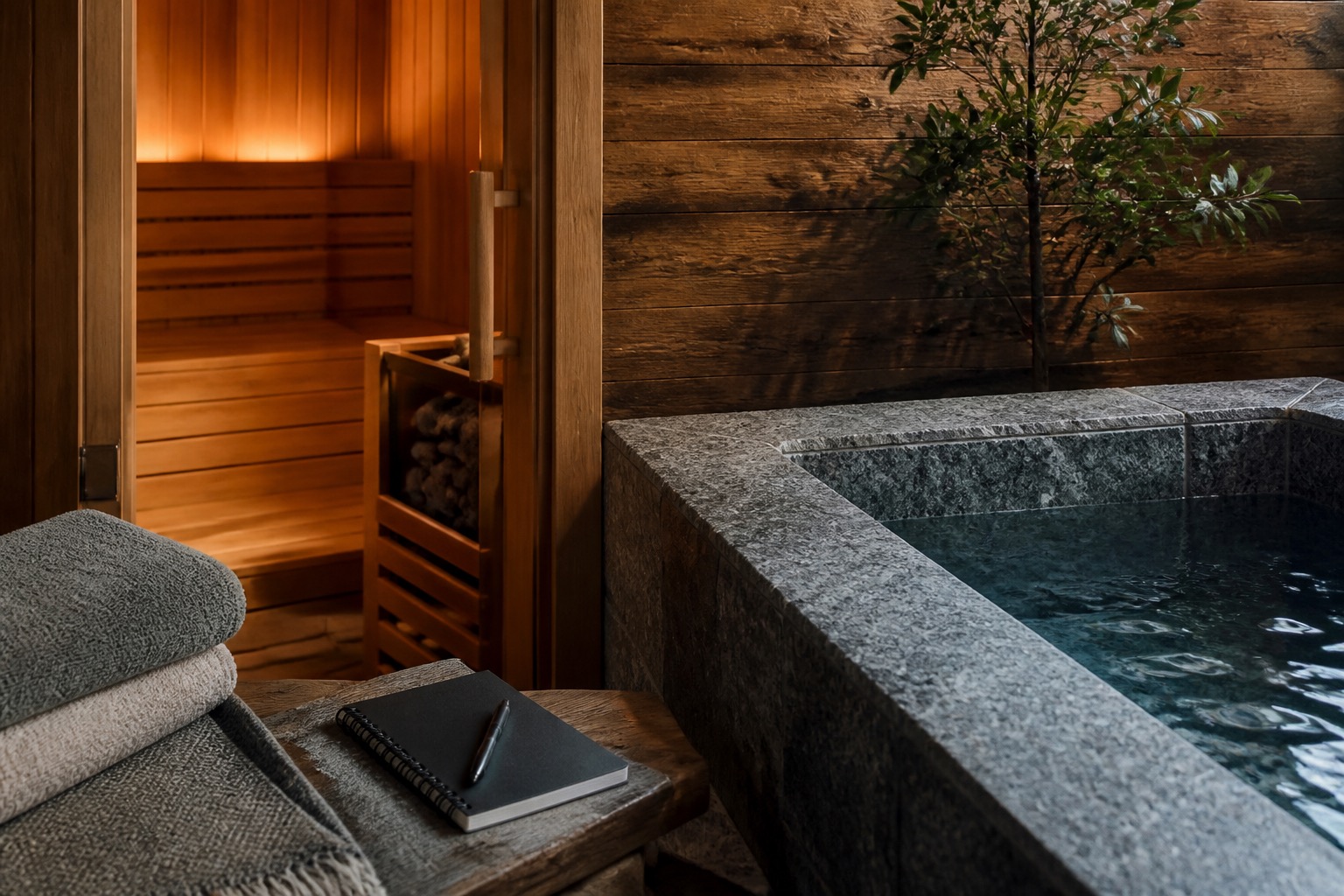
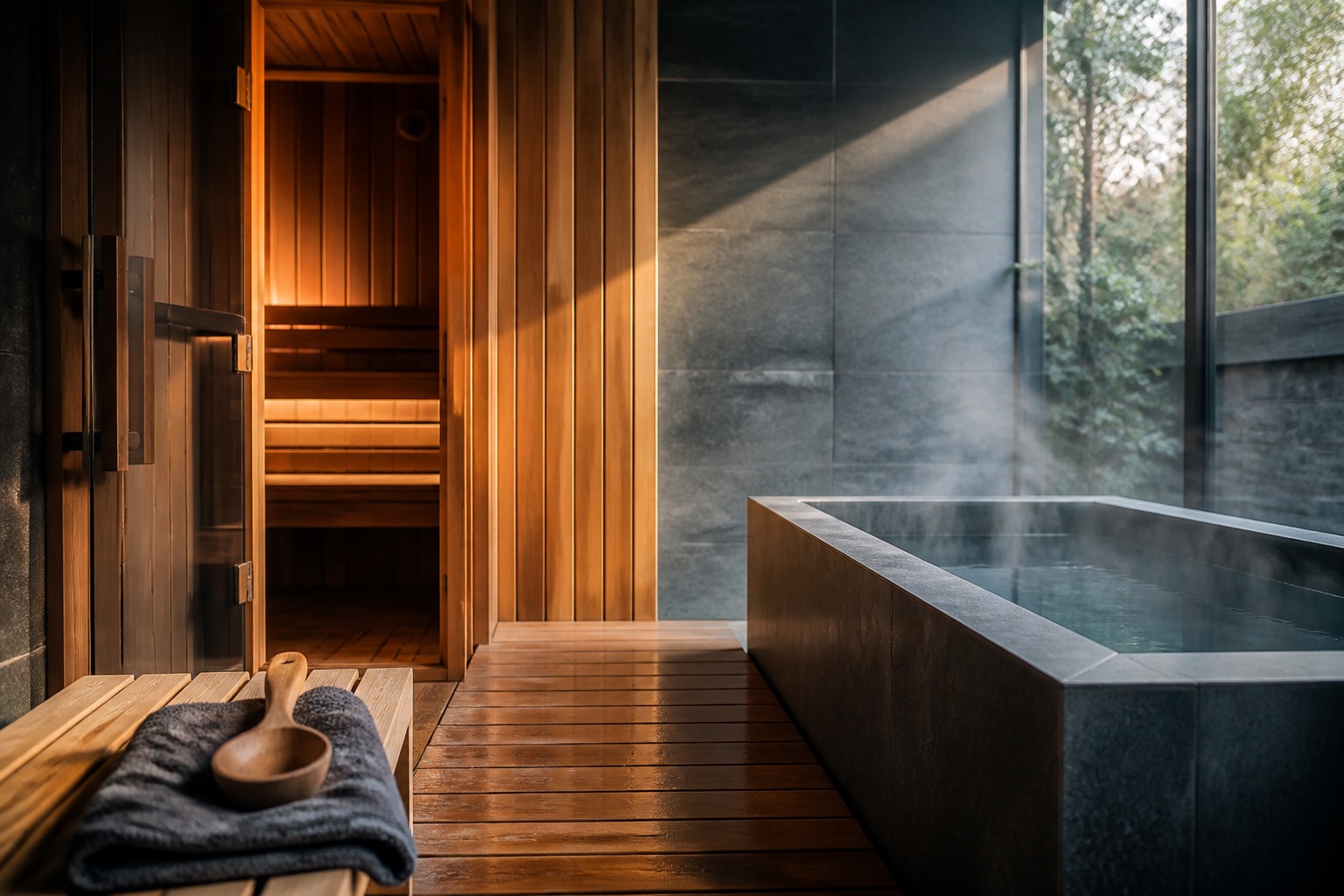
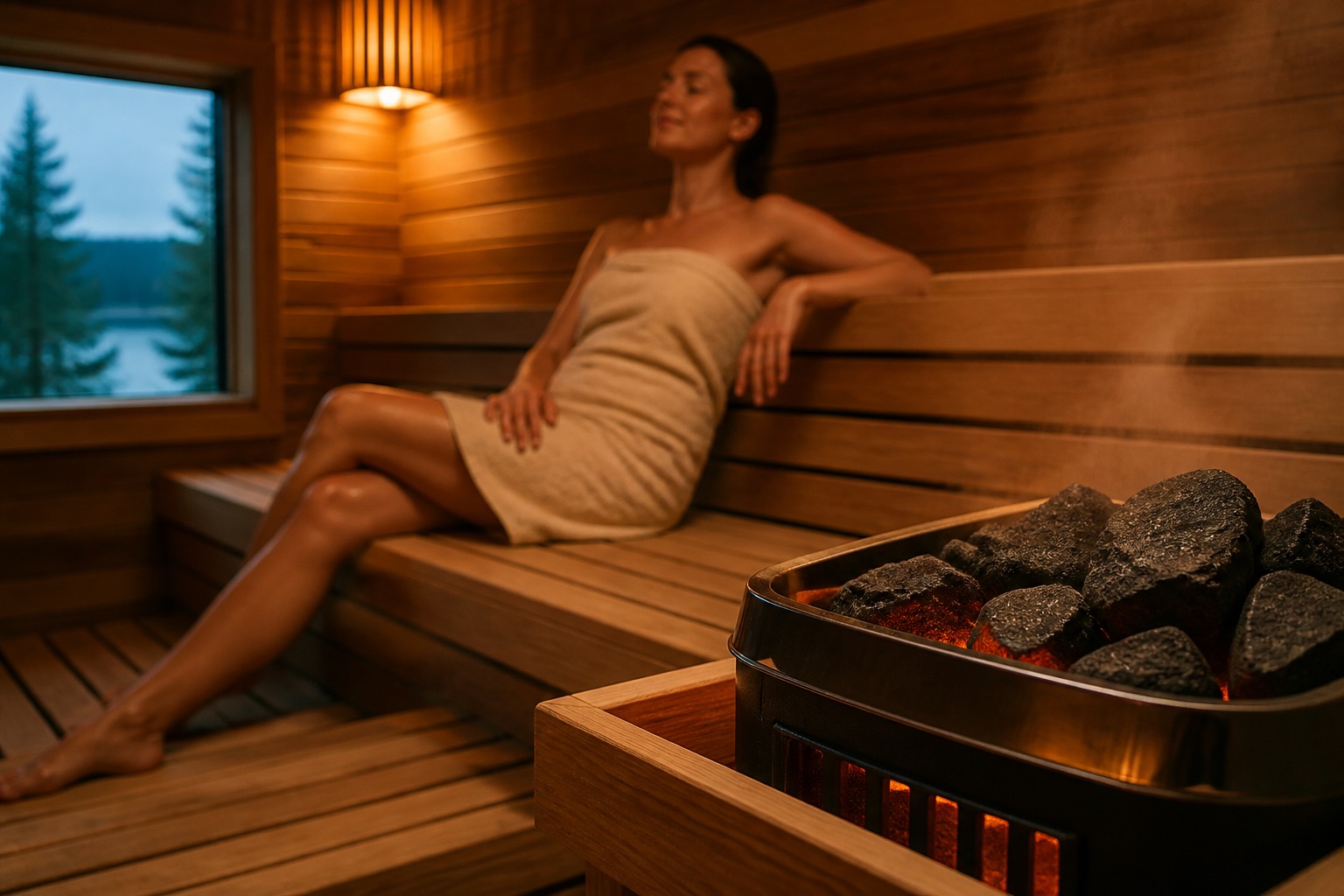
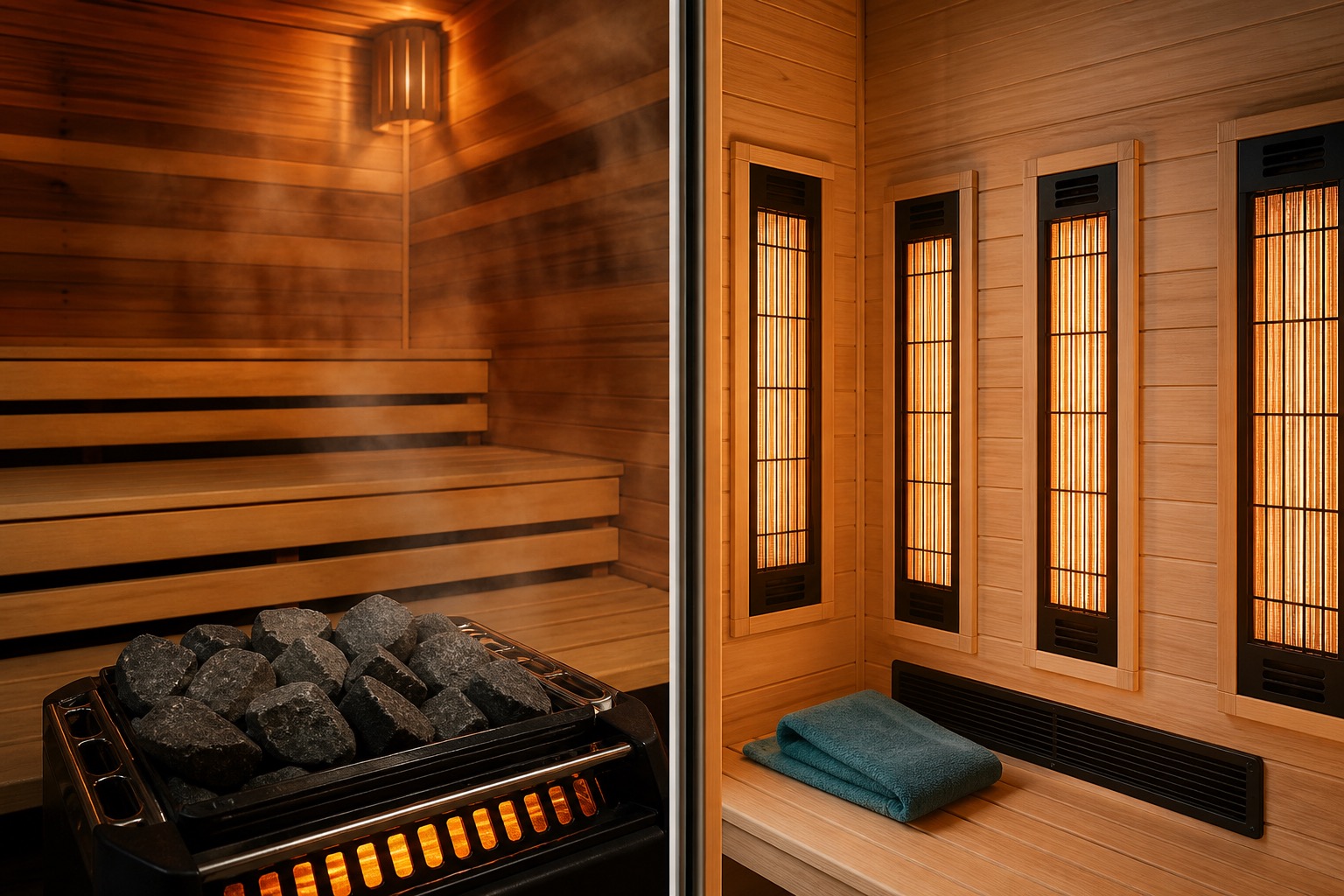
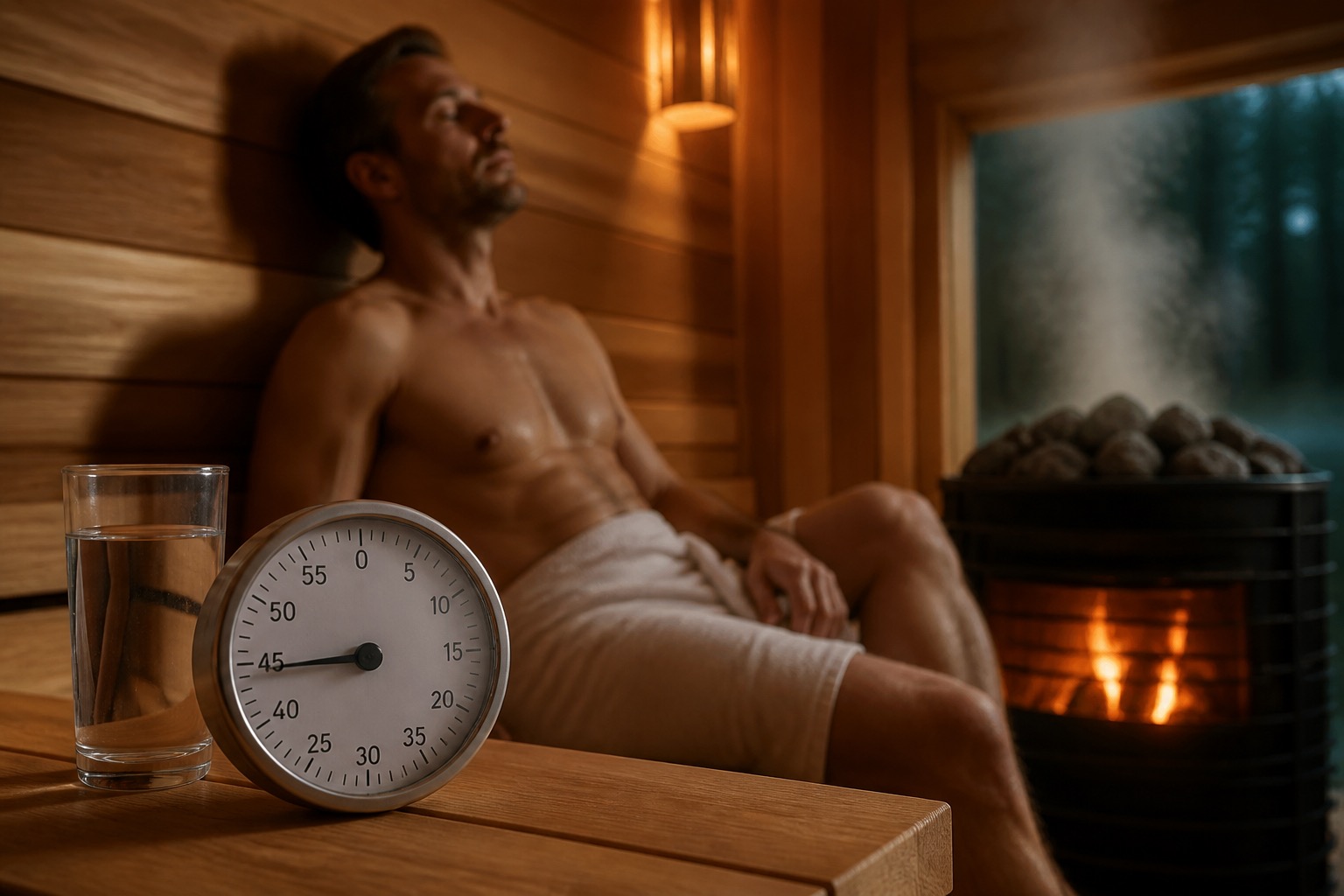
Heat is often the weekly anchor: traditional or infrared practice for cardiovascular stimulus, relaxation, and habit. Match heat class to your why in Infrared vs Traditional Heat Physiology and Sauna Protocols for Cardiovascular Health.
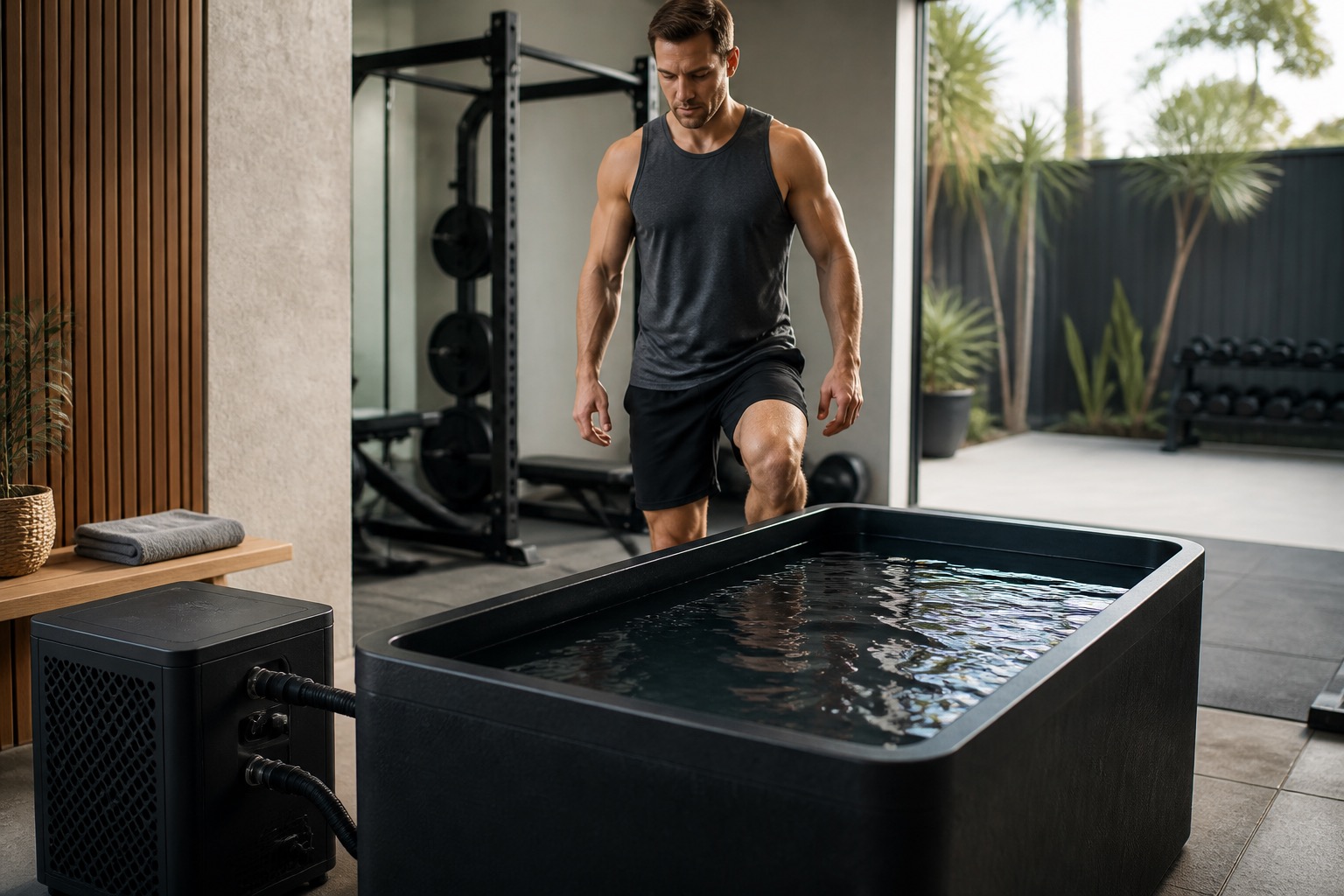
Cold is optional stress with a schedule. Use it for alertness, selected recovery windows, or contrast — not as mandatory penance after every lift. Timing rules live in Cold Exposure Timing Around Training.
Contrast is a sequenced specialty, not the default dessert after every meal. When you want it, use Contrast Therapy Protocols.
Beginner 4-week ramp
- Week 1 — Heat only. Two sessions, shorter than your ego prefers. Learn exit cues and hydration.
- Week 2 — Add measured cold separately. One short plunge or cold shower on a non-lift day or well after lifting.
- Week 3 — Optional simple contrast. One round: heat, brief cold, rewarm. Stop if sleep or mood tanks.
- Week 4 — Choose a steady weekly template from the options below and stop reinventing every Sunday night.
If anything feels medically weird, stop. Curiosity is not a substitute for clearance.
Three weekly templates
Pick one template for a month. Remixing every three days is how routines die.
Template A — Heat-forward (most people)
- Mon / Wed / Fri: Sauna or IR heat, 1–2 rounds, comfortable progression.
- Tue / Thu: Training days without immediate post-lift cold if hypertrophy matters.
- Sat: Optional short cold or one-round contrast.
- Sun: Off from thermal stress — sleep and food get the spotlight.
Template B — Training-protective
- Hard lift days: Heat later only if you feel good; skip immediate cold.
- Endurance or easy days: Cold allowed when it helps you show up tomorrow.
- 1–2 dedicated heat sessions away from the heaviest lifts.
- Contrast: reserved for deload or non-hypertrophy blocks.
Template C — Minimal viable (busy or travel weeks)
- One quality heat session you will not skip.
- One optional cold exposure if logistics are kind.
- No guilt about missing contrast theater.
Session building blocks
Keep sessions boring on purpose:
- Heat: written minutes and a temperature class you can repeat (not “until visionary”).
- Cold: thermometered water band when immersing — often a recovery-friendly range rather than misery contests.
- Contrast: start heat, finish cold, fixed rounds.
- Rewarm and fluids: clothes, water, and a few quiet minutes beat sprinting into email.
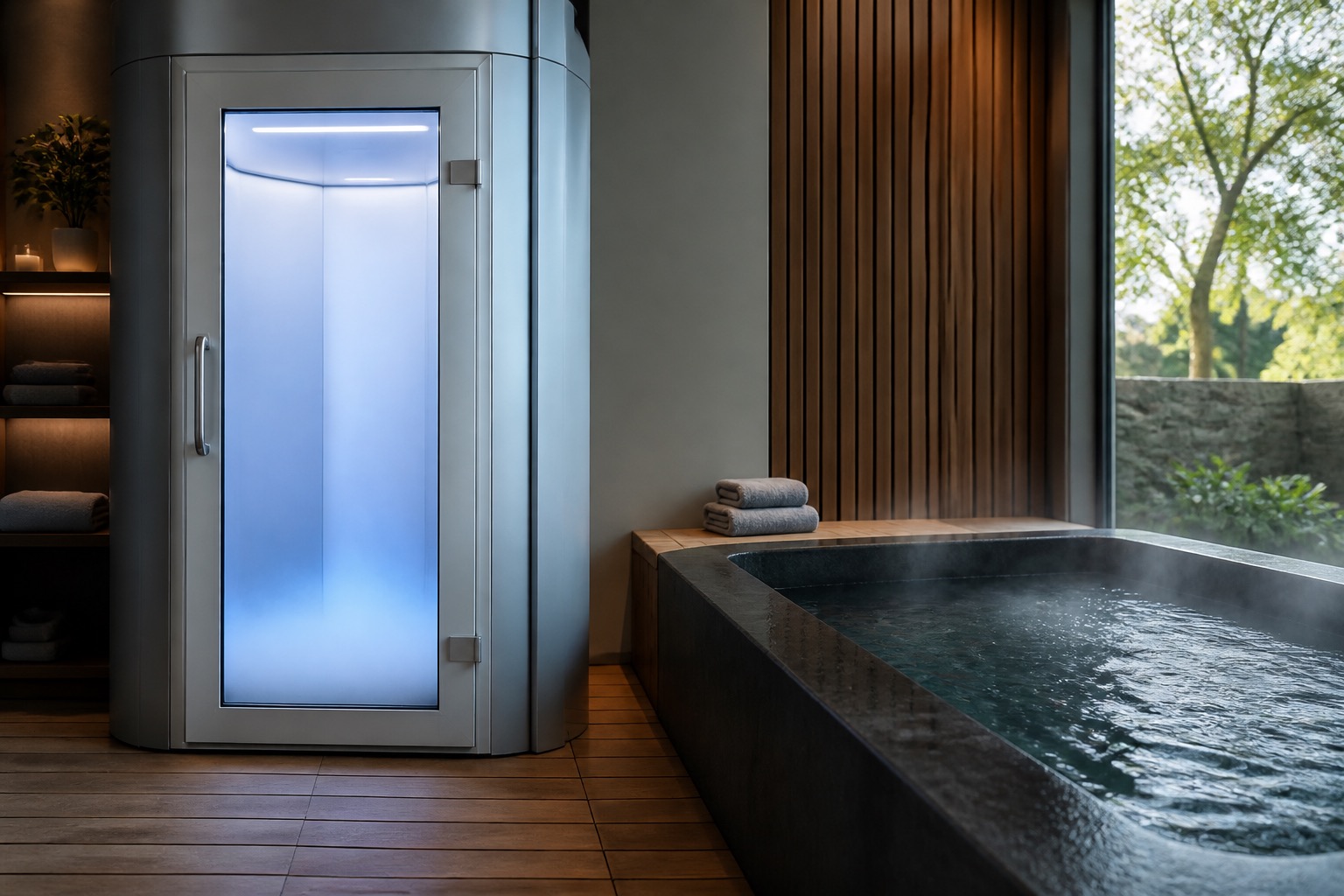
Hardware deep-dives: Home Sauna Types Compared, Cold Plunge Setup Guide, and Cryotherapy Chambers vs Cold Water if you are tempted by chamber memberships.
Progression without drama
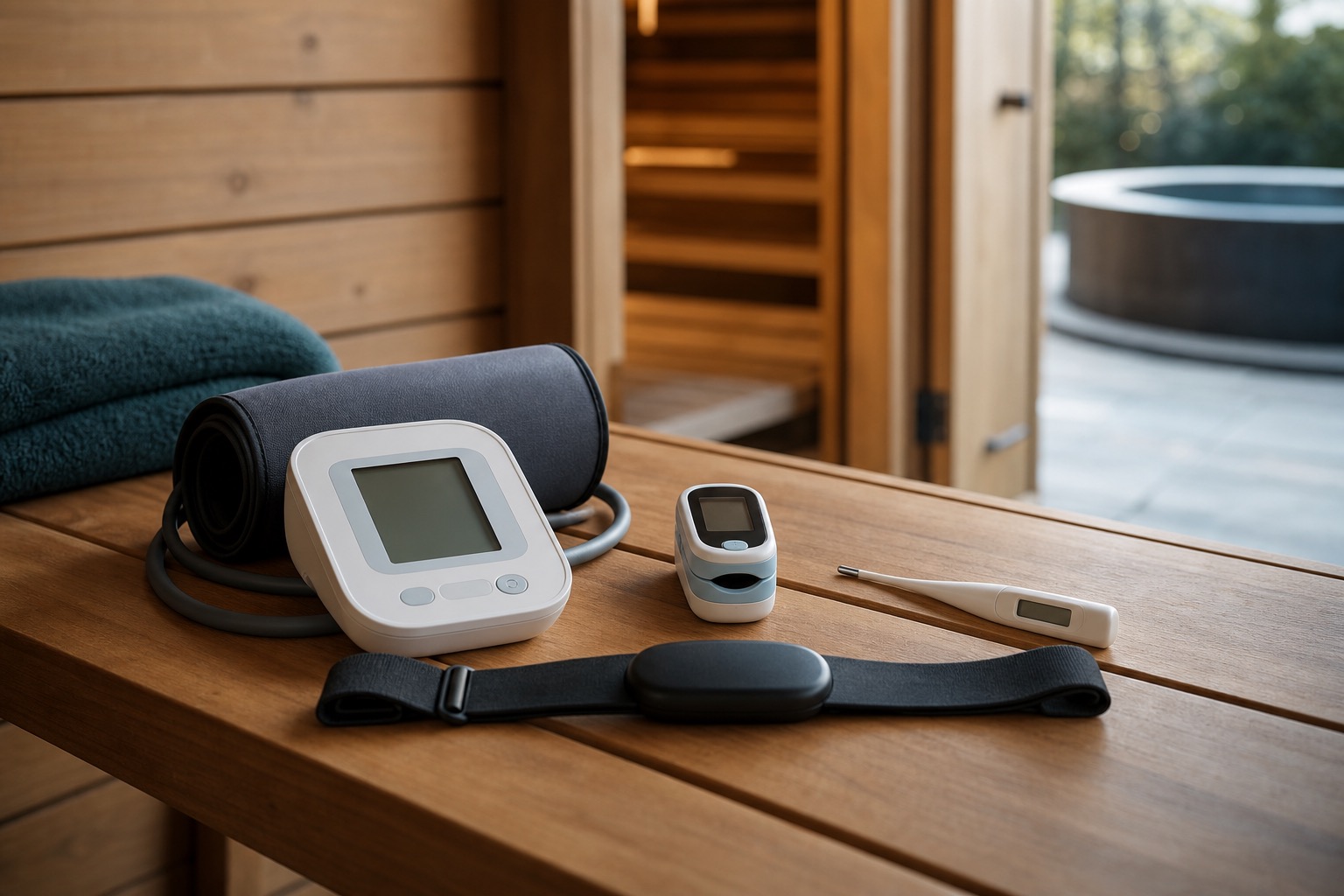
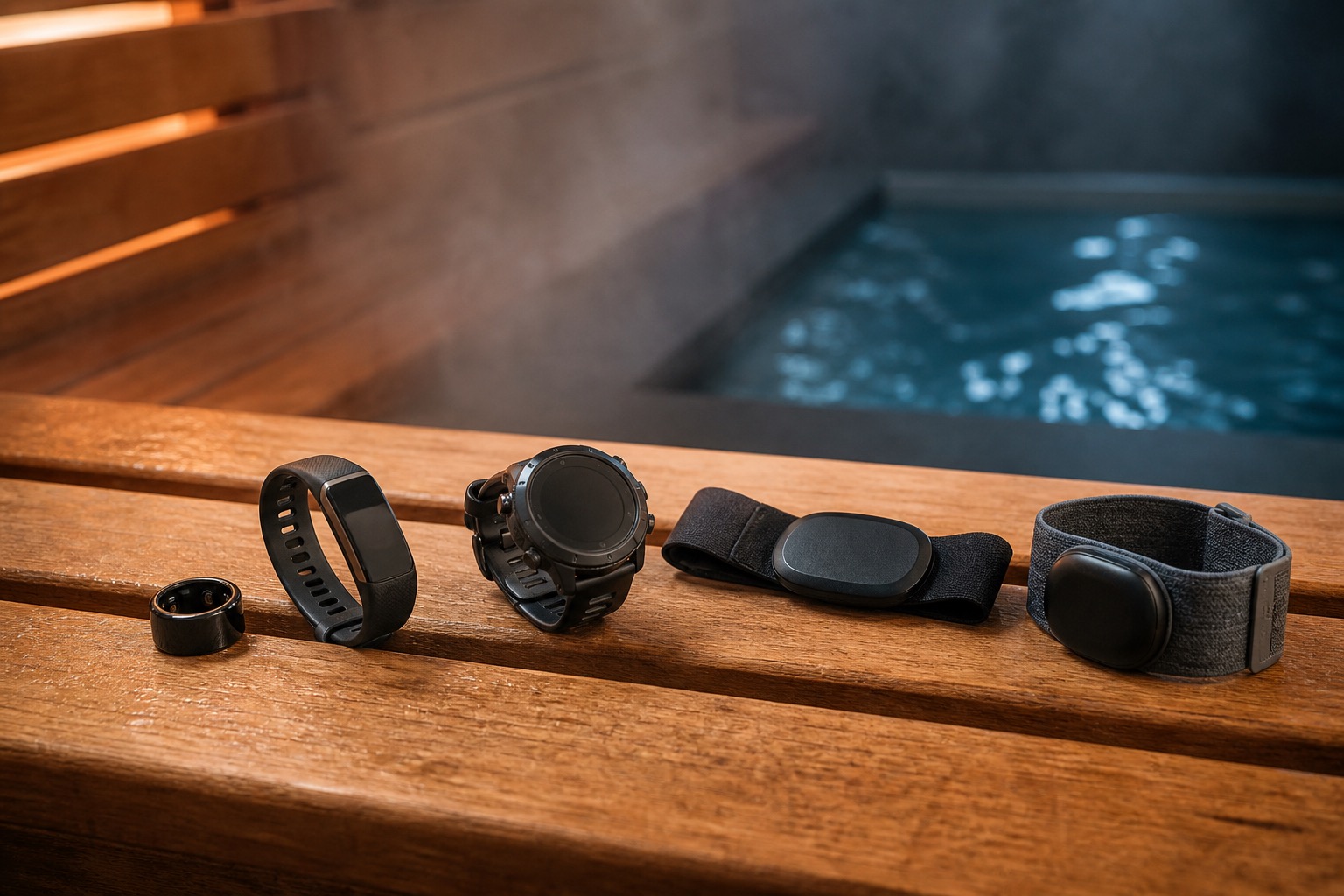
Progress one variable at a time: frequency, then duration, then intensity, then contrast complexity. If sleep quality, resting mood, or training performance slides for a week, deload thermal stress the same way you would deload squats. Wearables can narrate overnight recovery — with caveats — in Wearables During Thermal Stress.
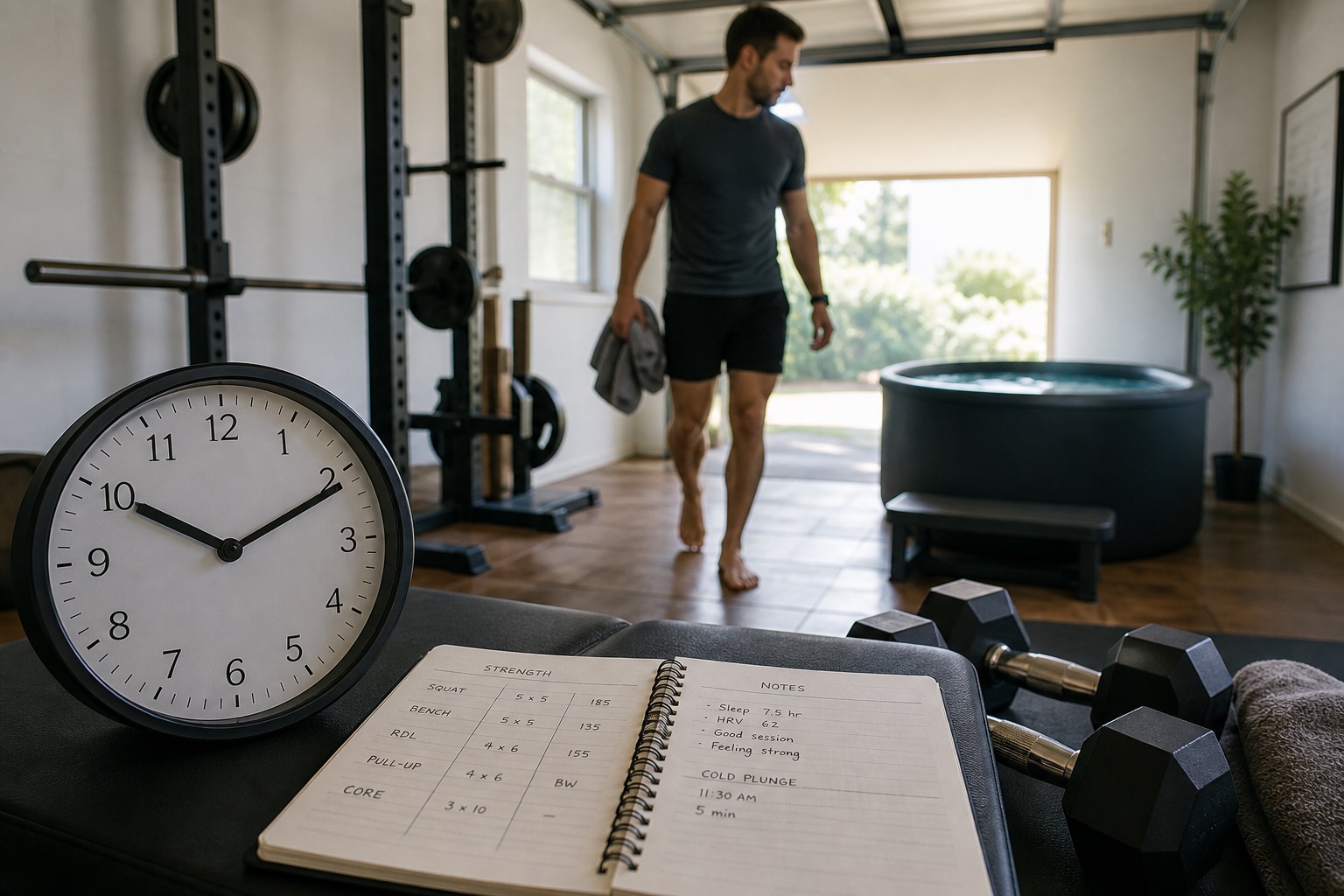
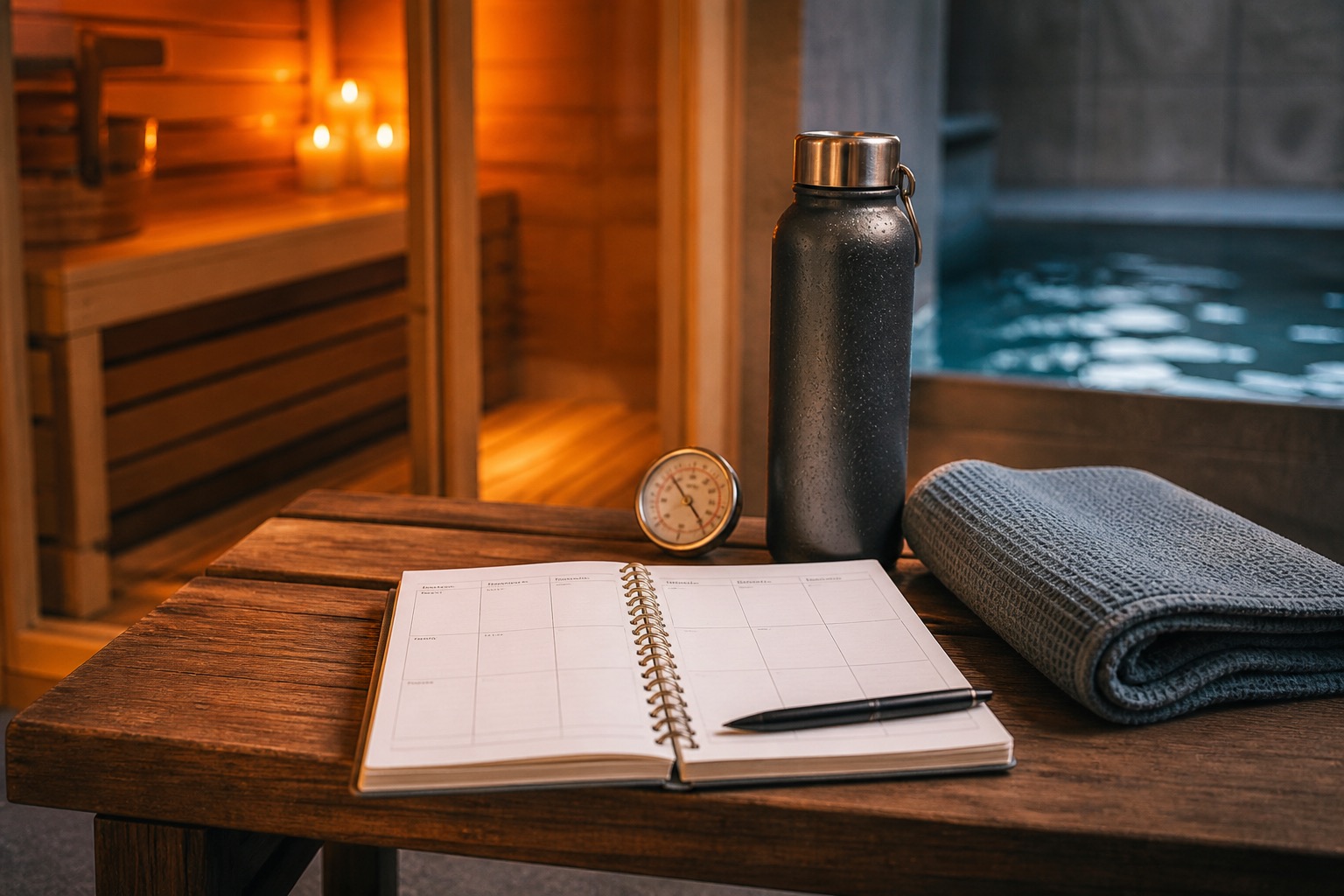
What to track (lightly)
- Sessions completed (the underrated KPI)
- Rough minutes and heat/cold mode
- Sleep and “do I feel human?”
- Training quality on nearby days
- Any stop-rule events (dizziness, etc.)
If your tracker needs a project manager, you have overbuilt the routine.
Many people do well starting with 2–3 shorter sessions and building toward more frequent practice if they feel good. Finnish cohort associations often highlight frequent traditional sauna bathing — that is aspirational context, not a day-one mandate. No. Heat alone is a complete practice. Add cold when you have a job for it (alertness, contrast routine, congestion weeks) — not because social media made you feel incomplete. If hypertrophy is the priority, keep hard lifting and immediate post-lift cold apart. Delay cold several hours, move it to non-lift days, or skip it on those days. Details live in the cold-timing guide. Usually better to learn heat alone and cold alone first. Then add simple one-round contrast. Championship multi-round days can wait until your stop rules are boring and automatic. Design a minimum viable routine: one solid heat session and optional cold when logistics allow. Consistency over months beats a perfect calendar you abandon in week three. Before aggressive heat or cold if you have cardiovascular disease, recent cardiac events, uncontrolled blood pressure, pregnancy concerns, or other clinician-flagged risks. Gadgets do not replace clearance.Heat and cold routine FAQ
How many sauna sessions per week is a sensible start?
+
Should every heat session include a cold plunge?
+
How do I schedule cold around lifting?
+
Can beginners do contrast therapy in week one?
+
What if I travel or only have weekends?
+
When should I get medical clearance?
+
This comparison is designed for practical decision-making. Product capabilities, pricing, and memberships change quickly, so treat battery claims, plan costs, and feature availability as moving targets.
Frequency matters in traditional sauna cohorts — a reminder that routines beat one heroic session. Broader review of sauna practice and safety context useful when designing weekly heat load. Why hypertrophy weeks need cold-timing rules inside any heat-and-cold calendar.
Hannuksela & Ellahham, “Benefits and risks of sauna bathing” (American Journal of Medicine, 2001)
Classic contraindications and alcohol cautions — non-negotiable inputs to routine design.
Related Keersa Heat & Cold guides
Hardware, timing, contrast, safety, and wearables companions for building a realistic weekly plan.
Affiliate disclosure: some product links on Keersa Health may earn a commission at no extra cost to you.
Editorial recommendations are independent of commercial relationships.
Read our full disclosure.
Sources and editorial notes
Bottom line
Design the smallest heat-and-cold routine that matches your goals, respects training biology, and survives your actual week. Start simple, write the minutes, protect hypertrophy timing, and upgrade gear only after the habit sticks. Related deep dives: Safety, Contraindications, and Monitoring, Sauna Protocols for Cardiovascular Health, Cold Exposure Timing Around Training, Contrast Therapy Protocols, Wearables During Thermal Stress, and Home Sauna Types Compared.