Heat & Cold guide · Updated 2026
The Thermal Protocol: What Actually Improves Heat and Cold Practice
An authoritative overview of heat and cold practice — safety first, heat class and cold timing next, then contrast, hardware, and wearables — plus a clear map to every Heat & Cold deep dive.
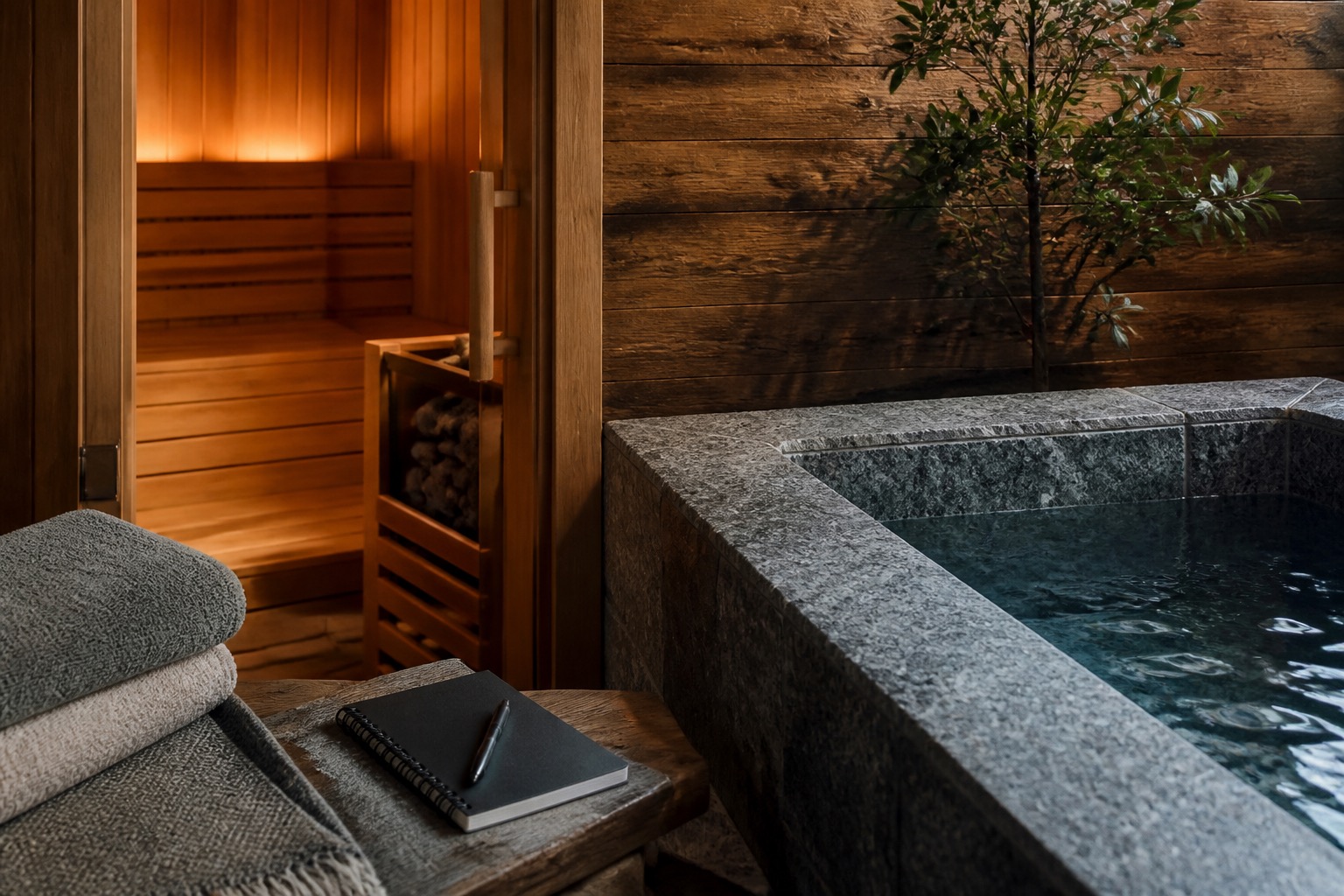
Heat and cold protocols are everywhere — shared by people buying plunges before they have a calendar, stacking contrast days like hobbies, and citing Finnish longevity headlines on infrared blankets. This is the Keersa Health overview for Heat & Cold: what actually improves thermal practice, which levers to pull first, and when it is worth opening our deeper guides on saunas, plunges, timing, contrast, safety, and wearables.
Key takeaways
- Thermal practice is a system: safety constraints + repeatable heat + optional cold with timing rules + honest progression.
- Order of operations beats gadget stacking: clearance and stop rules first, then heat habit, then cold timing, then contrast, then hardware upgrades, then wearables.
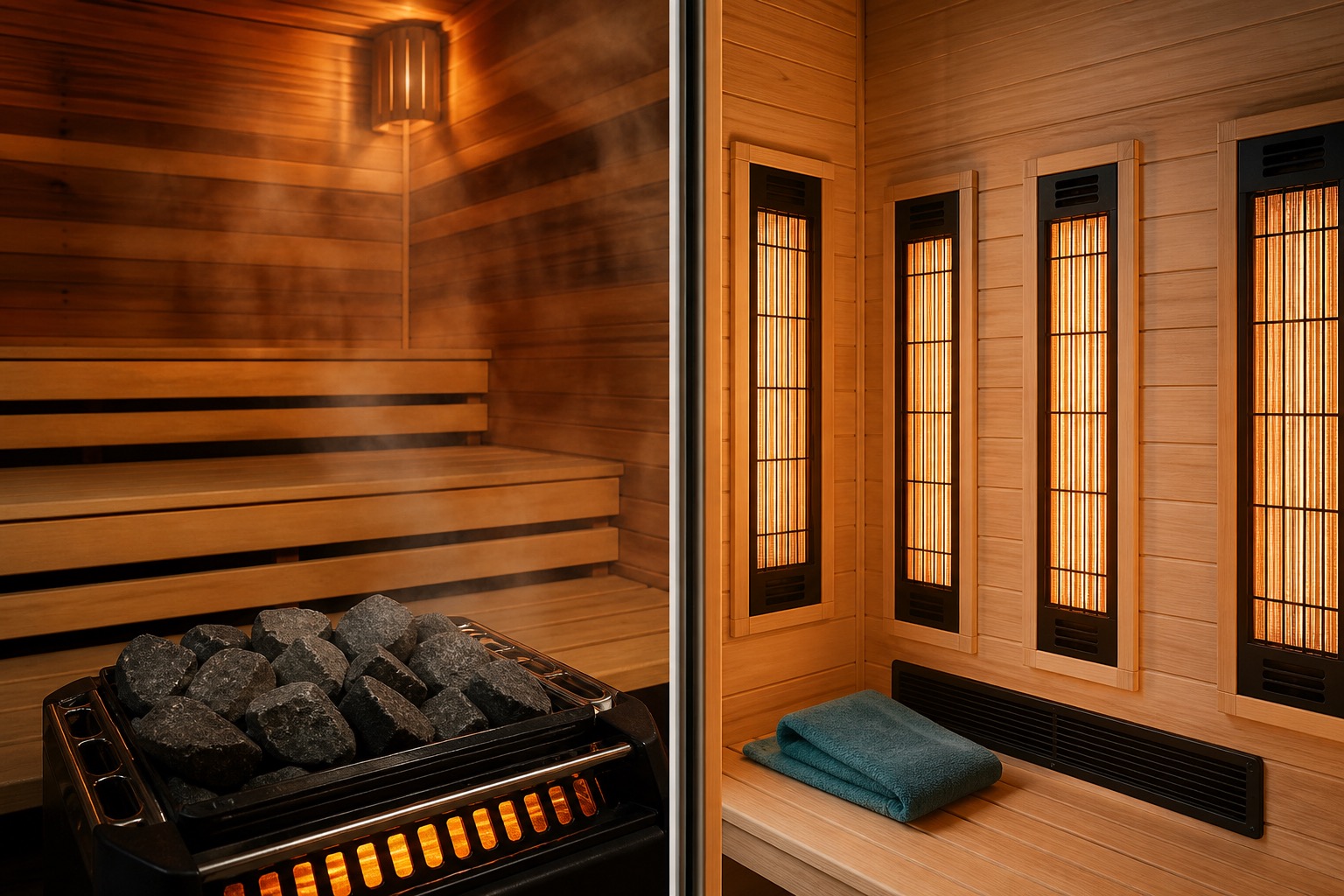
- Heat class matters. Traditional rock heat ≠ far-infrared ≠ wrap blankets.
- Cold is optional stress with a schedule — especially around hypertrophy training.
- Water usually beats chamber marketing for home cooling physics and cost.
- Red flags need clinicians, not another chiller setpoint or recovery score.
How thermal practice actually works (short version)
Three jobs do most of the work:
- Stimulus — heat and/or cold you can repeat at written temperatures and minutes.
- Context — training calendar, sleep, and health status so the stress is hormetic, not reckless.
- Feedback — a few signals (how you feel, sleep, optional HR/BP) that change next week’s plan.
Thermal technology is useful when it improves one of those jobs. It is noise when it only adds spa aesthetics or dashboard anxiety. You do not need a clinic cryo suite to build a resilient practice — but a clear map keeps purchases honest.
What “good thermal practice” looks like
- You show up weekly because friction is low
- You know your stop rules before you are hyped
- You match heat class and cold timing to your goals
- You skip tools that never change next week’s calendar
The order of operations
Buy less at the start. Change the defaults that run every week.
- Clear safety constraints. Know who should pause and which warning signs end a session.
- Pick a heat practice you will repeat. Traditional or infrared — chosen on purpose.
- Add cold with a timing rule. Especially around lifting.
- Optionally add simple contrast after heat and cold alone feel boringly safe.
- Upgrade hardware for consistency — chillers, insulation, better cabins — after adherence is real.
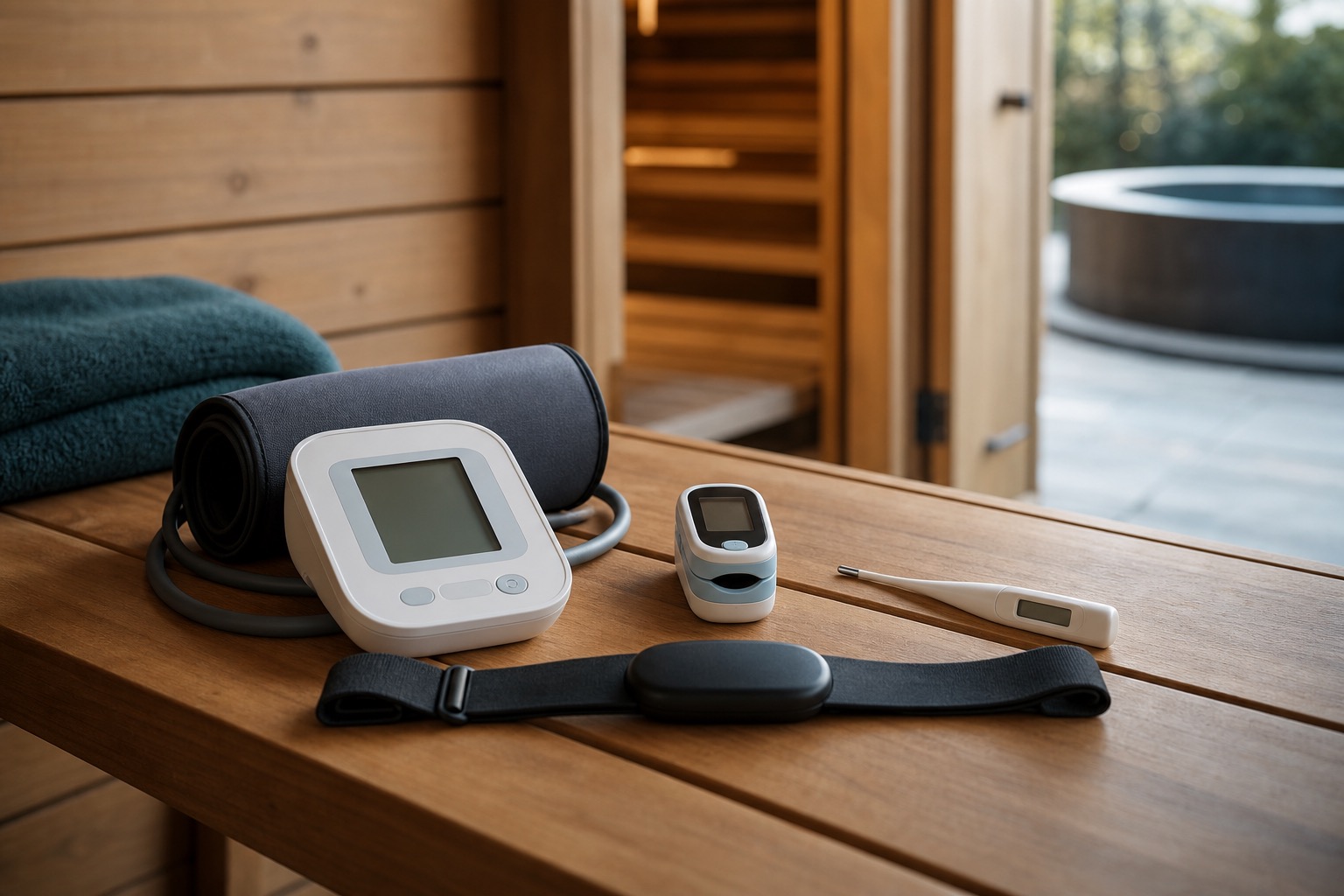
- Add monitoring that answers a question — BP, HR, overnight recovery — not gadget theater.
- Ignore chamber FOMO until water and calendar already work.
Safety first
Unstable cardiovascular disease, recent cardiac events, severe aortic stenosis, uncontrolled hypertension, pregnancy concerns, and alcohol around extreme temperatures are not “mindset” problems. They are reasons to get clearance and write stop rules while calm.
Deep dive:
- Safety, Contraindications, and Monitoring — red flags, beginner progression, and a small monitoring kit.
Heat class and protocols
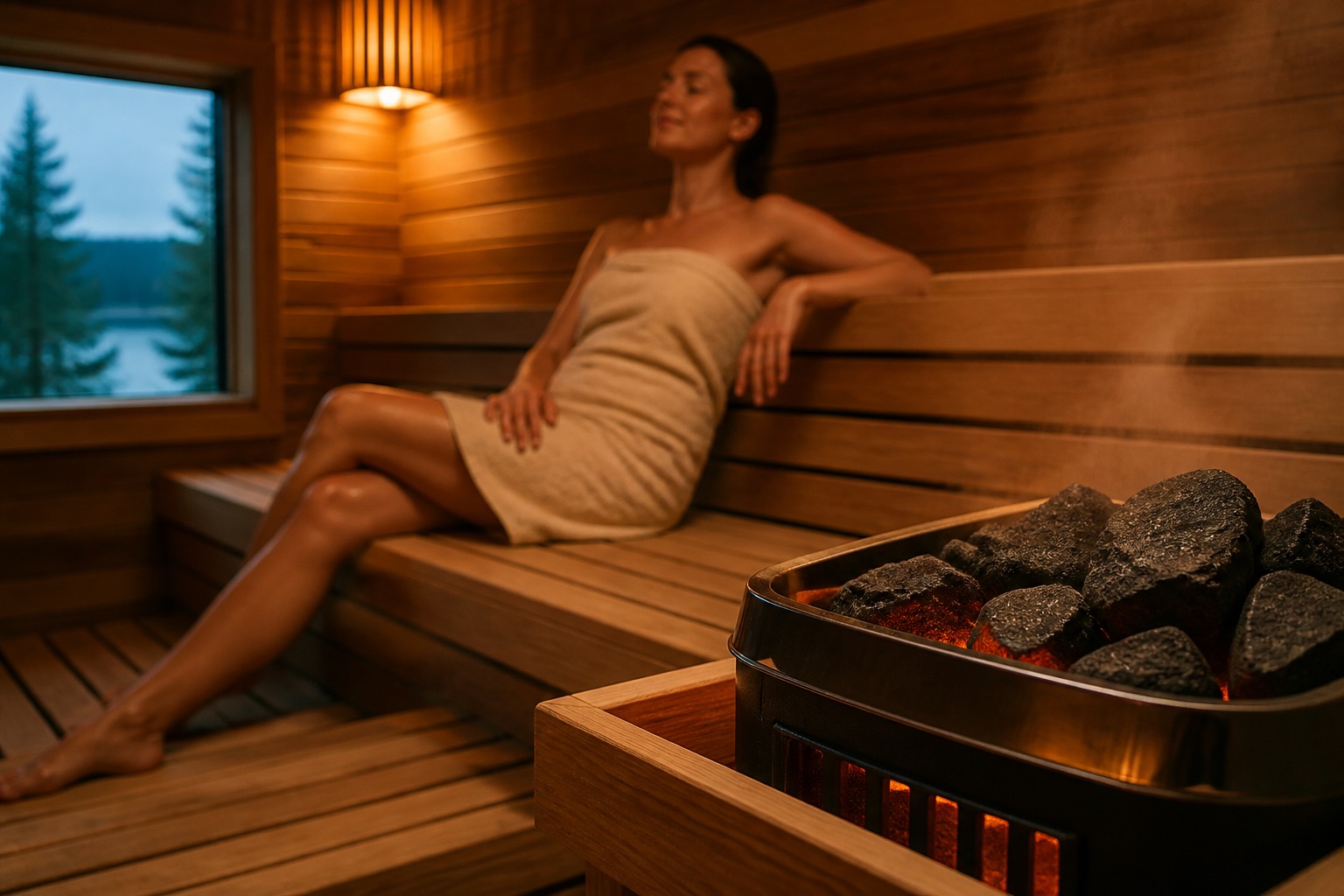
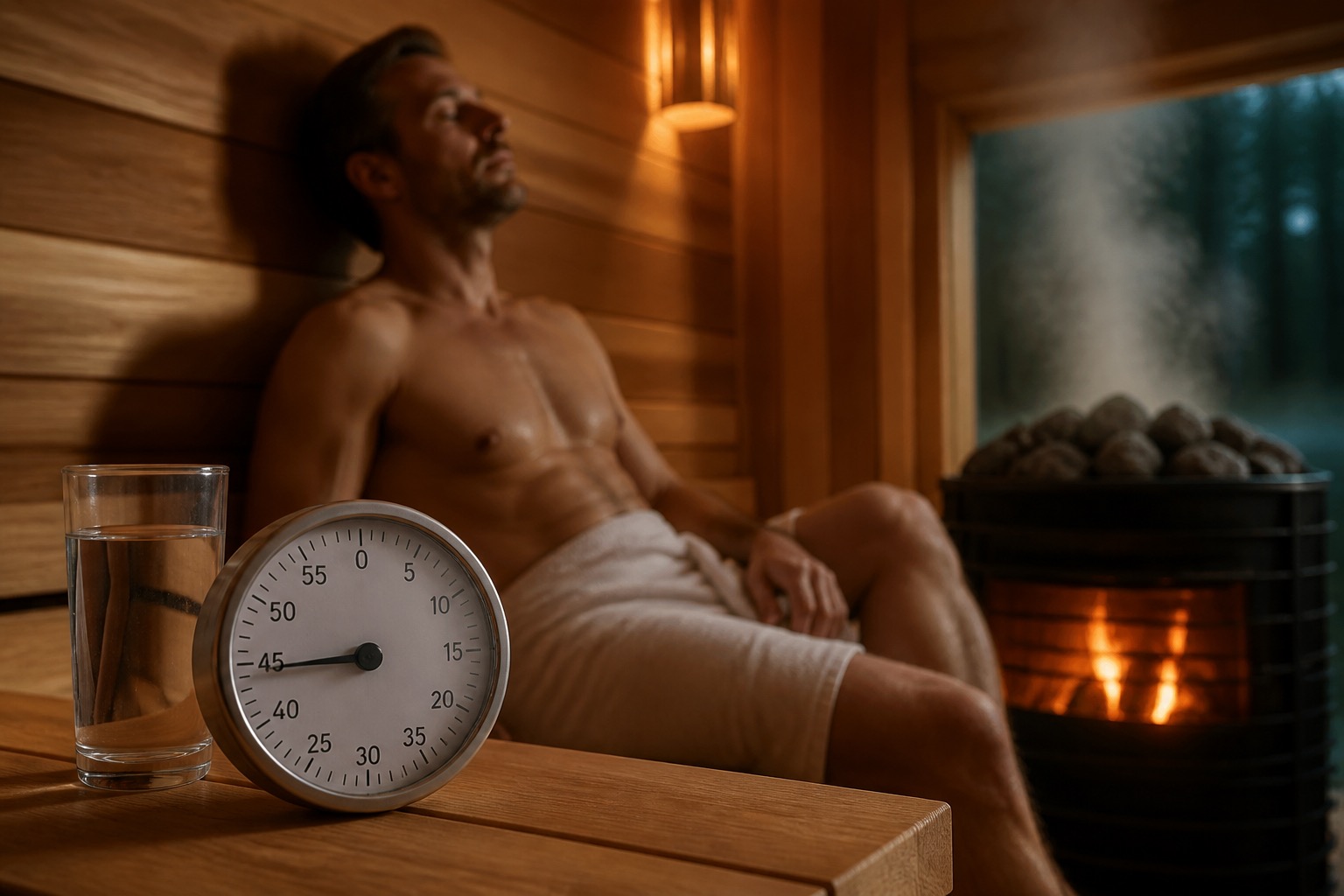
If longevity headlines about Finnish sauna are your why, high-air rock heat is the closer match. If adherence in a small indoor space is the why, far-infrared can still be a great habit tool — just do not pretend the modalities are identical.
When you want product and physiology detail:
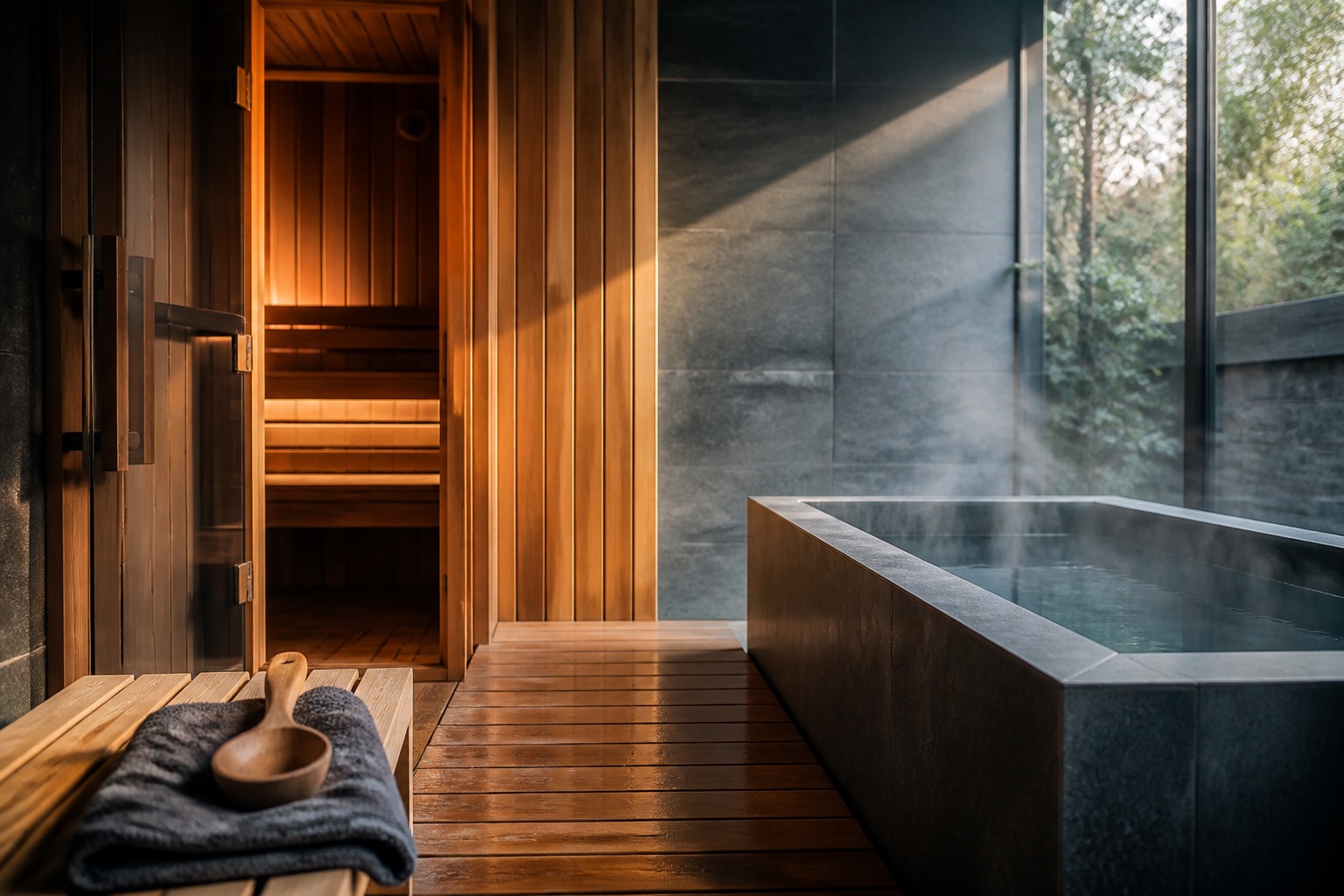
- Home Sauna Types Compared — traditional, infrared, hybrid, and portable options.
- Infrared vs Traditional Heat Physiology — core temperature, sweat, and what actually differs.
- Sauna Protocols for Cardiovascular Health — session length, frequency, and heat load.
Cold timing and setup
Cold water is optional recovery stress with a schedule. Habitual plunging right after hypertrophy work can blunt some adaptation signals. Setup choice does not erase timing mistakes.
Deep dives:
- Cold Exposure Timing Around Training — when to delay, skip, or use cold on purpose.
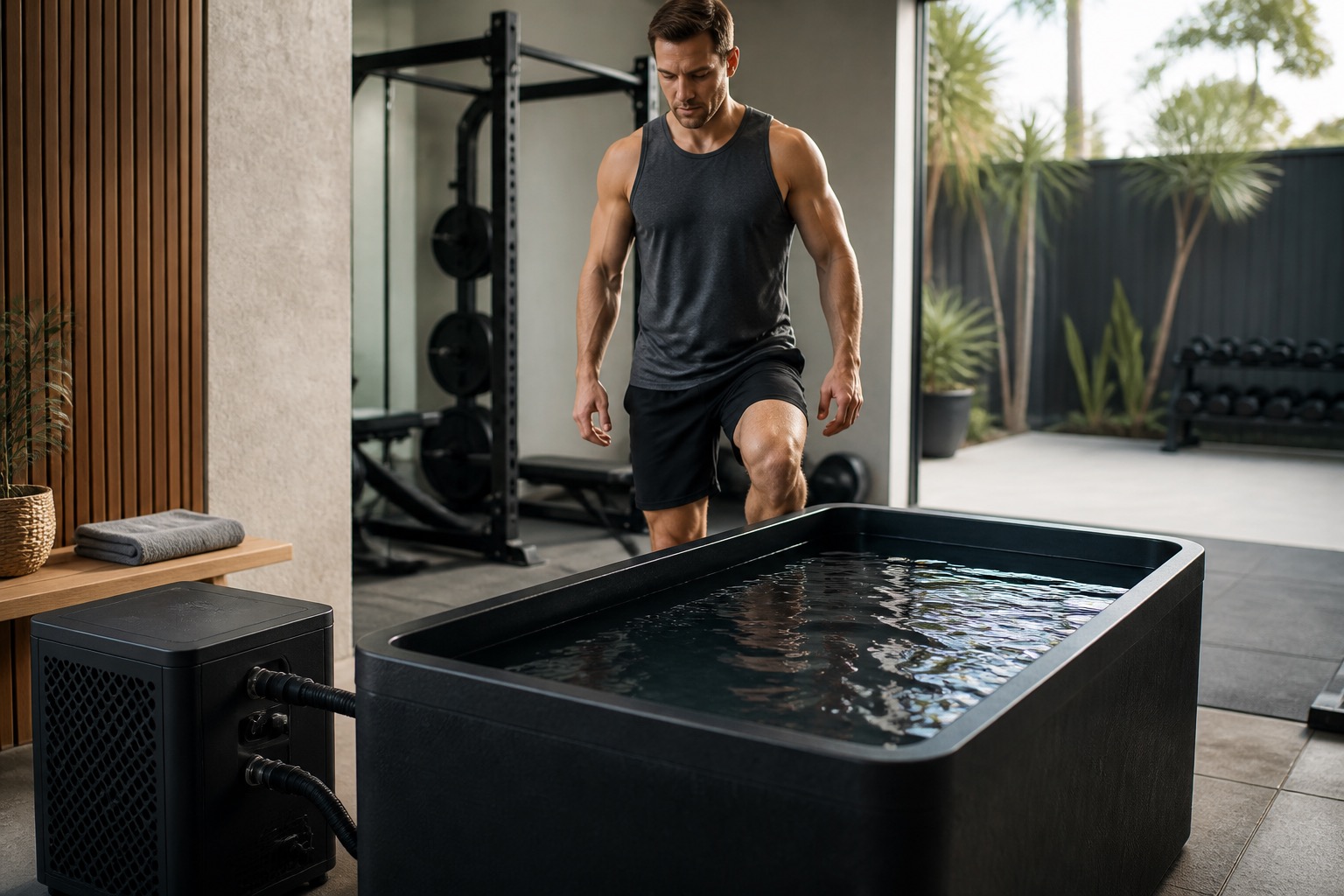
- Cold Plunge Setup Guide — ice-only to DIY chillers to turnkey tubs.
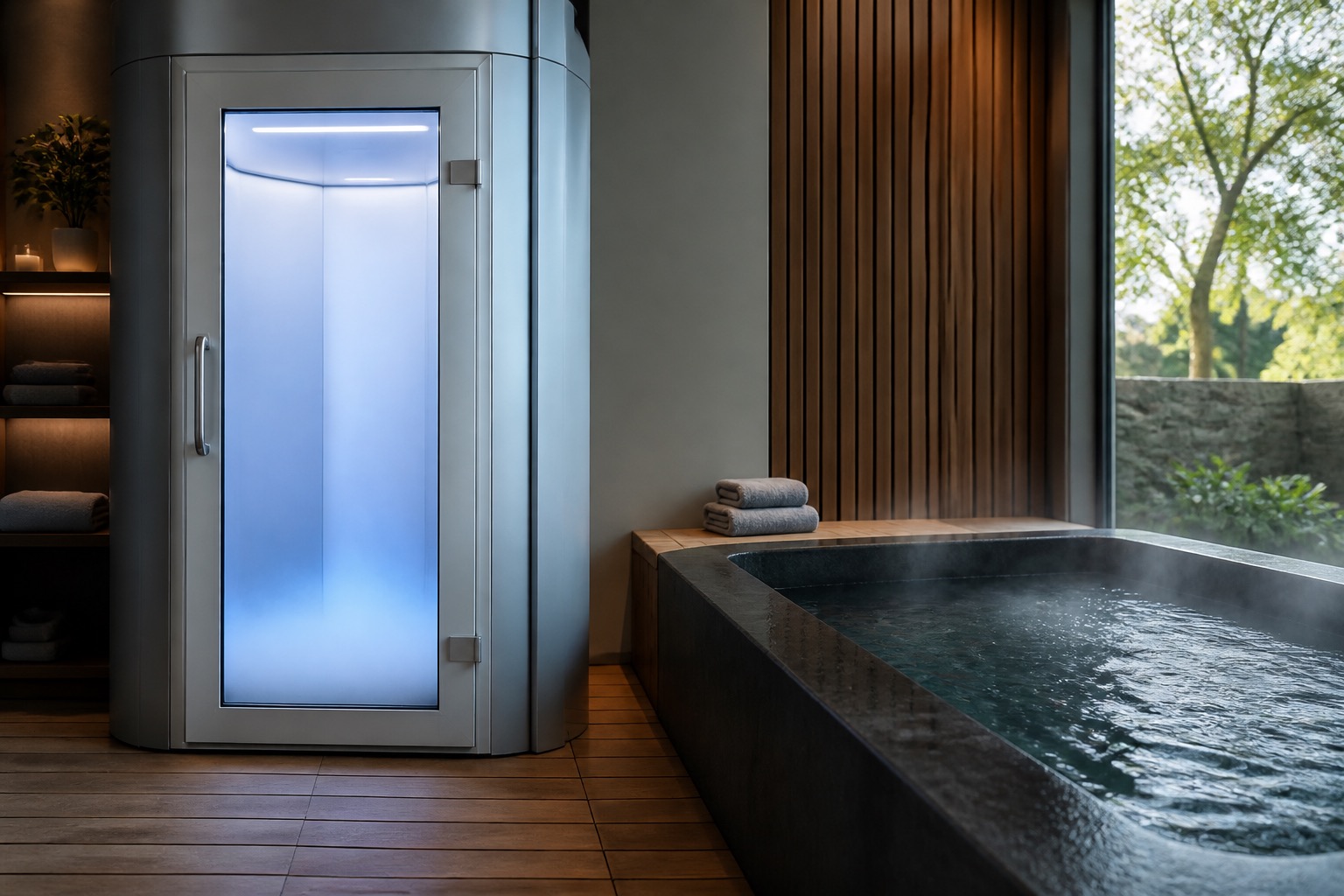
- Cryotherapy Chambers vs Cold Water — air vs water conductivity and cost-benefit.
Contrast and weekly design
Contrast is a sequenced specialty, not mandatory dessert after every heat session. Learn heat alone and cold alone first, then write rounds.
Open these when you are ready to plan the week:
- Contrast Therapy Protocols — start-heat finish-cold scripts and home sequences.
- Designing a Heat and Cold Routine — weekly templates, beginner ramp, and busy-week minimums.
Wearables as supporting cast
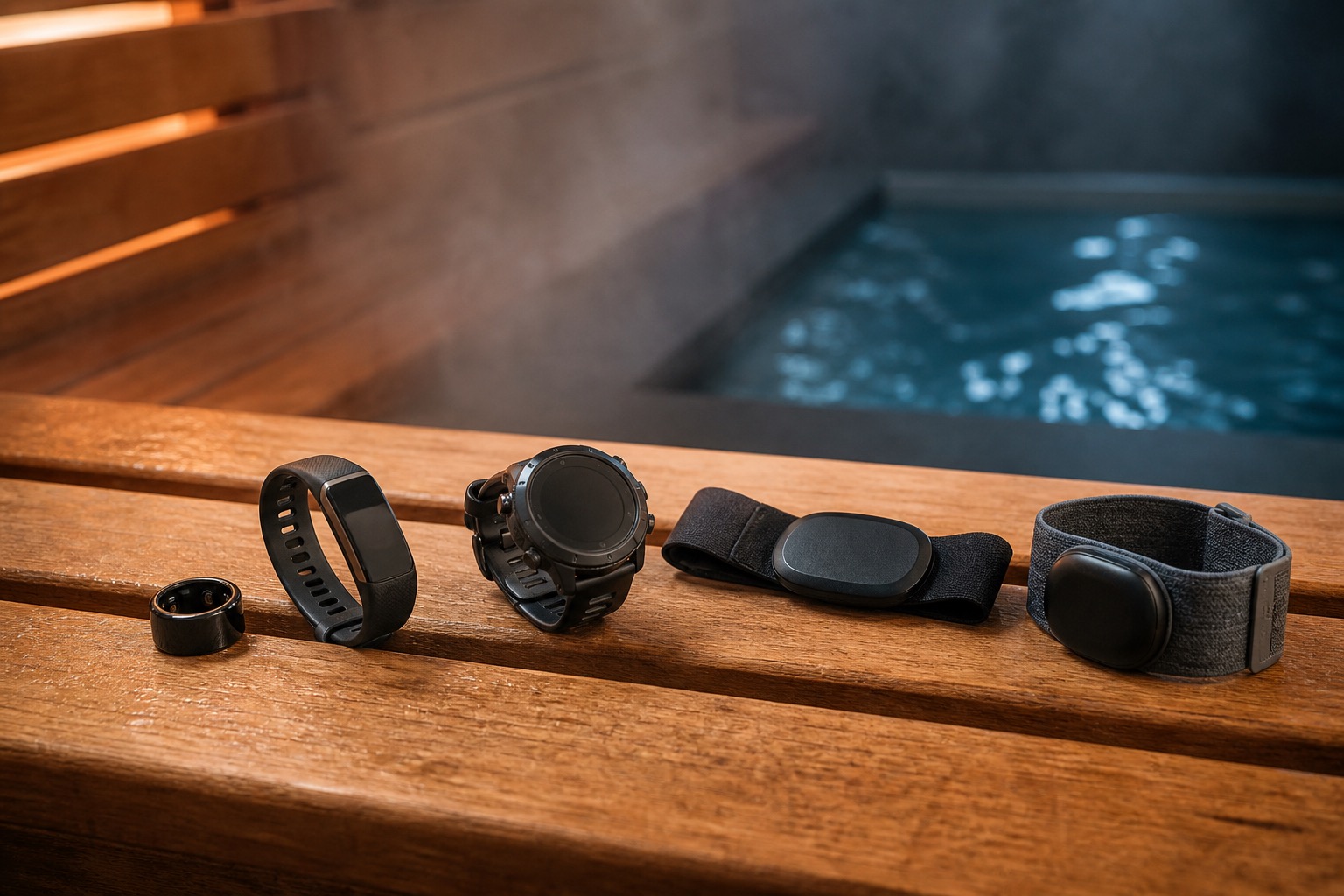
Optical heart rate in steam or ice water can get theatrical. Chest straps tell better in-session stories; rings often narrate the night after. Numbers never outrank dizziness or chest pain.
- Wearables During Thermal Stress — useful vs noisy signals across rings, bands, watches, and straps.
A simple weekly protocol
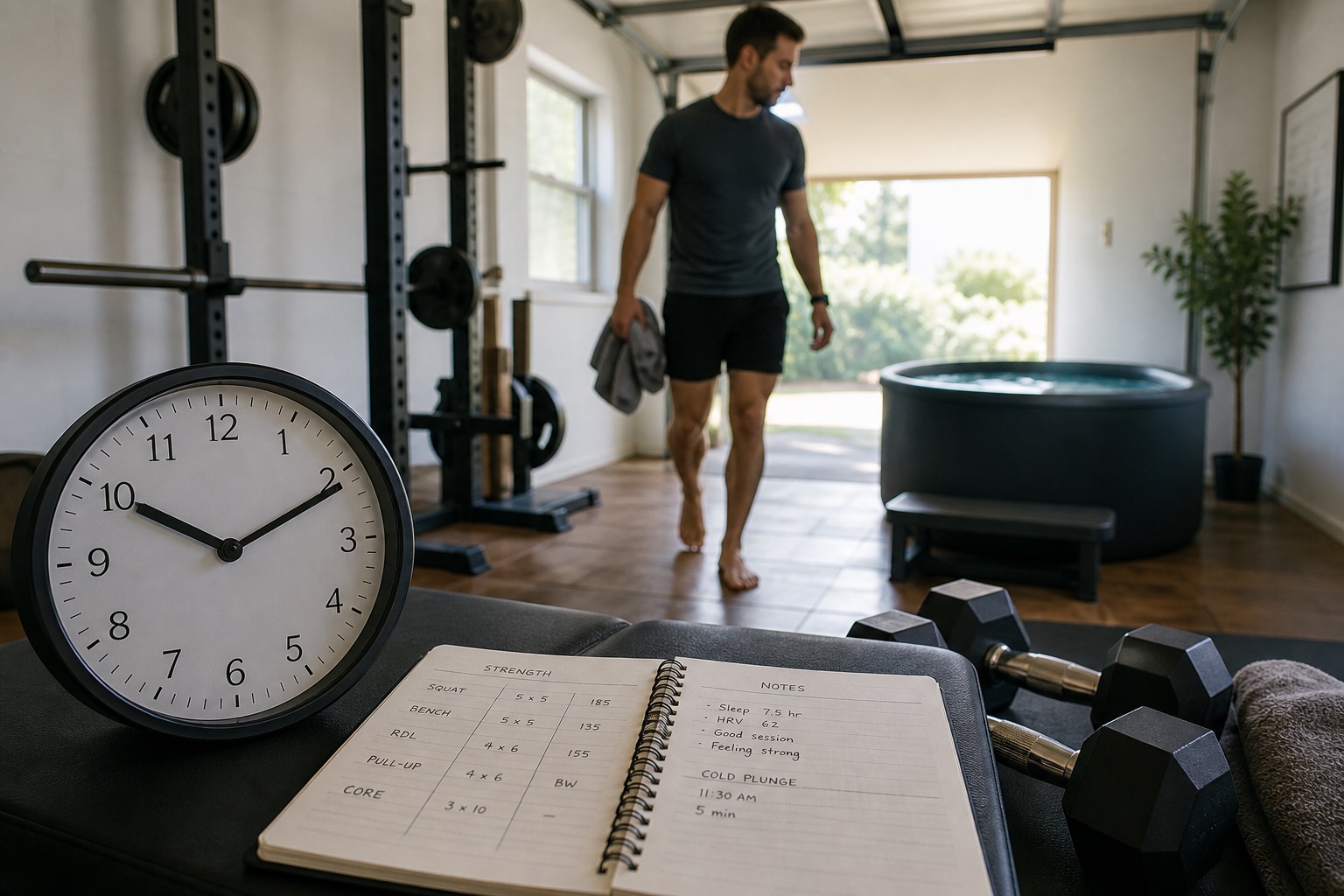
- Most weeks: 2–3 heat sessions you can actually keep.
- Hard hypertrophy days: no immediate post-lift cold.
- 1–2 times weekly (optional): measured cold away from those lifts.
- Optionally: one simple contrast session once heat and cold alone feel easy.
- Ongoing: hydrate, skip alcohol around extremes, and exit for stop-rule symptoms.
- Only then: upgrade chillers, cabins, or wearables for a remaining friction point.
For full templates, use Designing a Heat and Cold Routine.
Where to go next
Use this page as the map. Use the deep dives when you already know which lever you are pulling:
- Designing a Heat and Cold Routine — weekly frameworks.
- Safety and monitoring — clearance, stop rules, kits.
- Home sauna types — buying form factors.
- Sauna protocols — heat dosing.
- Infrared vs traditional — physiology match.
- Cold plunge setup — hardware path.
- Cold timing — training calendar rules.
- Contrast therapy — sequencing.
- Cryotherapy vs cold water — modality cost-benefit.
- Wearables during thermal stress — signal quality.
Clear safety constraints, then pick one heat practice you will repeat weekly. Add cold with a written timing rule. Save contrast, chambers, and wearable stacks for later. Usually no. Cold water immersion is the more practical, evidence-aligned home path for many cooling jobs. Chambers can be optional novelty or travel tools — not the default. No. Traditional high-air rock heat and far-infrared are different stimuli with different evidence stacks. Match heat class to the outcome literature you care about. If hypertrophy is the priority, keep immediate post-lift cold off the default checklist. Delay it, move it to other days, or skip it on hard lift days. Before aggressive heat or cold if you have unstable cardiovascular disease, recent cardiac events, severe valve disease, uncontrolled blood pressure, pregnancy concerns, or other clinician-flagged risks. Home protocols optimize practice — they do not clear disease. Prove adherence with simple heat (and optional cheap cold), then DIY or insulated plunge gear if ice becomes the bottleneck, then nicer cabins or chillers. Buy monitoring tools that answer a real question. Skip chamber memberships until water and calendar are boringly solid.Thermal protocol FAQ
What should I fix first if my heat and cold practice feels chaotic?
+
Do I need a cryotherapy chamber to get benefits?
+
Is infrared the same as Finnish sauna for health outcomes?
+
Where does cold timing fit for lifters?
+
When should I see a clinician instead of optimizing at home?
+
What is a sensible shopping order?
+
This comparison is designed for practical decision-making. Product capabilities, pricing, and memberships change quickly, so treat battery claims, plan costs, and feature availability as moving targets.
Landmark traditional-sauna cohort work — frequency and heat class matter when people cite longevity headlines.
Hannuksela & Ellahham, “Benefits and risks of sauna bathing” (American Journal of Medicine, 2001)
Classic safety framing for sauna practice — contraindications and alcohol risk that belong at the front of any thermal protocol. Why cold timing around hypertrophy training belongs in the order of operations — not as an afterthought. Supports putting water immersion ahead of chamber marketing when tissue cooling is the job.
Keersa Health Heat & Cold category guides
Deep dives linked from this overview; product capabilities and pricing change — verify before purchase.
Affiliate disclosure: some product links on Keersa Health may earn a commission at no extra cost to you.
Editorial recommendations are independent of commercial relationships.
Read our full disclosure.
Sources and editorial notes
Bottom line
The best thermal protocol is boring on purpose: safe constraints, repeatable heat, optional cold with honest timing, and upgrades only after the habit sticks. Technology helps when it reinforces those defaults — not when it replaces them. Start here, then open the comparison guides only for the specific problem you still need to solve.