Heat & Cold guide · Updated 2026
Safety, Contraindications, and Monitoring: Stay Curious, Stay Conscious, Stay in the Game
A practical, slightly irreverent guide to heat and cold safety — who should pause, which warning signs matter, how to progress without drama, and four monitoring tools that keep the vibe informed.
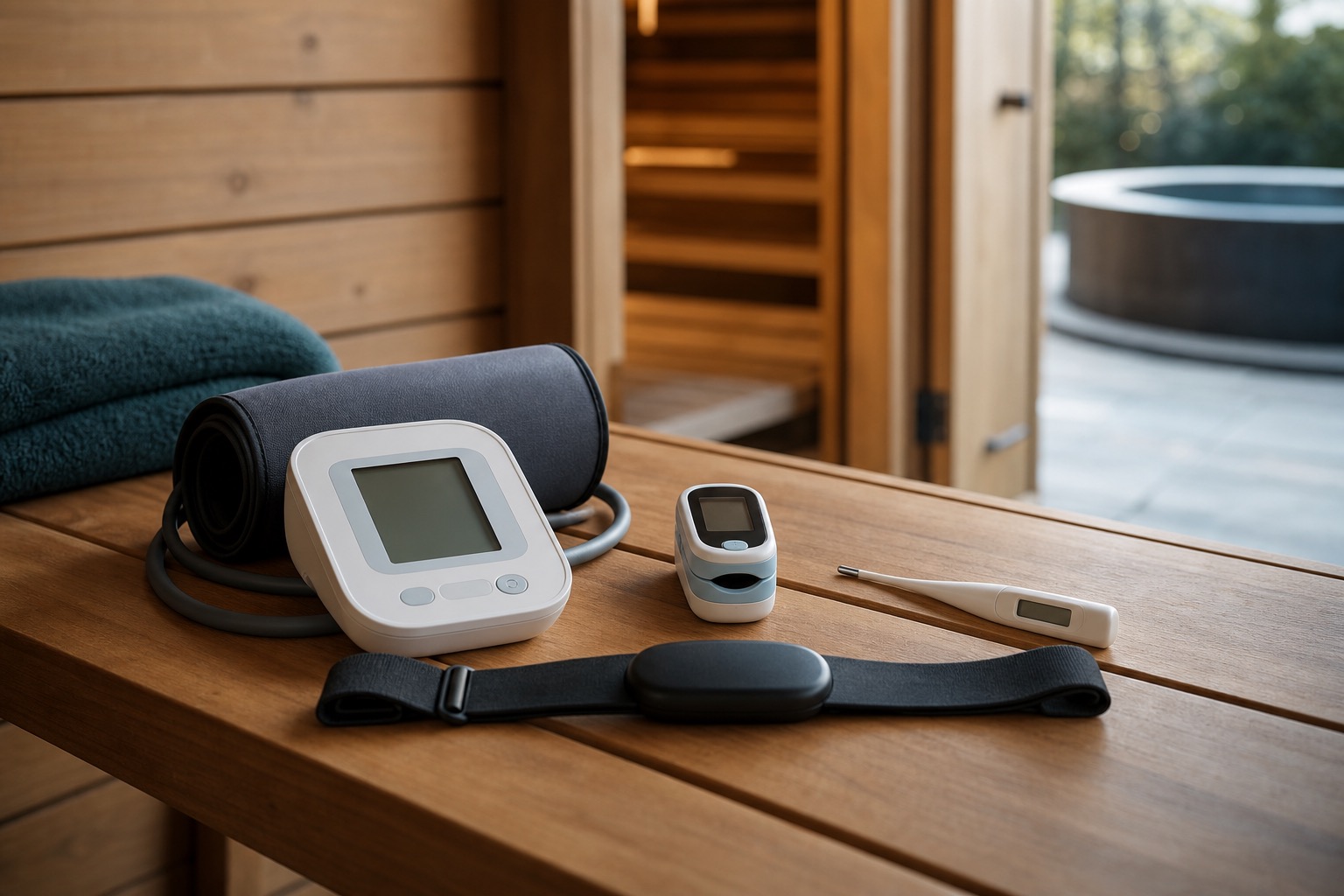
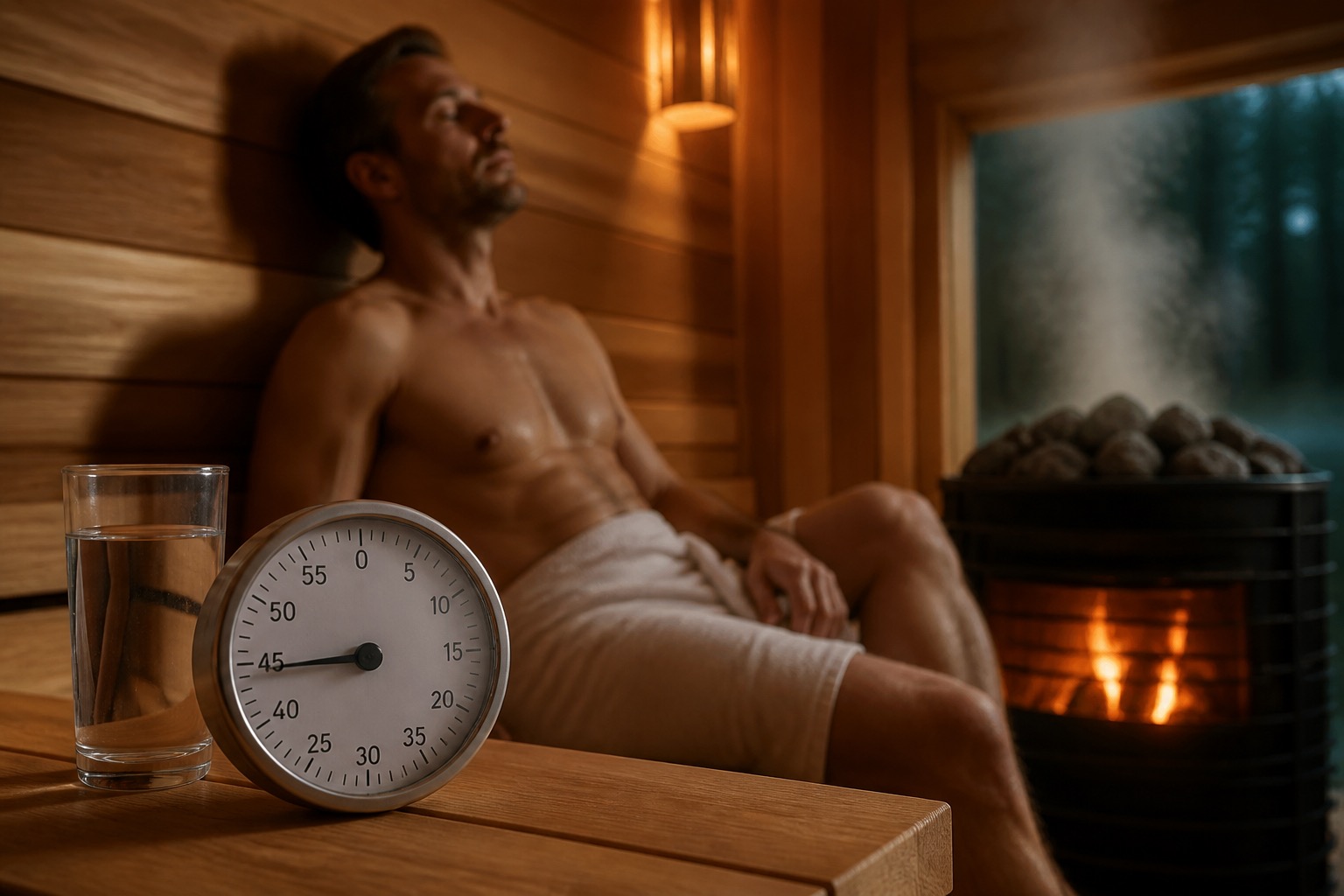
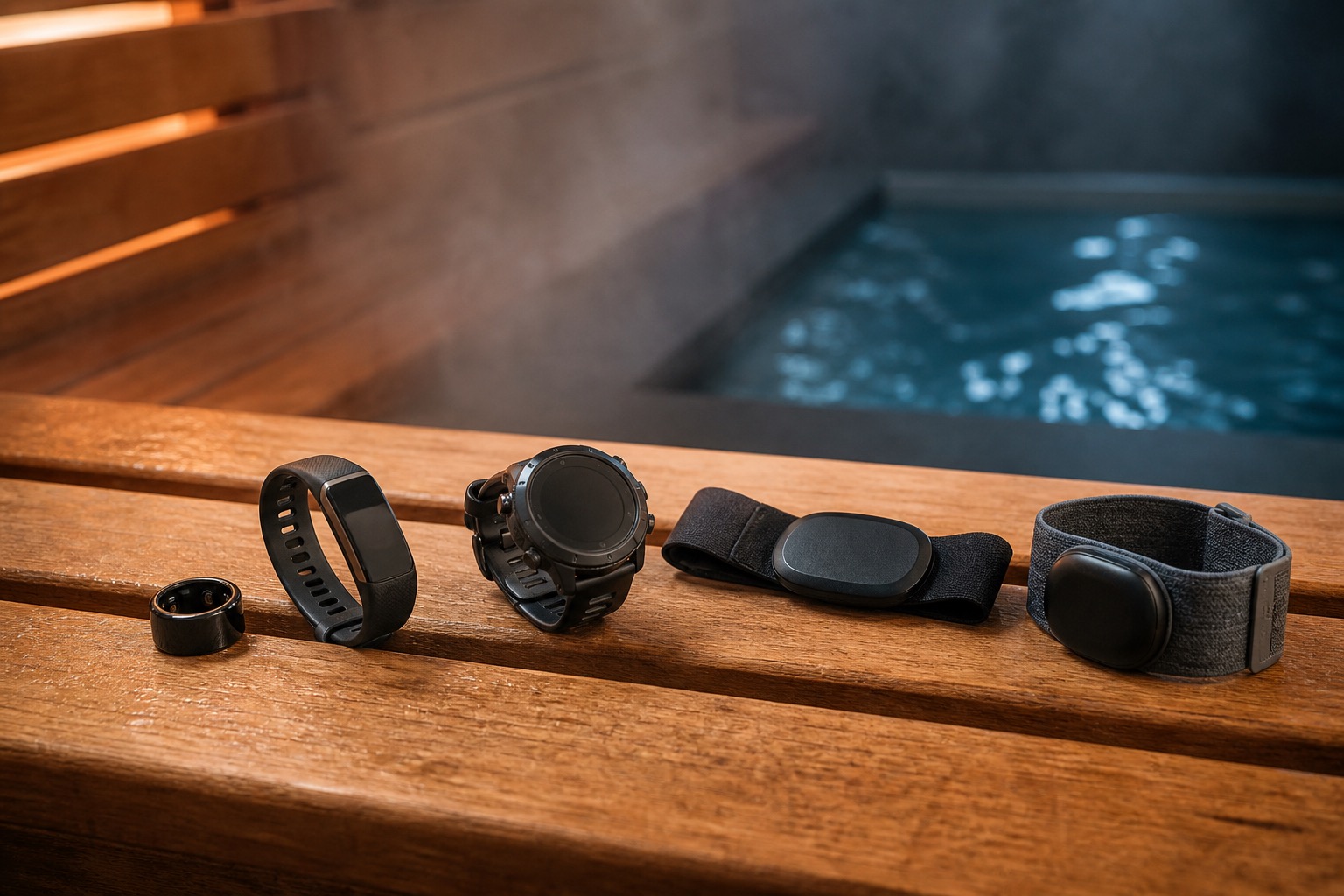
Heat and cold are delightful stressors — little controlled adventures for your circulatory system. They are also excellent at revealing whether you are paying attention. This guide is the friendly seatbelt talk: who should pause, which warning signs deserve a hard stop, how beginners can progress without turning wellness into a dare, and four monitoring tools that make “I feel fine” a little more evidence-based.
Think of it as keeping the party fun by knowing where the exits are. For heat-class details, wander over to Infrared vs Traditional Heat Physiology. For cold scheduling around training, see Cold Exposure Timing Around Training.
Key takeaways
- Best baseline blood pressure tool: Omron Platinum Blood Pressure Monitor.
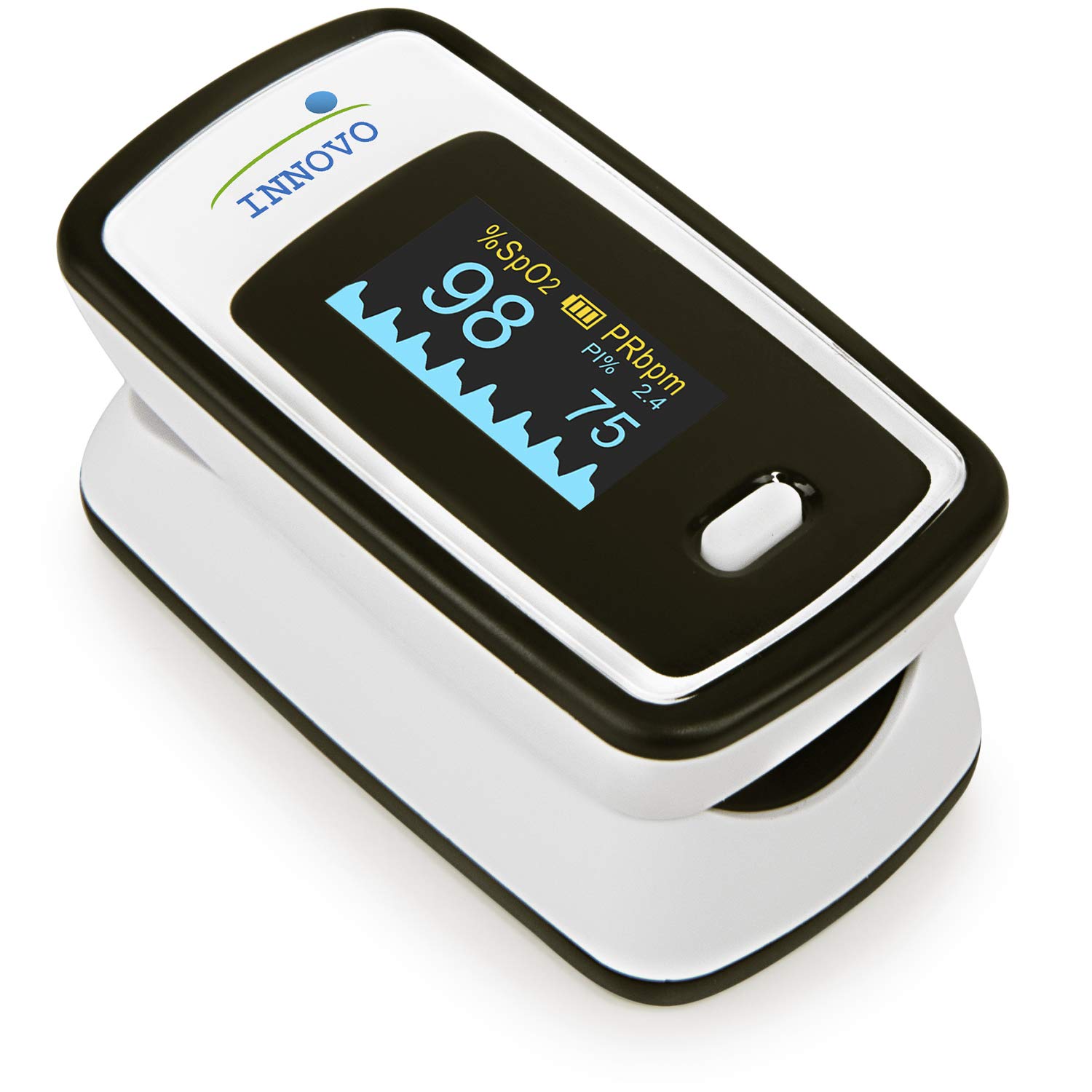
- Best pocket SpO2 check: Innovo Deluxe Pulse Oximeter.
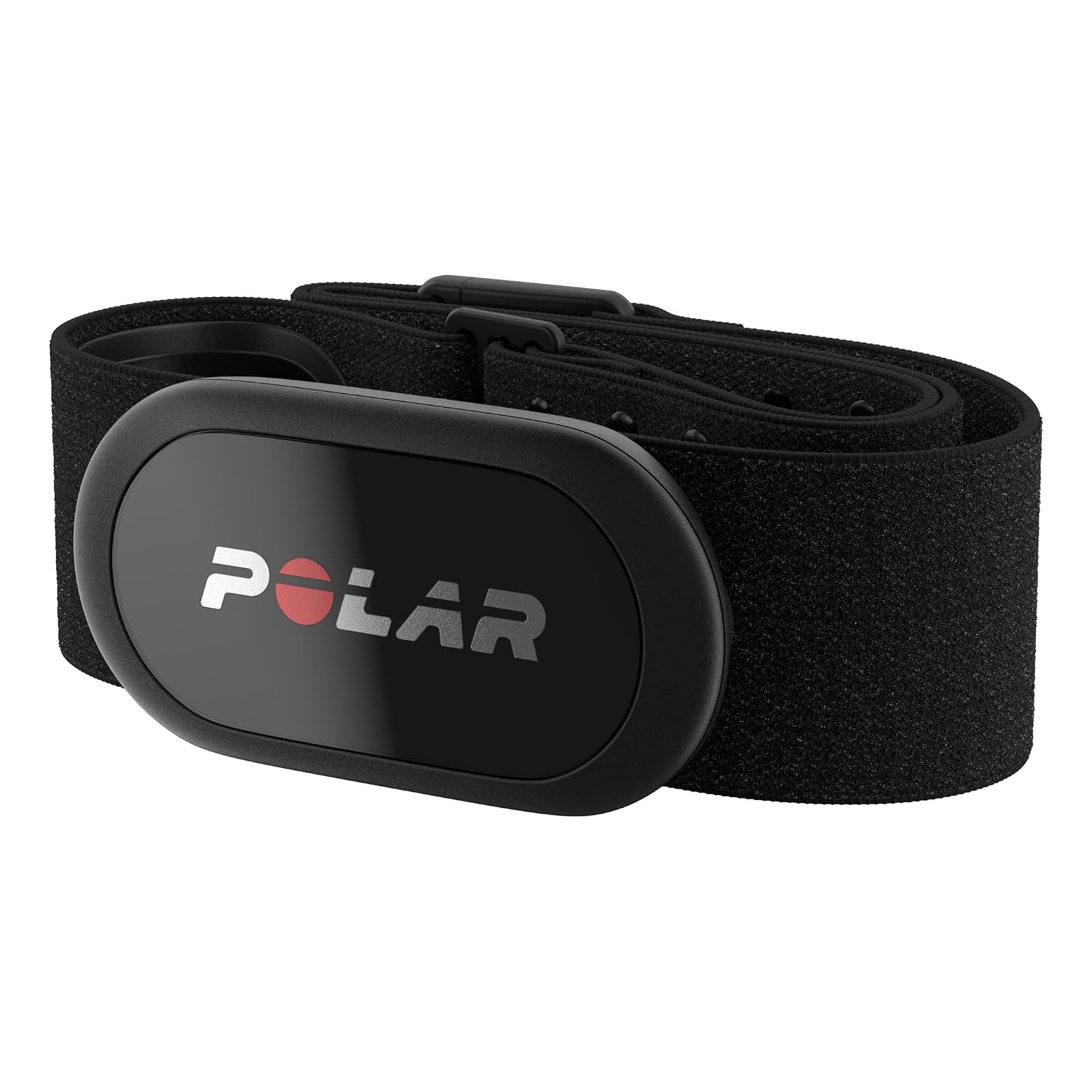
- Best live session heart rate: Polar H10 Heart Rate Sensor.
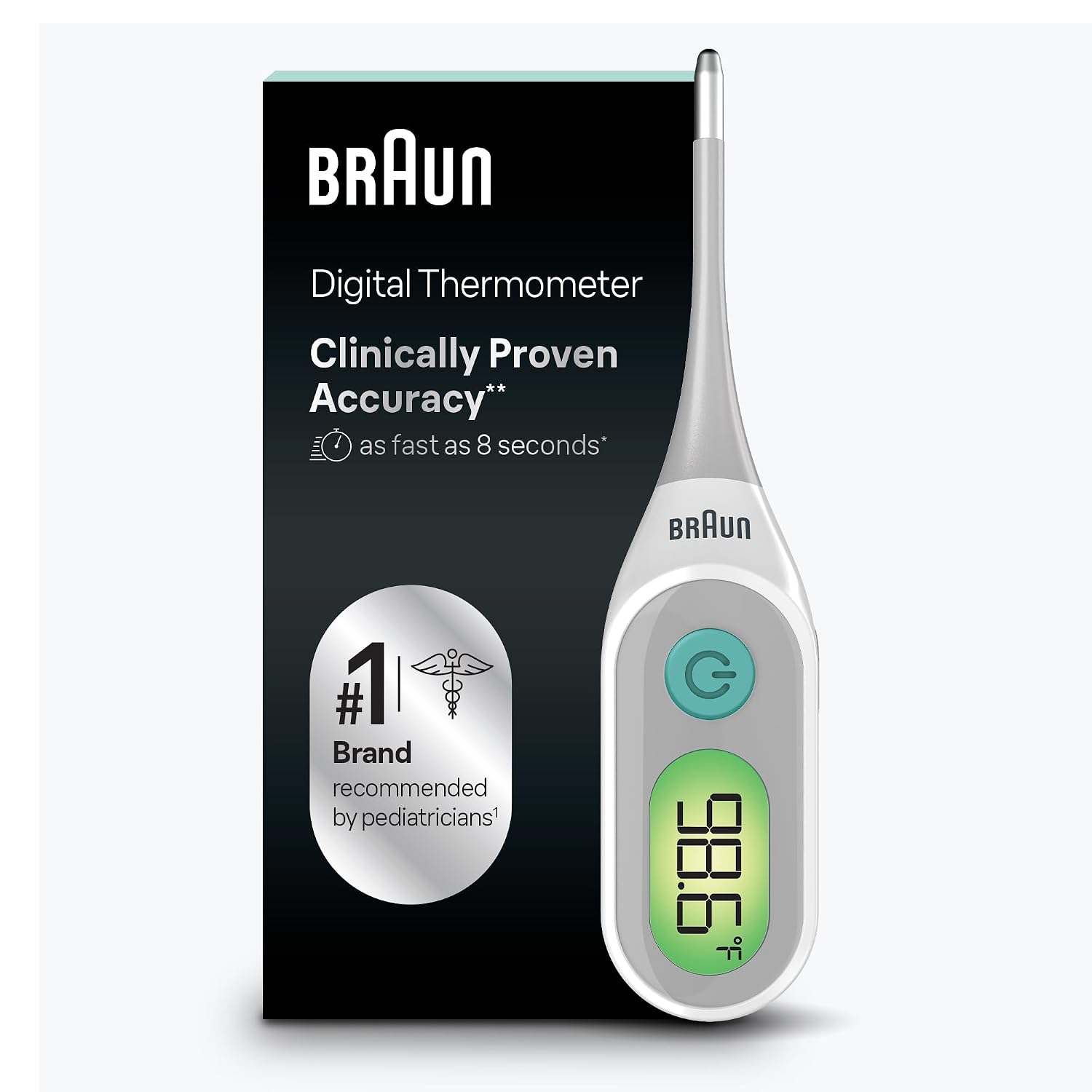
- Best “are you even well today?” veto: Braun Digital Thermometer.
- Safety vibe: stable and screened can play; unstable cardiovascular red flags, fever days, and alcohol-fueled sessions are how plot twists happen.
- Biggest mistake: collecting gadgets while ignoring dizziness, chest pain, or clinician advice.
How we evaluate monitoring tools
Editorial scores favor devices that improve decisions without turning your spa corner into mission control. We score across five pillars:
- Decision usefulness (30%) — does the metric change whether you start, shorten, or stop?
- Accuracy for the job (25%) — upper-arm BP, chest-strap HR, and sober SpO2 technique beat vibes.
- Friction (15%) — will you actually use it on a Tuesday?
- Session vs baseline fit (15%) — resting checks and mid-session wearables solve different problems.
- Ownership cost (15%) — safety kits should not require a second mortgage.
Important limitation: Keersa Health scores are editorial synthesis. These tools support judgment; they do not diagnose, clear, or replace clinical care.
Contraindications without the panic
Classic sauna safety reviews (hello, Hannuksela & Ellahham) describe sauna as well tolerated by many healthy people and many with stable coronary disease — while flagging serious no-go patterns such as unstable angina, recent myocardial infarction, and severe aortic stenosis. Alcohol deserves its own villain monologue: it raises the odds of hypotension, arrhythmia, and sudden bad outcomes around heat.
Cold immersion and aggressive heat-to-cold transitions add another chapter. Hemodynamics swing hard. If your cardiovascular status is unstable or freshly post-event, this is not the moment to audition for a contrast-therapy montage. Get clearance. Keep the ego out of the tub.
Relative “slow down” list
- Uncontrolled or wildly swinging blood pressure
- Pregnancy concerns (ask your clinician — do not crowd-source this)
- Raynaud’s, cold urticaria, or nasty neuropathy
- Acute illness, fever, or “I might be getting something”
- Medications that impair thermoregulation or mask symptoms
- First-time extremes after a long break
Interactive comparison
Filter by form factor, sort by score or price, and pin up to three options for a focused side-by-side view.
Tradeoff:
Sticker price still matters here — most options are one-time hardware buys, so the three-year estimate mainly reflects purchase price plus expected upkeep.
Estimates are directional and based on common public pricing patterns. Promotions, refurbished units, family plans, and tier changes can move these numbers materially.
3-year cost of ownership
Device
Year 1
3-year estimate
Amazon Price
Omron Platinum Blood Pressure Monitor
$110
$130
$97.19
Polar H10 Heart Rate Sensor
$115
$145
$104.95
Braun Digital Thermometer
$28
$35
$23.99
Innovo Deluxe Pulse Oximeter
$40
$55
$31.49
Pick tools like seasonings: enough to improve the dish, not enough to taste only of circuitry.Which monitor for which moment
Choose Omron Platinum if...
Choose Innovo Deluxe if...
Choose Polar H10 if...
Choose Braun Digital if...
Wait on the gadget aisle if...
Below are deeper notes on every option in the comparison table, sorted by editorial score. Jump directly from the table pins or the cost section.
Omron · Cuff
Best for: Knowing your blood pressure story before you turn heat or cold into a hobby
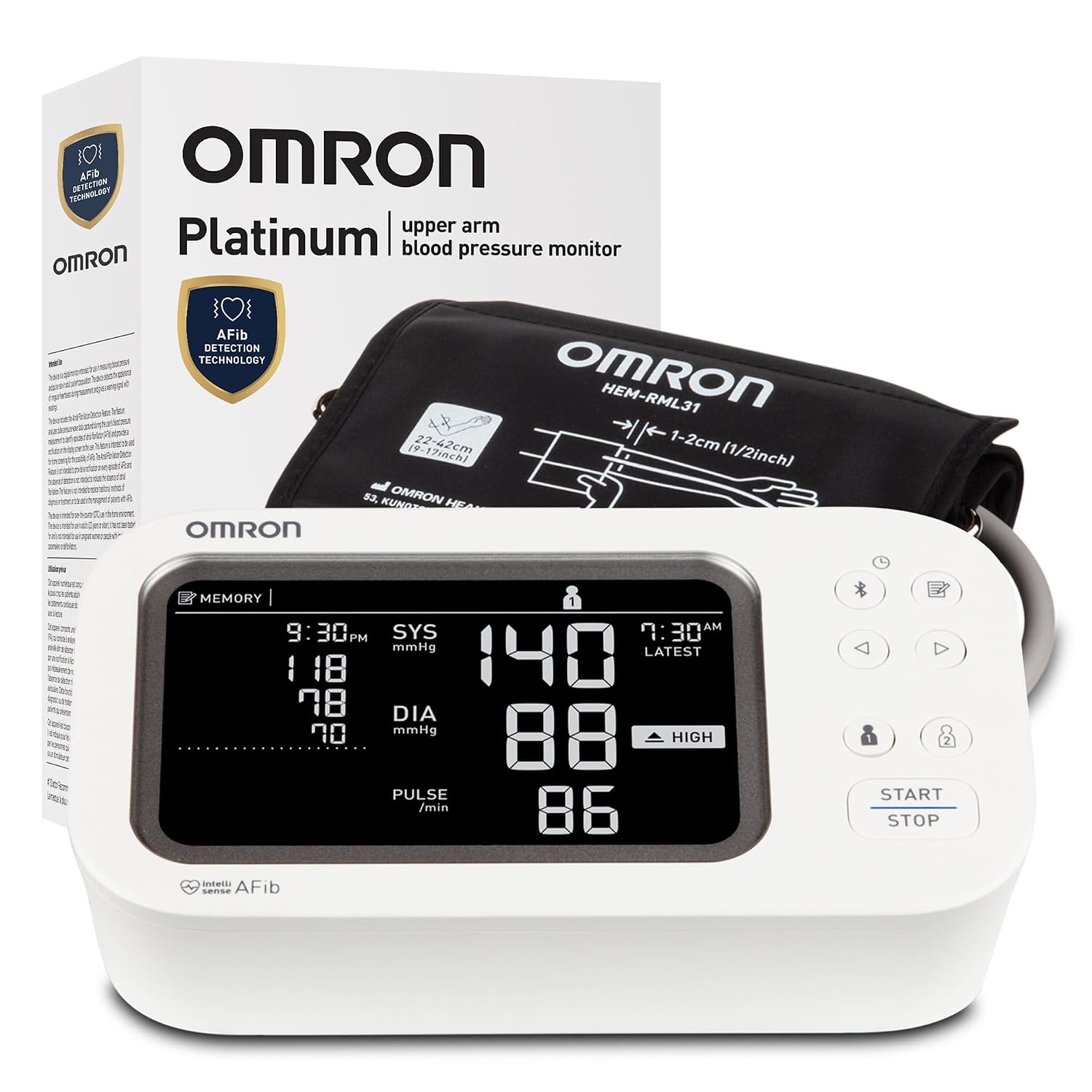
Omron Platinum is the calm adult in the thermal room: check blood pressure at home, especially if you have cardiovascular risk factors, before you treat extreme temperatures like a personality trait. Uncontrolled hypertension is a classic reason to pause and talk to a clinician before aggressive heat or cold. Measure seated, rested, and consistently — not while hyped up after a record plunge. Choose Omron for baseline BP honesty. Pair Polar if you also want live heart-rate during sessions.
Estimated ownership: about $110 in year 1 and
$130 over 3 years.
Monitor plus occasional cuff replacement or batteries. Tiny cost next to a cabin or plunge.
Polar · Strap
Best for: Live heart-rate honesty during heat or cold so “I feel fine” has a second opinion
Polar H10 is the session companion: watch heart rate rise in the sauna or during a plunge without guessing. Use it to learn your patterns — then still exit for dizziness, chest pain, or “this feels wrong.” Moisten electrodes and wear snug. A floppy strap is a creative writing exercise, not data. Compare like-with-like sessions. One heroic HR spike after coffee and no sleep is not a personality. Choose Polar for live HR. Choose Omron for resting BP baselines on non-session mornings.
Estimated ownership: about $115 in year 1 and
$145 over 3 years.
Strap plus occasional battery/strap replacement. App pairing is free with many ecosystems.
Braun · Thermometer
Best for: The unglamorous genius move: skip thermal stress when you are already running a fever or fighting illness
Braun Digital is the veto button: if you are febrile or clearly sick, heat and cold can wait. Hormetic stress works best when you start from roughly okay. Check before ambitious sessions when you feel off — not after you already pushed through. A household thermometer is for illness triage, not replacing cabin air gauges. Choose Braun to protect rest days. Choose Polar when the session is on and you want heart-rate context.
Estimated ownership: about $28 in year 1 and
$35 over 3 years.
Thermometer plus battery. Basically pocket change for better judgment.
Innovo · Oximeter
Best for: Quick SpO2 and pulse spot checks when breathing, altitude, illness, or “I feel weird” enters the chat
Innovo Deluxe is the pocket reality check: SpO2 and pulse in seconds. Useful when you feel off — useless if you treat a green number as permission to ignore chest pain, confusion, or panic. Warm the finger and sit still. Cold plunge hands lie to oximeters for fun. Know your usual resting range so one odd reading is context, not a horror movie. Choose Innovo for cheap spot SpO2. Choose Polar for continuous heart-rate during the actual session.
Estimated ownership: about $40 in year 1 and
$55 over 3 years.
Device plus batteries. Replace if readings become erratic.
Detailed reviews
Omron Platinum Blood Pressure Monitor
Pros
Cons
Choose this if
Skip this if
Polar H10 Heart Rate Sensor
Pros
Cons
Choose this if
Skip this if
Braun Digital Thermometer
Pros
Cons
Choose this if
Skip this if
Innovo Deluxe Pulse Oximeter
Pros
Cons
Choose this if
Skip this if
Monitoring that actually helps
Blood pressure answers a before-question: is your baseline in a sane neighborhood for thermal hobbies? Heart rate answers an during-question: is this session climbing like your usual pattern or like a warning flare? SpO2 is a quick “something feels off” check — with cold-finger caveats. Thermometers veto sick-day heroics.
None of these replace the oldest sensors you own: dizziness, chest pressure, confusion, panic that is not playful, vision changes, or the quiet inner voice that says exit. Listen to that voice. It has a great track record.
Beginner progression that stays fun
- Get clearance if any cardiovascular or pregnancy red flags apply.
- Start mild. Shorter, cooler, fewer rounds. Boredom is a feature.
- Hydrate like an adult. Heat sweats; cold can still dehydrate you via earlier heat.
- One stressor at a time when learning — maybe skip championship contrast day one.
- Write stop rules before you are hyped. Mid-session you are a worse lawyer.
- Add tools that match your questions — not a drawer full of unused blinky things.
Quick kit by persona
- BP history or family risk: Omron Platinum
- Wants live feedback in the session: Polar H10
- Minimalist “feel weird” checker: Innovo Deluxe
- Household shared brain cell: Braun thermometer + Omron
Anyone with unstable cardiovascular disease, recent heart attack, severe aortic stenosis, uncontrolled hypertension, serious arrhythmias, pregnancy concerns, Raynaud’s flares, cold urticaria, or medications that scramble heat/cold responses. “I saw a podcast” is not medical clearance. Reviews commonly call out unstable angina, recent myocardial infarction, and severe aortic stenosis. Alcohol before or during sauna is a famous way to turn a cozy ritual into a bad idea. Not automatically. Heat-to-cold swings are a big hemodynamic plot twist. Stable people often tolerate them; unstable cardiovascular disease is where sudden transitions earn extra caution. Nope. Start with the tool that matches your risk story. Blood pressure history → Omron. Session heart-rate curiosity → Polar. Feeling weird / respiratory worry → Innovo. Fighting a bug → Braun. Stack later if you enjoy the kit. Exit for dizziness, chest pain, confusion, uncontrollable shivering, numbness extremes, nausea that feels wrong, or the vague-but-real “this is not the fun kind of hard.” Pride is a terrible vital sign. Never. Numbers are supporting characters. Symptoms, context, and clinician guidance still run the show.Heat and cold safety FAQ
Who should talk to a clinician before aggressive heat or cold?
+
What are classic sauna red flags in the literature?
+
Is cold after heat automatically safer if I “feel fine”?
+
Do I need all four monitoring devices?
+
What are good beginner stop rules?
+
Can consumer gadgets replace judgment?
+
This comparison is designed for practical decision-making. Product capabilities, pricing, and memberships change quickly, so treat battery claims, plan costs, and feature availability as moving targets.
Hannuksela & Ellahham, “Benefits and risks of sauna bathing” (American Journal of Medicine, 2001)
Classic safety review: sauna is well tolerated by many people with stable coronary disease, with clear red flags including unstable angina, recent myocardial infarction, and severe aortic stenosis — plus alcohol as a major risk amplifier. Broader cardiovascular review that also flags caution around aggressive heat-to-cold transitions in unstable cardiovascular disease. Mechanistic overview of passive heat as a cardiovascular stressor — useful context for why monitoring and progression matter. Cold immersion is a real physiological stressor — not just “refreshing water.” Helps frame cold-side stop rules alongside heat contraindications. Heat-class and schedule companions once safety basics are clear.
Affiliate disclosure: some product links on Keersa Health may earn a commission at no extra cost to you.
Editorial recommendations are independent of commercial relationships.
Read our full disclosure.
Sources and editorial notes
Bottom line
Thermal practice should feel like a sharp, enjoyable edge — not a coin flip. Respect contraindications, write stop rules when you are sober and calm, and use a small monitoring kit to keep curiosity honest. Related: Infrared vs Traditional Heat Physiology, Home Sauna Types Compared, Cold Plunge Setup Guide, Contrast Therapy Protocols, and Cryotherapy Chambers vs Cold Water.
Next: Wearables During Thermal Stress and Designing a Heat and Cold Routine.