Heat & Cold guide · Updated 2026
Sauna Protocols for Cardiovascular Health: Frequency, Duration, Heat Load & How Finnish-Style Practice Maps to Home Gear
A detailed 2026 guide to sauna protocols for cardiovascular-oriented practice — Finnish frequent and moderate templates, beginner ramps, Waon-style infrared, post-exercise finishers, and adherence-first IR — with evidence caveats.
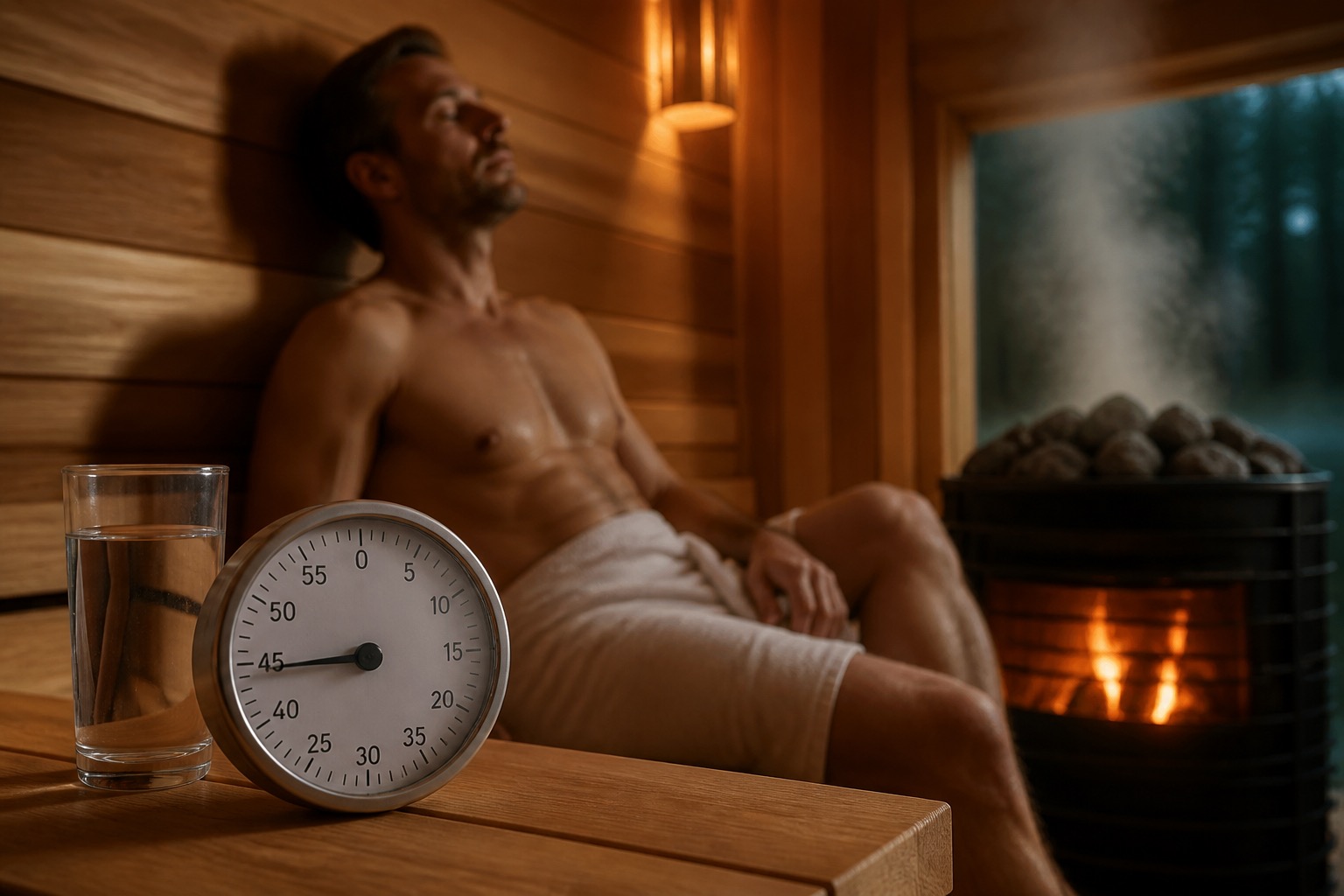
Sauna protocols for cardiovascular health are not a single timer setting. In 2026 the useful variables are frequency, duration, heat class (traditional vs infrared), and whether you can repeat the practice for months. This guide turns Finnish observational signals and infrared/Waon-style templates into home-ready protocol profiles — then maps each one to the equipment that can actually run it.
Finnish frequent and moderate templates prioritize hot-air traditional practice. Beginner ramps build tolerance safely. Waon-style IR adds a defined rest block. Post-exercise finishers and adherence-first IR solve the real failure mode: zero sessions because the protocol was too ambitious.
Key takeaways
- Best cohort-aligned traditional target: Finnish Frequent (4–7×/week, ~20 minutes).
- Best sustainable traditional default: Finnish Moderate (2–3×/week).
- Best place to start: Beginner Heat Ramp — short sessions, honest progression.
- Best structured infrared script: Waon-Style Infrared Template (heat + rest) — not DIY heart-failure care.
- Best habit stack: Post-Exercise Heat Finisher.
- Best frequency rescue: Adherence-First IR (short & often).
- Biggest mistake: pasting Finnish mortality headlines onto a once-monthly IR blanket session — or skipping medical clearance when you need it.
How we evaluate protocol profiles
Editorial scores favor protocols everyday adults can run safely and repeatedly — not spa bravado. We score each profile across five pillars:
- Evidence alignment (25%) — closeness to studied frequency/duration/heat class (with honest limits).
- Cardiovascular stress quality (20%) — meaningful heat load without reckless stacking.
- Adherence realism (20%) — calendar fit and dropout risk.
- Equipment mapping (20%) — can consumer gear actually deliver the protocol?
- Safety clarity (15%) — stop rules, progression, contraindication awareness.
Important limitation: Keersa Health scores are editorial synthesis. Observational associations are not personalized medical advice. People with cardiovascular disease need clinician guidance before aggressive heat protocols.
What the Finnish data actually measured
In the KIHD sauna analyses, men using saunas 4–7 times weekly had lower sudden cardiac death and cardiovascular mortality than once-weekly users after risk-factor adjustment; 2–3×/week also looked favorable versus once weekly on key endpoints. Session duration mattered too: >19 minutes associated with lower SCD risk than <11 minutes. Mean traditional temperatures were high (around ~79°C in related reporting) with rock heat — not infrared blankets.
Later work and reviews continue to treat Finnish-style practice as the strongest observational CV heat signal. That does not prove sauna causes longevity, and it does not automatically validate every consumer IR claim.
Protocol variables that matter most
- Frequency — days per week beat heroic rare sessions.
- Duration — progress toward meaningful sits; do not jump to 25 minutes on day one.
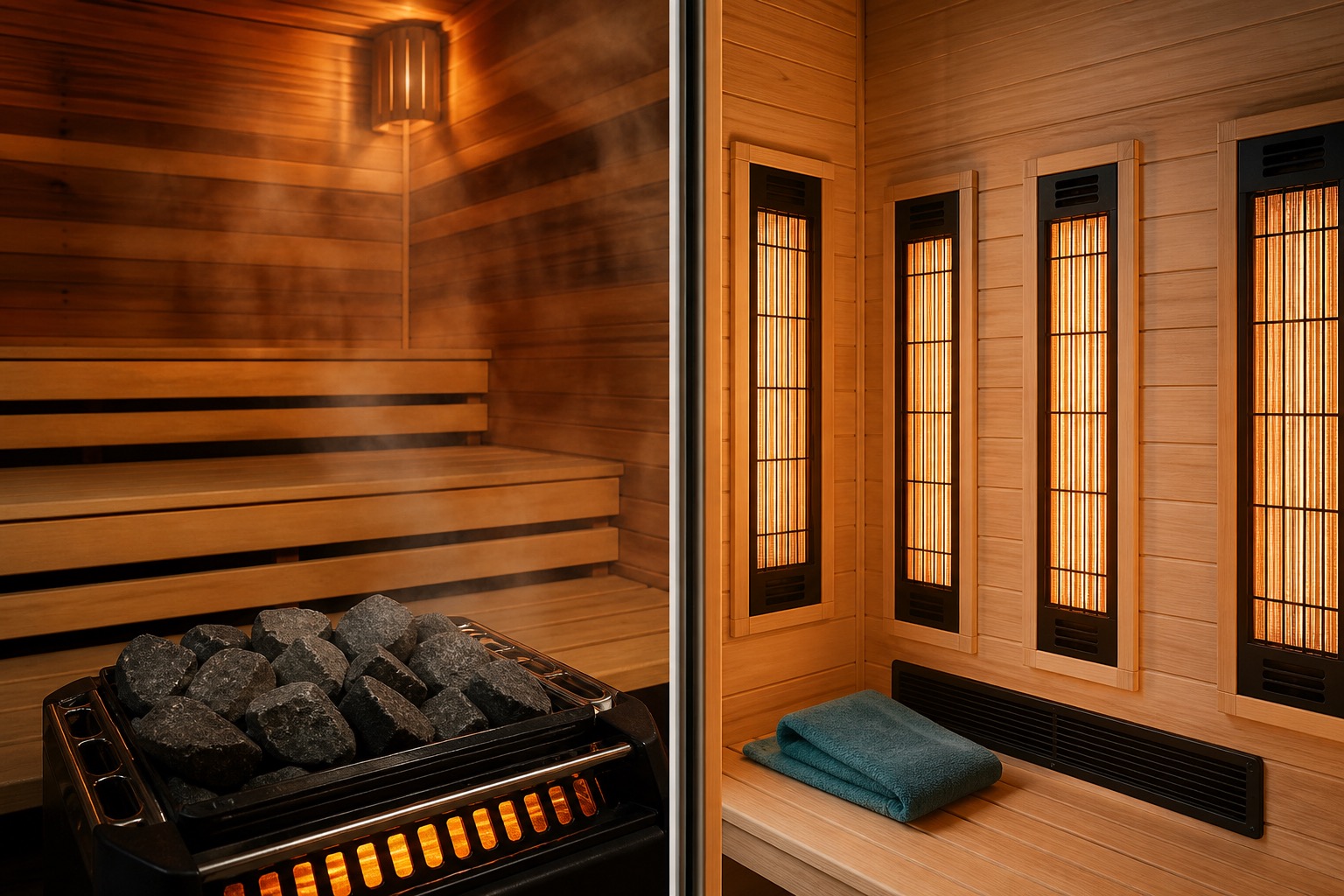
- Heat class — traditional 80°C-class air vs IR comfort protocols.
- Recovery block — cool-down/rest, fluids, and sleep.
- Medical context — clearance when risk is non-trivial.
Interactive comparison
Filter by form factor, sort by score or price, and pin up to three options for a focused side-by-side view.
Tradeoff:
Sticker price still matters here — most options are one-time hardware buys, so the three-year estimate mainly reflects purchase price plus expected upkeep.
Estimates are directional and based on common public pricing patterns. Promotions, refurbished units, family plans, and tier changes can move these numbers materially.
3-year cost of ownership
Device
Year 1
3-year estimate
Amazon Price
Finnish Frequent (4–7×/week)
$6,500
$7,000
—
Finnish Moderate (2–3×/week)
$5,900
$6,400
—
Beginner Heat Ramp
$750
$1,200
$699
Post-Exercise Heat Finisher
$5,400
$5,800
—
Waon-Style Infrared Template
$2,600
$2,850
$1,599.99
Adherence-First IR (Short & Often)
$2,000
$2,200
$1,599.99
Protocol choice is a calendar decision as much as a physiology decision. Traditional frequent/moderate chase Finnish-style signals. IR scripts chase adherence and structured rest. Ramps and finishers chase consistency.Frequent vs moderate vs infrared scripts
Choose Finnish Frequent if...
Choose Finnish Moderate if...
Choose an IR-structured or adherence protocol if...
Wait or get clinical guidance if...
Below are deeper notes on every option in the comparison table, sorted by editorial score. Jump directly from the table pins or the cost section.
Protocol · Protocol
Best for: Closest lifestyle match to Finnish cohort frequency/duration signals for CV-oriented traditional sauna
Finnish Frequent is the high-adherence traditional template: roughly 4–7 sessions weekly, often ~20+ minutes in hot air with rocks. It is the protocol class closest to the strongest observational CV signals — buy the habit first, then the barrel. Laukkanen 2015 associated higher frequency and longer sessions with lower SCD/CVD event rates vs once-weekly / short sessions — not a randomized prescription. Hydrate, cool down, and stop for dizziness, chest pain, or unusual breathlessness. Choose this if you own traditional gear and can schedule heat like training. Skip it if you are still heat-intolerant or only have an IR blanket.
Estimated ownership: about $6,500 in year 1 and
$7,000 over 3 years.
Assumes traditional cabin/barrel ownership. The real cost is time: nearly daily heat practice.
Protocol · Protocol
Best for: Sustainable traditional sauna practice with meaningful frequency without near-daily sessions
Finnish Moderate is the practical traditional default: 2–3 quality sessions weekly, often 15–20 minutes. For many people it is the highest frequency they will actually sustain — and still sits inside the researched lifestyle pattern. In KIHD analyses, 2–3×/week already differed from once-weekly on several CV endpoints — frequency still mattered. Protect session quality: arrive hydrated, avoid alcohol, exit early if symptoms appear. Choose Moderate if Frequent is fantasy. Escalate only after months of consistency.
Estimated ownership: about $5,900 in year 1 and
$6,400 over 3 years.
Same hardware class as frequent protocol; lower time tax.
Protocol · Protocol
Best for: Safe on-ramp: short sessions, lower frequency, then progress toward Finnish-style targets
Beginner Heat Ramp is where most people should start: 1–2 short sessions weekly, then add minutes and days before chasing 80°C headlines. Hardware can be a blanket; the protocol is the product. Example ramp: week 1–2 at 8–10 minutes; add 2–3 minutes weekly as tolerated; add a third weekly session only after two stable weeks. Do not map Finnish mortality headlines onto week-one blanket sessions. Choose Ramp if heat-naive. Move to Moderate/Frequent traditional when equipment and tolerance allow.
Estimated ownership: about $750 in year 1 and
$1,200 over 3 years.
Amazon IR blanket entry (e.g. HigherDOSE-class) or low-cost IR cabin. Upgrade hardware when tolerance and habit exist.
Protocol · Protocol
Best for: Adding heat on training days to raise weekly frequency without separate “sauna appointments”
Post-Exercise Heat Finisher uses 10–15 minutes after lifting or conditioning to accumulate weekly heat exposure. It is an adherence strategy first — useful when standalone sauna appointments never happen. Start shorter than standalone sessions; you are already thermally and cardiovascularly taxed. Separate hard intervals + long hot sauna on the same day if you feel wiped or sleep worsens. Choose this to raise frequency. Do not use it to skip progressive training.
Estimated ownership: about $5,400 in year 1 and
$5,800 over 3 years.
Assumes existing sauna. If buying for this alone, price the hardware separately in the types guide.
Protocol · Protocol
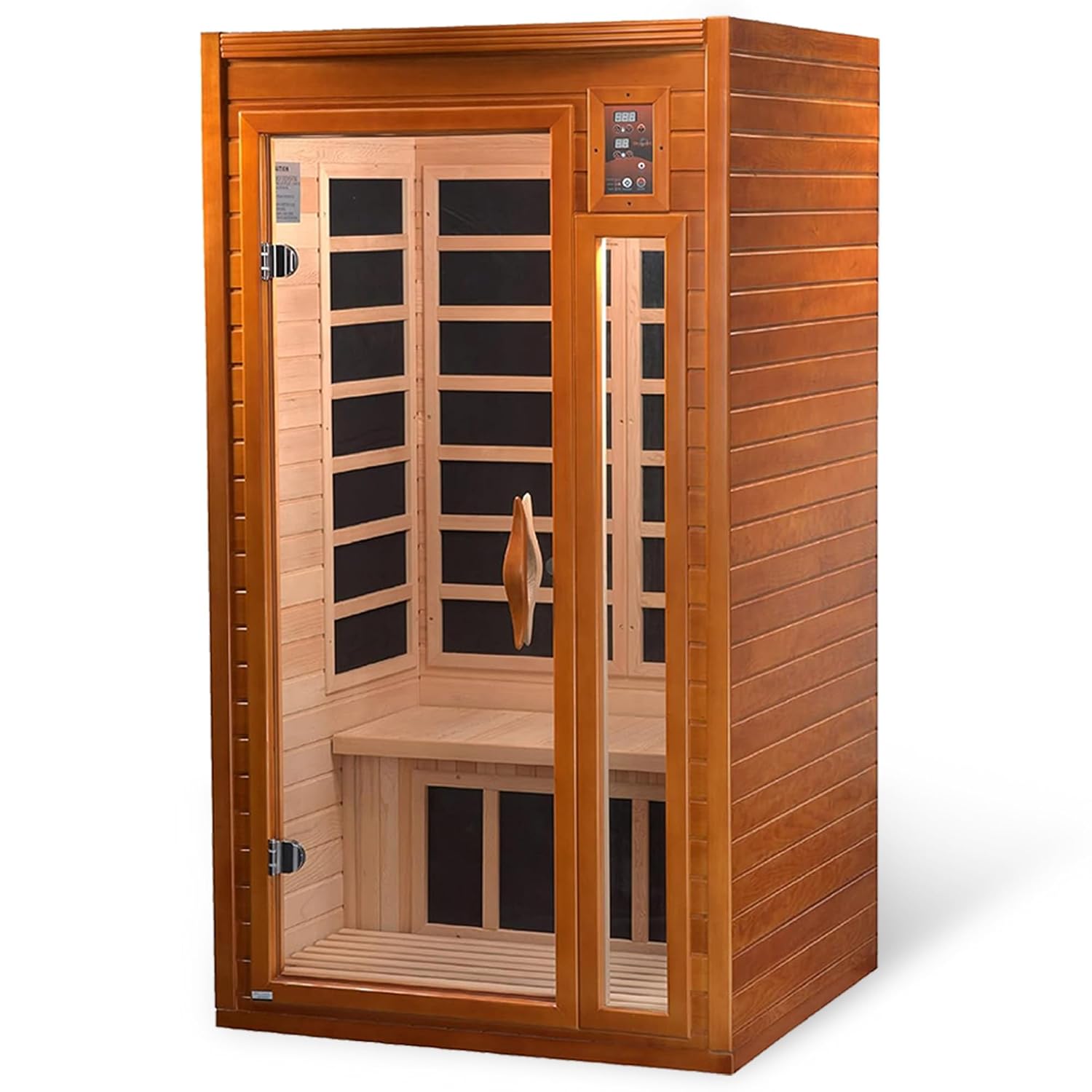
Best for: Structured infrared sessions with a defined cool-down rest — inspired by Waon templates, not a home HF treatment
Waon-Style Infrared borrows the clinical template of ~60°C far-IR for ~15 minutes plus an insulated rest. Useful as a structured IR practice for healthy adults seeking CV-oriented heat — not a substitute for cardiology care. Kallström meta-analysis and Waon trials are largely clinical HF contexts. Home users should treat this as a structured IR habit, not self-treatment. Weigh before/after and replace fluids if you sweat heavily. Choose Waon-style if you own IR and want a repeatable script. Choose Finnish protocols if traditional heat is your evidence target.
Estimated ownership: about $2,600 in year 1 and
$2,850 over 3 years.
Assumes a Dynamic-class or better IR cabin. Rest time is part of the protocol — budget calendar time, not just cabin time.
Protocol · Protocol
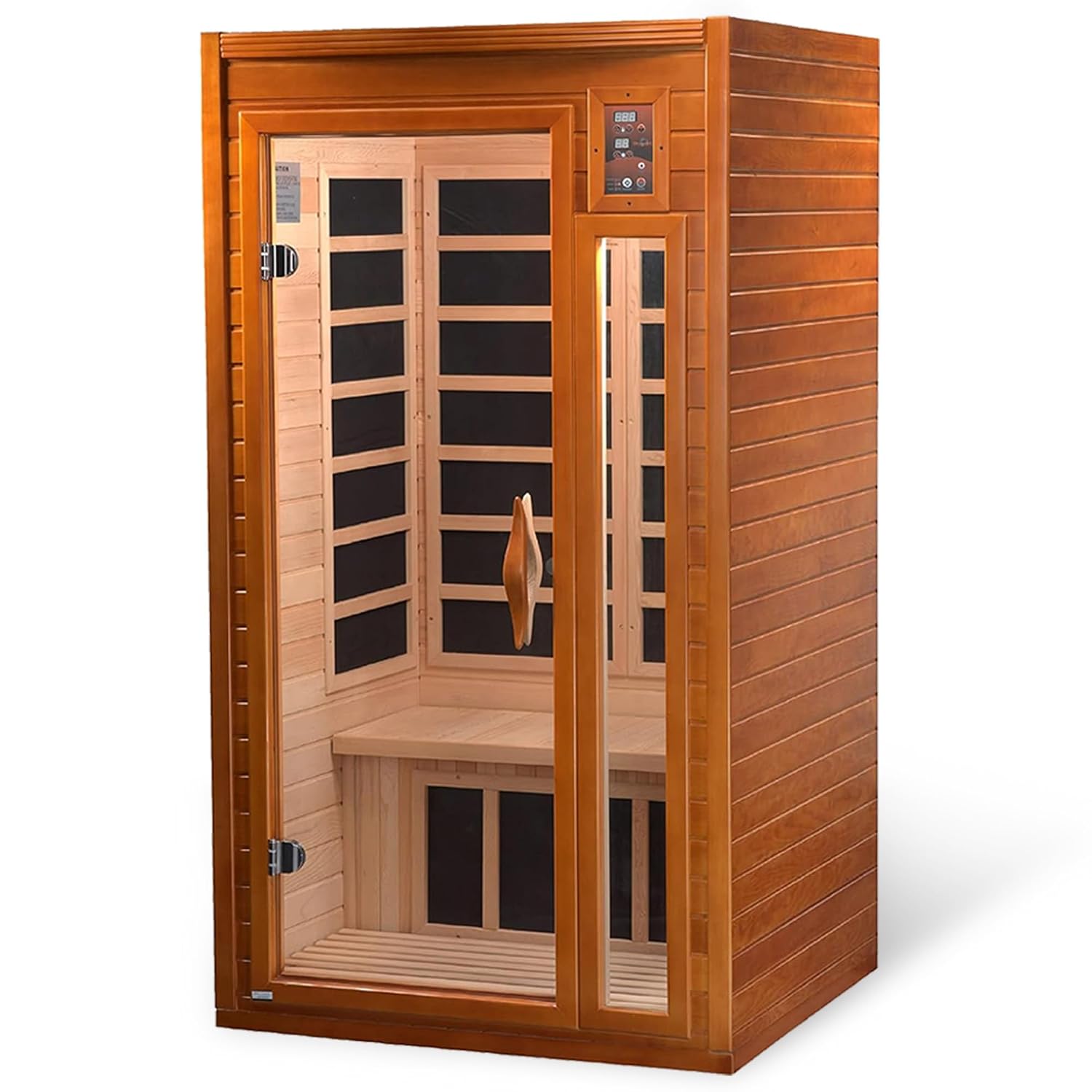
Best for: Maximizing weekly heat days with comfortable IR when traditional warm-up friction kills consistency
Adherence-First IR prioritizes showing up: shorter, comfortable infrared sessions most days of the week. Use it when traditional warm-up friction is why you quit — then optionally lengthen sessions toward more ambitious templates. Frequency was a major axis in Finnish observational data; IR changes the heat physics but can still train the habit of regular passive heat. If CV cohort matching is the goal, plan a later transition to traditional gear/protocols. Choose Adherence-First to stop zero-week streaks. Upgrade protocol ambition after 8 stable weeks.
Estimated ownership: about $2,000 in year 1 and
$2,200 over 3 years.
Dynamic Barcelona-class IR cabin assumption. Frequency is the feature — protect the calendar.
Detailed reviews
Finnish Frequent (4–7×/week)
Pros
Cons
Choose this if
Skip this if
Finnish Moderate (2–3×/week)
Pros
Cons
Choose this if
Skip this if

Beginner Heat Ramp
Pros
Cons
Choose this if
Skip this if
Post-Exercise Heat Finisher
Pros
Cons
Choose this if
Skip this if
Waon-Style Infrared Template
Pros
Cons
Choose this if
Skip this if
Adherence-First IR (Short & Often)
Pros
Cons
Choose this if
Skip this if
How to choose a protocol
- Get clearance if needed. Unstable heart disease, pregnancy concerns, or heat intolerance change the plan.
- Pick heat class from your gear. Traditional cabin/barrel vs IR cabin vs blanket — see Home Sauna Types Compared.
- Start easier than your ego wants. Beginner Ramp beats injury-to-confidence.
- Progress frequency before hero duration. Three solid weeks at 2–3× beats one maximal sit.
- Add structure. Timers, fluids, and a written stop rule.
- Reassess at 8 weeks. If adherence is high, move toward Moderate or Frequent traditional targets when equipment allows.
Quick recommendations by persona
- Traditional gear + high adherence: Finnish Frequent
- Traditional gear + busy calendar: Finnish Moderate
- Heat-naive or portable only: Beginner Heat Ramp
- IR cabin + wants a script: Waon-Style Infrared Template
- Trains at home beside the sauna: Post-Exercise Heat Finisher
- Keeps quitting long warm-ups: Adherence-First IR
Finnish observational data associated 4–7 sessions/week with the strongest risk reductions vs once weekly, with 2–3×/week also favorable versus once weekly. That is association, not a personal prescription — start where you can adhere and progress. In the landmark Finnish analysis, sessions longer than 19 minutes associated with lower SCD risk than sessions under 11 minutes. Many people still need a beginner ramp of shorter sits before that is realistic or safe for them. Not as a literal evidence swap. Finnish cohort signals come from traditional high-temp sauna. Infrared/Waon-style protocols are a different heat class with a different literature — useful, structured, and often more tolerable, but not identical. No. Waon trials are clinical contexts. If you have heart failure or unstable cardiovascular disease, heat protocols belong under clinician guidance — not a blog template. Short post-exercise heat can help frequency adherence. Keep sessions conservative at first; stacked stressors can impair recovery if you overdo both training and heat the same day. Exit for chest pain, severe dizziness, confusion, nausea, or feeling profoundly unwell. Avoid alcohol before/during sauna. Replace fluids. Get medical clearance when risk factors are present.Sauna protocols for cardiovascular health FAQ
How often should I sauna for cardiovascular-oriented benefits in 2026?
+
How long should each session last?
+
Can infrared protocols replace Finnish traditional practice?
+
Is Waon therapy something I should DIY for heart failure?
+
Should I sauna right after lifting?
+
What are hard stop rules?
+
This comparison is designed for practical decision-making. Product capabilities, pricing, and memberships change quickly, so treat battery claims, plan costs, and feature availability as moving targets.
Core frequency/duration signal: 4–7 sessions/week and sessions >19 minutes associated with lower SCD/CVD risk vs once-weekly / shorter sessions in Finnish men. Extends cardiovascular mortality associations and risk-prediction framing beyond the 2015 male-only analysis. Reviews heat-therapy outcomes and why Finnish-style practice still anchors the strongest observational CV literature. Systematic review of dry sauna outcomes — useful for separating consistent signals from weak or conflicting endpoints. Defines the clinical Waon template: ~60°C far-infrared, 15 minutes, then ~30 minutes insulated rest — medical context, not a DIY heart-failure prescription. Meta-analysis of short-term infrared/Waon protocols in HF — shows why clinical IR protocols are not the same as Finnish cohort lifestyle sauna. Early evidence summary for FIRS/CV risk factors — limited moderate evidence, not a blank check for consumer IR marketing.
Affiliate disclosure: some product links on Keersa Health may earn a commission at no extra cost to you.
Editorial recommendations are independent of commercial relationships.
Read our full disclosure.
Sources and editorial notes
Bottom line
Cardiovascular-oriented sauna practice is mostly a frequency and consistency problem dressed up as a temperature debate. Finnish observational signals favor more weeks with meaningful traditional sessions; infrared protocols can still build heat habits with different physics and evidence. Choose a protocol you will repeat, map it to honest equipment, progress gradually, and treat medical red flags as stop signs — not as a cue to buy a hotter cabin.
Related: Home Sauna Types Compared. Next: Cold Plunge Setup Guide, Infrared vs Traditional Heat Physiology, and Designing a Heat and Cold Routine.