Heat & Cold guide · Updated 2026
Wearables During Thermal Stress: Useful Signals, Noisy Ones & What to Trust in Heat or Cold
A lively guide to heart rate, HRV, and temperature tracking when saunas and plunges stress your sensors — what stays useful, what gets theatrical, and which wearables earn a spot.
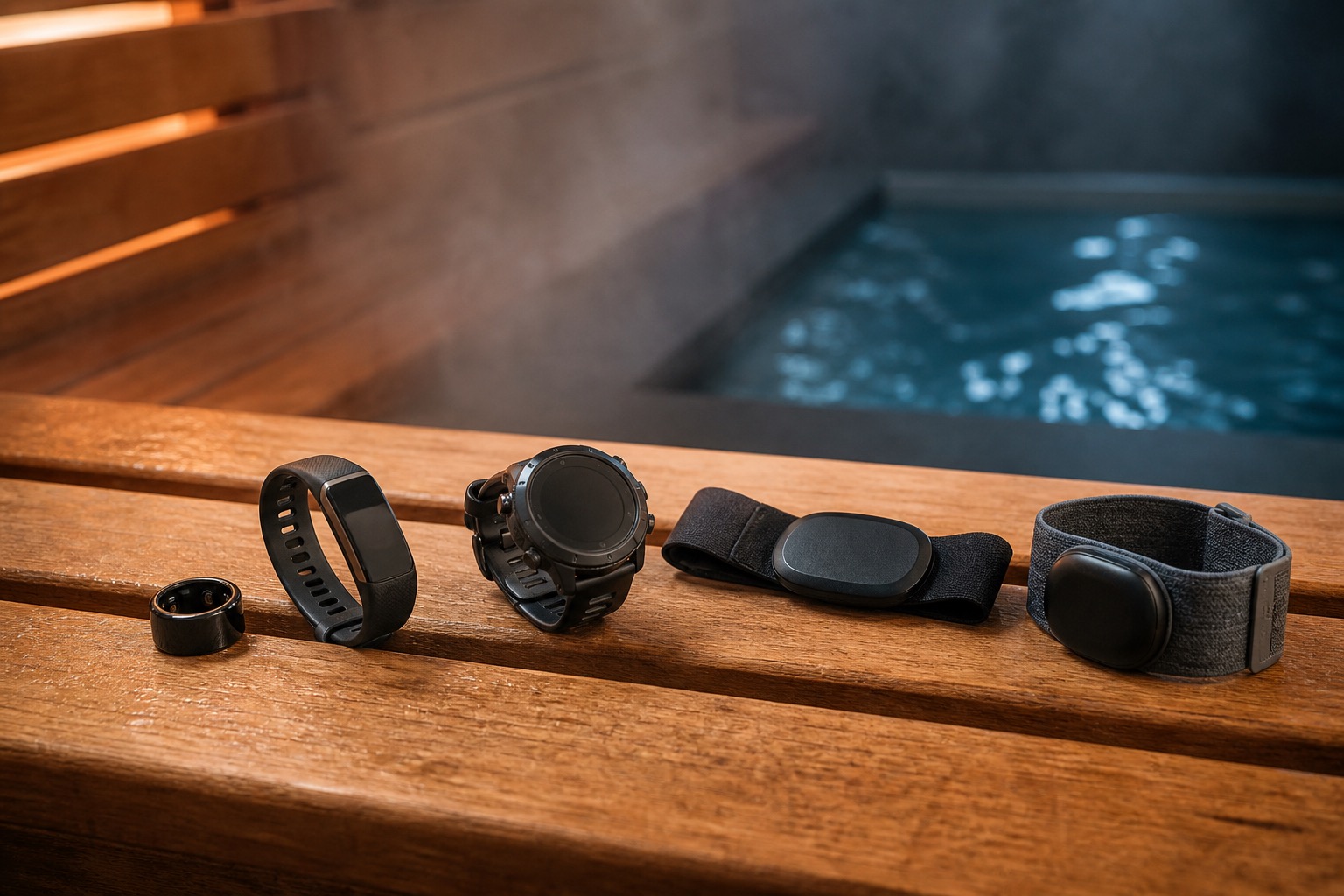
Heat and cold are wonderful at making humans feel alive — and equally wonderful at making optical sensors invent plot twists. Your wearable is not “broken” because it freaked out in steam or ice water; it is often just doing photoplethysmography under hostile conditions. This guide is the friendly decoder ring: which signals stay useful during thermal stress, which ones get noisy, and which devices deserve a seat on the spa bench.
Pair this with Safety, Contraindications, and Monitoring for stop rules and baselines, and with Wearable HRV and Training Readiness if overnight HRV is your main love language.
Key takeaways
- Best in-session heart rate: Polar H10.
- Best optical alternative to a chest strap: Polar Verity Sense.
- Best overnight recovery after thermal days: Oura Ring 4.
- Best membership-light ring: Ultrahuman Ring AIR.
- Best continuous strain storyteller: WHOOP 5.0 (if you accept the membership).
- Best membership-free daily-driver watch: Garmin Venu 3.
- Best rugged Apple-ecosystem watch: Apple Watch Ultra 2.
- Biggest mistake: treating steamy wrist PPG as medical scripture while ignoring how you feel.
How we evaluate thermal wearables
Editorial scores favor devices that stay useful when temperature and water try to ruin the party. We score across five pillars:
- Signal honesty under stress (30%) — chest ECG beats steamy wrist fiction for session HR.
- Recovery context (20%) — overnight HRV and temperature trends after thermal days.
- Water and sweat practicality (15%) — can you wear it near plunges without comedy?
- Adherence friction (15%) — straps, rings, bands, watches: will you actually use it?
- Ownership cost (20%) — hardware vs membership gravity.
Important limitation: Keersa Health scores are editorial synthesis. Wearables support curiosity; they do not clear you for extreme temperatures or diagnose disease.
Useful vs noisy signals
Useful: chest-strap heart rate during sessions; overnight HRV and sleep after heat/cold days; multi-day skin-temperature deviations as context; resting baselines away from the steam.
Noisy: second-by-second wrist PPG while plunging; SpO2 on ice-cold fingers; “zone” coaching from a watch that lost contact for forty seconds; any score that argues with dizziness or chest pain.
Climate-chamber and water-sport validation work keeps making the same polite point: activity, temperature, and water all move optical error. Your sauna is not a climate chamber — it is usually harder.
Features that matter most
- Sensor type — ECG strap vs optical PPG vs overnight ring trends.
- When you read it — during stress vs next-morning recovery.
- Water rating vs water realism — swim-ready hardware can still produce messy HR.
- Membership gravity — coaching loops vs one-time hardware.
- Stop-rule compatibility — numbers should support exits, not prevent them.
Interactive comparison
Filter by form factor, sort by score or price, and pin up to three options for a focused side-by-side view.
Tradeoff:
Sticker price is misleading in this category. Membership-heavy products can cost more over three years than premium hardware with no required plan.
Estimates are directional and based on common public pricing patterns. Promotions, refurbished units, family plans, and tier changes can move these numbers materially.
3-year cost of ownership
Device
Year 1
3-year estimate
Amazon Price
Membership
Oura Ring 4
$419
$559
$349
Optional / recommended
WHOOP 5.0
$239
$717
$288
Required membership
Polar H10
$99
$129
$104.95
No hardware membership (apps optional)
Ultrahuman Ring Air
$349
$349
$299
No required membership
Garmin Venu 3
$449
$449
$364
None required
Polar Verity Sense
$115
$140
$104.95
No membership — armband optical HR
Apple Watch Ultra 2
$799
$799
$799
None for core sleep
Match the tool to the scene: mid-steam honesty, overnight storytelling, or daily-driver convenience.Which wearable for which moment
Choose Polar H10 if...
Choose Polar Verity Sense if...
Choose Oura Ring 4 if...
Choose Ultrahuman Ring AIR if...
Choose WHOOP 5.0 if...
Choose Garmin Venu 3 if...
Choose Apple Watch Ultra 2 if...
Wait on the gadget drawer if...
Below are deeper notes on every option in the comparison table, sorted by editorial score. Jump directly from the table pins or the cost section.
Oura · Ring
Best for: Holistic sleep + recovery scoring
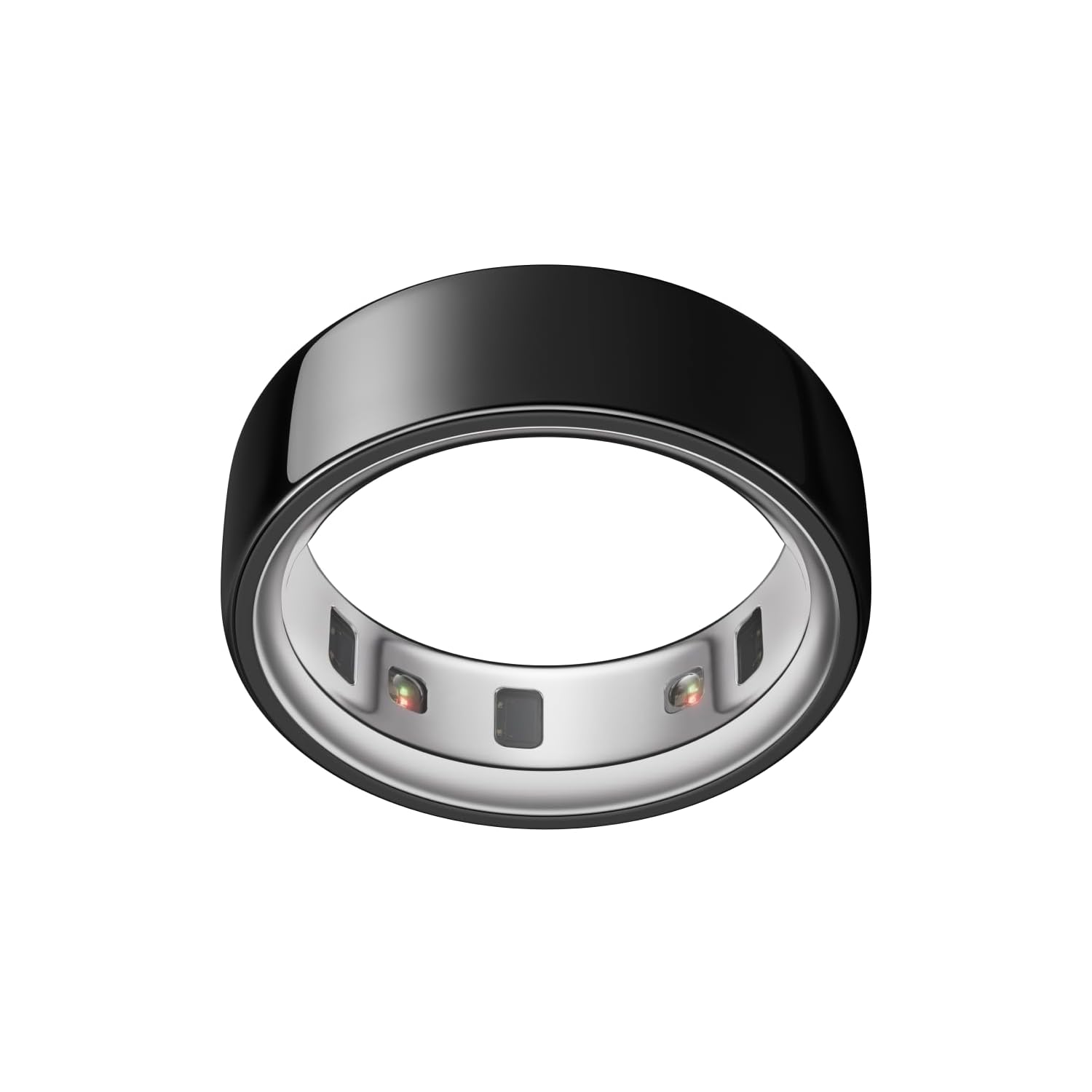
Oura Ring 4 is the default recommendation for most people whose primary goal is better sleep tracking. The ring form factor is easy to wear every night, the app presents sleep stages and recovery context clearly, and long-term temperature and HRV trends are more useful than one-off scores. It is not a clinical sleep study replacement, but it is one of the strongest consumer systems for building a personal sleep baseline. Where Oura stands out is adherence. A tracker only helps if you wear it through weekends, travel, and imperfect nights. Rings generally win here versus bulky watches. Oura also pairs sleep duration and staging with readiness-style recovery context, so users can connect late nights, alcohol, illness, or training load to next-day physiology. The main buying tension is membership value. Core tracking can still be useful, but many of the deeper insights and long-term reporting are stronger with a paid plan. Fit also matters: a loose ring can degrade optical signal quality. If you are between sizes, prioritize fit over aesthetics. Choose Oura if sleep quality, comfort, and trend tracking matter more than notifications or GPS. Skip it if you want a full smartwatch experience or refuse any subscription ecosystem.
Estimated ownership: about $419 in year 1 and
$559 over 3 years.
Assumes hardware at ~$349 plus membership (~$70/year). Exact tiers vary.
WHOOP · Band
Best for: Athletes optimizing strain and recovery
WHOOP 5.0 is less a sleep gadget and more a recovery operating system. Sleep is one input into a broader loop of strain, recovery, and coaching. If you train hard and want prescriptions rather than just charts, WHOOP is one of the best options available. WHOOP’s sleep value comes from continuity. Battery life and the battery-pack charging approach reduce the data gaps that plague daily-charge watches. That matters when you are trying to understand sleep debt, restorative sleep, and readiness across a training block. The membership model is the real product. You are paying for ongoing coaching infrastructure, not a one-time gadget. Over three years that can cost more than a ring plus light membership, so WHOOP only makes sense if you will use the feedback loop. Choose WHOOP if athletic recovery decisions are the point. Skip it if you mainly want comfortable sleep staging without a subscription identity.
Estimated ownership: about $239 in year 1 and
$717 over 3 years.
Membership-driven model; hardware access is bundled with plan pricing that varies by tier.
Polar · Strap
Best for: ECG-grade morning HRV spot checks and research-style RR intervals
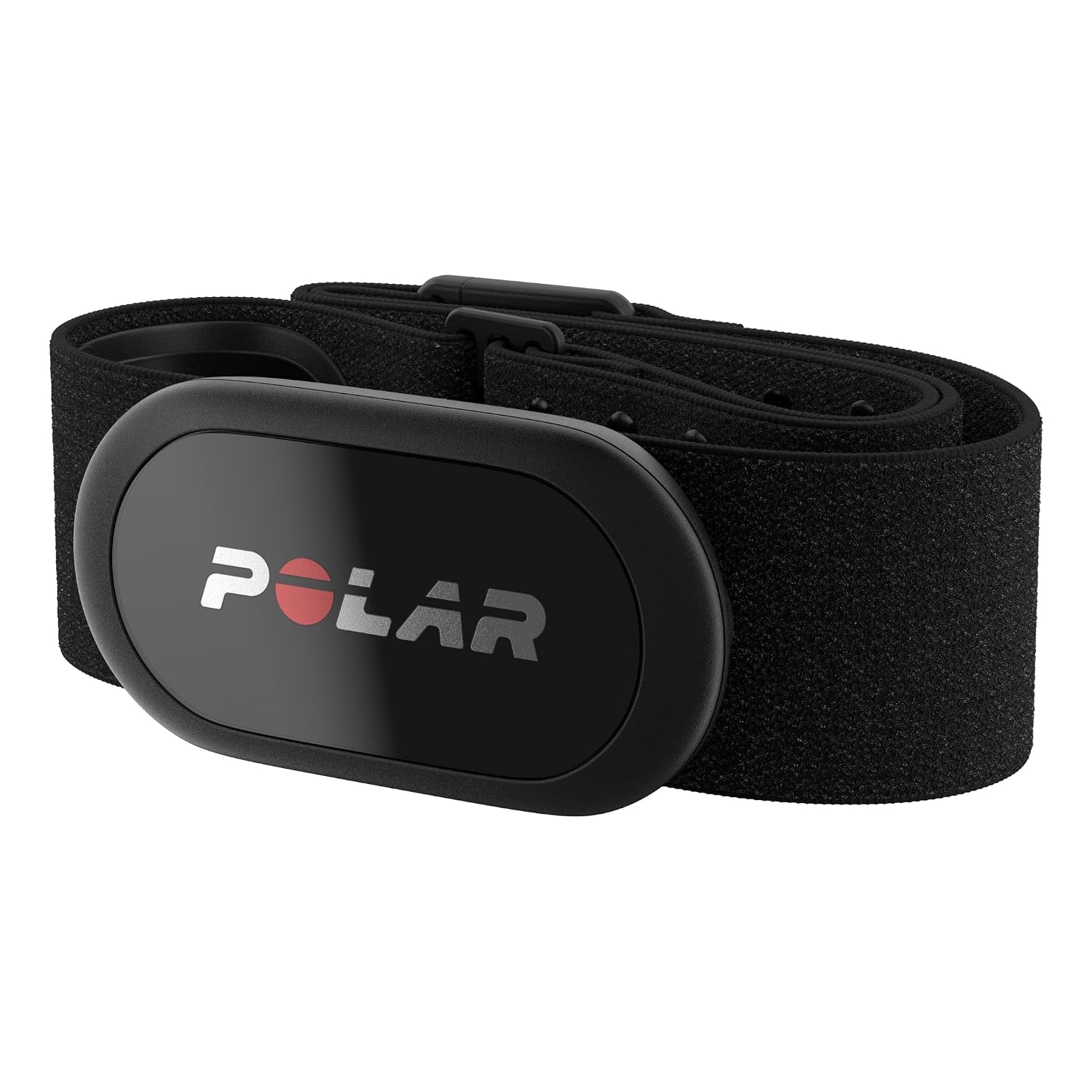
Polar H10 is the accuracy tool: a chest strap that many validation studies treat as a reference input. For training readiness, it is best as a disciplined morning RMSSD check — often with an app — not as a 24/7 lifestyle coach. If your question is “how accurate is my ring’s HRV?”, this is the device you compare against. If your question is “will I wear something every night?”, a ring/band usually wins. Protocol matters more than brand myths: same time of day, same posture, breathing calm, consistent routine. Choose H10 for signal quality and low cost. Skip it if you will not perform spot checks consistently.
Estimated ownership: about $99 in year 1 and
$129 over 3 years.
Hardware plus occasional replacement straps/batteries. Pairing apps like HRV4Training may have their own fees.
Ultrahuman · Ring
Best for: Ring tracking without a mandatory subscription
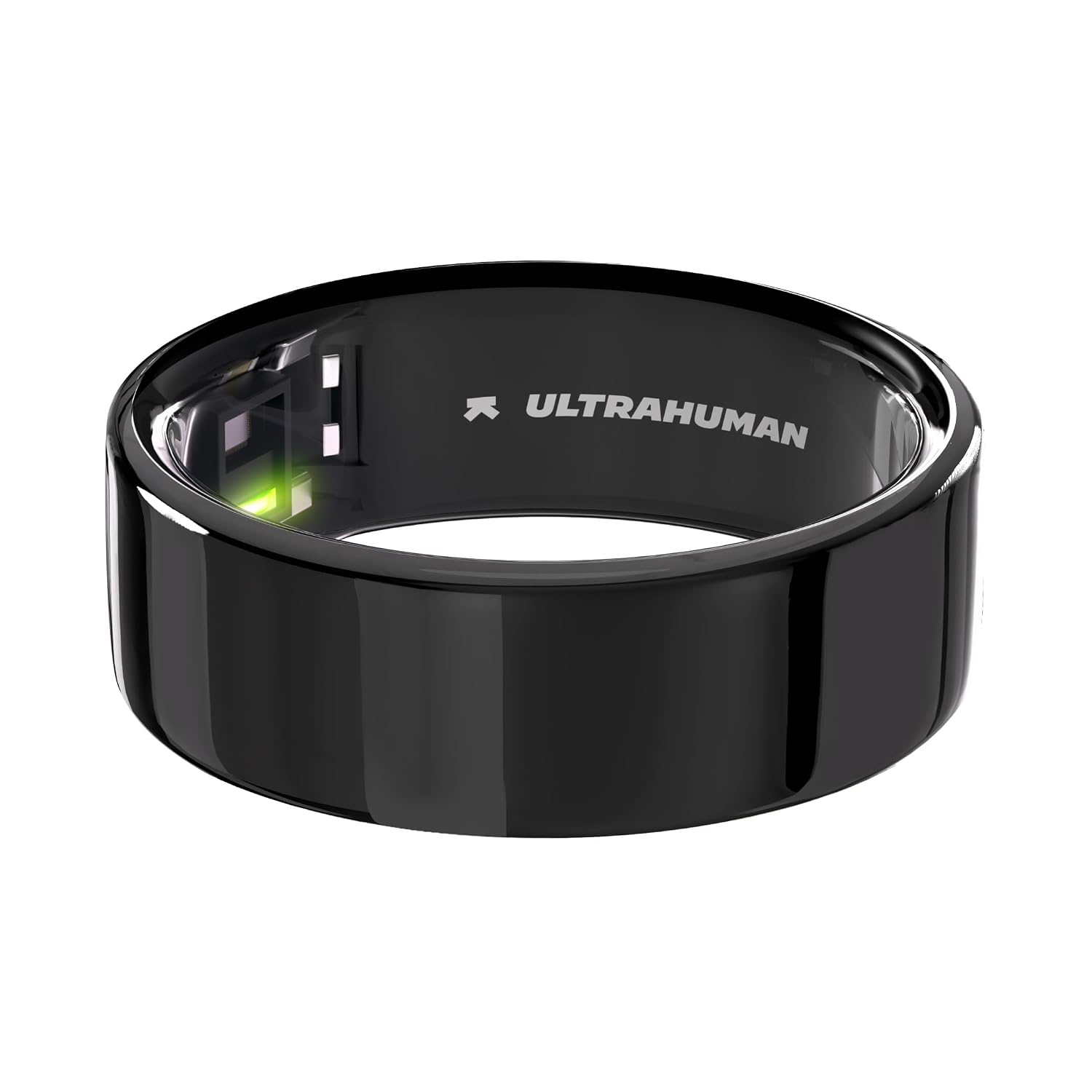
Ultrahuman Ring Air is one of the strongest alternatives for buyers who want ring-based sleep tracking without feeling locked into a mandatory membership. It covers the core biometric set most people care about — sleep staging, HRV, SpO2, and temperature — while leaning into a more modular insights style. The appeal is simple: ring comfort plus lower long-term cost friction. For users comparing three-year ownership against Oura or WHOOP, Ultrahuman can look attractive if the app workflow fits how you review data. The tradeoff is maturity. Oura has a longer public track record and denser third-party discussion around sleep validation. Ultrahuman is competitive on paper and useful in practice for many users, but you should evaluate app stability, support, and feature cadence before committing. Choose Ultrahuman if you want a smart ring and hate subscriptions. Skip it if you specifically want the most established sleep-ring ecosystem.
Estimated ownership: about $349 in year 1 and
$349 over 3 years.
Hardware-focused estimate assuming no required membership for core features.
Garmin · Watch
Best for: Training-focused users who also care about sleep
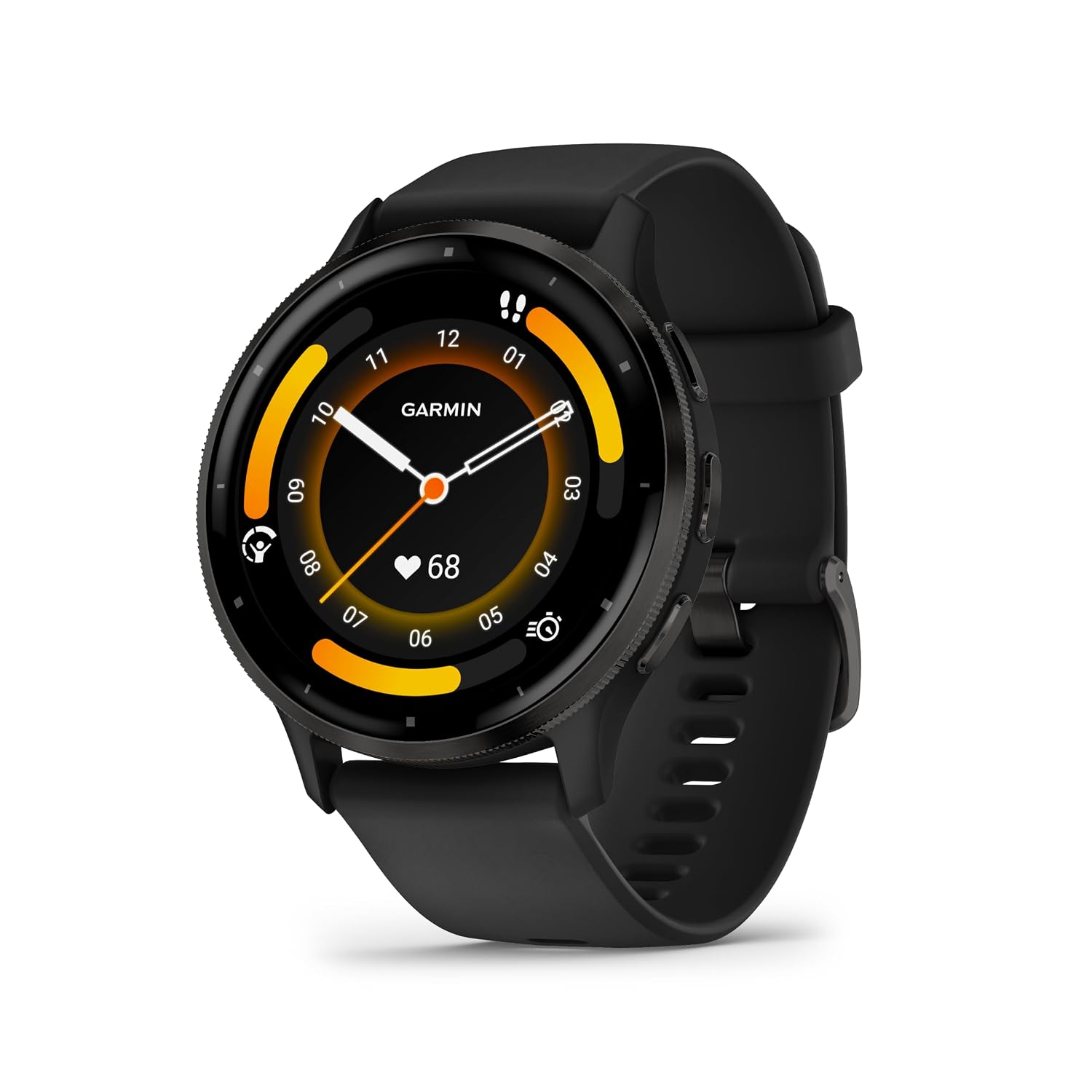
Garmin Venu 3 is easy to underestimate in sleep conversations because people assume Garmin equals running watches. In reality, Sleep Coach, HRV Status, and multi-week battery life make it one of the best no-subscription sleep-and-training hybrids. Battery life is the strategic advantage. Two weeks of wear means fewer gaps and less bedtime charging anxiety than Apple or Pixel watches. Garmin’s sleep tools are practical rather than flashy. If you want guidance tied to training readiness and body-battery style energy concepts, the ecosystem feels coherent. Choose Venu 3 if you train regularly and refuse subscriptions. Skip it if you want a jewelry-like ring or a maximalist smartwatch app store.
Estimated ownership: about $449 in year 1 and
$449 over 3 years.
One-time hardware purchase with no required sleep subscription.
Polar · Armband
Best for: Optical heart rate without chaining your identity to a wristwatch — useful when straps are a hard no
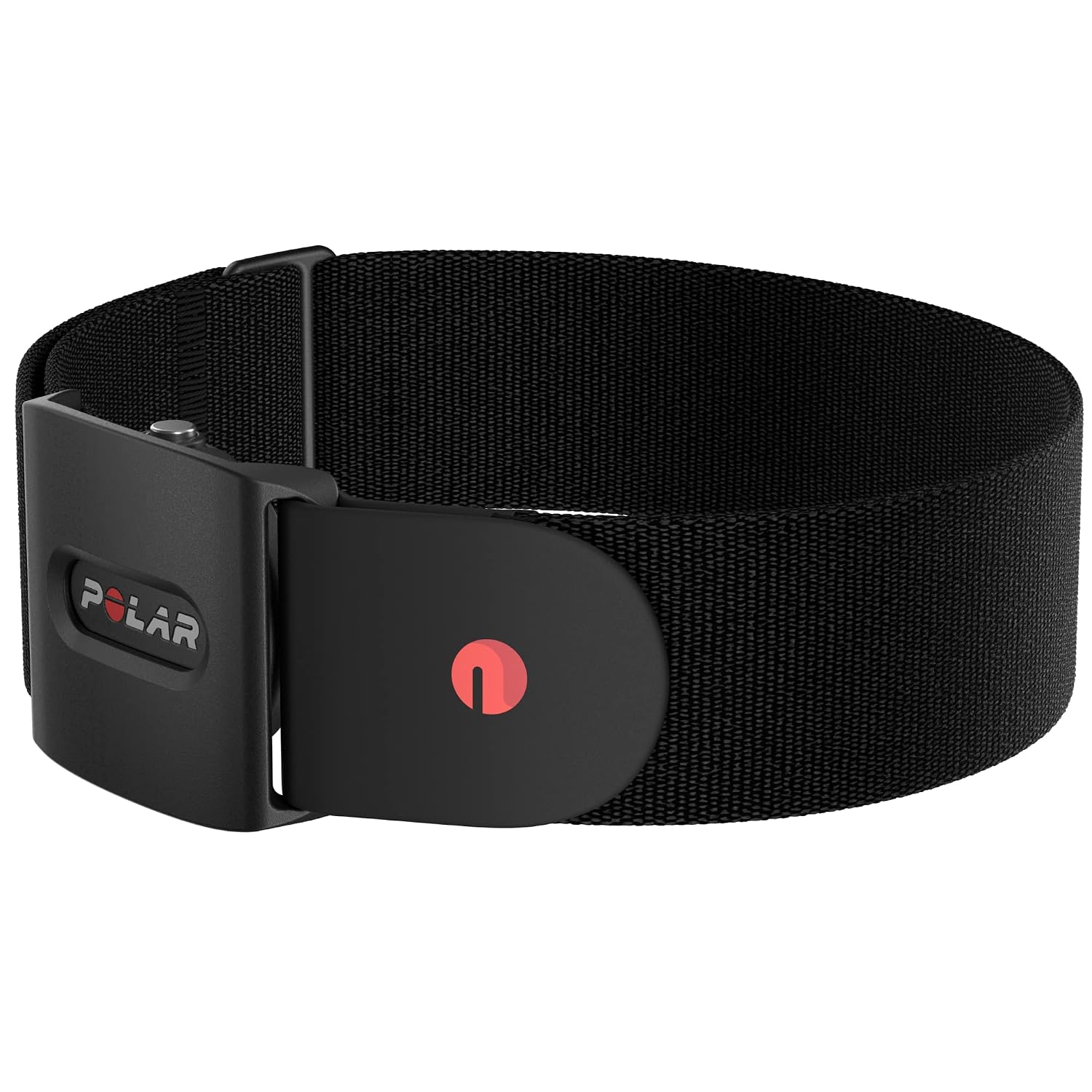
Polar Verity Sense is the “optical, but not on my watch face” compromise: heart rate from the arm when you hate chest straps and do not trust steamy wrists. Treat it as better-than-wrist in many cases — not magic. Fit snug on the forearm/upper arm per Polar guidance. Loose fabric is how PPG becomes fiction. Great bridge device if H10 is emotionally unavailable to you. Choose Verity when you want optical freedom. Choose H10 when accuracy is non-negotiable.
Estimated ownership: about $115 in year 1 and
$140 over 3 years.
Hardware plus occasional band wear. No subscription.
Apple · Watch
Best for: iPhone users who want one wearable for everything
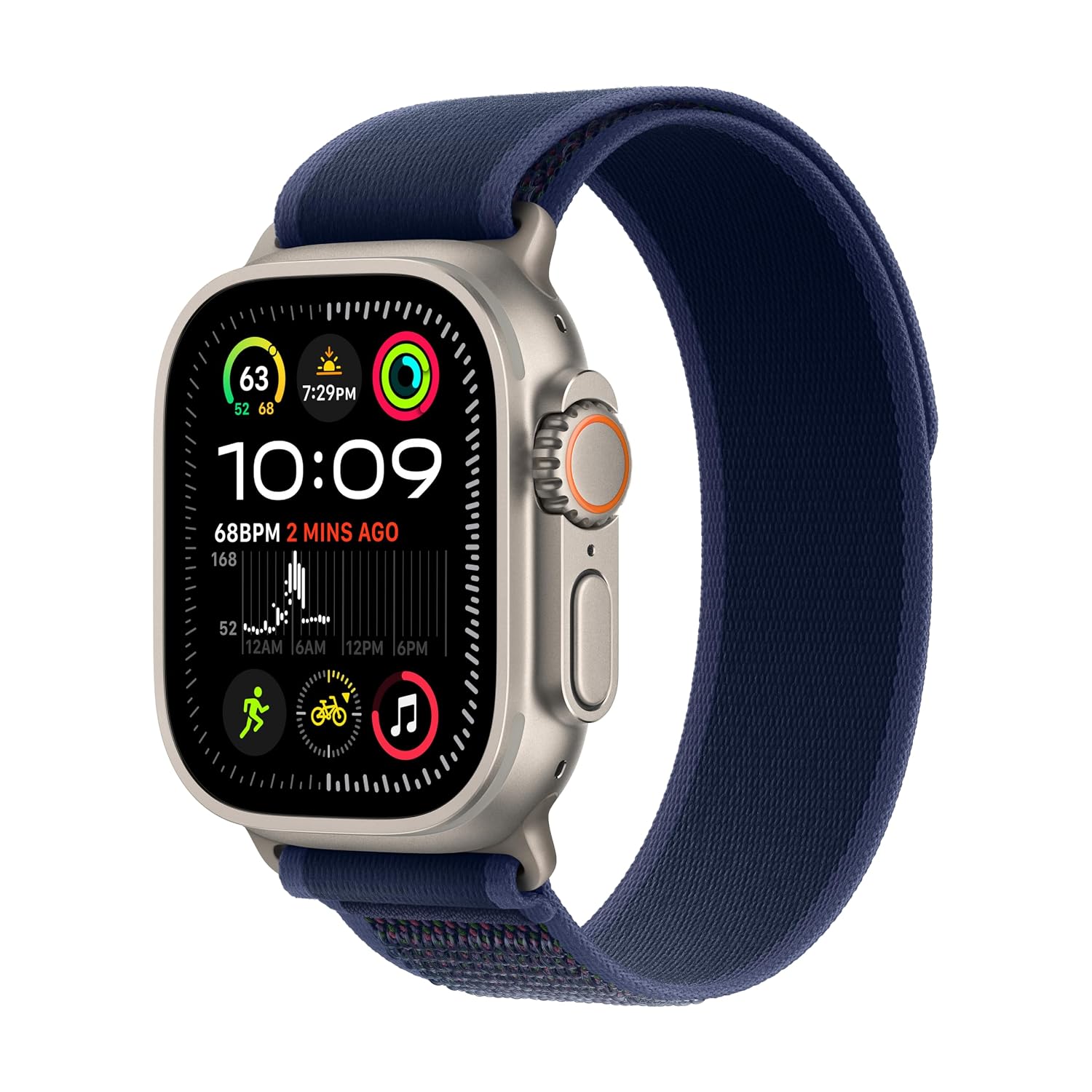
Apple Watch Ultra 2 is the best “one device” sleep option for many iPhone users. Sleep stages, vitals, and Health app history are polished, and daytime utility is unmatched. The catch is the same Apple Watch problem: charging habits can interrupt overnight trend continuity. Ultra improves endurance versus standard Apple Watch models, which helps sleep tracking in practice. Still, it is not a week-long ring. If you forget to charge before bed, you lose the night that mattered. Where Ultra wins is consolidation. If you already want dive/adventure durability, training metrics, notifications, and sleep in one purchase, paying for a separate ring may be unnecessary. Choose Ultra if your wearable life is already Apple-centric and sleep is one major feature among many. Skip it if sleep specialization and multi-day wear are the top priorities.
Estimated ownership: about $799 in year 1 and
$799 over 3 years.
Hardware-only estimate; Apple Watch Ultra is expensive upfront but has no sleep membership wall.
Detailed reviews
Oura Ring 4
Pros
Cons
Choose this if
Skip this if
WHOOP 5.0
Pros
Cons
Choose this if
Skip this if
Polar H10
Pros
Cons
Choose this if
Skip this if
Ultrahuman Ring Air
Pros
Cons
Choose this if
Skip this if
Garmin Venu 3
Pros
Cons
Choose this if
Skip this if
Polar Verity Sense
Pros
Cons
Choose this if
Skip this if
Apple Watch Ultra 2
Pros
Cons
Choose this if
Skip this if
A simple stack that stays fun
- Pick one in-session HR source (H10 first; Verity if straps are a hard no).
- Pick one overnight recovery narrator (Oura or Ultrahuman; WHOOP if you already pay for coaching).
- Keep a daily-driver watch only if you want one anyway (Venu 3 or Ultra 2).
- Log how you felt. The journal entry beats a glamorous wrong number.
- Re-check safety basics before you optimize dashboards.
Quick picks by persona
- Accuracy nerd: Polar H10 + Oura
- Strap-averse: Polar Verity Sense + Ultrahuman
- Coaching junkie: WHOOP (+ H10 on hard thermal days)
- One-watch lifestyle: Garmin Venu 3
- Apple water athlete: Ultra 2 (+ H10 when truth matters)
Optical PPG hates motion, poor contact, water, and temperature swings that change blood flow at the wrist. Hot, sweaty, steamy, or ice-cold wrists are basically a villain origin story for wrist sensors. If you care about heart rate during the session, yes more often than not. Polar H10-class straps remain the practical gold standard when optics get theatrical. Usually no need. Rings shine overnight for HRV and skin-temp trends after thermal days. Plunge fashion is optional; recovery storytelling is the job. No. They track peripheral or skin-adjacent signals and trends. Useful context — not a replacement for clinical thermometry or cabin air gauges. Absolutely not. Dizziness, chest pain, confusion, and “this feels wrong” still outrank any green recovery score. See the safety guide for stop rules and baselines. Polar H10 for in-session HR honesty + Oura or Ultrahuman for overnight recovery. Add a full smartwatch only if you already want one as a daily driver.Wearables during thermal stress FAQ
Why does my watch heart rate go weird in the sauna or plunge?
+
Is a chest strap worth it for thermal sessions?
+
Should I wear my ring into the cold plunge?
+
Are skin-temperature wearables measuring core temperature?
+
Can wearables replace safety judgment?
+
What is a sane starter stack?
+
This comparison is designed for practical decision-making. Product capabilities, pricing, and memberships change quickly, so treat battery claims, plan costs, and feature availability as moving targets.
Climate-chamber validation: physical activity, cognitive stress, and hot/cold ambient conditions all move optical HR error — useful humility for sauna and cold-room readings. Water + arm motion crush wrist optical HR accuracy versus chest-strap reference — a cautionary tale for plunge-adjacent wrist tracking. PPG amplitude and SNR fall as temperature falls and when the medium shifts from air to water — cold fingers are not just a vibe problem. Why heat raises heart rate and cardiovascular demand — context for interpreting wearable HR climbs in the sauna. Safety baselines and overnight HRV deep-dives that pair with in-session thermal tracking.
Affiliate disclosure: some product links on Keersa Health may earn a commission at no extra cost to you.
Editorial recommendations are independent of commercial relationships.
Read our full disclosure.
Sources and editorial notes
Bottom line
Wearables during thermal stress are half science kit, half comedy club. Trust chest-strap heart rate when the session needs honesty, trust overnight recovery metrics for the day-after story, and treat steamy wrist optics as entertainment until proven otherwise. Related: Safety, Contraindications, and Monitoring, Cold Exposure Timing Around Training, Contrast Therapy Protocols, Infrared vs Traditional Heat Physiology, and Wearable HRV and Training Readiness.
Next: Designing a Heat and Cold Routine.