Fitness & Mobility guide · Updated 2026
Grip Strength as a Health Biomarker: Dynamometers, Norms & How to Track It at Home
A detailed 2026 guide to grip strength as a health biomarker — why maximal handgrip predicts risk in large cohorts, how to test with a standardized protocol, and which dynamometers are worth buying.
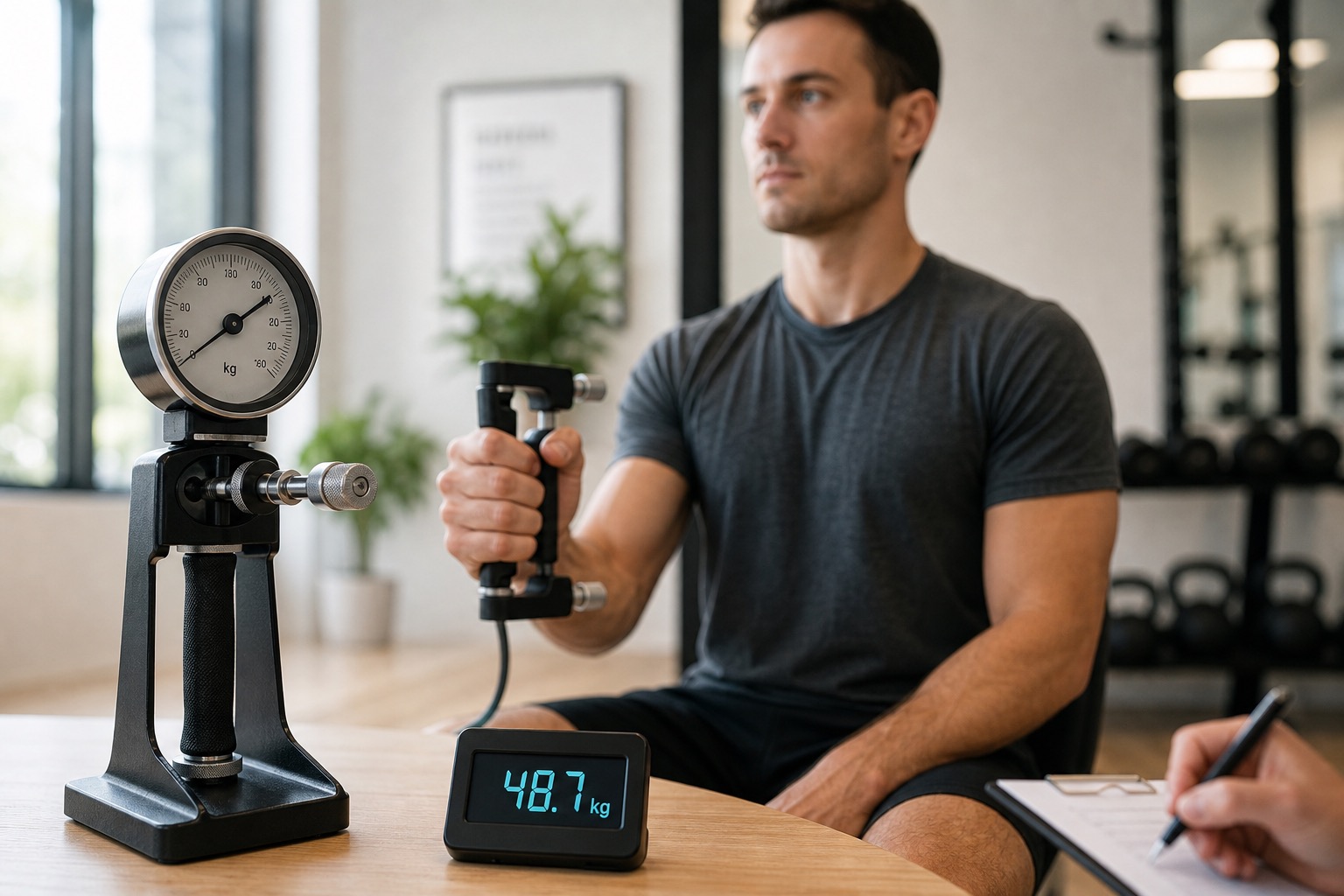
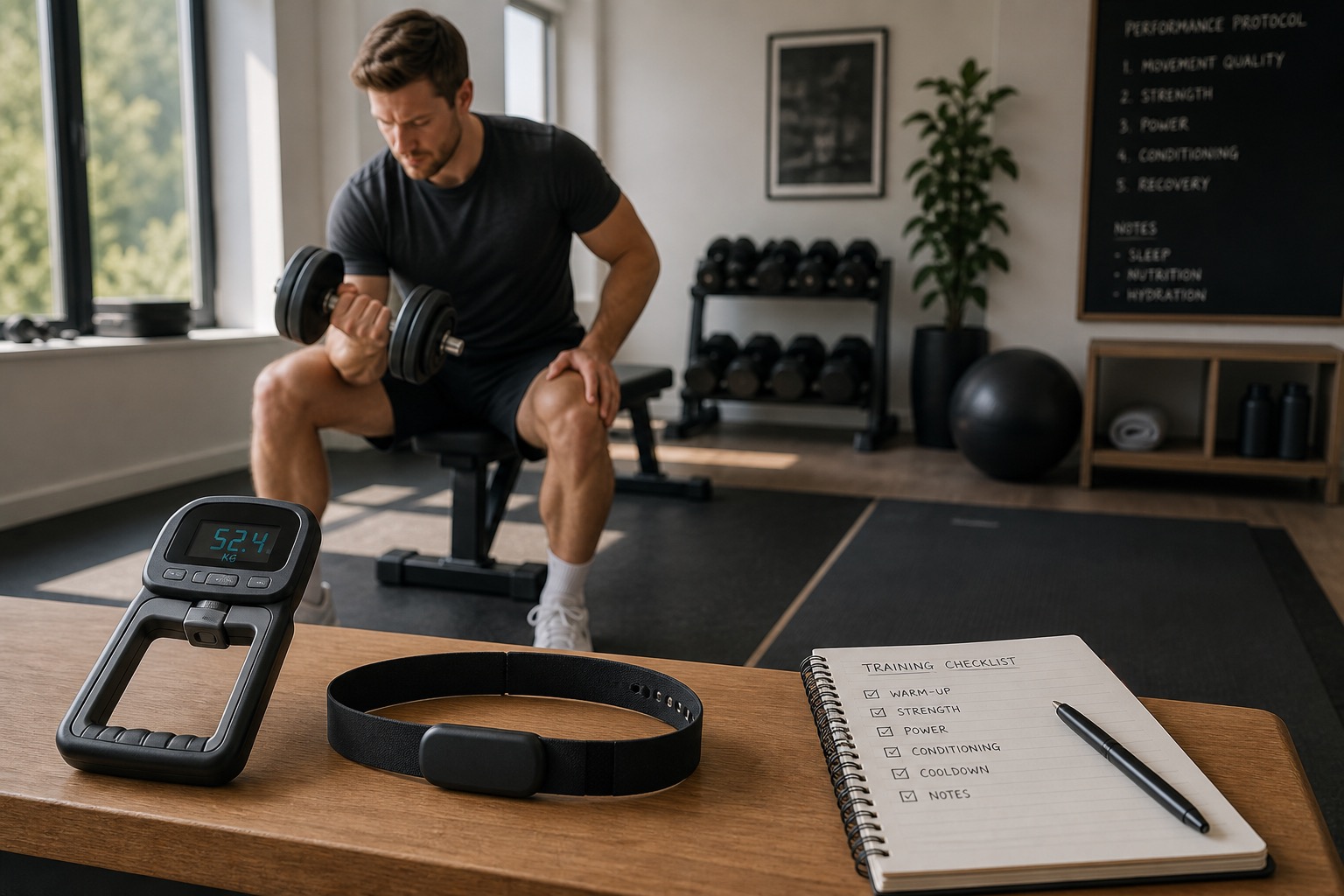
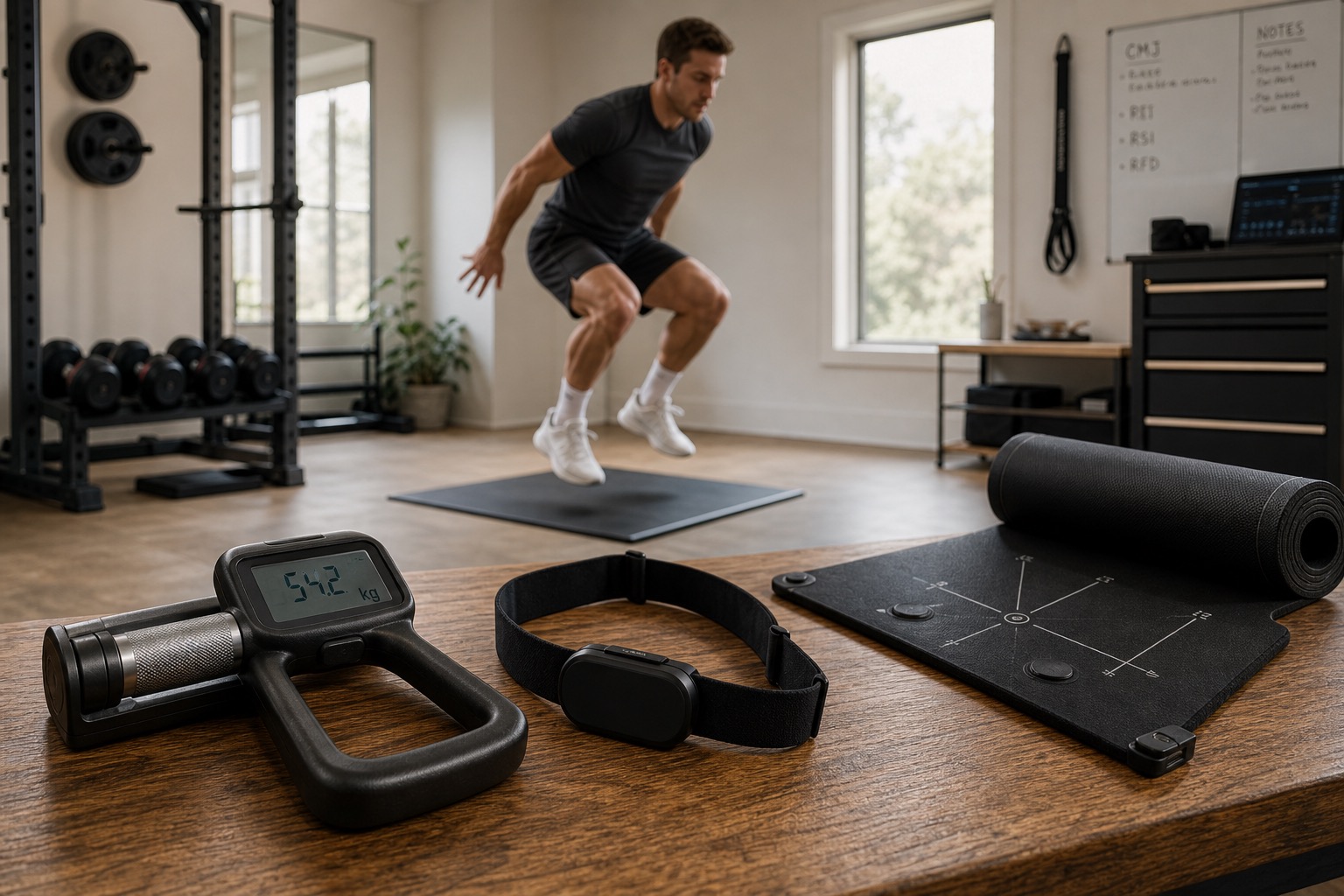
Grip strength is one of the cheapest signals in health and performance: squeeze a dynamometer, get a number, and you have a marker that shows up again and again in mortality and function research. In 2026 the useful question is not “is grip magical?” — it is whether you will measure it with a repeatable protocol and a device that matches your job (home trending, clinic norms, or rehab training).
Hydraulic dynamometers (Jamar class) still dominate published norms. Budget digital meters (Camry class) make home tracking realistic. Connected clinic sensors add force curves and biofeedback. What none of them do is replace blood pressure, labs, or a clinician when something is wrong.
Key takeaways
- Best research reference: Jamar Hydraulic — the instrument class behind many norms and cohorts.
- Best digital gold-standard feel: Jamar Plus.
- Best home value: Camry EH101 — cheap digital trending if protocol stays fixed.
- Best hydraulic alternative: Baseline Hydraulic.
- Best wireless clinic sensor: KINVENT K-Grip.
- Best rehab engagement tool: GripAble Pro.
- Biggest buying mistake: chasing online cut-points on a different device — or buying clinic hardware for a once-a-year curiosity squeeze.
How we evaluate grip dynamometers
Editorial scores favor tools that produce decision-useful grip numbers for everyday athletes and longevity-minded adults — not novelty crush toys. We score each option across five pillars:
- Measurement credibility (25%) — hydraulic vs digital class, span adjustability, peak capture.
- Protocol fit (20%) — suitability for standardized seating/handle testing.
- Tracking friction (20%) — readout clarity, logging, multi-user practicality.
- Ownership cost (20%) — hardware over 1–3 years (almost no memberships here).
- Buyability (15%) — Amazon path vs specialty clinic channels.
Important limitation: Keersa Health scores are editorial synthesis based on publicly documented features and published grip-strength evidence. They are not device calibrations. SKUs and firmware change — verify before buying.
Why grip shows up in longevity research
In the PURE study, lower grip strength associated with higher all-cause and cardiovascular mortality across diverse countries. UK Biobank analyses similarly link grip to cardiovascular, respiratory, and mortality outcomes at population scale. Reviews for older adults treat grip as a practical biomarker of muscle function and risk — because it is fast, cheap, and prognostic.
That does not mean a single weak squeeze diagnoses disease. It means grip belongs on a simple health dashboard next to resting heart rate, waist, and walking fitness — especially if you track change over years.
Features that matter most
- Hydraulic vs spring digital — reference class versus home value.
- Adjustable handle span — required for fair comparisons across hands and visits.
- Peak hold / clear readout — reduces transcription error.
- App sync — useful for rehab; optional for biomarker checks.
- Protocol discipline — the real accuracy upgrade.
Interactive comparison
Filter by form factor, sort by score or price, and pin up to three options for a focused side-by-side view.
Tradeoff:
Sticker price still matters here — most options are one-time hardware buys, so the three-year estimate mainly reflects purchase price plus expected upkeep.
Estimates are directional and based on common public pricing patterns. Promotions, refurbished units, family plans, and tier changes can move these numbers materially.
3-year cost of ownership
Device
Year 1
3-year estimate
Amazon Price
Jamar Hydraulic Hand Dynamometer
$360
$380
$292.99
Jamar Plus Digital
$465
$495
—
Camry EH101
$35
$45
$31.99
KINVENT K-Grip
$620
$680
—
Baseline Hydraulic Dynamometer
$290
$310
$199
GripAble Pro
$430
$490
—
Form factor decides the job. Hydraulic meters match classic norms research. Budget digitals make home trending easy. Connected grips add biofeedback and rehab workflows.Hydraulic vs digital home meters vs connected clinic grips
Choose a hydraulic Jamar-class meter if...
Choose a Camry-class digital meter if...
Choose a connected clinic or rehab grip if...
Wait on the category if...
Below are deeper notes on every option in the comparison table, sorted by editorial score. Jump directly from the table pins or the cost section.
Jamar / Lafayette · Dynamometer
Best for: Protocol-aligned grip testing against the hydraulic gold standard used in major cohorts and norms
The Jamar hydraulic dynamometer is still the reference instrument behind many normative tables and large cohort protocols. Buy it when you want numbers that map cleanly to published grip norms — not when you only need a cheap home trend line. PURE and many clinical protocols used Jamar-class hydraulics. Matching the instrument class improves comparability to published cut-points. Follow a standardized seated protocol (elbow flexed, consistent handle position, multiple trials). Hardware alone does not create a valid test. Choose Jamar Hydraulic if norms and research comparability matter. Skip it if a validated digital budget meter is enough for personal trending.
Estimated ownership: about $360 in year 1 and
$380 over 3 years.
Hardware only. Occasional calibration/service if used heavily in clinic settings.
Jamar / Lafayette · Dynamometer
Best for: Gold-standard form factor with a digital readout for clearer peak capture and recording
Jamar Plus keeps the clinical handle geometry people trust and adds a digital display for cleaner peak readings. Buy it when you want gold-standard ergonomics without squinting at a dial. Digital does not automatically mean interchangeable with Camry absolute values — still standardize your own device and protocol. Useful in multi-tester clinics where dial parallax and transcription errors matter. Choose Plus for digital convenience on a Jamar body. Skip it if hydraulic analog is fine or budget dominates.
Estimated ownership: about $465 in year 1 and
$495 over 3 years.
Hardware plus occasional batteries. Specialty / medical supply channels.
Camry · Dynamometer
Best for: Affordable digital grip trending at home with onboard age/sex status cues
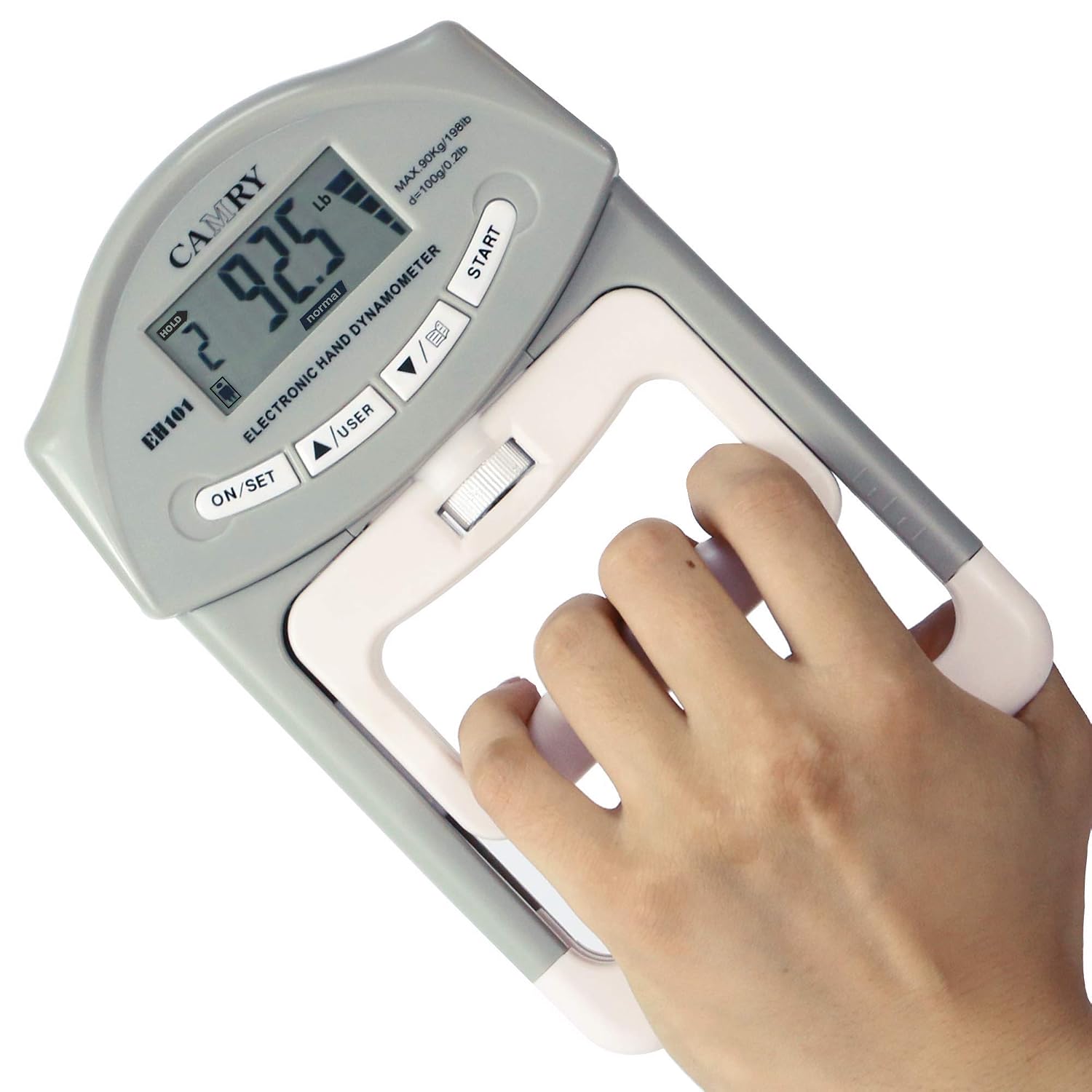
Camry EH101 is the practical home biomarker meter: cheap, digital, and good enough to track your own grip over months if you keep protocol constant. Buy it for trends — not as a drop-in replacement for published Jamar cut-points. Use the same handle setting, seating, and trial count every time. Device consistency beats chasing perfect absolute accuracy. Published comparisons with Jamar exist in older-adult samples; still treat Camry kg and Jamar kg as related, not identical currencies. Choose Camry to start measuring this week. Escalate to Jamar/KINVENT if you need clinic-grade comparability.
Estimated ownership: about $35 in year 1 and
$45 over 3 years.
Hardware plus AAA batteries. Best value entry for personal trending.
KINVENT · Dynamometer
Best for: Wireless grip force curves, biofeedback, and clinic/rehab progress tracking
KINVENT K-Grip is the connected clinic pick: wireless grip measurement with app biofeedback for rehab and performance monitoring. Buy it when force curves and engagement matter — not for a one-number birthday biomarker check. Peak force is still the longevity-relevant headline metric; curves help rehab and fatigue protocols more than mortality screening. Pair with a written protocol so app features do not replace seating/handle consistency. Choose K-Grip for clinics and serious rehab. Skip it if Camry/Jamar already covers your job.
Estimated ownership: about $620 in year 1 and
$680 over 3 years.
Hardware plus optional software tiers depending on clinic setup. Not a mass-market Amazon SKU.
Baseline · Dynamometer
Best for: Hydraulic grip testing in the Jamar-style class at a often slightly lower retail price
Baseline hydraulic dynamometers are the common Jamar-style alternative for clinics and serious home labs that want hydraulic feel without always paying flagship branding. Buy for hydraulic protocol work — still standardize against your own device. Hydraulic class matters more than logo for many home users — but published norms are often Jamar-specific. If you switch brands mid-tracking, re-baseline rather than comparing old and new kg blindly. Choose Baseline when hydraulic + value matter. Skip it if you specifically need the Jamar research reference.
Estimated ownership: about $290 in year 1 and
$310 over 3 years.
Hardware only. Compare street price versus genuine Jamar before assuming savings.
GripAble · Dynamometer
Best for: Assessment plus motivating grip/wrist rehab games when adherence is the bottleneck
GripAble Pro sits at the rehab end of this category: measure grip, then train with engaging activities. Buy it when hand therapy adherence matters — not when you only need a quarterly max-grip number for a health log. Longevity literature cares about maximal grip under standardized conditions. Games help training; they do not replace a clean max test. Useful after injury or for neurological rehab contexts where motivation collapses with boring squeezes. Choose GripAble for rehab engagement. Skip it for a pure biomarker dashboard (Camry/Jamar).
Estimated ownership: about $430 in year 1 and
$490 over 3 years.
Hardware plus any clinic/app licensing. Specialty rehab channel.
Detailed reviews
Jamar Hydraulic Hand Dynamometer
Pros
Cons
Choose this if
Skip this if
Jamar Plus Digital
Pros
Cons
Choose this if
Skip this if
Camry EH101
Pros
Cons
Choose this if
Skip this if
KINVENT K-Grip
Pros
Cons
Choose this if
Skip this if
Baseline Hydraulic Dynamometer
Pros
Cons
Choose this if
Skip this if
GripAble Pro
Pros
Cons
Choose this if
Skip this if
How to choose the right dynamometer
- Name the job. Home trend, Jamar-norm comparison, clinic force curves, or rehab games?
- Pick a device class. Camry for cheap trends; hydraulic Jamar/Baseline for norms; KINVENT/GripAble for connected rehab.
- Write the protocol. Seat, elbow, handle position, trials, rest — then never freestyle it.
- Track change, not ego. Your delta over 6–12 months beats a one-off online percentile.
- Train the system, not only the crusher. Full-body strength still drives health.
- Escalate symptoms. Pain, numbness, or sudden weakness need clinical evaluation.
Quick recommendations by persona
- Want research-comparable hardware: Jamar Hydraulic
- Want digital Jamar convenience: Jamar Plus
- Want cheapest serious home meter: Camry EH101
- Want hydraulic value alternative: Baseline Hydraulic
- Want wireless clinic biofeedback: KINVENT K-Grip
- Want rehab games + assessment: GripAble Pro
Large cohorts (PURE, UK Biobank) link lower grip strength with higher mortality and cardiovascular risk. It is a strong, cheap risk marker — not a diagnosis, and not a substitute for blood pressure, lipids, or clinical care. For personal trending with a fixed protocol, Camry-class digital meters are often enough. For comparing to published Jamar norms or clinic protocols, a hydraulic Jamar (or close hydraulic peer) is the better match. Sit upright, elbow flexed about 90°, use the same handle position every time, squeeze maximally for a few seconds, rest between trials, and record the best (or average) of repeated efforts — consistently. Protocol beats gadget marketing. Cautiously. Absolute values can differ across brands. Prefer tracking your own change over time on one device, or use Jamar-class hardware if you need published cut-points. Specific grip training can raise dynamometer scores. Whole-body strength training also matters for health. Do not chase grip numbers while ignoring legs, aerobic fitness, sleep, and medical risk factors. Sudden drops, hand pain, numbness, or weakness with other symptoms deserve clinical evaluation. A low home reading is a prompt for context — not a self-diagnosis of frailty or disease.Grip strength as a health biomarker FAQ
Is grip strength really a longevity biomarker in 2026?
+
Do I need a Jamar, or is Camry good enough?
+
How should I test grip strength at home?
+
Can I compare my kg reading to online charts from a different device?
+
Does training grip with crushers improve the biomarker?
+
When should I talk to a clinician about low grip?
+
This comparison is designed for practical decision-making. Product capabilities, pricing, and memberships change quickly, so treat battery claims, plan costs, and feature availability as moving targets.
Large multinational cohort linking lower grip strength to higher all-cause and cardiovascular mortality — foundational biomarker evidence. UK Biobank analysis (~500k adults) reinforcing inverse associations between grip strength and multiple hard outcomes. Practitioner-facing synthesis of why grip strength tracks frailty, function, and clinical risk in older adults. Consolidated Jamar norms by age and sex — still the reference frame many clinics compare against. Defines protocol essentials: seating, elbow position, handle span, trials, and reporting — so home tests can stay comparable. Compares Camry-class digital devices with Jamar in older adults — useful for budget buyers who still want trendable numbers.
Lafayette / Jamar hand dynamometer documentation
Hydraulic and Plus digital models, handle positions, and accessories change by SKU; verify calibration and warranty channels.
KINVENT K-Grip product documentation
Wireless sampling rates, app features, and force limits change by generation; treat as a clinic/rehab stack, not a $30 home meter.
Affiliate disclosure: some product links on Keersa Health may earn a commission at no extra cost to you.
Editorial recommendations are independent of commercial relationships.
Read our full disclosure.
Sources and editorial notes
Bottom line
Grip strength earns its biomarker reputation because it is simple, repeatable, and repeatedly associated with hard outcomes in large studies. It earns a place in your kit when you buy an appropriate dynamometer and use a boring standardized protocol. Start with Camry if you need a number this month; step up to Jamar-class hydraulics if you care about published norms; buy connected clinic tools only when rehab or force-curve workflows justify them.
Related: Force Plates for Everyday Athletes, Form Feedback Cameras and AI Coaching, Wearable HRV and Training Readiness, Smart Resistance Equipment, and Mobility Tools That Earn a Place.