Fitness & Mobility guide · Updated 2026
GPS and Power Meters for Endurance: Watches, Head Units & the Metrics That Change Pacing
A detailed 2026 guide to GPS watches, bike computers, cycling power meters, and running power footpods — what actually improves pacing decisions outdoors.
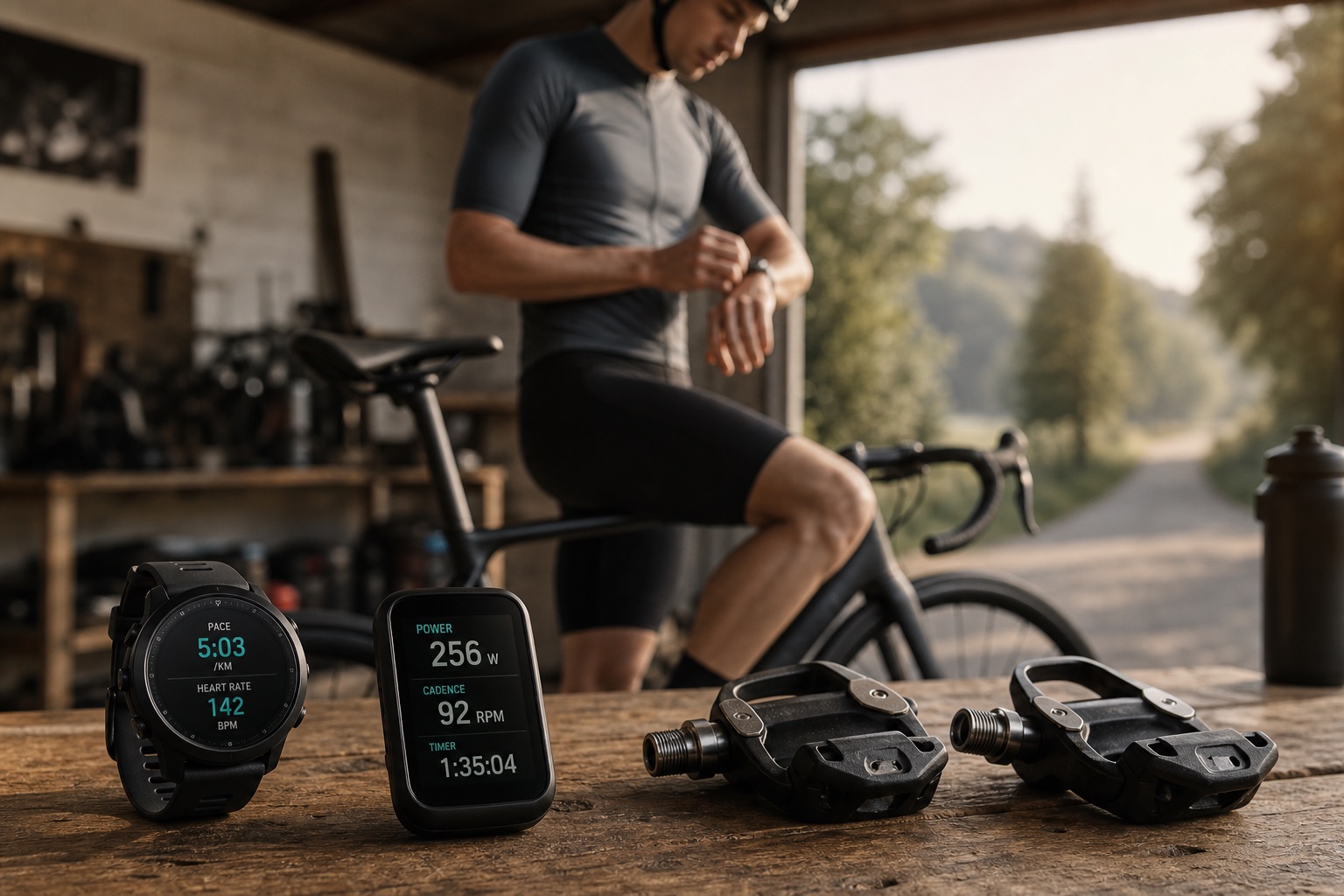
GPS and power meters for endurance only matter when they change a pacing decision you make under fatigue. In 2026 the shelf is crowded with multiband watches, bright bike computers, pedal power meters, and running-power footpods. The useful split is simple: GNSS tools tell you where and how fast you moved; power tools estimate or measure mechanical intensity when speed lies.
A running watch is the outdoor computer most athletes start with. A bike computer puts routes and watts where cyclists can see them. A pedal power meter measures cycling output. A running power pod estimates running intensity when hills and wind scramble pace. What these tools do for you is turn outdoor sessions into controllable training — if you pick the signal that matches the problem.
Key takeaways
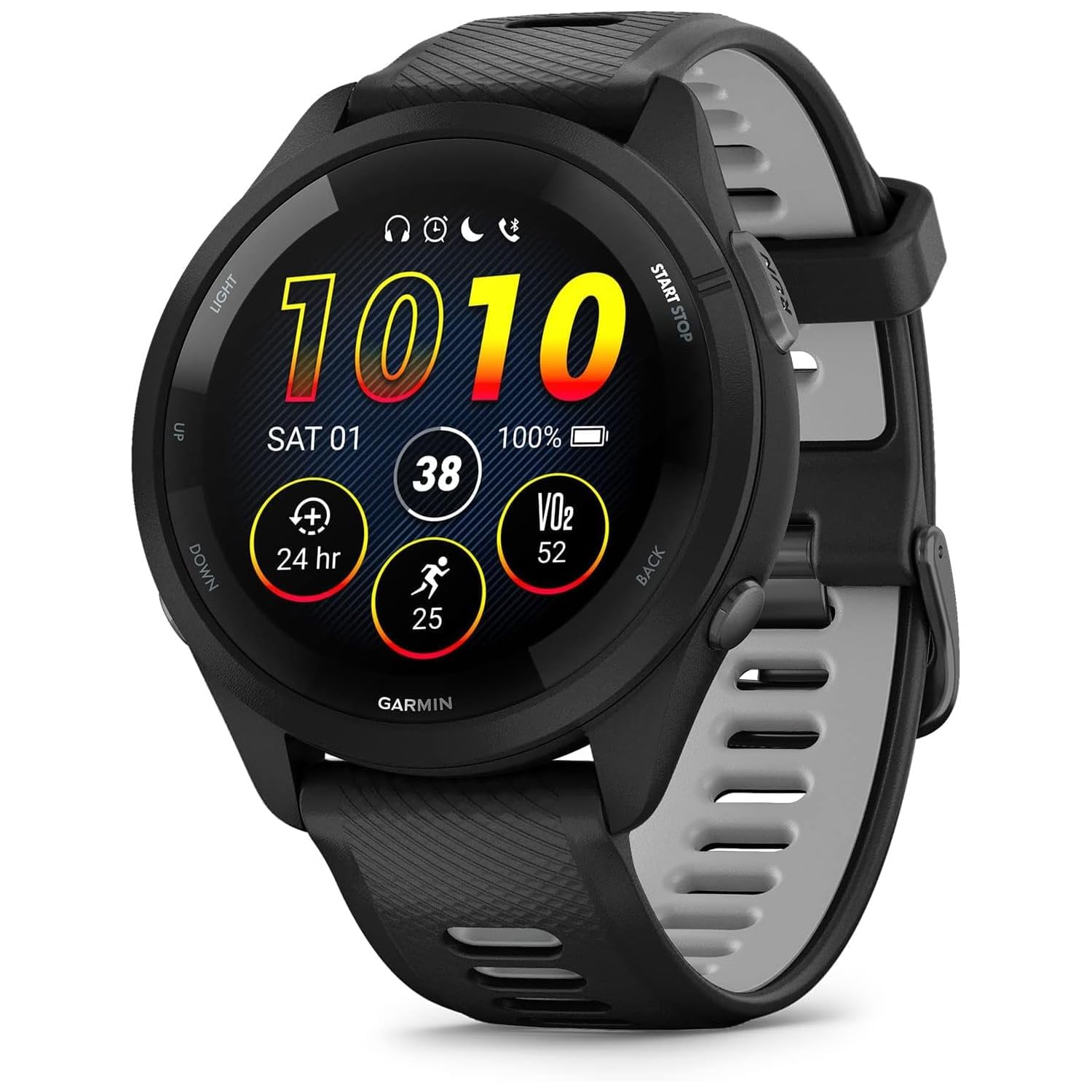
- Best mid-tier running GPS: Garmin Forerunner 265 — multiband GNSS + mature training tools.
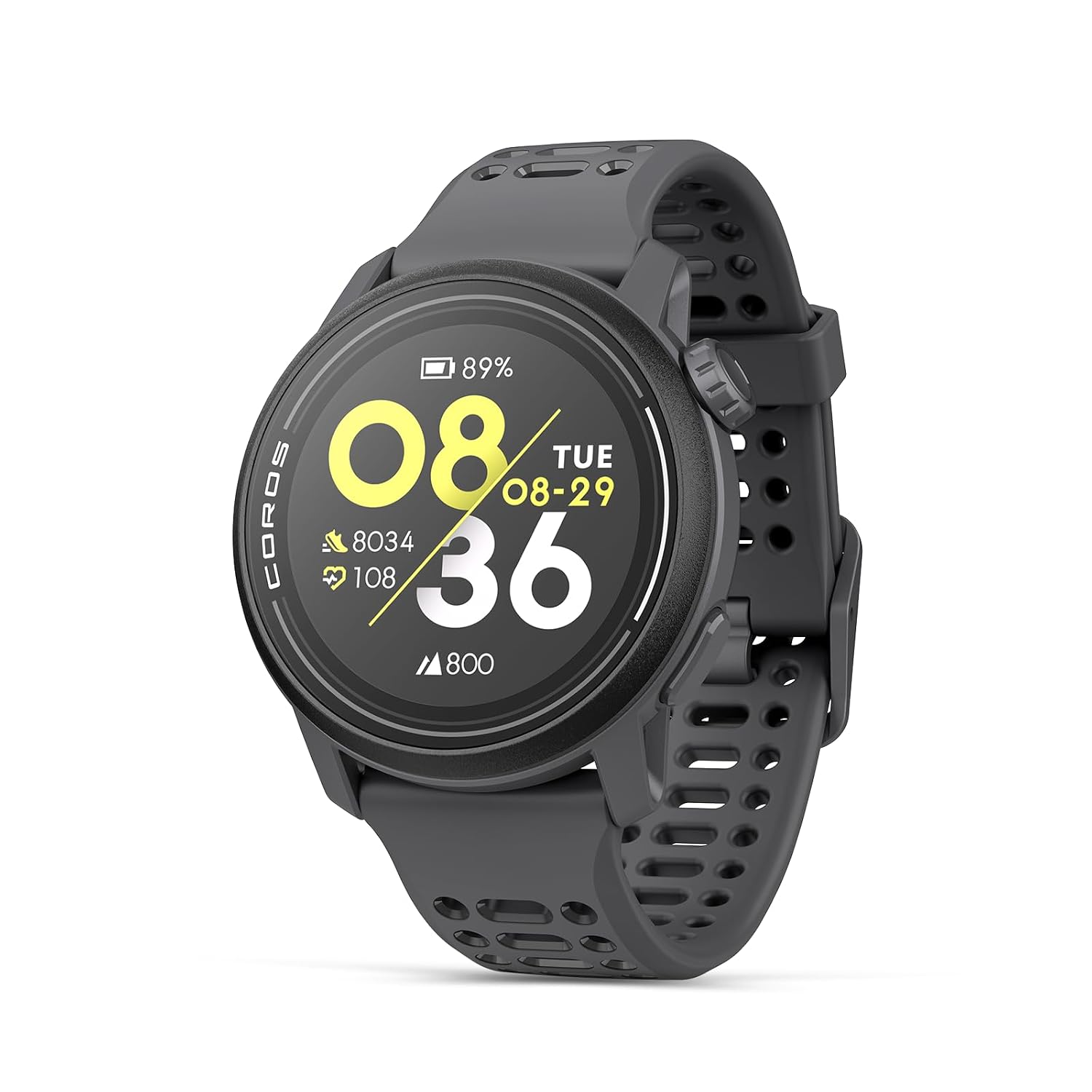
- Best value GNSS watch: COROS Pace 3 — battery and price without junk-tier tracking.
- Best dedicated bike computer (Garmin): Edge 540.
- Best simple bike computer alternative: Wahoo ELEMNT BOLT V2.
- Best everyday dual-sided bike power: Favero Assioma Duo.
- Best running-power add-on: Stryd.
- Biggest buying mistake: comparing running-watch “watts” to pedal power — or buying sensors you will not use to set intensity.
How we evaluate GPS and power tools
Editorial scores favor tools that improve outdoor pacing decisions for everyday endurance athletes — not gadget checklists. We score each option across five pillars:
- Signal honesty (25%) — GNSS quality, measured vs estimated power, dual-sided truth.
- Pacing usefulness (25%) — whether the metric changes intervals, long-run effort, or race tactics.
- Workflow friction (20%) — charging, mounting, pairing, ecosystem lock-in.
- Ownership cost (15%) — hardware without mandatory memberships.
- Buyability (15%) — Amazon path and real-world availability.
Important limitation: Keersa Health scores are editorial synthesis based on publicly documented features and published validity themes. They are not lab certifications. Firmware, GNSS chipsets, and power-meter revisions change — verify before buying.
Which metric actually matters
Consumer GPS speed and position error grow in tough environments — classic locomotion GPS work made that clear long before marketing invented “multiband.” Better GNSS helps. It does not invent perfect splits in a downtown canyon.
Cycling power meters are a mature measurement class with published validity caveats around accuracy, repeatability, and outdoor robustness. Running power is different: commercial systems estimate intensity, and peer-reviewed comparisons show large differences in repeatability — with footpod approaches like Stryd often leading the consumer pack for consistency and VO₂ relationships in tested conditions.
Critical-power style thinking still beats random surges: durable pacing needs a sustainable intensity model, not just a prettier map screen.
Buy for the bottleneck
- Noisy outdoor pace: better GNSS watch or footpod.
- Bike intensity outdoors: dual-sided power + head unit.
- Hilly / windy running: running power after pace/HR basics exist.
- Navigation-first rides: dedicated bike computer.
Interactive comparison
Filter by form factor, sort by score or price, and pin up to three options for a focused side-by-side view.
Tradeoff:
Sticker price still matters here — most options are one-time hardware buys, so the three-year estimate mainly reflects purchase price plus expected upkeep.
Estimates are directional and based on common public pricing patterns. Promotions, refurbished units, family plans, and tier changes can move these numbers materially.
3-year cost of ownership
Device
Year 1
3-year estimate
Amazon Price
Favero Assioma Duo
$715
$765
$628
Garmin Forerunner 265
$470
$520
$438.95
Garmin Edge 540
$370
$420
$314.99
Stryd
$279
$349
$89.90
COROS Pace 3
$239
$269
$199
Wahoo ELEMNT BOLT V2
$295
$335
—
Form factor decides the job. Watches cover running GNSS and all-day wear. Bike computers display routes and watts on the bars. Power sensors create the intensity signal computers merely show.Watches vs bike computers vs power sensors
Choose a GNSS running watch if...
Choose a bike computer if...
Choose dual-sided pedal power if...
Choose a running power footpod if...
Below are deeper notes on every option in the comparison table, sorted by editorial score. Jump directly from the table pins or the cost section.
Favero · Power-meter
Best for: Dual-sided pedal power that swaps between bikes and pairs with most ANT+/Bluetooth head units
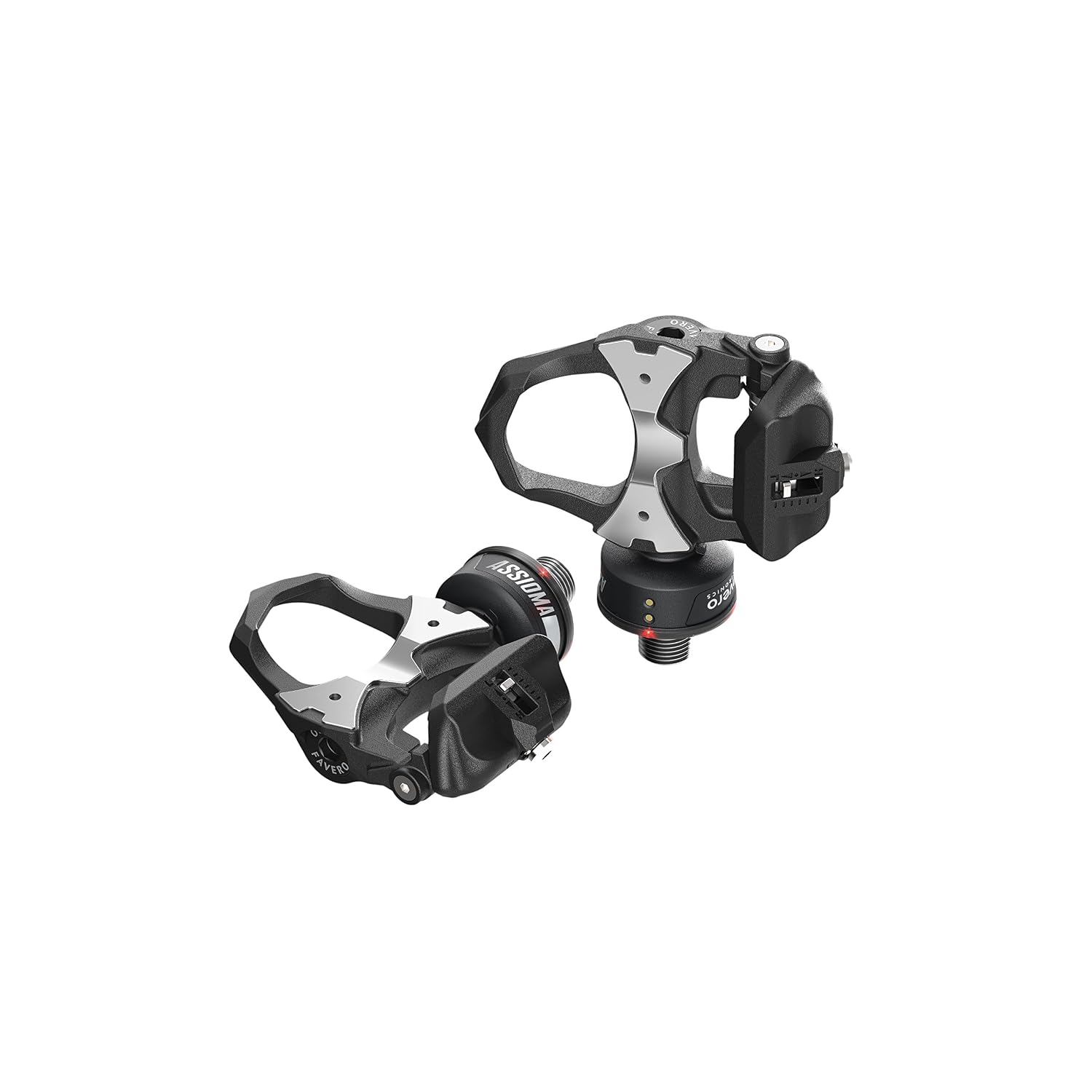
Assioma Duo is the everyday dual-sided cycling power meter that most often earns the money: measurable watts at the pedals, swappable between bikes, and compatible with the GPS computer you already trust. Cycling power is a direct mechanical measurement class — different from estimated running power. Treat them as separate tools. Single-sided meters can be fine starters; dual-sided is the cleaner long-term buy for L/R and consistency. Choose Assioma for portable dual-sided watts. Skip it if you need a spider/crank solution for non-Keo pedals.
Estimated ownership: about $715 in year 1 and
$765 over 3 years.
Assumes pedals plus occasional cleats. Head unit sold separately.
Garmin · Watch
Best for: Everyday runners who want multiband GNSS, training load tools, and optional running-power estimates without a Fenix price
Forerunner 265 is the practical endurance GPS watch for runners who want accurate enough outdoor pace, structured workouts, and Garmin’s training-status stack without flagship money. Buy it for GNSS + coaching workflow — not as a substitute for a dual-sided bike power meter. GPS pace is still noisy under trees and downtown canyons. Multiband helps; it does not create perfect splits. Use the watch as the session computer. Escalate to Stryd when hills/wind make pace a bad intensity proxy. Choose Forerunner if you live in Garmin Connect. Skip it if battery-per-dollar and lightness dominate — look at COROS.
Estimated ownership: about $470 in year 1 and
$520 over 3 years.
Hardware plus optional chest strap / footpod. No mandatory training membership.
Garmin · Bike-computer
Best for: Cyclists who want a dedicated GNSS head unit that pairs cleanly with power meters and displays watts where they belong
Edge 540 is the everyday dedicated cycling GPS: put pace, watts, and navigation on the bars instead of squinting at a watch. Pair it with Assioma-class pedals when training decisions need power, not just speed. A bike computer without a power meter is still useful for routes and pacing — but structured cycling intensity usually wants watts. Mount quality and charging habits matter as much as GNSS modes. Choose Edge if cycling is primary. Skip it if you only run and already own a capable watch.
Estimated ownership: about $370 in year 1 and
$420 over 3 years.
Computer only. Budget separately for a dual-sided power meter if watts are the goal.
Stryd · Footpod
Best for: Runners who need a consistent intensity signal when GPS pace lies — hills, wind, and treadmill work
Stryd is the running-power tool that most often changes pacing decisions outdoors: when hills and wind scramble GPS pace, a consistent personal watt target can keep effort honest. It is not a tiny bike power meter. Validation work favors Stryd’s repeatability among commercial running-power options — still treat numbers as ecosystem-specific. Build your own critical power / training zones inside one device. Do not compare Stryd watts to a friend’s Garmin watch watts. Choose Stryd after you already train consistently with pace/HR. Skip it if flat-road pace already answers every workout.
Estimated ownership: about $279 in year 1 and
$349 over 3 years.
Hardware plus optional membership. Replace batteries/pod per Stryd guidance over years.
COROS · Watch
Best for: Value multiband GNSS running with class-leading battery for the price
COROS Pace 3 is the battery-and-value pick for endurance GNSS: lightweight, long-lived, and serious enough for structured running without paying Forerunner/Fenix premiums. If your bottleneck is forgetting to charge before long runs, battery life is a training feature. Keep intensity decisions simple: pace, HR, and RPE first; add running power later if needed. Choose Pace 3 for value GNSS. Skip it if you need Garmin’s deepest multisport ecosystem.
Estimated ownership: about $239 in year 1 and
$269 over 3 years.
One of the best hardware-value entries. Optional HRM/footpod extras are separate.
Wahoo · Bike-computer
Best for: Cyclists who want a clean, phone-configured head unit that pairs beautifully with power meters and trainers
Wahoo BOLT V2 is the minimalist cycling GPS alternative to Garmin Edge: fewer rabbit holes, strong sensor pairing, and a display meant for watts and navigation without smartwatch cosplay. If you already own a Kickr/trainer, Wahoo’s ecosystem friction is lower. Choose BOLT for simple outdoor cycling computers. Skip it if you want the deepest Garmin navigation stack.
Estimated ownership: about $295 in year 1 and
$335 over 3 years.
Computer only. Pair with Assioma or a smart trainer for intensity control.
Detailed reviews
Favero Assioma Duo
Pros
Cons
Choose this if
Skip this if
Garmin Forerunner 265
Pros
Cons
Choose this if
Skip this if
Garmin Edge 540
Pros
Cons
Choose this if
Skip this if
Stryd
Pros
Cons
Choose this if
Skip this if
COROS Pace 3
Pros
Cons
Choose this if
Skip this if
Wahoo ELEMNT BOLT V2
Pros
Cons
Choose this if
Skip this if
How to choose the right stack
- Name the sport priority. Run-first, bike-first, or dual?
- Fix the lying metric. Pace noise vs missing bike watts are different purchases.
- One ecosystem when possible. Mixing five apps guarantees abandoned data.
- Calibrate and zero. Power without habits is decorative.
- Build personal baselines. Especially for running power — brand watts are not universal.
- Escalate sensors only after consistency. A $700 meter will not invent adherence.
Quick recommendations by persona
- Serious mid-pack runner: Forerunner 265
- Value / battery-first runner: COROS Pace 3
- Structured cyclist (Garmin): Edge 540 + Assioma Duo
- Wahoo indoor/outdoor rider: BOLT V2 + Assioma Duo
- Hilly-course runner: existing watch + Stryd
It helps most in cities, trails under canopy, and anywhere single-band GNSS gets jumpy. It is not required for every flat open-road runner — but it is one of the few watch features that can change split quality. No. Bike power meters measure mechanical output at pedals/crank/hub. Running power is estimated from sensors and models. Do not treat Stryd watts and Assioma watts as interchangeable currencies. If hills, wind, or treadmill work scramble pace decisions, a validated footpod like Stryd is usually the cleaner intensity signal. Watch estimates can be useful trends inside one brand — they are weaker for cross-device comparisons. Dual-sided is the better long-term buy for left/right insight and consistency. A good single-sided meter can still transform outdoor training if budget is tight — just know its limits. If cycling is your main sport and you use power, put watts on the bars with an Edge/Wahoo. A watch is fine for casual rides; it is a worse primary display for structured bike intervals. Pick the bottleneck: noisy outdoor pace → better GNSS or footpod pace/power; outdoor bike intensity → dual-sided watts; sustainable hard efforts → critical-power style targets, not ego surges.GPS and power meters for endurance FAQ
Do I need multiband GPS in 2026?
+
Is cycling power the same as running power?
+
Should runners buy Stryd or trust watch running power?
+
Do I need dual-sided cycling power?
+
Watch or dedicated bike computer?
+
What metric should change my pacing first?
+
This comparison is designed for practical decision-making. Product capabilities, pricing, and memberships change quickly, so treat battery claims, plan costs, and feature availability as moving targets.
Maps how cycling power-meter validity is tested (accuracy, repeatability, robustness) and why lab claims need careful interpretation outdoors. Head-to-head consumer power-meter comparison versus SRM — useful framing for dual-sided vs single-sided expectations. Found Stryd among the most repeatable commercial running-power tools and strongly related to VO₂ in the tested conditions — brands are not interchangeable. Practical reminder that power data only improves training when collection, calibration, and interpretation are disciplined. Explains why durable pacing decisions often depend on sustainable power concepts — not just a pretty GPS pace screen. Classic demonstration that consumer GPS speed/position error grows in challenging environments — context for multiband GNSS marketing.
Garmin Forerunner / Edge product documentation
GNSS modes, battery claims, and sensor pairings change by firmware and SKU; verify current specs.
Favero Assioma / Stryd product documentation
Claimed accuracy, cleat compatibility, and ecosystem pairings change by generation; confirm before purchase.
Affiliate disclosure: some product links on Keersa Health may earn a commission at no extra cost to you.
Editorial recommendations are independent of commercial relationships.
Read our full disclosure.
Sources and editorial notes
Bottom line
Endurance tech earns a place when it changes how hard you go for how long. Start with a GNSS device that fits your sport, add dual-sided bike power when outdoor cycling intensity matters, and add running power only when pace stops being a trustworthy intensity proxy. More graphs are not more fitness.
Related: Wearable HRV and Training Readiness, Smart Resistance Equipment, Mobility Tools That Earn a Place, and Force Plates for Everyday Athletes.