Recovery guide · Updated 2026
Float Tanks and Sensory Deprivation: Magnesium Sulfate REST Without the Myths
Flotation-REST for stress and anxiety — what reviews support, where recovery claims outrun data, and twelve access paths from studio sessions to home pods and salt supplies.
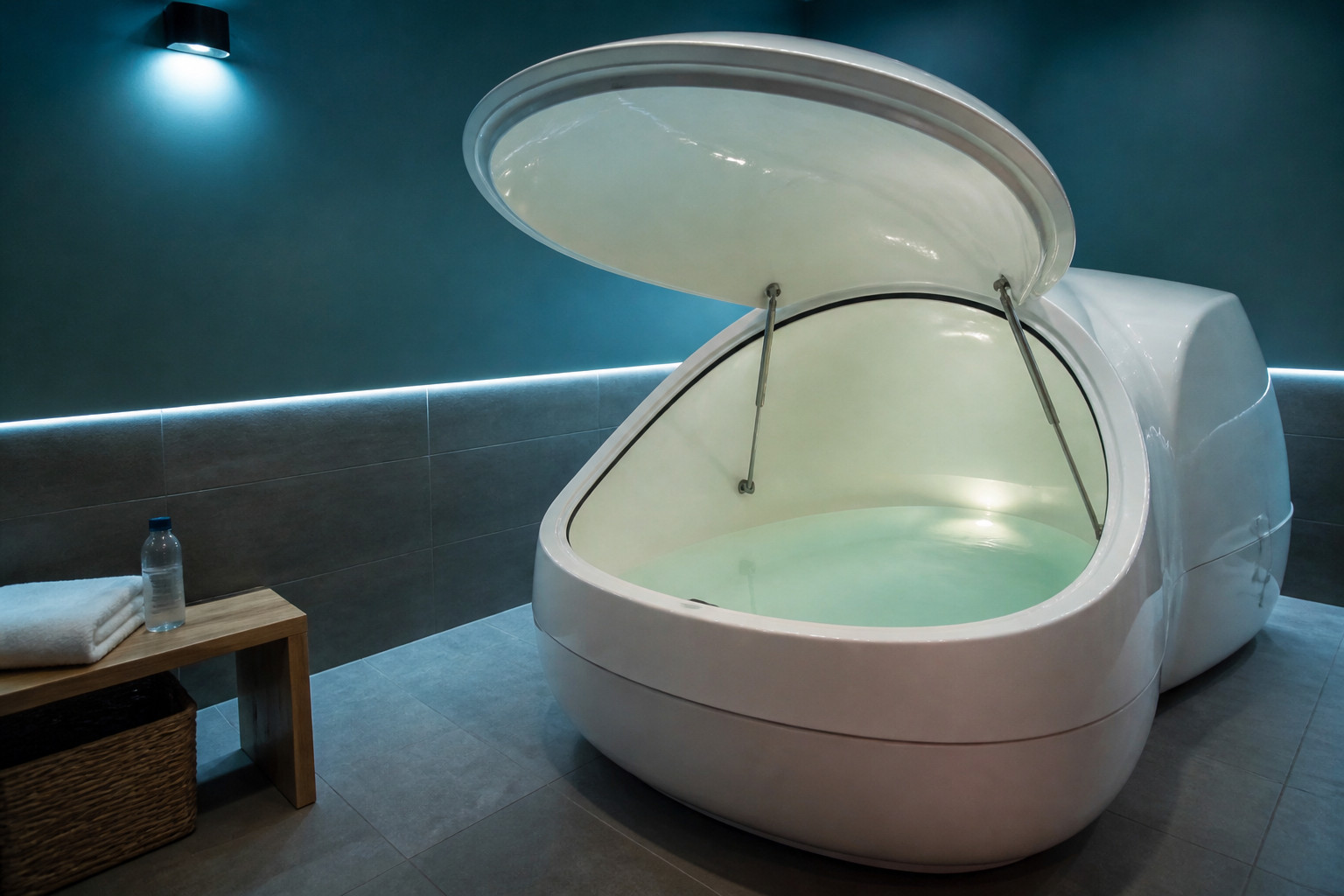
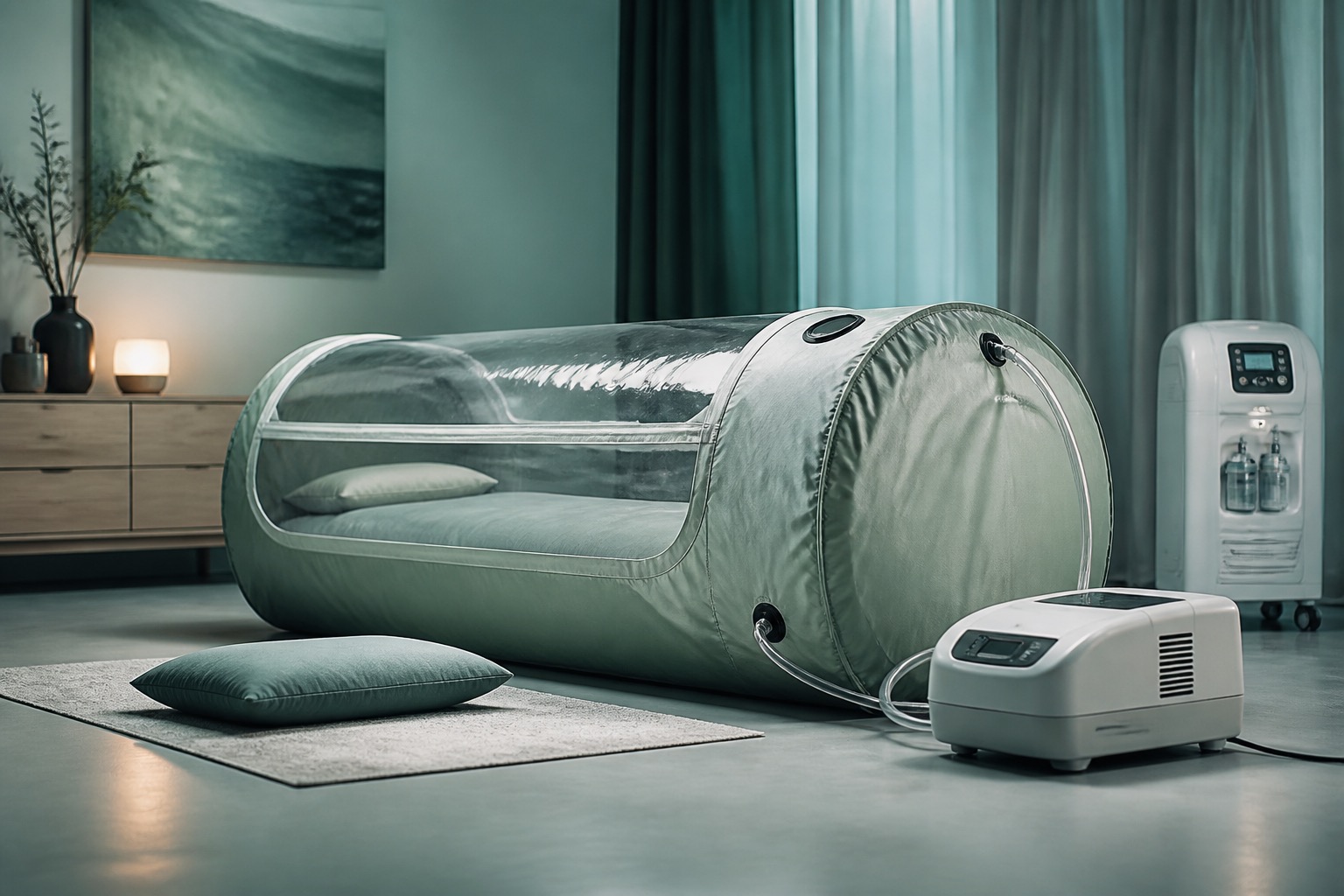
Float tanks sell a cinematic story: climb into a dark salt coffin, disappear from the world, emerge reborn. The mechanism is less mystical and more useful. In flotation-REST (restricted or reduced environmental stimulation therapy), you float supine in warm water saturated with magnesium sulfate (Epsom salt) so buoyancy is nearly effortless, while light, sound, and most tactile noise are turned down.
This guide compares twelve access paths — studio sessions, home and commercial pods, open cabins, and the Amazon-side supplies that actually keep a tank floatable. Related recovery tools with different jobs: Percussion Massage Devices and Pneumatic Compression Boots.
Key takeaways
- Best first move: commercial float center sessions until frequency is proven.
- Best mainstream home pod: Dreampod Home Float Plus class systems.
- Best classic mid-home tank: Oasis Relaxation System.
- Best lower-commitment home hardware: Dreampod Home Float FLEX.
- Best claustrophobia-friendly commercial path: open float cabin / open pool rooms.
- Non-negotiable home supply: bulk USP Epsom salt — not boutique bath jars.
- Evidence lane: strongest for short-term stress, anxiety, and well-being themes; weaker as a sleep-disorder or smoking-cessation therapy.
- Biggest buying mistake: financing a $10k pod after one Instagram float.
How we evaluate float access
Editorial scores reward honest REST delivery and ownership realism over “wellness room” peacocking:
- REST fidelity (30%) — buoyancy, darkness/quiet options, skin-temperature water.
- Access friction (20%) — studio vs home; how likely you are to actually float.
- Hygiene and chemistry (20%) — filtration, testing, sanitation discipline.
- Evidence honesty (15%) — stress/anxiety lane vs overclaimed recovery miracles.
- Ownership cost (15%) — sessions, salt, electricity, freight, room build-out.
What the evidence supports
van Dierendonck and te Nijenhuis’s meta-analysis framed flotation-REST as a useful stress-management tool with favorable physiology and well-being signals across included studies.
Feinstein et al. (2018) showed large short-term reductions in state anxiety and mood improvements after a single ~1-hour float in an anxious clinical sample — open-label and short-term, but directionally strong.
A 2025 systematic review mapping dozens of flotation-REST studies reports generally positive findings for pain, stress, athletic performance themes, mental well-being, and clinical anxiety, with limited to no clear benefit for sleep-related disorders and smoking cessation. Translation: float is a credible nervous-system intervention. It is not a blanket recovery appliance.
Specs that actually change the purchase
- Access model — session packages vs home ownership vs commercial capital.
- Architecture — enclosed pod vs open cabin/pool (claustrophobia and assisted access).
- Salt mass — hundreds of pounds of USP MgSO4 for home fills.
- Filtration and chemistry — the difference between a sanctuary and a science project.
- Session length — research and practice commonly cluster around ~60 minutes.
Interactive comparison
Filter by form factor, sort by score or price, and pin up to three options for a focused side-by-side view.
Tradeoff:
Sticker price still matters here — most options are one-time hardware buys, so the three-year estimate mainly reflects purchase price plus expected upkeep.
Estimates are directional and based on common public pricing patterns. Promotions, refurbished units, family plans, and tier changes can move these numbers materially.
3-year cost of ownership
Device
Year 1
3-year estimate
Amazon Price
Commercial Float Center Session
$1,920
$5,760
—
Dreampod Home Float Plus
$12,500
$14,500
—
Dreampod Commercial Float Pod
$28,000
$36,000
—
Commercial Open Float Cabin
$38,000
$48,000
—
Oasis Relaxation System
$9,500
$11,000
—
Mack's Pillow Soft Silicone Earplugs
$25
$50
$12.99
Float Lab Custom Float Room
$50,000
$58,000
—
Dreampod Home Float FLEX
$4,500
$5,500
—
USP Epsom Salt 50 lb Bag
$800
$1,200
$99.95
7-in-1 Pool and Spa Test Strips
$40
$90
$9.49
MZOO Contoured Blackout Eye Mask
$20
$40
$16.99
Food-Grade Hydrogen Peroxide (3% gallon)
$120
$300
$22.95
Pick the friction you will actually tolerate. Studio proves the habit. Home removes travel. Commercial capital only makes sense with utilization.Studio vs home vs commercial
Choose commercial sessions if...
Choose a home pod or FLEX if...
Choose open cabin or custom room if...
Buy supplies deliberately if...
Below are deeper notes on every option in the comparison table, sorted by editorial score. Jump directly from the table pins or the cost section.
Local float center · Session
Best for: Validating flotation-REST before buying a pod — and ongoing access without home maintenance
A commercial float session is still the highest-ROI first move: 60–90 minutes of magnesium sulfate buoyancy with someone else owning the chemistry. Buy packages only after two or three solo sessions prove you will return. Pay-per-visit REST access. Flotation-REST works by minimizing sensory channels in warm, supersaturated magnesium sulfate water — usually near skin temperature with specific gravity high enough for effortless buoyancy. A commercial float session is still the highest-ROI first move: 60–90 minutes of magnesium sulfate buoyancy with someone else owning the chemistry. Buy packages only after two or three solo sessions prove you will return.
Estimated ownership: about $1,920 in year 1 and
$5,760 over 3 years.
Assumes roughly two paid sessions per month at ~$80. Packages and memberships change the math.
Dreampod · Pod
Best for: Polished home fiberglass pod with UV filtration, heater, and home-oriented controls
Home Float Plus is the mainstream “own the REST box” pick: fiberglass pod, filtration stack, home footprint. Only buy after studio frequency math beats membership packages. Premium home enclosed pod. Flotation-REST works by minimizing sensory channels in warm, supersaturated magnesium sulfate water — usually near skin temperature with specific gravity high enough for effortless buoyancy. Home Float Plus is the mainstream “own the REST box” pick: fiberglass pod, filtration stack, home footprint. Only buy after studio frequency math beats membership packages.
Estimated ownership: about $12,500 in year 1 and
$14,500 over 3 years.
Directional installed ownership — freight, salt charge, electrical, ventilation, and chemistry often add materially to sticker price.
Dreampod · Commercial
Best for: Float centers and high-use private suites needing commercial duty cycles
Commercial Dreampod-class pods are what most people float in at centers. Own one only if utilization (personal suite or business) justifies commercial capital. Commercial enclosed pod. Flotation-REST works by minimizing sensory channels in warm, supersaturated magnesium sulfate water — usually near skin temperature with specific gravity high enough for effortless buoyancy. Commercial Dreampod-class pods are what most people float in at centers. Own one only if utilization (personal suite or business) justifies commercial capital.
Estimated ownership: about $28,000 in year 1 and
$36,000 over 3 years.
Directional installed ownership — freight, salt charge, electrical, ventilation, and chemistry often add materially to sticker price.
Various commercial · Cabin
Best for: Centers and private spas that prefer walk-in open pools over coffin-like pods
Open float cabins are the claustrophobia-friendly commercial path — same magnesium sulfate physics, different architecture. Feinstein-style open pools live in this family. Walk-in open float room. Flotation-REST works by minimizing sensory channels in warm, supersaturated magnesium sulfate water — usually near skin temperature with specific gravity high enough for effortless buoyancy. Open float cabins are the claustrophobia-friendly commercial path — same magnesium sulfate physics, different architecture. Feinstein-style open pools live in this family.
Estimated ownership: about $38,000 in year 1 and
$48,000 over 3 years.
Directional installed ownership — freight, salt charge, electrical, ventilation, and chemistry often add materially to sticker price.
Oasis · Pod
Best for: Long-running self-contained home tank with optional UV and audio add-ons
Oasis is the classic mid-home float tank: not the flashiest pod, but a coherent self-contained system. Compare total installed cost, not brochure base price. Classic home enclosed tank. Flotation-REST works by minimizing sensory channels in warm, supersaturated magnesium sulfate water — usually near skin temperature with specific gravity high enough for effortless buoyancy. Oasis is the classic mid-home float tank: not the flashiest pod, but a coherent self-contained system. Compare total installed cost, not brochure base price.
Estimated ownership: about $9,500 in year 1 and
$11,000 over 3 years.
Directional installed ownership — freight, salt charge, electrical, ventilation, and chemistry often add materially to sticker price.
Mack's · Accessory
Best for: Keeping salt water out of ears during floats — the most common comfort fix
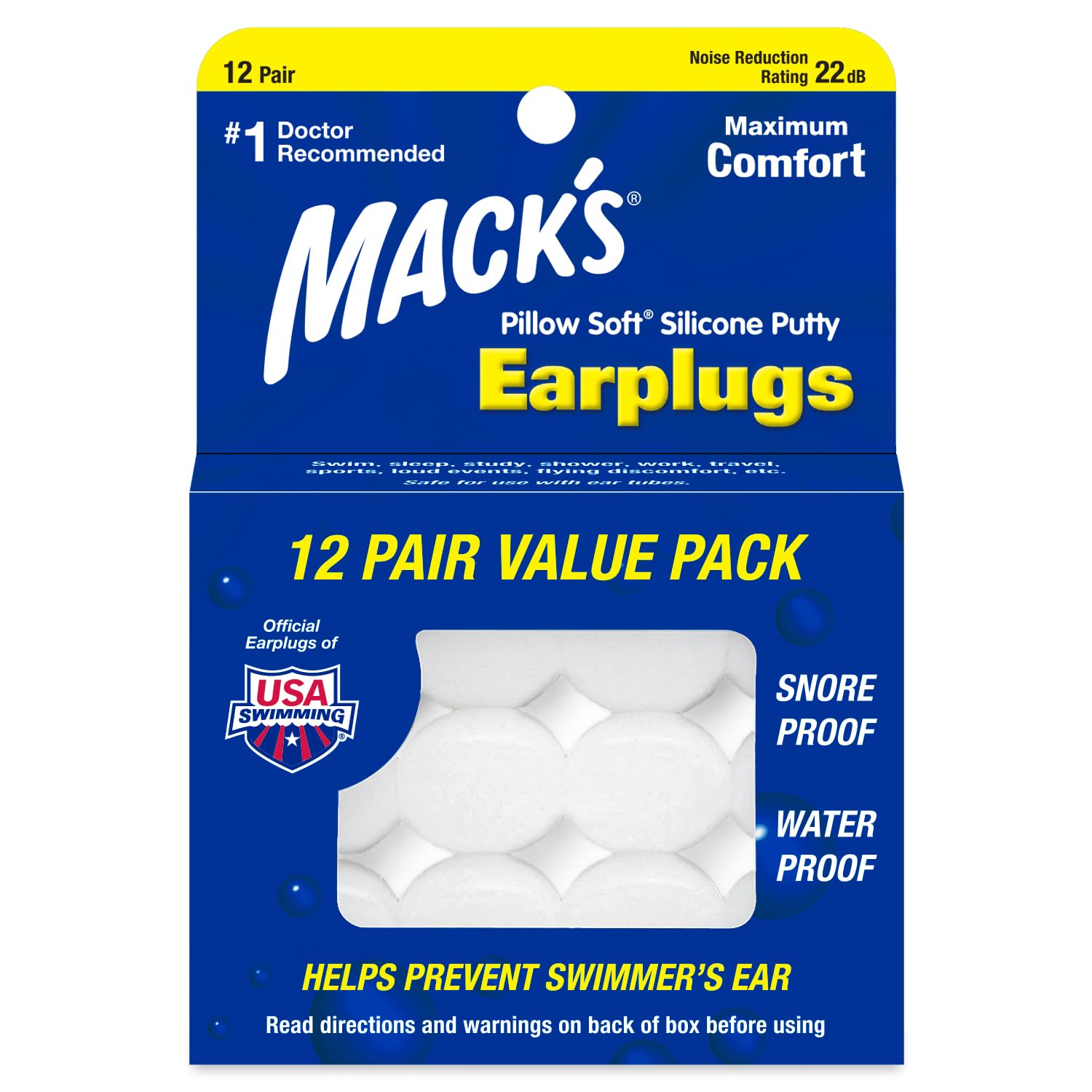
Mack's-style putty plugs are the default float accessory for a reason. They do not create REST alone — they remove one of the most annoying sensory leaks. Comfort accessory. Flotation-REST works by minimizing sensory channels in warm, supersaturated magnesium sulfate water — usually near skin temperature with specific gravity high enough for effortless buoyancy. Mack's-style putty plugs are the default float accessory for a reason. They do not create REST alone — they remove one of the most annoying sensory leaks.
Estimated ownership: about $25 in year 1 and
$50 over 3 years.
Consumable or accessory estimate — scale with how often you float and how large the tank is.
Float Lab · Room
Best for: Estate or clinic builds where float is architecture, not a freestanding appliance
Float Lab-class custom rooms are the ultra-premium end: REST as a built environment. Skip unless the room project already exists and studio data says you float weekly. Architectural float install. Flotation-REST works by minimizing sensory channels in warm, supersaturated magnesium sulfate water — usually near skin temperature with specific gravity high enough for effortless buoyancy. Float Lab-class custom rooms are the ultra-premium end: REST as a built environment. Skip unless the room project already exists and studio data says you float weekly.
Estimated ownership: about $50,000 in year 1 and
$58,000 over 3 years.
Directional installed ownership — freight, salt charge, electrical, ventilation, and chemistry often add materially to sticker price.
Dreampod · Inflatable
Best for: Lowest-commitment hard float hardware path — inflatable walls with real filtration hardware
Home Float FLEX is the “serious trial at home” tier: inflatable structure, real float solution. Buy it only after studio sessions prove frequency — not as a first curiosity purchase. Entry home float system. Flotation-REST works by minimizing sensory channels in warm, supersaturated magnesium sulfate water — usually near skin temperature with specific gravity high enough for effortless buoyancy. Home Float FLEX is the “serious trial at home” tier: inflatable structure, real float solution. Buy it only after studio sessions prove frequency — not as a first curiosity purchase.
Estimated ownership: about $4,500 in year 1 and
$5,500 over 3 years.
Directional installed ownership — freight, salt charge, electrical, ventilation, and chemistry often add materially to sticker price.
Generic USP · Supply
Best for: Charging and topping a home float tank — the buoyancy substrate, not a relaxation gadget
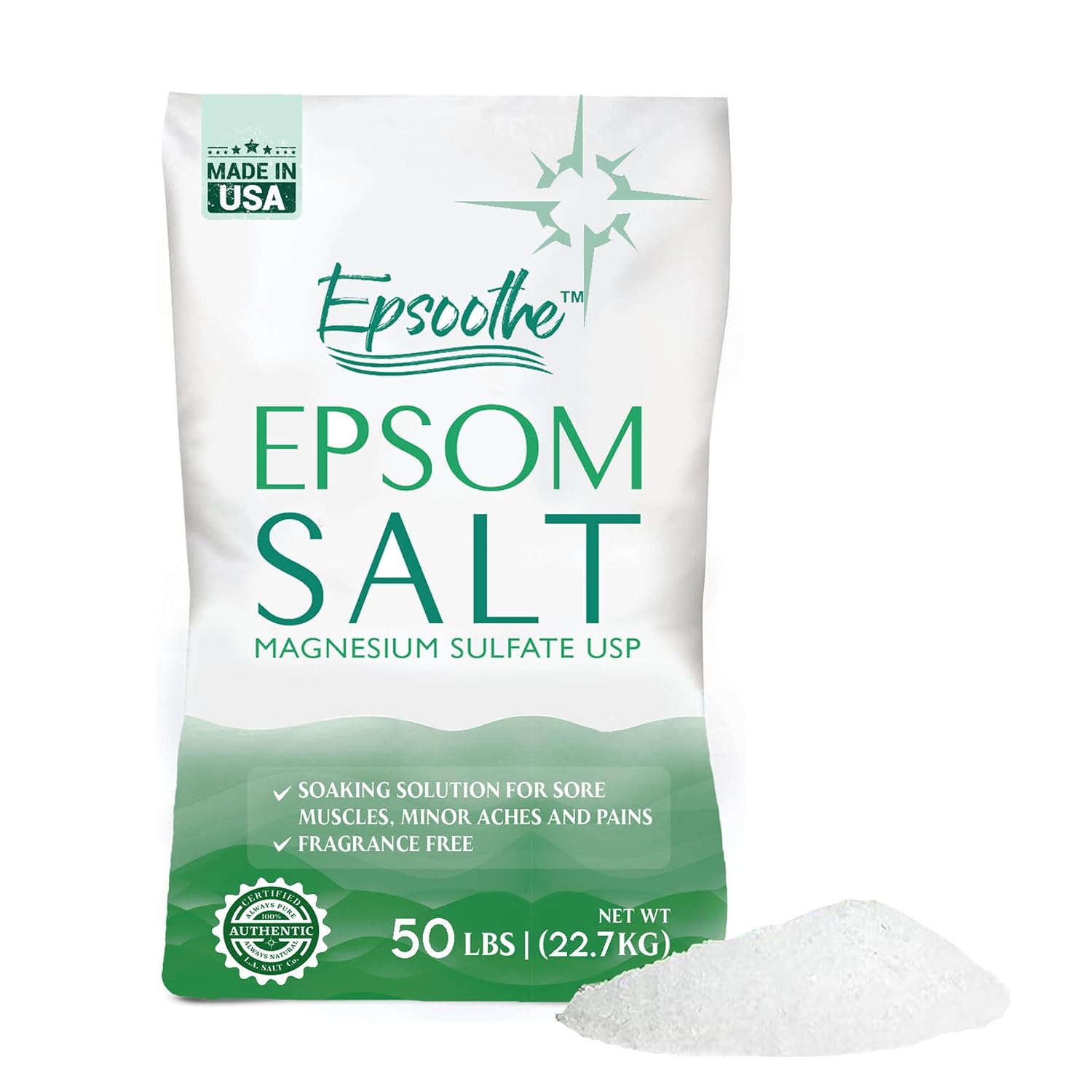
Bulk USP Epsom salt is non-negotiable for home flotation. Plan ~800–1,200+ lb for many pods — this 50 lb bag is a building block, not a complete fill. Buoyancy consumable. Flotation-REST works by minimizing sensory channels in warm, supersaturated magnesium sulfate water — usually near skin temperature with specific gravity high enough for effortless buoyancy. Bulk USP Epsom salt is non-negotiable for home flotation. Plan ~800–1,200+ lb for many pods — this 50 lb bag is a building block, not a complete fill.
Estimated ownership: about $800 in year 1 and
$1,200 over 3 years.
Consumable or accessory estimate — scale with how often you float and how large the tank is.
Generic spa · Supply
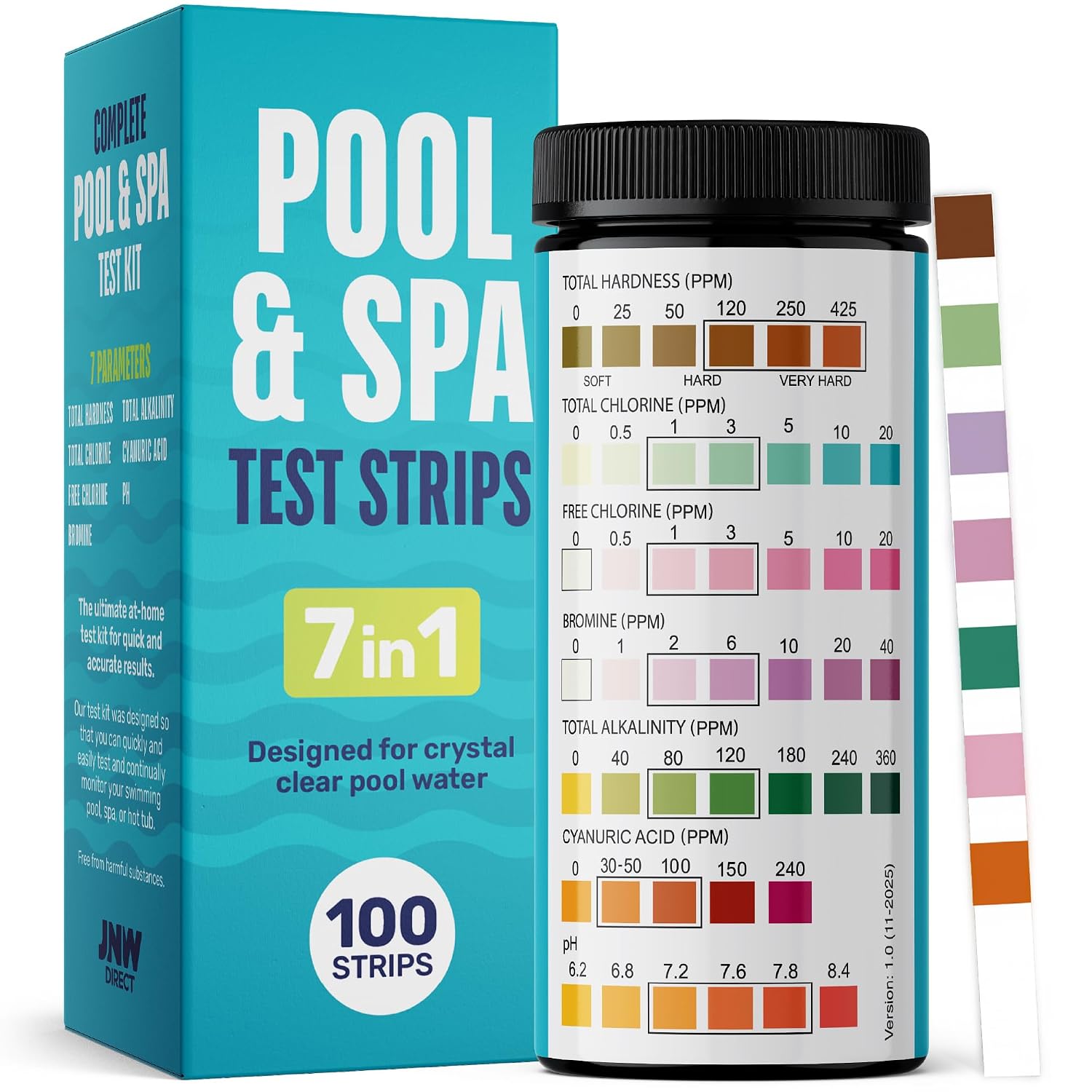
Best for: Home owners tracking pH and sanitizer so the solution stays floatable and non-irritating
Test strips are the unglamorous half of home flotation. Buoyancy without chemistry control is how tanks become science experiments. Water chemistry supply. Flotation-REST works by minimizing sensory channels in warm, supersaturated magnesium sulfate water — usually near skin temperature with specific gravity high enough for effortless buoyancy. Test strips are the unglamorous half of home flotation. Buoyancy without chemistry control is how tanks become science experiments.
Estimated ownership: about $40 in year 1 and
$90 over 3 years.
Consumable or accessory estimate — scale with how often you float and how large the tank is.
MZOO · Accessory
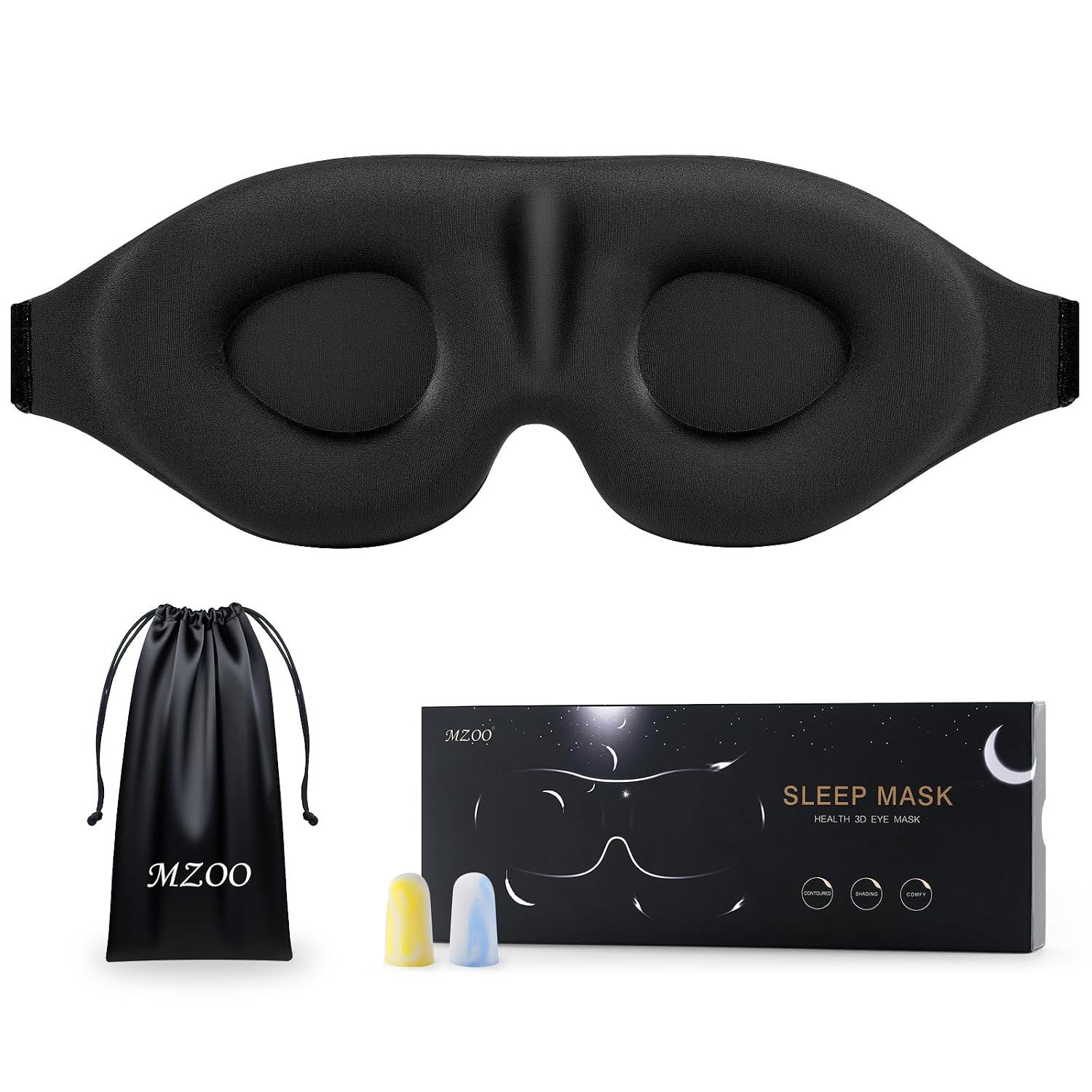
Best for: Extra light blocking when a pod LED or room light bothers you
A contoured blackout mask is optional REST hygiene: useful if residual light breaks the spell, unnecessary if your tank is already dark and you prefer zero facial contact. Optional light block. Flotation-REST works by minimizing sensory channels in warm, supersaturated magnesium sulfate water — usually near skin temperature with specific gravity high enough for effortless buoyancy. A contoured blackout mask is optional REST hygiene: useful if residual light breaks the spell, unnecessary if your tank is already dark and you prefer zero facial contact.
Estimated ownership: about $20 in year 1 and
$40 over 3 years.
Consumable or accessory estimate — scale with how often you float and how large the tank is.
Generic · Supply
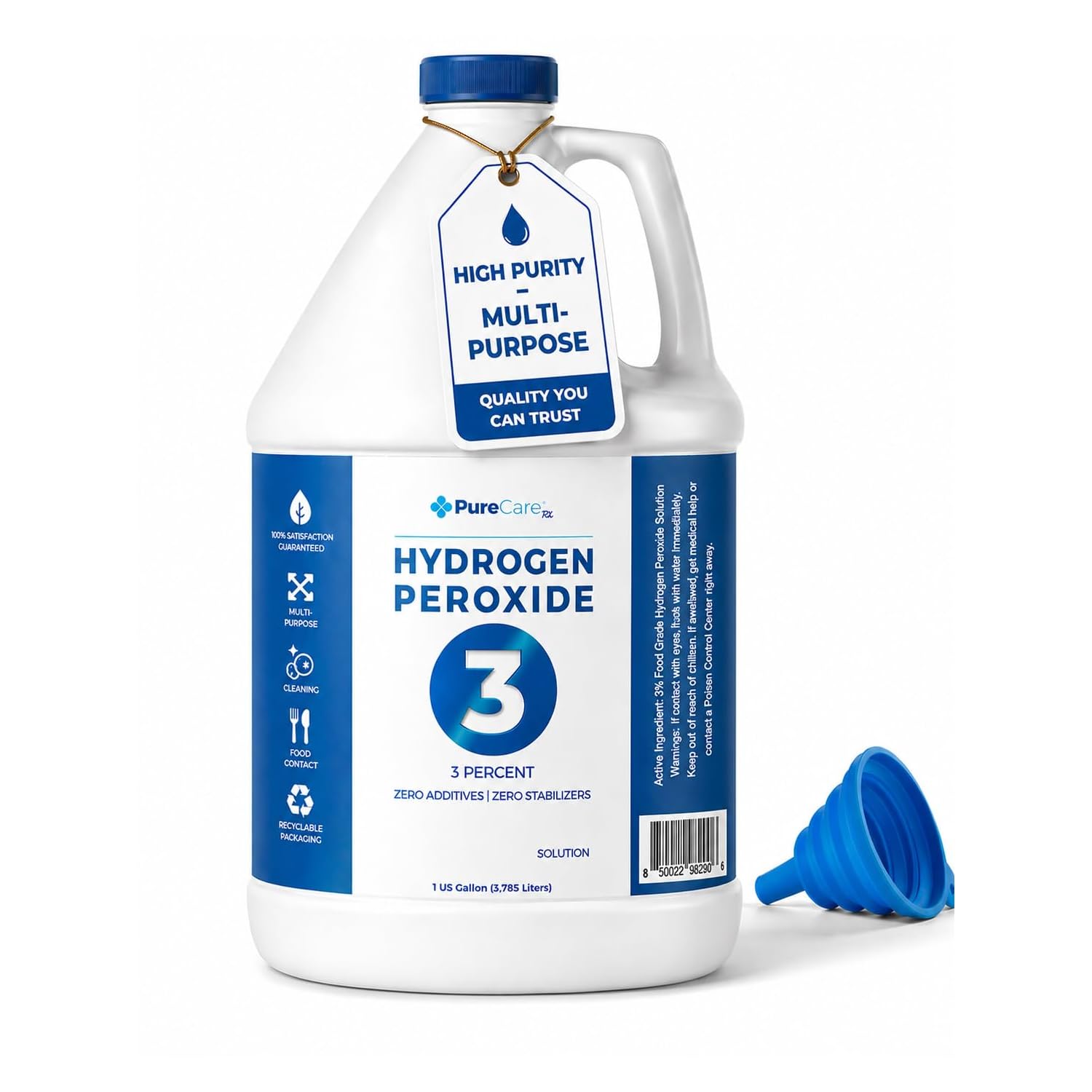
Best for: Common oxidizer path for float sanitation stacks — follow your tank maker's protocol exactly
Peroxide shows up in many float care stacks, but it is not a substitute for filtration, testing, and manufacturer guidance. Treat it as chemistry, not wellness vibes. Sanitation consumable. Flotation-REST works by minimizing sensory channels in warm, supersaturated magnesium sulfate water — usually near skin temperature with specific gravity high enough for effortless buoyancy. Peroxide shows up in many float care stacks, but it is not a substitute for filtration, testing, and manufacturer guidance. Treat it as chemistry, not wellness vibes.
Estimated ownership: about $120 in year 1 and
$300 over 3 years.
Consumable or accessory estimate — scale with how often you float and how large the tank is.
Detailed reviews
Commercial Float Center Session
Pros
Cons
Choose this if
Skip this if
Dreampod Home Float Plus
Pros
Cons
Choose this if
Skip this if
Dreampod Commercial Float Pod
Pros
Cons
Choose this if
Skip this if
Commercial Open Float Cabin
Pros
Cons
Choose this if
Skip this if
Oasis Relaxation System
Pros
Cons
Choose this if
Skip this if
Mack's Pillow Soft Silicone Earplugs
Pros
Cons
Choose this if
Skip this if
Float Lab Custom Float Room
Pros
Cons
Choose this if
Skip this if
Dreampod Home Float FLEX
Pros
Cons
Choose this if
Skip this if
USP Epsom Salt 50 lb Bag
Pros
Cons
Choose this if
Skip this if
7-in-1 Pool and Spa Test Strips
Pros
Cons
Choose this if
Skip this if
MZOO Contoured Blackout Eye Mask
Pros
Cons
Choose this if
Skip this if
Food-Grade Hydrogen Peroxide (3% gallon)
Pros
Cons
Choose this if
Skip this if
Session design that matches the literature
- Start in a center. Learn earplugs, showering, and whether darkness feels restorative or panicky.
- Aim for ~60 minutes once you tolerate the environment — the Feinstein protocol window and common commercial default.
- Protect ears and eyes as needed — plugs are near-universal; masks are optional if light leaks bother you.
- Do not chase daily floats before you have a cadence you can sustain.
- Keep toolkit humility. Boots and guns are different jobs — see Pneumatic Compression Boots and Percussion Massage Devices.
Quick recommendations by persona
- Curious first-timer: commercial float session
- Weekly floater, no room: center membership or package
- Proven habit, limited space budget: Dreampod FLEX
- Proven habit, dedicated room: Oasis or Dreampod Home Float Plus
- Center operator / high-use suite: commercial pod or open cabin
- Estate architectural build: Float Lab-class custom room (only after habit proof)
- Home owner supplies: bulk USP salt, test strips, protocol-matched oxidizer, earplugs
Often yes in the short term. A 2005 meta-analysis found favorable effects on physiology, well-being, and performance measures. More recent systematic mapping still finds generally positive signals for stress, anxiety-related outcomes, and pain themes — with heterogeneous study quality and weaker support for some claimed uses like primary sleep-disorder treatment. Marketing loves “deprivation.” Research language is usually flotation-REST or reduced environmental stimulation: warm, buoyant salt water plus minimized light, sound, and tactile load. You still have interoception. The goal is turning the sensory volume down, not deleting consciousness. Usually no. Studio sessions are the validation tool. Home pods make sense after you know you will float often enough that membership math and travel friction exceed ownership cost — including salt, electricity, filtration care, and room space. Hundreds of pounds for most enclosed pods — commonly on the order of ~800–1,200+ lb depending on volume and target specific gravity. Boutique bath jars are the wrong unit of purchase. Buy USP magnesium sulfate in bulk bags and follow the tank manufacturer’s fill target. Do not treat it as a sleep disorder therapy based on current systematic summaries, and do not expect it to replace training recovery basics. Some athletic-performance and pain signals appear in the literature, but float is primarily a nervous-system and affect tool — not a creatine-kinase vacuum. Anyone with uncontrolled epilepsy concerns, serious contagious skin conditions, open wounds, late pregnancy questions, severe claustrophobia that is not center-accommodated, or psychiatric advice against reduced-stimulation settings. Centers also set hygiene rules for a reason — follow them.Float tanks and sensory deprivation FAQ
Do float tanks actually reduce stress?
+
Is flotation the same as total sensory deprivation?
+
Should I buy a home pod after one float?
+
How much Epsom salt does a home tank need?
+
Can floating replace sleep or fix DOMS?
+
Who should check with a clinician first?
+
This comparison is designed for practical decision-making. Product capabilities, pricing, and memberships change quickly, so treat battery claims, plan costs, and feature availability as moving targets.
Classic meta-analysis: flotation-REST associated with favorable physiology (e.g., cortisol, blood pressure themes), well-being, and performance outcomes across included studies — with the usual age-of-literature caveats. Open-label clinical sample: large short-term reductions in state anxiety and improvements in mood after a single ~1-hour float — promising, not a long-term efficacy trial. Broad map of 63 studies: generally positive signals for pain, stress, athletic performance themes, mental well-being, and clinical anxiety; limited/no clear benefit for sleep disorders and smoking cessation.
Related Keersa guide: Percussion Massage Devices
A different recovery job — local soft-tissue stimulation versus whole-nervous-system sensory reduction.
Related Keersa guide: Pneumatic Compression Boots
Another popular recovery appliance with modest athletic evidence — useful contrast when building a toolkit.
Related Keersa guide: PEMFs and Pulsed Electromagnetic Fields
Electromagnetic field devices for pain and recovery — a different mechanism stack than flotation-REST.
Affiliate disclosure: some product links on Keersa Health may earn a commission at no extra cost to you.
Editorial recommendations are independent of commercial relationships.
Read our full disclosure.
Sources and editorial notes
Bottom line
Float tanks earn a place when you want reliable short-term reductions in stress and anxiety load through flotation-REST — not when you need a mythical muscle-repair machine. Validate with studio sessions, then buy hardware only if frequency and room reality justify salt, chemistry, and capital. Related: Normatec and Medical Compression Compared and Percussion Massage Devices.
Next in Recovery: PEMFs and Pulsed Electromagnetic Fields — intensity classes, mats vs wearables, and what OA trials actually support.