Recovery guide · Updated 2026
Hyperbaric Oxygen for Non-Clinical Users: Mild Chambers, Pressure & What Is Not Clinical HBO₂
A deep dive into mild soft-chamber hyperbaric systems for non-clinical buyers — pressure classes, UHMS definitions, safety fault lines, and eleven options from studio sessions to Summit, OxyHealth, and equalization accessories.
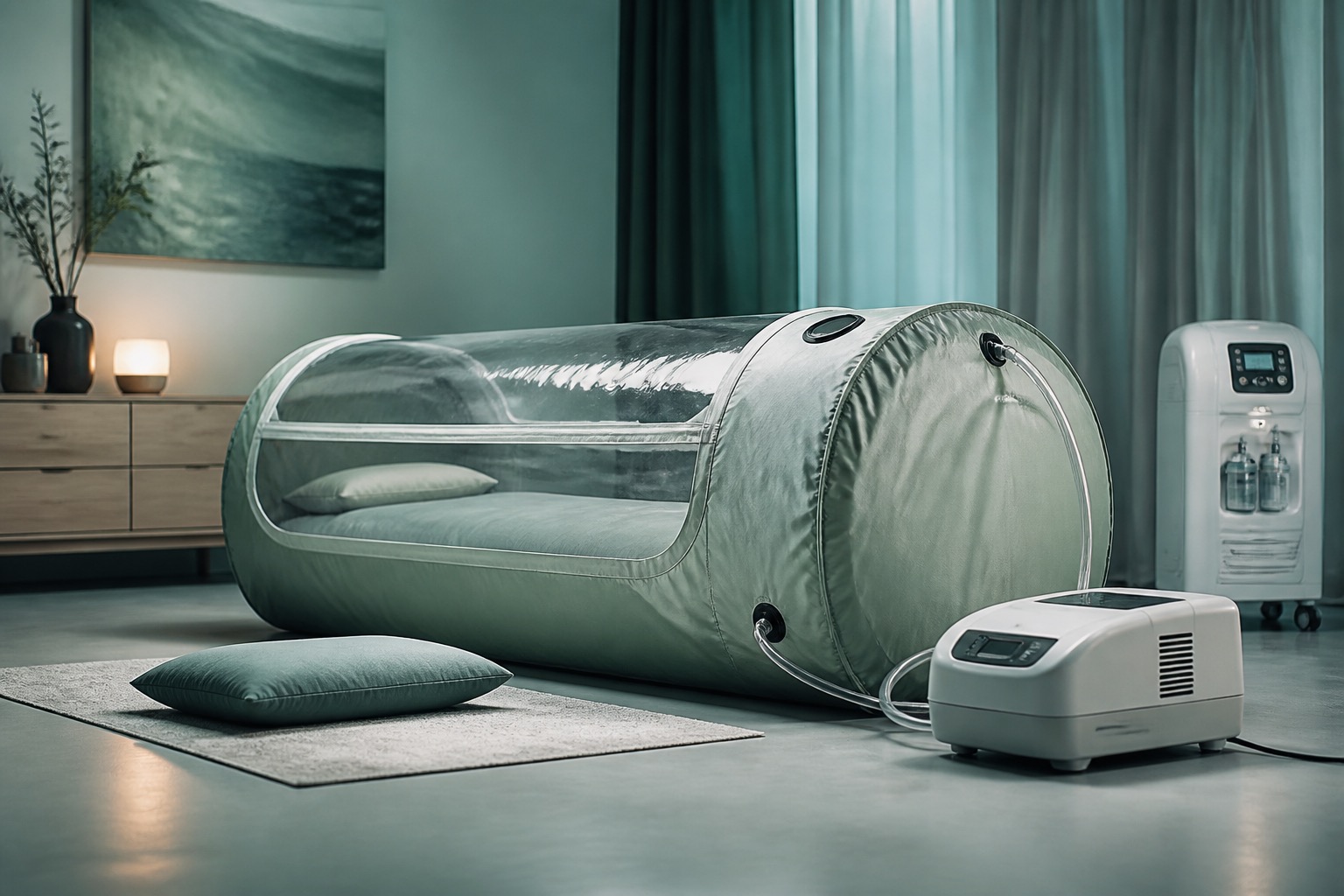
Hyperbaric marketing loves a single acronym and a single miracle. The honest version is a class problem: clinical hyperbaric oxygen therapy (HBO₂) is not the same product as a soft fabric bag inflated to roughly 1.3 ATA in a spare bedroom. One is physician-directed, hard-chamber, high-oxygen medicine. The other is mild environmental pressure — sometimes useful as a wellness ritual, often oversold as hospital care.
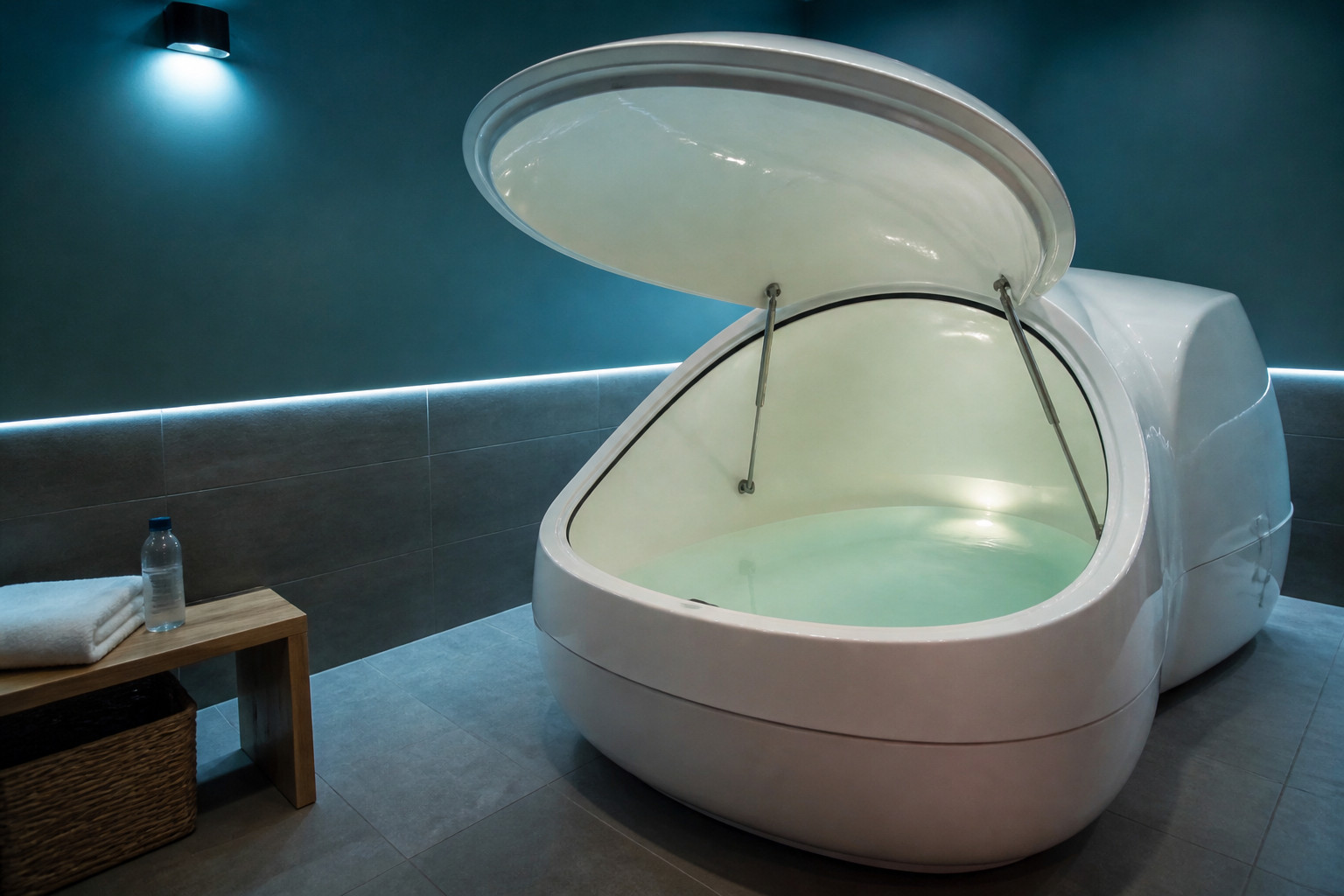
This guide compares eleven paths spanning studio mild sessions, UHMS-facility clinical HBO₂, named soft chambers (Summit to Sea, OxyHealth), budget and sitting classes, and the accessory stack sellers quietly require. Related recovery modalities with clearer consumer evidence lanes: PEMFs and Pulsed Electromagnetic Fields and Float Tanks and Sensory Deprivation.
Key takeaways
- Best first move for curiosity: staffed mild HBOT studio sessions — not a financed soft bag.
- Best medical lane: UHMS-facility clinical HBO₂ for approved indications under clinician direction.
- Best named soft-chamber brands: Summit to Sea and OxyHealth Vitaeris-class systems at ~1.3 ATA.
- Best roomier soft option: Summit to Sea Grand Dive class.
- Softest skip: anonymous budget soft chambers with vague ATA and support stories.
- Hidden invoice: oxygen concentrators — budget and compliance questions, not a casual upgrade.
- Evidence honesty: UHMS does not treat mild air soft-chamber exposure as therapeutic HBO₂ for its approved indications.
- Biggest buying mistake: equating “HBOT” branding on a fabric chamber with 2 ATA hard-chamber medicine.
How we evaluate non-clinical hyperbaric options
Editorial scores reward class honesty and safety realism over oxygen mystique:
- Class accuracy (30%) — soft mild vs hard clinical; air vs near-100% oxygen.
- Pressure and clearance honesty (20%) — ATA claims, AMS 510(k) framing, CE-vs-FDA confusion.
- Safety and compliance (20%) — equalization, fire risk with oxygen, operator competence.
- Access friction (15%) — sessions vs ownership; will you actually use it?
- Ownership cost (15%) — chamber, concentrator temptation, room, power, maintenance.
What the evidence and standards support
UHMS definition: therapeutic HBO₂ means breathing near-100% oxygen while wholly enclosed at a pressure equal to or greater than 1.4 ATA. Soft fabric chambers operating below that threshold on air do not meet that definition.
Soft-chamber clearance context: major U.S. portable soft chambers are framed around acute mountain sickness when used as designed with air. UHMS explicitly does not recommend mild hyperbaric therapy for other medical purposes.
Mild vs clinical are not synonyms: narrative reviews emphasize that mHBOT marketing should not borrow the clinical HBO₂ evidence base wholesale. Tissue oxygen at ~1.3 ATA air is not the same physiology as ~2 ATA near-100% oxygen.
Translation: soft chambers can be a deliberate mild-pressure purchase. They are not a DIY substitute for accredited hyperbaric medicine.
Classes that actually change the purchase
- Staffed mild sessions — try tolerance before capital.
- Clinical HBO₂ facilities — indication-driven hard chambers.
- Named soft chambers (~1.2–1.3 ATA) — Summit to Sea, OxyHealth.
- Budget and sitting soft classes — higher paperwork and claim risk.
- Accessory stack — concentrators, cannulas, equalization tools.
Interactive comparison
Filter by form factor, sort by score or price, and pin up to three options for a focused side-by-side view.
Tradeoff:
Sticker price still matters here — most options are one-time hardware buys, so the three-year estimate mainly reflects purchase price plus expected upkeep.
Estimates are directional and based on common public pricing patterns. Promotions, refurbished units, family plans, and tier changes can move these numbers materially.
3-year cost of ownership
Device
Year 1
3-year estimate
Amazon Price
UHMS-Facility Clinical HBO₂ Session
$8,000
$8,000
—
Mild HBOT Studio Session
$3,600
$10,800
—
OxyHealth Vitaeris 320
$10,500
$11,200
—
Summit to Sea Grand Dive
$12,000
$12,800
—
Summit to Sea Dive
$9,500
$10,200
—
Otovent Autoinflation Device
$40
$80
$21.90
Summit to Sea Shallow Dive
$6,500
$7,200
—
Medical-Grade Oxygen Concentrator (Accessory Path)
$1,700
$2,100
—
Adult Oxygen Nasal Cannula Pack
$50
$120
$17.98
Vertical Sitting Soft Chamber Class
$7,000
$7,800
—
Budget Soft Chamber (1.1–1.2 ATA Class)
$4,500
$5,200
—
Pick the class you actually need. Sessions prove tolerance. Soft chambers buy mild home pressure. Clinical HBOâ is medicine.Sessions vs soft chambers vs clinical HBOâ
Choose studio mild sessions if...
Choose Summit to Sea or OxyHealth if...
Choose clinical UHMS-facility care if...
Skip budget anonymous soft bags if...
Below are deeper notes on every option in the comparison table, sorted by editorial score. Jump directly from the table pins or the cost section.
Accredited hyperbaric medicine facility · Session
Best for: Approved medical indications under clinician supervision — the real HBO₂ lane
Clinical HBO₂ at an accredited facility is the evidence and safety reference standard. Use it when a clinician has an indication — not as a lifestyle subscription you invent after reading soft-chamber ads. Physician-directed hard-chamber HBO₂. UHMS-approved indications generally require breathing near-100% oxygen at a minimum of about 2.0 ATA — far above typical home soft bags. Clinical HBO₂ at an accredited facility is the evidence and safety reference standard. Use it when a clinician has an indication — not as a lifestyle subscription you invent after reading soft-chamber ads.
Estimated ownership: about $8,000 in year 1 and
$8,000 over 3 years.
Illustrative course estimate — real costs depend on indication, facility, and coverage. Not a shopping cart item.
Local wellness / recovery studio · Session
Best for: Trying mild hyperbaric exposure before financing a home soft chamber
A studio mild session is the highest-ROI first move: learn equalization, tolerance, and whether the ritual is worth repeating — without owning a soft bag that takes over a room. Pay-per-visit mild hyperbaric access — typically soft-chamber class pressures. UHMS defines therapeutic HBO₂ as near-100% oxygen at ≥1.4 ATA; soft fabric chambers marketed for wellness are a different product class. A studio mild session is the highest-ROI first move: learn equalization, tolerance, and whether the ritual is worth repeating — without owning a soft bag that takes over a room.
Estimated ownership: about $3,600 in year 1 and
$10,800 over 3 years.
Assumes roughly two paid mild sessions per month at ~$150. Packages change the math.
OxyHealth · Soft-chamber
Best for: Premium soft-chamber brand alternative at the same 1.3 ATA consumer class
Vitaeris 320 is the other household name in soft chambers: 1.3 ATA fabric, established brand, serious price. Compare it to Summit on support and fit — not on clinical HBO₂ claims neither can honestly make. Premium named-brand soft chamber ~1.3 ATA class. Soft chambers marketed for sports and wellness commonly operate under 1.4 ATA and are designed to be compressed with air — a different category from UHMS therapeutic HBO₂. Vitaeris 320 is the other household name in soft chambers: 1.3 ATA fabric, established brand, serious price. Compare it to Summit on support and fit — not on clinical HBO₂ claims neither can honestly make.
Estimated ownership: about $10,500 in year 1 and
$11,200 over 3 years.
Chamber estimate plus common concentrator add-on path; authorized dealers set real quotes.
Summit to Sea · Soft-chamber
Best for: Larger-diameter Summit soft chamber when comfort and brand continuity matter most
Grand Dive is the comfort-forward Summit soft chamber: more diameter, same 1.3 ATA class ceiling most consumers actually buy. Pay for livability — not for clinical equivalence. Larger named-brand soft chamber ~1.3 ATA class. Soft chambers marketed for sports and wellness commonly operate under 1.4 ATA and are designed to be compressed with air — a different category from UHMS therapeutic HBO₂. Grand Dive is the comfort-forward Summit soft chamber: more diameter, same 1.3 ATA class ceiling most consumers actually buy. Pay for livability — not for clinical equivalence.
Estimated ownership: about $12,000 in year 1 and
$12,800 over 3 years.
Chamber estimate plus common concentrator add-on path; larger configs and freight move the number.
Summit to Sea · Soft-chamber
Best for: Mainstream named soft chamber at the common 1.3 ATA consumer ceiling
The Dive sits in the default consumer soft-chamber band: 1.3 ATA fabric, named brand, serious money. Score it as mild hyperbaric hardware — not as a portable hospital. Named-brand soft chamber ~1.3 ATA class. Soft chambers marketed for sports and wellness commonly operate under 1.4 ATA and are designed to be compressed with air — a different category from UHMS therapeutic HBO₂. The Dive sits in the default consumer soft-chamber band: 1.3 ATA fabric, named brand, serious money. Score it as mild hyperbaric hardware — not as a portable hospital.
Estimated ownership: about $9,500 in year 1 and
$10,200 over 3 years.
Chamber estimate plus common concentrator add-on path; dealer quotes vary.
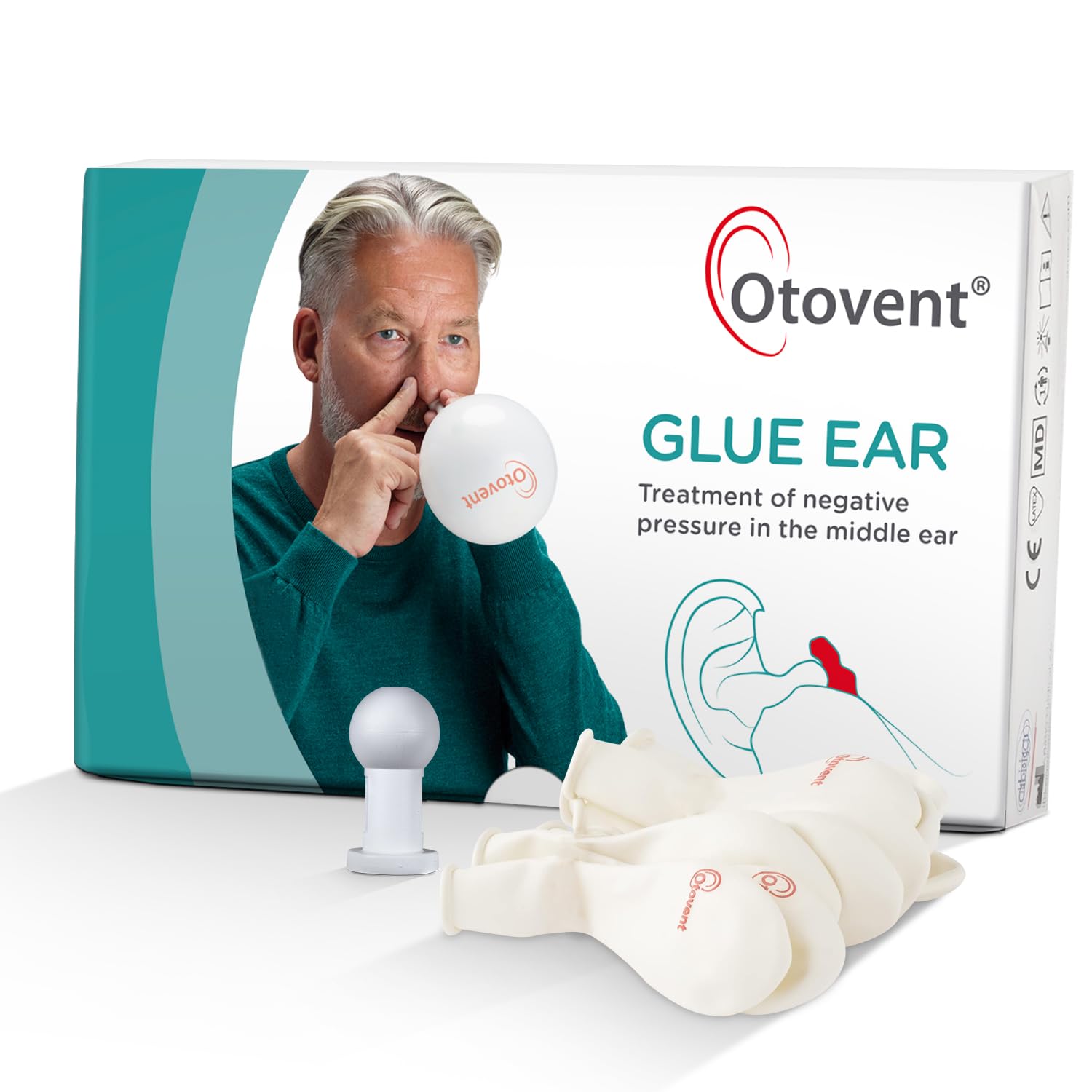
Otovent · Accessory
Best for: Practicing gentle ear equalization before pressure sessions — not a hyperbaric therapy
Otovent is not HBOT. It is a small tool for people who need to learn gentle middle-ear pressure management before they climb into any chamber. Ear-equalization practice accessory. Middle-ear barotrauma is one of the most common practical failure modes for pressure exposures — equalization skill matters before capital purchases. Otovent is not HBOT. It is a small tool for people who need to learn gentle middle-ear pressure management before they climb into any chamber.
Estimated ownership: about $40 in year 1 and
$80 over 3 years.
Accessory estimate — replacement balloons as needed.
Summit to Sea · Soft-chamber
Best for: Named-brand soft-chamber entry when 1.2 ATA and AMS-clearance framing are enough
Shallow Dive is the Summit to Sea on-ramp: named brand, soft fabric, milder than the 1.3 ATA siblings. Buy it for brand accountability — not because 1.2 ATA air equals hospital HBO₂. Named-brand soft chamber ~1.2 ATA class. Soft chambers marketed for sports and wellness commonly operate under 1.4 ATA and are designed to be compressed with air — a different category from UHMS therapeutic HBO₂. Shallow Dive is the Summit to Sea on-ramp: named brand, soft fabric, milder than the 1.3 ATA siblings. Buy it for brand accountability — not because 1.2 ATA air equals hospital HBO₂.
Estimated ownership: about $6,500 in year 1 and
$7,200 over 3 years.
Chamber estimate plus common concentrator add-on path; dealer quotes vary.
Clinic-grade concentrator class · Accessory
Best for: Understanding the accessory sellers push with soft chambers — and why it is not a casual upgrade
The concentrator is the invisible second invoice in soft-chamber shopping carts. Budget for it honestly, then ask a competent clinician or hyperbaric safety reference whether your planned setup is even appropriate. Oxygen enrichment accessory path. UHMS states soft fabric chambers cleared for acute mountain sickness are designed to be compressed with air; pairing them with supplemental oxygen is a major marketing-vs-regulatory fault line. The concentrator is the invisible second invoice in soft-chamber shopping carts. Budget for it honestly, then ask a competent clinician or hyperbaric safety reference whether your planned setup is even appropriate.
Estimated ownership: about $1,700 in year 1 and
$2,100 over 3 years.
Accessory estimate only — filters, power, and consumables add over time.
Generic concentrator supply · Accessory
Best for: Consumable tubing for people already on a clinician-directed oxygen path
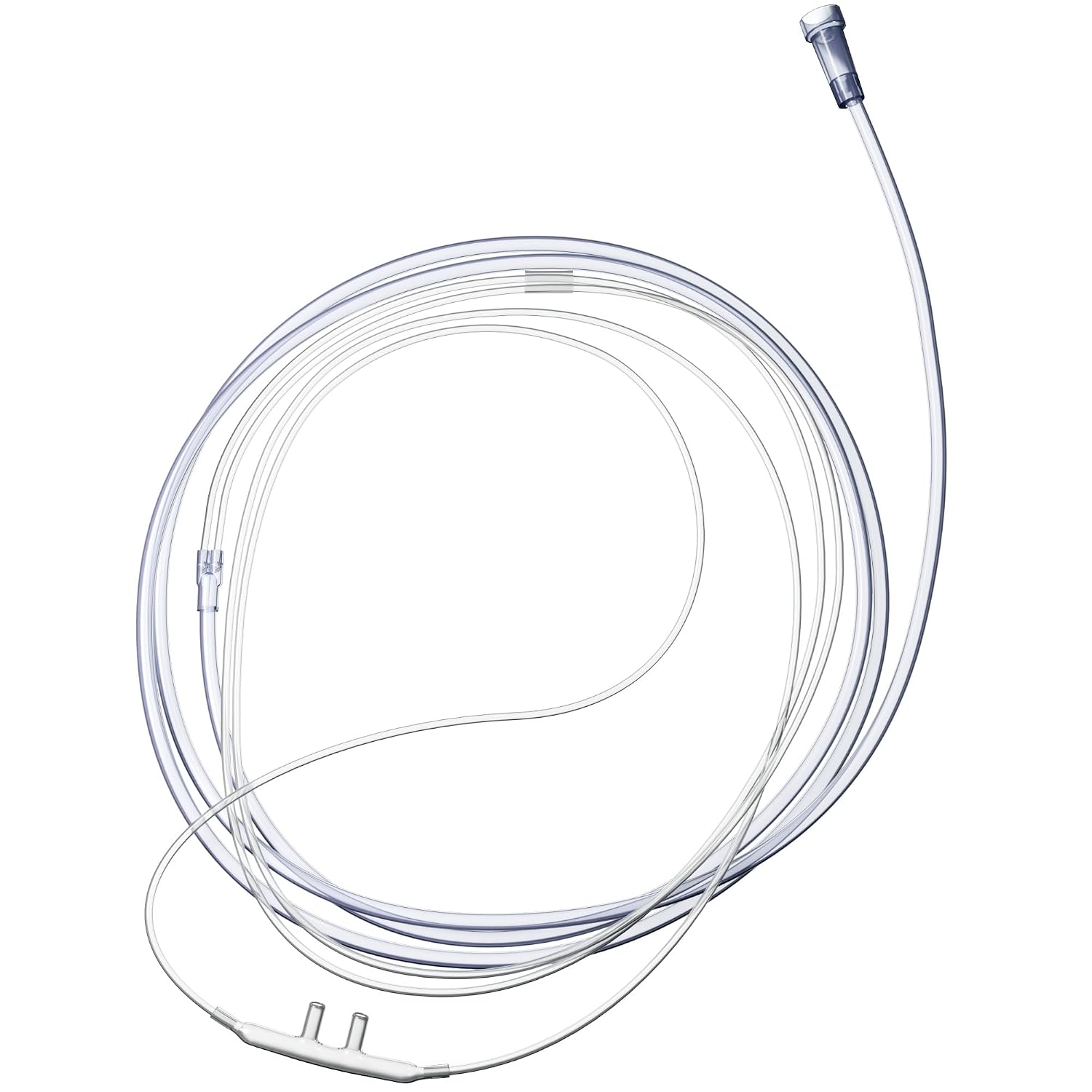
Cannulas are plumbing, not therapy. Include them only if a real oxygen pathway already exists — never as proof you are “doing HBOT” on a soft bag. Oxygen delivery consumable. UHMS states soft fabric chambers cleared for acute mountain sickness are designed to be compressed with air; pairing them with supplemental oxygen is a major marketing-vs-regulatory fault line. Cannulas are plumbing, not therapy. Include them only if a real oxygen pathway already exists — never as proof you are “doing HBOT” on a soft bag.
Estimated ownership: about $50 in year 1 and
$120 over 3 years.
Consumable estimate — replace on hygiene schedule.
Macy-Pan-class / CE sitting chambers · Soft-chamber
Best for: Sit-up posture preference — only after clearance claims survive scrutiny
Sitting soft chambers solve a comfort problem and create a paperwork problem. Prefer them only when certification, pressure ratings, and after-sale support are clearer than the brochure. Vertical soft-chamber posture class. Soft chambers marketed for sports and wellness commonly operate under 1.4 ATA and are designed to be compressed with air — a different category from UHMS therapeutic HBO₂. Sitting soft chambers solve a comfort problem and create a paperwork problem. Prefer them only when certification, pressure ratings, and after-sale support are clearer than the brochure.
Estimated ownership: about $7,000 in year 1 and
$7,800 over 3 years.
Typical sitting soft-chamber package estimate; verify certifications and support before wiring money.
Generic / marketplace soft shell · Soft-chamber
Best for: Understanding the bottom of the market — usually a skip for serious buyers
Budget soft chambers are where marketing outruns physics and paperwork. Treat them as a caution lane unless a named manufacturer, clear ATA rating, and support story check out. Entry soft fabric chamber class. Soft chambers marketed for sports and wellness commonly operate under 1.4 ATA and are designed to be compressed with air — a different category from UHMS therapeutic HBO₂. Budget soft chambers are where marketing outruns physics and paperwork. Treat them as a caution lane unless a named manufacturer, clear ATA rating, and support story check out.
Estimated ownership: about $4,500 in year 1 and
$5,200 over 3 years.
Hardware estimate plus a basic concentrator path many buyers add — listings move constantly.
Detailed reviews
UHMS-Facility Clinical HBO₂ Session
Pros
Cons
Choose this if
Skip this if
Mild HBOT Studio Session
Pros
Cons
Choose this if
Skip this if
OxyHealth Vitaeris 320
Pros
Cons
Choose this if
Skip this if
Summit to Sea Grand Dive
Pros
Cons
Choose this if
Skip this if
Summit to Sea Dive
Pros
Cons
Choose this if
Skip this if
Otovent Autoinflation Device
Pros
Cons
Choose this if
Skip this if
Summit to Sea Shallow Dive
Pros
Cons
Choose this if
Skip this if
Medical-Grade Oxygen Concentrator (Accessory Path)
Pros
Cons
Choose this if
Skip this if
Adult Oxygen Nasal Cannula Pack
Pros
Cons
Choose this if
Skip this if
Vertical Sitting Soft Chamber Class
Pros
Cons
Choose this if
Skip this if
Budget Soft Chamber (1.1–1.2 ATA Class)
Pros
Cons
Choose this if
Skip this if
Buying rules that prevent expensive mistakes
- Name the class. Mild soft bag, clinical HBO₂, or neither — say it out loud before you buy.
- Start with sessions. Prove ears, schedule, and benefit before freight and compressors.
- Read clearance claims cold. AMS 510(k), CE marks, and “FDA registered factory” are not interchangeable.
- Budget the second invoice. Concentrators change cost and risk — they do not magically create UHMS HBO₂.
- Respect barotrauma and fire. Equalize or abort; treat oxygen as a hazard class, not a vibe.
Quick recommendations by persona
- Curious first-timer: mild studio session
- Medical indication: UHMS-facility clinical HBO₂ with a clinician
- Named soft-chamber entry: Summit to Sea Shallow Dive or Dive
- Roomier soft chamber: Summit to Sea Grand Dive
- Premium soft brand alternative: OxyHealth Vitaeris 320
- Sit-up posture shopper: sitting soft class — only after certifications check out
- Usually skip: anonymous budget soft bags
- Comfort practice: Otovent-style equalization tools before pressure days
No. UHMS defines therapeutic HBO₂ as breathing near-100% oxygen inside a chamber at ≥1.4 ATA. Soft fabric wellness chambers commonly run under that threshold on air and are a different product class — mild exposure, not hospital HBO₂. In U.S. FDA 510(k) framing for the major portable soft-chamber brands, the cleared indication context is acute mountain sickness when used as designed. Marketing for sports recovery, anti-aging, or wound healing outside that framing is a different claim lane. Many sellers push one as a second invoice. UHMS notes low-pressure fabric chambers are designed to be compressed with air, and oxygen enrichment raises compliance and fire-safety stakes. Treat concentrators as a clinical and safety decision — not a cart checkbox. Consumer soft bags commonly top out around 1.3 ATA. Clinical UHMS indications generally live near 2.0 ATA with near-100% oxygen in hard chambers. Higher soft-bag pressure claims deserve skepticism and documentation. Anyone with untreated pneumothorax risk, significant ear or sinus disease, recent relevant surgery, or clinician instructions against pressure changes. Middle-ear barotrauma is a common practical failure mode — equalize or stop. Start with staffed mild sessions or a clinician pathway if you have a medical indication. Finance a soft chamber only after tolerance, schedule, and room logistics are proven — the same studio-first logic as float tanks.Hyperbaric oxygen for non-clinical users FAQ
Is a home soft chamber the same as clinical hyperbaric oxygen therapy?
+
What are soft chambers actually cleared for?
+
Do I need an oxygen concentrator with a soft chamber?
+
What pressure should I look for?
+
Who should avoid pressure exposure without clearance?
+
Should I buy a home chamber or start with sessions?
+
This comparison is designed for practical decision-making. Product capabilities, pricing, and memberships change quickly, so treat battery claims, plan costs, and feature availability as moving targets.
UHMS Position Statement: Low-Pressure Fabric Hyperbaric Chambers (revised 2018)
Defines therapeutic HBO₂ as near-100% oxygen at ≥1.4 ATA; soft fabric chambers cleared for acute mountain sickness are designed for air; UHMS does not recommend mild hyperbaric therapy for other medical purposes. Narrative review emphasizing that mild/soft-chamber exposures should not be marketed or interpreted as equivalent to clinical HBO₂.
UHMS: Indications for Hyperbaric Oxygen Therapy
Reference list of UHMS-accepted clinical indications — useful contrast against wellness soft-chamber marketing.
Related Keersa guide: PEMFs and Pulsed Electromagnetic Fields
Another recovery modality where device class and dose parameters matter more than branding.
Related Keersa guide: Float Tanks and Sensory Deprivation
Studio-first ownership economics and nervous-system recovery framing — useful toolkit contrast.
Related Keersa guide: Active Recovery vs Passive Modalities
Decision framework for when easy movement beats devices — and when passive tools earn a slot.
Affiliate disclosure: some product links on Keersa Health may earn a commission at no extra cost to you.
Editorial recommendations are independent of commercial relationships.
Read our full disclosure.
Sources and editorial notes
Bottom line
Non-clinical hyperbaric shopping is mostly a soft-chamber decision about mild pressure, room logistics, and marketing discipline — not a shortcut into UHMS therapeutic HBO₂. Validate with sessions, prefer named brands if you buy hardware, and keep clinical hard-chamber care in the medical lane where it belongs. Related: PEMFs and Pulsed Electromagnetic Fields and Float Tanks and Sensory Deprivation.
Next in Recovery: Active Recovery vs Passive Modalities — when to walk, sleep, compress, or light based on training stress.