Recovery guide · Updated 2026
Building a Recovery Toolkit: Priorities, Stages & High-ROI Devices
A staged roadmap for recovery gear — overview of options, purchase priorities, and twelve representative devices from foam rollers and budget guns to panels, boots, float sessions, and late-stage mild HBOT.
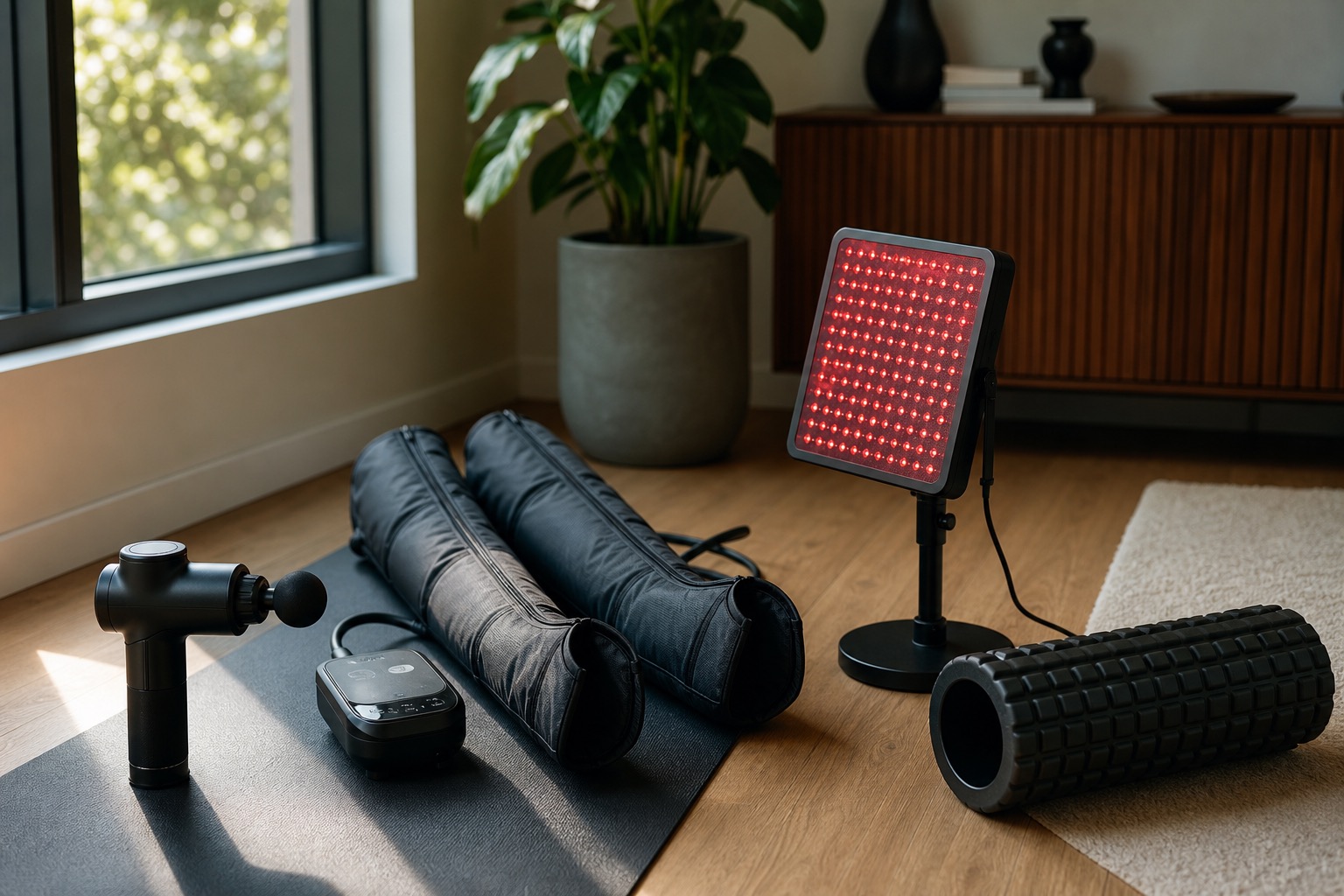
A recovery toolkit is not a showroom. It is a priority stack: sleep and sane training first, easy movement second, cheap mechanical tools third, then specialty devices only when the previous layer already changed your week. This guide opens with an overview of the recovery options worth knowing, then ranks purchases so you do not finance a soft chamber while your roller gathers dust.
We compare twelve representative devices and access paths staged from foam rollers and budget guns through compression, red light, float sessions, PEMF, and late-stage mild HBOT. Deep dives for each category live in the rest of Recovery — this article is the shopping roadmap.
Key takeaways
- Stage 0 (non-purchase): sleep, training load, food, and easy walking beat almost every gadget.
- Stage 1 starters: TriggerPoint GRID, TOLOCO-class gun, FIT KING-class budget compression.
- Stage 2 core home kit: Theragun Mini, Normatec Go, Hooga HG300 — after Stage 1 adherence.
- Stage 3 upgrades: RecoveryAir PRO, ActiPatch, float studio sessions, larger panels.
- Stage 4 optional: portable PEMF pads and mild HBOT sessions — curiosity after fundamentals, not foundation.
- Biggest buying mistake: stacking Stage 3–4 capital before Stage 0–1 habits exist.
Overview of recovery options
Before SKUs, name the lanes. Most consumer “recovery” products sit in one of these buckets:
- Active recovery — easy walking, easy cycling, light mobility. Cheap, underused, often higher ROI than devices. Framework: Active Recovery vs Passive Modalities.
- Sleep and nervous-system restoration — the actual adaptation window. Start with The Sleep Protocol if nights are the bottleneck.
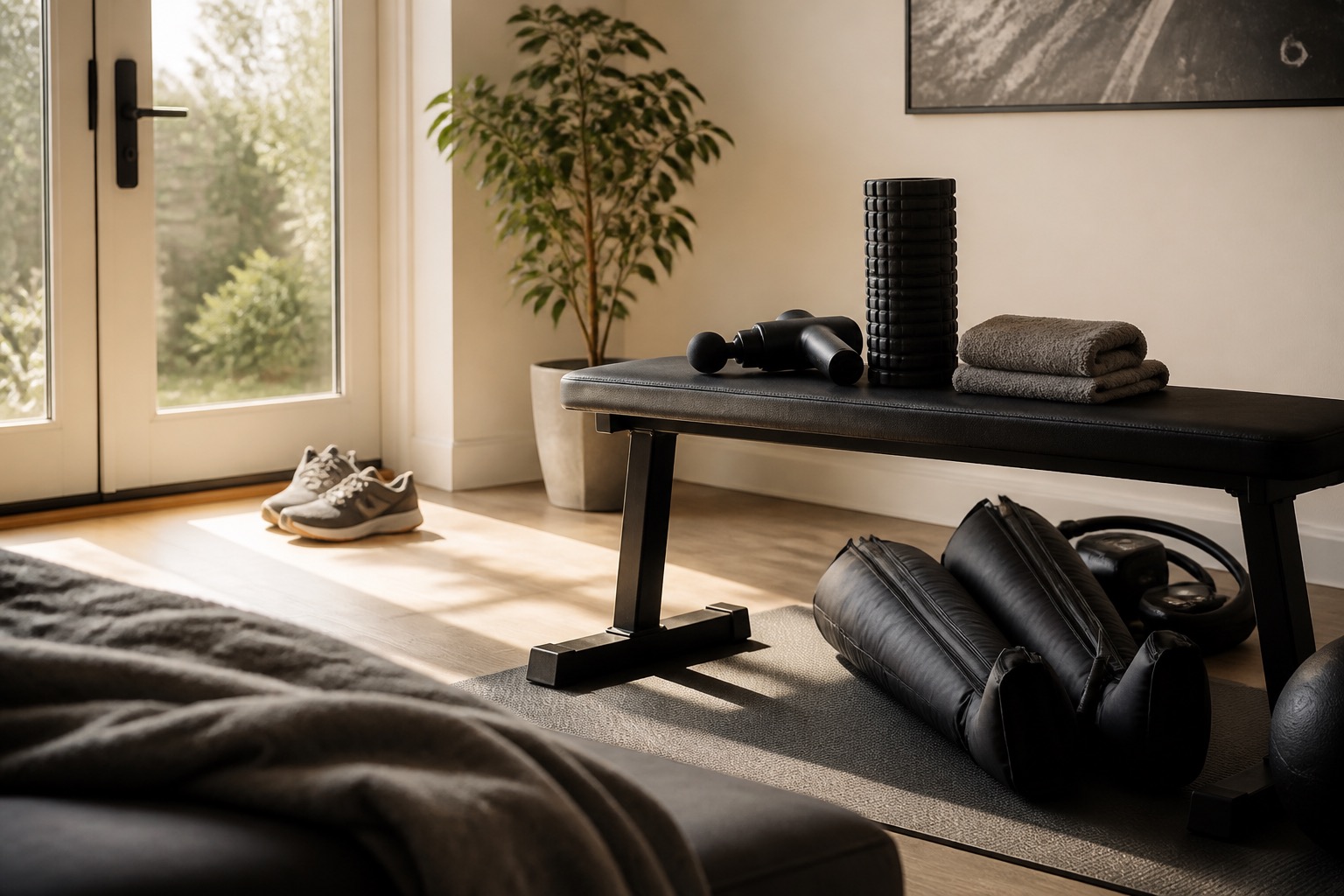
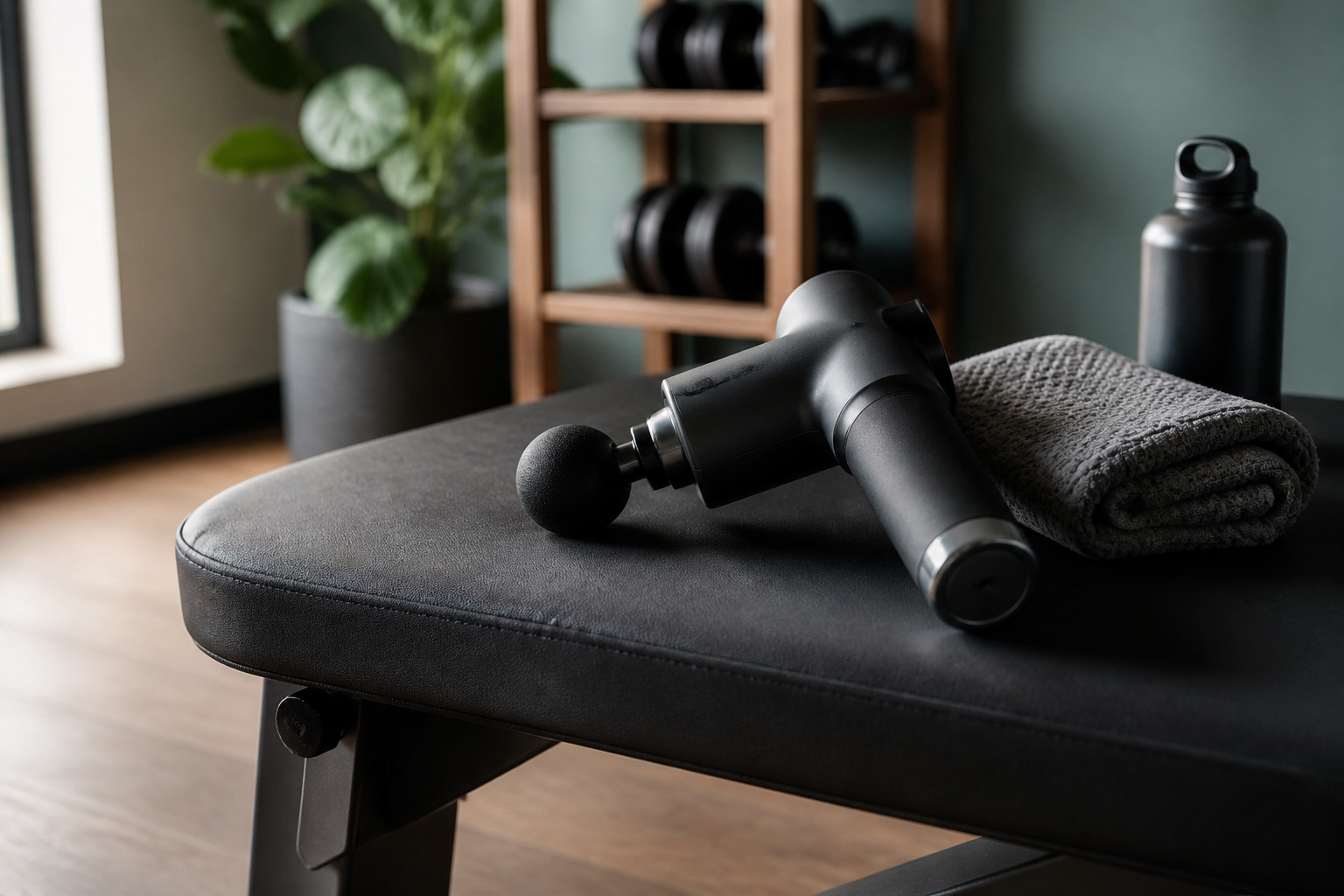
- Mechanical / massage-class tools — foam rollers, percussion guns, hands-on massage. Strongest consumer evidence lane for DOMS and perceived fatigue in recovery meta-analyses. Deep dive: Percussion Massage Devices and Mobility Tools That Earn a Place.
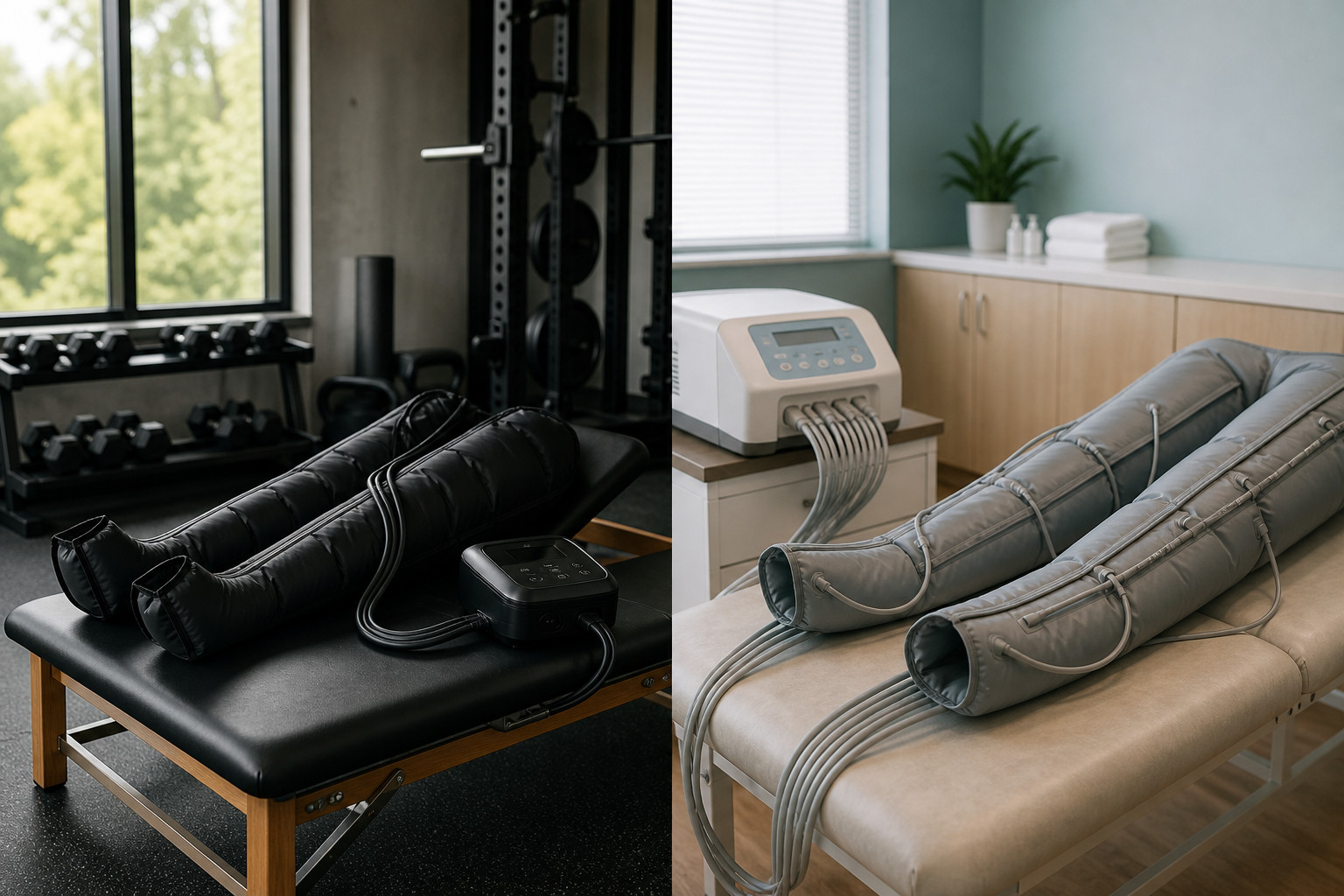
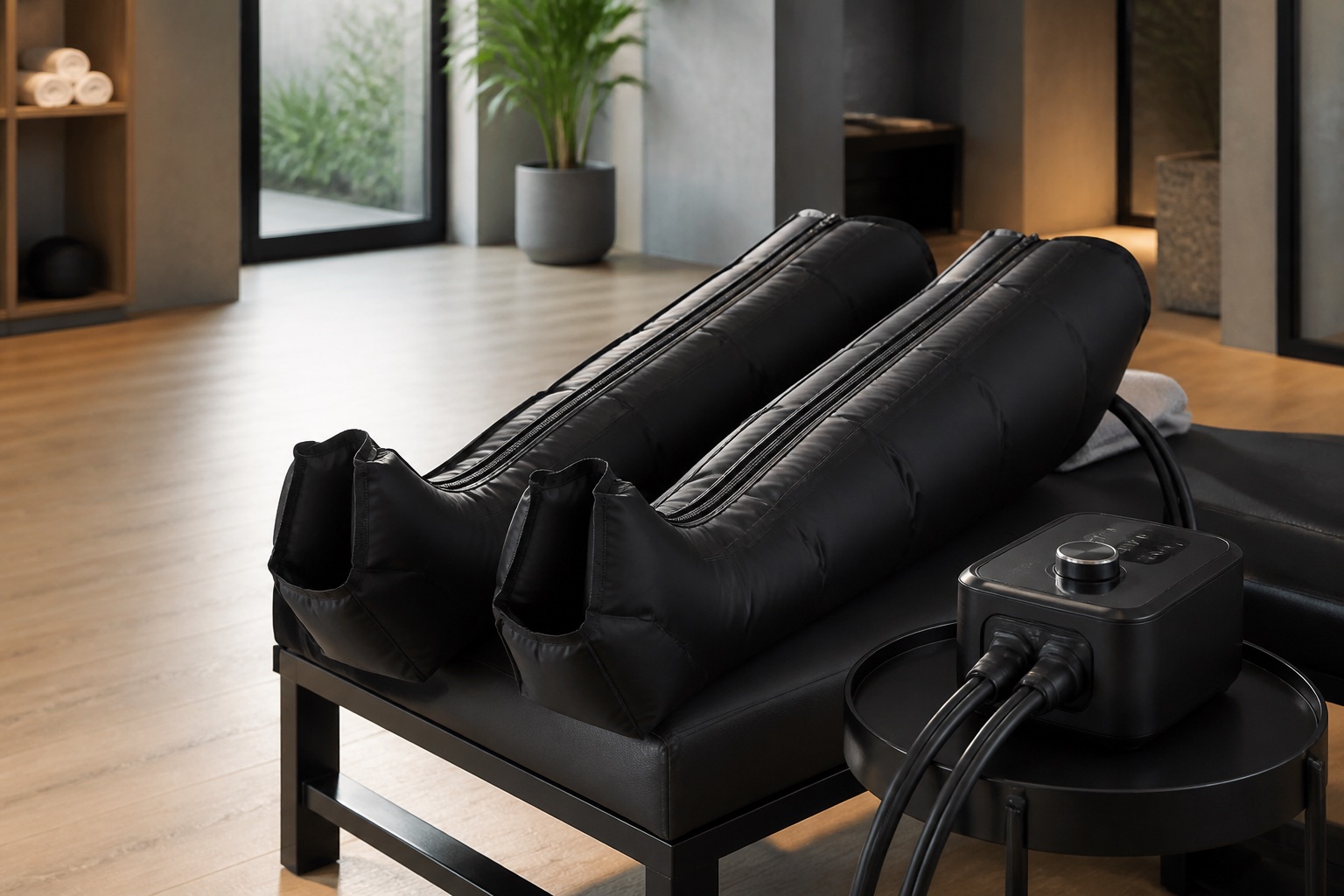
- Compression — sequential boots and calf sleeves for comfort and perceived readiness. Guides: Pneumatic Compression Boots and Normatec and Medical Compression Compared.
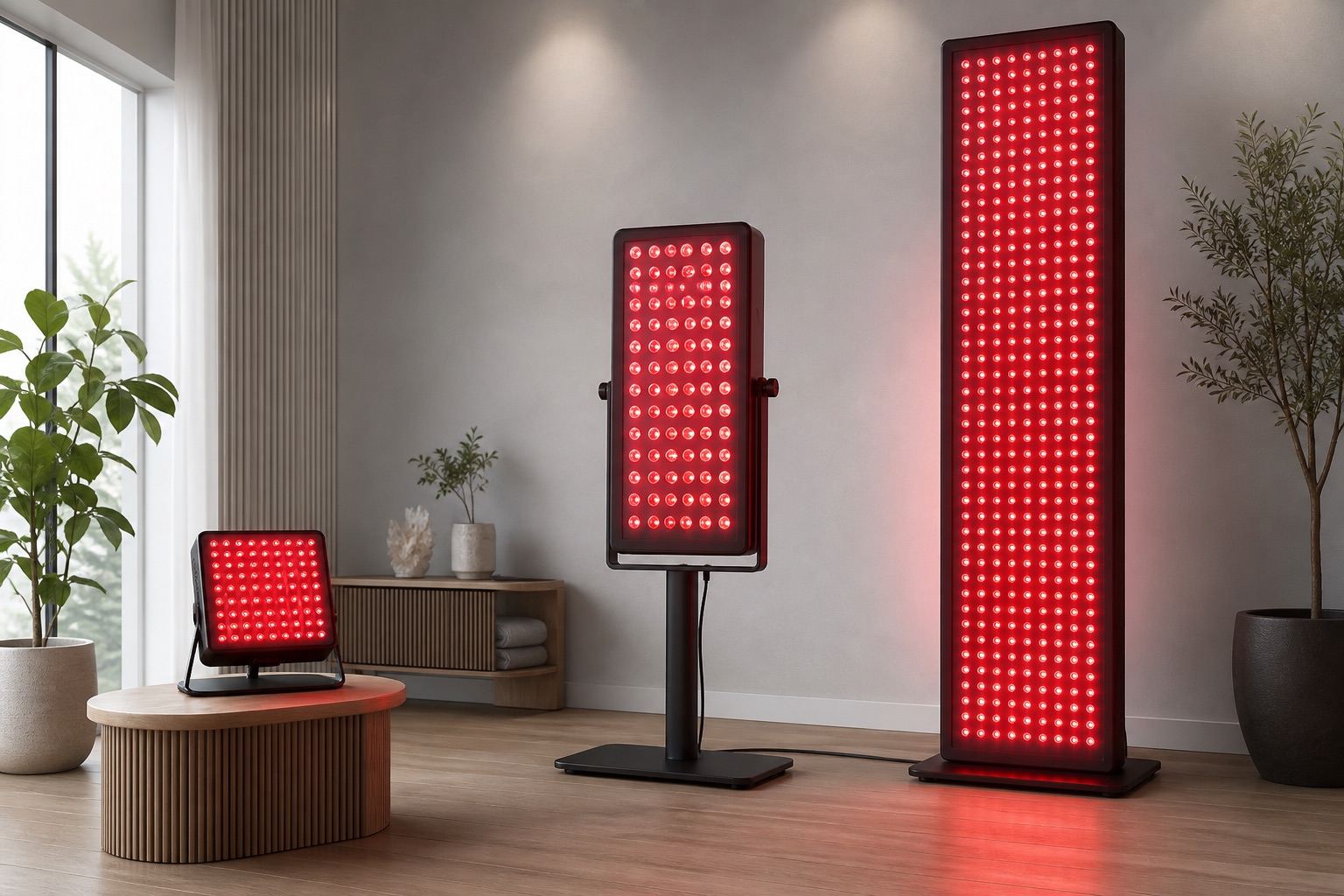
- Photonic and field devices — red/NIR panels and PEMF. Dose and class matter: Red Light Therapy, Choosing a Red Light Panel, PEMFs.
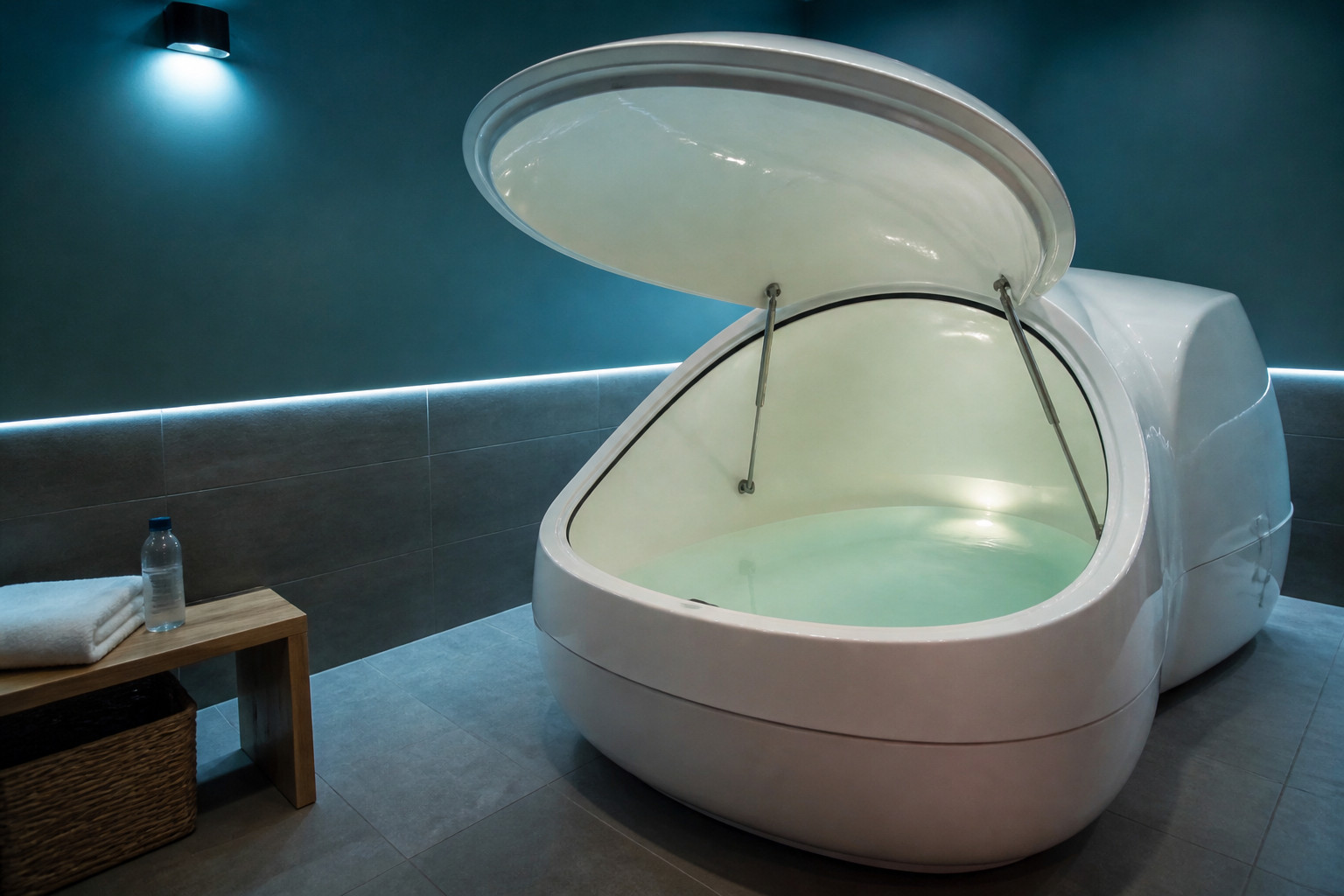
- Environmental immersion — float tanks for sensory downshift: Float Tanks and Sensory Deprivation.
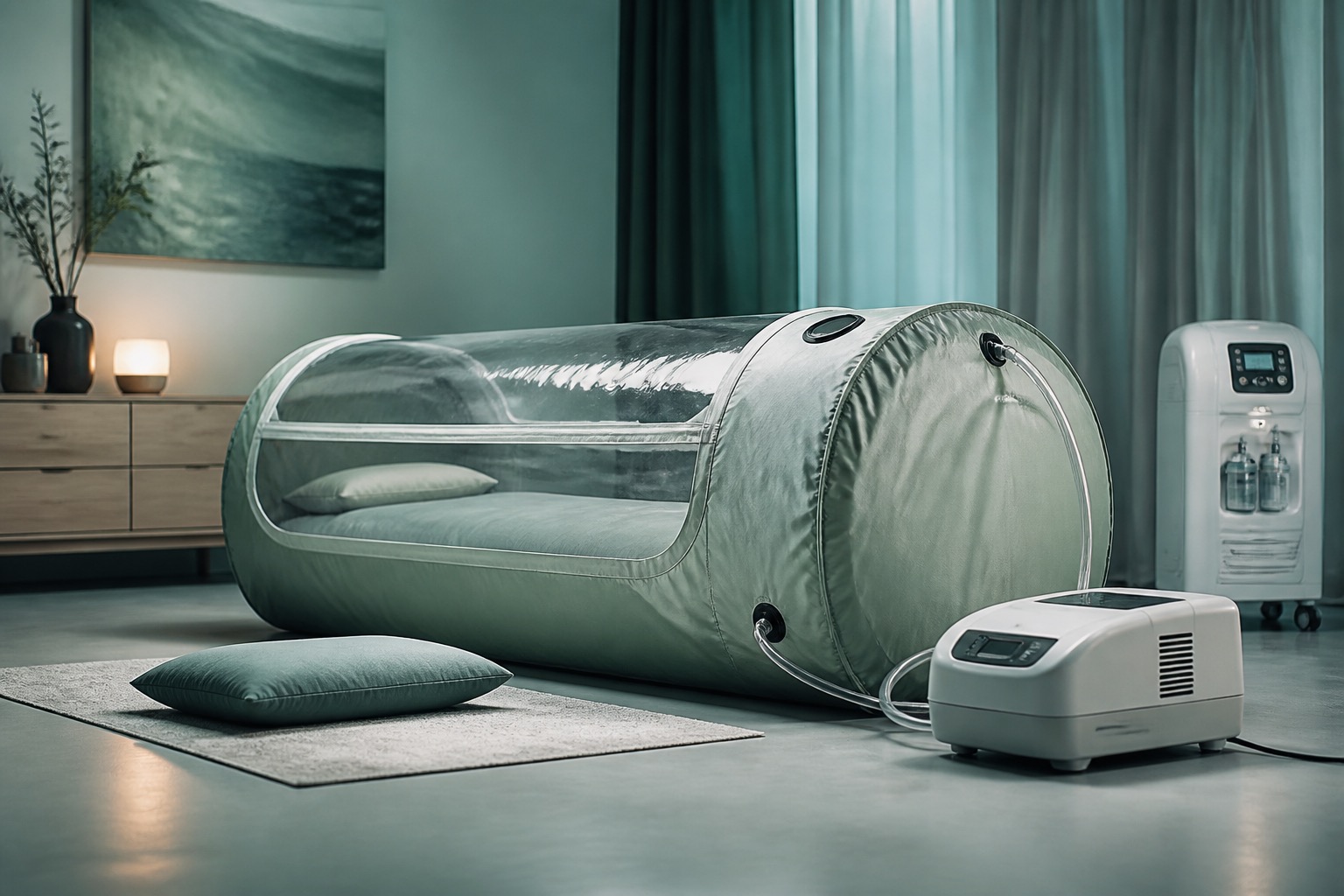
- Pressure / oxygen marketing — mild soft chambers are not clinical HBO₂: Hyperbaric Oxygen for Non-Clinical Users.
- Heat and cold — separate thermal toolkit with timing rules: The Thermal Protocol and Designing a Heat and Cold Routine.
You do not need one of each. You need the smallest set that matches your training stress and calendar.
Priorities when building a recovery toolkit
Use this order even when sales pages scream otherwise:
- Fix Stage 0. Sleep debt, chaotic load, and zero easy movement make expensive recovery theater. Devices cannot outspend a broken week.
- Buy for a named job. “Legs feel wrecked after squats,” “I travel and get stiff,” “I want a wind-down ritual” — not “I want a recovery room.”
- Trial cheap before premium. Stage 1 tools teach adherence. Stage 2–3 tools reward adherence.
- One new modality at a time. Stacking boots, panels, and floats in the same week hides what actually helped.
- Prefer sessions before ownership for float and mild HBOT. Capital is irreversible; a single session is data.
- Protect hypertrophy and medical constraints. Immediate post-lift cold and contraindicated pressure or PEMF are not “optimization.”
- Stop when the week is covered. A complete toolkit is the one you finish using, not the one that photographs well.
How we evaluate toolkit building blocks
- Priority fit (30%) — does this belong in Stage 1–4 for most athletes?
- Job clarity (20%) — local massage, compression, light, environment, or specialty?
- Adherence friction (20%) — will a busy adult actually use it weekly?
- Evidence honesty (15%) — symptom tool vs adaptation claim vs marketing class confusion.
- Upgrade logic (15%) — does a cheaper trial exist before this SKU?
Stage 0 — non-purchase foundations
Write these before you open a cart:
- Consistent sleep window (even if imperfect)
- Training plan with easy days that are actually easy
- Protein and carbs around hard sessions
- A default easy walk or mobility block after hard days
If Stage 0 is broken, Stage 4 will feel magical for a week and pointless by month two.
Stage 1 — high-ROI starters
TriggerPoint GRID, TOLOCO-class percussion, and FIT KING-class compression teach mechanical recovery without financing a lifestyle. Goal: prove you will touch a tool three times a week.
Stage 2 — core home kit
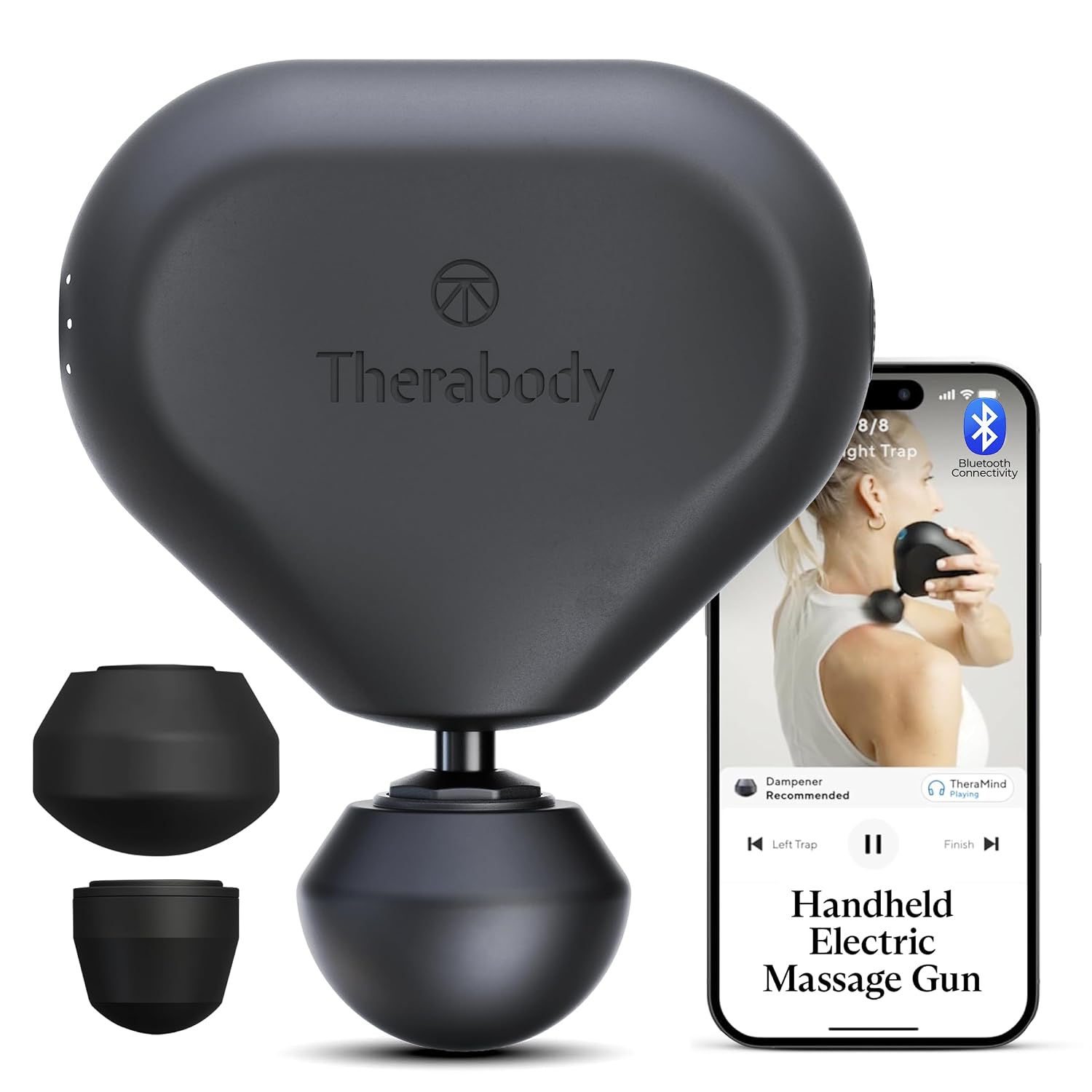
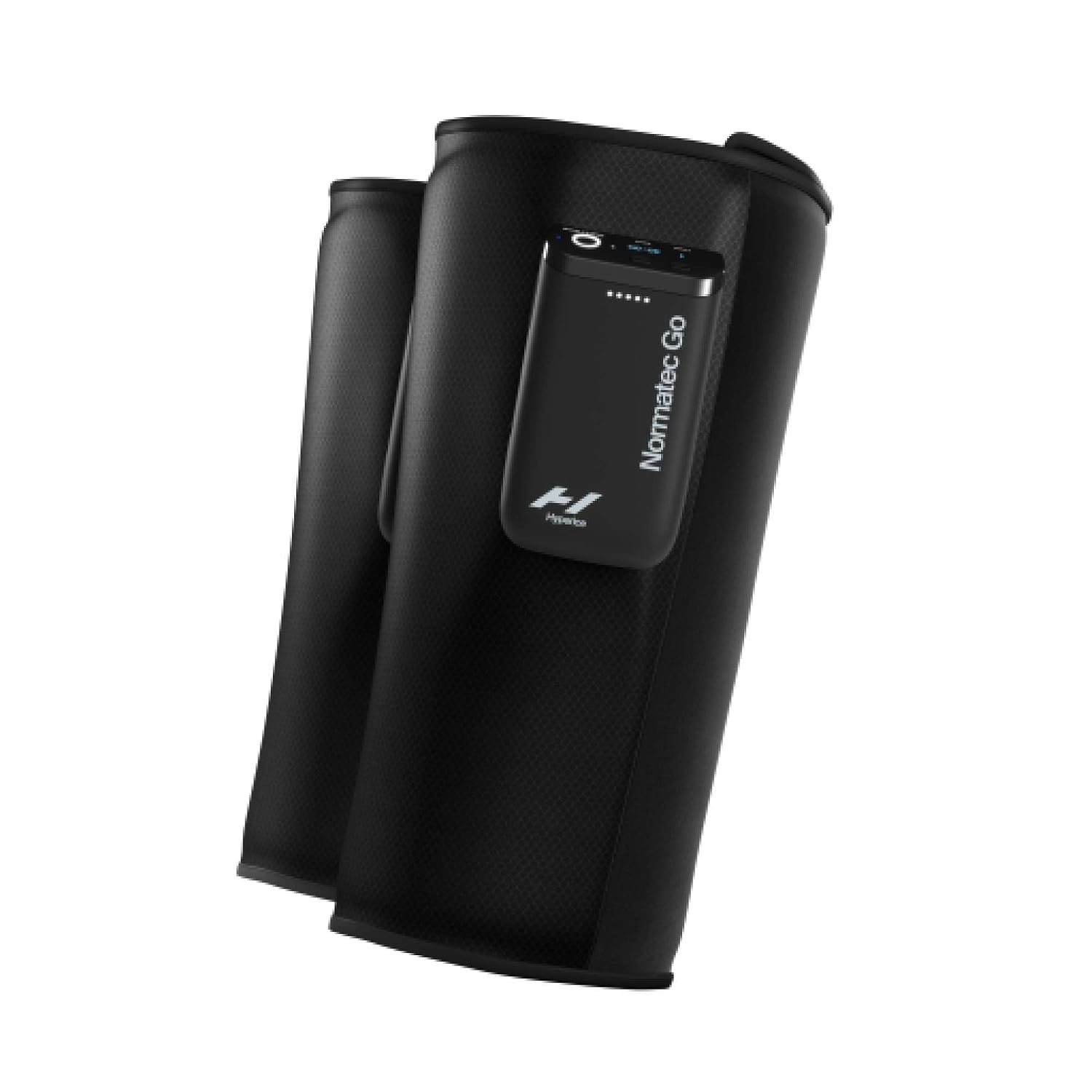
Upgrade what you already use: Theragun Mini for travel percussion, Normatec Go for portable calves, Hooga HG300 as a first serious panel. This is enough recovery hardware for most trained adults.
Stage 3 — targeted upgrades
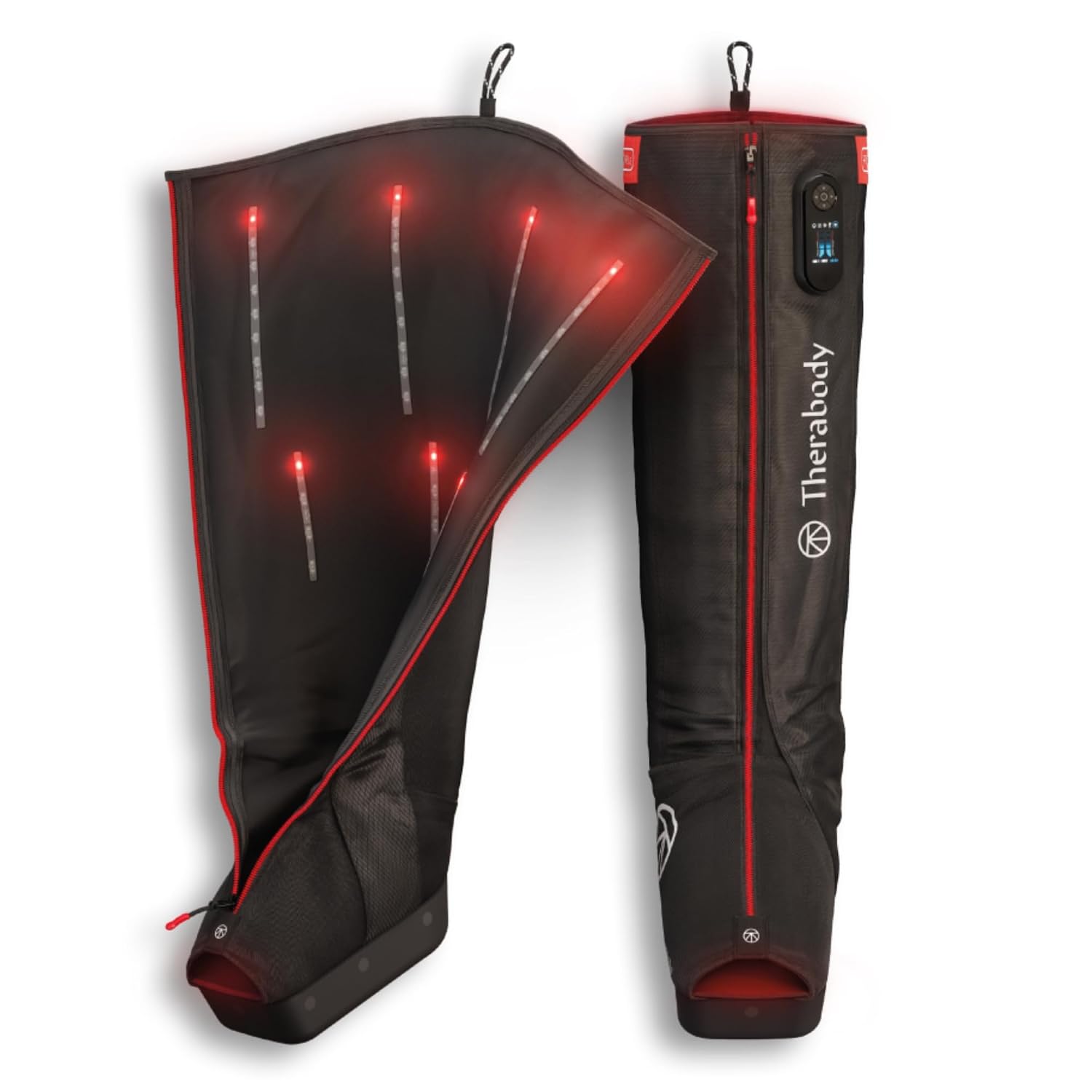
Full-leg boots (RecoveryAir PRO), a cheap PEMF wearable trial (ActiPatch), float studio sessions, and a larger panel only when Stage 2 is habitual and you can name the missing job.
Stage 4 — optional late capital
OMI-class PEMF pads and mild HBOT studio sessions are discretionary. They are not prerequisites for being “serious about recovery.” Soft home chambers belong even later — and only after you understand they are not UHMS clinical HBO₂.
Interactive comparison
Filter by form factor, sort by score or price, and pin up to three options for a focused side-by-side view.
Tradeoff:
Sticker price still matters here — most options are one-time hardware buys, so the three-year estimate mainly reflects purchase price plus expected upkeep.
Estimates are directional and based on common public pricing patterns. Promotions, refurbished units, family plans, and tier changes can move these numbers materially.
3-year cost of ownership
Device
Year 1
3-year estimate
Amazon Price
TriggerPoint GRID (Stage 1)
$40
$45
$35.99
Commercial Float Center Session (Stage 3)
$1,920
$5,760
—
Hooga HG300 Panel (Stage 2)
$220
$240
$199
Theragun Mini 3rd Gen (Stage 2)
$240
$270
$219.99
Therabody RecoveryAir PRO (Stage 3)
$600
$650
$1,149.99
Normatec Go (Stage 2)
$370
$400
$379
Mito Red Light MitoMID 2.0 (Stage 3)
$480
$520
$449
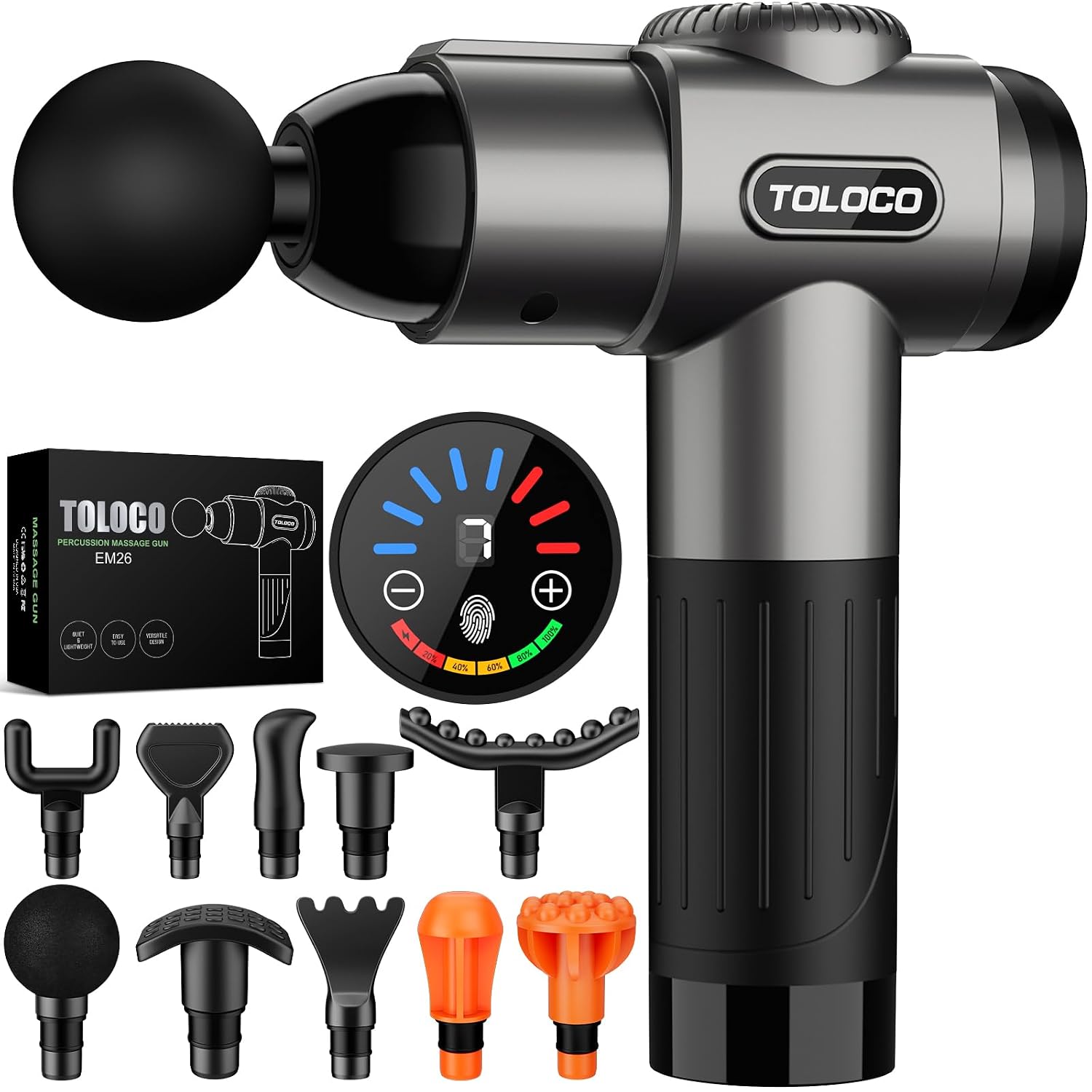
TOLOCO Percussion Massage Gun (Stage 1)
$50
$70
$39.99
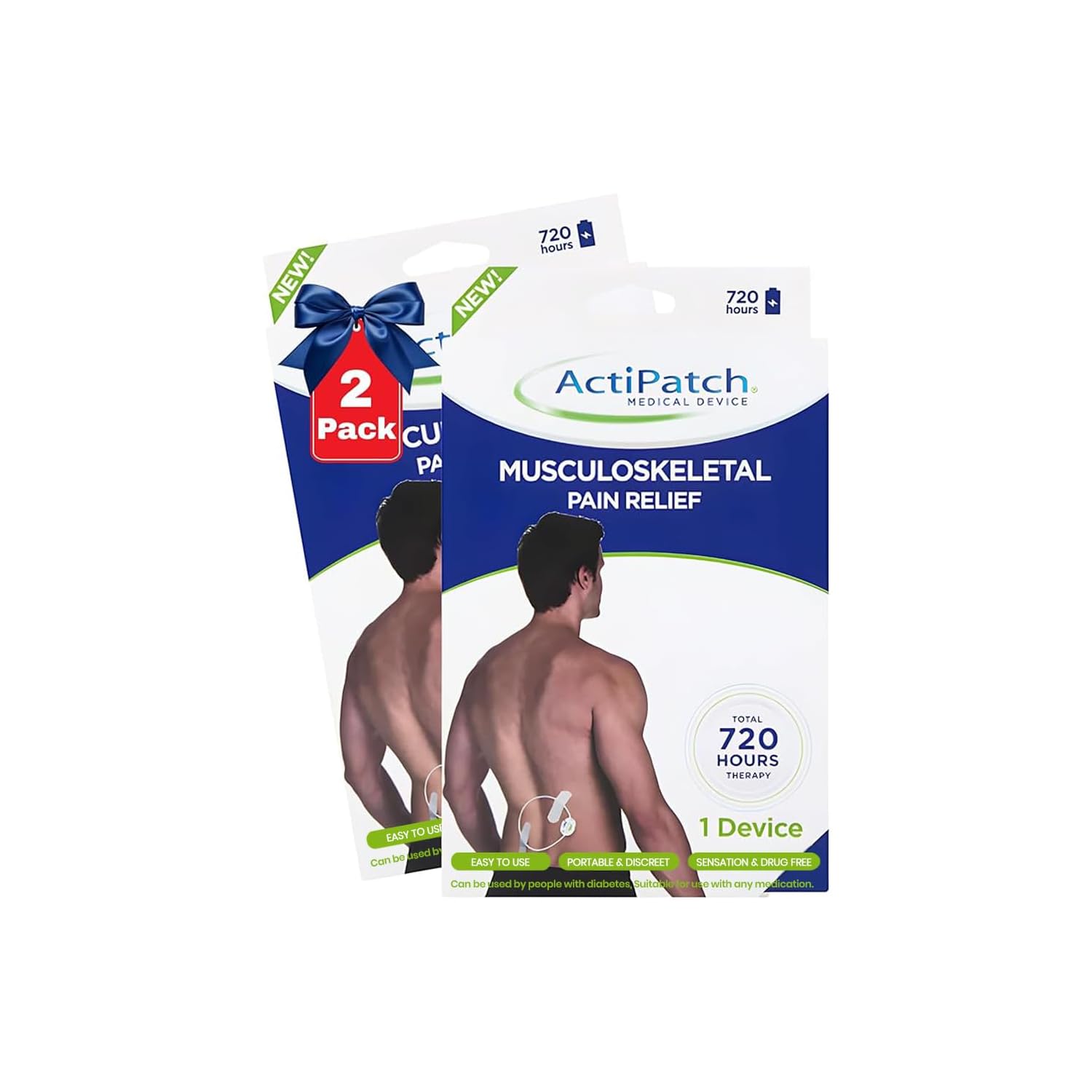
ActiPatch Wearable (Stage 3)
$100
$180
$74.90
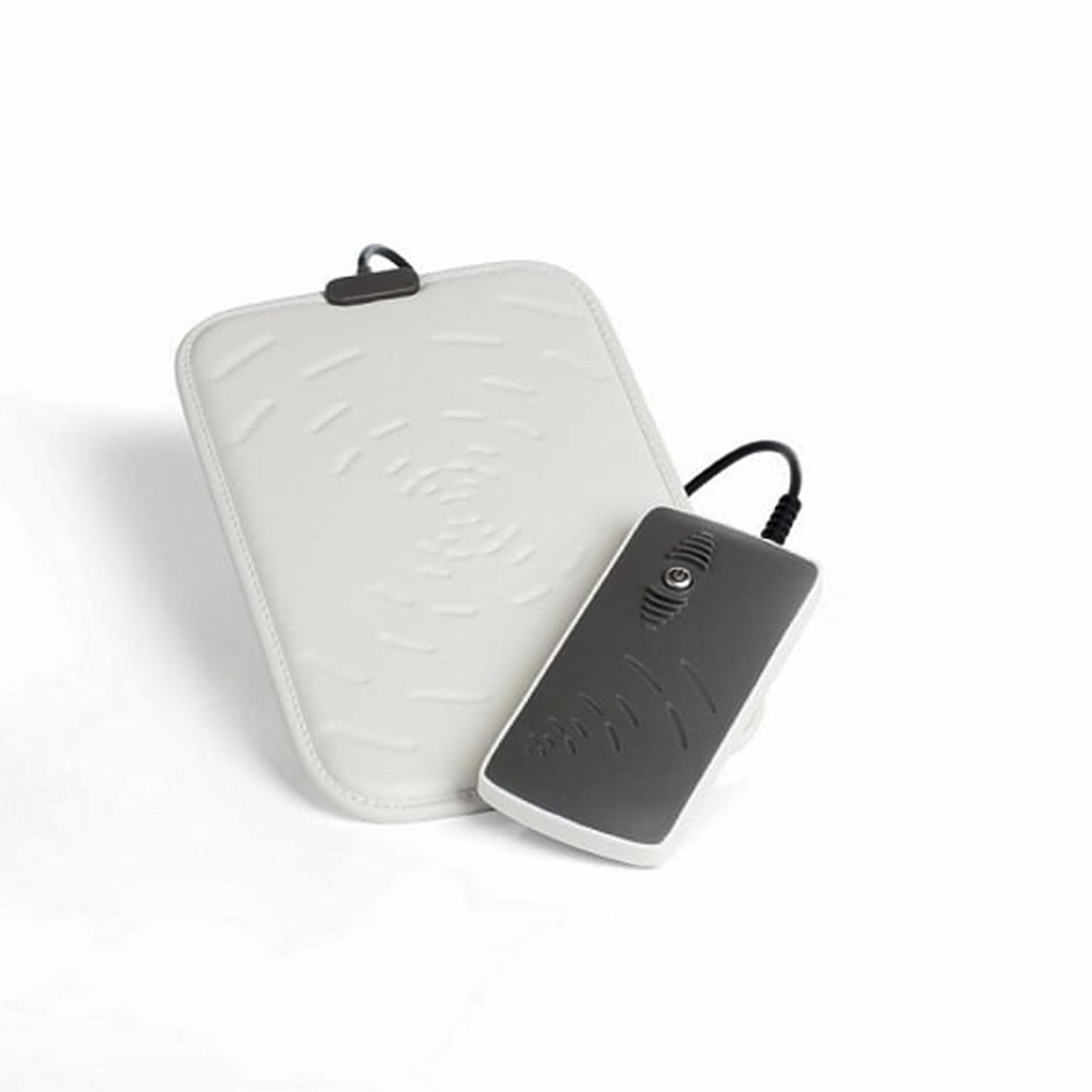
OMI Portable Magnetic Pad (Stage 4)
$210
$250
$179.99
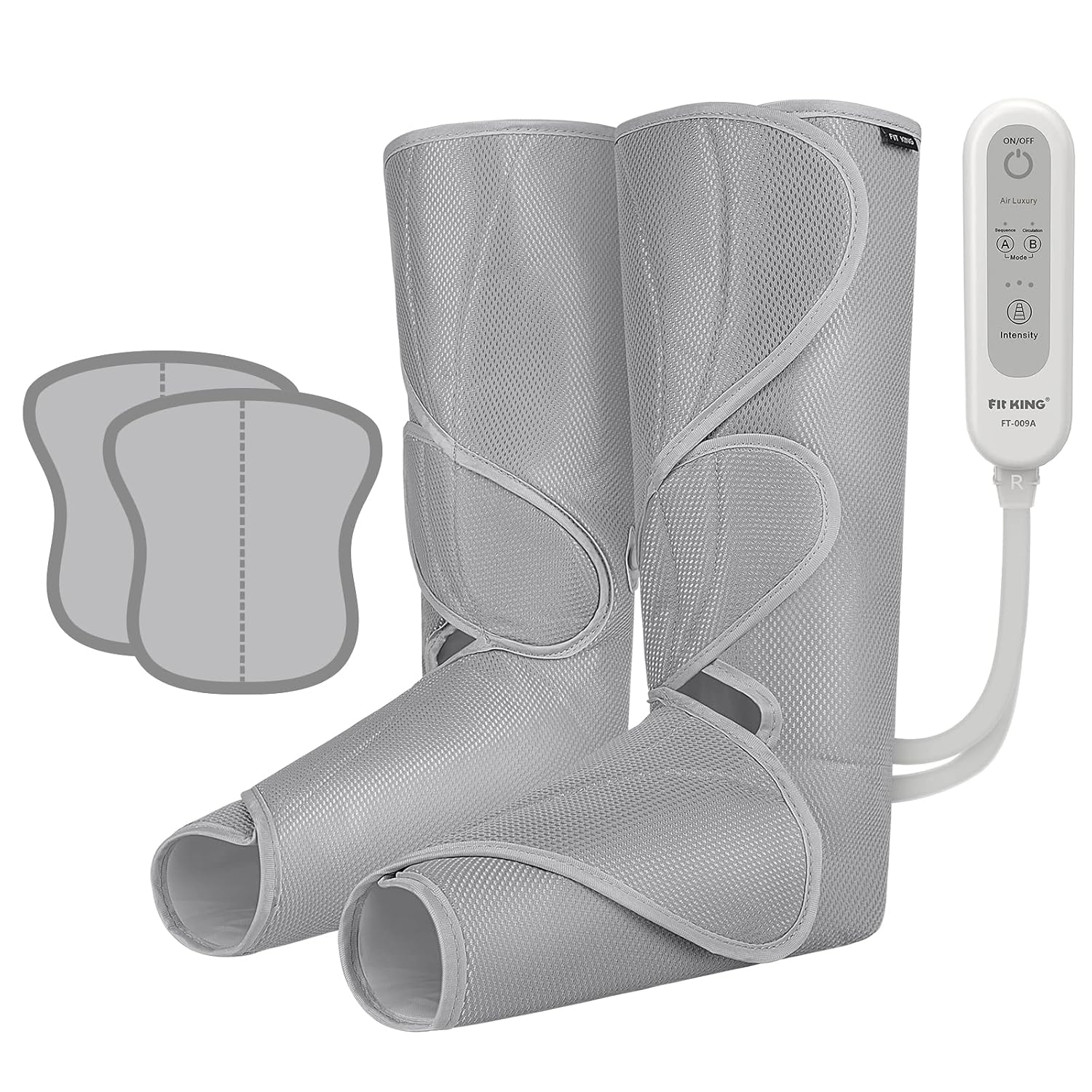
FIT KING FT-009A Leg & Foot Massager (Stage 1)
$115
$140
$71.99
Mild HBOT Studio Session (Stage 4)
$3,600
$10,800
—
Buy the stage you are in — not the stage you wish your budget implied.Which stage are you in?
Stay in Stage 0-1 if...
Buy Stage 2 if...
Buy Stage 3 if...
Touch Stage 4 only if...
Below are deeper notes on every option in the comparison table, sorted by editorial score. Jump directly from the table pins or the cost section.
TriggerPoint · Ring
Best for: Stage 1: broad self-massage and mobility without buying electronics first
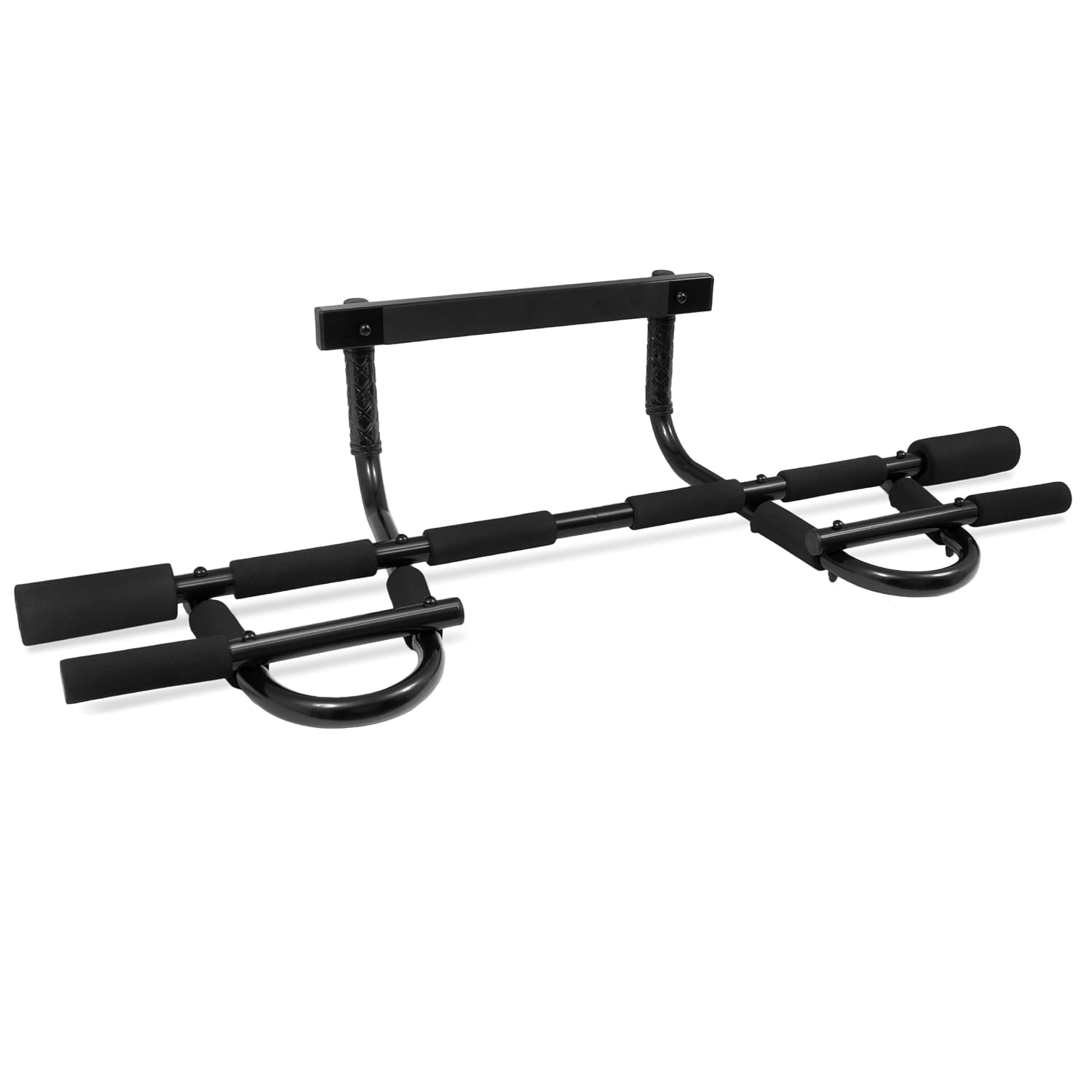
A textured foam roller is still the highest-ROI mechanical starter: range of motion and local discomfort work without batteries, apps, or charging guilt. Stage 1 mechanical baseline. Buy mobility tools before chambers. A boring roller beats an unused four-figure stack. A textured foam roller is still the highest-ROI mechanical starter: range of motion and local discomfort work without batteries, apps, or charging guilt.
Estimated ownership: about $40 in year 1 and
$45 over 3 years.
Usually a one-time Stage 1 buy unless you lose it under a bed.
Local float center · Ring
Best for: Stage 3: nervous-system downshift via flotation-REST without buying a home pod
Float sessions are Stage 3 environmental recovery: validate the nervous-system job before anyone sells you a $10k tank. Stage 3 studio environmental recovery. Flotation-REST is strongest as a short-term stress and anxiety tool — weaker as a blanket muscle-recovery machine. Float sessions are Stage 3 environmental recovery: validate the nervous-system job before anyone sells you a $10k tank.
Estimated ownership: about $1,920 in year 1 and
$5,760 over 3 years.
Assumes roughly two paid sessions per month at ~$80 — packages change the math.
Hooga · Panel
Best for: Stage 2: first serious red/NIR panel once sleep and mechanical tools are covered
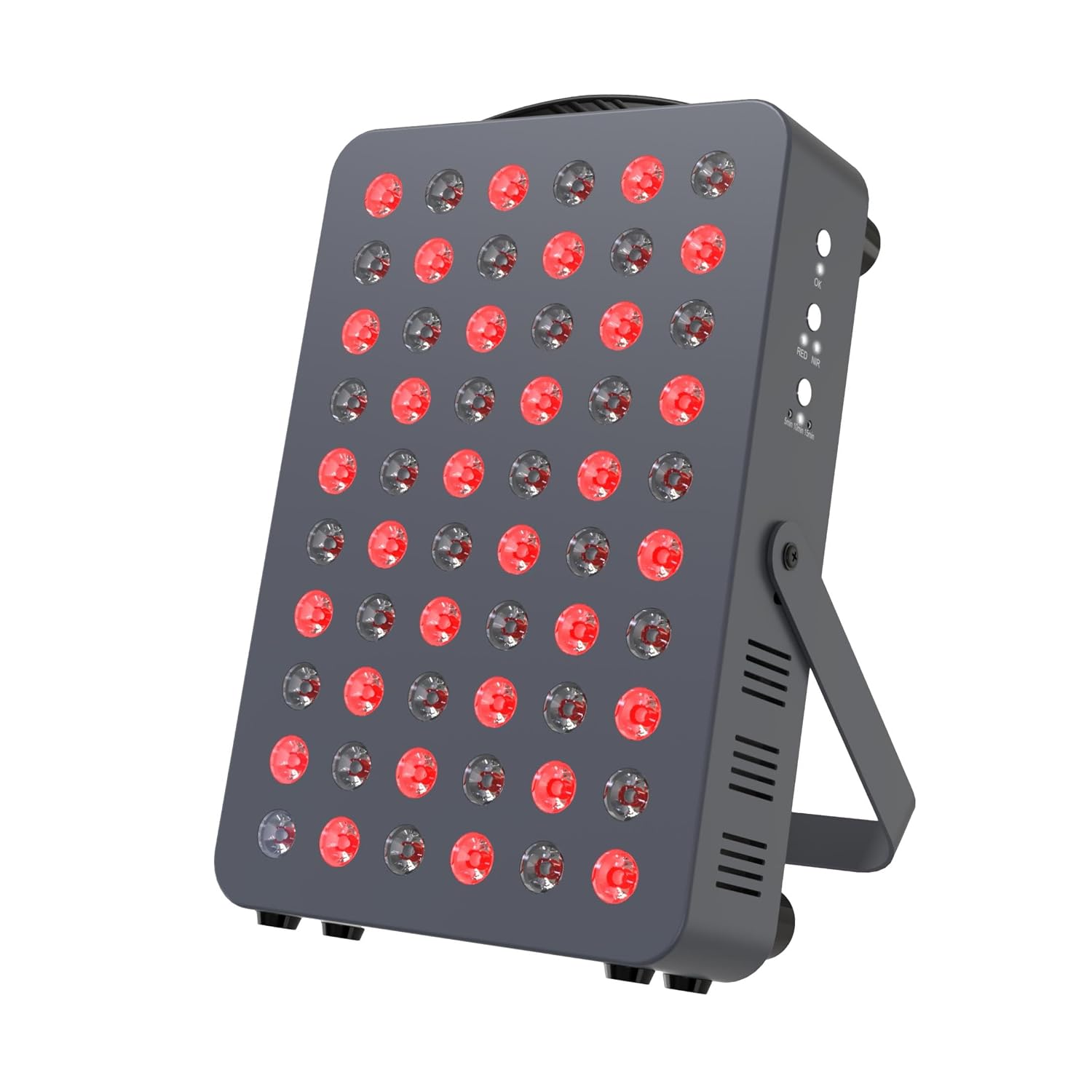
A mid panel is the right Stage 2 light buy: learn dosing and adherence before mega-panels and mats. Stage 2 red light entry. Photobiomodulation is a dose problem — wavelength, irradiance, and time beat brand mythology. A mid panel is the right Stage 2 light buy: learn dosing and adherence before mega-panels and mats.
Estimated ownership: about $220 in year 1 and
$240 over 3 years.
First photonic purchase after Stage 1 mechanical kit and sleep basics.
Therabody · Ring
Best for: Stage 2: premium pocketable percussion after Stage 1 adherence is proven
Stage 2 percussion is for people who already use a gun. The Mini earns the bag slot — not the first impulse buy. Stage 2 percussion upgrade. Percussion helps local comfort and readiness more than it replaces sleep or easy walking. Stage 2 percussion is for people who already use a gun. The Mini earns the bag slot — not the first impulse buy.
Estimated ownership: about $240 in year 1 and
$270 over 3 years.
Upgrade percussion after a cheap gun proves weekly use.
Therabody · Ring
Best for: Stage 3: full-leg compression when Stage 1/2 proved you will use boots weekly
Full-leg boots are a Stage 3 reward for people who already sit through compression sessions. Skip them if Stage 1 wraps died in a closet. Stage 3 full-leg compression. Compression is a comfort and perceived-recovery tool for most consumers — not a substitute for training load management. Full-leg boots are a Stage 3 reward for people who already sit through compression sessions. Skip them if Stage 1 wraps died in a closet.
Estimated ownership: about $600 in year 1 and
$650 over 3 years.
Stage 3 compression capital — only after cheaper compression adherence is real.
Hyperice · Ring
Best for: Stage 2: travel and desk-friendly calf compression after budget boots teach the habit
Normatec Go is Stage 2 compression for people who travel or live at a desk. It is not your whole-leg recovery system. Stage 2 portable compression. Compression is a comfort and perceived-recovery tool for most consumers — not a substitute for training load management. Normatec Go is Stage 2 compression for people who travel or live at a desk. It is not your whole-leg recovery system.
Estimated ownership: about $370 in year 1 and
$400 over 3 years.
Portable compression upgrade — buy after Stage 1 proves you will sit through sessions.
Mito Red Light · Panel
Best for: Stage 3: larger panel upgrade after a Stage 2 panel proves dosing adherence
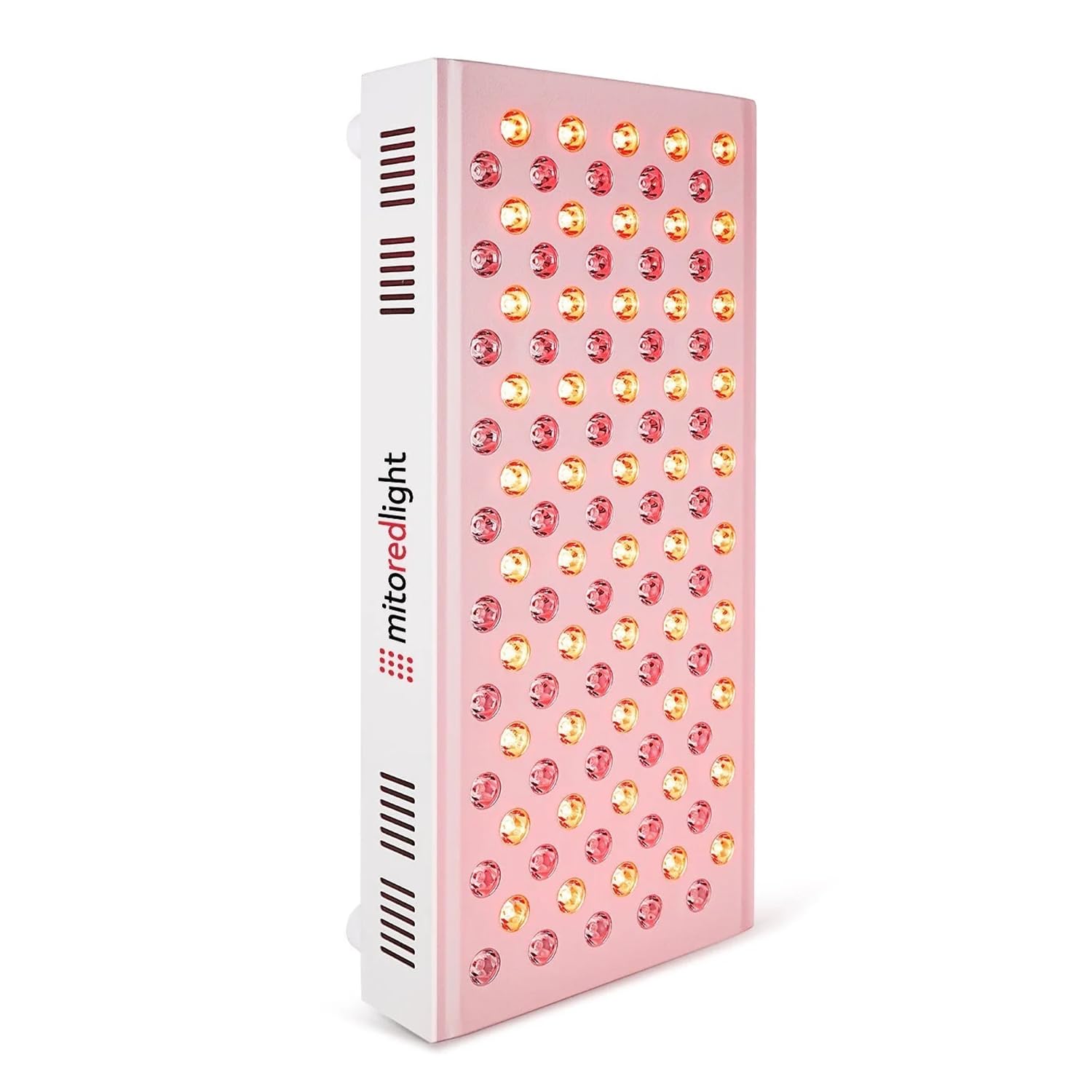
Upsize light only when the small panel’s calendar is already full. Coverage without adherence is expensive interior design. Stage 3 red light coverage upgrade. Photobiomodulation is a dose problem — wavelength, irradiance, and time beat brand mythology. Upsize light only when the small panel’s calendar is already full. Coverage without adherence is expensive interior design.
Estimated ownership: about $480 in year 1 and
$520 over 3 years.
Coverage upgrade only after Stage 2 light sessions are habitual.
TOLOCO · Ring
Best for: Stage 1: testing whether you will actually use a massage gun
Budget percussion is a Stage 1 experiment: if it gathers dust in two weeks, you did not need a Theragun. If you use it thrice weekly, upgrade with data. Stage 1 percussion trial. Percussion helps local comfort and readiness more than it replaces sleep or easy walking. Budget percussion is a Stage 1 experiment: if it gathers dust in two weeks, you did not need a Theragun. If you use it thrice weekly, upgrade with data.
Estimated ownership: about $50 in year 1 and
$70 over 3 years.
Hardware trial cost — replace or upgrade only after adherence is proven.
ActiPatch · Wearable
Best for: Stage 3: low-cost PEMF trial for localized discomfort before mats
ActiPatch is how you test PEMF without buying a heated gemstone mattress. Local discomfort first — mythology never. Stage 3 PEMF trial. PEMF is a parameter problem — coverage and intensity class matter more than magnet mystique. ActiPatch is how you test PEMF without buying a heated gemstone mattress. Local discomfort first — mythology never.
Estimated ownership: about $100 in year 1 and
$180 over 3 years.
Specialty trial before PEMF mats or high-gauss systems.
OMI · Ring
Best for: Stage 4 optional: portable PEMF pad after local wearables and core toolkit exist
A portable PEMF pad is a Stage 4 optional — buy it when the core toolkit is boring and you still have a local job for fields. Stage 4 optional PEMF pad. PEMF is a parameter problem — coverage and intensity class matter more than magnet mystique. A portable PEMF pad is a Stage 4 optional — buy it when the core toolkit is boring and you still have a local job for fields.
Estimated ownership: about $210 in year 1 and
$250 over 3 years.
Optional specialty after Stages 1–3 are earning their keep.
FIT KING · Ring
Best for: Stage 1: cheap foot-and-calf compression before athlete-grade boots
Entry air compression teaches the ritual without Normatec pricing. Buy it to learn if inflated evenings stick — not as your forever competition boots. Stage 1 compression trial. Compression is a comfort and perceived-recovery tool for most consumers — not a substitute for training load management. Entry air compression teaches the ritual without Normatec pricing. Buy it to learn if inflated evenings stick — not as your forever competition boots.
Estimated ownership: about $115 in year 1 and
$140 over 3 years.
Budget compression trial — upgrade only if you want full-leg athletic coverage.
Local wellness studio · Ring
Best for: Stage 4 late optional: try mild soft-chamber exposure long after fundamentals are solid
Mild HBOT sessions are Stage 4 curiosity, not Stage 1 medicine. Soft chambers are not hospital HBO₂ — validate before anyone quotes you a home bag. Stage 4 late optional mild hyperbaric path. Mild soft chambers are a different class from UHMS therapeutic HBO₂ — pressure and oxygen fraction matter. Mild HBOT sessions are Stage 4 curiosity, not Stage 1 medicine. Soft chambers are not hospital HBO₂ — validate before anyone quotes you a home bag.
Estimated ownership: about $3,600 in year 1 and
$10,800 over 3 years.
Assumes roughly two mild sessions per month at ~$150 — late-stage discretionary spend.
Detailed reviews
TriggerPoint GRID (Stage 1)
Pros
Cons
Choose this if
Skip this if
Commercial Float Center Session (Stage 3)
Pros
Cons
Choose this if
Skip this if
Hooga HG300 Panel (Stage 2)
Pros
Cons
Choose this if
Skip this if
Theragun Mini 3rd Gen (Stage 2)
Pros
Cons
Choose this if
Skip this if
Therabody RecoveryAir PRO (Stage 3)
Pros
Cons
Choose this if
Skip this if
Normatec Go (Stage 2)
Pros
Cons
Choose this if
Skip this if
Mito Red Light MitoMID 2.0 (Stage 3)
Pros
Cons
Choose this if
Skip this if
TOLOCO Percussion Massage Gun (Stage 1)
Pros
Cons
Choose this if
Skip this if
ActiPatch Wearable (Stage 3)
Pros
Cons
Choose this if
Skip this if
OMI Portable Magnetic Pad (Stage 4)
Pros
Cons
Choose this if
Skip this if
FIT KING FT-009A Leg & Foot Massager (Stage 1)
Pros
Cons
Choose this if
Skip this if
Mild HBOT Studio Session (Stage 4)
Pros
Cons
Choose this if
Skip this if
Anti-patterns that empty wallets
- Buying a red-light wall before owning a roller you use
- Financing soft HBOT because a podcast said “oxygen”
- Owning Normatec and never scheduling 30-minute sessions
- Collecting PEMF mats to fix a sleep schedule problem
- Calling Zone-2-but-actually-tempo rides “active recovery” while adding three gadgets
Sample toolkits by persona
- Apartment minimalist: Stage 0 + GRID + budget gun. Stop.
- Traveling lifter: Stage 0 + Mini + Normatec Go + hotel walking.
- Home gym regular: Stage 0–2 (gun or Mini, Go or budget boots, mid panel).
- Stress-heavy professional: Stage 0 + float sessions + easy walks; devices optional.
- Curious optimizer: finish Stage 2, then one Stage 3 experiment per quarter — not per paycheck.
Nothing electronic until sleep timing and easy movement are boring habits. Then Stage 1: a foam roller and/or a cheap massage gun. Compression and red light come after those prove weekly use. Not at the start. Guns are local and portable; boots are passive full-limb rituals. Pick the job you actually have, trial cheaply, then add the second modality only if the first is already earning its slot. Stage 2 for most people — after mechanical basics and sleep. Learn dosing on a mid panel before mega-panels or mats. Details live in the red light guides. Usually not as early purchases. Validate with studio sessions. Home pods and soft chambers are Stage 3–4 capital with maintenance, logistics, and (for mild HBOT) class-confusion risks. Stage 1–2 tools are on a weekly calendar, sleep is stable enough to notice, and you can name the job the next purchase will do. If you are still collecting unopened boxes, stay put. No. Easy walking and true rest still cover circulation and load management cheaply. Devices are optional amplifiers — see Active Recovery vs Passive Modalities.Building a recovery toolkit FAQ
What should I buy first for recovery?
+
Do I need both a massage gun and compression boots?
+
When does red light belong in the toolkit?
+
Are float tanks and mild HBOT worth owning at home?
+
How do I know I am ready for Stage 3?
+
Can gadgets replace active recovery?
+
This comparison is designed for practical decision-making. Product capabilities, pricing, and memberships change quickly, so treat battery claims, plan costs, and feature availability as moving targets.
Recovery-technique meta-analysis useful for ranking symptom tools (massage, compression, immersion, active recovery) when building a kit by job — not by haul size.
Related Keersa guide: Active Recovery vs Passive Modalities
Decision framework for when easy movement and sleep beat devices — read before Stage 3 capital.
Related Keersa guide: Percussion Massage Devices
Stage 1–2 mechanical deep dive for guns and amplitude tradeoffs.
Related Keersa guide: Pneumatic Compression Boots
Compression coverage and session design for Stage 1–3 boot decisions.
Related Keersa guide: Red Light Therapy — Mechanisms and Use Cases
Dose and device-class honesty before Stage 2–3 panel upgrades.
Affiliate disclosure: some product links on Keersa Health may earn a commission at no extra cost to you.
Editorial recommendations are independent of commercial relationships.
Read our full disclosure.
Sources and editorial notes
Bottom line
Build a recovery toolkit the way you’d build a kitchen: knives and a pan before the sous-vide museum. Sleep and easy movement first, Stage 1 mechanical trials next, Stage 2 core devices when habits stick, Stage 3–4 only with a named job. Related: Active Recovery vs Passive Modalities, Percussion Massage Devices, Pneumatic Compression Boots, and Red Light Therapy: Mechanisms and Use Cases.