Recovery guide · Updated 2026
Active Recovery vs Passive Modalities: When to Move, Rest, Compress, or Light
A decision framework for recovery after training stress — what active recovery actually is, when passive modalities help symptoms, and how to choose based on the session you just did rather than the gadget you own.
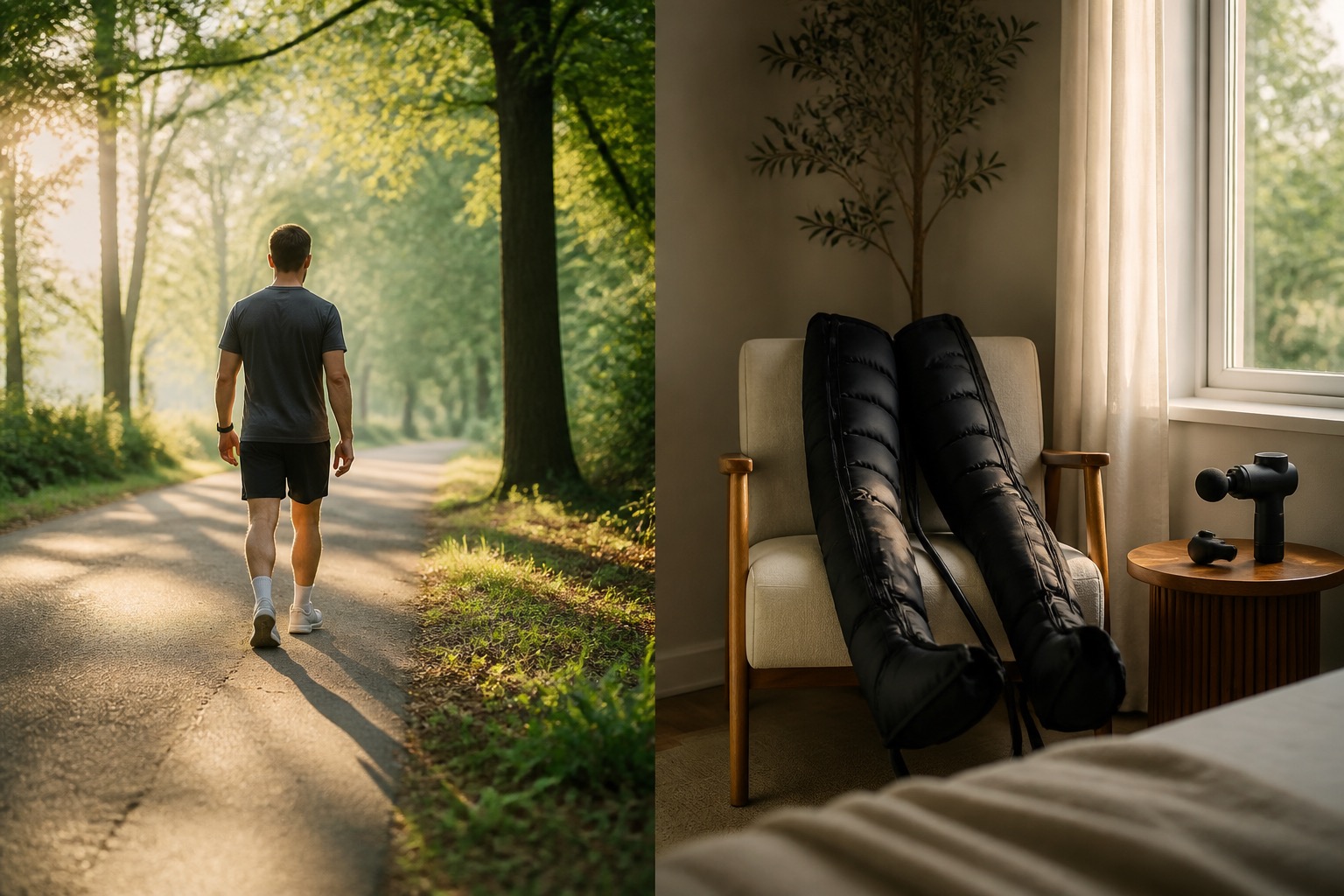
Recovery shopping is loud. Boots inflate, guns buzz, panels glow, bags pressurize. Meanwhile the cheapest recovery tools — easy movement, sleep, and not stacking hard days — still do most of the real work. This guide is a decision framework: when active recovery earns the hour, when passive modalities help, and how to stop treating every sore muscle as a product problem.
We will define the two lanes clearly, map common passive tools to jobs (with links into our Recovery and Heat & Cold deep dives), then give scenario-based picks based on the training stress you just created.
Key takeaways
- Active recovery = low-intensity movement that promotes circulation without becoming a stealth workout.
- Passive modalities = tools and exposures that act on you (compression, massage, light, float, mild hyperbaric, heat/cold) — useful for symptoms and ritual, rarely a substitute for sleep or easy movement.
- Massage-class interventions often rank high for DOMS and perceived fatigue in recovery meta-analyses; that is a symptom lane, not proof that gadgets build fitness.
- Active cool-downs can help how you feel acutely, but they do not reliably outperform passive rest for next-day performance in every sport context.
- Pick by stress type: metabolic residue, muscle damage/soreness, nervous-system load, and adaptation goals each suggest different first moves.
- Buy last. Prove a walk-and-sleep habit before financing a recovery room.
Define the lanes without marketing fog
What active recovery is
Active recovery is intentional low-intensity movement between or after harder sessions. Classic examples: easy walking, very easy cycling or swimming, light mobility flows, or technique work at a conversational pace. The goal is blood flow, stiffness reduction, and psychological “I’m still an athlete” momentum — not another fitness adaptation.
Useful intensity anchors:
- Talk test: you can speak in full sentences without gasping.
- Effort: roughly easy aerobic / Zone 1 territory for most people — often described around ~30–60% of max heart rate in recovery literature, though heart-rate zones are individual.
- Duration: often 15–45 minutes; longer only if it stays truly easy and does not steal from sleep or the next hard session.
- Stop rule: if form degrades, effort creeps up, or you finish more fried than when you started, you left the recovery lane.
What passive recovery is
Passive recovery originally meant rest — sitting or lying down while physiology settles. In modern consumer language it also includes passive modalities: devices and exposures that do not require you to produce meaningful locomotor work.
That second bucket is where most Recovery products live:
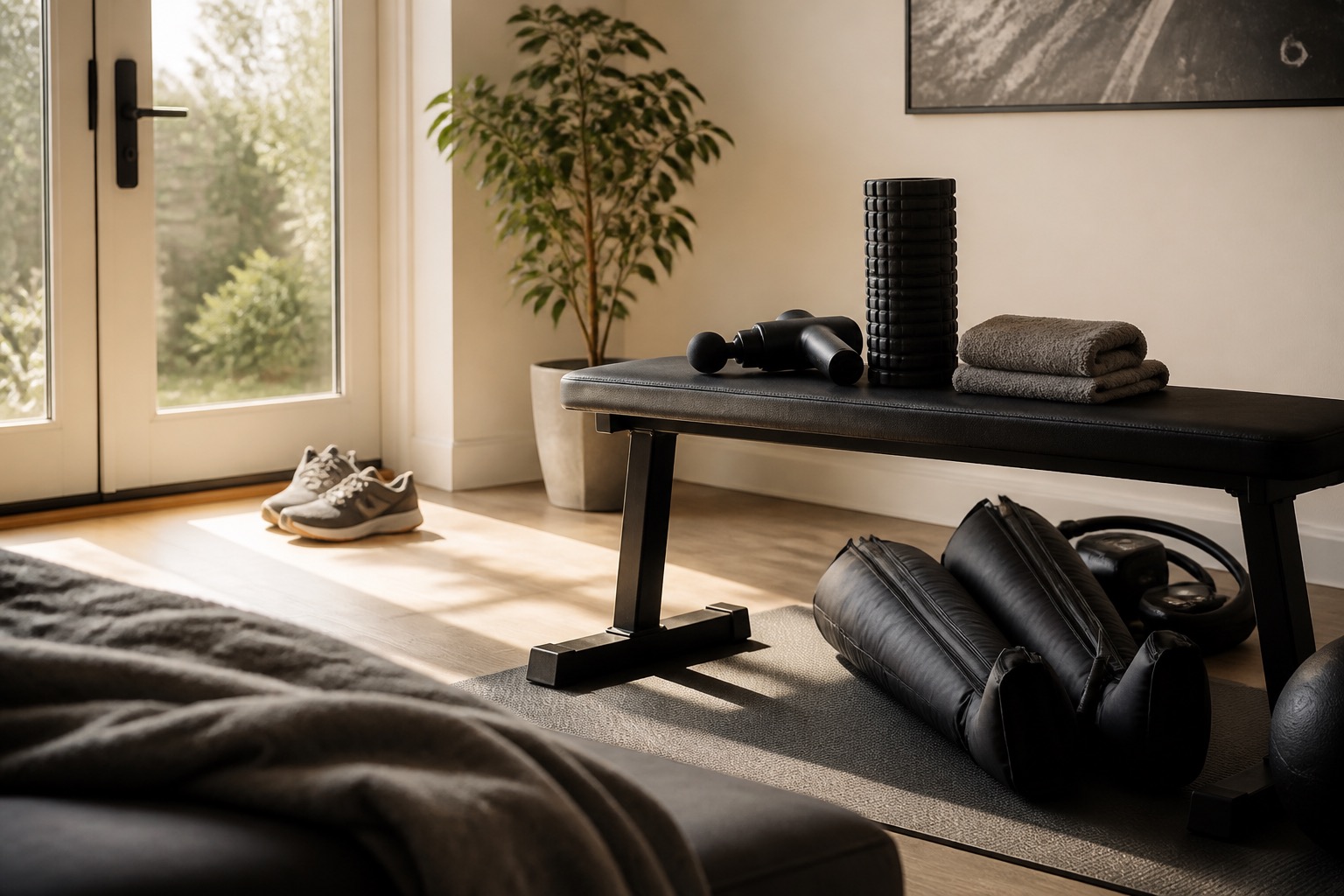
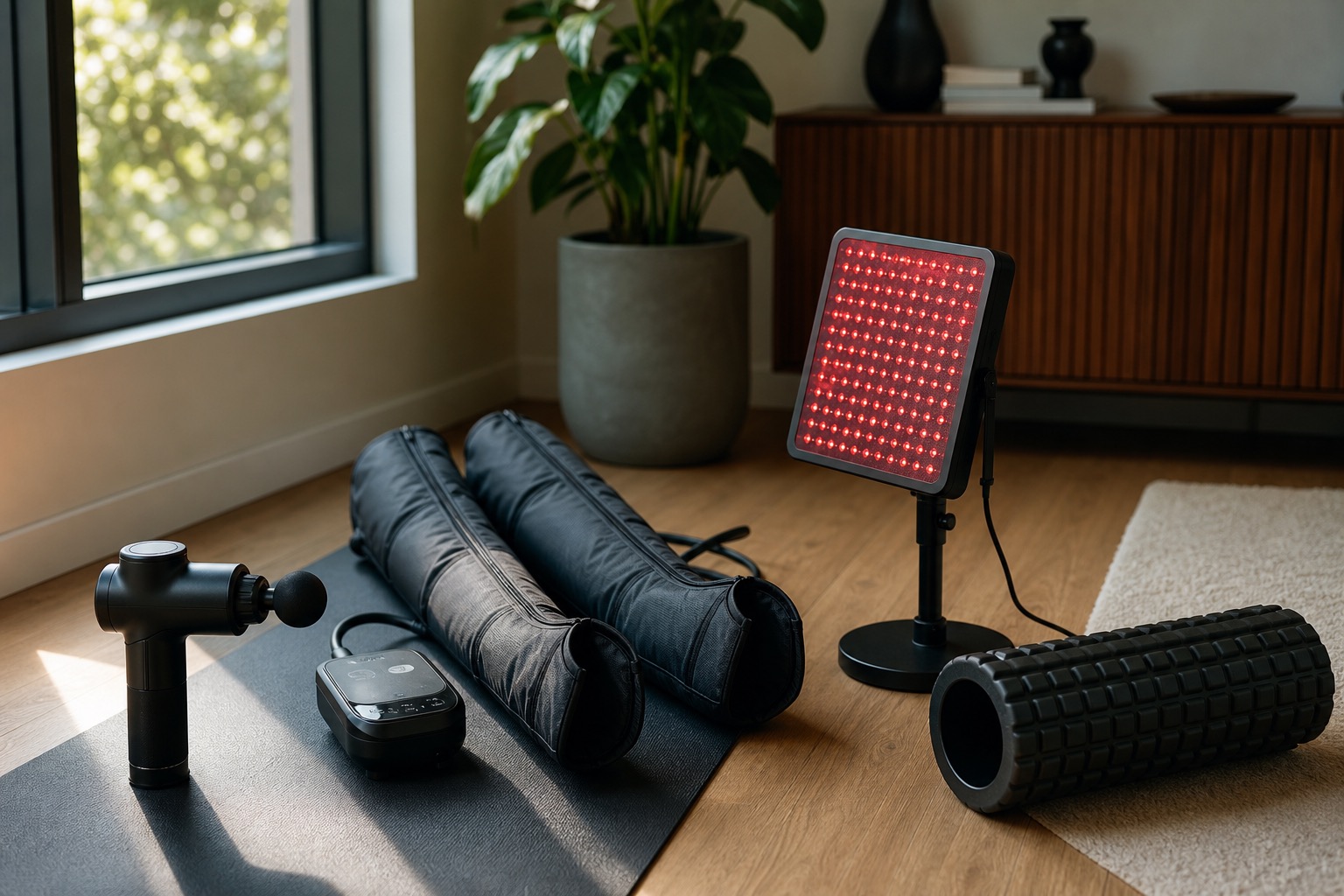
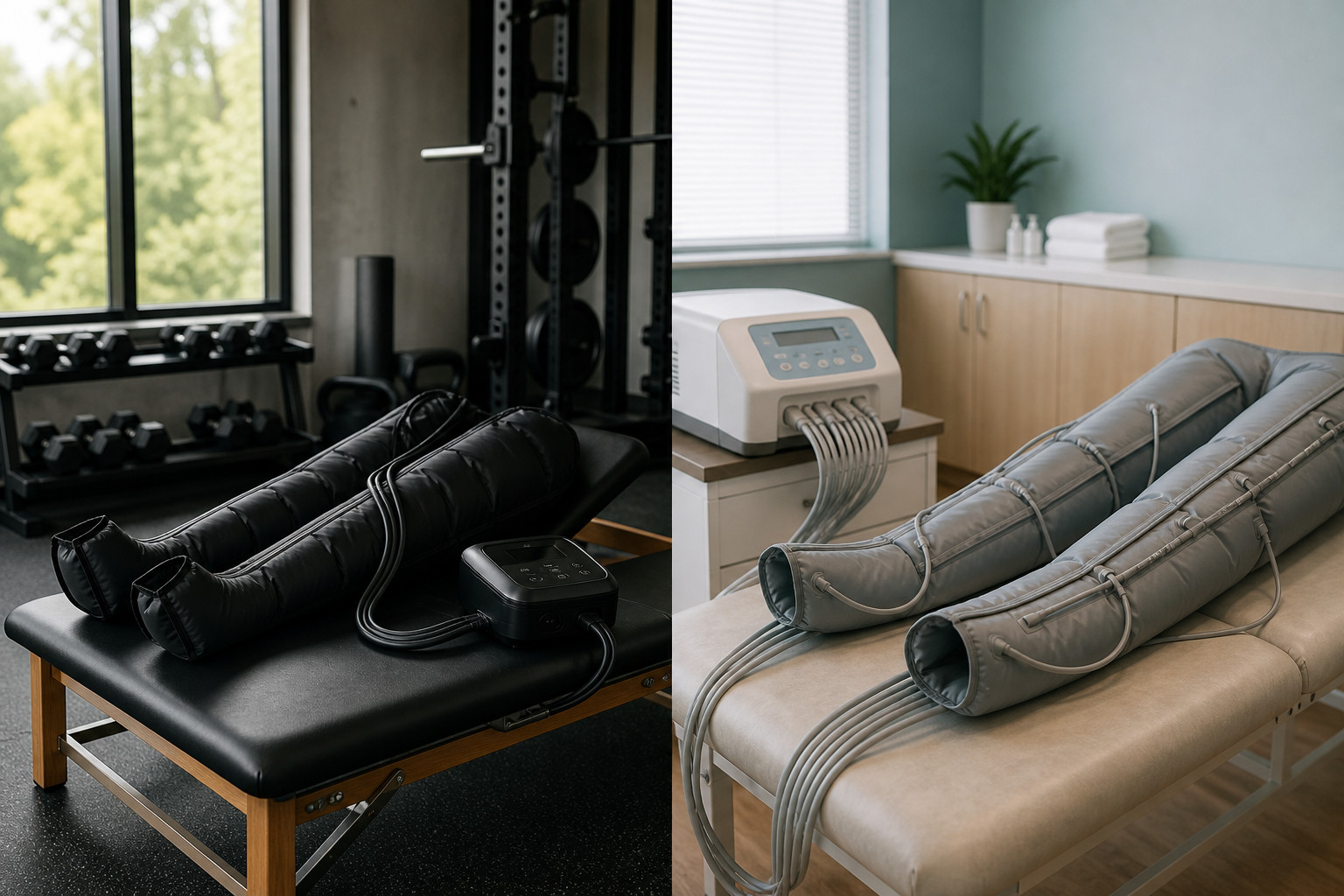
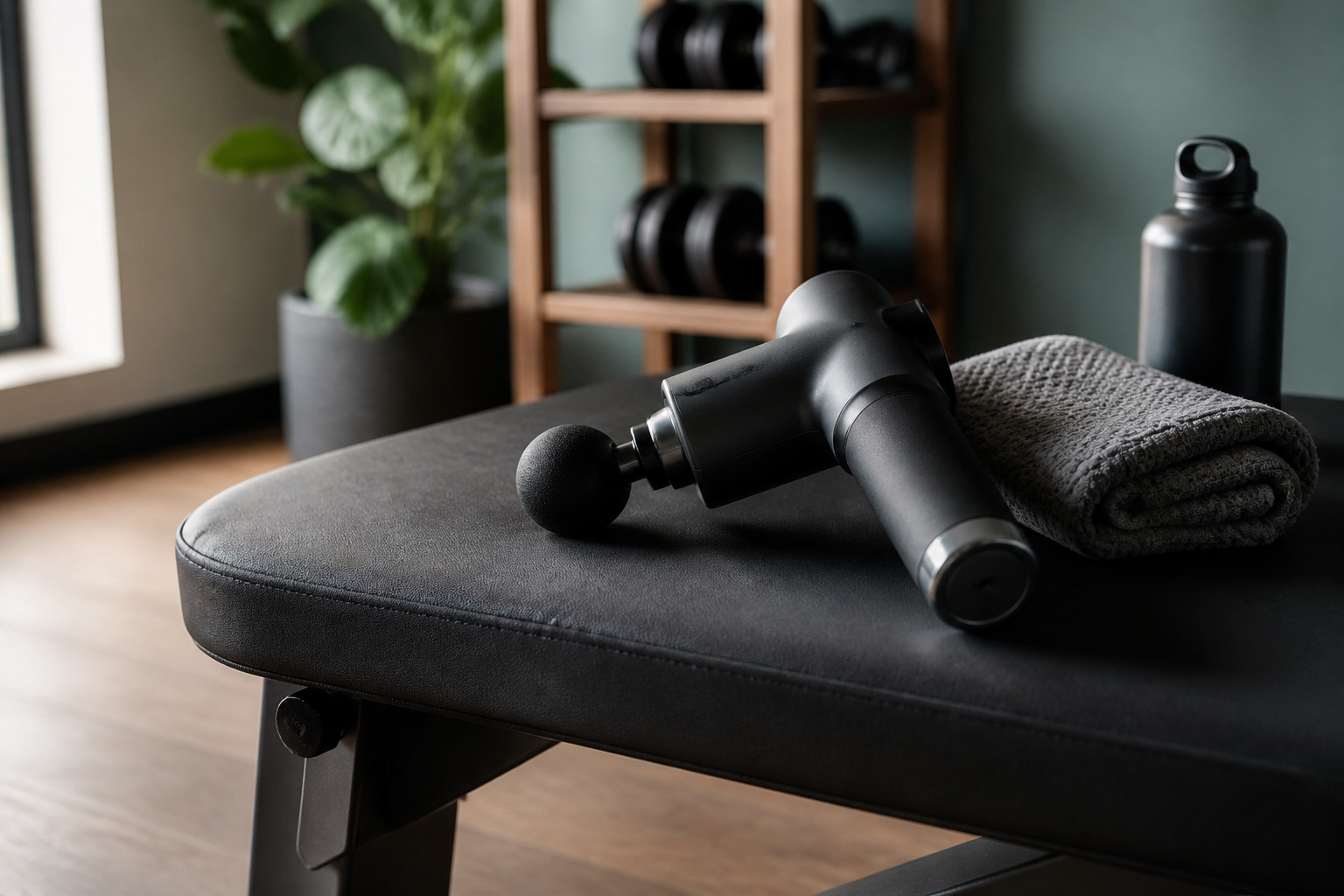
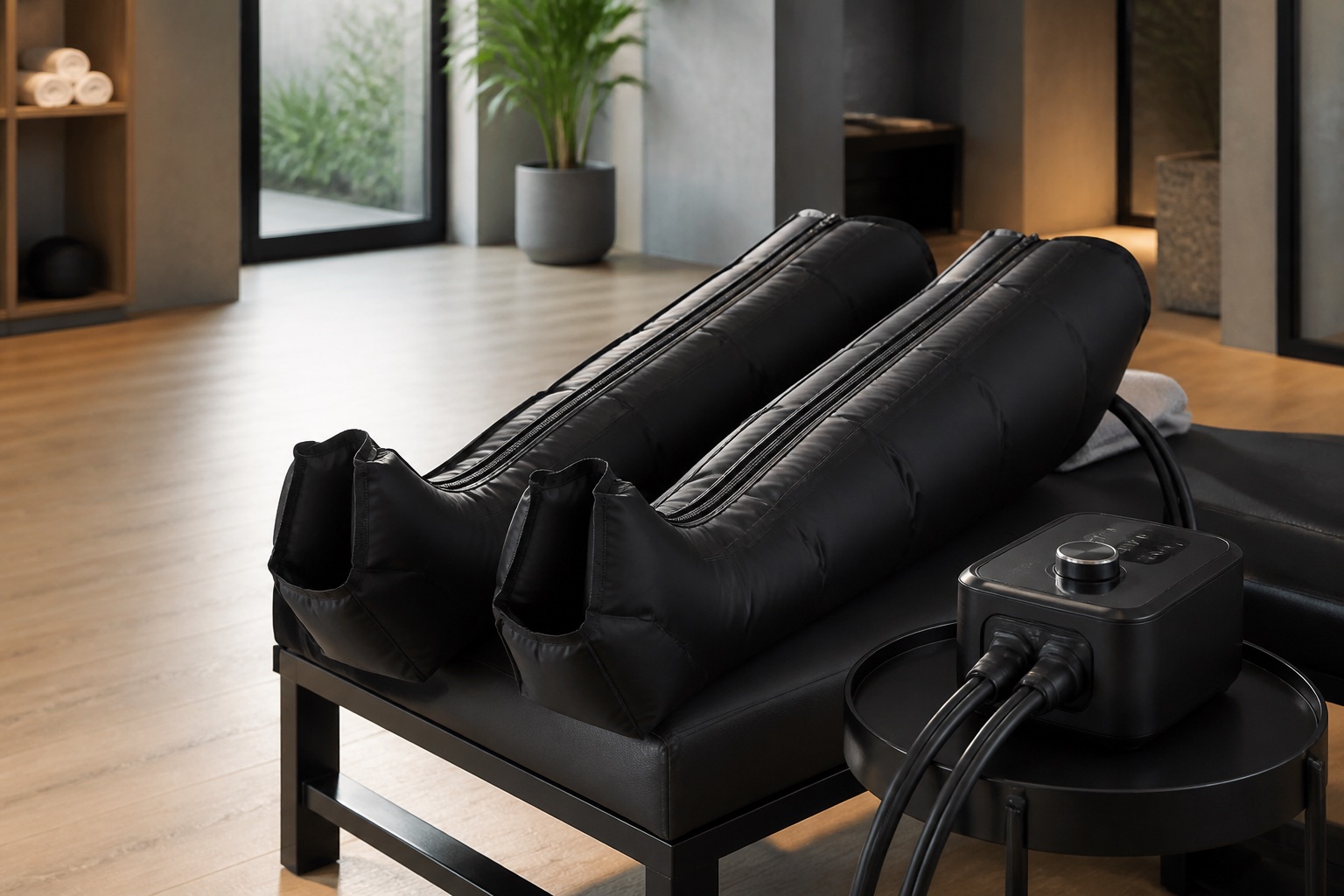
- Mechanical: percussion guns, foam tools, massage, pneumatic compression
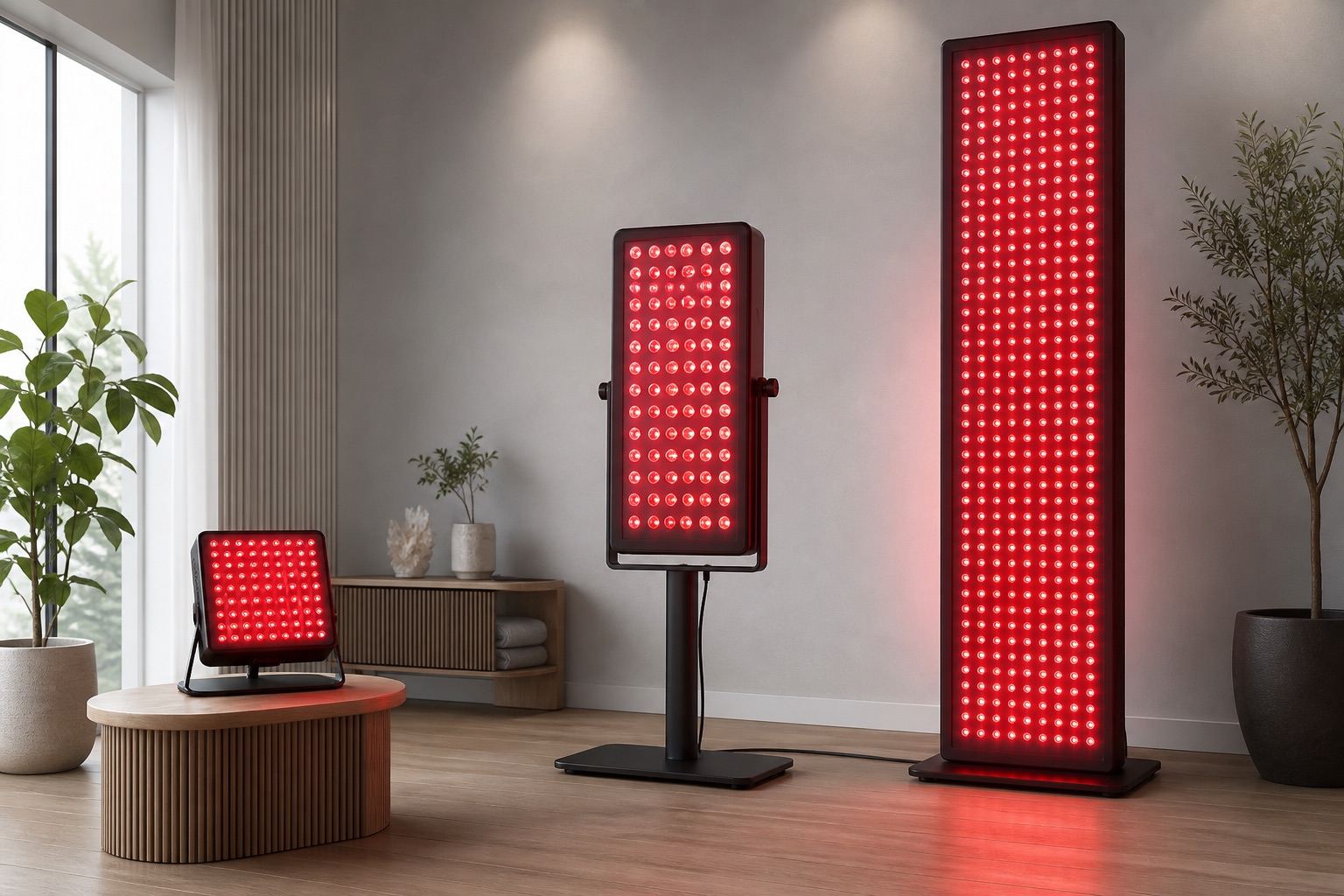
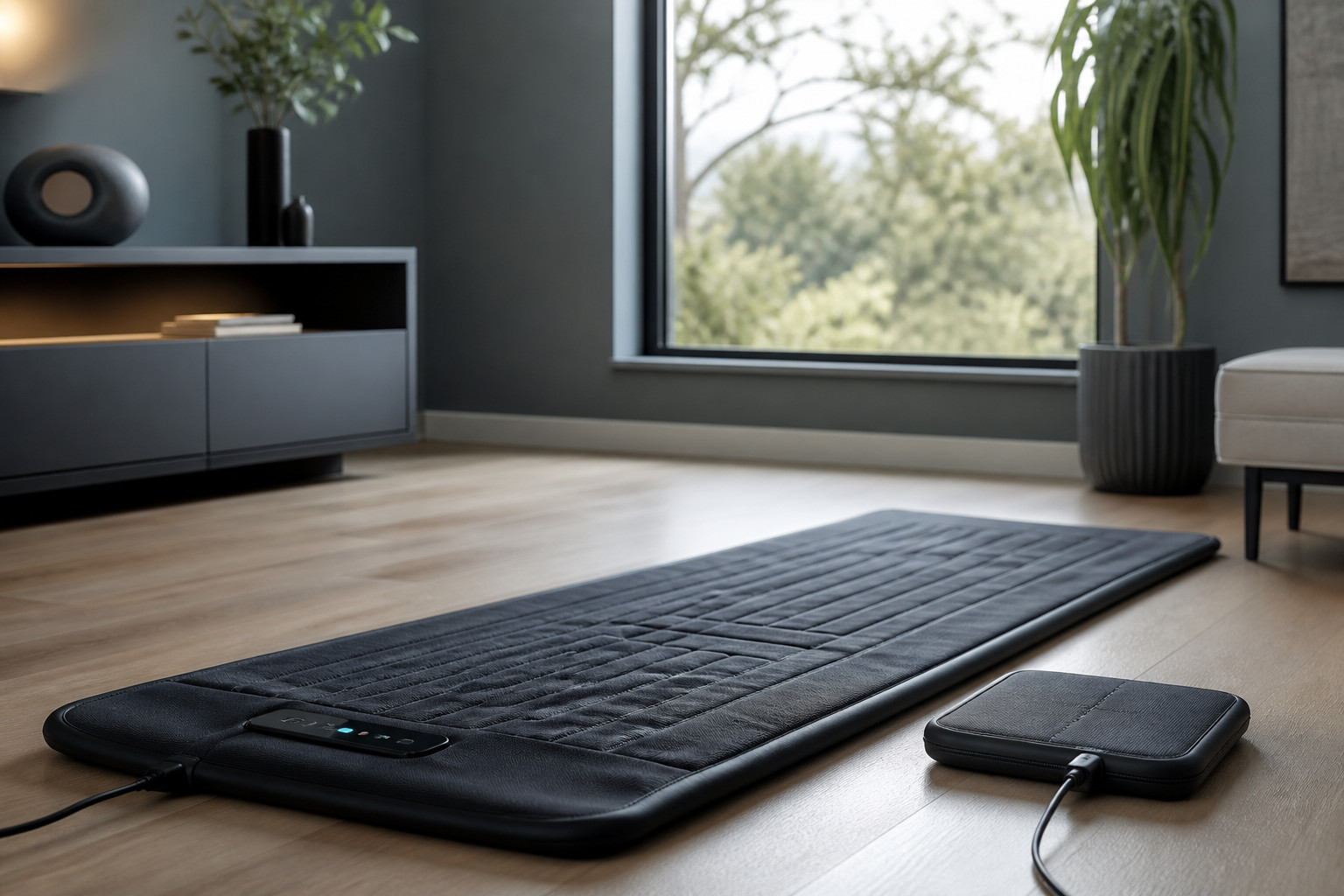
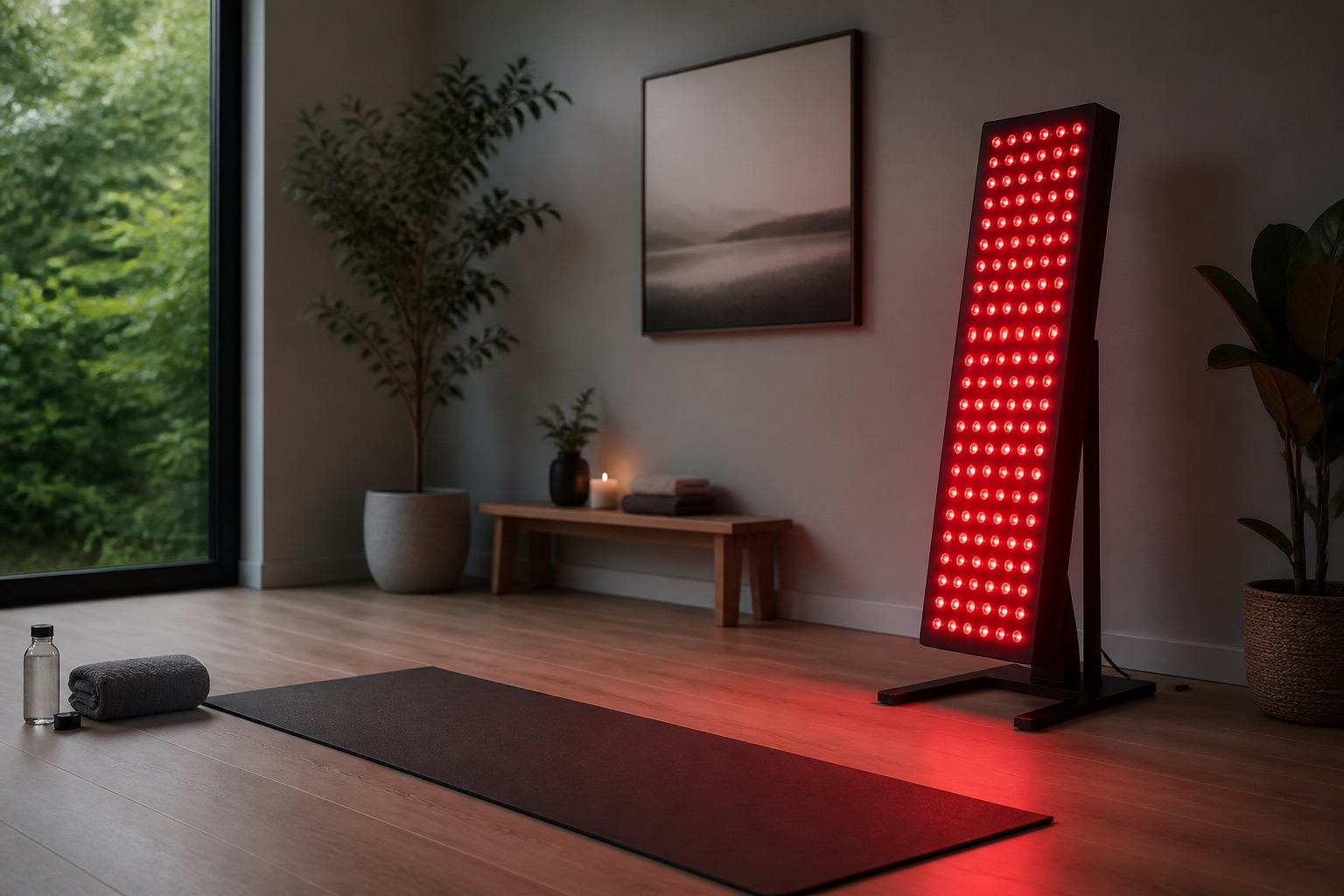
- Photonic / field: red light, PEMF
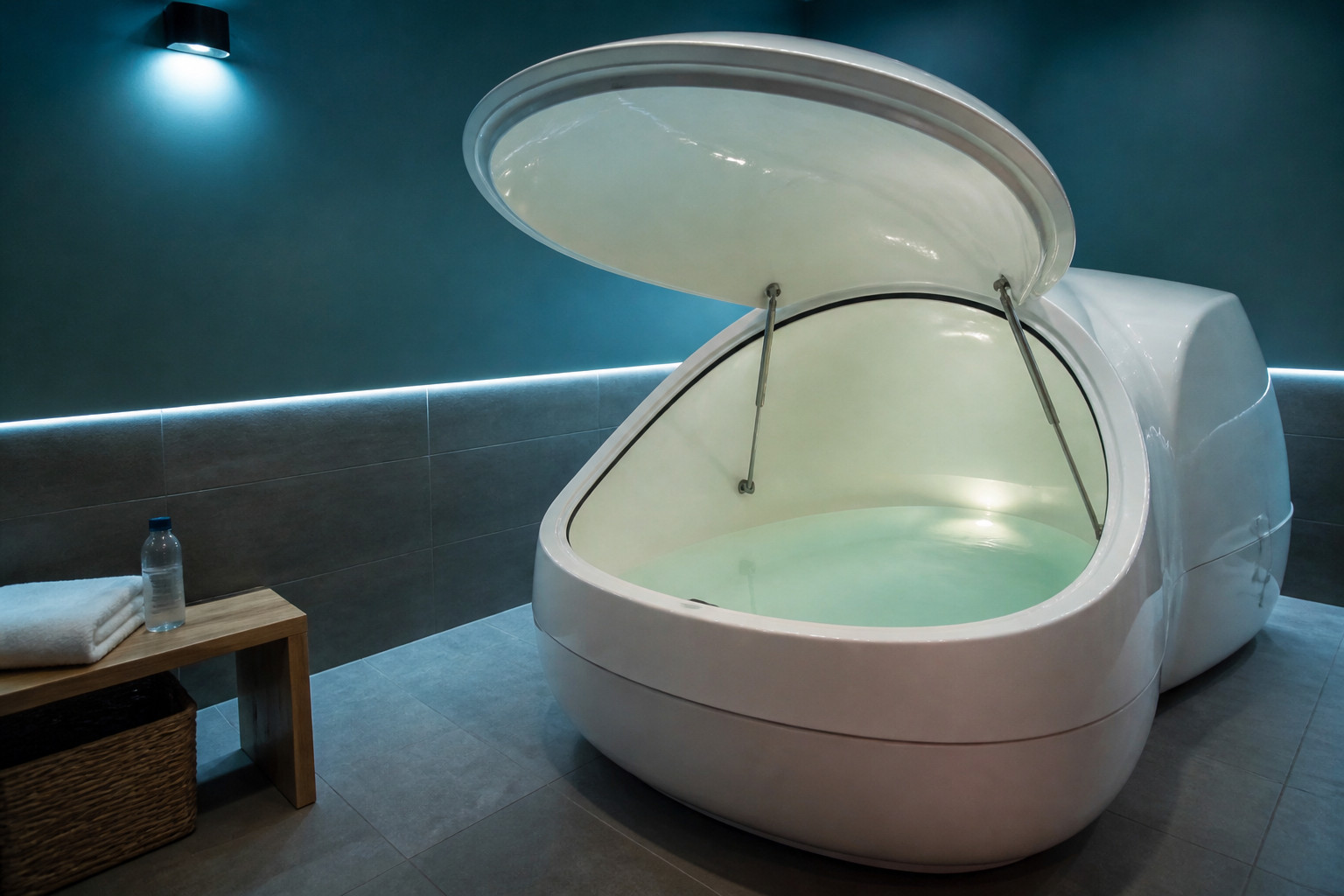
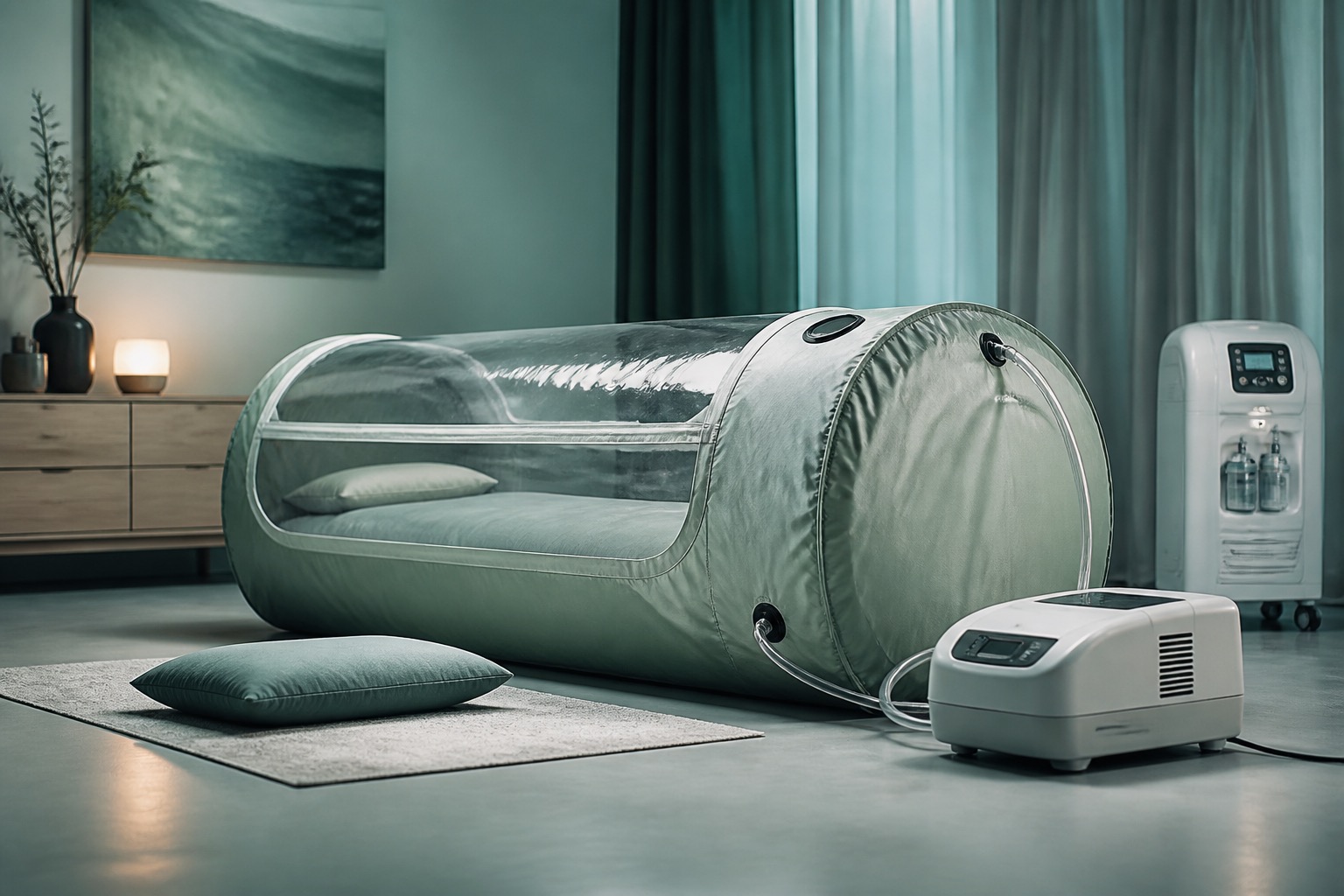
- Environmental: float tanks, mild hyperbaric soft chambers, sauna, cold immersion
- True rest: naps, sleep, quiet horizontal time
Passive is not “lazy.” Sleep is the highest-ROI passive strategy most athletes underfund. Devices are optional amplifiers for specific jobs.
What the evidence actually says
Dupuy and colleagues’ meta-analysis of single-session recovery techniques found that several methods reduced DOMS magnitude, with massage ranking as the most powerful for DOMS and perceived fatigue. Active recovery, compression, immersion, contrast water therapy, and cryotherapy also showed benefits in that symptom lane. Inflammation markers favored massage and cold exposure more than “do everything.”
Van Hooren and Peake’s narrative review of cool-downs is the useful cold shower for ritualists: an active cool-down can help some acute outcomes and feel productive, but it often does not clearly improve next-day performance compared with passive rest. Wiewelhove et al.’s half-marathon study similarly found a running-based active cool-down was not clearly superior to passive recovery on several fatigue and damage markers in recreational runners.
Translation for real life:
- Use active recovery when easy movement matches the day’s constraint (stiffness, mental reset, low-cost circulation).
- Use passive modalities when you need symptom relief, nervous-system downshift, or a tool that fits logistics better than another walk.
- Do not confuse “I feel better after the ritual” with “this guaranteed better racing tomorrow.”
Decision framework: match the stress, then pick the tool
Ask four questions before you open the recovery closet:
- What did I just stress? Heavy eccentrics and novel DOMS differ from a glycolytic interval day, which differs from a long aerobic grind or a high CNS skill session.
- What do I need tomorrow? Another hard session, an easy day, or a competition?
- What is the limiting resource? Time, sleep debt, soreness, mood, or travel logistics?
- Am I chasing adaptation or comfort? Immediate post-lift cold can conflict with hypertrophy signaling — see Cold Exposure Timing Around Training.
Scenario matrix
- Hard lift / hypertrophy priority: food, sleep, easy walk later if stiff. Skip aggressive immediate cold. Optional local percussion or light mobility. Compression boots are fine later for legs if they help you feel ready — details in Pneumatic Compression Boots and Normatec and Medical Compression Compared.
- Interval / metabolic day: short easy cool-down if it feels good; otherwise passive rest. Prioritize carbs, fluids, and sleep. Heat later can be a separate practice — not mandatory penance — via Designing a Heat and Cold Routine.
- Long aerobic day: very easy movement the next day often beats total couch lock for stiffness. Keep intensity truly easy. Modalities are optional comfort.
- High skill / nervous-system load: protect sleep first. Float or quiet rest can help downshift — see Float Tanks and Sensory Deprivation. Easy walks beat doomscrolling.
- Travel / hotel / no gym: hall walking and mobility win. A compact percussion device can be the most portable passive tool — Percussion Massage Devices.
- Soreness-dominant week: massage-class inputs and easy movement for symptoms; do not invent a new hard session called “active recovery.”
- Illness, injury flags, or wrecked sleep: passive rest and medical judgment beat heroic recovery theater.
How to do active recovery well
- Choose a mode you can keep easy. Walking is undefeated for most people. Cycling and swimming work if you will not race the clock.
- Cap ego. No Strava PRs, no “since I’m here” intervals, no new muscle damage.
- Pair with mobility, not a second workout. Use the warm tissues for range you actually need. Broader tool context: Mobility Tools That Earn a Place.
- Place it where it helps adherence. Same-day cool-down, next-morning walk, or lunch loop — consistency beats the perfect physiology paper.
- Protect the night. An evening “recovery” session that delays bedtime is a net loss.
Passive modalities map (with deep dives)
Use this as a routing table, not a shopping list:
- Percussion / local massage feel: symptom and readiness tool — Percussion Massage Devices.
- Sequential compression: legs-up convenience and perceived recovery — Pneumatic Compression Boots; clinical vs consumer framing in Normatec and Medical Compression Compared.
- Red light: dose and device class matter — Red Light Therapy: Mechanisms and Use Cases and Choosing a Red Light Panel.
- PEMF: parameter and coverage honesty — PEMFs and Pulsed Electromagnetic Fields.
- Float / sensory downshift: stress and anxiety lane more than muscle magic — Float Tanks and Sensory Deprivation.
- Mild hyperbaric soft chambers: not clinical HBO₂ — Hyperbaric Oxygen for Non-Clinical Users.
- Heat and cold: assign jobs and timing — The Thermal Protocol, Contrast Therapy Protocols, Cold Exposure Timing Around Training.
- Sleep architecture: if recovery is failing, start here — The Sleep Protocol: What Actually Improves Sleep.
Common mistakes
- Calling a moderate ride “active recovery.” If it creates residual fatigue, it was training.
- Stacking every modality after every session. More tools is not more adaptation.
- Using cold to feel heroic after hypertrophy work when muscle growth is the point.
- Buying a chamber or panel because walking felt boring. Boredom is not a clinical indication.
- Ignoring sleep debt while optimizing gadgets. Passive rest still wins the hierarchy.
- Letting recovery eat training quality. The point of recovery is better subsequent work — not a second full-time job.
A simple default week
When in doubt, run this boring template for a month:
- After hard sessions: 10–20 minutes easy cool-down or true rest — whichever leaves you better for tomorrow.
- Most easy days: 20–40 minute walk or light mobility.
- 1–2 optional modality sessions per week that you actually enjoy and can name a job for (compression, massage, float, heat).
- Non-negotiable: sleep timing you can keep.
If that template works, you do not need a larger toolkit yet. If it fails, diagnose sleep, load, and fueling before diagnosing your lack of red light.
Low-intensity movement that raises circulation without adding meaningful training stress — typically easy walking, very easy cycling or swimming, light mobility, or technical drills at conversational effort. If you need to “push through,” it stopped being recovery. Yes. After very hard sessions, illness, poor sleep, or accumulating fatigue, passive rest and sleep often outperform another “easy” hour that still costs willpower and tissue tolerance. Active recovery is a tool, not a moral obligation. Usually no. They can help perceived soreness and local comfort. They do not replace the systemic benefits of easy movement, sleep, food, and a sane training calendar. Use them as add-ons when symptoms or logistics justify them. A short easy cool-down can feel good and help acute symptoms for some people, but narrative reviews caution that it often does not magically improve next-day performance versus passive rest. Match the cool-down to how you feel and what tomorrow requires. Mostly passive thermal stress with their own timing rules. Cold especially can conflict with hypertrophy goals if used immediately after lifting. Treat heat and cold as separate modalities with schedules, not as automatic recovery desserts. Sleep and a realistic training load beat almost every gadget. If you still have bandwidth, an easy walk or mobility session usually returns more than buying another passive device you will use twice.Active recovery vs passive modalities FAQ
What counts as active recovery?
+
Is complete rest ever better than active recovery?
+
Do compression boots or massage guns replace a walk?
+
Should I do active recovery immediately after every hard workout?
+
Where do heat and cold fit — active or passive?
+
What should I prioritize if I can only do one recovery thing?
+
This comparison is designed for practical decision-making. Product capabilities, pricing, and memberships change quickly, so treat battery claims, plan costs, and feature availability as moving targets.
Meta-analysis of single-session recovery techniques: massage ranked strongest for DOMS and perceived fatigue; active recovery, compression, immersion, contrast, and cryotherapy also reduced DOMS magnitude to varying degrees. Active cool-downs help some acute symptoms and feel productive, but often do not reliably improve next-day performance versus passive rest — useful brake on cool-down mythology. In recreational runners after a half-marathon, a running-based active cool-down was not clearly superior to passive recovery on several fatigue and damage markers — context matters more than ritual.
Related Keersa guide: Pneumatic Compression Boots
Passive modality deep dive for sequential compression and session design.
Related Keersa guide: Percussion Massage Devices
Passive/local mechanical input — useful for symptoms, not a substitute for sleep or easy movement.
Related Keersa guide: Building a Recovery Toolkit
Staged purchase roadmap once you know which recovery jobs matter for your week.
Affiliate disclosure: some product links on Keersa Health may earn a commission at no extra cost to you.
Editorial recommendations are independent of commercial relationships.
Read our full disclosure.
Sources and editorial notes
Bottom line
Active recovery and passive modalities are teammates, not rivals. Easy movement covers circulation and stiffness cheaply. Passive tools cover symptoms, comfort, and nervous-system rituals when they earn the slot. Sleep and sane programming still outrank both. Related deep dives: Percussion Massage Devices, Pneumatic Compression Boots, Float Tanks and Sensory Deprivation, and Designing a Heat and Cold Routine.
Next in Recovery: Building a Recovery Toolkit — high-ROI purchases first, optional upgrades later, and avoiding the full biohacking shopping list.