Recovery guide · Updated 2026
Pneumatic Compression Boots: Chambers, Pressure & What the Evidence Supports
Sequential compression for legs — chamber count, pressure windows, wireless vs hose systems, and eleven boots from budget wraps to Normatec and Therabody.
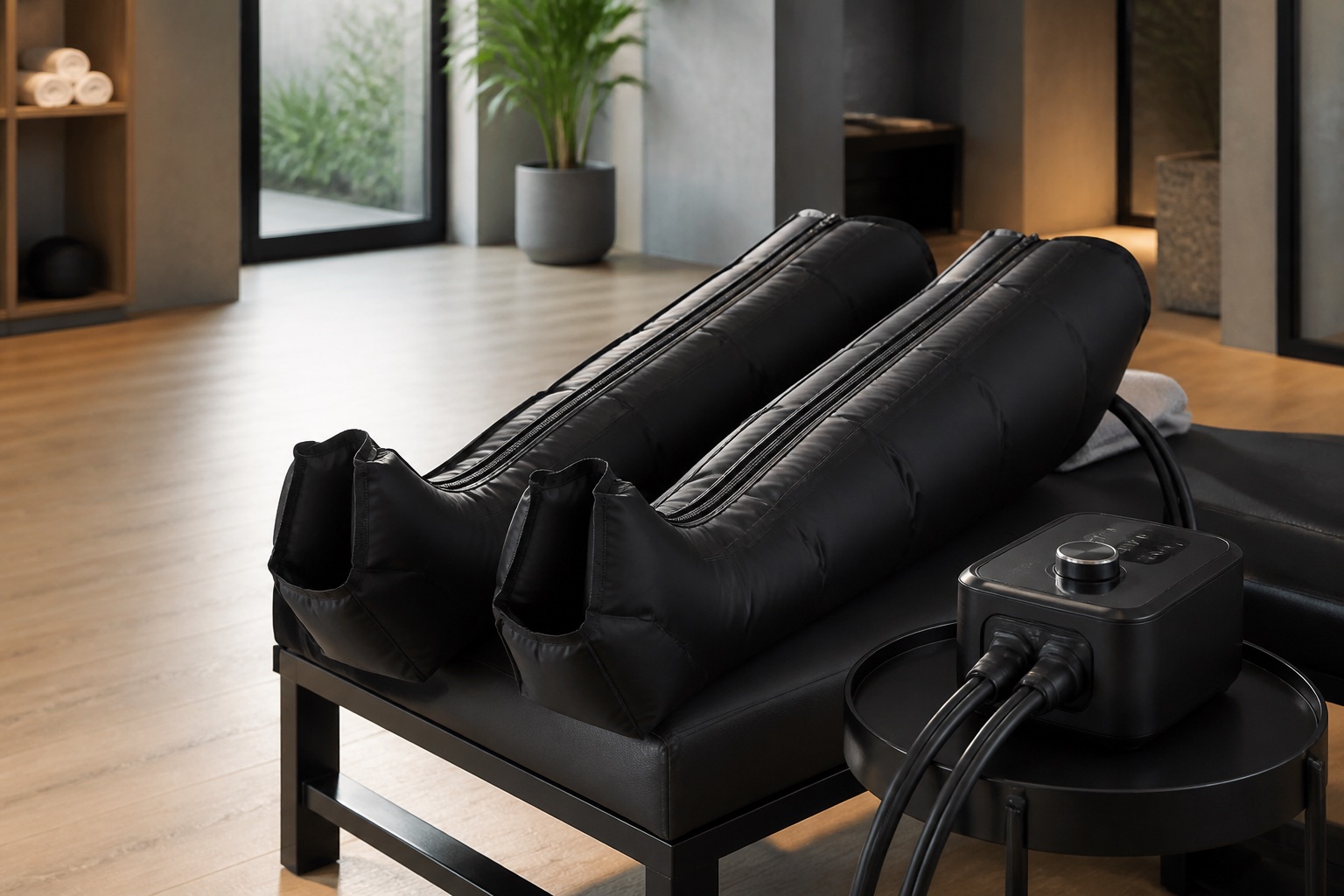
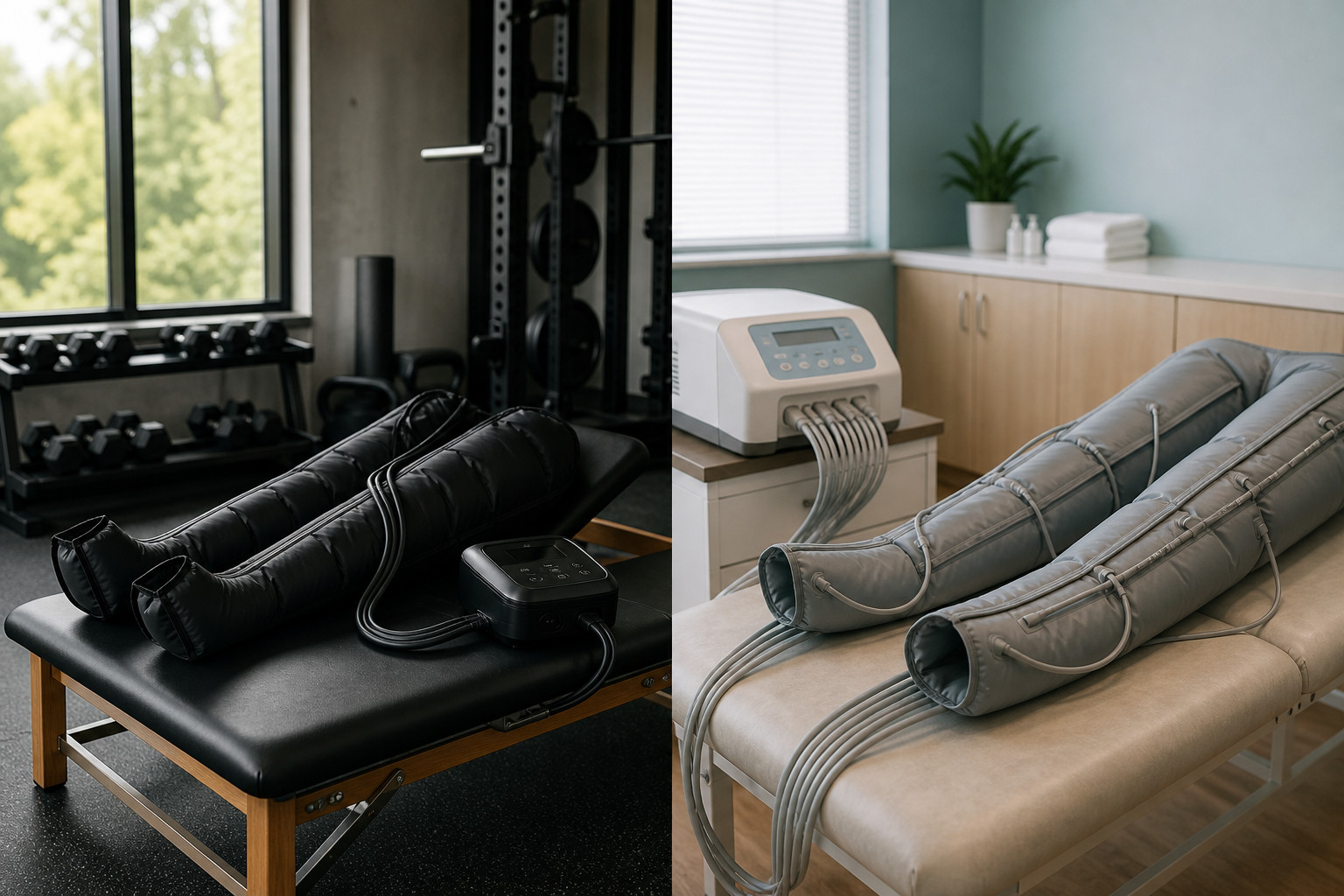
Pneumatic compression boots look like something a race car would wear to a spa — and the marketing often promises the same. The honest version is narrower and more useful: sequential air chambers squeeze from foot toward thigh to mimic venous and lymphatic pumping, and the best-supported payoff is usually less perceived soreness, not a free superpower for tomorrow’s PR.
This guide compares eleven systems you can actually buy — budget foot/calf wraps, value four-chamber boots, wireless JetBoots, and Normatec-class setups — with the specs that matter for session design. Mechanism context for stacking recovery tools: Red Light Therapy: Mechanisms and Use Cases.
Key takeaways
- Best overall reference system: Hyperice Normatec 3 Legs.
- Best wireless full-leg value: Therabody JetBoots Prime.
- Best hose-tethered mid-premium: Therabody RecoveryAir PRO.
- Best budget sequential full-leg: QUINEAR Professional 4-Chamber.
- Best travel calf-only: Normatec Go.
- Best legs + hips bundle: Normatec 3 Lower Body.
- Protocol rule: ~20–30 minutes near ~80 mmHg shows up repeatedly in sports IPC reviews.
- Biggest buying mistake: paying for seven logos when you only needed four working chambers and a habit.
How we evaluate compression boots
Editorial scores favor genuine sequential design and usable pressure control over accessory stacks. We score across five pillars:
- Sequential design (30%) — chamber count, overlap, distal-to-proximal logic.
- Pressure realism (20%) — ability to reach athletic recovery windows.
- Coverage (20%) — foot-to-thigh vs calf-only vs hips included.
- Friction and portability (15%) — wireless vs hose, packability, sizing.
- Ownership cost (15%) — hardware versus what your training load justifies.
Important limitation: consumer chamber/mmHg figures are manufacturer-stated. Meta-analyses evaluate IPC as a category, not your exact SKU in a head-to-head trial.
What the evidence supports
Maia et al.’s meta-analysis of lower-limb IPC in sports recovery found trivial-to-small benefits for muscular function, trivial-to-moderate for pain/soreness, and highly variable effects on damage markers. Common protocols clustered around 20–30 minutes and about 80 mmHg.
Broader “fads to facts” meta-analytic work similarly finds small effects on soreness/pain and creatine kinase, with performance recovery still inconclusive. Critically appraised endurance literature suggests short-term DOMS relief can appear without reliable extended EIMD cleanup after races.
Translation: boots are best at making hard legs feel more recoverable. They are weak as a standalone plan for strength restoration, and useless as a substitute for sleep.
Specs that actually change the purchase
- Chambers per leg — aim for ≥4 overlapping chambers for athletic sequential work; 2-chamber foot/calf wraps are comfort tools.
- Pressure range — athletic windows often want 60–90 mmHg available.
- Wireless vs hose — convenience tax versus simplicity.
- Coverage — calves only vs full leg vs hips.
- Sizing — inseam and thigh circumference matter as much as brand.
Interactive comparison
Filter by form factor, sort by score or price, and pin up to three options for a focused side-by-side view.
Tradeoff:
Sticker price still matters here — most options are one-time hardware buys, so the three-year estimate mainly reflects purchase price plus expected upkeep.
Estimates are directional and based on common public pricing patterns. Promotions, refurbished units, family plans, and tier changes can move these numbers materially.
3-year cost of ownership
Device
Year 1
3-year estimate
Amazon Price
Hyperice Normatec 3 Legs
$950
$1,000
$899
Hyperice Normatec Elite
$1,150
$1,220
$1,099
Hyperice Normatec 3 Lower Body
$1,200
$1,260
$1,149
Therabody JetBoots Prime
$580
$640
$549.99
Therabody RecoveryAir PRO
$600
$650
$1,149.99
QUINEAR Professional 4-Chamber System
$390
$430
$299.99
CINCOM Cordless 5-Zone Recovery Boots
$640
$700
$499.99
Hyperice Normatec Go
$370
$400
$379
Therabody JetBoots PRO Plus
$1,200
$1,280
$1,149.99
QUINEAR 3-in-1 Leg Massager
$160
$190
$159.99
FIT KING FT-009A Leg & Foot Massager
$115
$140
$71.99
Pick the friction you will tolerate. Budget sequential gets you chambers. Wireless gets you freedom. Normatec-class gets you Pulse/ZoneBoost lineage and premium polish.Budget vs wireless vs Normatec
Choose QUINEAR Professional or similar 4-chamber value if...
Choose JetBoots Prime or Normatec Elite if...
Choose Normatec 3 Legs or Lower Body if...
Choose Normatec Go or FIT KING if...
Below are deeper notes on every option in the comparison table, sorted by editorial score. Jump directly from the table pins or the cost section.
Hyperice · Boots
Best for: The category standard: 5 overlapping leg zones, 7 levels, ZoneBoost, Pulse technology
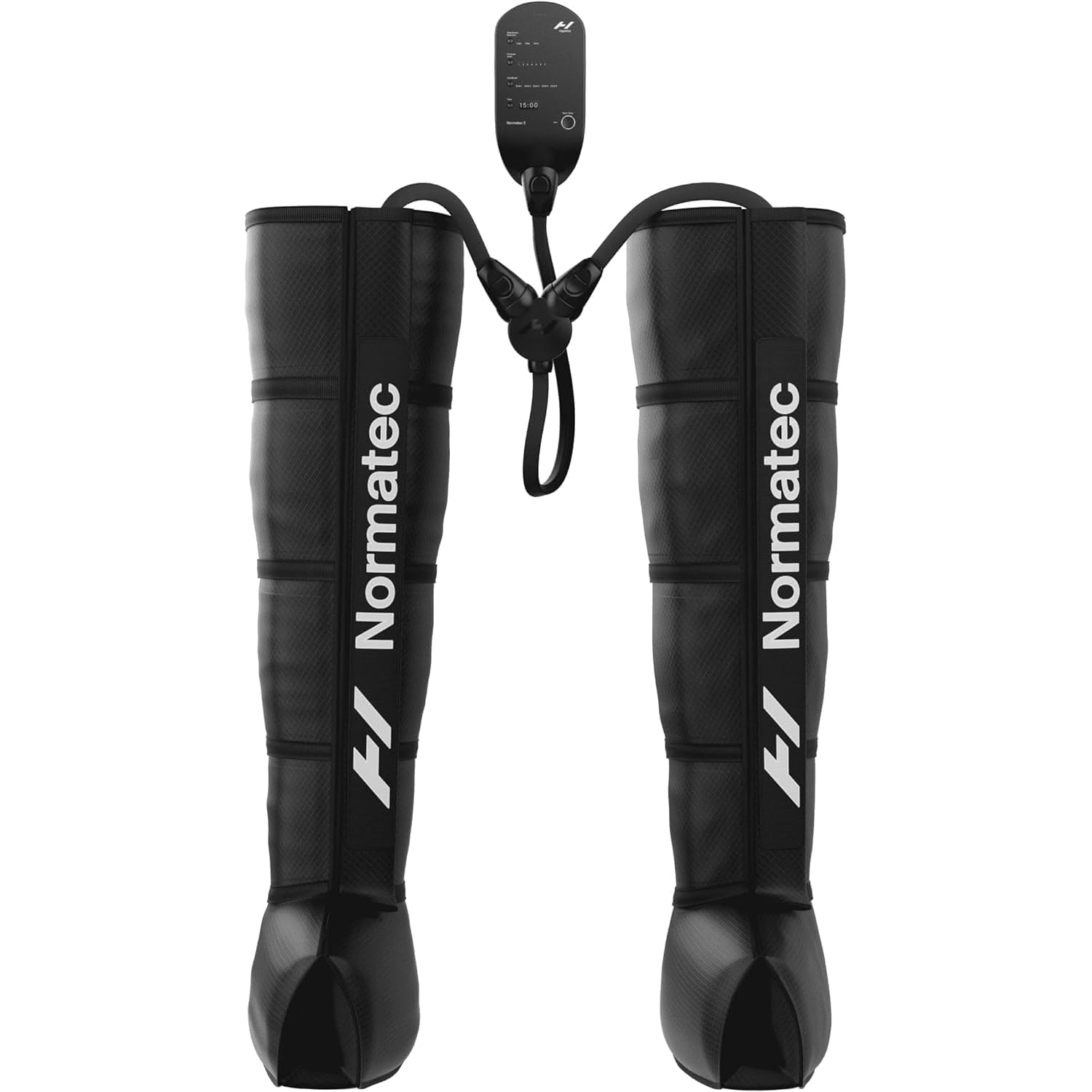
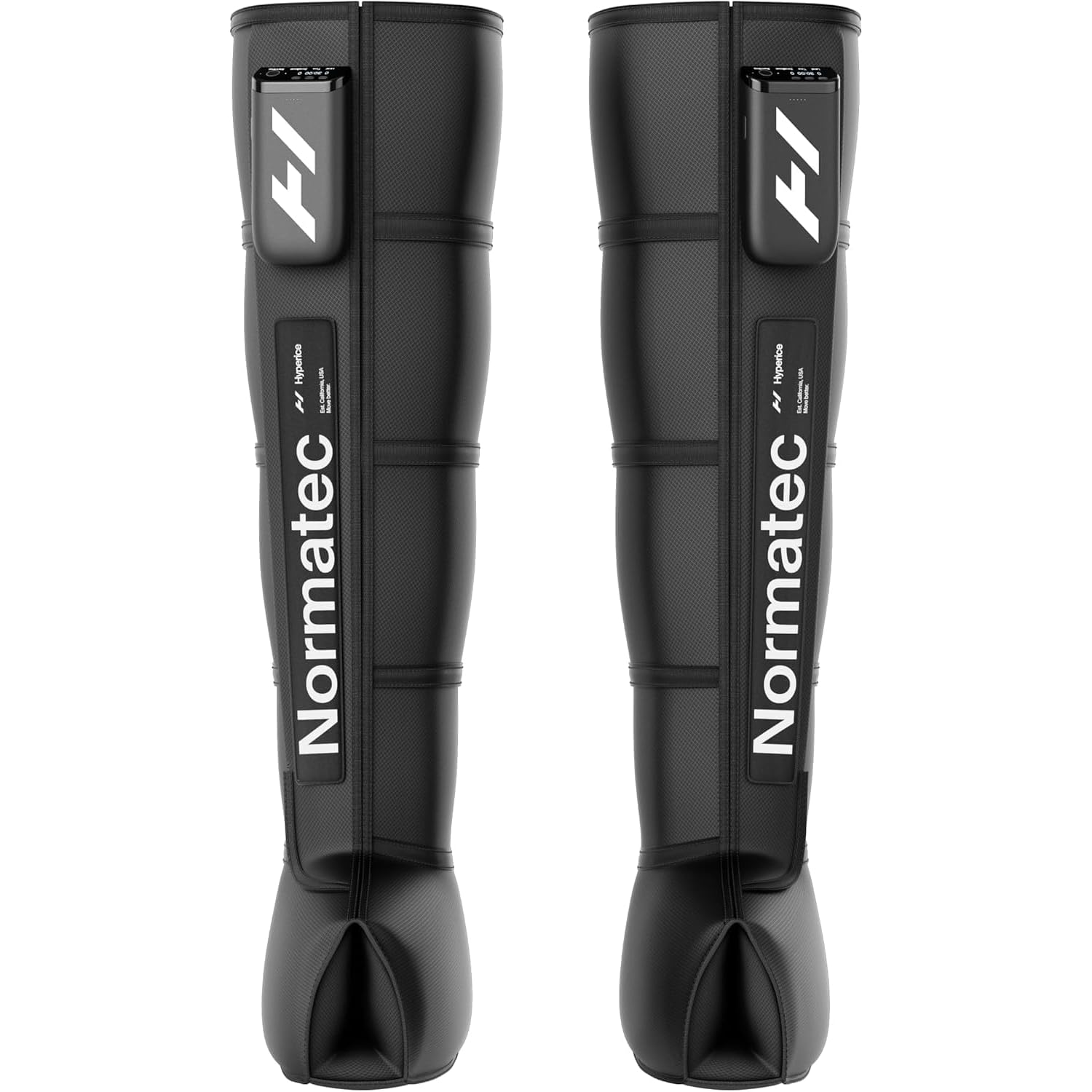
Normatec 3 Legs is still the reference sequential boot: Pulse patterning, ZoneBoost, seven levels. Buy it when you want the standard athletes keep comparing everything else against. Five overlapping leg zones with biomimetic Pulse sequencing are the product’s core, not the logo. Standard size covers a wide height band but check thigh circumference limits. Choose Legs for the classic system. Choose Lower Body if hips are part of every session.
Estimated ownership: about $950 in year 1 and
$1,000 over 3 years.
Legs system. Hip/arm attachments cost extra. Battery ~2–3 hours continuous.
Hyperice · Boots
Best for: Normatec Pulse and ZoneBoost without hoses — wireless full-leg recovery
Normatec Elite brings Pulse and ZoneBoost into a hose-free boot. Buy it when you want Normatec sequencing and wireless freedom in one package — and your budget can absorb the upgrade. On-boot control units remove the control-brick dance of Normatec 3. Still a full-leg system — check Short/Standard/Tall sizing carefully. Choose Elite for wireless Normatec. Choose JetBoots Prime to spend less on wireless.
Estimated ownership: about $1,150 in year 1 and
$1,220 over 3 years.
Wireless boots. Battery replacement risk is the long-term ownership wild card.
Hyperice · System
Best for: Legs plus hips in one Normatec 3 system when glutes/IT band/hip recovery is part of the weekly plan
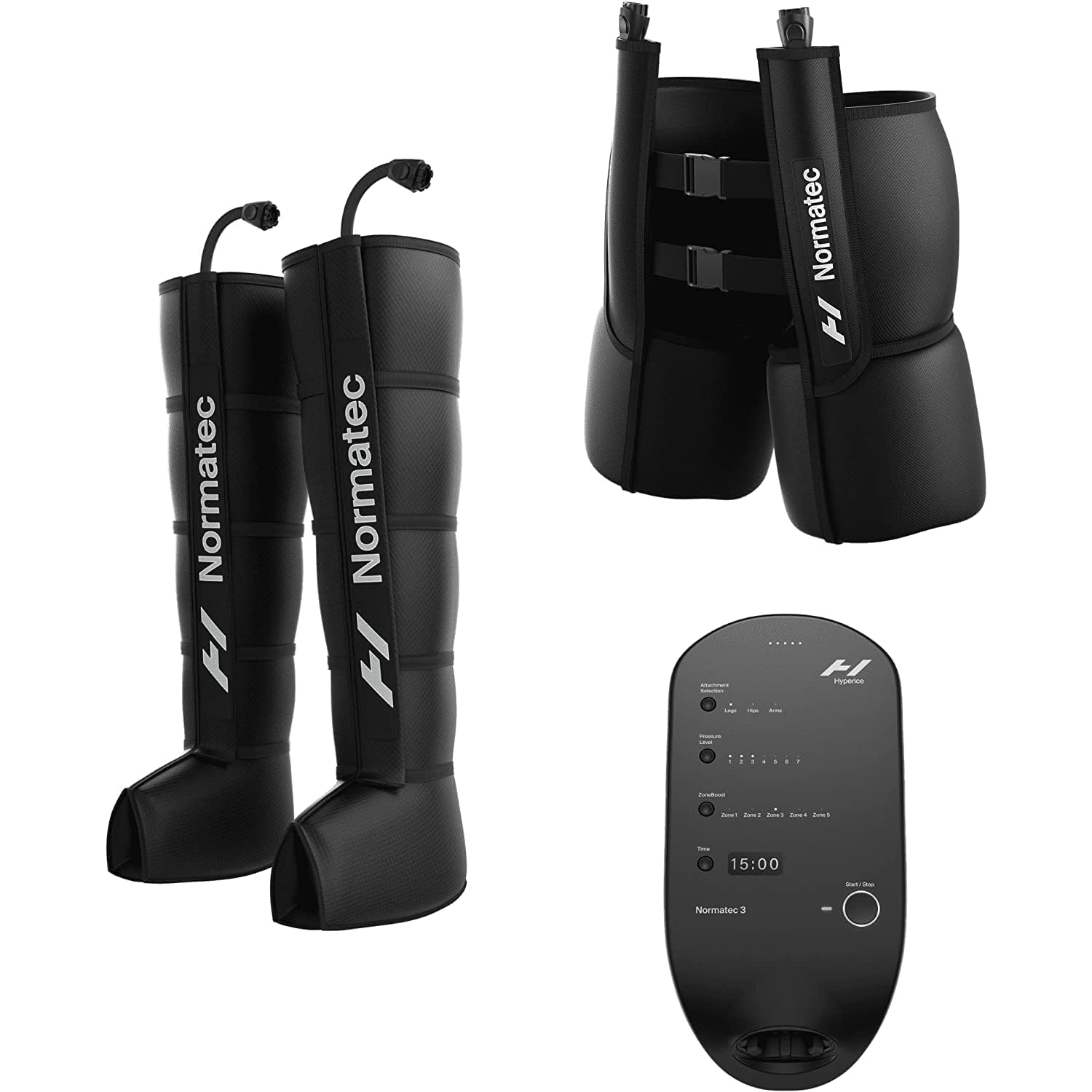
Normatec 3 Lower Body is the legs-and-hips bundle for people who recover the whole kinetic chain. Buy it when hip sleeves will actually get used weekly — otherwise save money on Legs-only. Hip zones add coverage Normatec Legs alone cannot reach — useful for runners and field athletes. Same 7-level Pulse platform as Legs with ZoneBoost. Choose Lower Body for hips included. Choose Legs if hips would collect dust.
Estimated ownership: about $1,200 in year 1 and
$1,260 over 3 years.
Legs + hips bundle. Cheaper long-term than buying hips later à la carte if you know you need them.
Therabody · Boots
Best for: Hose-free full-leg compression with integrated pumps for travel and couch recovery
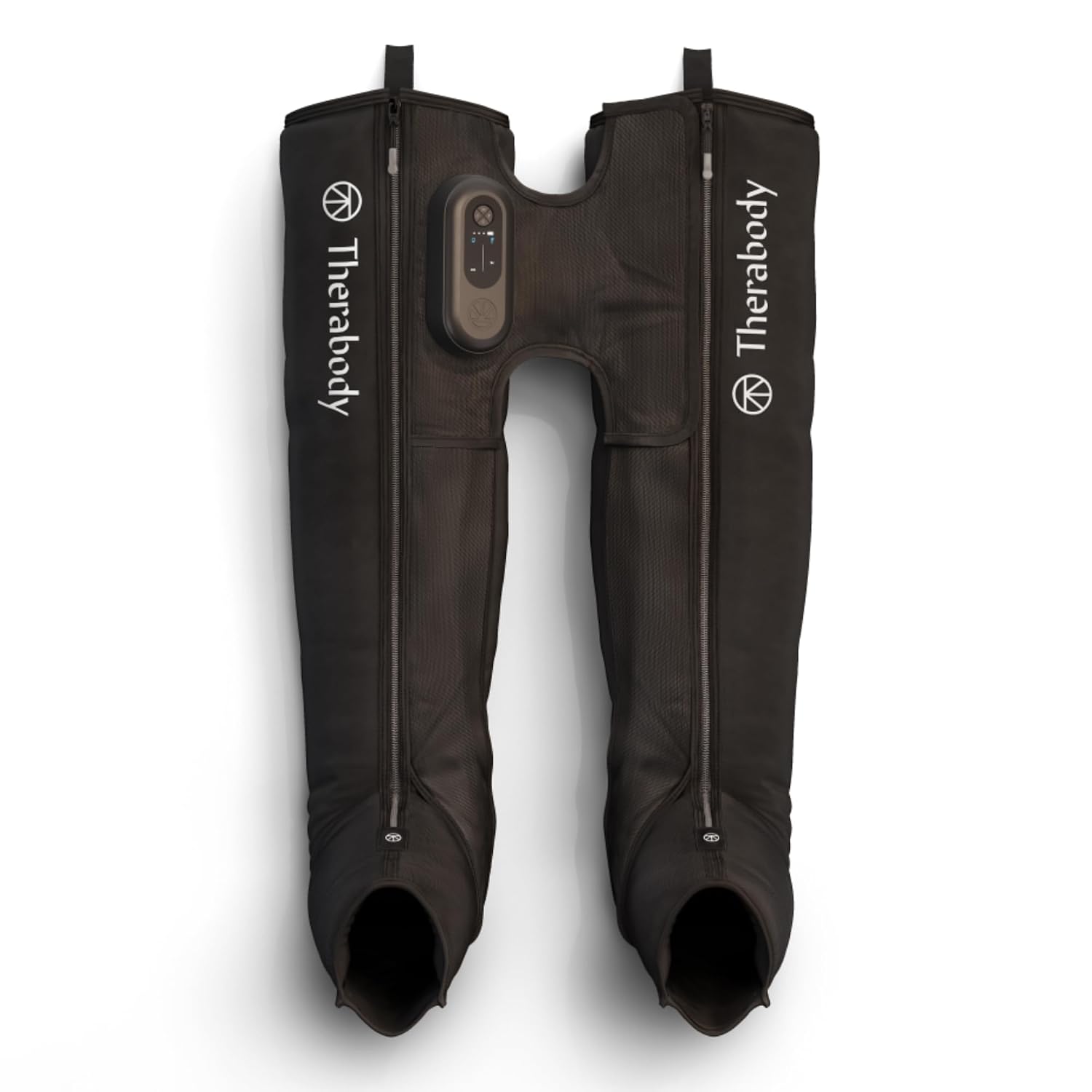
JetBoots Prime is the wireless full-leg breakthrough: pumps in the boots, no hose drama. Buy it when portability is half the product — and you still want real sequential chambers. TruGrade aims for a true negative gradient foot-to-heart — the right idea for venous return style sequencing. Pick the correct inseam SKU; wireless boots that fit poorly underperform expensive ones. Choose Prime for wireless value. Choose PRO Plus if you want vibration and LED add-ons.
Estimated ownership: about $580 in year 1 and
$640 over 3 years.
Hardware. Battery longevity is the multi-year variable; no required plan.
Therabody · Boots
Best for: Hose-tethered pro pressure control (to ~100 mmHg) with presets when wireless is optional
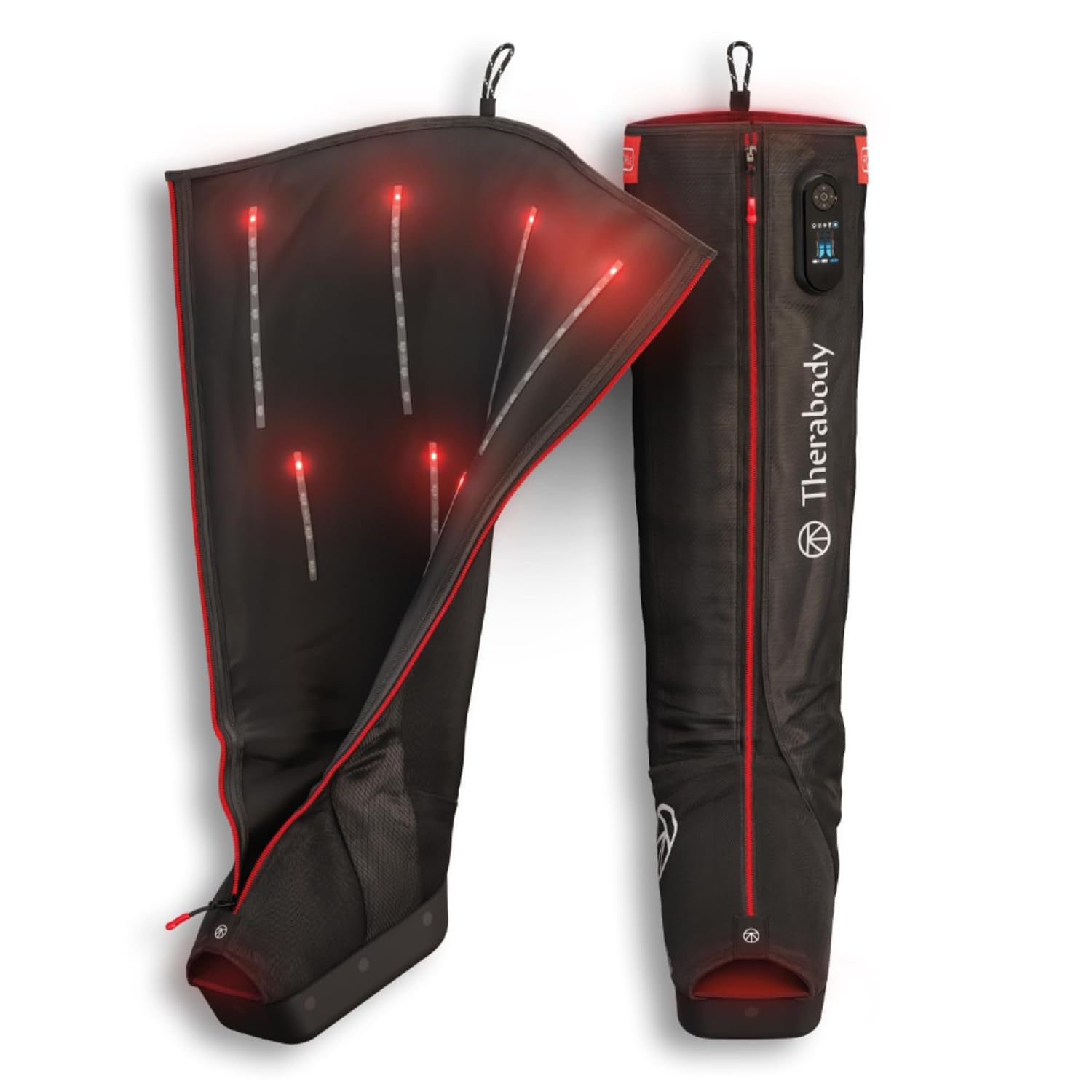
RecoveryAir PRO is Therabody’s hose-tethered precision play: customizable pressure, fast cycles, four chambers. Buy it when you want pro-style control at home and do not mind a hose. Pressure ceilings near 100 mmHg match common athletic IPC windows better than toy massagers. Presets help adherence; freestyle PRO mode helps experimenters. Choose RecoveryAir PRO for home precision. Choose JetBoots when hoses are a dealbreaker.
Estimated ownership: about $600 in year 1 and
$650 over 3 years.
Pump + boots. Often the smart mid-premium when you recover at home and do not need wireless.
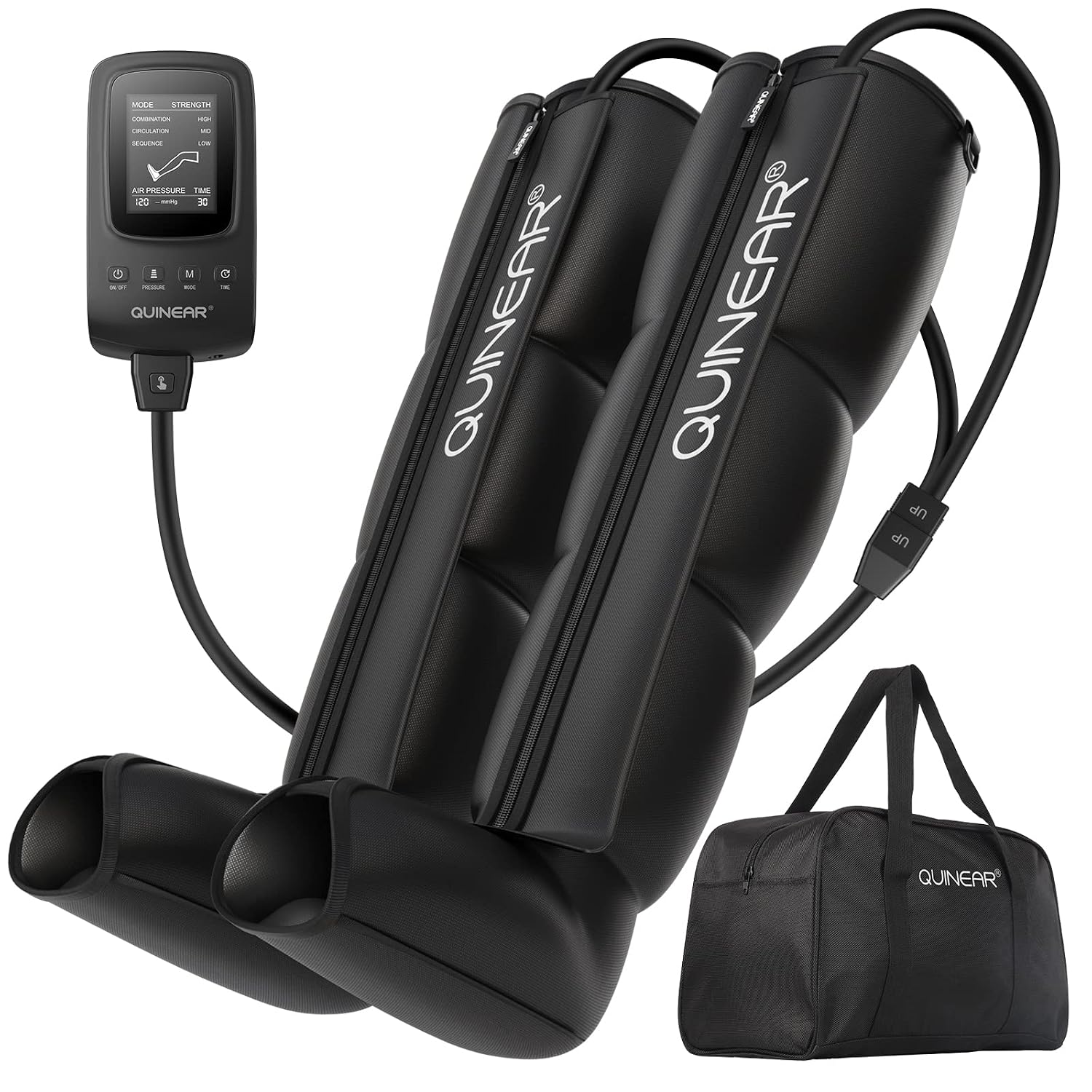
QUINEAR · Boots
Best for: Best budget path to genuine four-chamber sequential full-leg compression
QUINEAR Professional is the value sequential system: four chambers, full-leg boots, sensor-assisted pressure. Buy it when you want real IPC-style sequencing without Normatec pricing. Four chambers is the practical minimum for athletic sequential compression in this category. Protocols in sports IPC reviews often land around 20–30 minutes near ~80 mmHg — match your controller intently. Choose QUINEAR Pro for value. Choose Therabody/Normatec when app polish and pressure precision matter more.
Estimated ownership: about $390 in year 1 and
$430 over 3 years.
Hardware only. The clearest “most of the benefit, fraction of the price” option in this set.
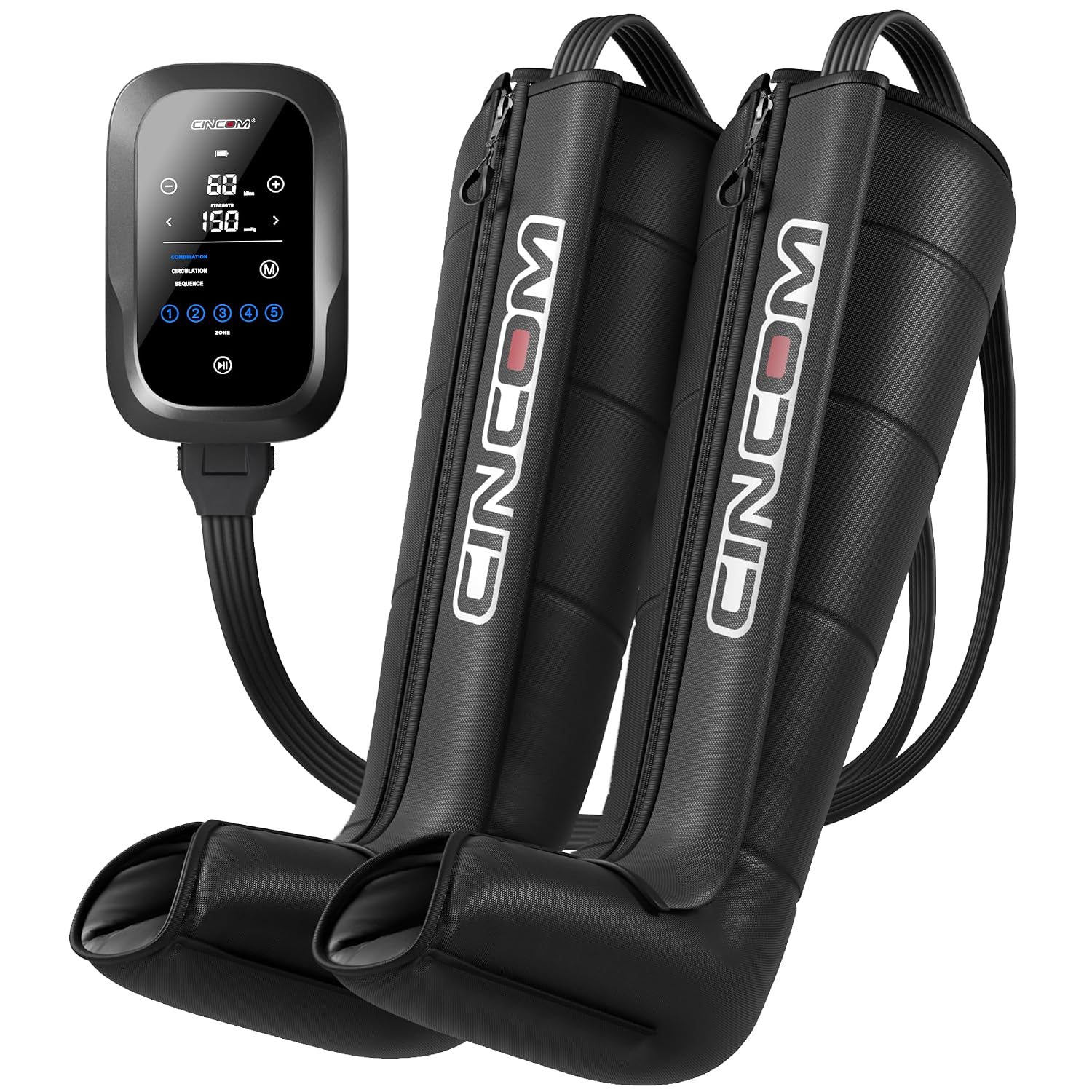
CINCOM · Boots
Best for: Cordless full-leg boots with five independently controllable zones and deep pressure customization
CINCOM’s cordless 5-zone boots chase customization: isolate ankle to thigh, run single-leg, skip the hose brick. Buy them when zone control and cordless matter more than prestige branding. Independent zones help when one region (knee/calf) needs more attention than a fixed Pulse program. Cordless mid-premium competitor to JetBoots — compare chamber feel and noise, not just feature lists. Choose CINCOM for zone tinkering. Choose JetBoots/Normatec for ecosystem and proven Pulse designs.
Estimated ownership: about $640 in year 1 and
$700 over 3 years.
Hardware. Battery + chamber longevity are the multi-year costs.
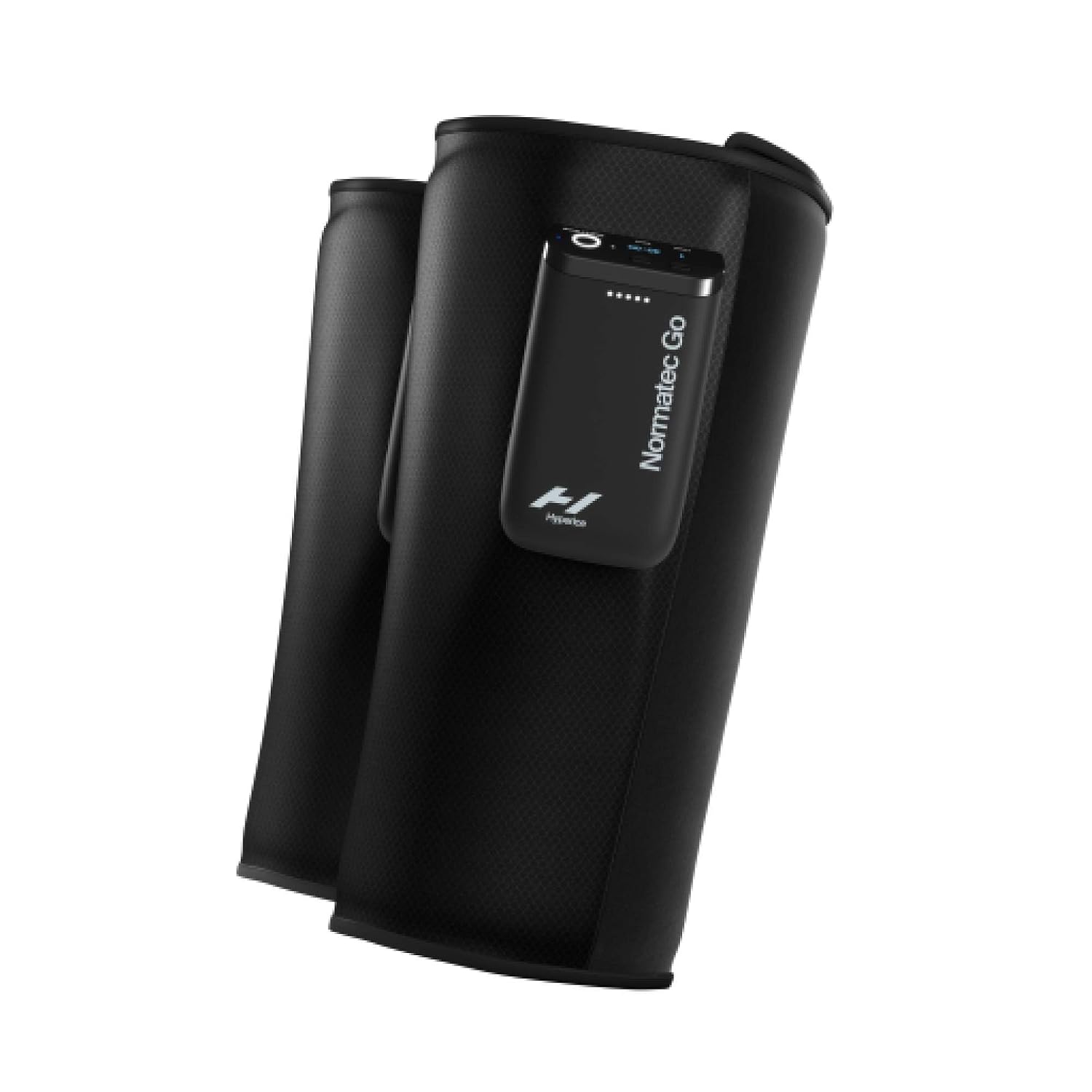
Hyperice · Calf
Best for: Travel and desk-friendly calf-only dynamic compression with Normatec Pulse tech
Normatec Go is calf-only portability done right: wireless, synced, app-capable. Buy it for travel and desk recovery — not as your only tool if thighs and hips are the problem. Three overlapping calf zones target the “second heart” pump without a hose brick. Up to ~2–3 hours cumulative runtime depending on intensity. Choose Go for travel calves. Choose full boots when you need foot-to-thigh sequencing.
Estimated ownership: about $370 in year 1 and
$400 over 3 years.
Hardware. Battery wear is the long-term cost; no required subscription.
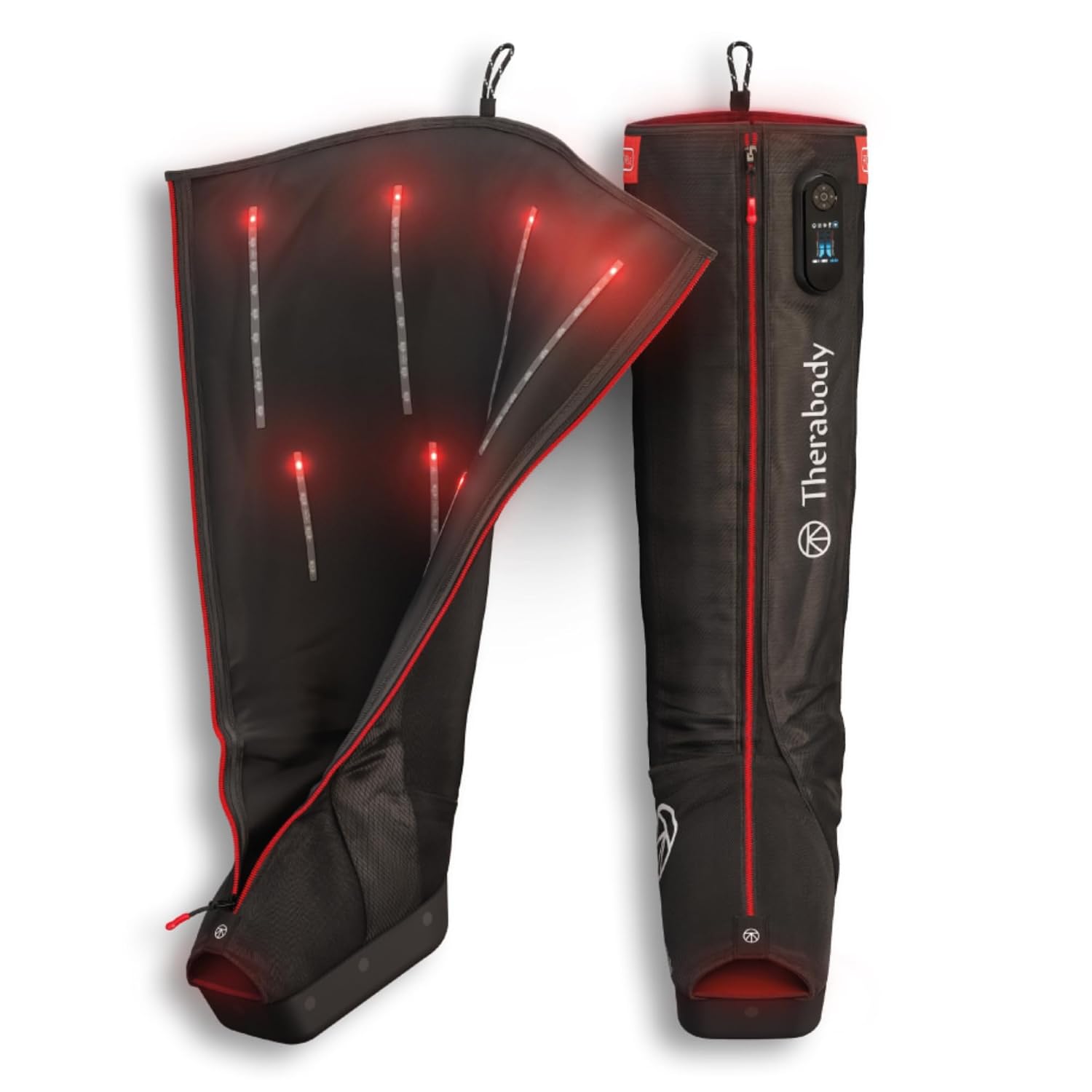
Therabody · Boots
Best for: Wireless compression plus vibration and infrared LED extras when you want a feature-stacked recovery boot
JetBoots PRO Plus is the fully loaded wireless boot: compression, vibration, and LED. Buy it if those extras will get used — otherwise Prime (or Normatec Elite) is the cleaner spend. Sequential compression carries the recovery evidence; vibration and LED are bonus layers. Inseam SKUs matter as much as on Prime. Choose PRO Plus for feature stacking. Choose Prime for wireless compression without the tax.
Estimated ownership: about $1,200 in year 1 and
$1,280 over 3 years.
Feature-max wireless boots. Compare against Elite/Prime before paying for vibration/LED stack.
QUINEAR · Boots
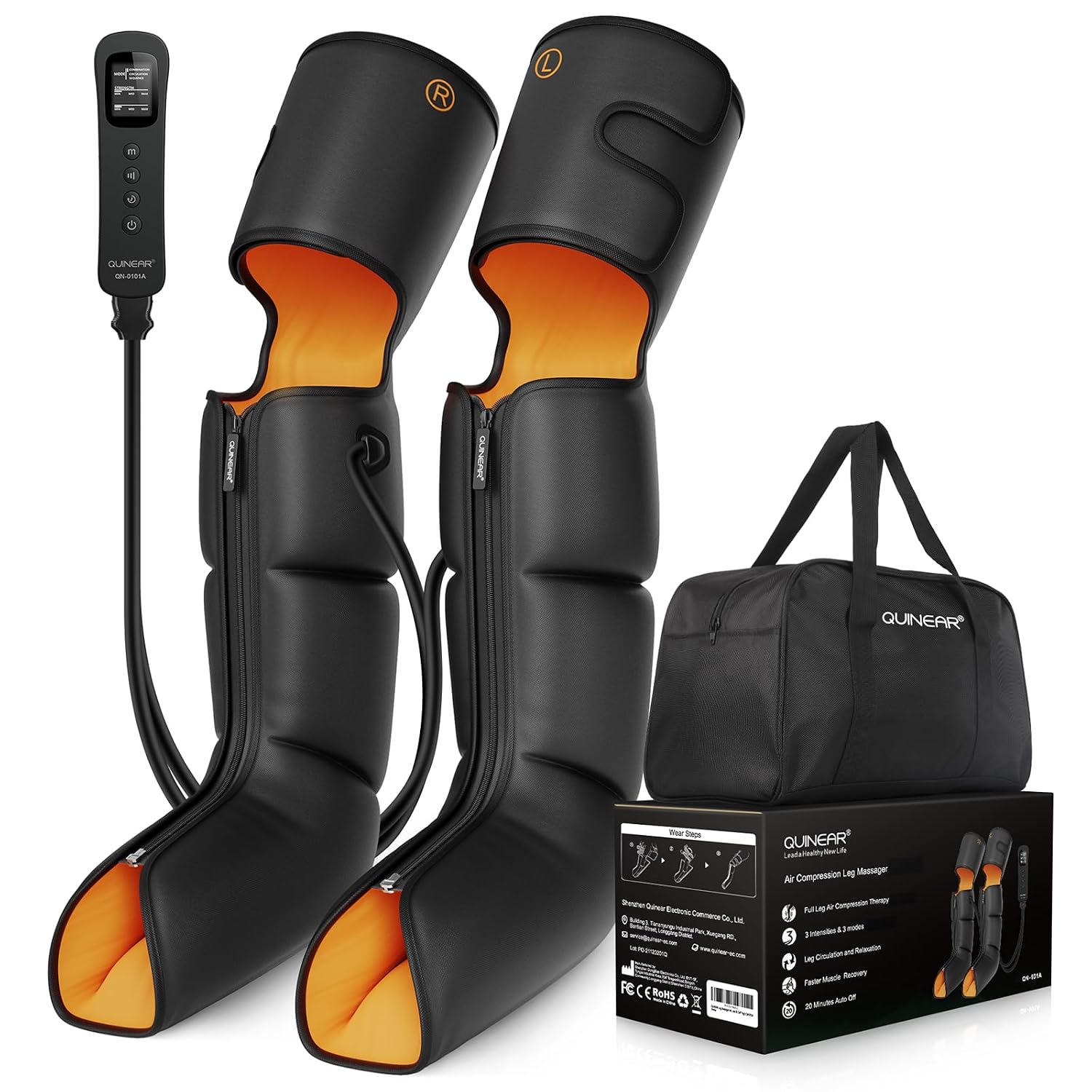
Best for: Budget full-leg coverage with three chambers (foot, calf, thigh) for everyday recovery massage
QUINEAR’s 3-in-1 is the affordable full-leg on-ramp: three chambers, zipper boots, timer. Buy it when you want thigh coverage without a $500 bill — then graduate if sequencing and pressure feel limiting. Three chambers can sequence, but overlap and gradient control are simpler than 4–7 chamber pro boots. Best as a daily comfort/recovery massage tool for recreational training loads. Choose 3-in-1 for budget full-leg. Choose QUINEAR Pro when you want four chambers and sensors.
Estimated ownership: about $160 in year 1 and
$190 over 3 years.
Hardware only. A solid trial system before QUINEAR Pro or premium brands.
FIT KING · Boots
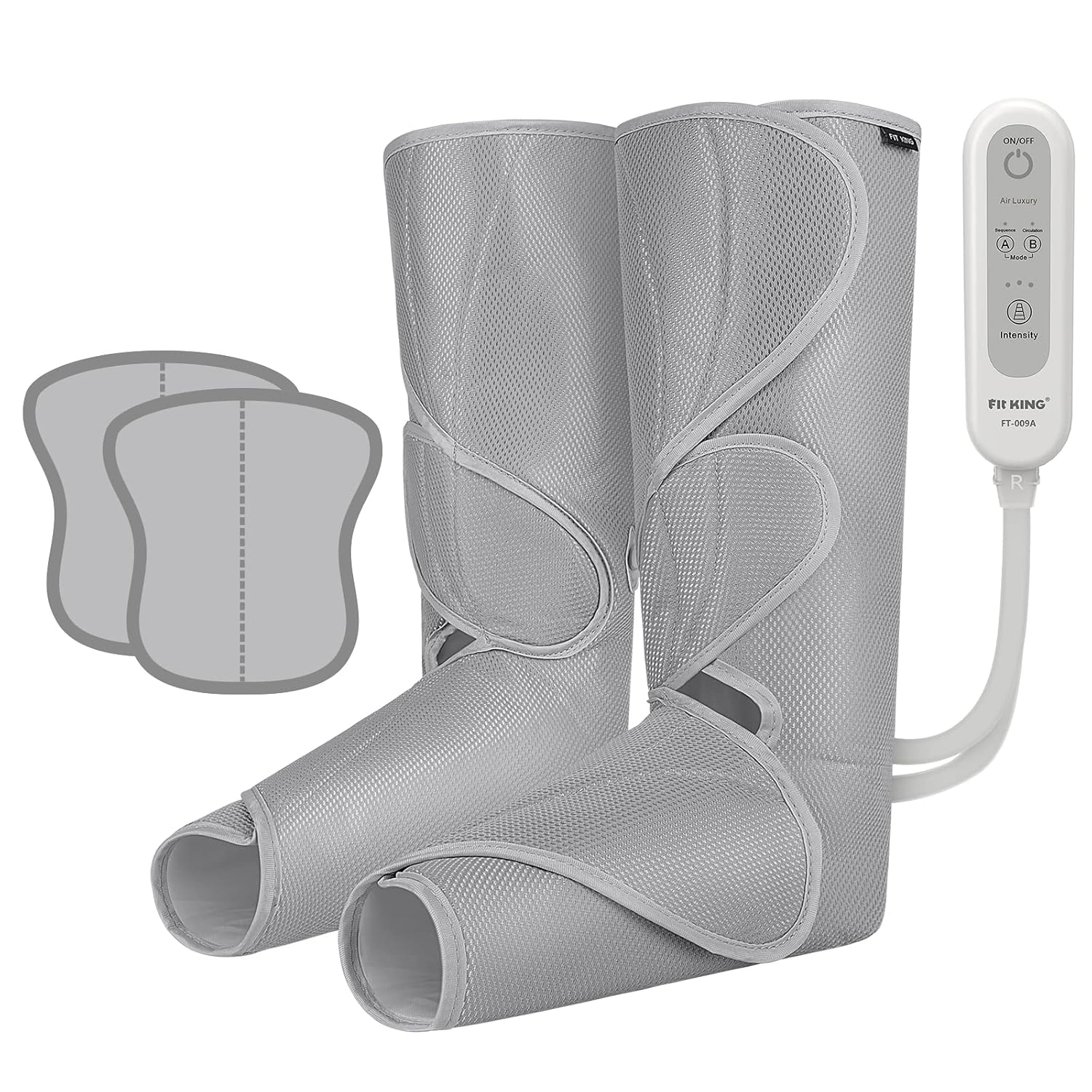
Best for: Budget foot-and-calf compression when you want a cheap circulation massage, not athlete-grade sequential boots
FIT KING FT-009A is the budget door into air compression: feet and calves, not a Normatec clone. Buy it for evening circulation comfort — not as your primary post-workout full-leg recovery system. Chamber count is too low for athletic distal-to-proximal protocols used in IPC sports research. Size extenders help fit, but pressure ceiling and sequencing are consumer-massage class. Choose FIT KING to test the habit cheaply. Upgrade when you need full-leg sequential chambers.
Estimated ownership: about $115 in year 1 and
$140 over 3 years.
Hardware only. Controllers and wraps are the wear items over years.
Detailed reviews
Hyperice Normatec 3 Legs
Pros
Cons
Choose this if
Skip this if
Hyperice Normatec Elite
Pros
Cons
Choose this if
Skip this if
Hyperice Normatec 3 Lower Body
Pros
Cons
Choose this if
Skip this if
Therabody JetBoots Prime
Pros
Cons
Choose this if
Skip this if
Therabody RecoveryAir PRO
Pros
Cons
Choose this if
Skip this if
QUINEAR Professional 4-Chamber System
Pros
Cons
Choose this if
Skip this if
CINCOM Cordless 5-Zone Recovery Boots
Pros
Cons
Choose this if
Skip this if
Hyperice Normatec Go
Pros
Cons
Choose this if
Skip this if
Therabody JetBoots PRO Plus
Pros
Cons
Choose this if
Skip this if
QUINEAR 3-in-1 Leg Massager
Pros
Cons
Choose this if
Skip this if
FIT KING FT-009A Leg & Foot Massager
Pros
Cons
Choose this if
Skip this if
Session design that matches the literature
- Timing: sooner after hard training is better than “sometime tonight if I remember.”
- Duration: 20–30 minutes is the research comfort zone; 15 can be a minimum viable session.
- Pressure: build to a firm, tolerable athletic window — pain is not the goal.
- Frequency: a few times per hard-training week beats daily theater.
- Stack wisely: easy walking and sleep still outrank boots. Panels and percussion are different jobs — see Choosing a Red Light Panel for PBM hardware.
Quick recommendations by persona
- Budget full-leg sequential: QUINEAR Professional
- Cheap comfort test (foot/calf): FIT KING FT-009A or QUINEAR 3-in-1
- Travel calves: Normatec Go
- Wireless full-leg without Normatec tax: JetBoots Prime
- Home hose precision: RecoveryAir PRO
- Category standard: Normatec 3 Legs
- Wireless Normatec: Normatec Elite
- Legs + hips: Normatec 3 Lower Body
- Feature-stacked wireless: JetBoots PRO Plus (only if extras get used)
Modestly, and mostly for how you feel. Meta-analyses of lower-limb intermittent pneumatic compression (IPC) find trivial-to-small effects on muscle function and trivial-to-moderate benefits for pain/soreness, with mixed results on damage markers. They are a useful adjunct — not a replacement for sleep, protein, and easy movement. Sports recovery protocols in reviews commonly land around 20–30 minutes near ~80 mmHg. Athletes often sit in a 60–90 mmHg window; lighter users may prefer lower. Ultra-short sessions under ~15 minutes and extreme marathon sessions add less than people hope. Sequential distal-to-proximal inflation is the mechanism people buy. Four or more overlapping chambers per leg better approximate that wave than two-chamber foot/calf massagers that mostly squeeze for comfort. Wireless wins for travel and couch freedom. Hose systems often win on battery simplicity and sometimes price for the same pressure class. Pick the friction you will actually tolerate after hard sessions. Anyone with DVT/clot history, active leg injury, severe peripheral artery disease, uncontrolled hypertension concerns, or significant untreated venous disease. Pneumatic compression is not a DIY medical device for those situations. They share a family resemblance — intermittent pneumatic compression — but consumer recovery boots and clinical IPC systems differ in indication, validation, and use context. See <a href="/recovery/normatec-and-medical-compression-compared">Normatec and Medical Compression Compared</a> for the full lane-by-lane breakdown.Pneumatic compression boots FAQ
Do compression boots actually help recovery?
+
What pressure and session length should I use?
+
Why does chamber count matter?
+
Wireless or hose-tethered?
+
Who should talk to a clinician first?
+
Are Normatec and medical IPC the same?
+
This comparison is designed for practical decision-making. Product capabilities, pricing, and memberships change quickly, so treat battery claims, plan costs, and feature availability as moving targets.
Trivial-to-small muscular-function effects; trivial-to-moderate for pain/soreness; common protocols ~20–30 minutes at ~80 mmHg. Small effects on soreness/pain and CK; broader recovery and performance outcomes remain inconclusive — useful for tempering marketing claims. Critically appraised topic: short-term DOMS relief possible, but IPC is not a reliable extended EIMD fixer after endurance events.
Related Keersa guide: Red Light Therapy — Mechanisms and Use Cases
Another recovery modality with dose and form-factor tradeoffs — useful contrast when building a recovery stack.
Related Keersa guide: Choosing a Red Light Panel
Technical buying companion if your recovery corner already includes PBM panels.
Related Keersa guide: Percussion Massage Devices
Handheld amplitude and stall-force tradeoffs — a different recovery job than sequential boots.
Related Keersa guide: Normatec and Medical Compression Compared
Athletic IPC versus clinical SPCD/APCD/SCD lanes — read this before treating Normatec as a medical pump.
Affiliate disclosure: some product links on Keersa Health may earn a commission at no extra cost to you.
Editorial recommendations are independent of commercial relationships.
Read our full disclosure.
Sources and editorial notes
Bottom line
Pneumatic compression boots earn a place when you want sequential squeeze after hard lower-body work and you will actually run 20–30 minute sessions. Buy chambers and pressure before logos and LED party tricks. Related: Red Light Therapy: Mechanisms and Use Cases, Choosing a Red Light Panel, and Designing a Heat and Cold Routine.
Next in Recovery: Percussion Massage Devices — amplitude, stall force, and when a gun helps versus when it is just stimulation. Then Normatec and Medical Compression Compared.