Recovery guide · Updated 2026
The Recovery Protocol: What Actually Improves Recovery
An authoritative overview of recovery practice — sleep and easy movement first, then mechanical tools, compression, light, specialty modalities, and a clear map to every Recovery deep dive.
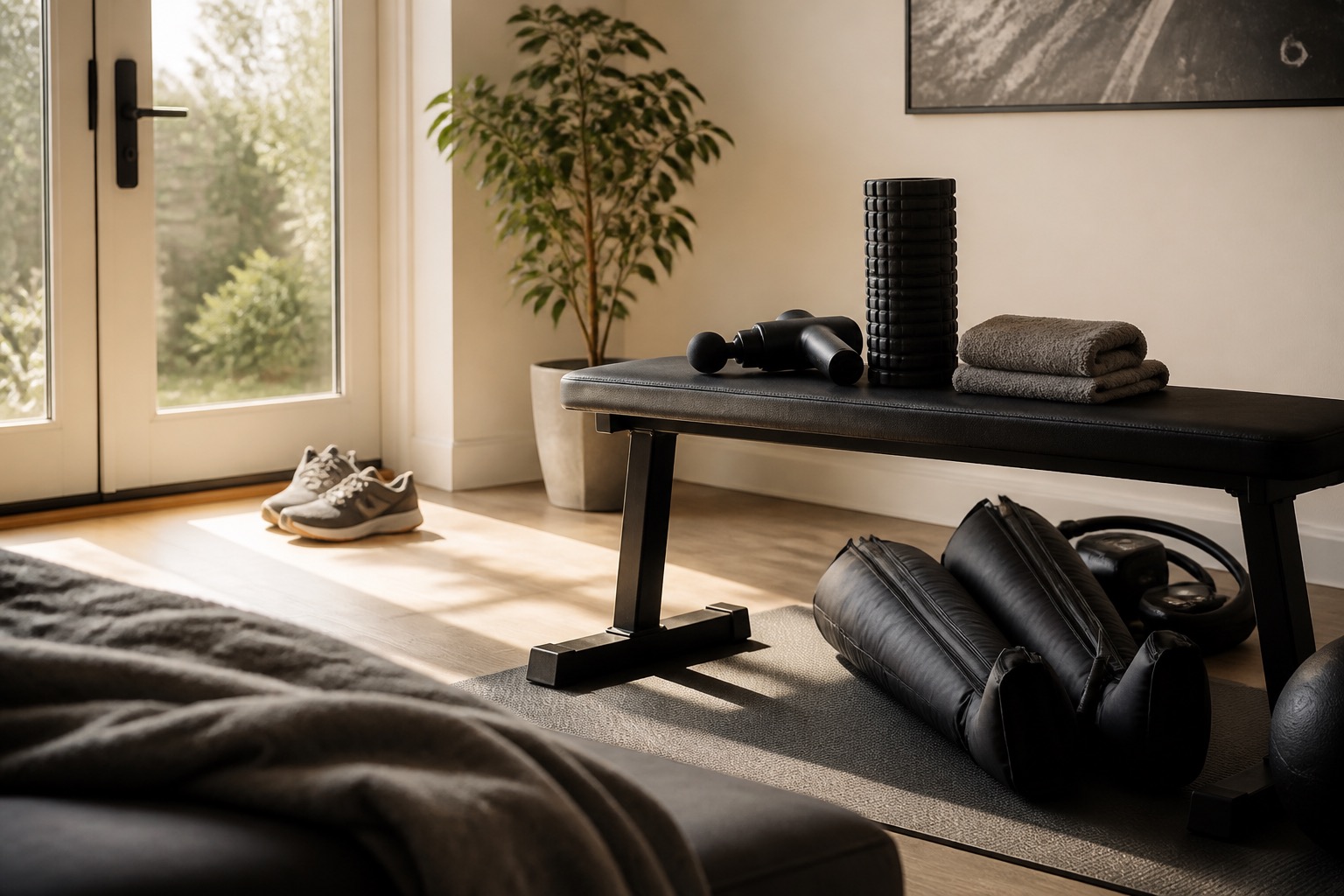
Recovery protocols are everywhere — sold as chambers, panels, boots, and bags that promise faster bounce-back while sleep debt and stealth-hard “easy days” keep doing the real damage. This is the Keersa Health overview for Recovery: what actually improves restoration, which levers to pull first, and when it is worth opening our deeper guides on red light, compression, percussion, float, PEMF, mild hyperbaric exposure, active vs passive choices, and toolkit staging.
Key takeaways
- Recovery is a system: sleep + training load + easy movement + optional modalities that match a named job.
- Order of operations beats gadget stacking: Stage 0 foundations first, then mechanical tools, then compression and light, then specialty environments.
- Active recovery and passive tools are teammates — walks and rest are not optional footnotes to a Normatec membership.
- Massage-class inputs often help DOMS and perceived fatigue more than miracle claims imply.
- Class honesty matters — especially for mild soft chambers vs clinical HBO₂.
- Buy last. Prove adherence before financing a recovery room.
How recovery actually works (short version)
Three jobs do most of the work:
- Adaptation window — sleep, fueling, and not stacking hard stress every day.
- Circulation and stiffness management — easy movement, mobility, and local mechanical work.
- Symptom and nervous-system tools — compression, massage, float, light, and other modalities when they earn a calendar slot.
Recovery technology is useful when it improves one of those jobs. It is noise when it only adds charging cables and dashboard anxiety. You do not need a mild hyperbaric bag to recover well — but a clear map keeps purchases honest.
What “good recovery practice” looks like
- You sleep enough nights in a row to notice
- Easy days are actually easy
- You can name why a device is on the calendar
- You skip tools that never change next week’s readiness
The order of operations
Buy less at the start. Change the defaults that run every week.
- Protect sleep and load. If nights or programming are broken, start there — The Sleep Protocol.
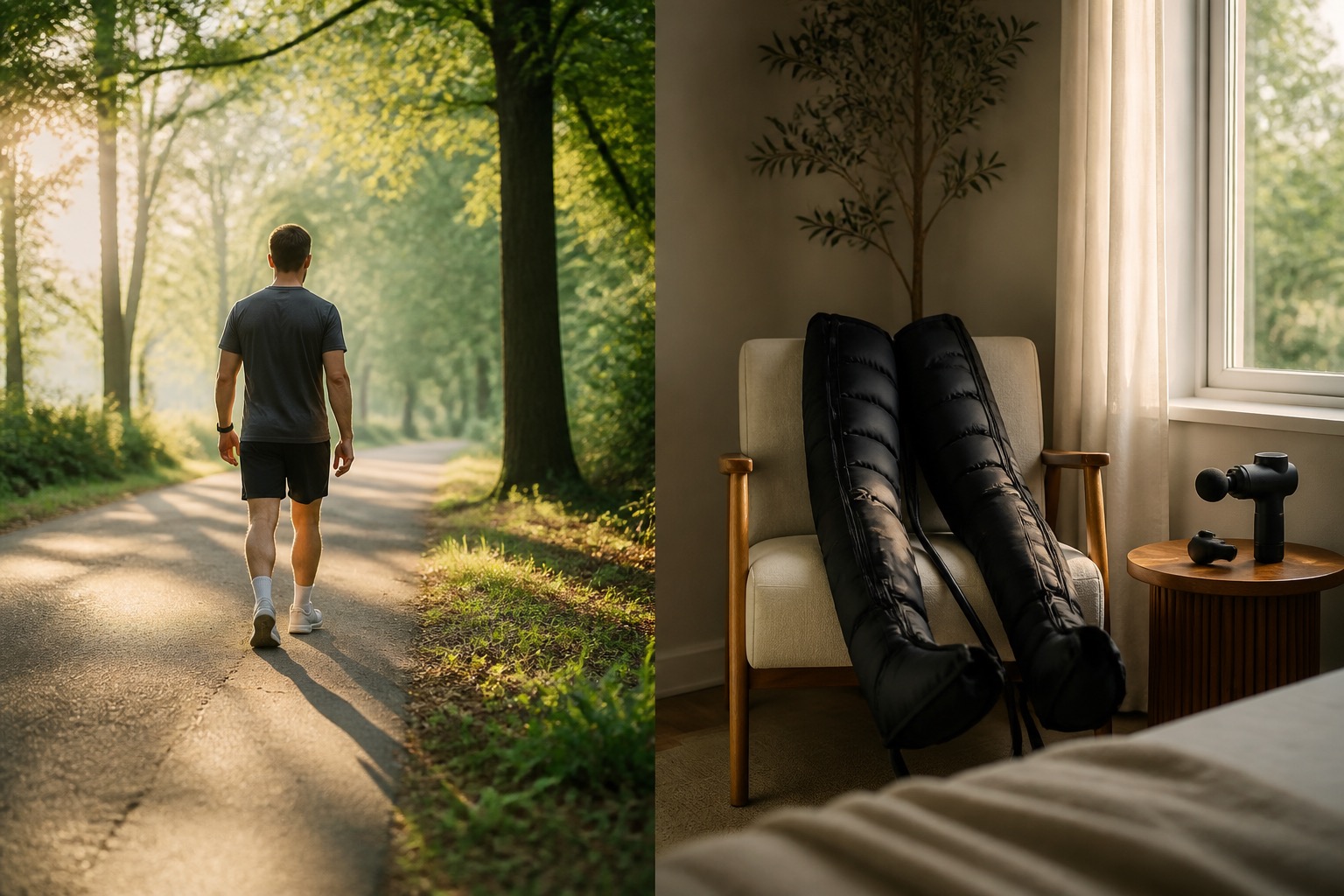
- Add easy movement. Walks and light mobility before another SKU — Active Recovery vs Passive Modalities.
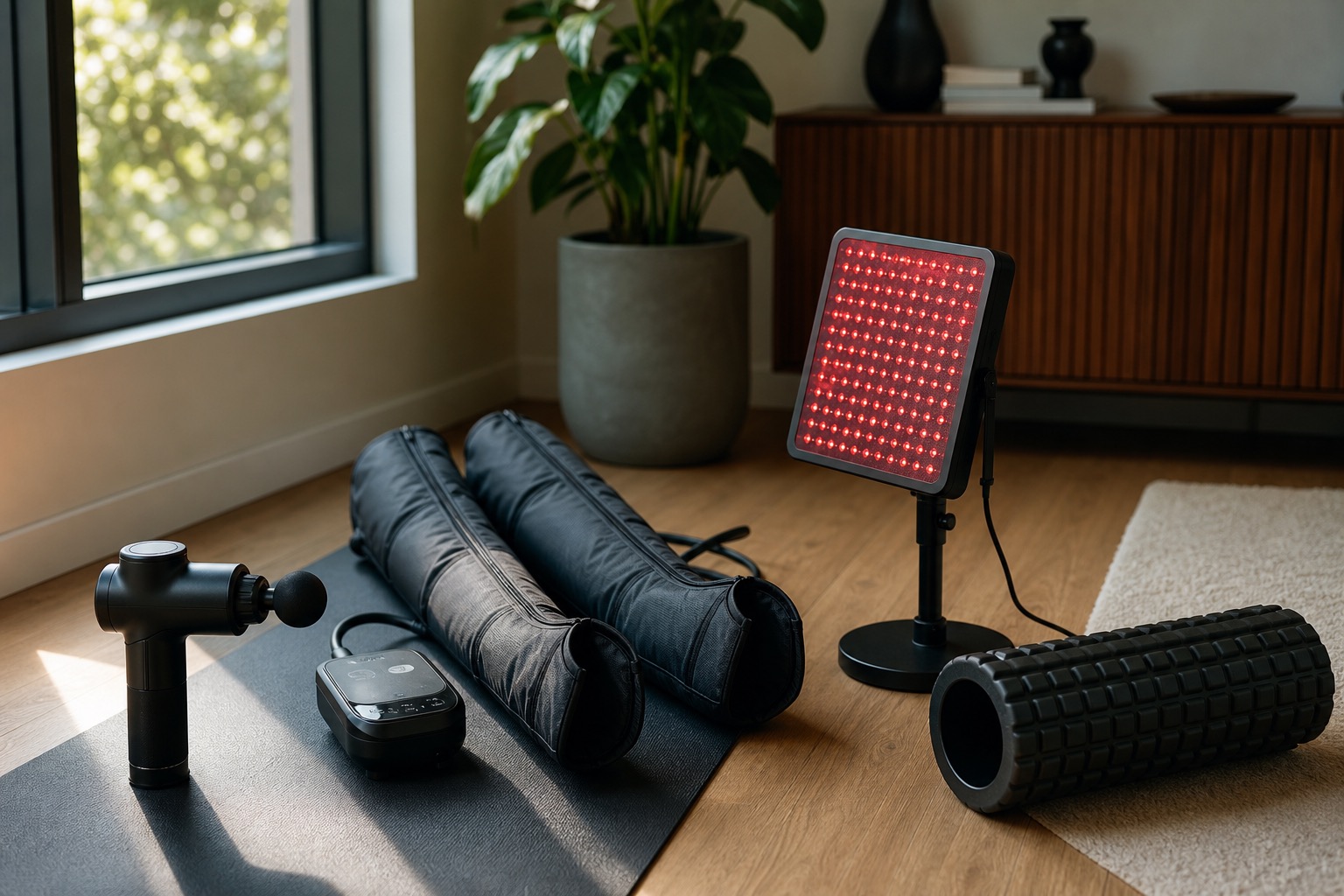
- Trial cheap mechanical tools. Roller and budget percussion before premium guns.
- Add compression if the ritual sticks. Budget wraps before full-leg athlete boots.
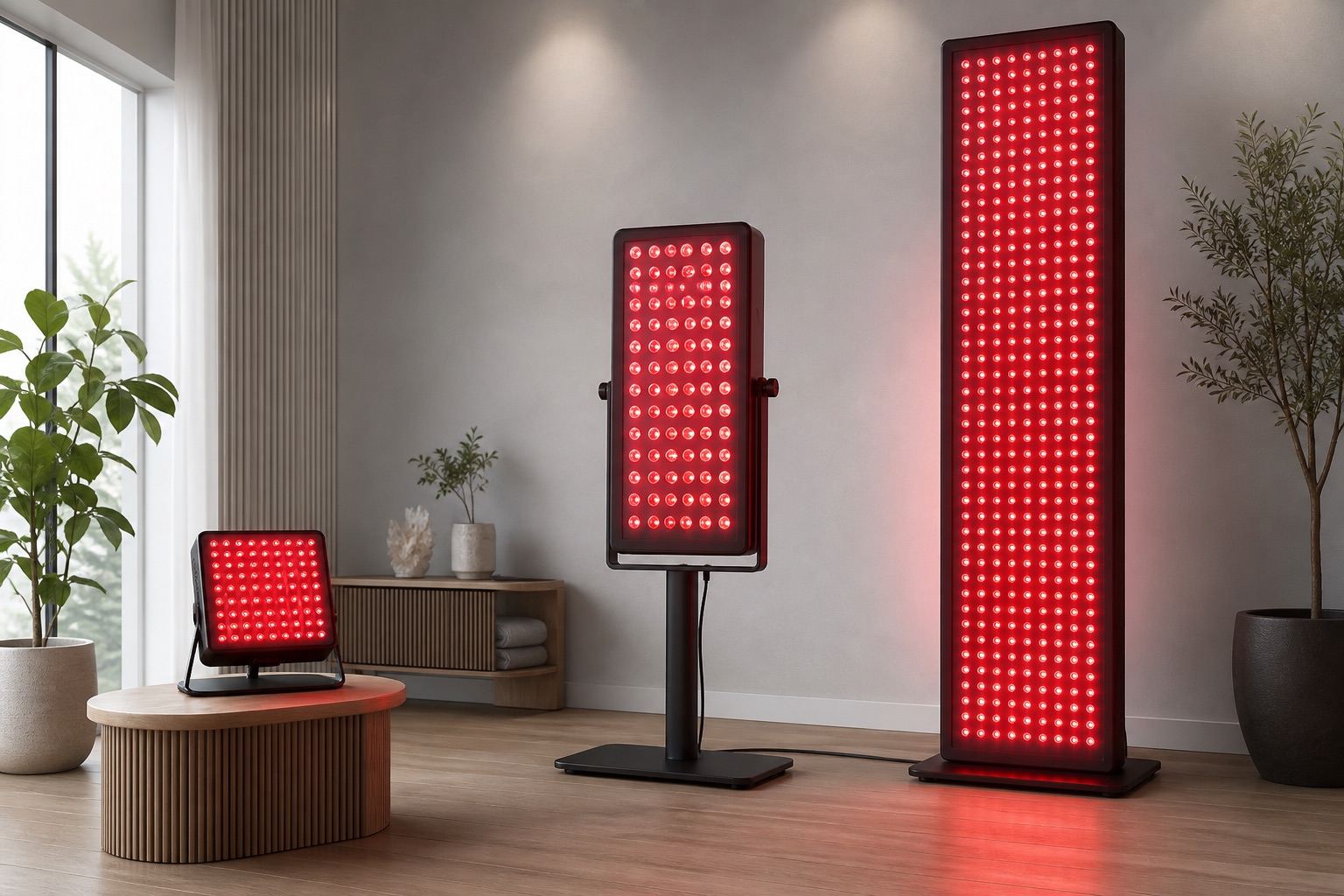
- Add light with dose discipline. Mid panels before mega walls.
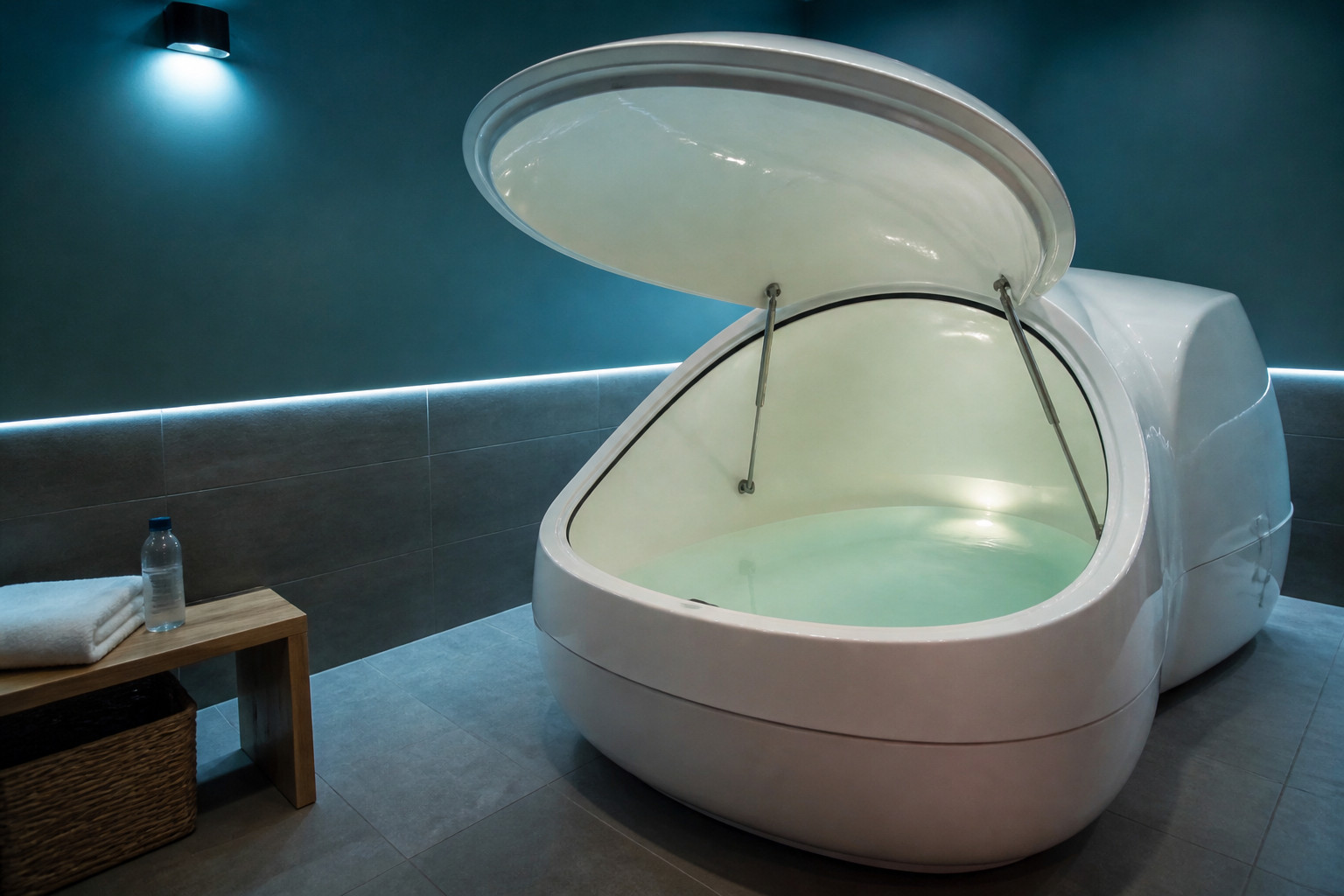
- Use studio sessions for float and mild HBOT before ownership fantasies.
- Stage specialty capital last — PEMF mats, home pods, soft chambers — only with a named job.
For the purchase roadmap with representative devices, use Building a Recovery Toolkit.
Active recovery vs passive modalities
Active recovery is low-intensity movement that raises circulation without becoming a stealth workout. Passive modalities act on you — guns, boots, panels, floats, fields, pressure. Neither replaces sleep. Both can help when matched to stress type.
- Active Recovery vs Passive Modalities — decision framework by training stress, cool-down honesty, and when gadgets are optional amplifiers.
Mechanical tools: percussion and mobility
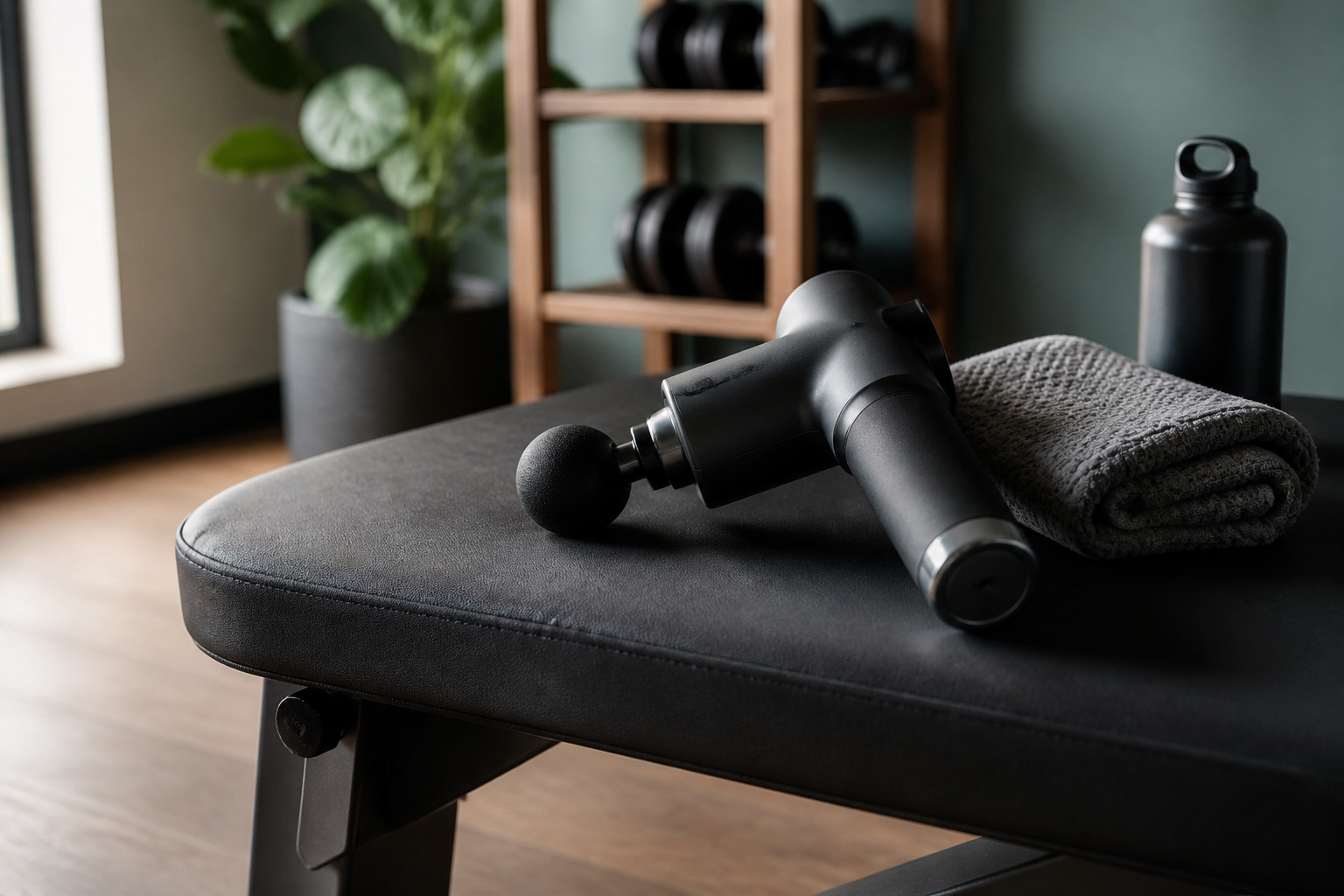
Local massage-class inputs are among the better-supported consumer recovery lanes for soreness and perceived fatigue. They are still adjuncts — not a license to skip progressive loading or sleep.
- Percussion Massage Devices — amplitude, stall force, travel vs full-size guns.
- Mobility Tools That Earn a Place — rollers, bands, and when a gun is optional.
Compression: consumer boots and clinical context
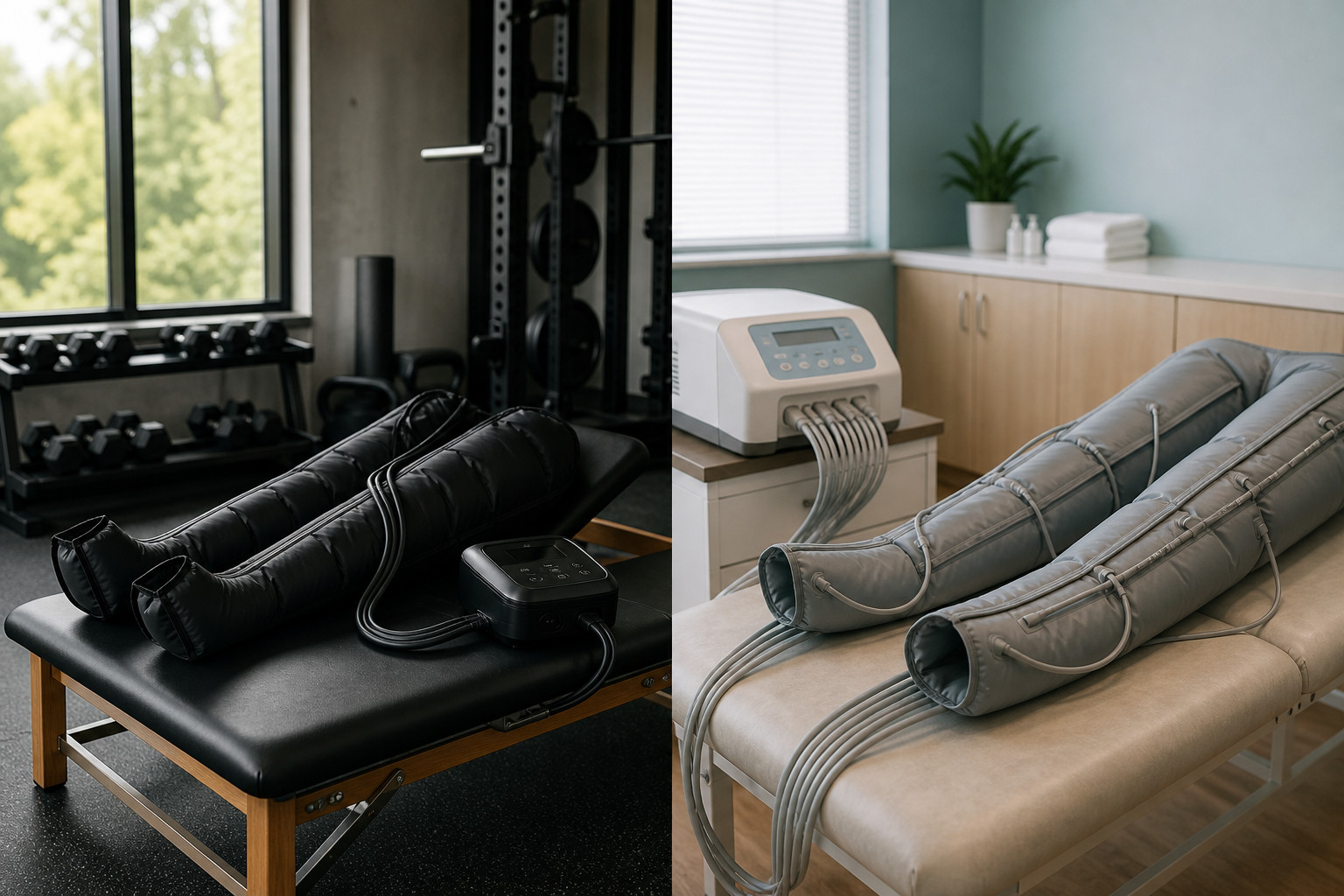
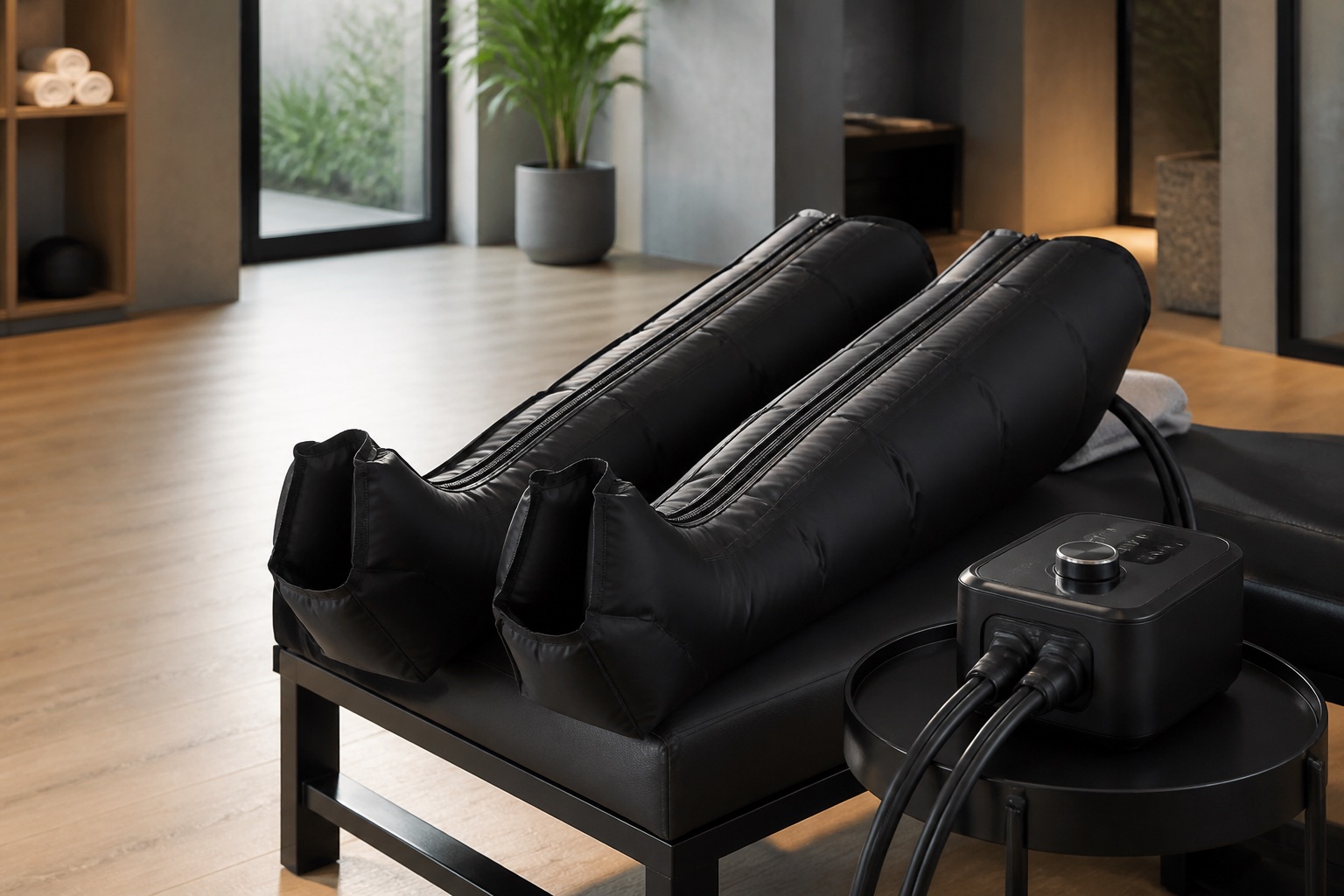
Sequential compression is mostly a comfort and readiness ritual for athletes. Chamber count and pressure matter more than logo glow. Know where consumer boots stop and medical intermittent pneumatic compression begins.
- Pneumatic Compression Boots — session design and product ladder.
- Normatec and Medical Compression Compared — consumer vs clinical framing.
Light and fields: red light and PEMF
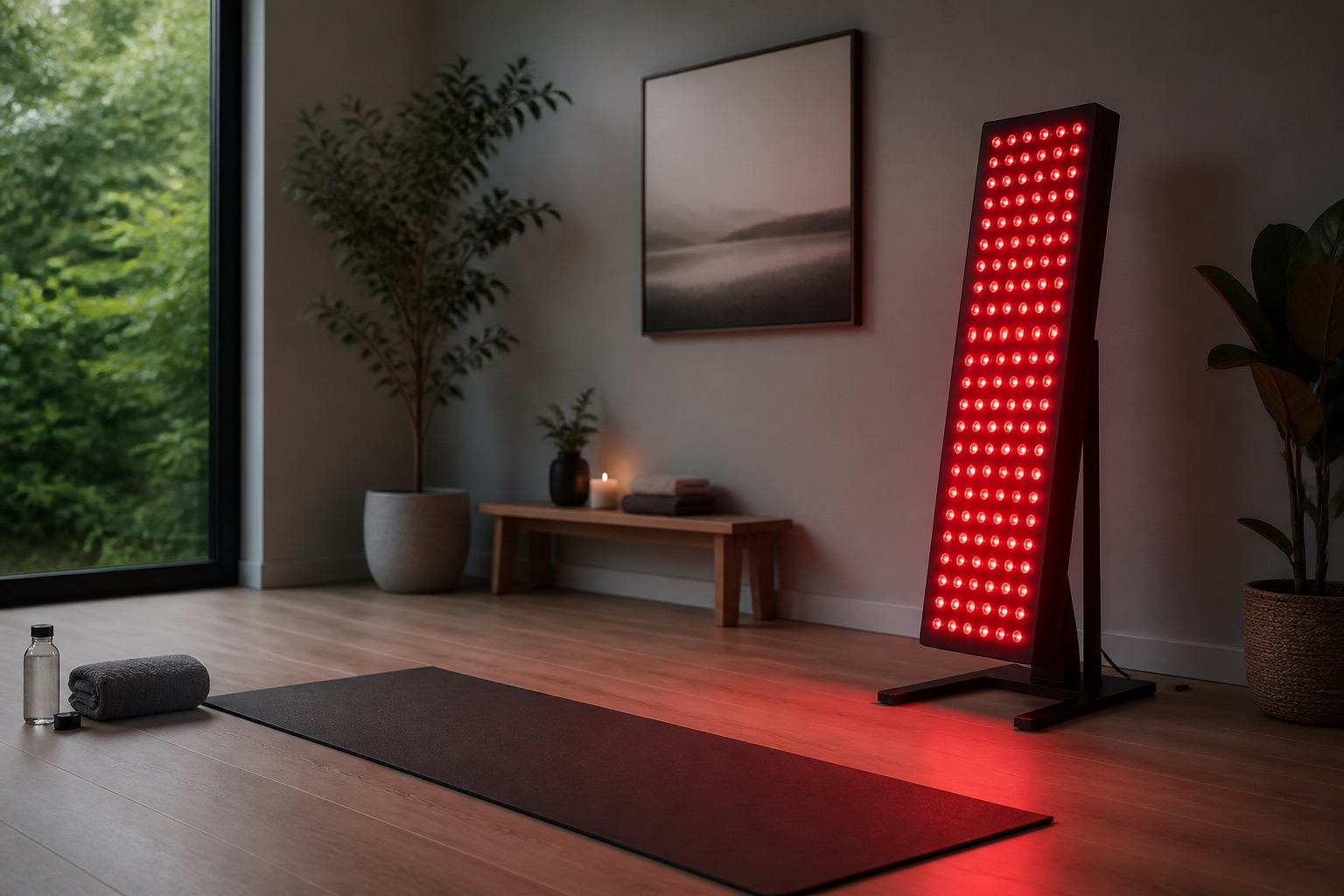
Photobiomodulation and pulsed electromagnetic devices are parameter problems. Wavelength, irradiance, coverage, and intensity class beat brand mythology. Start small enough to dose consistently. Geometry — panel vs mask vs belt vs mat — is usually the first buying decision.
- Red Light Therapy: Mechanisms and Use Cases — what the modality can and cannot claim.
- Red Light Therapy Form Factors — panels, masks, belts, mats, handhelds, and which geometry matches the job.
- Choosing a Red Light Panel — size ladder, irradiance skepticism, EMF noise.
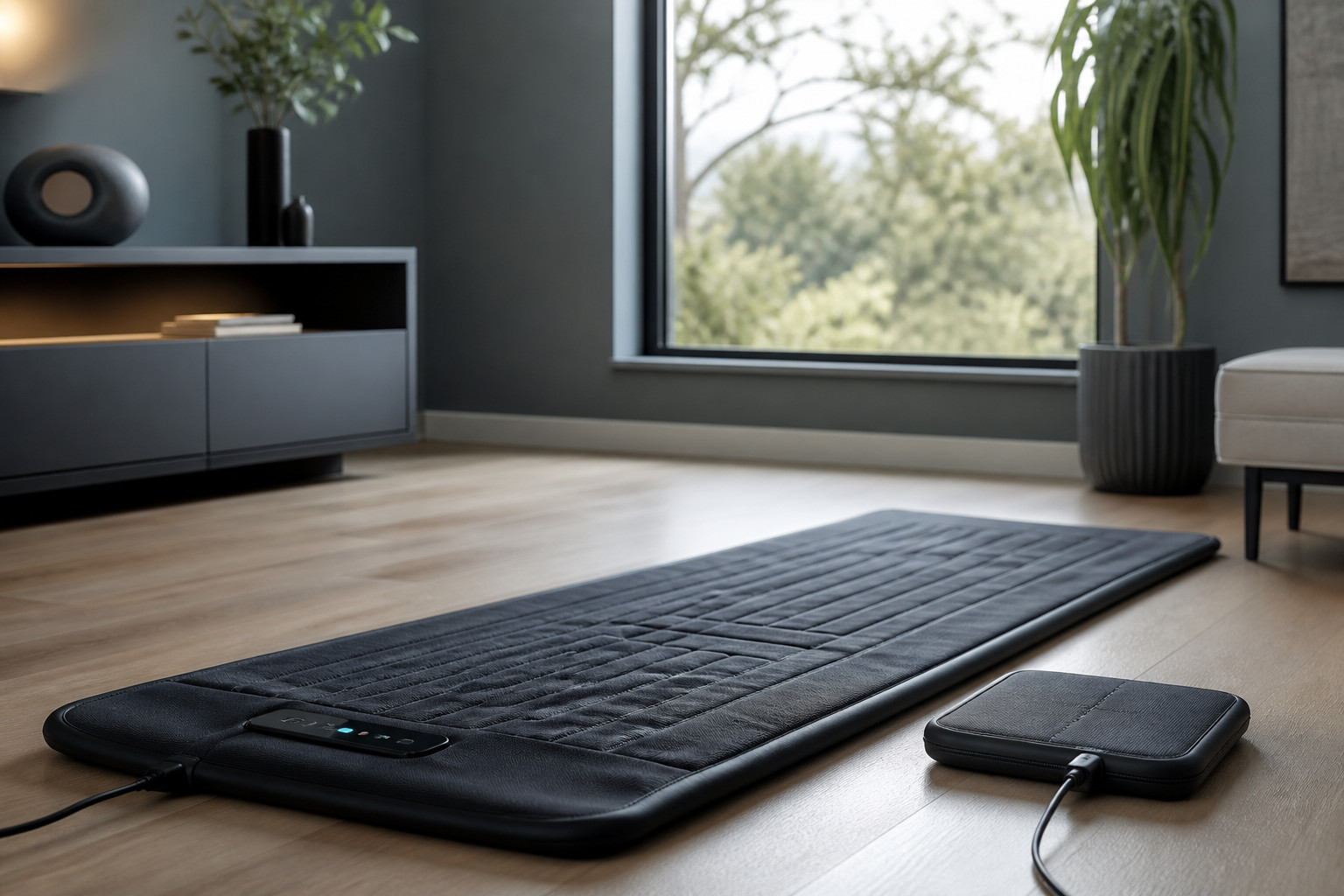
- PEMFs and Pulsed Electromagnetic Fields — mats vs wearables and evidence lanes.
Environmental and specialty modalities
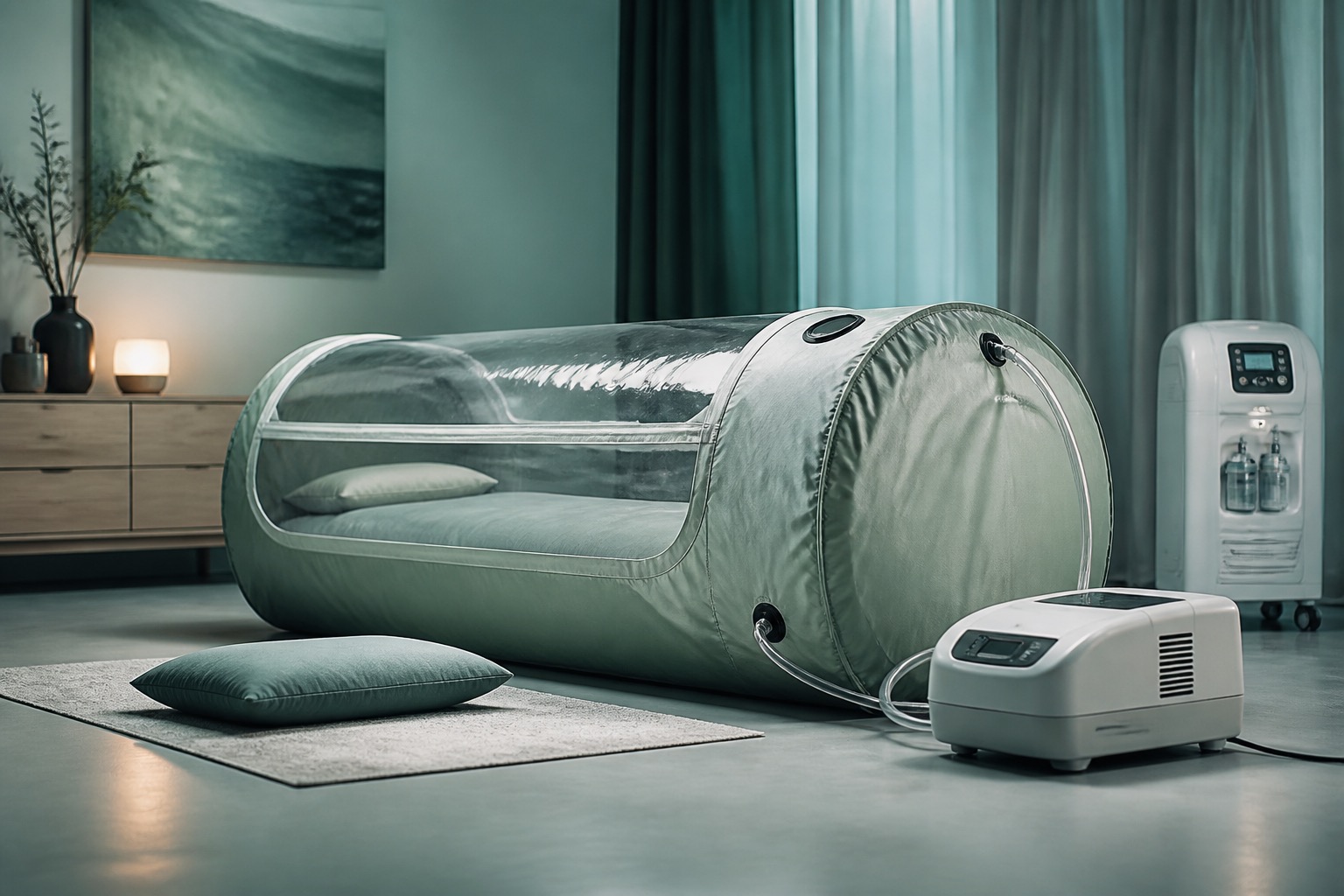
Float tanks earn a clearer short-term stress and anxiety lane than they earn as muscle-repair appliances. Mild soft hyperbaric chambers are not UHMS therapeutic HBO₂ — treat marketing class confusion as a buying hazard.
- Float Tanks and Sensory Deprivation — studio-first REST economics.
- Hyperbaric Oxygen for Non-Clinical Users — mild vs clinical, pressure, safety.
Heat and cold overlap
Sauna and cold are recovery-adjacent but deserve their own protocol. Timing around hypertrophy training especially matters.
- The Thermal Protocol — thermal order of operations.
- Designing a Heat and Cold Routine — weekly templates.
- Cold Exposure Timing Around Training — post-lift rules.
A simple weekly protocol
- Nightly: protect a sleep window you can keep most days.
- After hard sessions: 10–20 minutes easy cool-down or true rest — whichever leaves you better tomorrow.
- Most easy days: 20–40 minute walk or light mobility.
- 1–3 times weekly (optional): percussion, compression, or a panel session you can name a job for.
- Monthly or as needed: float or other specialty sessions if stress load justifies them.
- Only then: upgrade hardware for a remaining friction point — see Building a Recovery Toolkit.
Young athletes and sports recovery
High-school, college, and early-career athletes face a different recovery problem: calendar collision, stealth-hard “easy” days, and recovery-tech marketing that arrives before bedtime does. For the athlete-specific playbook that ties sleep, readiness wearables, mechanical tools, compression, and cold timing together, read Sports Recovery for Young Athletes.
Where to go next
Use this page as the map. Use the deep dives when you already know which lever you are pulling:
- Sports Recovery for Young Athletes — athlete narrative across Recovery, Sleep, Fitness, and Heat & Cold.
- Active Recovery vs Passive Modalities — move vs device decisions.
- Building a Recovery Toolkit — staged purchases.
- Percussion Massage Devices — guns and amplitude.
- Pneumatic Compression Boots — boots and sessions.
- Normatec and Medical Compression Compared — consumer vs clinical.
- Red Light Therapy — mechanisms and use cases.
- Red Light Therapy Form Factors — device geometry and one preferred pick per shell.
- Choosing a Red Light Panel — buying form factors.
- PEMFs — fields and coverage.
- Float Tanks — REST access.
- Hyperbaric Oxygen for Non-Clinical Users — mild vs clinical.
Sleep timing, training load, and easy movement. If those are chaotic, boots and panels will feel magical for a week and pointless by month two. Not at the start. Guns are local and portable; boots are passive full-limb rituals. Trial one cheaply, prove weekly use, then decide whether the second job is real. After mechanical basics for most people. Treat them as dose-and-class problems — not as replacements for sleep or walking. Open the red light mechanisms guide, then the form-factor essay if you are choosing between panels, masks, belts, and mats. Usually no. Validate with studio sessions. Home pods and soft chambers are late capital with logistics — and mild HBOT is not clinical HBO₂. Overlap exists, but thermal stress has its own timing and safety rules. Use The Thermal Protocol for sauna and plunge design; use this page for recovery modalities and toolkit priorities. Sleep and walks, then roller or budget gun, then optional cheap compression, then a mid red-light panel if you still have a job for light. Save full-leg boots, float ownership, PEMF mats, and mild HBOT for later.Recovery protocol FAQ
What should I fix first if recovery still feels terrible?
+
Do I need both a massage gun and compression boots?
+
Where do red light and PEMF fit?
+
Are float tanks and mild HBOT worth owning early?
+
How is recovery different from heat and cold practice?
+
What is a sensible shopping order?
+
This comparison is designed for practical decision-making. Product capabilities, pricing, and memberships change quickly, so treat battery claims, plan costs, and feature availability as moving targets.
Meta-analysis framing for symptom-focused recovery tools (massage, compression, immersion, active recovery) — useful when ranking toolkit priorities.
UHMS Position Statement: Low-Pressure Fabric Hyperbaric Chambers (revised 2018)
Why mild soft chambers should not borrow the clinical HBO₂ evidence base wholesale — a class lesson for the whole Recovery category.
Related Keersa guide: Active Recovery vs Passive Modalities
Decision framework companion to this overview — when to move, rest, or use a device.
Related Keersa guide: Building a Recovery Toolkit
Staged purchase roadmap once priorities are clear.
Related Keersa blog: Sports Recovery for Young Athletes
Athlete-focused narrative tying sleep, readiness wearables, mechanical tools, compression, and cold timing to this Recovery map.
Related Keersa blog: Red Light Therapy Form Factors
Geometry map for panels, masks, belts, mats, handhelds, bulbs, and hair caps before opening the panel buying guide.
Keersa Health Recovery category guides
Deep dives linked from this overview; product capabilities and pricing change — verify before purchase.
Affiliate disclosure: some product links on Keersa Health may earn a commission at no extra cost to you.
Editorial recommendations are independent of commercial relationships.
Read our full disclosure.
Sources and editorial notes
Bottom line
The best recovery protocol is boring on purpose: sleep, sane load, easy movement, and a few modalities that match real jobs. Technology helps when it reinforces those defaults — not when it replaces them. Start here, then open the comparison guides only for the specific problem you still need to solve.