Recovery guide · Updated 2026
Percussion Massage Devices: Amplitude, Frequency & When a Gun Helps
Massage guns for recovery — amplitude, stall force, travel minis, and twelve devices from budget TOLOCO kits to Theragun Prime and Hypervolt Pro.
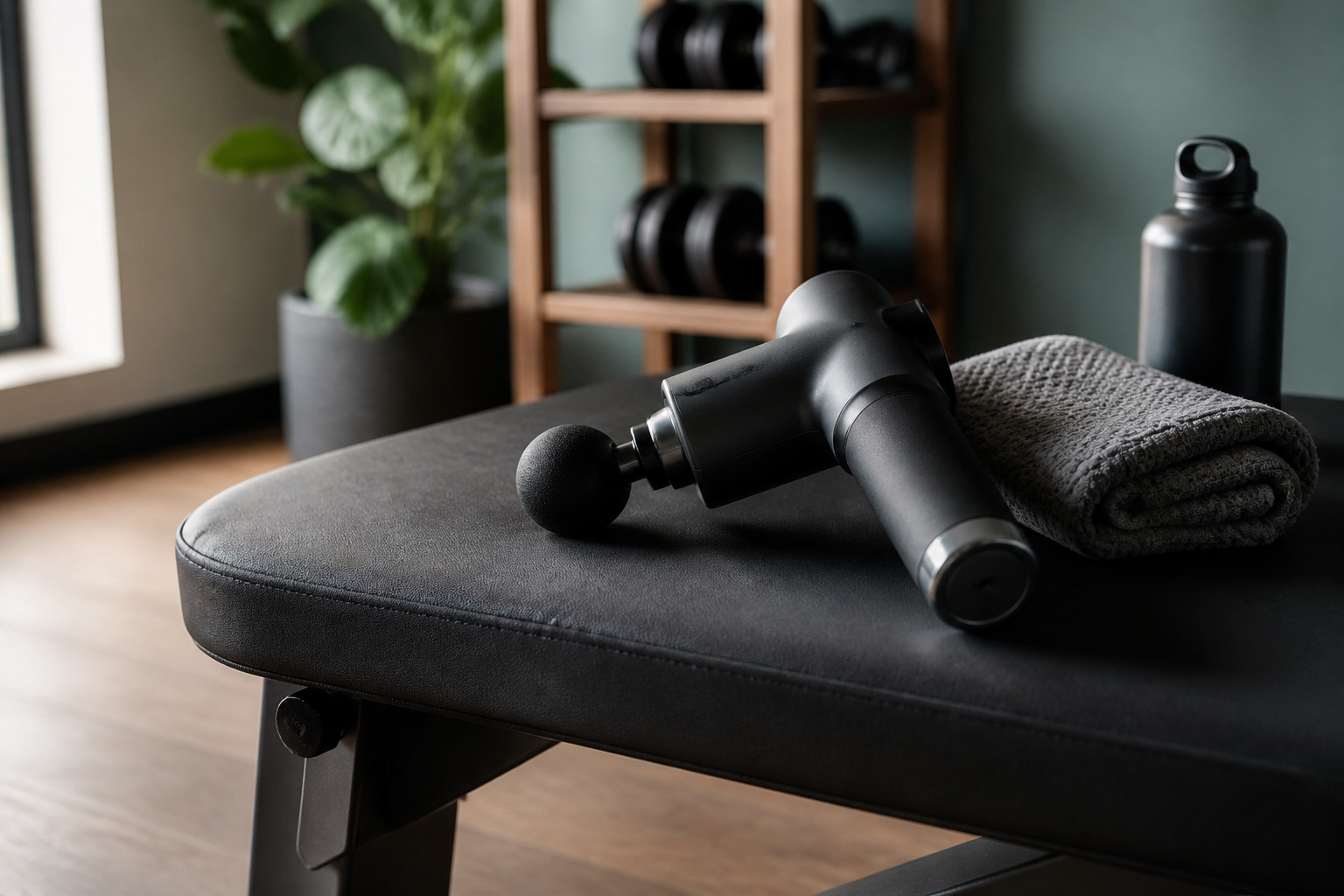
Percussion massage guns sell a simple fantasy: hold a loud battery stick on sore tissue and tomorrow’s session feels free. The honest version is narrower and more useful. A motor drives a head through a short amplitude stroke at a chosen frequency; when that stroke is deep enough and the motor does not stall under pressure, you get a portable form of localized soft-tissue stimulation that can help short-term range of motion and how sore a region feels.
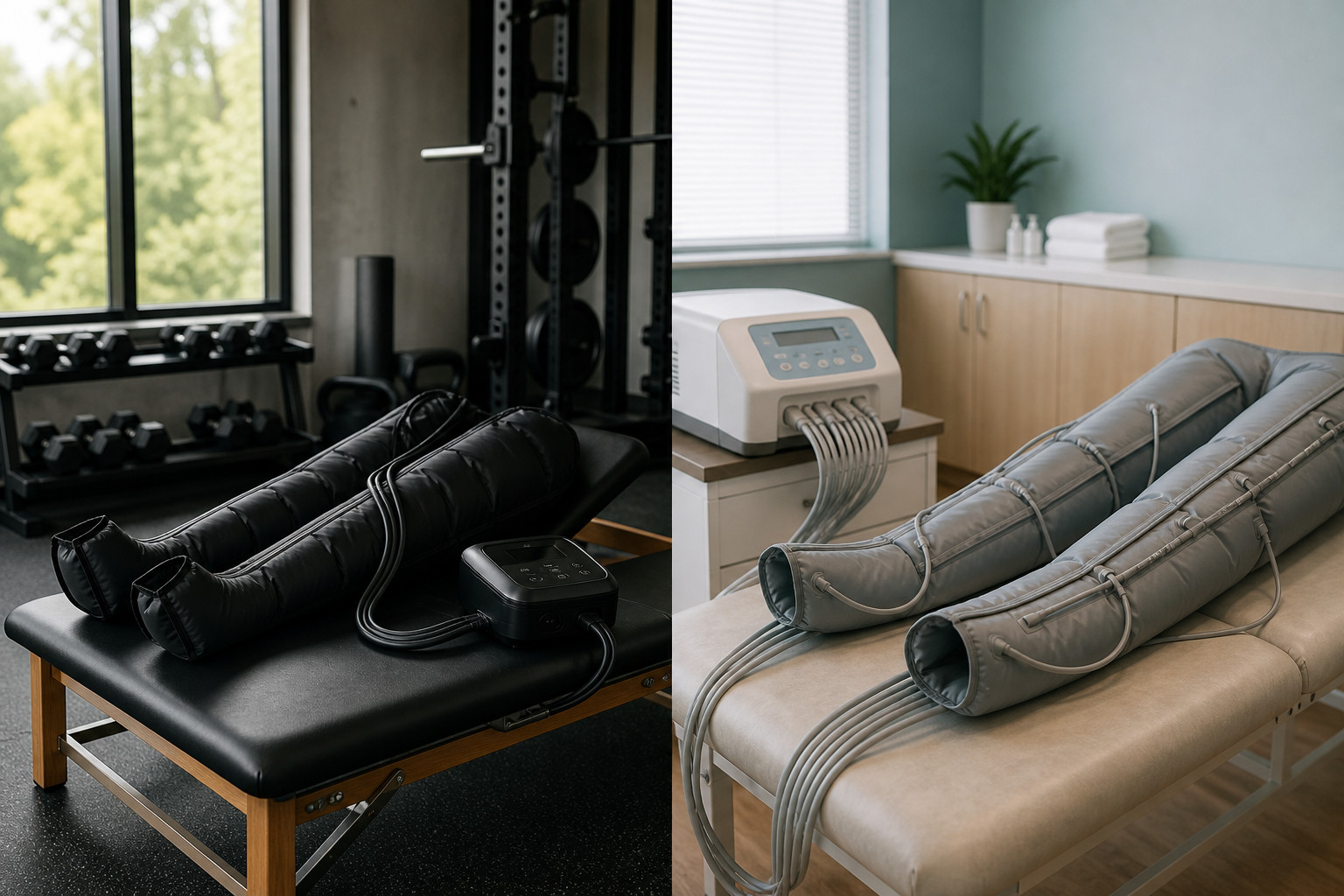
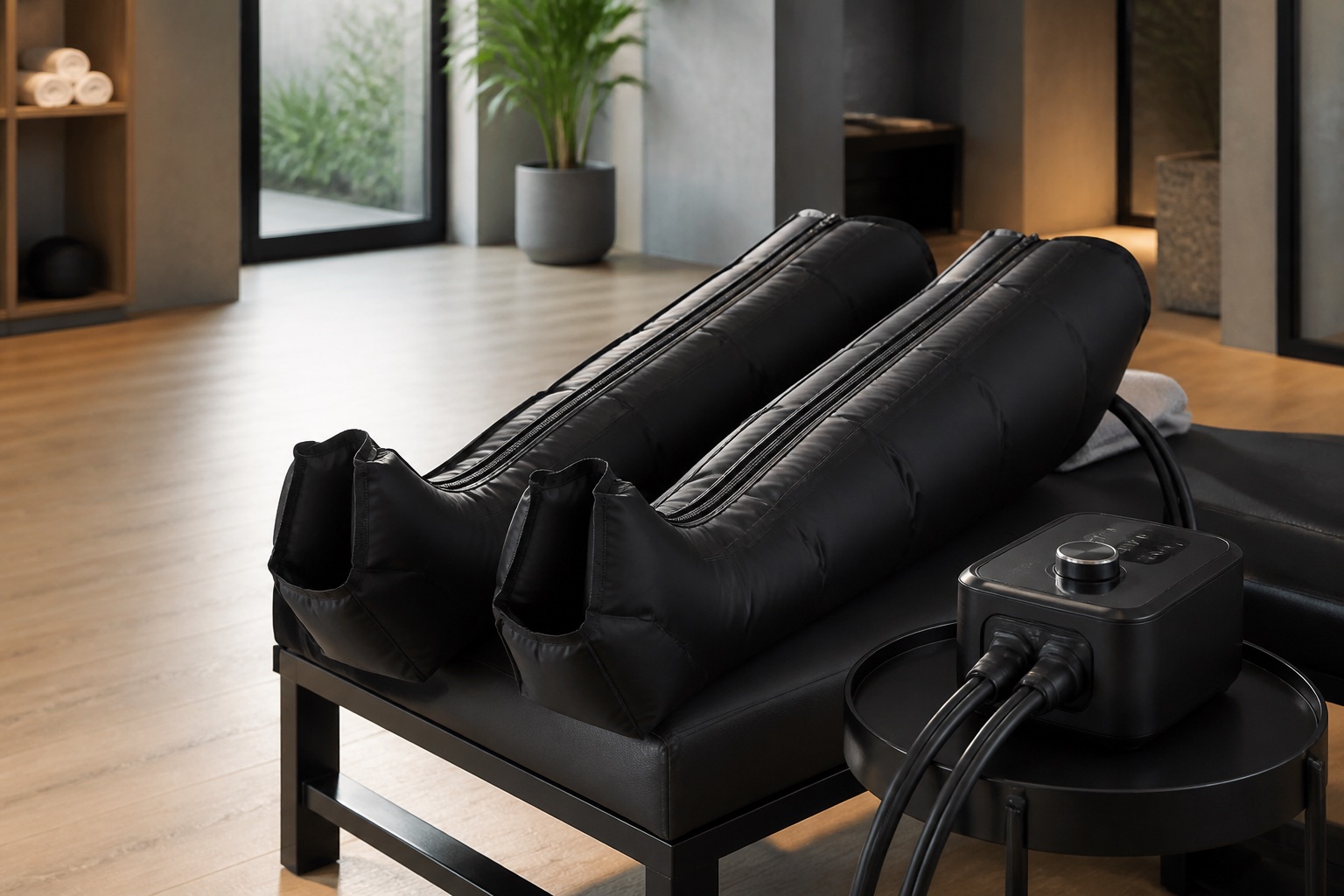
This guide compares twelve devices you can actually buy — budget kits, mid-tier stall monsters, travel minis, and premium Therabody/Hyperice systems — with the specs that change the purchase. For full-leg sequential squeeze instead of handheld percussion, see Pneumatic Compression Boots.
Key takeaways
- Best overall deep-tissue pick: Therabody Theragun Prime (6th Gen).
- Best mid-price hardware value: Ekrin Athletics B37v2.
- Best quiet Hyperice daily driver: Hypervolt 3.
- Best 16 mm alternative under Pro money: Bob and Brad D6 Pro Plus.
- Best budget app gun: RENPHO Active+.
- Best premium travel mini: Theragun Mini (3rd Gen).
- Best cheap habit test: TOLOCO.
- Protocol rule: short regional passes beat marathon thrashing; avoid aggressive pre-power percussion.
- Biggest buying mistake: paying for 16 mm and ten heads when you only needed a quiet gun you will actually use.
How we evaluate percussion devices
Editorial scores favor usable depth and stall under real pressure over accessory theater. We score across five pillars:
- Amplitude realism (30%) — stroke depth class (~10 vs 12 vs 16 mm) for the tissues you care about.
- Stall and control (20%) — whether the motor keeps working when you lean in; usable speed steps.
- Ergonomics and noise (20%) — grip angles, reach, and whether you will use it near other humans.
- Portability and kit (15%) — mini vs full-size, case, heads that matter.
- Ownership cost (15%) — hardware versus what your training load justifies.
Important limitation: amplitude and stall figures are manufacturer-stated and not standardized across brands. Reviews evaluate percussive therapy as a category — not your exact SKU in a head-to-head trial.
What the evidence supports
Ferreira et al.’s systematic review found massage guns can help short-term ROM and flexibility and some recovery-related outcomes after fatigue protocols, while use before strength, balance, acceleration, agility, or explosive tasks is not recommended.
Sams et al.’s systematic literature review reported acute improvements in strength, explosive strength, and flexibility measures after single applications, with multiple treatments linked to reduced musculoskeletal pain experiences — with clear notes on study-quality limits.
Eccentric-damage work in JSSM (2024) found brief percussive massage improved ROM and gave immediate temporary soreness relief without changing isometric strength recovery trajectories in a magical way. Translation: guns are good at making a region feel and move better right now. They are weak as a standalone plan for restoring force capacity.
Specs that actually change the purchase
- Amplitude (mm) — ~10 mm for travel/comfort; ~12 mm for most training; ~16 mm when dense tissue is the job.
- Stall force — high stall matters when you press into quads, glutes, and calves.
- Form factor — full-size leverage vs mini packability.
- Heat — optional comfort layer, not a substitute for depth.
- App — useful if you follow guided routines; irrelevant if you already know your map.
Interactive comparison
Filter by form factor, sort by score or price, and pin up to three options for a focused side-by-side view.
Tradeoff:
Sticker price still matters here — most options are one-time hardware buys, so the three-year estimate mainly reflects purchase price plus expected upkeep.
Estimates are directional and based on common public pricing patterns. Promotions, refurbished units, family plans, and tier changes can move these numbers materially.
3-year cost of ownership
Device
Year 1
3-year estimate
Amazon Price
Therabody Theragun Prime (6th Gen)
$360
$400
$329.99
Ekrin Athletics B37v2
$220
$250
$224.99
Hyperice Hypervolt 3 Pro
$380
$420
$349
Bob and Brad D6 Pro Plus
$230
$260
$205.99
Hyperice Hypervolt 3
$270
$300
$249
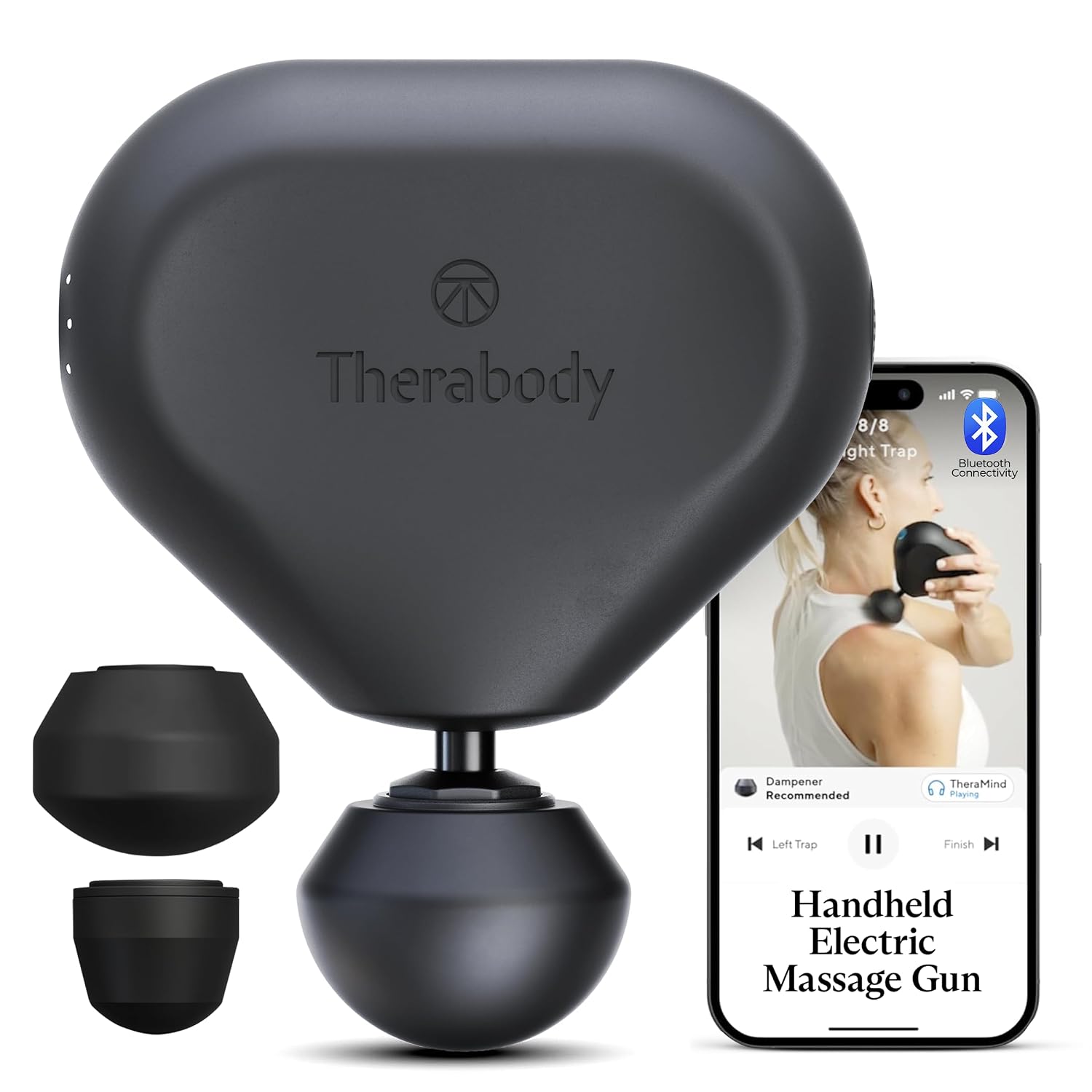
Therabody Theragun Mini (3rd Gen)
$240
$270
$219.99
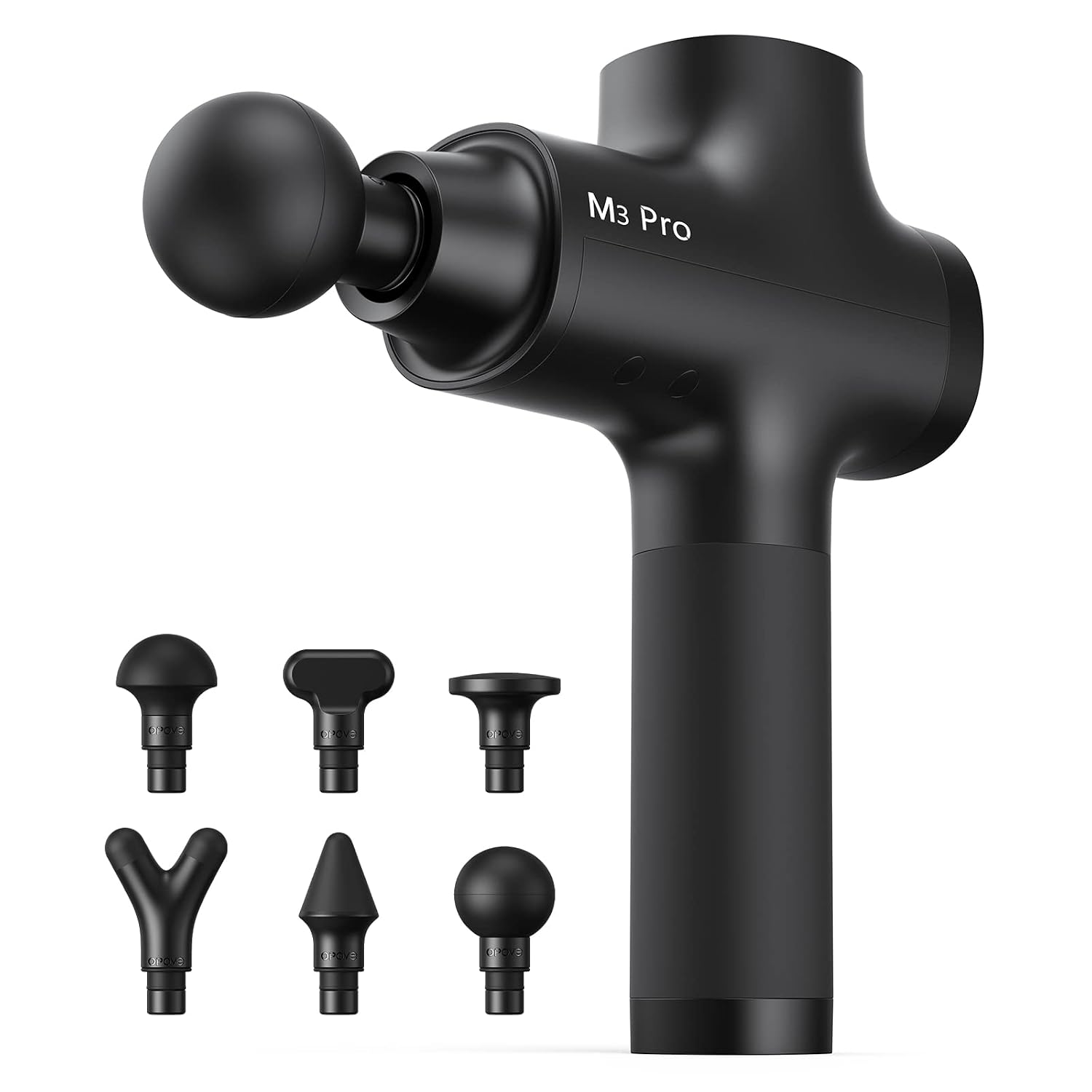
Opove M3 Pro 2
$150
$180
$129.99
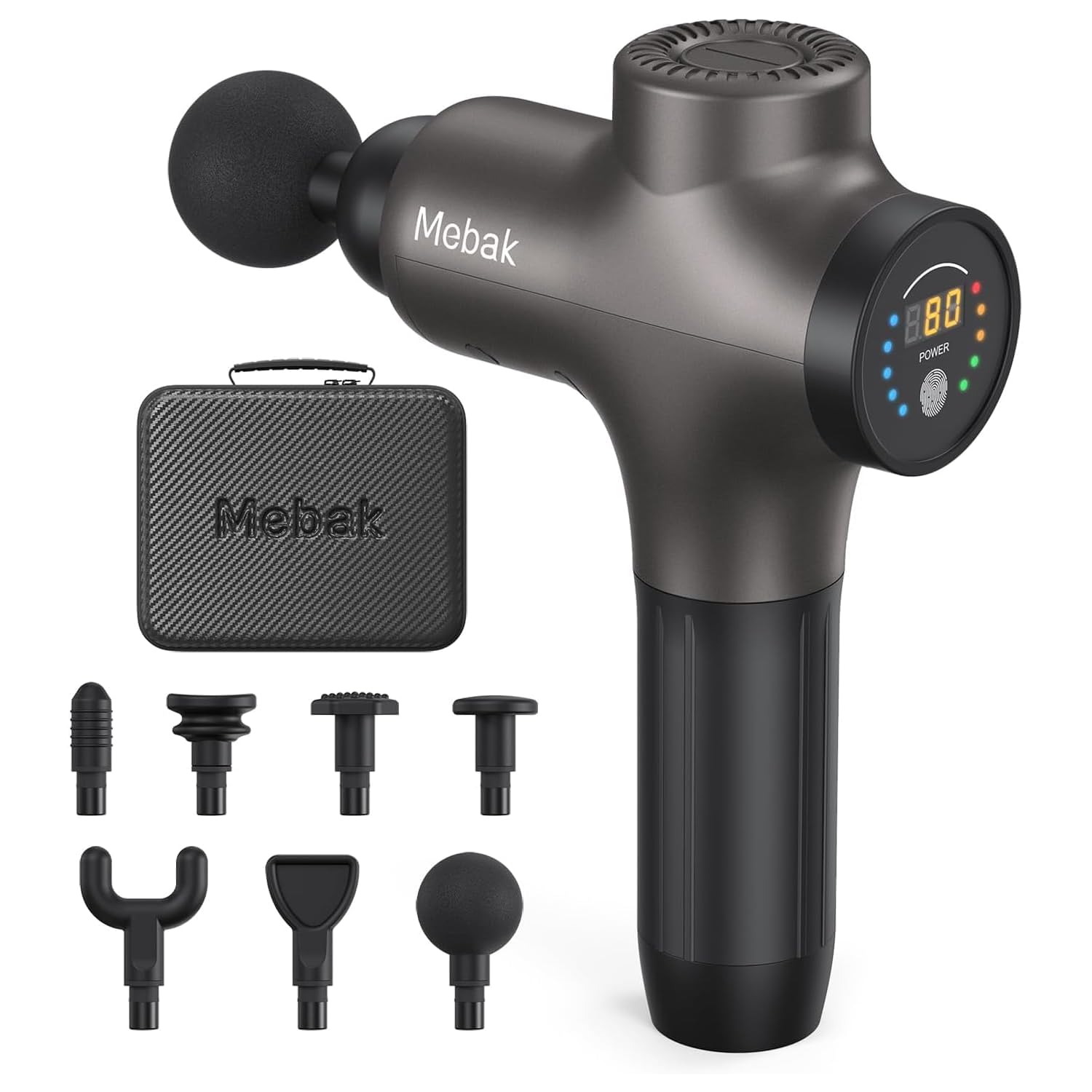
Mebak 3 Massage Gun
$115
$140
$99.99
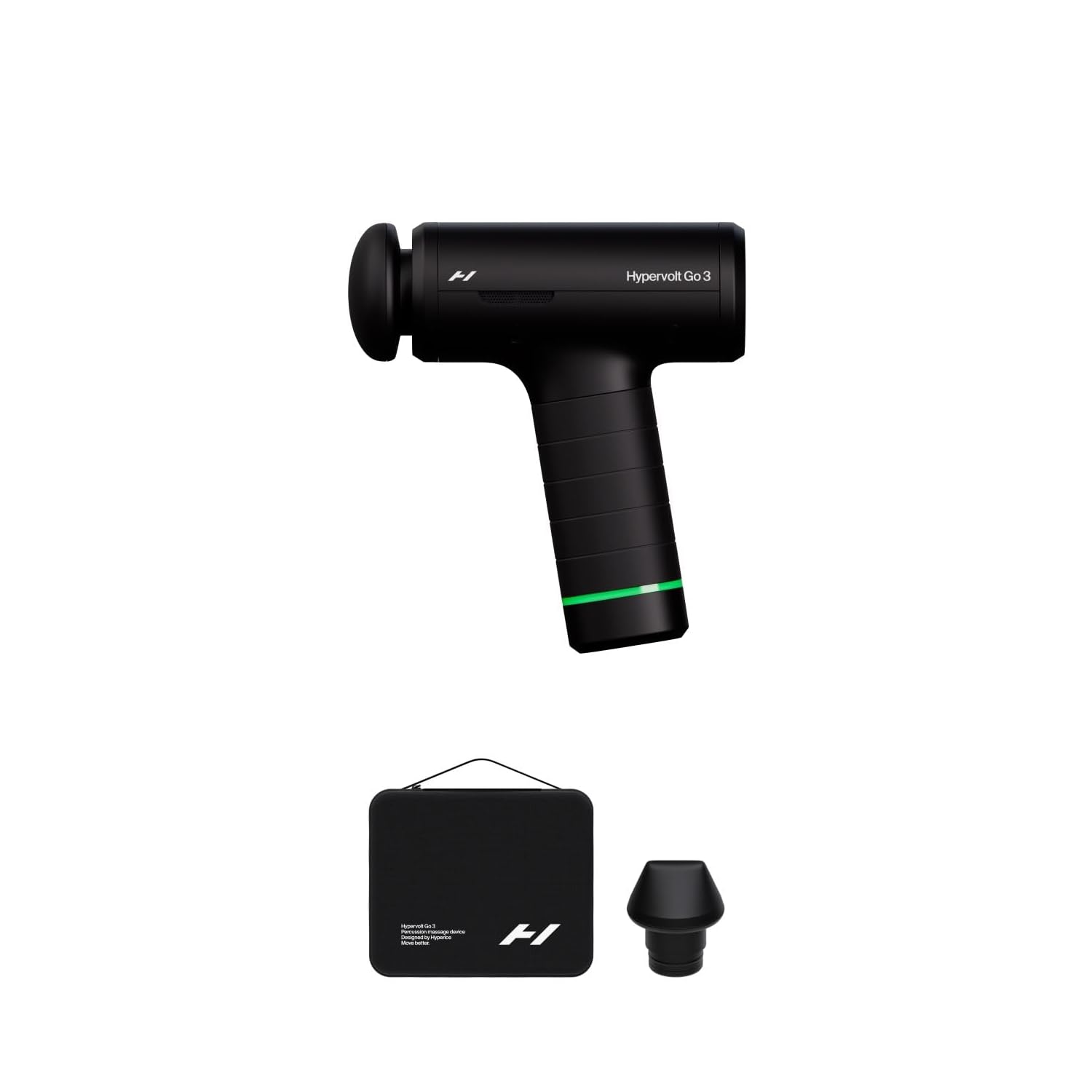
Hyperice Hypervolt Go 3
$165
$190
$149
Therabody Theragun Relief
$180
$210
$159.99
RENPHO Active+ Massage Gun
$85
$105
$69.98
TOLOCO Percussion Massage Gun
$50
$70
$39.99
Pick the friction you will tolerate. Budget proves the habit. Mid buys amplitude and stall. Premium buys ergonomics, quiet motors, and ecosystems you might actually open.Budget vs mid vs premium
Choose TOLOCO or RENPHO Active+ if...
Choose Ekrin B37v2, Opove M3 Pro 2, or Mebak 3 if...
Choose Theragun Prime or Hypervolt 3 / 3 Pro if...
Choose a Mini or Go if...
Below are deeper notes on every option in the comparison table, sorted by editorial score. Jump directly from the table pins or the cost section.
Therabody · Gun
Best for: Best overall deep-tissue home gun: 16 mm amplitude with Therabody app routines
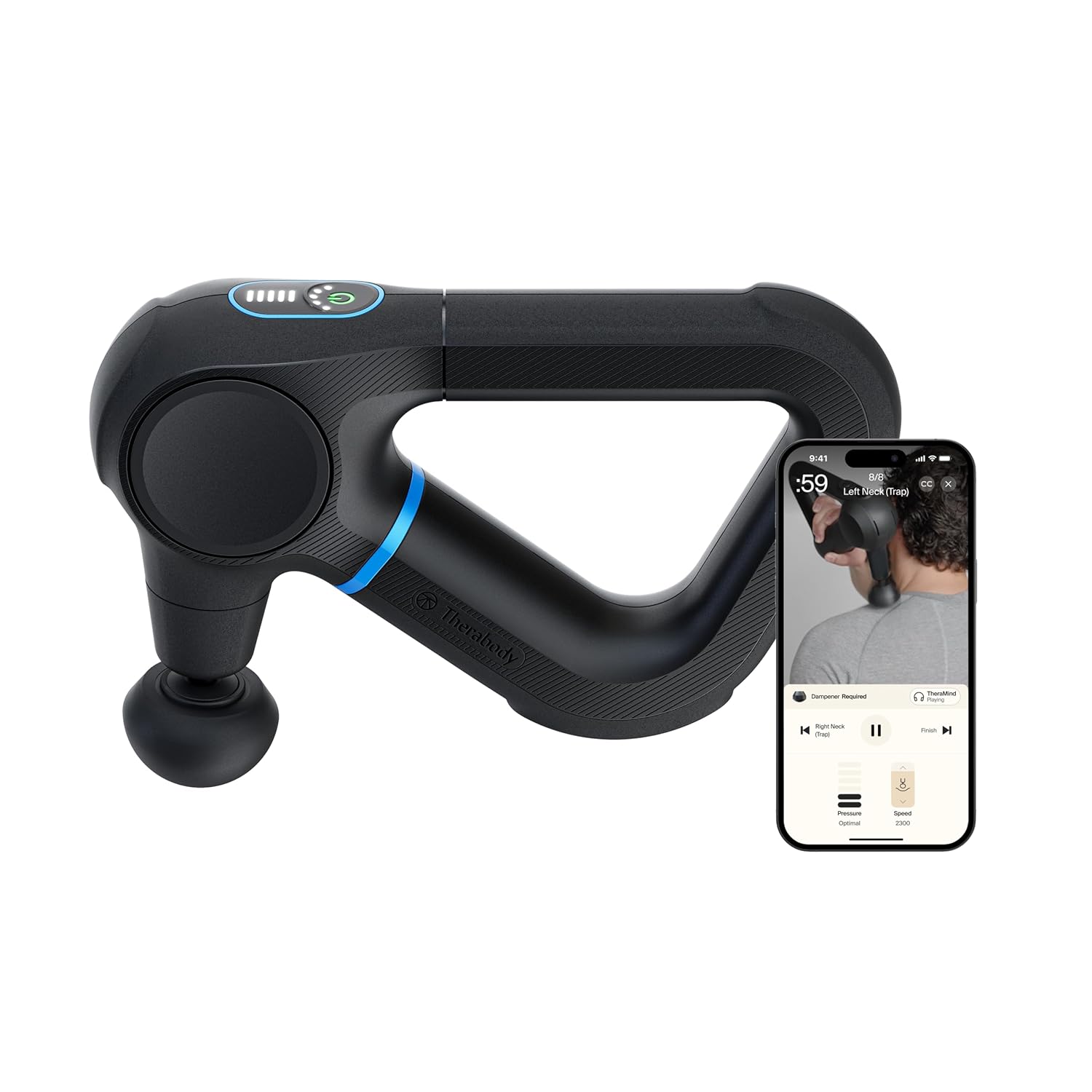
Theragun Prime 6th Gen is the category reference for most serious home users: genuine deep stroke, ergonomic grips, and app structure. Pay up only if you need Pro features you will use. Manufacturer-stated amplitude around 16 mm; treat mm claims as directional across brands. Stall force: 35+ lb class — useful when you lean into dense tissue without the motor dying. Theragun Prime 6th Gen is the category reference for most serious home users: genuine deep stroke, ergonomic grips, and app structure. Pay up only if you need Pro features you will use.
Estimated ownership: about $360 in year 1 and
$400 over 3 years.
Hardware only. Heads and batteries are the main wear items over three years.
Ekrin Athletics · Gun
Best for: Best mid-price deep-tissue balance: amplitude, stall, battery, and warranty culture
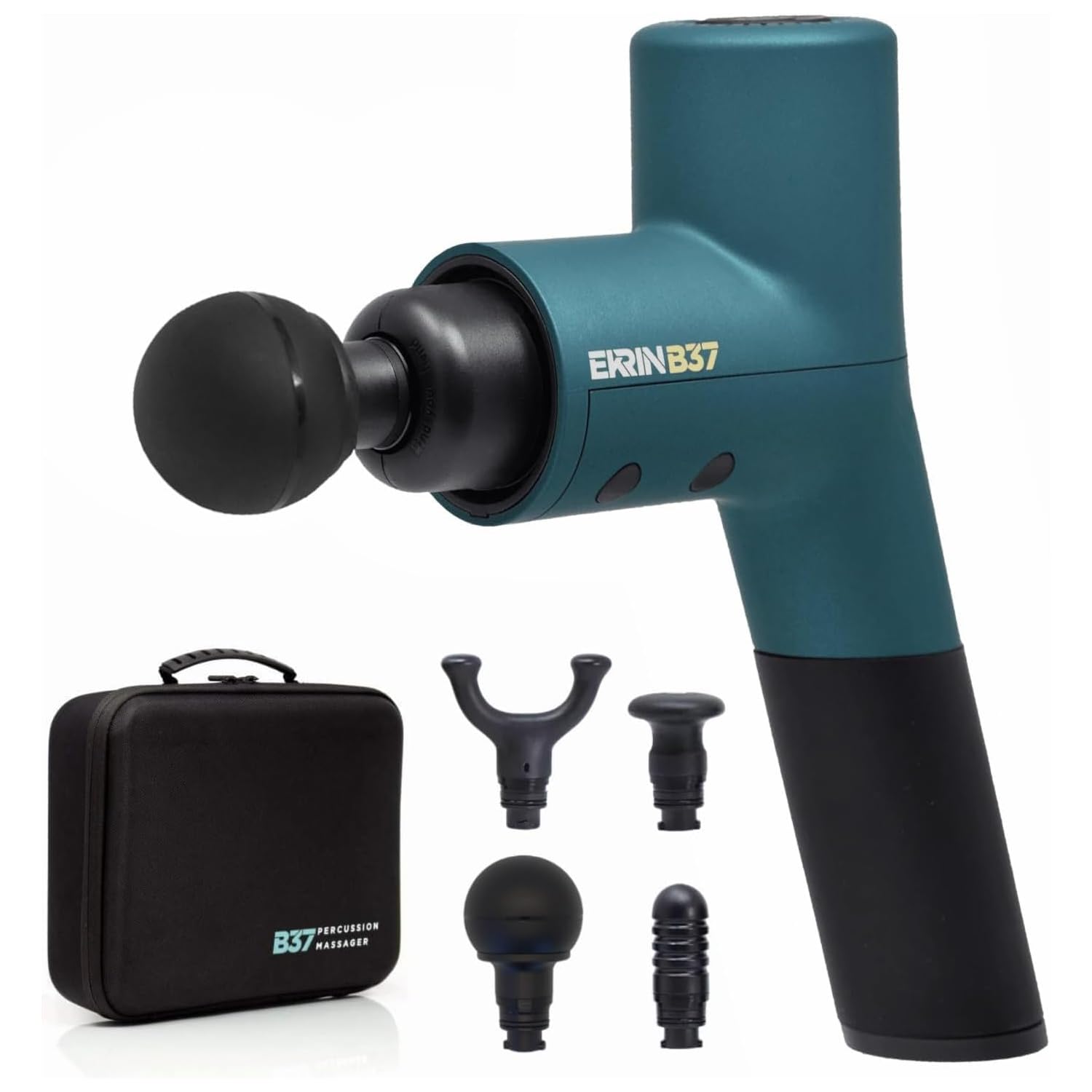
Ekrin B37v2 is the value anchor of this guide: enough depth and stall for serious training, without Prime pricing. Buy it when you want hardware first. Manufacturer-stated amplitude around 12 mm; treat mm claims as directional across brands. Stall force: High (50+ lb class) — useful when you lean into dense tissue without the motor dying. Ekrin B37v2 is the value anchor of this guide: enough depth and stall for serious training, without Prime pricing. Buy it when you want hardware first.
Estimated ownership: about $220 in year 1 and
$250 over 3 years.
Hardware only. Heads and batteries are the main wear items over three years.
Hyperice · Pro
Best for: Quiet premium Hyperice with pressure sensing and heated-head recovery stack
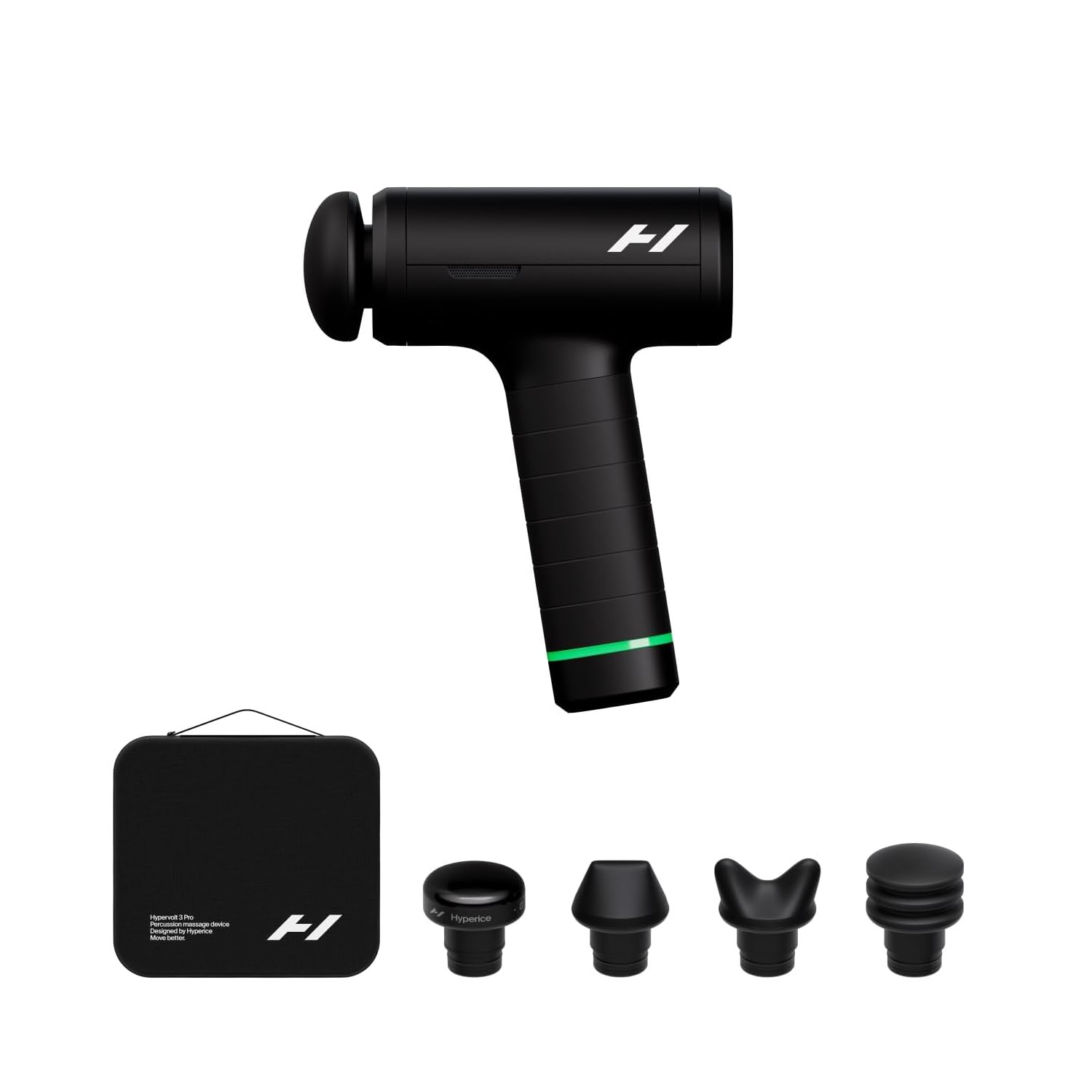
Hypervolt 3 Pro is for people who prioritize quiet, guided pressure feel, and Hyperice heat accessories. Choose Prime when amplitude depth is the deciding variable. Manufacturer-stated amplitude around ~14 mm Pro class; treat mm claims as directional across brands. Stall force: Premium Pro class — useful when you lean into dense tissue without the motor dying. Hypervolt 3 Pro is for people who prioritize quiet, guided pressure feel, and Hyperice heat accessories. Choose Prime when amplitude depth is the deciding variable.
Estimated ownership: about $380 in year 1 and
$420 over 3 years.
Hardware only. Heads and batteries are the main wear items over three years.
Bob and Brad · Gun
Best for: 16 mm amplitude with heat and PT-branded routines under Theragun Pro money
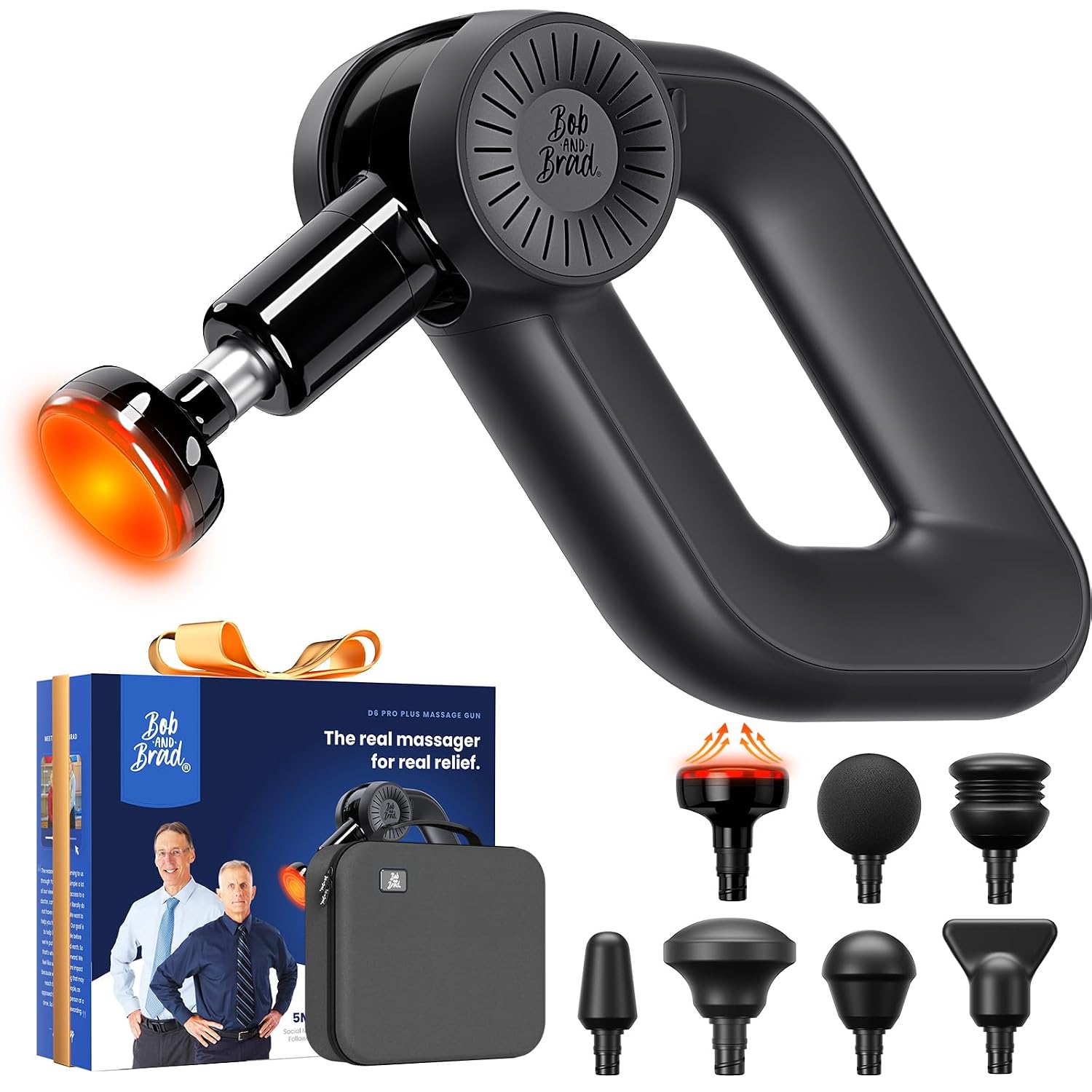
D6 Pro Plus is the 16 mm alternative path: deep reach plus heat without the top Therabody bill. Ideal when amplitude is non-negotiable and heat helps you stick with sessions. Manufacturer-stated amplitude around 16 mm; treat mm claims as directional across brands. Stall force: High athlete class — useful when you lean into dense tissue without the motor dying. D6 Pro Plus is the 16 mm alternative path: deep reach plus heat without the top Therabody bill. Ideal when amplitude is non-negotiable and heat helps you stick with sessions.
Estimated ownership: about $230 in year 1 and
$260 over 3 years.
Hardware only. Heads and batteries are the main wear items over three years.
Hyperice · Gun
Best for: Quiet full-size Hyperice percussion with heated-head option for daily athletes
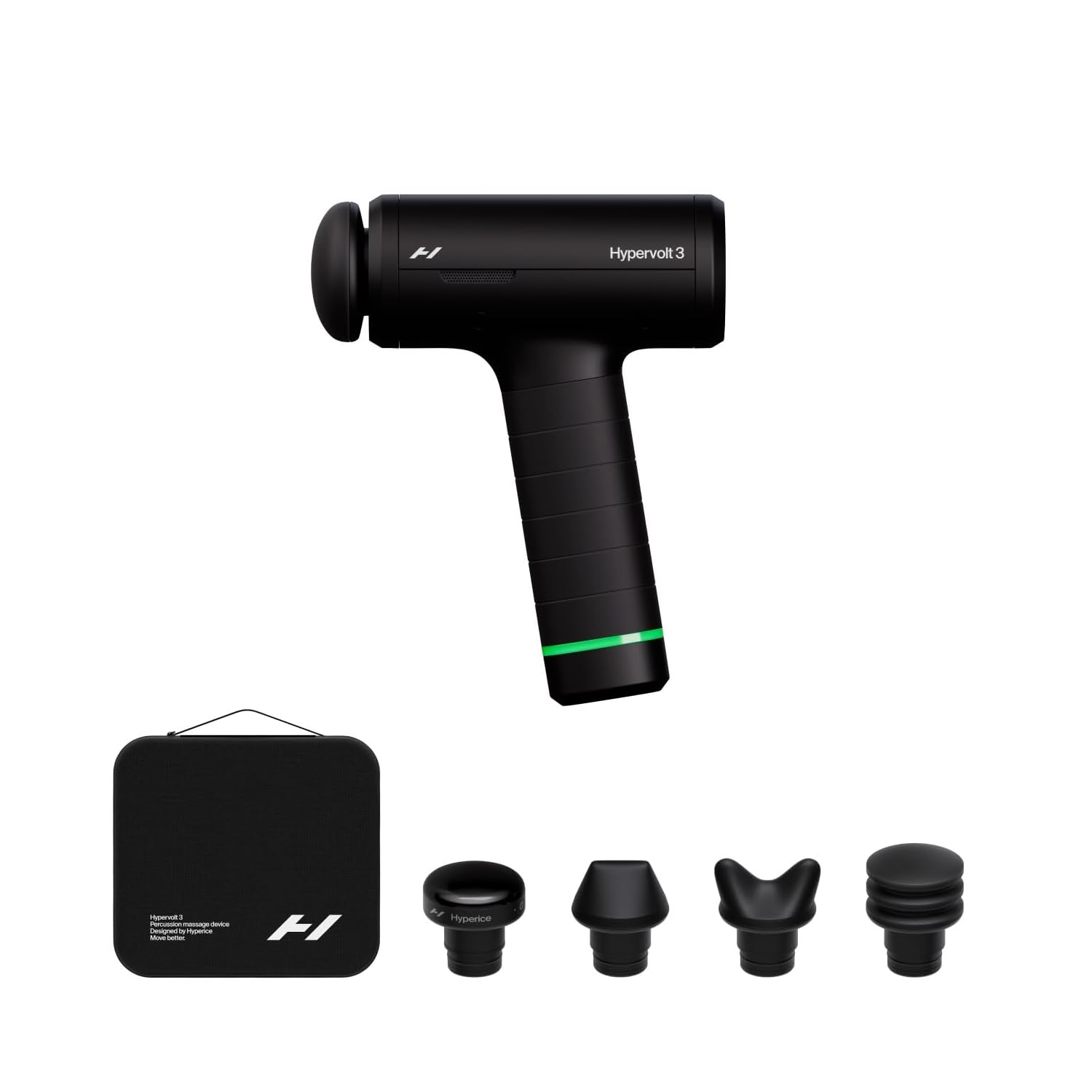
Hypervolt 3 is the quiet daily driver: smooth percussion, heat accessory path, and Hyperice reliability. Choose Prime if you need maximum stroke depth instead. Manufacturer-stated amplitude around ~12–14 mm class; treat mm claims as directional across brands. Stall force: Strong mid-premium — useful when you lean into dense tissue without the motor dying. Hypervolt 3 is the quiet daily driver: smooth percussion, heat accessory path, and Hyperice reliability. Choose Prime if you need maximum stroke depth instead.
Estimated ownership: about $270 in year 1 and
$300 over 3 years.
Hardware only. Heads and batteries are the main wear items over three years.
Therabody · Mini
Best for: Premium pocketable percussion for travel and hard-to-reach spots
Theragun Mini 3rd Gen is the premium travel pick: small enough to live in a backpack, useful enough for calves and shoulders on the road. Keep a deeper gun at home if you train hard. Manufacturer-stated amplitude around ~10 mm mini class; treat mm claims as directional across brands. Stall force: ~20 lb travel class — useful when you lean into dense tissue without the motor dying. Theragun Mini 3rd Gen is the premium travel pick: small enough to live in a backpack, useful enough for calves and shoulders on the road. Keep a deeper gun at home if you train hard.
Estimated ownership: about $240 in year 1 and
$270 over 3 years.
Hardware only. Heads and batteries are the main wear items over three years.
Opove · Gun
Best for: High stall-force claims and long battery without a $300 badge
Opove M3 Pro 2 is the power-per-dollar mid gun: deeper than budget toys, quieter than early massage-gun chaos, and built for people who press hard. Manufacturer-stated amplitude around 12 mm; treat mm claims as directional across brands. Stall force: ~70 lb claimed — useful when you lean into dense tissue without the motor dying. Opove M3 Pro 2 is the power-per-dollar mid gun: deeper than budget toys, quieter than early massage-gun chaos, and built for people who press hard.
Estimated ownership: about $150 in year 1 and
$180 over 3 years.
Hardware only. Heads and batteries are the main wear items over three years.
Mebak · Gun
Best for: Value 12 mm percussion with a full attachment kit under prestige pricing
Mebak 3 punches above its price: real mid-depth amplitude and a practical kit. Choose it when you want Wirecutter-style value without paying for a logo OS. Manufacturer-stated amplitude around 12 mm; treat mm claims as directional across brands. Stall force: Solid mid-tier — useful when you lean into dense tissue without the motor dying. Mebak 3 punches above its price: real mid-depth amplitude and a practical kit. Choose it when you want Wirecutter-style value without paying for a logo OS.
Estimated ownership: about $115 in year 1 and
$140 over 3 years.
Hardware only. Heads and batteries are the main wear items over three years.
Hyperice · Mini
Best for: TSA-friendly Hyperice travel percussion for calves, shoulders, and light recovery
Hypervolt Go 3 is the travel Hyperice: light enough for a gym bag, polished enough to keep. Pair with a deeper home gun if dense tissue is the main job. Manufacturer-stated amplitude around ~10 mm travel class; treat mm claims as directional across brands. Stall force: Travel-class — useful when you lean into dense tissue without the motor dying. Hypervolt Go 3 is the travel Hyperice: light enough for a gym bag, polished enough to keep. Pair with a deeper home gun if dense tissue is the main job.
Estimated ownership: about $165 in year 1 and
$190 over 3 years.
Hardware only. Heads and batteries are the main wear items over three years.
Therabody · Gun
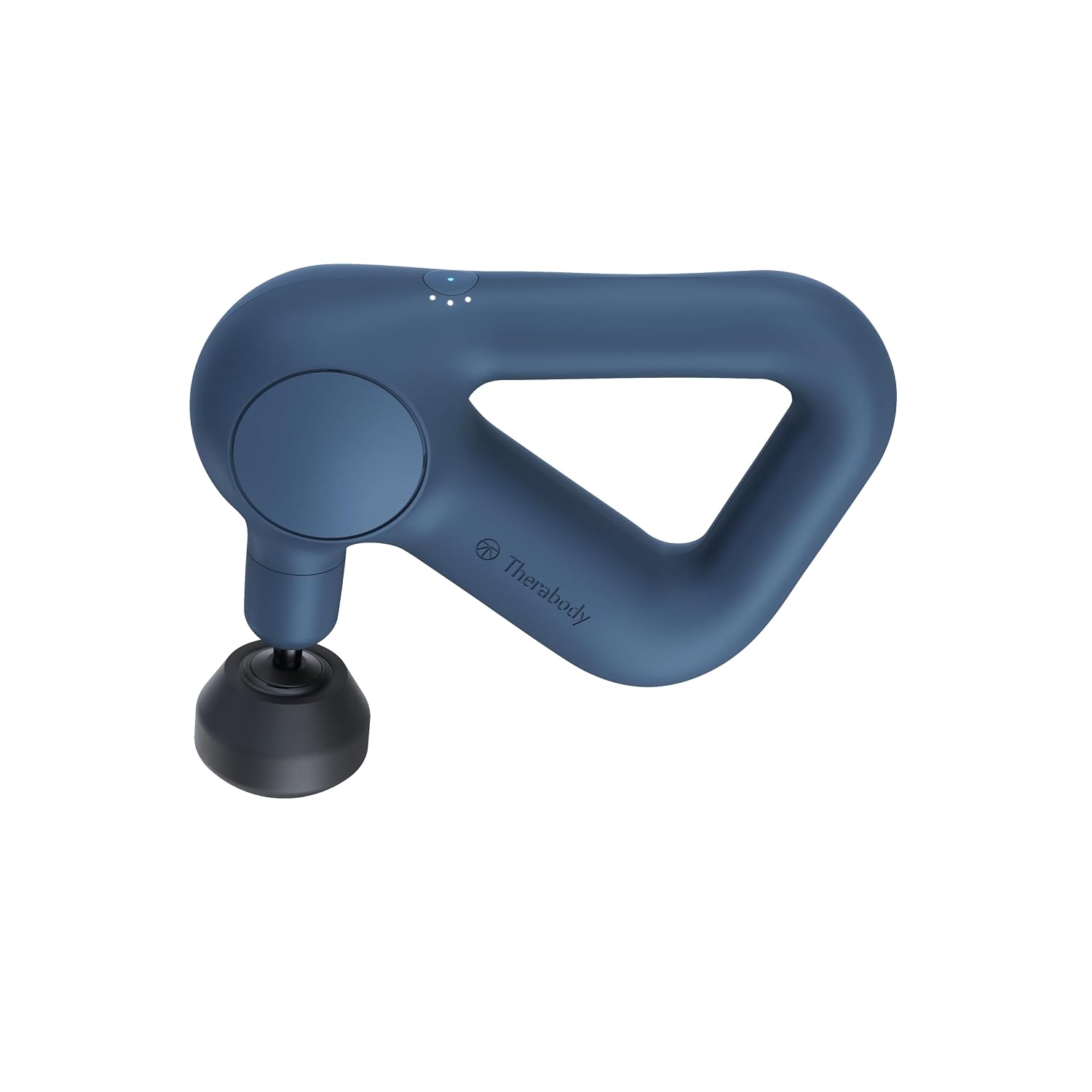
Best for: Quiet daily comfort massage when deep 16 mm reach is not required
Theragun Relief is Therabody’s comfort-first entry: quieter daily percussion for desk necks and light soreness — skip it if you need 16 mm athlete depth. Manufacturer-stated amplitude around Comfort / shallower class; treat mm claims as directional across brands. Stall force: Daily-use class — useful when you lean into dense tissue without the motor dying. Theragun Relief is Therabody’s comfort-first entry: quieter daily percussion for desk necks and light soreness — skip it if you need 16 mm athlete depth.
Estimated ownership: about $180 in year 1 and
$210 over 3 years.
Hardware only. Heads and batteries are the main wear items over three years.
RENPHO · Gun
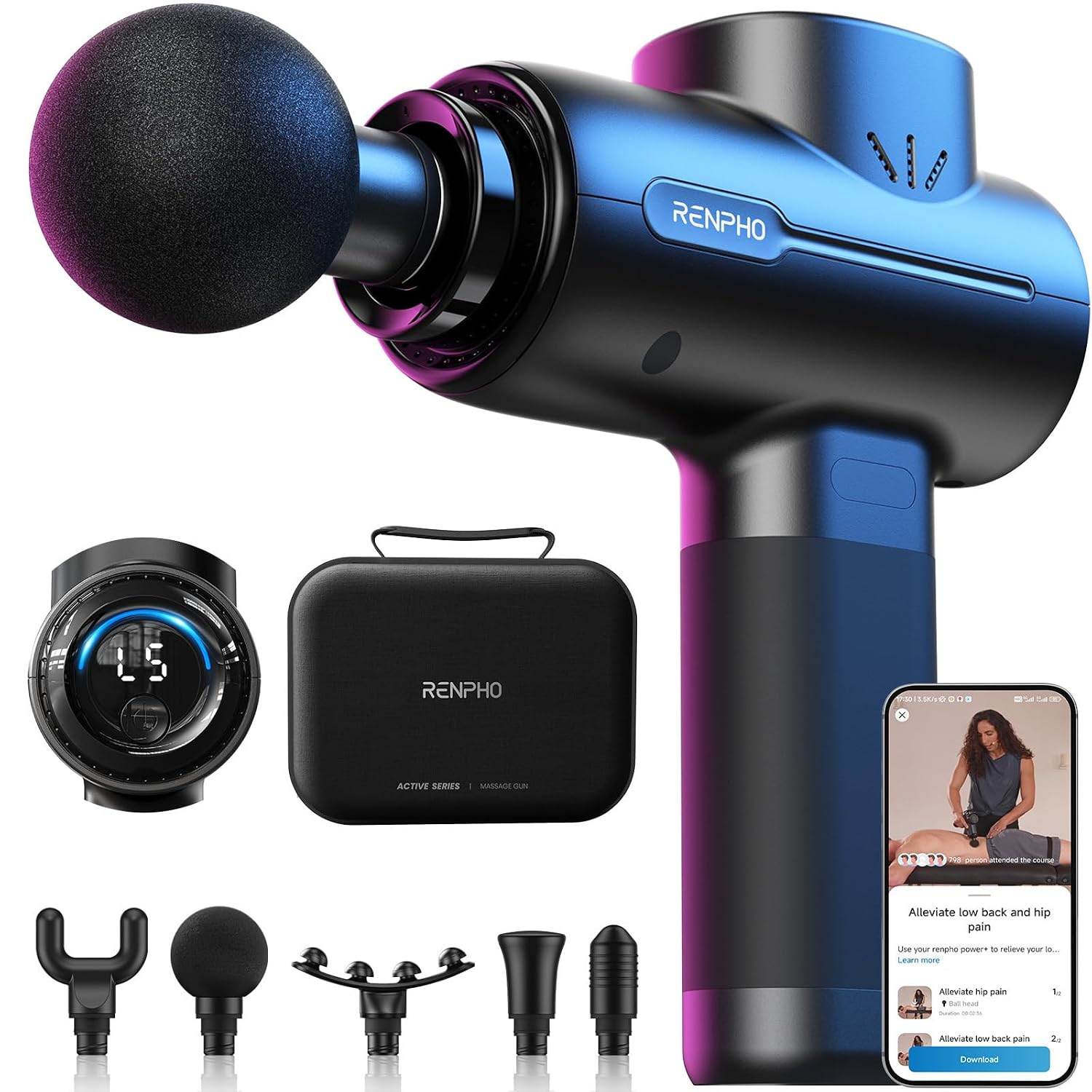
Best for: Budget buyers who want app guidance without Therabody pricing
RENPHO Active+ is the best budget app-assisted gun in this roundup: guided courses, quiet operation, and enough stall for everyday soreness — without pretending to match 16 mm Theragun depth. Manufacturer-stated amplitude around 10 mm; treat mm claims as directional across brands. Stall force: ~50 lb claimed — useful when you lean into dense tissue without the motor dying. RENPHO Active+ is the best budget app-assisted gun in this roundup: guided courses, quiet operation, and enough stall for everyday soreness — without pretending to match 16 mm Theragun depth.
Estimated ownership: about $85 in year 1 and
$105 over 3 years.
Hardware only. Heads and batteries are the main wear items over three years.
TOLOCO · Gun
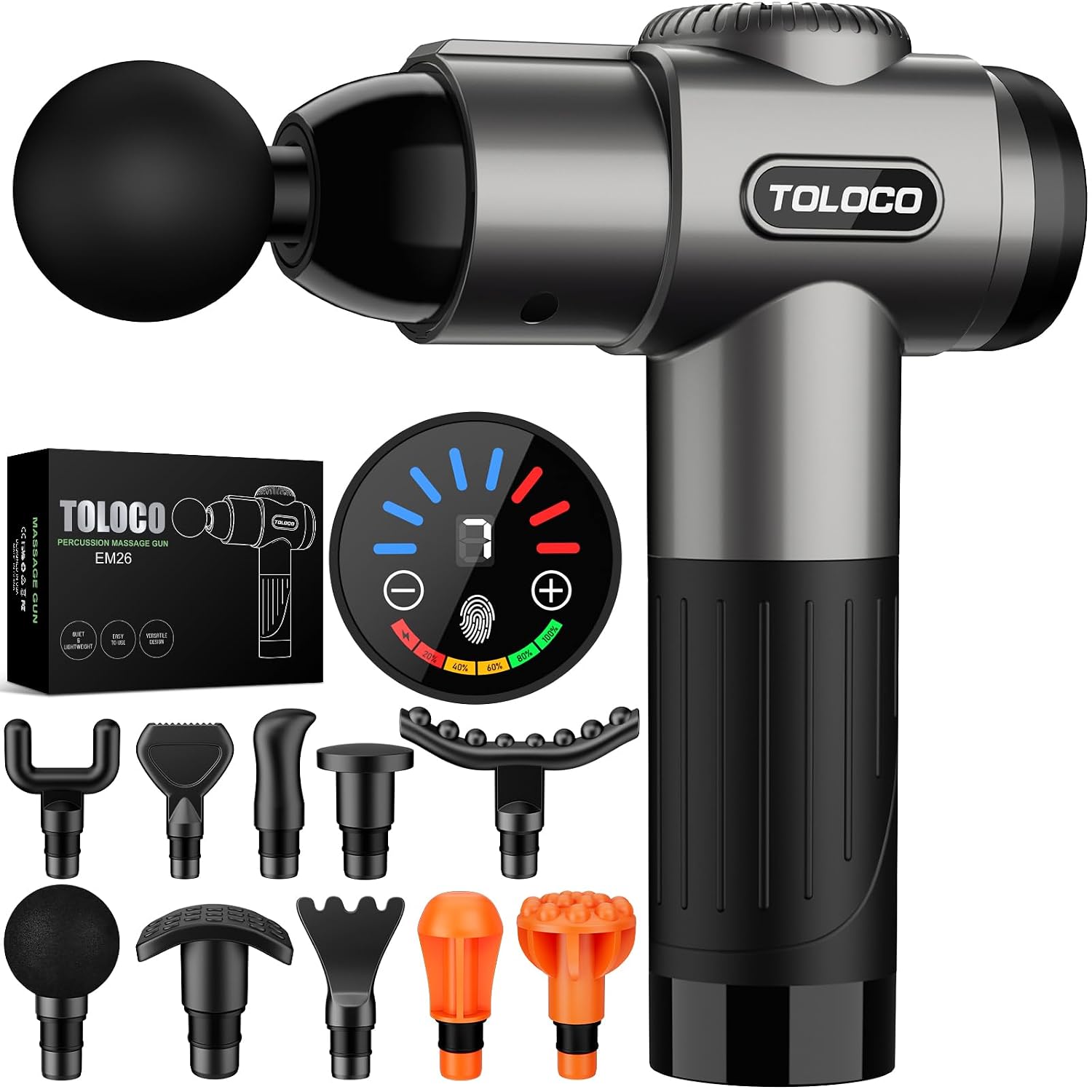
Best for: Cheapest way to test whether you will actually use a massage gun
TOLOCO is the budget door into percussion: lots of heads, little money. Buy it to learn the habit — not as your forever deep-tissue tool for dense quads. Manufacturer-stated amplitude around ~10 mm class; treat mm claims as directional across brands. Stall force: Modest consumer stall — useful when you lean into dense tissue without the motor dying. TOLOCO is the budget door into percussion: lots of heads, little money. Buy it to learn the habit — not as your forever deep-tissue tool for dense quads.
Estimated ownership: about $50 in year 1 and
$70 over 3 years.
Hardware only. Heads and batteries are the main wear items over three years.
Detailed reviews
Therabody Theragun Prime (6th Gen)
Pros
Cons
Choose this if
Skip this if
Ekrin Athletics B37v2
Pros
Cons
Choose this if
Skip this if
Hyperice Hypervolt 3 Pro
Pros
Cons
Choose this if
Skip this if
Bob and Brad D6 Pro Plus
Pros
Cons
Choose this if
Skip this if
Hyperice Hypervolt 3
Pros
Cons
Choose this if
Skip this if
Therabody Theragun Mini (3rd Gen)
Pros
Cons
Choose this if
Skip this if
Opove M3 Pro 2
Pros
Cons
Choose this if
Skip this if
Mebak 3 Massage Gun
Pros
Cons
Choose this if
Skip this if
Hyperice Hypervolt Go 3
Pros
Cons
Choose this if
Skip this if
Therabody Theragun Relief
Pros
Cons
Choose this if
Skip this if
RENPHO Active+ Massage Gun
Pros
Cons
Choose this if
Skip this if
TOLOCO Percussion Massage Gun
Pros
Cons
Choose this if
Skip this if
Session design that matches the literature
- Timing: after training or in a separate mobility block — not as a max-power warm-up hammer.
- Dose: short passes per region (often under two minutes), then reassess feel and ROM.
- Pressure: firm and tolerable — bruising or numbness means too much.
- Frequency: a few focused sessions in hard-training weeks beat daily theater.
- Stack wisely: sleep and easy walking still win. Boots handle full-leg sequential squeeze — see Pneumatic Compression Boots; panels are a different job — see Choosing a Red Light Panel.
Quick recommendations by persona
- Budget habit test: TOLOCO
- Budget with app guidance: RENPHO Active+
- Best mid value: Ekrin B37v2 or Opove M3 Pro 2
- Travel Hyperice: Hypervolt Go 3
- Travel Therabody: Theragun Mini
- Quiet daily Hyperice: Hypervolt 3
- 16 mm without Therabody tax: Bob and Brad D6 Pro Plus
- Category deep-tissue reference: Theragun Prime
- Quiet premium Hyperice + heat: Hypervolt 3 Pro
For short-term range of motion, flexibility, and how sore tissue feels — often yes. Systematic reviews support ROM and some recovery-related outcomes after fatigue, with weaker or mixed results for lasting strength restoration. They are a useful adjunct, not a substitute for sleep, protein, and easy movement. Usually no if the goal is max strength, power, or explosive output. Ferreira et al. caution against relying on massage guns before strength, balance, acceleration, agility, or explosive activities — effects can be neutral or even negative. Save aggressive percussion for after sessions or separate mobility blocks. Both. Amplitude (stroke depth, often ~10–16 mm) decides how far the head travels into tissue. Stall force decides whether the motor keeps moving when you lean in. Dense quads and glutes usually want deeper amplitude and higher stall; travel minis trade both for packability. Most practical protocols use short passes — often about 30–120 seconds per muscle region, not a 20-minute continuous thrash on one spot. Research doses vary; longer is not automatically better, and bruising or numbness means you overdid pressure or time. No. Eccentric-damage work shows percussive massage can improve ROM and give immediate temporary soreness relief without restoring isometric strength on a magic timeline. Treat it as symptom and mobility support, not damage cleanup. Anyone with acute injury, unexplained swelling, clotting history, fracture risk, severe osteoporosis concerns, or neurological symptoms. Do not percussion over bones, open wounds, or areas a clinician told you to leave alone.Percussion massage devices FAQ
Do massage guns actually help recovery?
+
Should I use a massage gun right before lifting or sprinting?
+
What matters more: amplitude or stall force?
+
How long should a session be?
+
Can a massage gun fix DOMS overnight?
+
Who should talk to a clinician first?
+
This comparison is designed for practical decision-making. Product capabilities, pricing, and memberships change quickly, so treat battery claims, plan costs, and feature availability as moving targets.
Massage guns can help short-term ROM, flexibility, and some recovery-related outcomes after fatigue; use before strength, balance, acceleration, agility, or explosive work is not recommended. Narrative synthesis: single PT sessions can acutely influence strength, explosive strength, and flexibility measures; multiple treatments associated with reduced musculoskeletal pain experiences — with methodological quality caveats. Brief percussive massage improved ROM and gave immediate temporary soreness relief 24–72 h post-eccentric work without changing isometric strength — useful for tempering “fixes DOMS overnight” claims.
Related Keersa guide: Pneumatic Compression Boots
Different recovery job — sequential full-leg squeeze versus handheld percussion for local tissue tolerance and ROM.
Related Keersa guide: Red Light Therapy — Mechanisms and Use Cases
Another recovery modality with dose and form-factor tradeoffs when building a toolkit.
Related Keersa guide: Normatec and Medical Compression Compared
When pneumatic compression is the question, separate athletic boots from clinical IPC jobs.
Affiliate disclosure: some product links on Keersa Health may earn a commission at no extra cost to you.
Editorial recommendations are independent of commercial relationships.
Read our full disclosure.
Sources and editorial notes
Bottom line
Percussion massage devices earn a place when you want portable, local soft-tissue stimulation for ROM and how sore a region feels — and you will keep sessions short and sane. Buy amplitude and stall for your anatomy before logos and attachment count. Related: Pneumatic Compression Boots, Red Light Therapy: Mechanisms and Use Cases, and Choosing a Red Light Panel.
Next in Recovery: Normatec and Medical Compression Compared — athletic boots versus clinical SPCDs, APCDs, and hospital SCDs.