Sleep guide · Updated 2026
Blue Light Blocking: Evidence vs Marketing — Glasses, Screens & Software
A detailed 2026 guide to blue-light blocking products — amber night glasses, clear computer lenses, screen filters, and Night Shift/f.lux — separating sleep evidence from marketing hype.
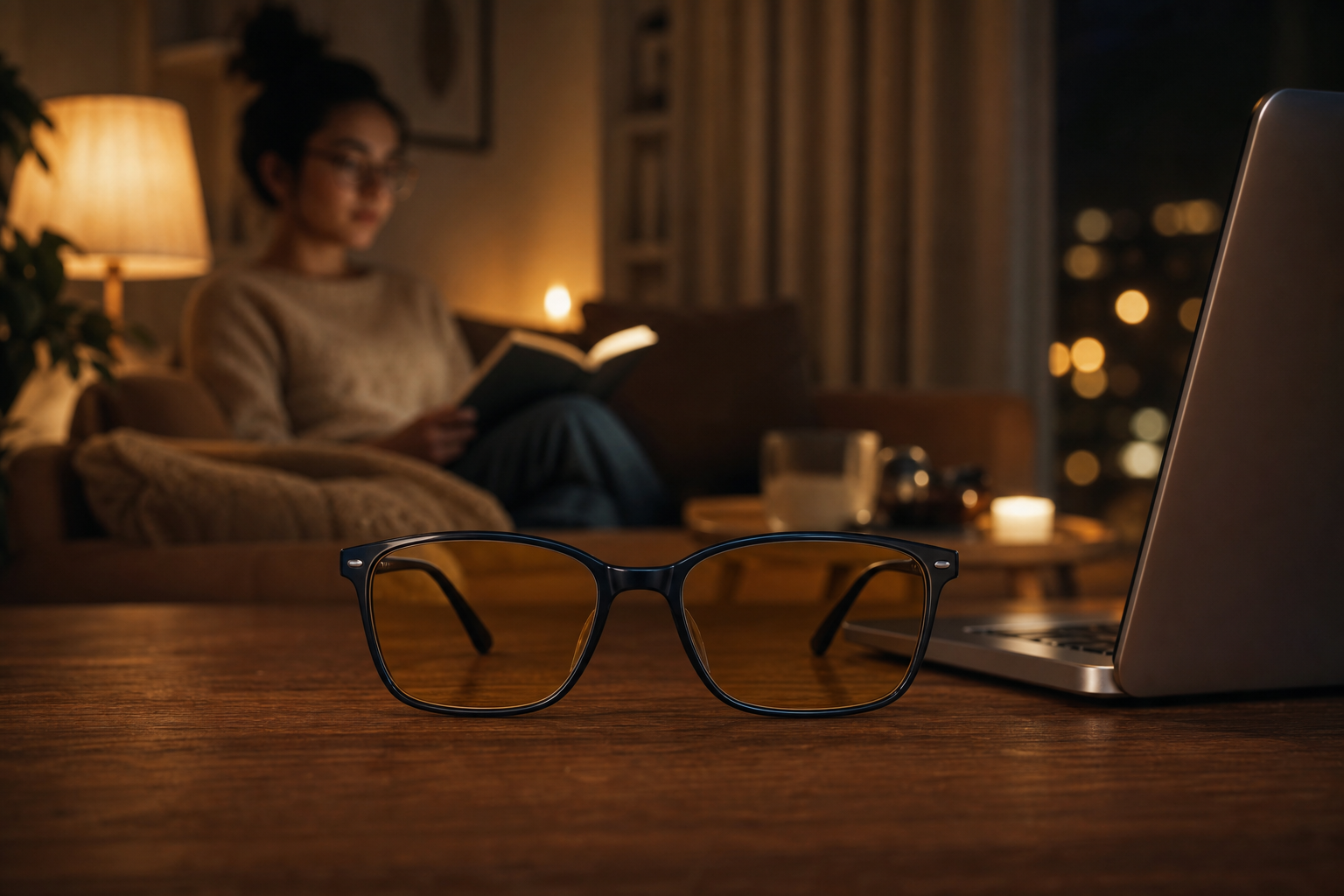
Blue light blocking is everywhere in 2026 — on desks, in late-night Netflix routines, and in the kits of people who want better sleep timing without giving up screens. The market mixes three different products under one slogan: amber/red evening glasses that can cut circadian-relevant light, clear daytime computer coatings with modest filtering, and software warm-display modes. This guide compares the major options and separates sleep-relevant evidence from marketing that oversells clear lenses as night medicine.
These tools all claim to reduce “blue light,” but they do different jobs. Amber or red night glasses filter short-wavelength light at the eyes in the last hours before bed. Clear computer coatings mildly filter daytime screens and are mainly comfort products. Clip-ons and screen films are lighter-touch variants. Software (Night Shift, f.lux, and similar) warms the display for free.
For sleep, the useful outcome is less alerting evening light — especially when you still need bright screens or overheads late. These products help most as a personal filter on top of dimmer rooms and earlier screen schedules. They do not cancel a blazing kitchen, and clear “computer glasses” alone are a weak sleep purchase.
Key takeaways
- Best free first step: Night Shift / f.lux with an aggressive evening schedule and lower brightness.
- Best cheap evening experiment: Uvex-style amber safety glasses.
- Best practical night glasses: Swanwick Night Swannies.
- Best hard-night tint: TrueDark Twilights-class red/amber night lenses.
- Best prescription workaround: Spektrum-style amber clip-ons.
- Best clear daytime value: Zenni blue-light coatings — for desks, not as a sleep cure.
- Biggest marketing trap: clear fashion “computer glasses” sold primarily as sleep solutions.
- Biggest hidden factor: room brightness. Glasses cannot outvote a blazing cold kitchen.
How we evaluate blue-light products
Editorial scores favor products that change evening light exposure in ways that matter for sleep timing — not products with the loudest “blocks blue light” percentage on a product page. We score across five pillars:
- Evening filtering strength (30%) — amber/red night utility vs clear daytime coatings.
- Adherence and usability (20%) — will people actually wear/use it nightly?
- Evidence alignment (20%) — claims match known light-timing principles without magical leaps.
- Ownership cost (15%) — price versus function; free software wins until it does not.
- Stackability (15%) — works with dim rooms, schedules, and circadian lighting upgrades.
Important limitation: Keersa Health scores are editorial synthesis based on publicly described product classes and circadian lighting principles. They are not clinical trials or medical advice. Lens spectra and coatings vary by SKU — verify transmittance data when sleep is the purchase reason.
Evidence vs marketing
Evening light can delay wind-down for some people, especially when it is bright and rich in short wavelengths. That biology is real. The leap from “evening light matters” to “any product labeled blue-blocking will fix your sleep” is where marketing takes over.
- Stronger sleep case: amber/orange/red glasses worn in the last hours before bed, plus dimmer rooms and warmer screens.
- Weaker sleep case: clear computer glasses with mild coatings, sold with melatonin imagery.
- Convenient but limited: screen protectors and default Night Shift settings that barely warm the display.
- Often overstated: blue blockers as disease-prevention eyewear for healthy adults (a different claim than sleep timing).
A simple protocol before you buy
- Morning: get outdoor light when possible.
- Evening: dim overheads; prefer warm lamps.
- Screens: schedule Night Shift/f.lux early; lower brightness.
- Backup: wear amber glasses if screens/lights still stay bright.
- Last resort upsell: premium frames only after cheap amber proves you will use the habit.
Interactive comparison
Filter by form factor, sort by score or price, and pin up to three options for a focused side-by-side view.
Tradeoff:
Sticker price still matters here — most options are one-time hardware buys, so the three-year estimate mainly reflects purchase price plus expected upkeep.
Estimates are directional and based on common public pricing patterns. Promotions, refurbished units, family plans, and tier changes can move these numbers materially.
3-year cost of ownership
Device
Year 1
3-year estimate
Amazon Price
Night Shift / f.lux
$0
$0
—
Swanwick Night Swannies
$79
$79
???
Uvex Skyper (amber)
$12
$24
$19.99
TrueDark Twilights
$99
$99
—
Ra Optics Evening
$185
$185
$174
Spektrum Clip-Ons
$45
$45
—
Zenni Blue Light Glasses
$25
$50
—
Felix Gray
$95
$95
—
Gunnar Intercept
$50
$50
$52.99
Ocushield Screen Protectors
$70
$140
$43.25
Form factor and tint decide the job. Clear glasses optimize daytime look and mild filtering. Amber/red night glasses optimize evening spectrum cut. Clip-ons solve prescriptions. Screen films are passive and mild. Software is free leverage.Clear daytime lenses vs amber night glasses
Choose amber/red night glasses if...
Choose clear computer glasses if...
Choose software first if...
Choose clip-ons if...
Below are deeper notes on every option in the comparison table, sorted by editorial score. Jump directly from the table pins or the cost section.
Apple / f.lux · Software
Best for: First, free evening screen adjustment everyone should try
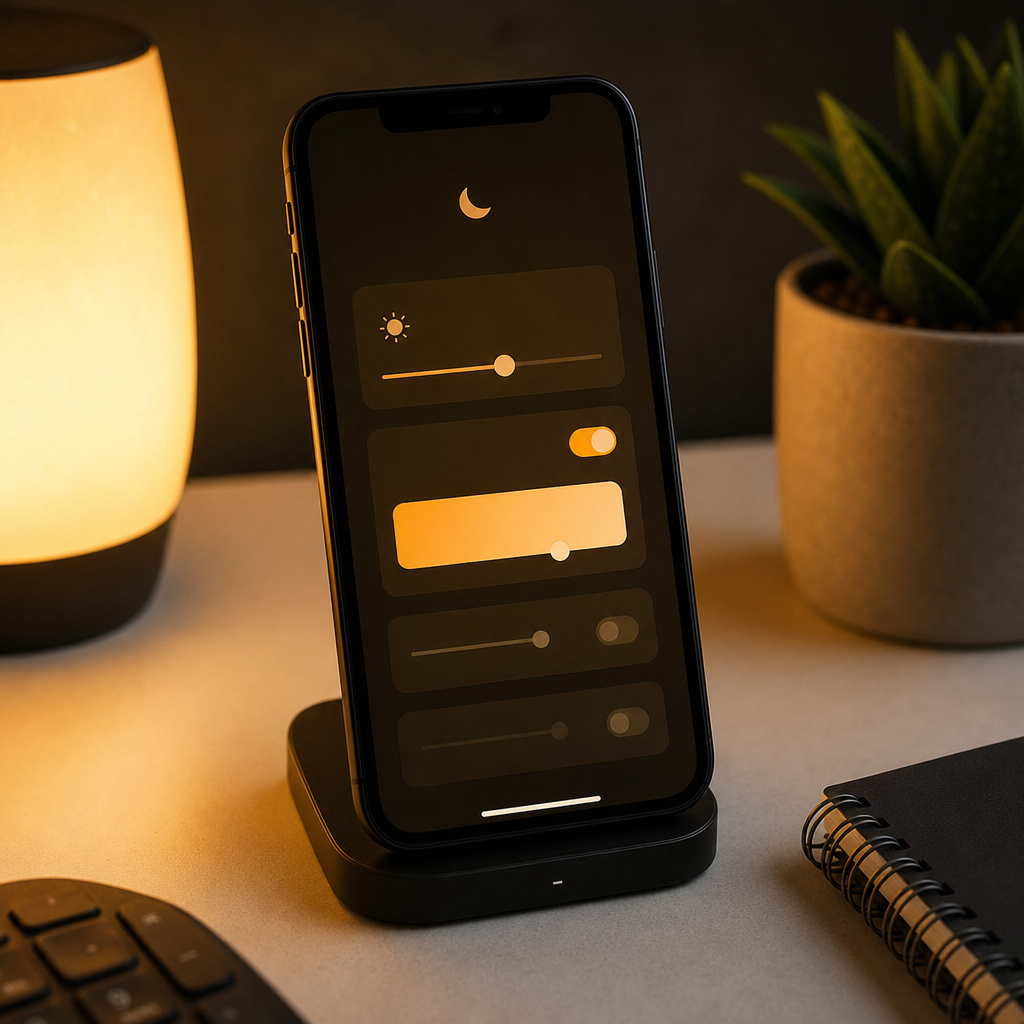
Night Shift, f.lux, and similar warm-display schedules are the evidence-aware starting point: free spectrum/timing tweaks with almost no downside. They are not magic, and they do not excuse bright cold rooms — but skipping them while buying $200 glasses is usually marketing winning over basics. Software night modes reduce some short-wavelength content and encourage earlier dimming habits when scheduled aggressively. They fail when brightness stays high, when you disable them for “accurate colors,” or when the room is still blazing. Combine with lower brightness, amber glasses if needed, and better home lighting for a complete stack.
Estimated ownership: about $0 in year 1 and
$0 over 3 years.
Best ROI in the category. Start here before buying hardware.
Swanwick · Glasses
Best for: Evening wind-down when screens and overheads stay on
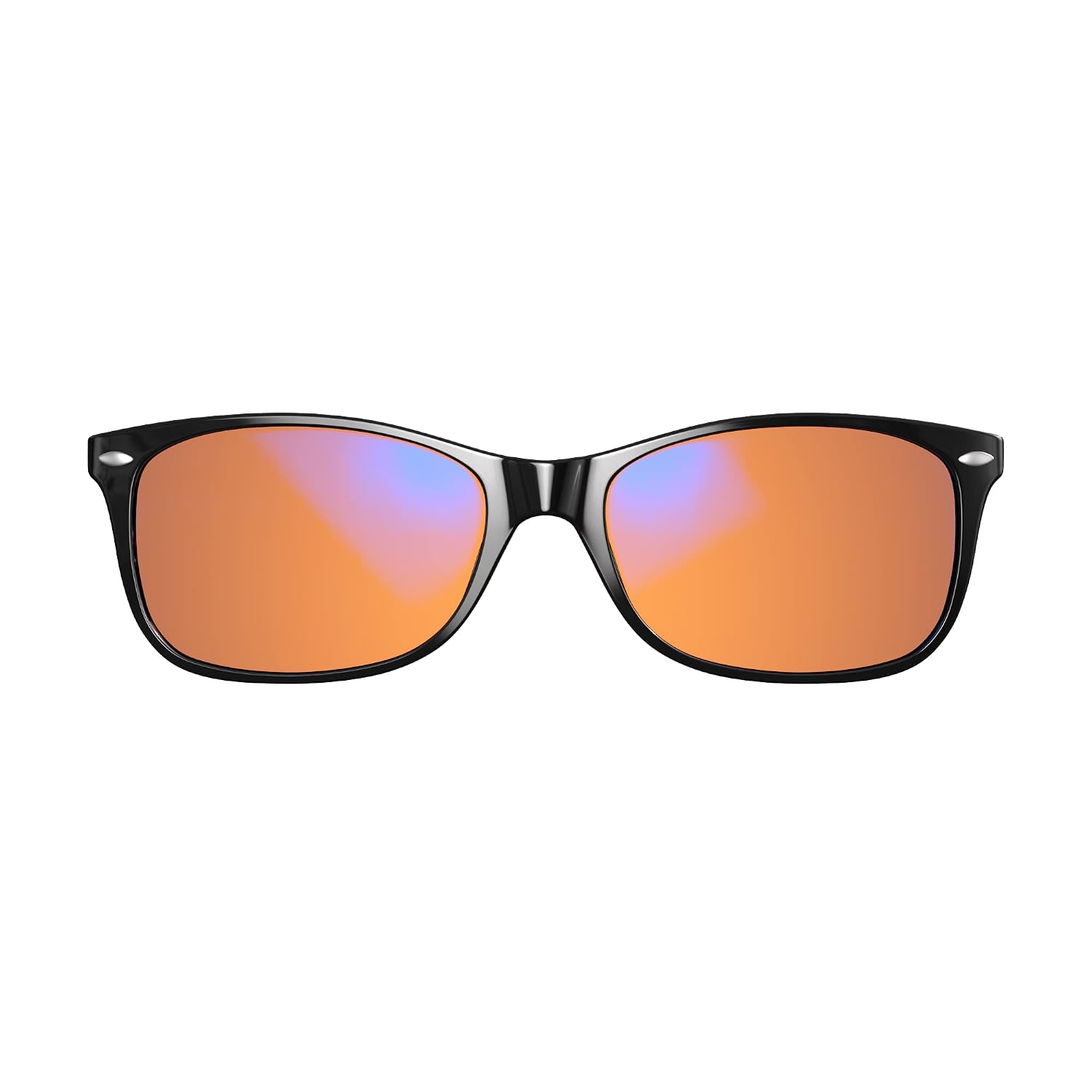
Night Swannies are a practical evening blue-blocking pick: amber lenses that actually change the light reaching your eyes when phones, TVs, and kitchen LEDs refuse to dim. Use them as a backup layer — not a license to doomscroll under bright cold light. Amber/orange evening glasses are among the few consumer blue-light products that can meaningfully cut short-wavelength evening light when worn consistently before bed. They work best as part of a protocol: dim rooms, lower screen brightness, and wear glasses for the last 1–3 hours before sleep. Skip them if you only want clear daytime computer glasses — those are a different product category with weaker sleep claims.
Estimated ownership: about $79 in year 1 and
$79 over 3 years.
One-time purchase. Replace if scratched or if fit/comfort fails.
Uvex · Glasses
Best for: Cheap amber experiment before buying premium sleep glasses
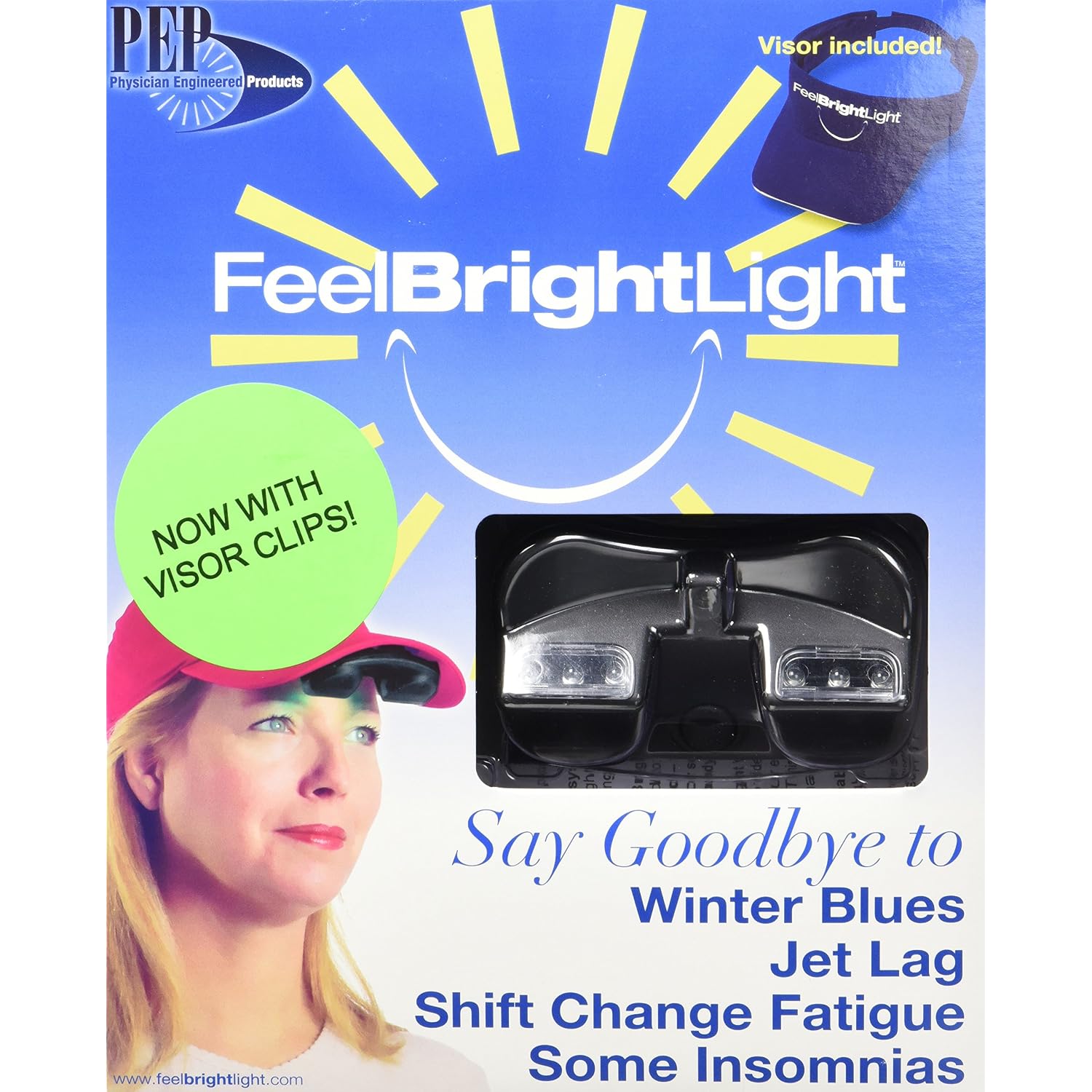
Uvex-style amber safety glasses are the honest budget control for blue-blocking marketing. If cheap orange lenses do nothing for your evenings, a $200 “sleep glasses” rebrand probably will not either. This is the product category that often outperforms clear computer glasses for evening melatonin-relevant light — at a fraction of wellness-brand pricing. Use them to test adherence and subjective sleep onset before upgrading aesthetics. They look like shop glasses. That is fine for a two-week protocol test.
Estimated ownership: about $12 in year 1 and
$24 over 3 years.
Best first experiment. Replace cheaply if scratched or uncomfortable.
TrueDark · Glasses
Best for: Aggressive nighttime filtering when you want maximum evening cut
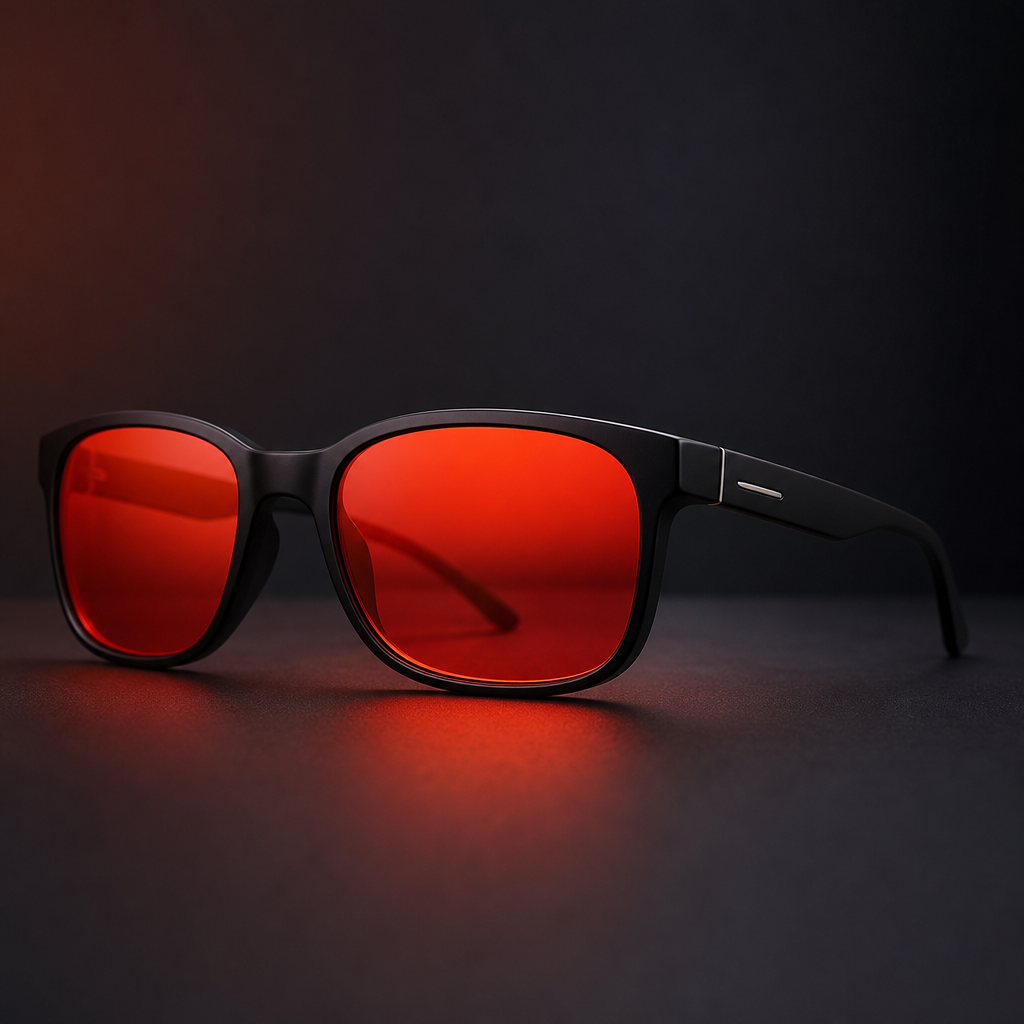
TrueDark Twilights aim at the hard-night end of the market: deeper tints for people who want maximum evening filtering while still needing to move around or use screens. Treat spectrum claims as product marketing until you verify transmittance data for your specific lens. Redder night glasses generally block more circadian-relevant short-wavelength light than clear “blue light” fashion lenses — at the cost of looking and seeing strangely. They are a poor daytime choice and a poor substitute for dimming the room. Choose them if amber Swannies-class glasses feel too mild and you already accept lifestyle friction for sleep experiments.
Estimated ownership: about $99 in year 1 and
$99 over 3 years.
One-time glasses cost. Higher price than commodity amber safety eyewear with a similar evening job.
Ra Optics · Glasses
Best for: Premium evening lenses when fit and brand polish matter
Ra Optics Evening glasses sit in the premium amber category: nicer frames and circadian marketing for people who will actually wear them. Functionally, prioritize verified lens spectrum and evening use over logo prestige. Premium pricing mainly buys aesthetics and brand storytelling unless the specific lens transmittance curve is better documented than cheaper peers. Still an evening tool. Daytime clear “blue blocker” marketing is a separate claim set. Buy premium only if comfort and looks determine whether you wear them.
Estimated ownership: about $185 in year 1 and
$185 over 3 years.
Pay for design and brand positioning more than unique physics versus other amber evening glasses.
Spektrum · Clip-on
Best for: Prescription wearers who want evening tint without a second full frame
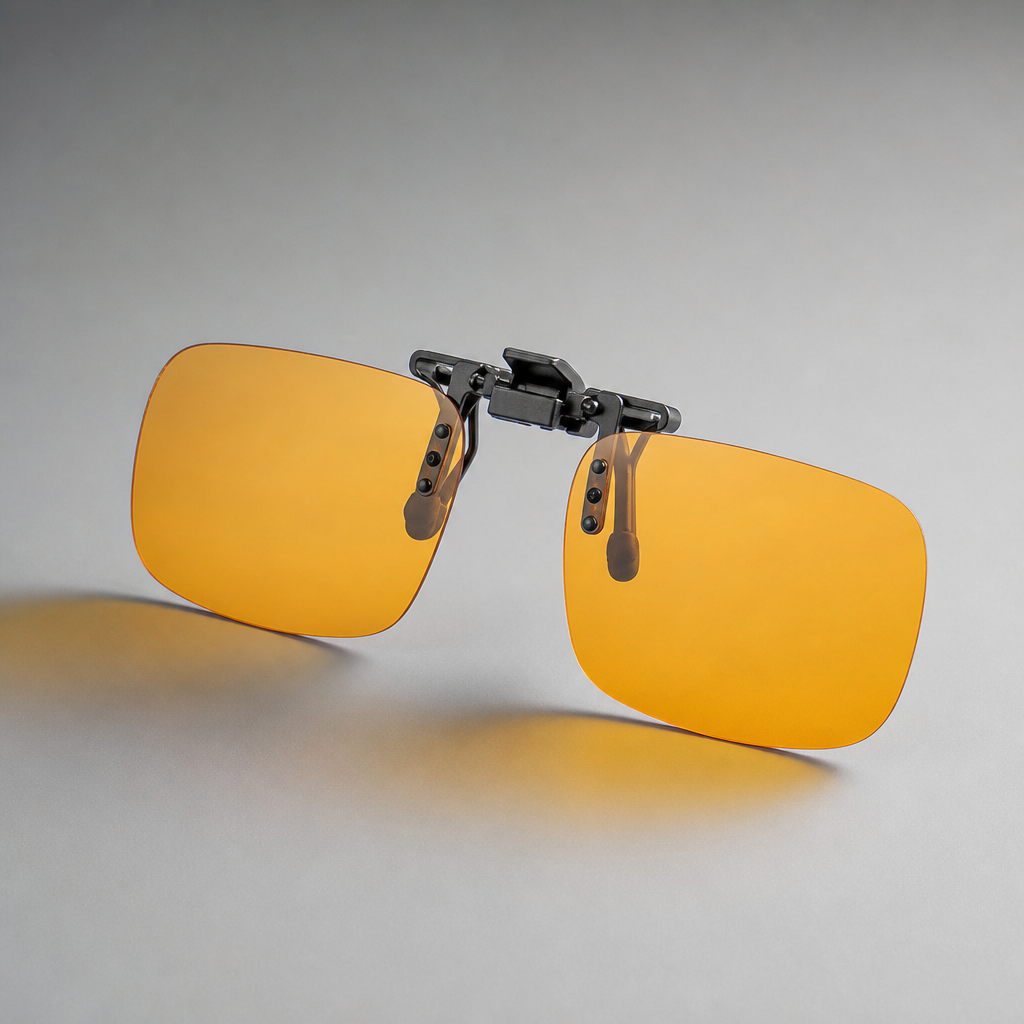
Clip-on amber filters solve a real problem: people with prescriptions who will not buy a second night frame. Expect more friction than dedicated glasses, but better adherence than doing nothing. If you already wear Rx glasses every evening, clip-ons can be the highest-adherence path to amber filtering. Check magnetic vs clamp fit for your frames before assuming compatibility. Still evening-first — daytime clear clip coatings are a different use case.
Estimated ownership: about $45 in year 1 and
$45 over 3 years.
Often cheaper than buying a second prescription amber pair.
Zenni · Glasses
Best for: Cheap clear daytime blue-light coating experiment
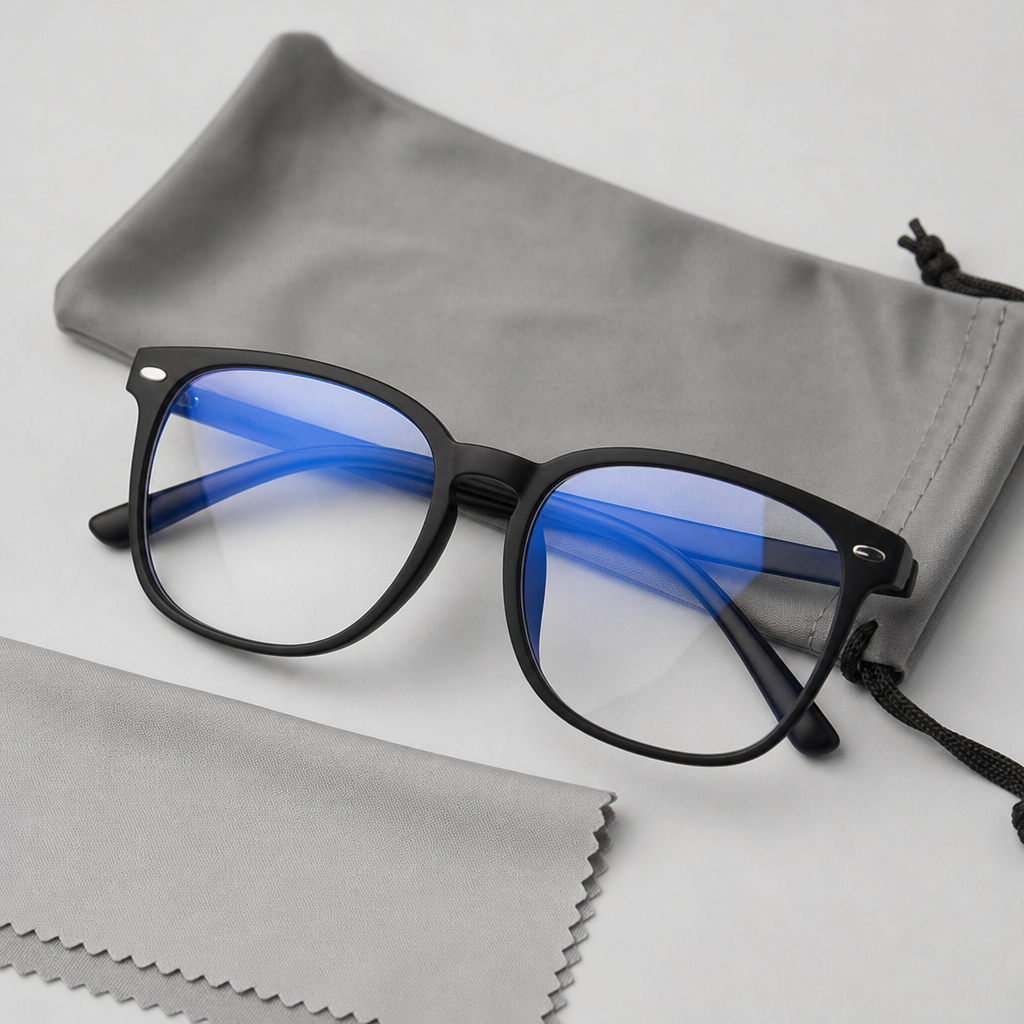
Zenni-style blue-light coatings are the budget answer to clear computer glasses. Useful for cheap daytime trials; not a substitute for amber evening glasses or better lighting hygiene. If clear blue-light glasses help your eyestrain, great — keep them for daytime. If your complaint is falling asleep after late screens, buy amber evening lenses or change light timing instead. Price transparency makes Zenni a better first clear-lens purchase than many DTC sleep brands.
Estimated ownership: about $25 in year 1 and
$50 over 3 years.
Best-value clear computer glasses trial. Do not expect amber-night results.
Felix Gray · Glasses
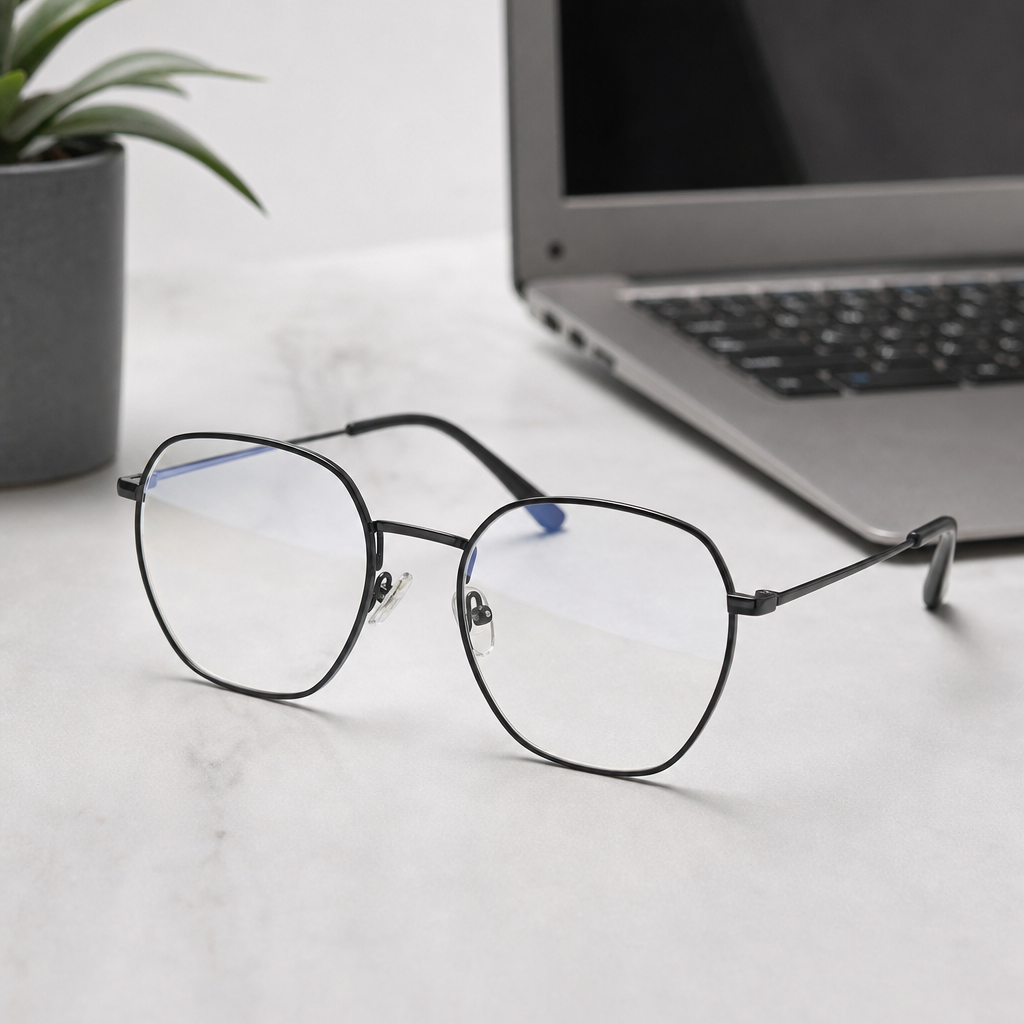
Best for: Daytime screen comfort and style — not strong night melatonin filtering
Felix Gray represents the clear computer-glasses category: stylish, daytime-friendly, and often oversold for sleep. They may help with glare comfort for some users, but they are not interchangeable with amber evening blockers. Marketing often blurs “filters some blue light” with “improves sleep.” Those are different claims. Clear lenses remain useful if you want subtle daytime filtering without orange vision. For sleep onset, prioritize evening intensity + warmer spectrum first; use clear glasses as a secondary comfort tool.
Estimated ownership: about $95 in year 1 and
$95 over 3 years.
Reasonable for fashion + mild daytime filtering. Overpriced if bought specifically to “fix sleep.”
Gunnar · Glasses
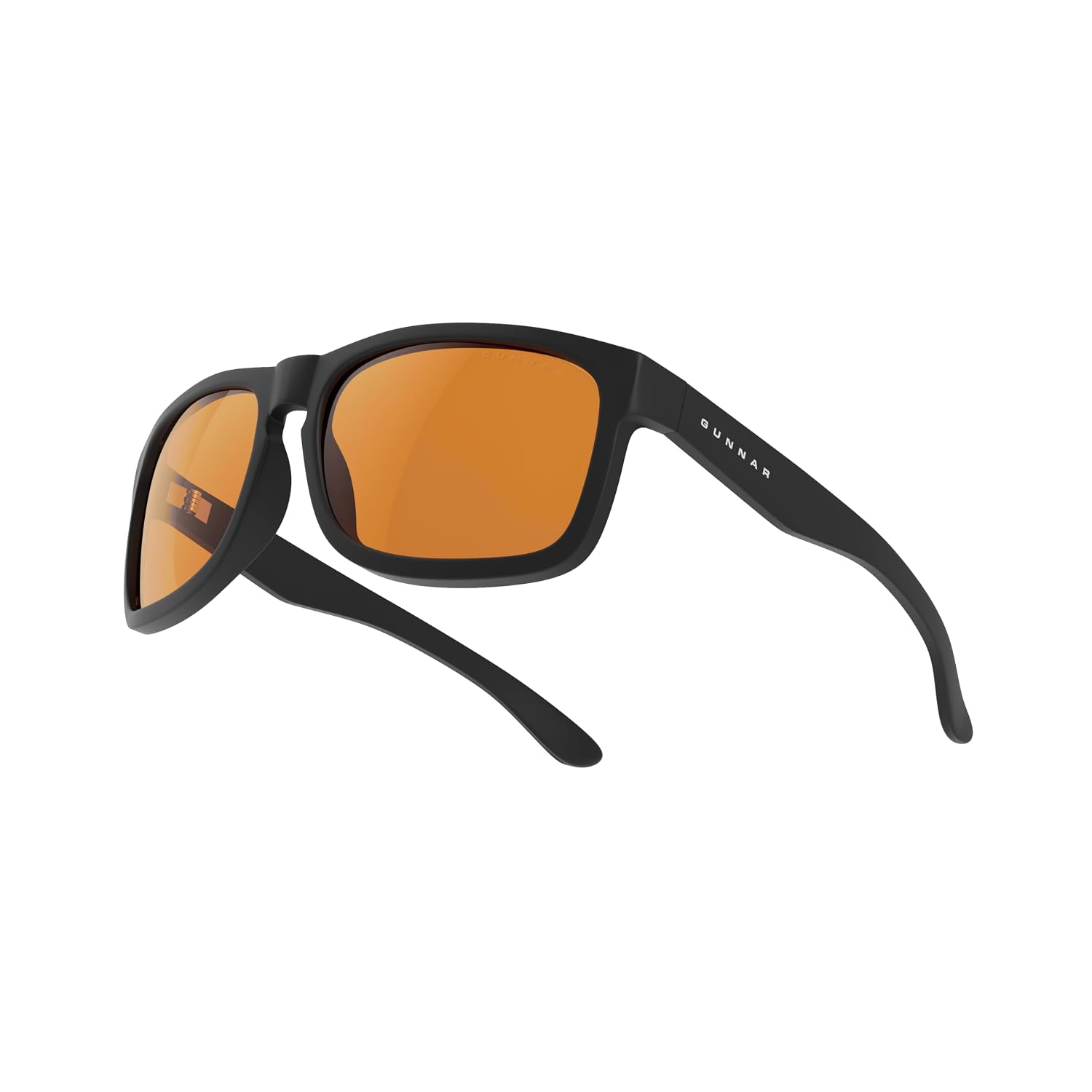
Best for: Gaming/desk sessions with mild yellow tint and glare comfort claims
Gunnar sits in the gaming computer-glasses lane: mild tints, screen-time marketing, and comfort claims. Fine for daytime play sessions; not automatically a night-sleep solution unless the specific lens is genuinely amber-evening strength. Yellow gaming tints can reduce some glare and short-wavelength content, but product lines vary widely. Do not assume “gamer blue blockers” equal Swanwick/TrueDark night glasses. Use for daytime comfort; use stronger evening lenses or software+dim rooms for sleep.
Estimated ownership: about $50 in year 1 and
$50 over 3 years.
Mid-price gaming eyewear. Choose lens tint deliberately; “blue light” alone is vague.
Ocushield · Screen
Best for: Always-on mild filtering for phones/tablets without wearing glasses
Screen protectors that claim blue-light filtering are convenient and easy to forget about — which is both the appeal and the limit. They may reduce some short-wavelength emission at the panel, but they rarely match dedicated evening amber eyewear for sleep-oriented use. Best as a mild always-on layer for people who hate glasses and already use Night Shift. Do not expect a protector to neutralize bright bedroom overheads or late-night binge brightness. Stack with software night mode and room dimming for any meaningful evening protocol.
Estimated ownership: about $70 in year 1 and
$140 over 3 years.
Assumes phone + tablet protectors replaced over a few years as devices change.
Detailed reviews
Night Shift / f.lux
Pros
Cons
Choose this if
Skip this if
Swanwick Night Swannies
Pros
Cons
Choose this if
Skip this if
Uvex Skyper (amber)
Pros
Cons
Choose this if
Skip this if
TrueDark Twilights
Pros
Cons
Choose this if
Skip this if
Ra Optics Evening
Pros
Cons
Choose this if
Skip this if
Spektrum Clip-Ons
Pros
Cons
Choose this if
Skip this if
Zenni Blue Light Glasses
Pros
Cons
Choose this if
Skip this if
Felix Gray
Pros
Cons
Choose this if
Skip this if
Gunnar Intercept
Pros
Cons
Choose this if
Skip this if
Ocushield Screen Protectors
Pros
Cons
Choose this if
Skip this if
How to choose without getting marketed
- Name the outcome. Sleep onset, daytime eye comfort, or fashion?
- Do the free stack for one week. Dim rooms + Night Shift/f.lux + lower brightness.
- If still stuck, trial cheap amber. Uvex-class glasses beat expensive clear sleep branding for night goals.
- Upgrade aesthetics only for adherence. Swanwick/Ra-type frames matter if looks decide whether you wear them.
- Use clear lenses for daytime only. Do not expect them to replace evening protocol work.
- Fix the room when you can. Circadian lighting upgrades usually out-leverage personal filters.
Quick recommendations by persona
- Everyone, day one: Night Shift / f.lux
- Skeptical experimenter: Uvex amber
- Practical night glasses buyer: Swanwick Night Swannies
- Maximum evening cut: TrueDark Twilights-class
- Premium amber aesthetics: Ra Optics Evening
- Prescription wearer: Spektrum clip-ons
- Daytime clear value: Zenni
- Daytime clear style: Felix Gray
- Gaming desk tint: Gunnar
- Hate glasses, mild phone filter: Ocushield + software
Sometimes — mainly when they meaningfully reduce evening short-wavelength light and you wear them in the hours before bed. Amber/orange night glasses are more plausible for sleep timing than clear daytime computer coatings. Results vary, and glasses do not beat dimmer rooms and earlier screen cutoffs. They can be fine for daytime comfort or mild filtering, but they are a weak sleep tool. Marketing often conflates “filters some blue” with “improves melatonin and sleep.” If sleep onset is the goal, prioritize evening intensity, warmer light, and stronger night tints. It is the best free first step and often enough when paired with lower brightness and dimmer rooms. It is not enough if you keep screens bright, disable warm mode for color work, or sit under cold overhead LEDs. Start cheap. Uvex-style amber glasses are an excellent n=1 test. If you will not wear industrial frames, buy a mid-tier amber pair you will actually use. Premium pricing mostly buys aesthetics unless a specific lens curve is better documented. For most healthy adults, that is a separate and often overstated claim. This guide focuses on sleep and evening light timing, not macular-degeneration prevention marketing. Dim evening lights, schedule Night Shift/f.lux aggressively, lower screen brightness, and get morning daylight. Add amber glasses only if evenings still involve unavoidable bright screens or cold lighting. No. Glasses are a personal filter. Changing room lighting changes the environment for everyone and usually has higher leverage. Stack them: warm dim evenings first, glasses as backup.Blue light blocking FAQ
Do blue light blocking glasses actually help sleep in 2026?
+
Are clear blue light computer glasses useful?
+
Is Night Shift or f.lux enough on its own?
+
Should I buy expensive sleep glasses or cheap amber safety glasses first?
+
Do blue blockers prevent eye disease?
+
What should I do before buying any blue-light product?
+
Can blue light blocking replace circadian lighting upgrades?
+
This comparison is designed for practical decision-making. Product capabilities, pricing, and memberships change quickly, so treat battery claims, plan costs, and feature availability as moving targets.
Harvard Health, “Blue light has a dark side”
Useful for separating evening light biology from consumer “blue light glasses fix everything” claims. Supports that intensity, spectrum, and timing matter — and that clear daytime coatings are not equivalent to amber night filtering.
American Academy of Ophthalmology, “Are Blue Light-Blocking Glasses Worth It?”
Helps distinguish sleep/circadian marketing from ocular-health claims that are often overstated for healthy adults.
f.lux documentation for software display warming
Lens spectra, coating percentages, and pricing change by SKU and region; verify before purchase. Free software is the lowest-friction first step.
Affiliate disclosure: some product links on Keersa Health may earn a commission at no extra cost to you.
Editorial recommendations are independent of commercial relationships.
Read our full disclosure.
Sources and editorial notes
Bottom line
Blue-light blocking is real as a category and oversold as a slogan. For sleep, start with free software and dimmer evenings; use amber/red night glasses when you need a personal filter; treat clear computer glasses as daytime comfort products, not melatonin medicine. Buy the smallest intervention that changes your actual evening light — and ignore packaging that confuses “blocks some blue” with “fixes sleep.”
Start with the overview if you have not yet: The Sleep Protocol. Related deep dives: circadian lighting, smart beds, wearable trackers, and mouth taping & nasal devices.