Sleep guide · Updated 2026
Smart Beds and Temperature Regulation: Eight Sleep, ChiliSleep, BedJet & More
A detailed 2026 comparison of smart beds and temperature systems — Eight Sleep, ChiliSleep, BedJet, Sleep Number, Tempur-Pedic, and more — with dual-zone guidance and ownership costs.
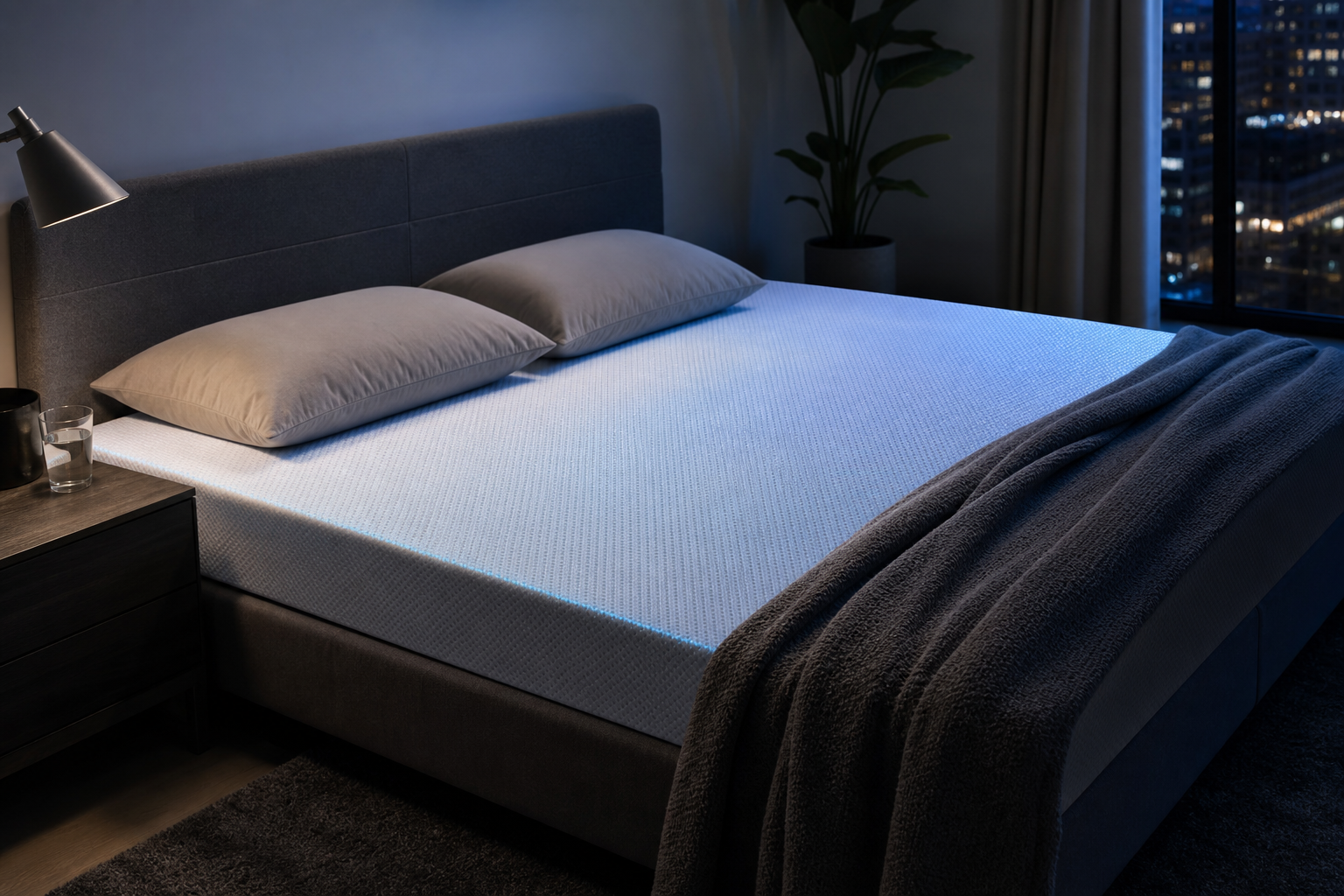
Smart beds and sleep temperature systems are having a mainstream moment in 2026, especially among hot sleepers, dual-climate couples, and recovery-minded buyers who already like their mattress but hate waking sweaty. The category now includes hydronic mattress covers, air-based climate systems, full climate mattresses, and even wearable thermal aids. This guide compares the major options on cooling and heating performance, dual-zone control, automation, membership cost, and real-world fit — so you can buy thermal comfort, not hype.
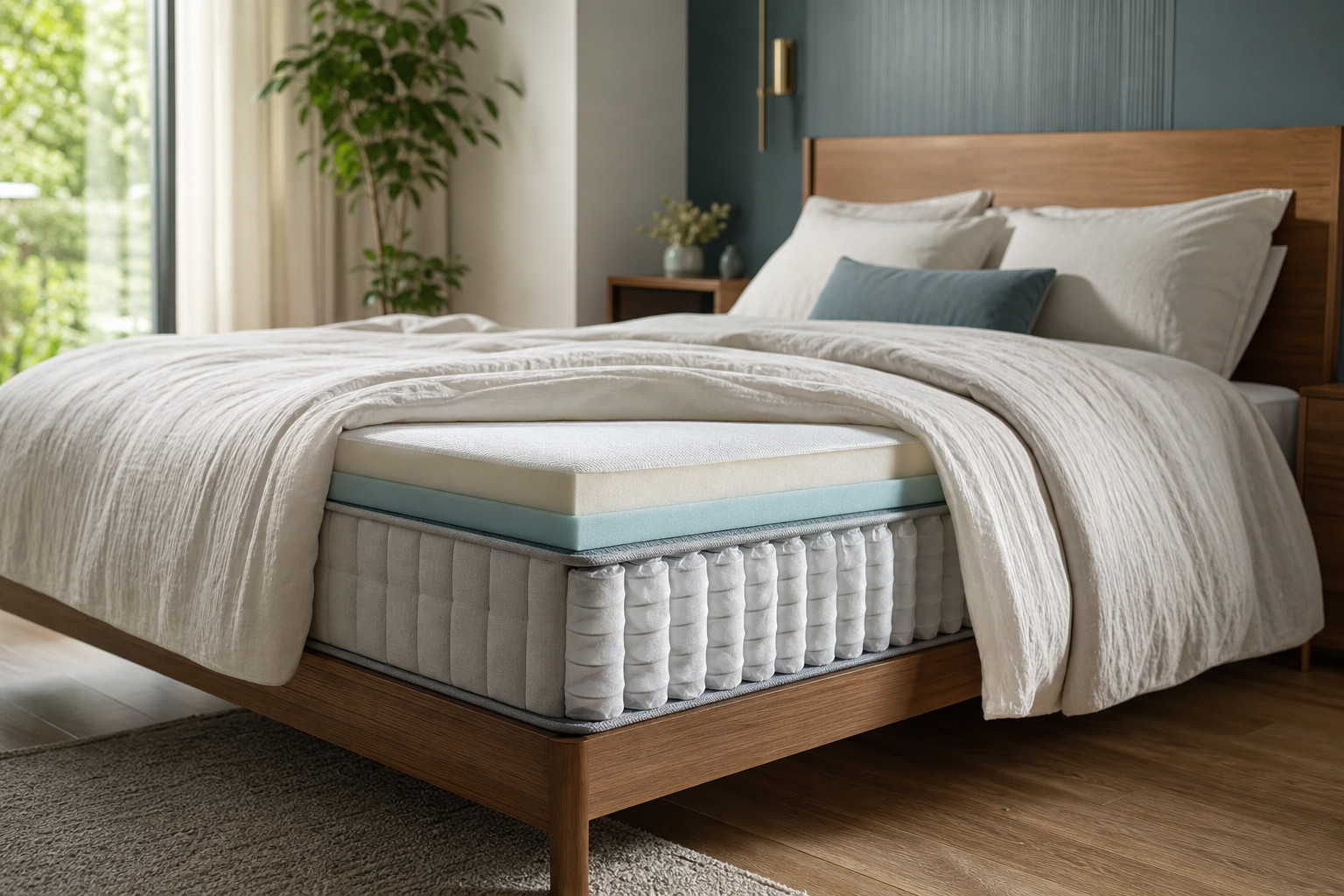
These products all try to change the temperature of your sleep environment — but they do it differently. Hydronic covers circulate water through a thin pad on top of your existing mattress. Air systems push conditioned air through the sheet layer. Climate mattresses rebuild the bed itself with heating, cooling, and often firmness control. Wearable thermal aids only nudge skin temperature on a wrist or ankle, without changing the mattress.
Used well, active cooling or heating can shorten the time it takes to fall asleep, reduce sweaty awakenings, and let partners set independent zones. Used poorly, they become expensive solutions to a mattress that sleeps hot, a bright late evening, or a room the thermostat cannot manage. Think of this category as microclimate control — not a substitute for the rest of sleep hygiene.
Key takeaways
- Best overall for most people: Eight Sleep Pod 4 Cover — dual-zone precision plus sleep automation.
- Best no-subscription hydronic pick: ChiliSleep Dock Pro — strong cooling without a membership identity.
- Best value climate add-on: BedJet 3 — fast air-based heating/cooling for much less money.
- Best for couples on a budget: BedJet Dual Zone — independent climates without Pod pricing.
- Best full-mattress climate + firmness combo: Sleep Number Climate360.
- Best low-commitment experiment: Embr Wave 2 — personal thermal relief before you rebuild the bed.
- Biggest hidden factor: whether heat is truly your bottleneck. Perfect thermal control will not fix caffeine, light at midnight, or an unsupportive mattress.
How we evaluate smart beds and thermal systems
Editorial scores in this guide are weighted toward practical overnight comfort and adherence, not gadget novelty. We score each system across five pillars:
- Thermal effectiveness (30%) — can it actually cool/heat the sleep microclimate?
- Dual-zone and couple fit (20%) — independent control when partners disagree.
- Automation and usability (20%) — schedules, sensors, and whether the system stays set-and-forget.
- Ownership cost (15%) — hardware plus likely 1- and 3-year membership burden.
- Installation friction (15%) — covers, hubs, hoses, noise, and reversibility.
Important limitation: Keersa Health scores are editorial synthesis based on publicly documented specs, product categories, and established sleep-thermoregulation principles. They are not lab certifications. Firmware, membership tiers, mattress compatibility, and regional pricing change — verify before buying.
Why temperature regulation matters for sleep
Core body temperature naturally declines as you transition into sleep. A bedroom that is too warm can delay sleep onset, fragment overnight sleep, and make awakenings more likely. Passive reverse is also true: overly aggressive cooling can cause cold feet, partner conflict, or mid-night fumbling with blankets.
This is why active systems outperform “cooling gel” marketing for many hot sleepers. Passive foam can feel cooler at first contact. An active system can keep removing heat for hours.
Signals that thermal control is worth buying
- You wake sweaty or throw off covers by 2 a.m.
- You and your partner want incompatible bed temperatures
- Seasonal weather or a warm apartment overwhelms normal bedding tricks
- You already optimized light, caffeine timing, and mattress feel
Interactive comparison
Filter by form factor, sort by score or price, and pin up to three options for a focused side-by-side view.
Tradeoff:
Sticker price is misleading in this category. Membership-heavy products can cost more over three years than premium hardware with no required plan.
Estimates are directional and based on common public pricing patterns. Promotions, refurbished units, family plans, and tier changes can move these numbers materially.
3-year cost of ownership
Device
Year 1
3-year estimate
Amazon Price
Membership
Eight Sleep Pod 4 Cover
$2,499
$2,899
$26.09
Membership required for full Autopilot
Eight Sleep Pod Ultra
$4,699
$5,099
$594.15
Membership required for full Autopilot
ChiliSleep Dock Pro
$999
$999
$594.15
No required membership
BedJet 3
$419
$419
$569
No required membership
BedJet Dual Zone
$838
$838
$1,279
No required membership
Chilipad Cube
$799
$799
$679.15
No required membership
Sleep Number Climate360
$4,999
$4,999
$269.99
No required climate membership
TEMPUR-ActiveBreeze
$4,999
$4,999
$23.99
No required membership
Embr Wave 2
$299
$299
$299
No required membership
Covers vs full smart mattresses vs air systems
Form factor is the real buying decision. A smart cover preserves your mattress. A climate mattress replaces the sleep surface. An air system like BedJet conditions the sheet layer. A wearable changes personal sensation without touching the bed.
Choose a cover if...
- You like your current mattress feel
- You want dual-zone control without a full bed replacement
- You want the upgrade to be comparatively reversible
Choose a full climate mattress if...
- Your mattress is due for replacement anyway
- You want firmness and temperature in one purchase
- You prefer a single integrated product over layered gadgets
Choose an air system if...
- You want lower cost and no water loops
- You like (or at least tolerate) airflow under the sheets
- You want a fast, membership-free experiment
Choose a wearable thermal aid if...
- You are not ready to rebuild the bed
- You need something portable for travel
- You want to test whether temperature interventions help at all
Below are deeper notes on every option in the comparison table, sorted by editorial score. Jump directly from the table pins or the cost section.
Eight Sleep · Cover
Best for: Precision dual-zone thermal control with sleep automation
The Eight Sleep Pod 4 Cover is the default recommendation for most people who want serious bed temperature control. It turns an existing mattress into a dual-zone thermal system with active cooling, heating, and sleep-stage aware automation. If you wake hot, run warm overnight, or share a bed with different temperature preferences, this is the most complete mainstream option. Thermal control is the product. Unlike passive cooling foams, Pod Cover actively moves heat so you can set cooler sleep onset temperatures and warmer wake windows. Dual-zone control matters for couples: one side can run cold while the other stays mild. The software layer is where Eight Sleep pulls ahead of simpler air or water pads. Autopilot-style scheduling, sleep staging context, and gentle thermal or vibration wake features make the bed feel like a sleep system rather than a gadget under the sheets. Choose Pod 4 Cover if you want best-in-class regulation and already like your mattress. Skip it if you refuse memberships or want a lower-cost hydronic pad without the full sleep OS.
Estimated ownership: about $2,499 in year 1 and
$2,899 over 3 years.
Assumes Pod Cover hardware plus ongoing membership for Autopilot-class features. Exact tiers vary by promotion and region.
Eight Sleep · Mattress
Best for: All-in-one smart mattress plus thermal system buyers
Pod Ultra is for buyers who want the mattress and the thermal engine as one premium stack. You pay for integration and fewer compatibility questions, but the cost is high enough that most people should start with the cover unless they are already replacing the whole bed. If your current mattress is due for replacement, bundling climate control into a purpose-built Eight Sleep mattress can feel cleaner than layering a cover on aging foam. The tradeoff is flexibility. A cover lets you keep a mattress you already love. An integrated Pod mattress makes sense only when the whole sleep surface is part of the upgrade. Choose Ultra if you want one vendor for mattress feel and thermal performance. Skip it if the Cover already solves your temperature problem for less.
Estimated ownership: about $4,699 in year 1 and
$5,099 over 3 years.
Hardware-heavy estimate with membership assumed for full feature access over three years.
Sleepme / ChiliSleep · Cover
Best for: Hydronic cooling without a mandatory subscription
ChiliSleep Dock Pro is the strongest subscription-light alternative for people who mainly want colder (or warmer) sleep, not a full biometric sleep platform. The hydronic pad approach can feel very effective for hot sleepers, especially when dual-zone is configured for couples. If Eight Sleep feels like buying a sleep operating system, Dock Pro feels like buying climate hardware. That is a feature for buyers who dislike recurring software fees. Expect more DIY energy around setup, hose routing, and hub placement. Performance can be excellent, but the experience is more appliance-like than app-native luxury. Choose Dock Pro if thermal relief is the job and memberships are a dealbreaker. Skip it if you want Autopilot-style sleep coaching baked into the bed.
Estimated ownership: about $999 in year 1 and
$999 over 3 years.
Hardware-focused estimate assuming no required membership for core climate control.
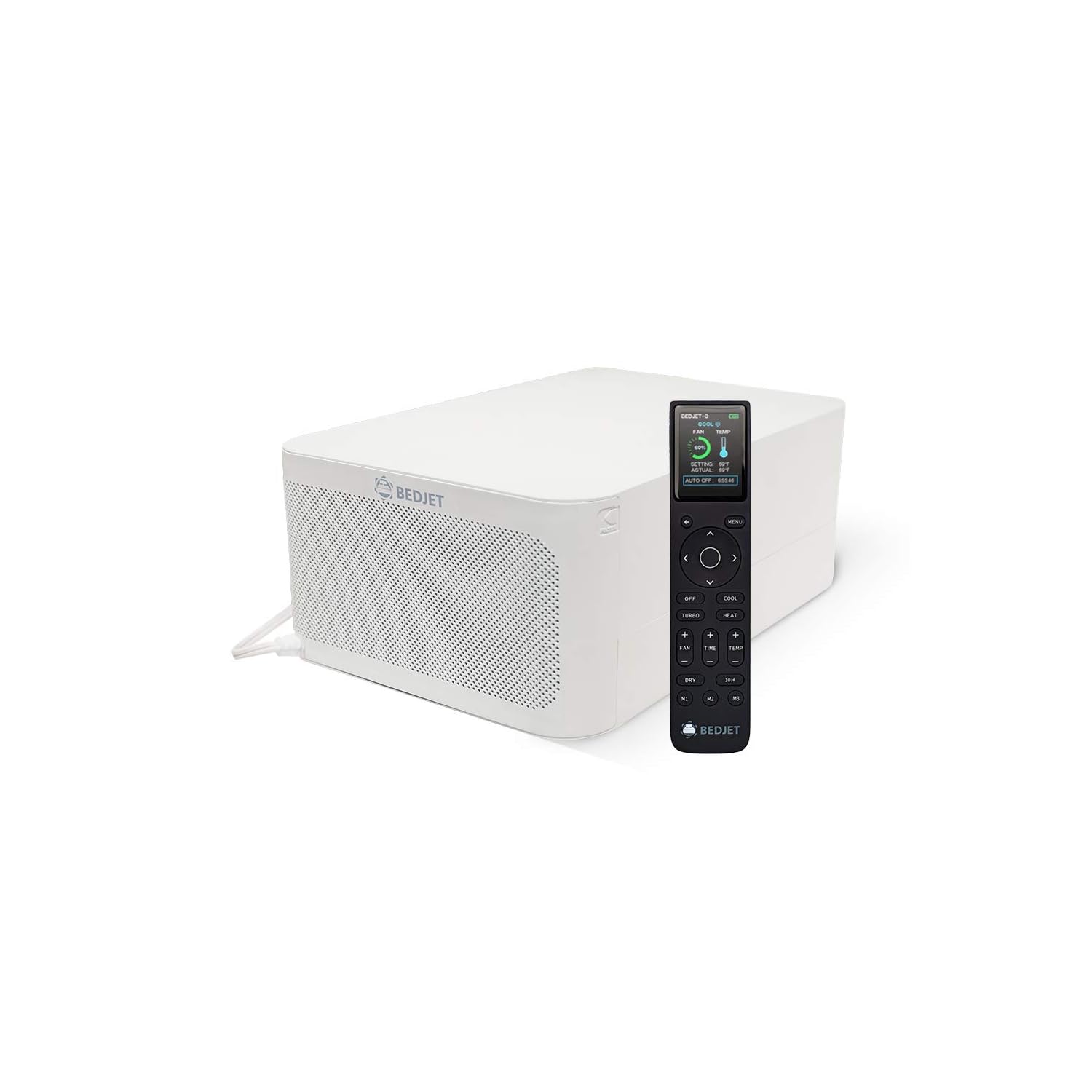
BedJet · System
Best for: Fast air-based cooling and heating without water tubing
BedJet 3 is the best answer for people who want active temperature control without water circulation. It pushes conditioned air through the bed, which can cool or warm you quickly and usually costs far less than premium smart mattress covers. The feel is the deciding factor. Some people love the breeze-like climate effect. Others prefer the steadier contact cooling of water-based pads. Demo expectations matter more here than spec sheets. BedJet wins on simplicity and price. There is no forced membership and the system is easier to conceptualize than a full sleep OS mattress cover. Choose BedJet if you want reversible, relatively affordable climate control. Skip it if you specifically want silent hydronic dual-zone precision.
Estimated ownership: about $419 in year 1 and
$419 over 3 years.
Hardware-only baseline; accessories like Cloud sheet can add cost but no membership wall.
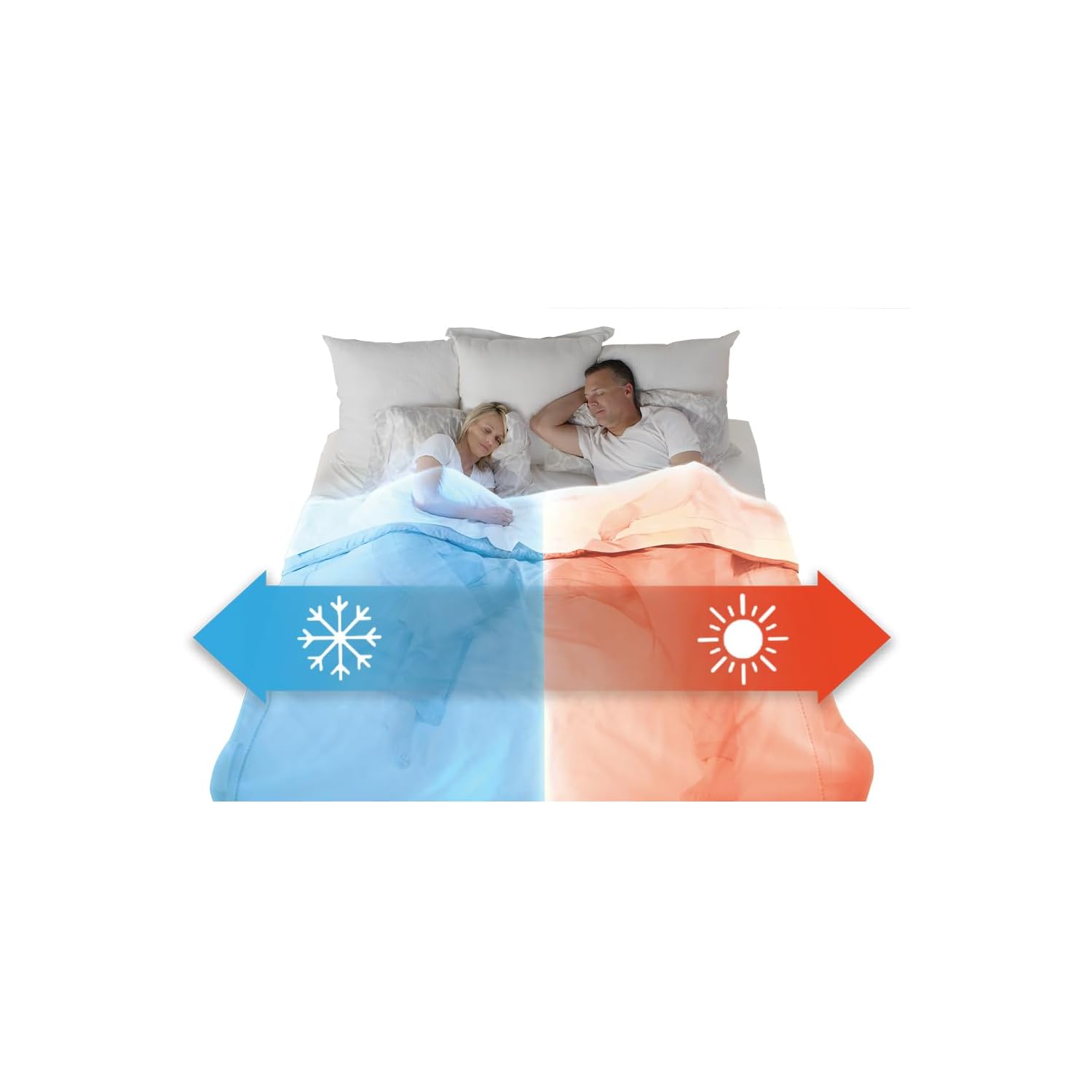
BedJet · System
Best for: Couples wanting independent air climate without Pod pricing
BedJet Dual Zone extends the BedJet idea to couples who fight over the thermostat under the covers. You get independent climate control at a price that still undercuts most premium dual-zone water systems. For many couples, dual-zone is the whole product category. If one partner runs hot and the other runs cold, single-zone gadgets create compromise instead of resolution. Dual BedJet setups cost more than a single unit but often remain cheaper than Eight Sleep dual-zone covers with membership. Choose Dual Zone when couple conflict is the use case. Skip it if a single BedJet or a hydronic dual pad better matches your preferred thermal feel.
Estimated ownership: about $838 in year 1 and
$838 over 3 years.
Assumes dual-zone hardware bundle without software membership.
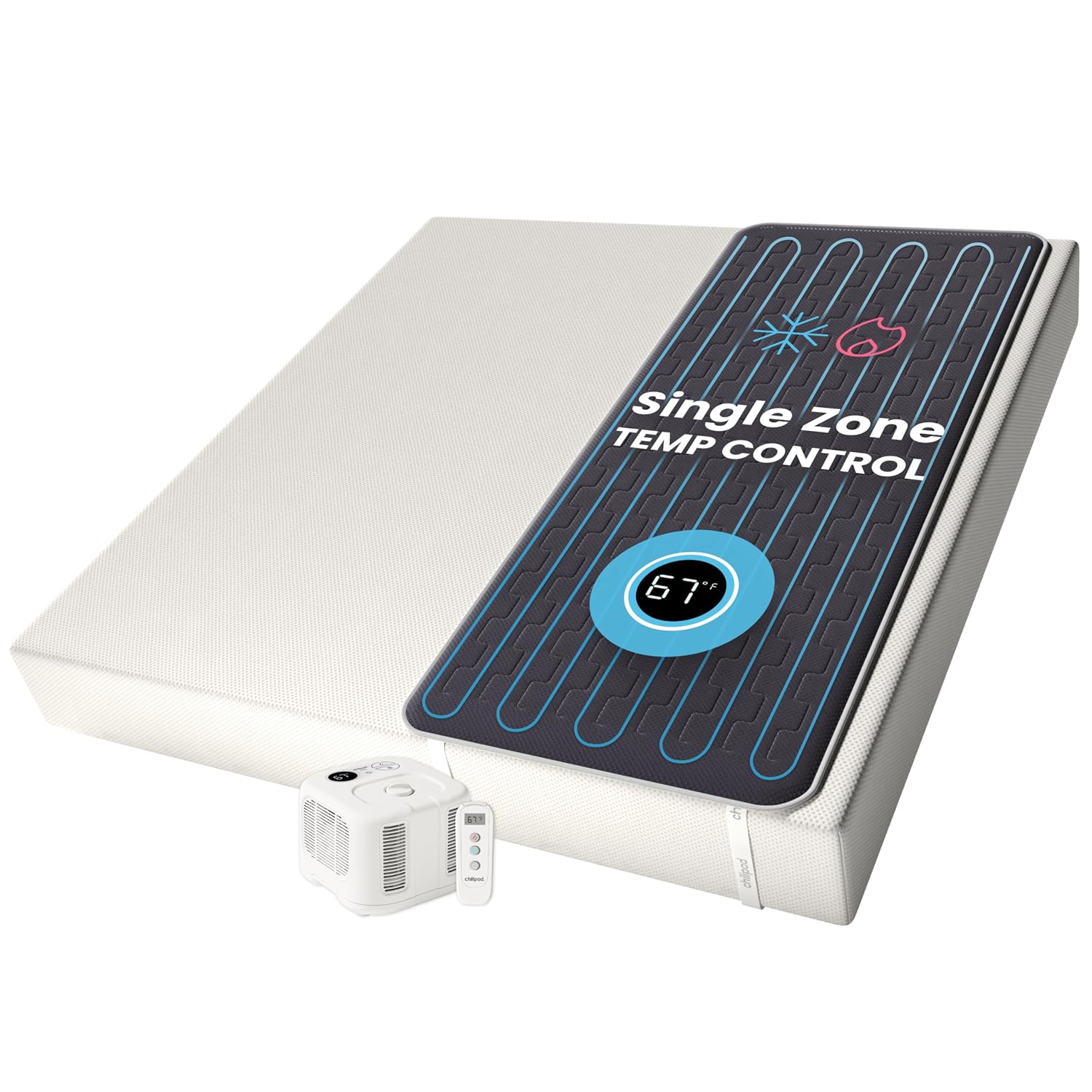
Sleepme / ChiliSleep · Cover
Best for: Simple hydronic cooling and heating without an app or subscription
Chilipad Cube is Sleepme’s original entry-level bed cooler: a water-circulating mattress topper plus a compact Cube hub that sits under or beside the bed. You set a target between 60–115°F with the remote or on-device buttons—no Wi‑Fi, no app, and no required membership. The Cube is built for people who mainly want colder (or warmer) sleep, not a biometric sleep operating system. Silicone micro-tubes in the pad circulate chilled or heated water so your existing mattress surface stays closer to the temperature you set overnight. Setup is deliberately appliance-like: elastic straps fit most mattress heights, the connector can face either end of the bed, and the Cube can tuck under frames taller than about 8". Half (“ME”) pads cover one sleeper; dual-zone (“WE”) kits use two Cubes for independent sides. Choose Cube if you want subscription-free active cooling with a simple remote. Skip it if you need Dock Pro-level performance, rich app automation, or you refuse bedside hubs and tubing.
Estimated ownership: about $799 in year 1 and
$799 over 3 years.
One-time hardware purchase. Amazon listing shown for ME Half King/TwinXL (~$799); ME sizes often list lower on sleep.me. Dual-zone WE kits cost more.
Sleep Number · Mattress
Best for: Shoppers who want firmness adjustability plus climate in one bed
Climate360 is Sleep Number’s answer for people who want adjustable firmness and temperature regulation in one showroom-friendly smart bed. It is less of a niche biohacker gadget and more of a premium mattress purchase with climate features attached. If you already like Sleep Number’s firmness model, Climate360 can be a coherent upgrade path. If you do not care about air chambers, you may be paying for a paradigm you will not use. This is a whole-bed decision. Unlike Pod Cover or BedJet, you are not lightly experimenting — you are buying the mattress ecosystem. Choose Climate360 if adjustable firmness plus climate is the brief. Skip it if you only need temperature control on a mattress you already own.
Estimated ownership: about $4,999 in year 1 and
$4,999 over 3 years.
Assumes a configured Climate360 purchase without a mandatory climate subscription.
Tempur-Pedic · Mattress
Best for: Tempur feel loyalists who want built-in active airflow
TEMPUR-ActiveBreeze is for people who already believe in Tempur-Pedic’s pressure-relieving feel and want cooling integrated into the mattress rather than added as a cover. It is a comfort-brand answer to hot sleep, not a biohacker climate OS. If mattress feel is your top criterion and temperature is secondary, ActiveBreeze can be more sensible than forcing a cover onto a mattress you dislike. If temperature is the primary problem, dedicated climate systems often deliver more precise dual-zone control per dollar. Choose ActiveBreeze for Tempur comfort plus active airflow. Skip it if you want cover-based precision cooling on a mattress you already love.
Estimated ownership: about $4,999 in year 1 and
$4,999 over 3 years.
One-time mattress system estimate; promotions and size configurations change street price.
Embr Labs · Wearable
Best for: Personal thermal relief without changing the bed
Embr Wave 2 is not a smart bed — and that is why it belongs in this guide. For some people, personal wrist-based thermal sensation is enough to fall asleep without rebuilding the mattress stack. It is the low-commitment control in a category full of four-figure hardware. Wave works through localized temperature sensations that can shift how hot or cold you feel, not by cooling the entire mattress. That makes it a different tool with a different ceiling. It is ideal as a first experiment, travel companion, or adjunct to room-level HVAC changes. It is not ideal as the only answer for couples with conflicting bed temperatures. Choose Embr Wave if you want cheap, portable thermal help. Skip it if you already know you need dual-zone bed climate control.
Estimated ownership: about $299 in year 1 and
$299 over 3 years.
One-time wearable cost; not a substitute for whole-bed climate control.
Detailed reviews
Eight Sleep Pod 4 Cover
Pros
Cons
Choose this if
Skip this if
Eight Sleep Pod Ultra
Pros
Cons
Choose this if
Skip this if
ChiliSleep Dock Pro
Pros
Cons
Choose this if
Skip this if
BedJet 3
Pros
Cons
Choose this if
Skip this if
BedJet Dual Zone
Pros
Cons
Choose this if
Skip this if
Chilipad Cube
Pros
Cons
Choose this if
Skip this if
Sleep Number Climate360
Pros
Cons
Choose this if
Skip this if
TEMPUR-ActiveBreeze
Pros
Cons
Choose this if
Skip this if
Embr Wave 2
Pros
Cons
Choose this if
Skip this if
How to choose the right temperature system
- Confirm heat is the bottleneck. If the mattress is collapsing or the room is 78°F all night, fix those first.
- Decide solo vs dual-zone. Couples with opposite preferences should almost always prioritize independent control.
- Pick your thermal mechanism. Hydronic contact cooling, air climate, integrated mattress airflow, or wearable sensation — they feel different.
- Decide your membership tolerance. Eight Sleep’s best experience usually includes software. ChiliSleep and BedJet are more hardware-first.
- Calculate three-year cost. A cheaper cover with membership can catch up to a pricier one-time system.
- Plan for noise, hubs, and wash care. The best thermal system is the one you still use after month three.
Quick recommendations by persona
- Hot sleeper, best ecosystem: Eight Sleep Pod 4 Cover
- No-subscription hydronic cooler: ChiliSleep Dock Pro
- Value seeker: BedJet 3
- Couples on a budget: BedJet Dual Zone
- Mattress + firmness shoppers: Sleep Number Climate360
- Tempur loyalists: TEMPUR-ActiveBreeze
- Low-commitment tester: Embr Wave 2
They can improve sleep continuity when heat or cold is the bottleneck. Cooler sleep onset and stable overnight thermal comfort often help people fall asleep faster and wake less. That is not the same as guaranteeing higher deep-sleep percentages for everyone. Treat thermal systems as comfort and continuity tools first, sleep-stage optimizers second. Eight Sleep usually wins if you want dual-zone precision plus a full sleep automation ecosystem and will use Autopilot features. ChiliSleep/Sleepme wins if you want hydronic cooling without a membership mindset. BedJet wins on value and simplicity if you like airflow-based climate and do not want water systems. Pick the failure mode you can live with: membership cost, tubing/hubs, or airflow feel. Most people still sleep better in a cool room, often roughly 60–67°F (about 15–19°C), then use the bed system for personal fine-tuning. A smart bed is not a license to overheat the room. Room HVAC handles ambient load; the bed handles microclimate. Yes if you share a bed with someone who prefers a different temperature. Dual-zone is one of the few couple-sleep upgrades that solves a real conflict instead of forcing a compromise. Single-zone is fine for solo sleepers or couples with matching preferences. Modern hydronic systems are closed-loop appliances, not DIY waterbeds. Setup quality matters: hub placement, leak awareness, and manufacturer care instructions. They are generally practical, but they are still more “appliance” than a simple mattress purchase. Sometimes. If your mattress feel is good and heat is the main complaint, a cover or BedJet-style system is usually smarter than replacing everything. If the mattress is sagging, noisy, or the wrong firmness, fix the mattress first or choose an integrated smart bed. They can reduce discomfort by lowering bed microclimate quickly, which many people find helpful. They do not treat the underlying cause. If night sweats are new, severe, or paired with other symptoms, talk with a clinician while you experiment with thermal tools.Smart bed and temperature regulation FAQs
Do smart beds actually improve deep sleep in 2026?
+
Is Eight Sleep worth it versus ChiliSleep or BedJet?
+
What bedroom temperature should I set if I buy a cooling bed?
+
Do I need dual-zone temperature control?
+
Are water-based bed coolers safe and messy?
+
Can a temperature-regulated bed replace a new mattress?
+
Will these systems help with menopause-related night sweats?
+
This comparison is designed for practical decision-making. Product capabilities, pricing, and memberships change quickly, so treat battery claims, plan costs, and feature availability as moving targets.
Foundational context for why cooler sleep onset and overnight thermal comfort can affect sleep continuity and slow-wave sleep.
National Sleep Foundation sleep-environment guidance
Useful when separating room HVAC strategies from mattress-level active heating and cooling systems.
Eight Sleep Pod product documentation
Specs, membership tiers, dual-zone options, and wash-care details change by generation and region; verify before purchase.
Mayo Clinic overview of night sweats
Thermal products can improve comfort but are not treatments for underlying medical causes of nocturnal heat.
Affiliate disclosure: some product links on Keersa Health may earn a commission at no extra cost to you.
Editorial recommendations are independent of commercial relationships.
Read our full disclosure.
Sources and editorial notes
Bottom line
The best smart bed temperature system is the one that removes heat (or adds warmth) in a way you will actually keep using. For most people who already like their mattress, a dual-zone cover or BedJet-style add-on beats an expensive full replacement. For couples, independent zones matter more than brand mythology. For everyone else, start by cooling the room, then buy the smallest thermal intervention that solves the real complaint.
Start with the overview if you have not yet: The Sleep Protocol. Related deep dives: circadian lighting, blue light blocking, wearable trackers, and mouth taping & nasal devices.