Sleep guide · Updated 2026
Mouth Taping and Nasal Breathing Devices: Safety, Strips & Dilators
A detailed 2026 guide to mouth taping and nasal breathing devices — SomniFix, Hostage Tape, MyoTape, Breathe Right, Mute, Intake, and budget medical tapes — with safety rules, costs, and who should skip them.
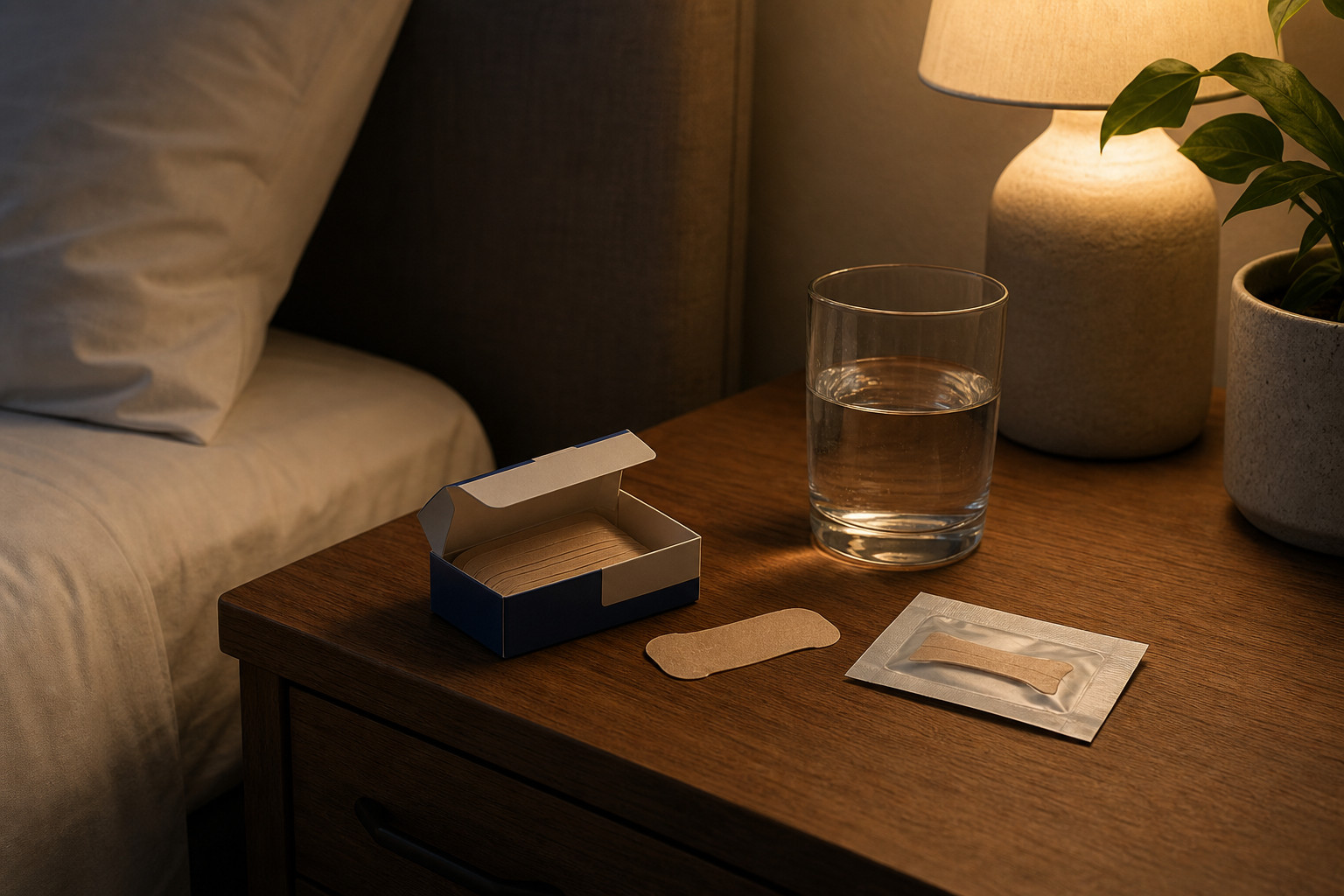
Mouth taping and nasal breathing devices jumped from niche biohacking into mainstream experiments in 2026, mostly among people with dry mouth, light snoring, or a partner who notices open-mouth sleep. The category mixes purpose-built sleep strips, DIY medical tape, external nasal strips, internal dilators, magnetic kits, and chin straps. This guide compares the major options — and puts safety ahead of affiliate-friendly hype.
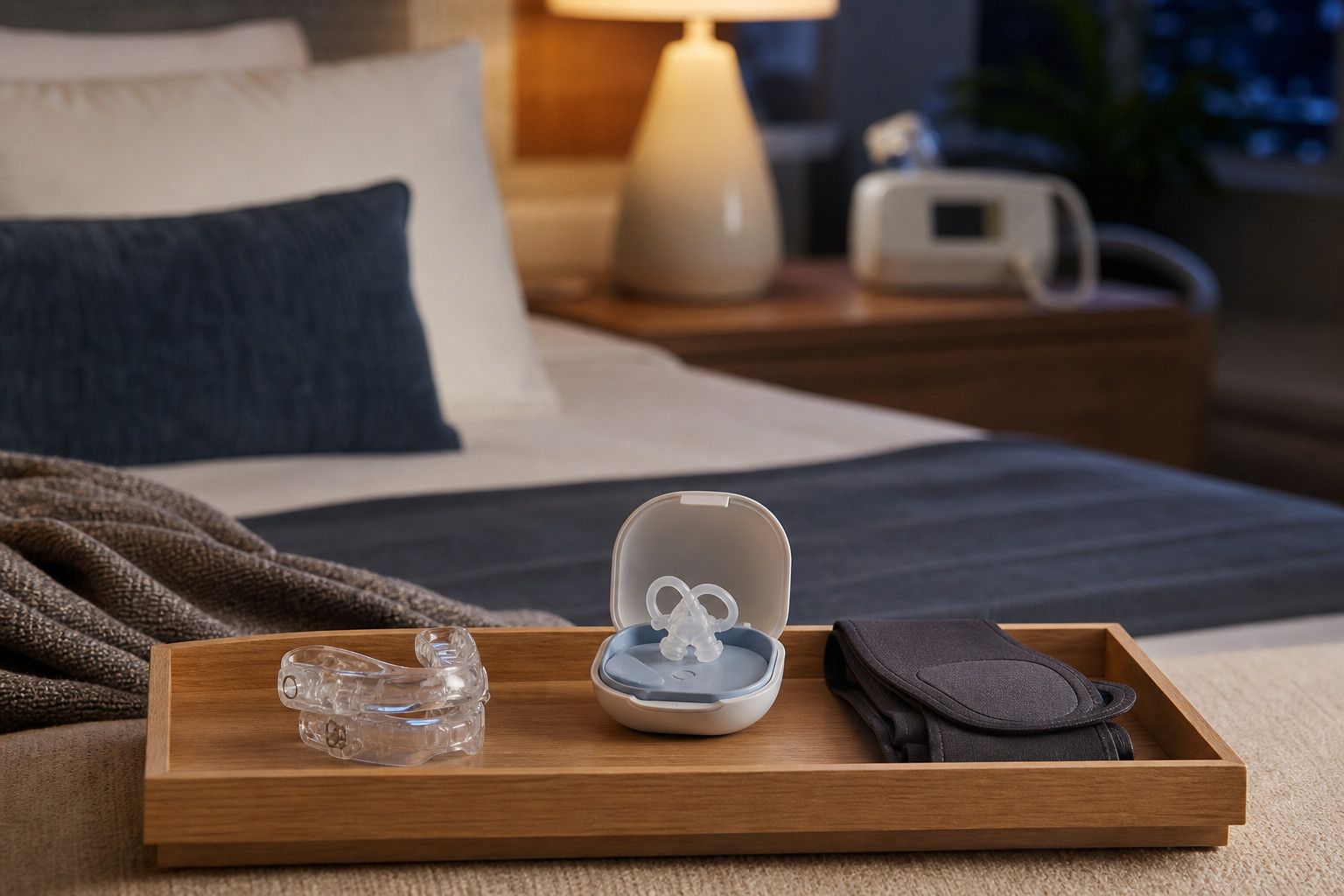
These products attack overnight mouth breathing from different angles. Mouth tape (vented strips, medical tape, around-the-lips designs) discourages oral airflow so you prefer the nose. External nasal strips and internal dilators try to open the nasal path itself. Magnetic nasal systems are a premium version of that idea. Chin straps mechanically keep the mouth closed when adhesives fail or CPAP mouth leak is the issue.
What they can do for selected people is reduce dry mouth, morning throat irritation, and some mouth-breathing snoring once the nose can carry the night. What they cannot do is treat sleep apnea or replace a clear airway. If you gasp, choke, or have been told you may have disordered breathing, get evaluated first — see our sleep apnea beyond CPAP guide.
Key takeaways
- Best beginner mouth tape: SomniFix-style vented strips.
- Best strong-hold / beard-friendly tape: Hostage Tape.
- Best non-sealing transition: MyoTape.
- Best cheap concept test: 3M Micropore or Nexcare sensitive tape.
- Best external nasal opener: Breathe Right Extra Strength.
- Best reusable internal dilator: Rhinomed Mute.
- Best premium magnetic system: Intake Breathing.
- Biggest rule: clear the nose first; do not tape over suspected apnea.
Who should buy what
Choose vented mouth strips if...
Choose strong full-seal tape if...
Choose MyoTape-style loops if...
Choose nasal strips / dilators if...
Choose a chin strap if...
Safety first
Mouth taping forces a preference for nasal airflow. That can reduce dry mouth and some mouth-breathing snoring for selected people. It can also be a bad idea if your nose cannot carry the night, if you feel panic with restricted breathing, or if you have untreated sleep-disordered breathing.
- Skip overnight taping if you regularly gasp, choke, stop breathing, or have been told you may have sleep apnea — get evaluated instead.
- Do not use if you cannot breathe comfortably through your nose while awake and calm.
- Prefer easy removal for the first trials: vented strips, around-the-mouth designs, or weak medical tape.
- Stop immediately for anxiety, air hunger, skin injury, or morning congestion that worsens.
This article is educational product comparison, not medical advice.
How we evaluate these devices
Editorial scores favor products that make nasal breathing easier without pretending to diagnose or treat apnea. We score across five pillars:
- Safety and removability (30%) — can you bail out quickly?
- Nasal airflow support (20%) — does it actually improve the nasal path when that is the bottleneck?
- Adherence and comfort (20%) — skin, beard, anxiety, and overnight hold.
- Evidence alignment (15%) — claims match mechanisms without miracle language.
- Ownership cost (15%) — pack price and realistic nightly spend.
Important limitation: Keersa Health scores are editorial synthesis of product classes and publicly described designs. They are not clinical trials. Adhesives, sizing, and formulations change — patch-test skin and verify packaging.
Mouth tape vs nasal openers
Mouth tape discourages oral airflow. Nasal strips and dilators try to increase nasal airflow. Many people need the second before the first. Chin straps are a bulkier mouth-closure alternative when adhesives fail or CPAP mouth leak is the issue.
Interactive comparison
Filter by form factor, sort by score or price, and pin up to three options for a focused side-by-side view.
Tradeoff:
Sticker price still matters here — most options are one-time hardware buys, so the three-year estimate mainly reflects purchase price plus expected upkeep.
Estimates are directional and based on common public pricing patterns. Promotions, refurbished units, family plans, and tier changes can move these numbers materially.
3-year cost of ownership
Device
Year 1
3-year estimate
Amazon Price
SomniFix Mouth Strips
$300
$900
$16.97
Hostage Tape
$300
$900
$19.98
Rhinomed Mute
$120
$240
$20.99
MyoTape
$280
$840
$19.95
Breathe Right Extra Strength
$150
$450
$16.97
Intake Breathing
$180
$360
$59.99
Niveus Silicone Tape
$120
$360
$9.99
3M Micropore Tape
$40
$120
$9.40
Nexcare Sensitive Skin Tape
$50
$150
$7.49
Anti-Snore Chin Strap
$15
$45
$9.98
Below are deeper notes on every option in the comparison table, sorted by editorial score. Jump directly from the table pins or the cost section.
SomniFix · Tape
Best for: A structured first mouth-tape trial with a vented, easy-remove design
SomniFix is the strongest default starter among purpose-made mouth strips: a vented seal that encourages nasal breathing without a full DIY tape experiment. Clear your nose first, peel off immediately if you feel panic or congestion, and skip mouth taping entirely if you gasp, choke, or have untreated suspected OSA — that needs a clinician, not a strip. Mouth taping only makes sense after nasal airflow is workable. Congestion, a cold, or a blocked nose is a stop signal — force-closing the mouth does not create an airway. SomniFix’s vent and sensitive-skin positioning make it easier to remove and less intimidating than full-seal hostage-style tape for first-week trials. Treat it as a habit support for mouth breathing at night, not as therapy for apnea, gasping, or daytime sleepiness. Seek care if those show up.
Estimated ownership: about $300 in year 1 and
$900 over 3 years.
Rough yearly cost if used most nights. Packs of ~28 nights add up; buy only after a short comfort trial.
Hostage Tape · Tape
Best for: Experienced users who want a firmer full-seal mouth closure
Hostage Tape is a full-seal overnight mouth tape for people who already tolerate facial adhesives and have reliable nasal breathing. It is not the best first product if you want an easy escape hatch — start with a vented or around-mouth design, keep congestion as a hard stop, and get clinical evaluation for apnea symptoms instead of taping over them. A firmer seal can reduce mouth leaks for some users, but it also raises the stakes if you wake congested or anxious. Practice removal while awake before any overnight use. Sensitive skin is a common failure mode with stronger adhesives. Redness, peeling, or irritation means stop — do not “tough it out.” Like every mouth tape here, this assumes a working nose. Mouth taping does not treat obstructive sleep apnea.
Estimated ownership: about $300 in year 1 and
$900 over 3 years.
Similar nightly consumable math to other branded mouth strips — roughly a few hundred dollars a year if used most nights.
Rhinomed · Dilator
Best for: Reusable internal nasal dilation when strips are not enough
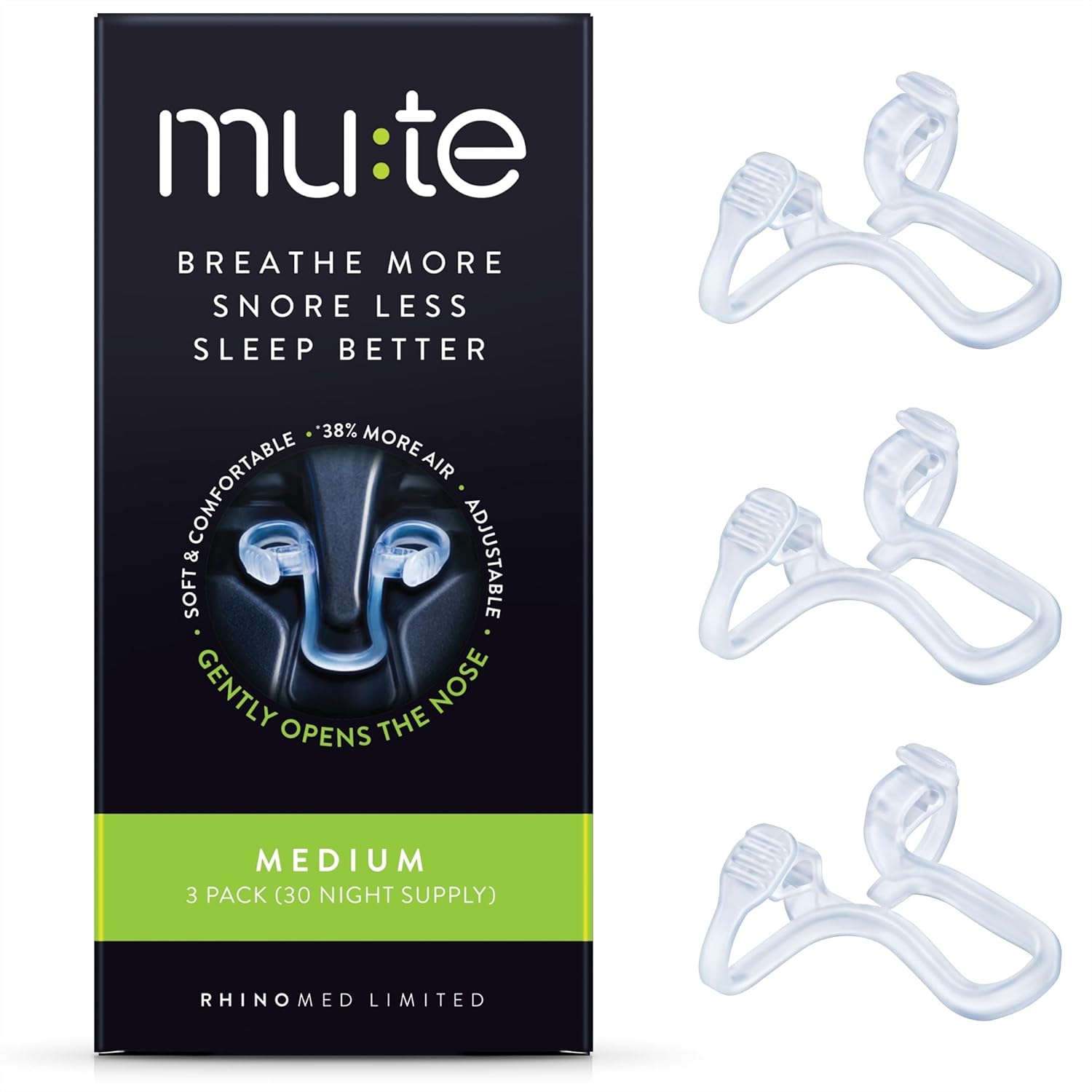
Rhinomed Mute is an internal nasal dilator for people whose bottleneck is the nose, not lip seal. Reusable hardware makes it a better long-game nasal tool than endless disposable strips for some users. Fix nasal airflow before any mouth tape, and treat apnea warning signs as a medical issue. Internal dilators stent nasal passages from inside. Comfort and sizing determine adherence more than marketing copy. Mute is reusable multi-night hardware when cleaned and replaced on a sensible schedule — follow product hygiene guidance. If Mute helps but you still choke, gasp, or stop breathing in sleep, do not escalate to mouth taping as a workaround. Get evaluated.
Estimated ownership: about $120 in year 1 and
$240 over 3 years.
Starter packs plus periodic replacements keep yearly cost below nightly branded mouth-tape habits for many users.
MyoTape · Tape
Best for: Cautious users who want lips encouraged closed without sealing over the mouth opening
MyoTape is often the safest-feeling mouth-tape style: it wraps around the lips to encourage closure rather than plastering a hard seal over the mouth. That makes it a strong pick for anxious first-timers — still only after the nose is clear, and still never as a stand-in for apnea care. Because the mouth opening is not fully sealed, many people find it easier to start and easier to abandon mid-night if congestion or panic appears. It still belongs in the overnight mouth-closure category. Confirm nasal breathing works while awake before sleeping with it on. If you wake gasping, snoring heavily, or excessively sleepy by day, stop experimenting and talk to a clinician about sleep apnea evaluation.
Estimated ownership: about $280 in year 1 and
$840 over 3 years.
Pack pricing varies; rough yearly ownership if used most nights sits near other branded mouth tapes.
Breathe Right · Strip
Best for: Improving nasal airflow before considering any mouth tape
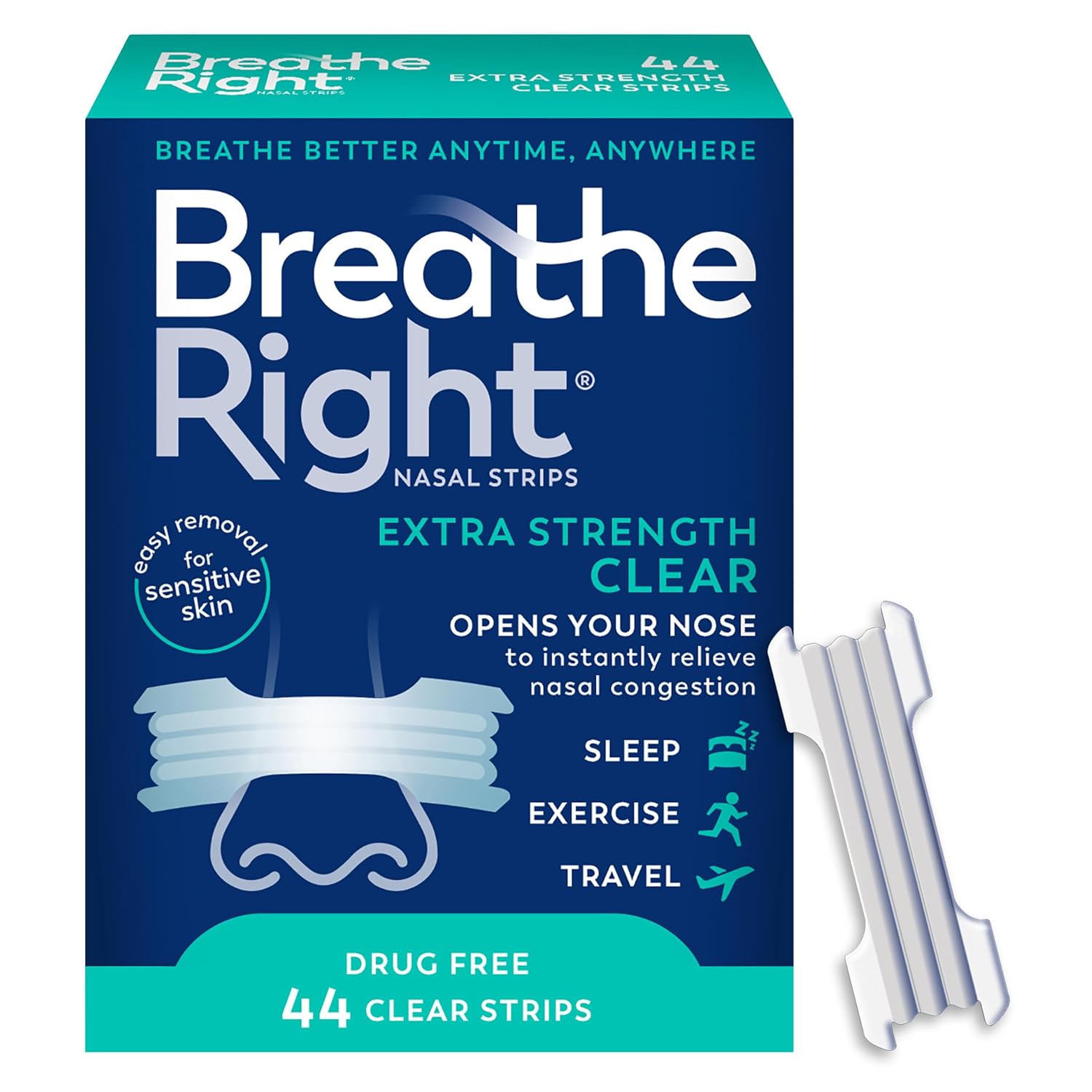
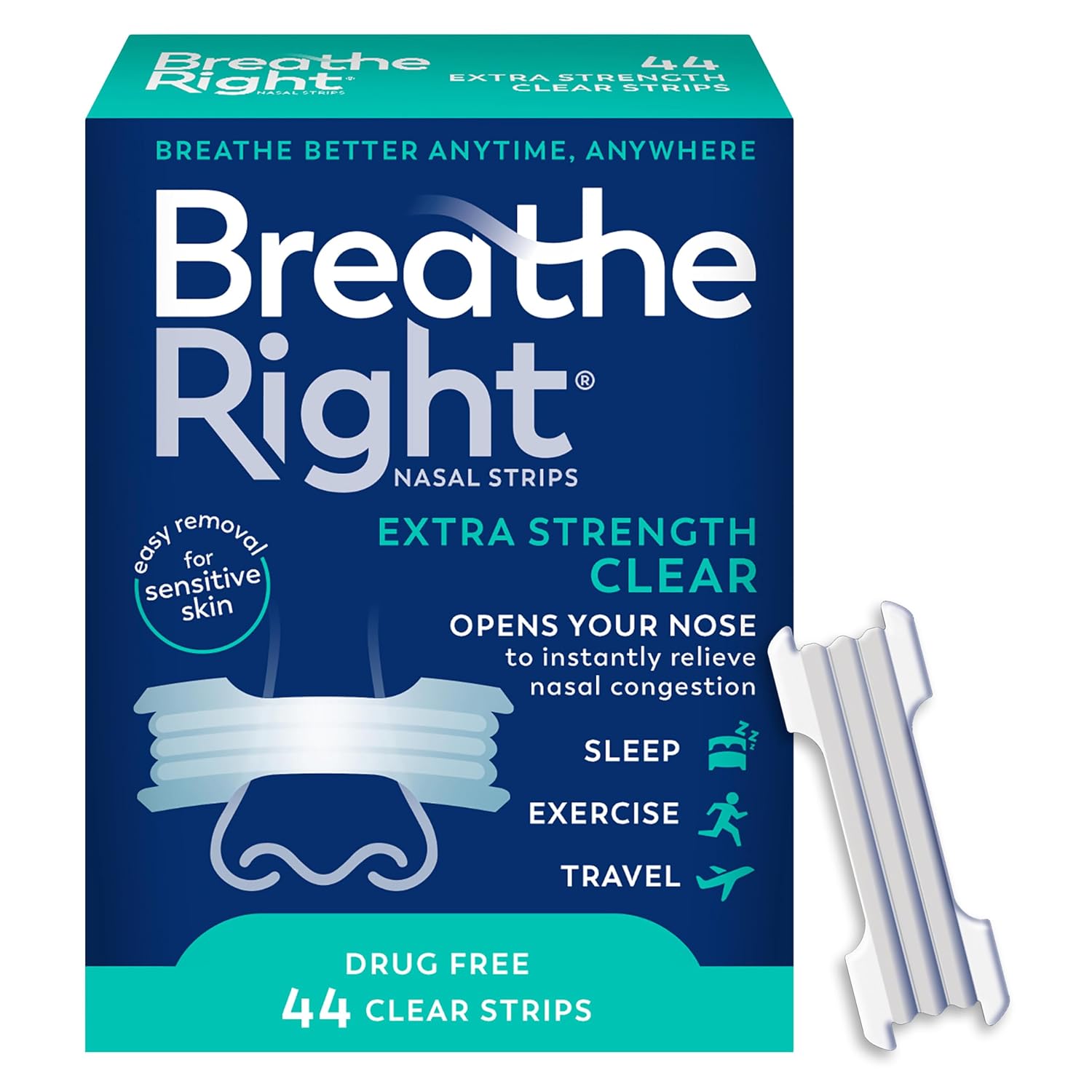
Breathe Right Extra Strength is a nasal-airway opener, not a mouth tape — and that is why it belongs early in this comparison. Open the nose first. If strips improve airflow, you may never need to tape your mouth. If you still mouth-breathe with a clear nose, consider a gentle mouth-closure product later — never the reverse order when congestion is the real problem. External nasal strips mechanically stent the nasal valve area for many users. They are also usable for daytime congestion and exercise. They do not treat sleep apnea. Loud snoring with gasping still deserves clinical evaluation. If adhesive bothers the nose bridge, stop. Do not combine aggressive mouth sealing with a blocked nose.
Estimated ownership: about $150 in year 1 and
$450 over 3 years.
Rough nightly-use ownership for multi-count boxes. Often cheaper and safer to try before mouth tape.
Intake Breathing · Strip
Best for: Premium reusable nasal dilation when drugstore strips feel weak
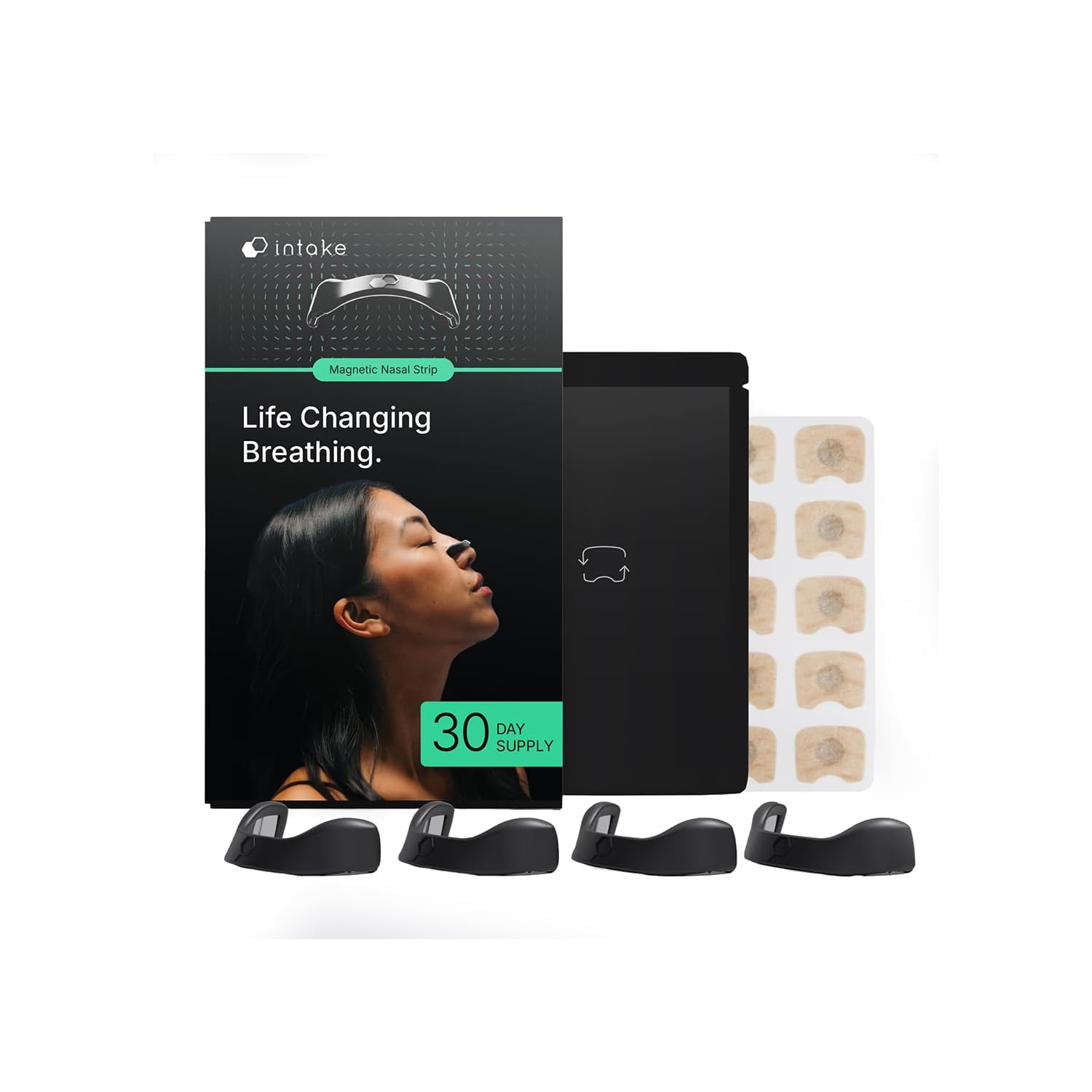
Intake Breathing is a premium nasal-opener system — magnetic tabs and a reusable band — for people who want more mechanical lift than Breathe Right-class strips. It belongs in the nose-first half of this article, not as a mouth-tape alternative for apnea. Open the airway you have; do not seal the mouth over a blocked nose. Intake’s value is nasal stenting force and reusability of the band, with consumable tabs as the recurring piece. It can help day and night congestion-related mouth breathing by improving nasal airflow first. Price only makes sense after cheaper nasal options and after ruling out that you actually need clinical sleep evaluation.
Estimated ownership: about $180 in year 1 and
$360 over 3 years.
Starter kit plus replacement tabs/bands over a year. Still often cheaper than nightly premium mouth strips if nasal opening is the real need.
Niveus · Tape
Best for: Budget silicone mouth tape with a perforated, gentler-feel option
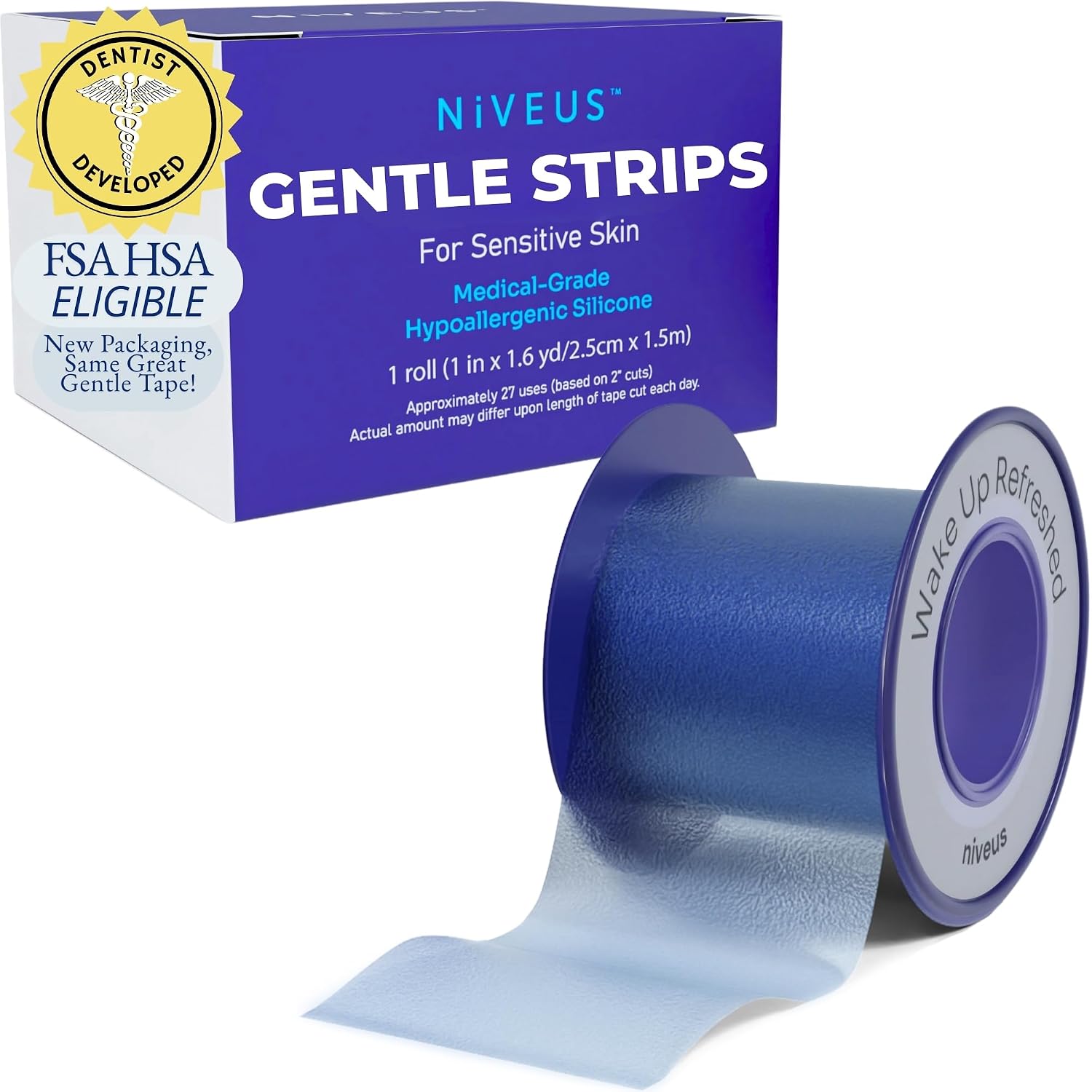
Niveus-style silicone mouth tape is a practical mid-budget path: softer feel than cloth medical tape, often perforated, and cheap enough to trial without committing to premium strip brands. Safety rules do not change — clear nose, stop for panic, and leave suspected apnea to clinicians. Silicone can be kinder on skin for some users and easier to reposition than aggressive cloth adhesives, but fit and perforation quality matter more than the brand name. Treat “reusable” silicone as hygiene-limited: clean carefully and retire it when adhesion or cleanliness slips. Do not use any mouth seal during illness, heavy congestion, or when you cannot breathe comfortably through your nose while awake.
Estimated ownership: about $120 in year 1 and
$360 over 3 years.
Cheaper than premium branded strips if a roll or multi-use silicone sheet lasts many nights; replace when stick or hygiene declines.
3M · Tape
Best for: Cheapest cautious DIY trial with easy-to-tear paper tape
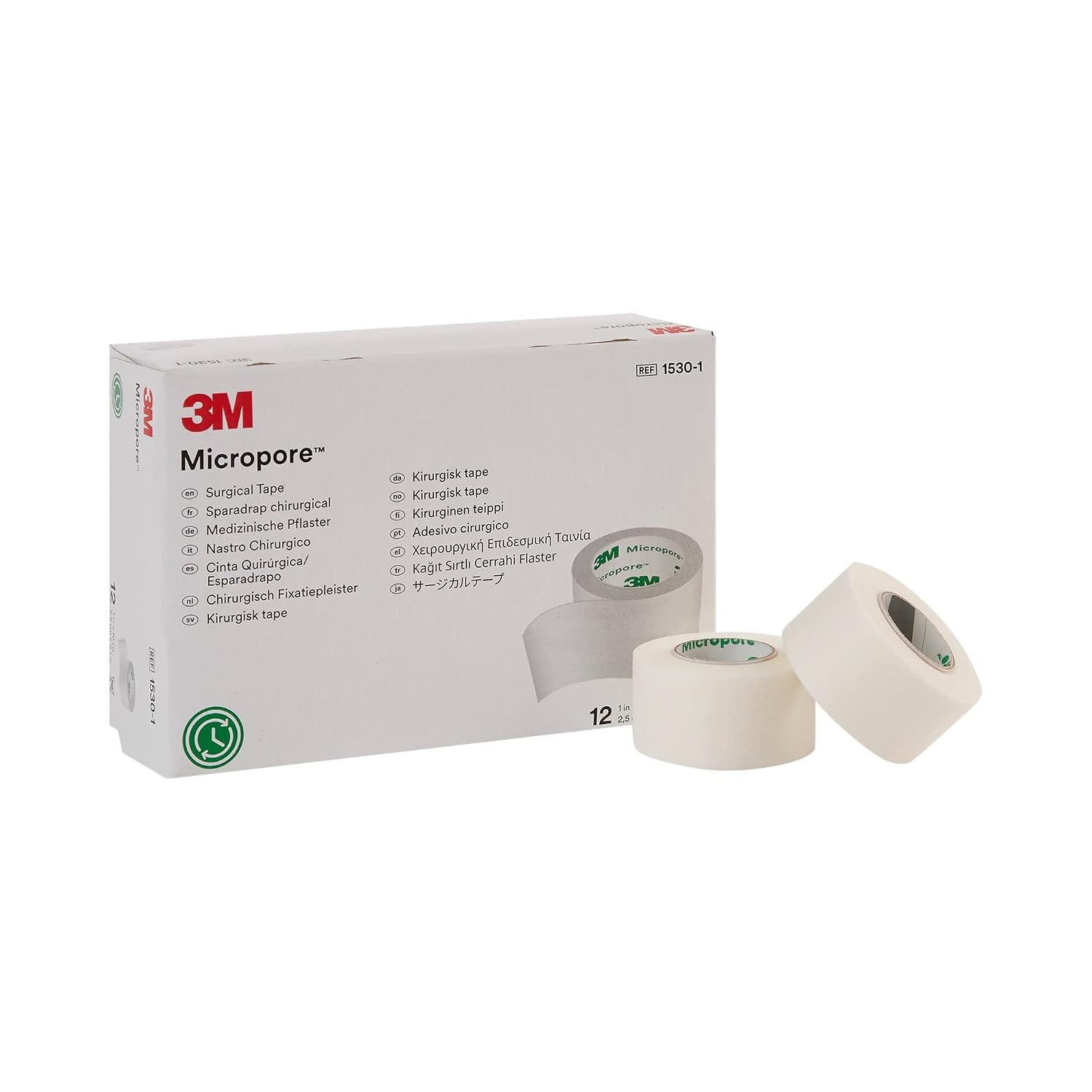
3M Micropore is the honest DIY control: cheap paper medical tape for people who want a low-stakes overnight experiment. Cut a small strip, start with a light seal, keep removal trivial, and abandon the idea the moment congestion or panic shows up. It is not a branded sleep product and not apnea care. Micropore’s main advantage is removability and cost. Use a short piece across the lips — never wrap the jaw or create a hard-to-remove bandage. Because it is a full DIY seal unless you leave a gap, practice applying and peeling while awake. If you cannot remove it calmly, do not sleep in it. Skip DIY tape during colds, allergies, or any night your nose feels unreliable. Seek care for gasping, witnessed apneas, or persistent loud snoring with daytime sleepiness.
Estimated ownership: about $40 in year 1 and
$120 over 3 years.
A box lasts a long time for small nightly strips — among the cheapest ownership curves if you only need a light seal.
Nexcare · Tape
Best for: DIY mouth taping when adhesive irritation is the main worry
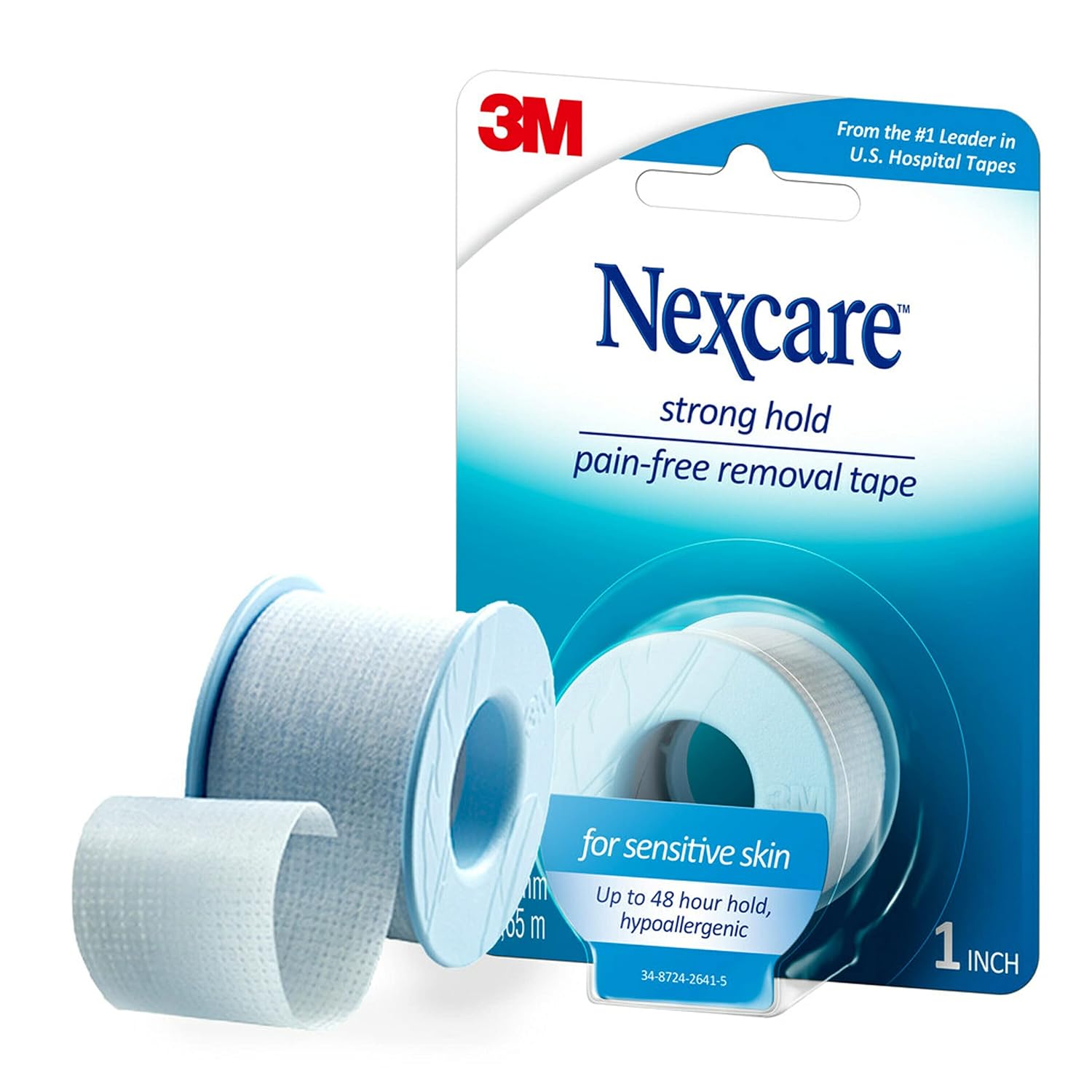
Nexcare Sensitive Skin Tape is the DIY pick when Micropore-class paper tape still feels harsh. Keep strips minimal, prioritize easy peel-off, and treat nasal clearance as non-negotiable. Gentle adhesive does not make mouth taping appropriate for suspected OSA. Sensitive-skin tape reduces one common failure mode — facial irritation — but does not change the airway safety rules. A weaker hold can be a feature for beginners: if the seal fails when you need mouth air, that is preferable to a panic-inducing full lock. Stop for congestion, stop for fear, and get evaluated for apnea rather than layering more tape.
Estimated ownership: about $50 in year 1 and
$150 over 3 years.
Drugstore pricing keeps yearly cost low if strips stay small; replace the roll when adhesive dries out.
Generic / Vosaro-class · Strap
Best for: Low-cost reusable jaw support when tape adhesives are a non-starter
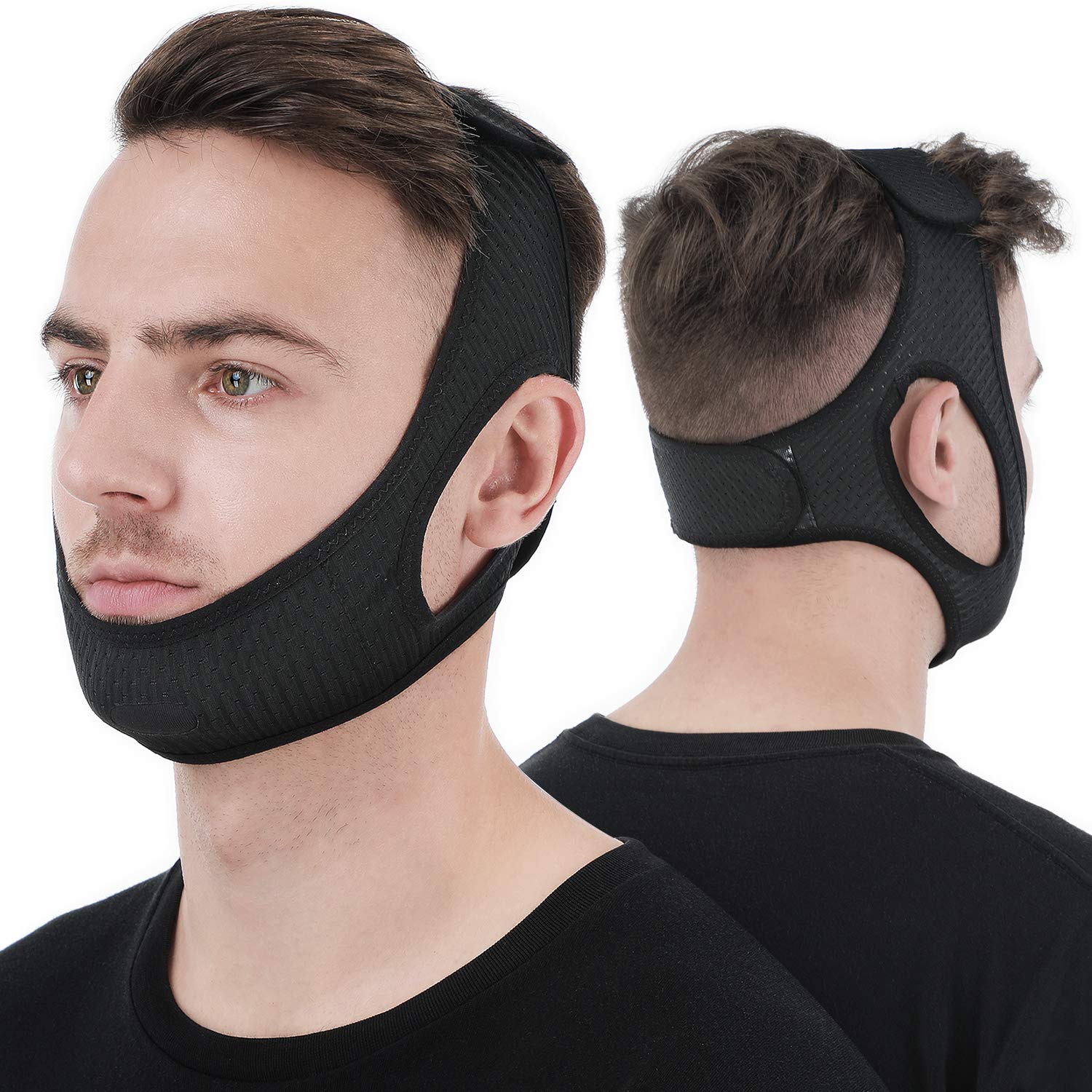
Generic anti-snore chin straps are the low-score, low-cost reusable option when people refuse adhesives. They can reduce mouth opening for some users, but they are blunt instruments: bulky, variable quality, and still inappropriate as self-treatment for suspected OSA. Prefer nasal openers first; prefer vented mouth strips if you need lip closure and can tolerate tape. A chin strap supports jaw position. It does not guarantee nasal breathing if the nose is blocked — and forcing jaw closure with congestion is a bad idea. Fit matters. A strap that hurts the TMJ, ears, or scalp will wreck sleep faster than mouth breathing does. If snoring comes with gasping, witnessed pauses, or morning headaches, skip Amazon chin-strap roulette and ask about a sleep study.
Estimated ownership: about $15 in year 1 and
$45 over 3 years.
Cheap reusable strap with occasional replacement. Ownership cost is low; comfort and clinical appropriateness matter more than price.
Detailed reviews
SomniFix Mouth Strips
Pros
Cons
Choose this if
Skip this if
Hostage Tape
Pros
Cons
Choose this if
Skip this if
Rhinomed Mute
Pros
Cons
Choose this if
Skip this if
MyoTape
Pros
Cons
Choose this if
Skip this if
Breathe Right Extra Strength
Pros
Cons
Choose this if
Skip this if
Intake Breathing
Pros
Cons
Choose this if
Skip this if
Niveus Silicone Tape
Pros
Cons
Choose this if
Skip this if
3M Micropore Tape
Pros
Cons
Choose this if
Skip this if
Nexcare Sensitive Skin Tape
Pros
Cons
Choose this if
Skip this if
Anti-Snore Chin Strap
Pros
Cons
Choose this if
Skip this if
How to choose without getting marketed
- Screen for red flags. Gasping, witnessed apneas, refractory sleepiness → clinical path.
- Clear the nose. Saline, allergy control, side-sleeping, or a nasal opener trial first.
- Run a cheap tape test. Micropore/Nexcare for a few nights beats a year supply of brand tape.
- Upgrade for a failure mode. Anxiety → vented strips. Peeling → stronger hold. Hate sealing → MyoTape. Nose collapses → Mute/Breathe Right/Intake.
- Track boring outcomes. Dry mouth, morning throat, partner snoring notes, skin irritation — not miracle energy claims.
- Stop if it feels wrong. Devices should be reversible experiments.
Quick recommendations by persona
- Anxious first-timer: SomniFix
- Beard / peel-off problems: Hostage Tape
- Hate full seal: MyoTape
- Sensitive skin Amazon option: Niveus silicone strips
- Budget tester: 3M Micropore or Nexcare
- External nasal lift: Breathe Right Extra Strength
- Reusable internal dilator: Mute
- Premium magnetic kit: Intake Breathing
- No adhesives: chin strap (low expectations)
It can be a reasonable n=1 experiment for some healthy adults with a clear nose and no red-flag breathing symptoms — if you use easy-to-remove tape and can stop immediately. It is not safe as a DIY treatment for suspected sleep apnea, severe congestion, or panic around restricted breathing. When in doubt, talk to a clinician first. No. Mouth tape does not keep the airway open the way CPAP or prescribed oral appliances can. Loud snoring, witnessed apneas, gasping, and unrefreshing sleep need clinical evaluation — not stronger adhesive. Open the nose first. Congestion, allergies, a deviated septum, or collapsed nasal valves make mouth breathing a backup strategy. Nasal strips, dilators, saline, or allergy care often matter more than tape. Start with the lowest-friction option you will actually try: SomniFix-style vented strips if sealing the mouth feels scary, MyoTape if you want around-the-mouth training without a full seal, Hostage Tape if you already tolerate tape and need stronger hold (including some beards). Budget Micropore/Nexcare works as a cheap concept test. Different mechanisms. Breathe Right pulls externally. Mute stents internally and is reusable within a pack. Intake uses a magnetic band plus adhesive tabs and costs more up front. Pick based on comfort and whether external stickers or internal dilators bother you more. Sometimes for people who hate adhesives or use nasal CPAP with mouth leak — but straps are bulkier and less precise. They are a form-factor alternative, not a better medical therapy. Rule out red flags, clear congestion, try side-sleeping and nasal hygiene, then trial cheap medical tape for a few nights. Only upgrade branding if adhesion, skin, or anxiety is the failure mode.Mouth taping and nasal breathing FAQ
Is mouth taping safe in 2026?
+
Can mouth tape fix sleep apnea?
+
Should I tape my mouth or open my nose first?
+
SomniFix vs Hostage Tape vs MyoTape — which first?
+
Are Breathe Right strips better than Mute or Intake?
+
Do chin straps replace mouth tape?
+
What should I do before buying anything?
+
This comparison is designed for practical decision-making. Product capabilities, pricing, and memberships change quickly, so treat battery claims, plan costs, and feature availability as moving targets.
American Academy of Sleep Medicine clinical practice guideline for diagnostic testing of adult OSA
Mouth taping and nasal dilators are not diagnostic tools or substitutes for evaluation when apnea is suspected.
NIH / MedlinePlus overview of snoring and related breathing concerns
Supports interest in nasal breathing while leaving room for individual anatomy, congestion, and disease. Useful for understanding vented-strip design intent; not equivalent to large independent outcome trials for all brands.
Buteyko Clinic / MyoTape educational materials
Explains the around-the-mouth design philosophy and gradual transition use cases.
Breathe Right nasal strips product information
Sizing, adhesives, reuse rules, and contraindications change by SKU — verify packaging before overnight use.
Affiliate disclosure: some product links on Keersa Health may earn a commission at no extra cost to you.
Editorial recommendations are independent of commercial relationships.
Read our full disclosure.
Sources and editorial notes
Bottom line
Mouth taping and nasal devices can help selected people breathe through the nose more of the night — especially when congestion and dry mouth are the real complaints. They are not apnea therapy, not a substitute for a clear airway, and not worth skin damage or panic. Start with nose-first basics and the gentlest tape that answers your question; buy branded systems only after a cheap trial proves the habit is worth optimizing.
Start with the overview if you have not yet: The Sleep Protocol. Related deep dives: wearable trackers, smart beds, circadian lighting, blue light blocking, and sleep apnea beyond CPAP.