Sleep guide · Updated 2026
Wearable Sleep Trackers Compared: Oura, WHOOP, Apple Watch, Fitbit & More
A detailed 2026 comparison of the major wearable sleep trackers — including Oura, WHOOP, Apple Watch, Fitbit, Garmin, Samsung Galaxy Ring, and more — with deep device reviews, cost-of-ownership estimates, and an interactive feature table.
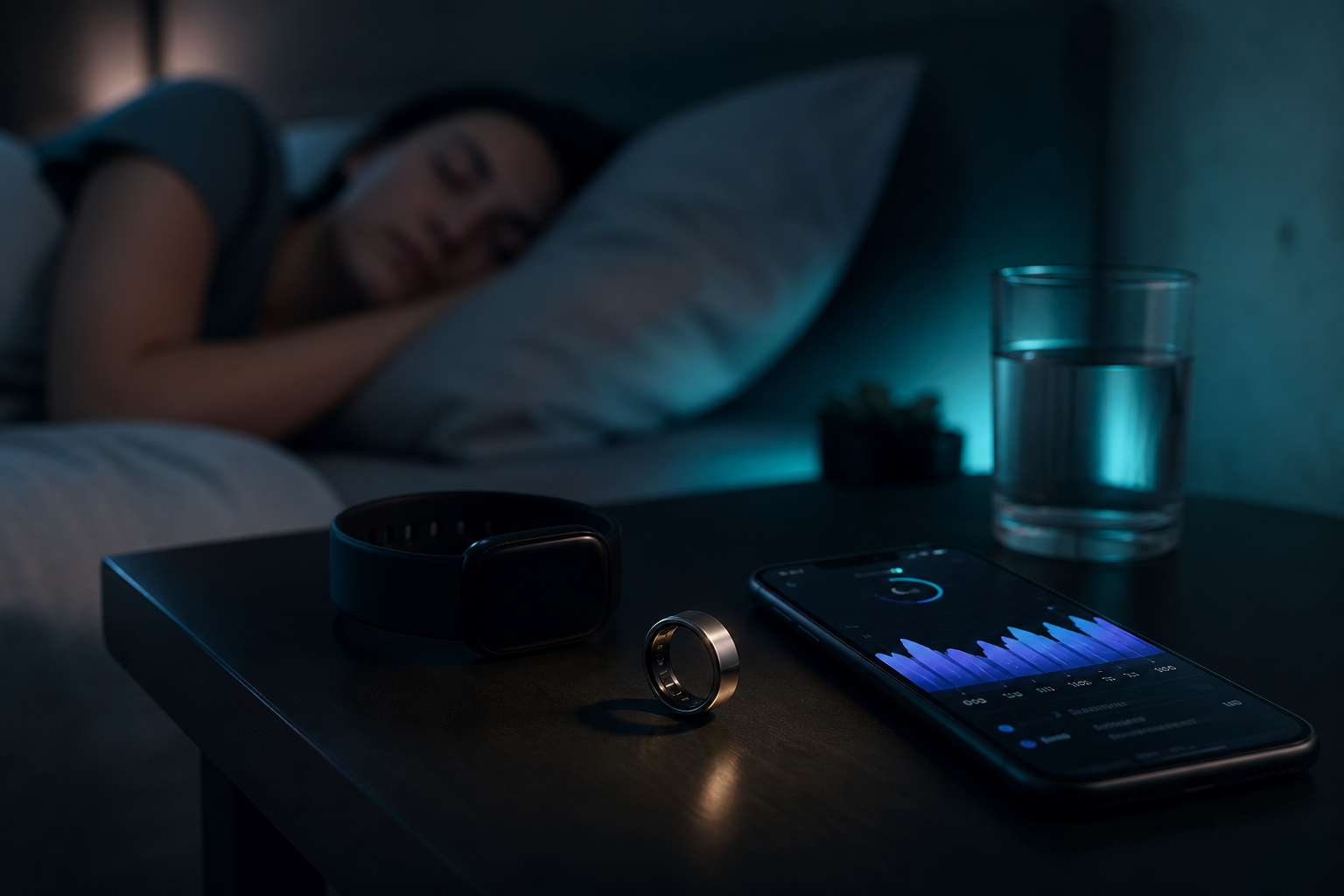
Wearable sleep trackers have moved from athlete novelty to everyday kit in 2026 — worn by people chasing recovery scores, desk workers watching sleep debt, and anyone who wants a nightly dashboard. The category now includes smart rings, recovery bands, full smartwatches, and under-mattress sensors. This guide compares the major options on sleep staging, HRV, SpO2, skin temperature, battery life, membership costs, comfort, and real-world fit — so you can choose based on use case and total cost, not hype.
At a high level, these devices estimate how long you slept, when you woke, and often rough sleep stages, resting heart rate, and recovery context. Smart rings and recovery bands are built for overnight wear and multi-day trends. Smartwatches add daytime training, notifications, and GPS at the cost of bulk and charging. Under-mattress sensors skip the wearable entirely and track the bed instead of your wrist.
What they do well is give you a personal baseline: bedtime consistency, rough sleep duration, and whether a change in routine shows up over weeks. What they do not do is replace a clinical sleep study. If you need answers about apnea or unexplained sleepiness, use a tracker as context — not as a diagnosis — and see our wearable vs clinical sleep studies guide.
Key takeaways
- Best overall for most people: Oura Ring 4 — comfort + sleep-centric insights.
- Best for athletes: WHOOP 5.0 — strain/recovery loop with continuous wear.
- Best no-subscription hybrid: Garmin Venu 3 — sleep tools plus excellent battery.
- Best value: Fitbit Charge 6 — approachable sleep scoring without luxury pricing.
- Best wearable-free option: Withings Sleep Analyzer.
- Biggest hidden factor: adherence. The tracker you wear for 30 straight nights beats a “more accurate” device you abandon.
How we evaluate sleep trackers
Editorial scores in this guide are weighted toward practical sleep outcomes, not gadget novelty. We score each device across five pillars:
- Overnight adherence (25%) — comfort and battery continuity.
- Sleep signal usefulness (25%) — sleep timing, staging utility, and recovery context.
- Insight quality (20%) — whether the app helps you change behavior.
- Ownership cost (15%) — hardware plus likely 1- and 3-year membership burden.
- Ecosystem fit (15%) — phone platform, training needs, and daily-wear overlap.
Important limitation: Keersa Health scores are editorial synthesis based on publicly documented specs, established product categories, and published validation themes around consumer wearables. They are not lab certifications. Firmware, membership tiers, and regional pricing change — verify before buying.
How wearable sleep trackers work
Most consumer sleep wearables estimate sleep with optical heart-rate sensors (PPG), accelerometers, and often skin-temperature sensors. Algorithms infer sleep onset, wake events, and stages such as light, deep, and REM. Some devices add SpO2 sampling for breathing-disturbance signals.
Critical accuracy caveat: wearable sleep tracking is an estimate, not a medical sleep study. Polysomnography remains the clinical gold standard. That does not make wearables useless. For many people, consistent personal baselines are more valuable than chasing a single absolute score.
Metrics that matter most
- Total sleep time and efficiency — the foundation of any useful dashboard.
- Sleep staging — helpful for multi-week patterns, easy to overread nightly.
- HRV and resting heart rate — recovery context linking sleep to daytime readiness.
- Skin temperature deviation — useful for illness, cycle, and recovery shifts.
- Adherence — the tracker you wear every night beats a better device in a drawer.
Interactive comparison
Filter by form factor, sort by score or price, and pin up to three options for a focused side-by-side view.
Tradeoff:
Sticker price is misleading in this category. Membership-heavy products can cost more over three years than premium hardware with no required plan.
Estimates are directional and based on common public pricing patterns. Promotions, refurbished units, family plans, and tier changes can move these numbers materially.
3-year cost of ownership
Device
Year 1
3-year estimate
Amazon Price
Membership
Oura Ring 4
$419
$559
$349
Optional / recommended
WHOOP 5.0
$239
$717
$288
Required membership
Ultrahuman Ring Air
$349
$349
$299
No required membership
Garmin Venu 3
$449
$449
$364
None required
Samsung Galaxy Ring
$399
$399
$399
No required membership
Withings ScanWatch 2
$349
$349
$295.99
None required
Apple Watch Ultra 2
$799
$799
$799
None for core sleep
Fitbit Charge 6
$159
$159
$159.49
Premium optional
Google Pixel Watch 3
$349
$349
$149.99
Fitbit Premium optional
Apple Watch Series
$399
$399
$399
None for core sleep
Withings Sleep Analyzer
$150
$150
$199.95
None required
Amazfit Helio Ring
$299
$299
$149.99
No required membership
Smart rings vs watches vs bands for sleep
Form factor is usually the biggest decision. A smart ring sleep tracker prioritizes comfort and battery. A smartwatch sleep tracker prioritizes daytime utility. A recovery band prioritizes continuous physiology and coaching. An under-mattress sensor removes wearables entirely.
Choose a ring if...
- You dislike sleeping with a watch
- You want multi-day battery for uninterrupted trends
- Sleep and recovery are the primary reasons to buy
Choose a watch if...
- You already live in Apple, Google, or Garmin ecosystems
- You want GPS, notifications, and training features in one device
- You are willing to charge more often
Choose a band if...
- You want continuous strain/recovery coaching
- You prefer screenless overnight wear
- You accept membership pricing for hardware access and insights
Choose a bedside sensor if...
- You refuse on-body wearables at night
- You mainly care about home-bed sleep detection
- You want apnea-risk oriented signals without a ring or watch
Below are deeper notes on every option in the comparison table, sorted by editorial score. Jump directly from the table pins or the cost section.
Oura · Ring
Best for: Holistic sleep + recovery scoring
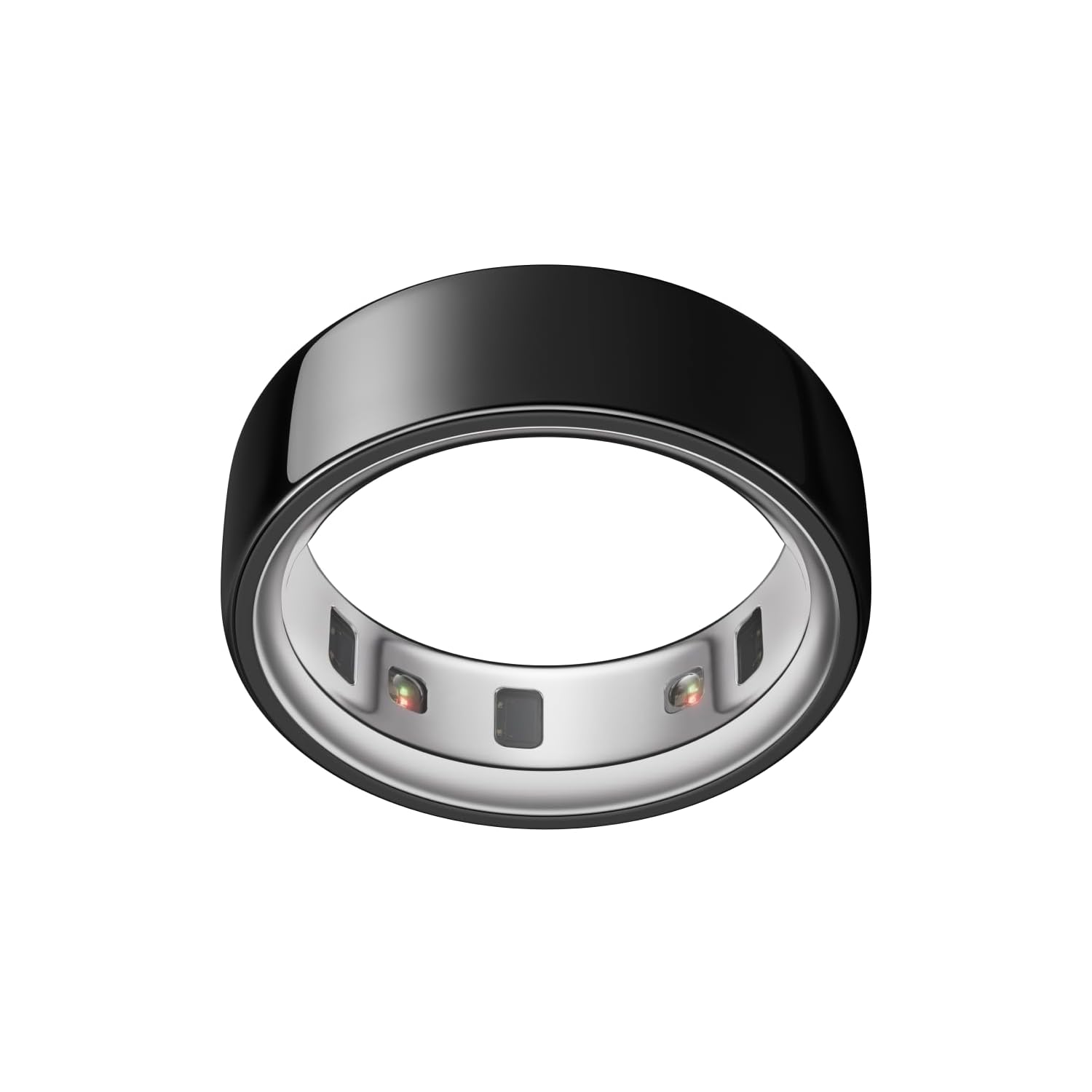
Oura Ring 4 is the default recommendation for most people whose primary goal is better sleep tracking. The ring form factor is easy to wear every night, the app presents sleep stages and recovery context clearly, and long-term temperature and HRV trends are more useful than one-off scores. It is not a clinical sleep study replacement, but it is one of the strongest consumer systems for building a personal sleep baseline. Where Oura stands out is adherence. A tracker only helps if you wear it through weekends, travel, and imperfect nights. Rings generally win here versus bulky watches. Oura also pairs sleep duration and staging with readiness-style recovery context, so users can connect late nights, alcohol, illness, or training load to next-day physiology. The main buying tension is membership value. Core tracking can still be useful, but many of the deeper insights and long-term reporting are stronger with a paid plan. Fit also matters: a loose ring can degrade optical signal quality. If you are between sizes, prioritize fit over aesthetics. Choose Oura if sleep quality, comfort, and trend tracking matter more than notifications or GPS. Skip it if you want a full smartwatch experience or refuse any subscription ecosystem.
Estimated ownership: about $419 in year 1 and
$559 over 3 years.
Assumes hardware at ~$349 plus membership (~$70/year). Exact tiers vary.
WHOOP · Band
Best for: Athletes optimizing strain and recovery
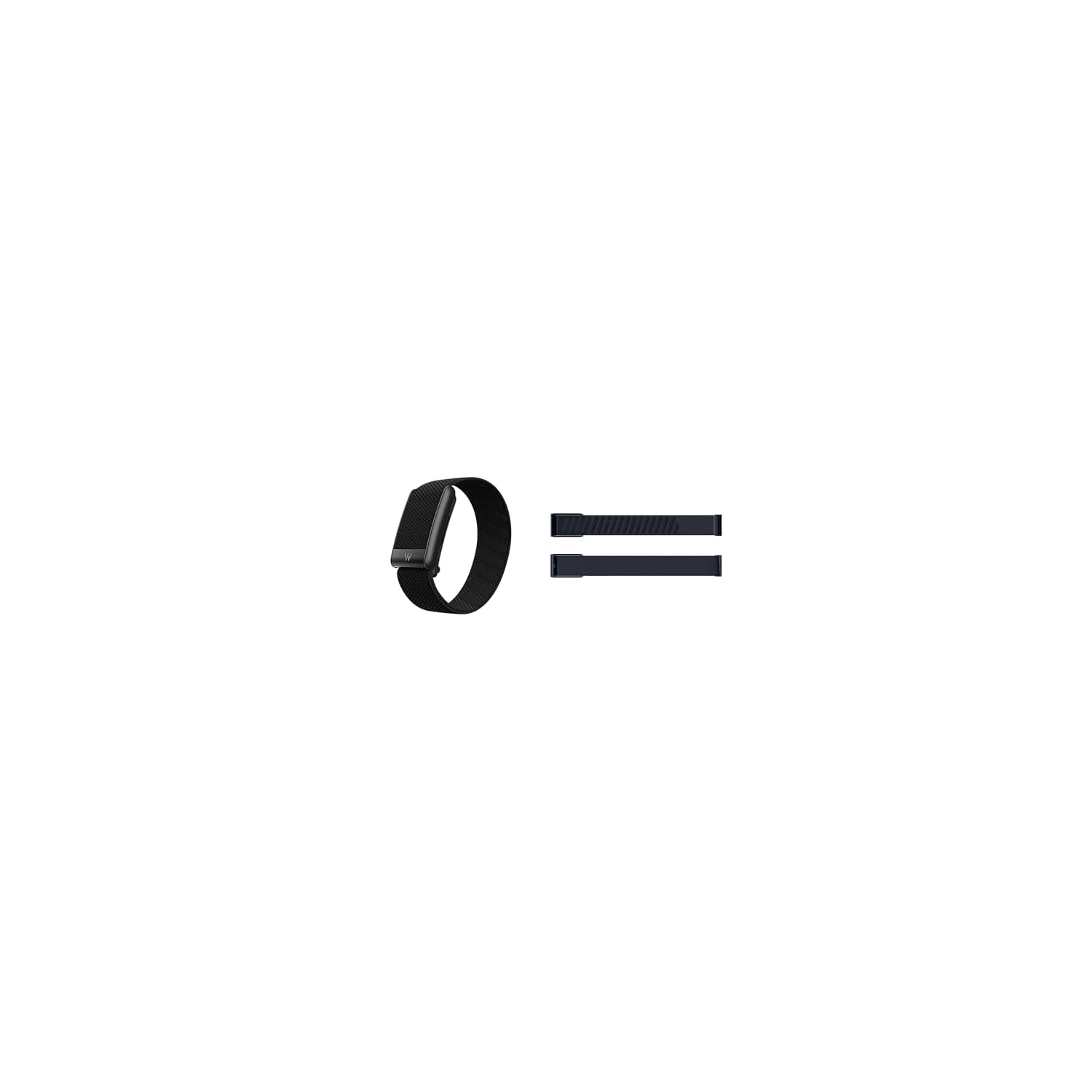
WHOOP 5.0 is less a sleep gadget and more a recovery operating system. Sleep is one input into a broader loop of strain, recovery, and coaching. If you train hard and want prescriptions rather than just charts, WHOOP is one of the best options available. WHOOP’s sleep value comes from continuity. Battery life and the battery-pack charging approach reduce the data gaps that plague daily-charge watches. That matters when you are trying to understand sleep debt, restorative sleep, and readiness across a training block. The membership model is the real product. You are paying for ongoing coaching infrastructure, not a one-time gadget. Over three years that can cost more than a ring plus light membership, so WHOOP only makes sense if you will use the feedback loop. Choose WHOOP if athletic recovery decisions are the point. Skip it if you mainly want comfortable sleep staging without a subscription identity.
Estimated ownership: about $239 in year 1 and
$717 over 3 years.
Membership-driven model; hardware access is bundled with plan pricing that varies by tier.
Ultrahuman · Ring
Best for: Ring tracking without a mandatory subscription
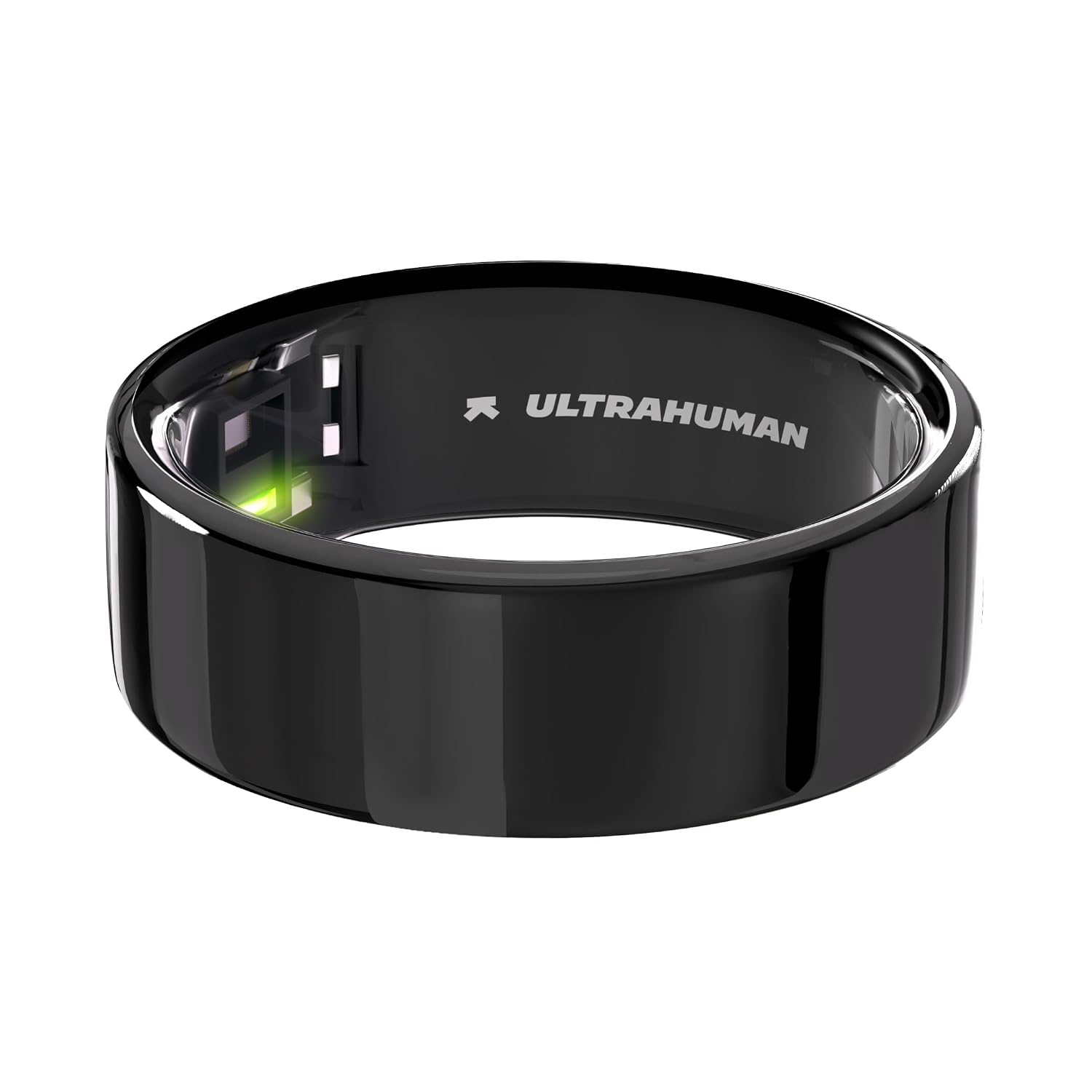
Ultrahuman Ring Air is one of the strongest alternatives for buyers who want ring-based sleep tracking without feeling locked into a mandatory membership. It covers the core biometric set most people care about — sleep staging, HRV, SpO2, and temperature — while leaning into a more modular insights style. The appeal is simple: ring comfort plus lower long-term cost friction. For users comparing three-year ownership against Oura or WHOOP, Ultrahuman can look attractive if the app workflow fits how you review data. The tradeoff is maturity. Oura has a longer public track record and denser third-party discussion around sleep validation. Ultrahuman is competitive on paper and useful in practice for many users, but you should evaluate app stability, support, and feature cadence before committing. Choose Ultrahuman if you want a smart ring and hate subscriptions. Skip it if you specifically want the most established sleep-ring ecosystem.
Estimated ownership: about $349 in year 1 and
$349 over 3 years.
Hardware-focused estimate assuming no required membership for core features.
Garmin · Watch
Best for: Training-focused users who also care about sleep
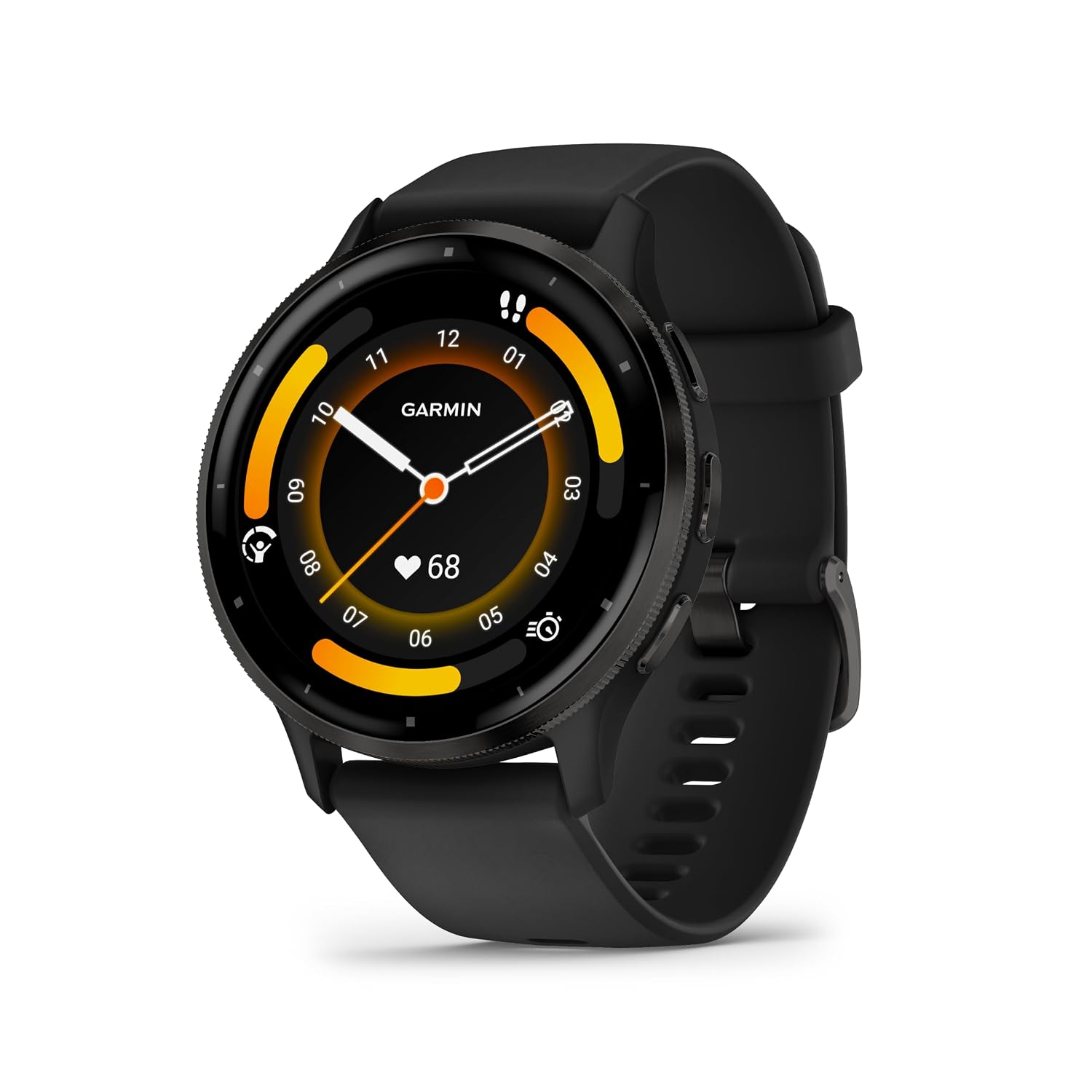
Garmin Venu 3 is easy to underestimate in sleep conversations because people assume Garmin equals running watches. In reality, Sleep Coach, HRV Status, and multi-week battery life make it one of the best no-subscription sleep-and-training hybrids. Battery life is the strategic advantage. Two weeks of wear means fewer gaps and less bedtime charging anxiety than Apple or Pixel watches. Garmin’s sleep tools are practical rather than flashy. If you want guidance tied to training readiness and body-battery style energy concepts, the ecosystem feels coherent. Choose Venu 3 if you train regularly and refuse subscriptions. Skip it if you want a jewelry-like ring or a maximalist smartwatch app store.
Estimated ownership: about $449 in year 1 and
$449 over 3 years.
One-time hardware purchase with no required sleep subscription.
Samsung · Ring
Best for: Android users in the Galaxy ecosystem
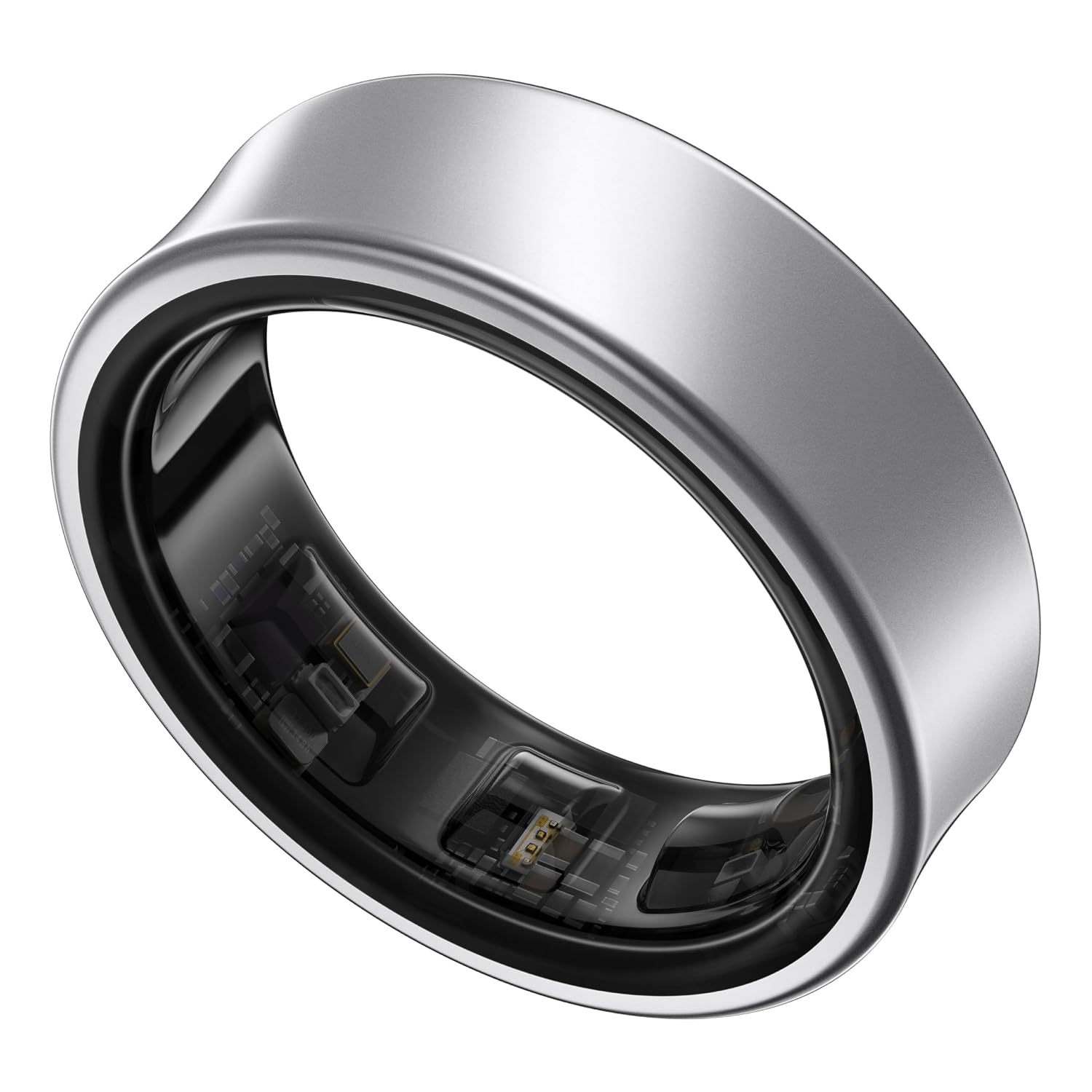
Samsung Galaxy Ring makes the most sense for people already living in the Galaxy ecosystem. Sleep stages, energy scoring, and health integration are designed to feel native with Samsung phones and Galaxy Watch pairings, which can be a major advantage over mixed-platform setups. As a sleep device, the Galaxy Ring follows the same logic as other strong rings: comfort, multi-day battery, and continuous overnight biometrics. Samsung’s differentiator is software cohesion for Android users who already sync activity, vitals, and routines through Galaxy Health. The limitation is platform gravity. If you are on iPhone, the experience is less compelling. Even on Android, non-Samsung phones may get a thinner feature set than a flagship Galaxy device. Choose Galaxy Ring if your phone, watch, and health data already center on Samsung. Skip it if you want the best cross-platform ring regardless of phone brand.
Estimated ownership: about $399 in year 1 and
$399 over 3 years.
Assumes one-time hardware purchase without required membership.
Withings · Watch
Best for: Medical-leaning users who want long battery life
Withings ScanWatch 2 targets buyers who want health signals without smartwatch noise. Month-scale battery life, hybrid design, and medical-leaning metrics make it especially appealing if you care about continuity more than apps. For sleep specifically, long battery life is a quiet superpower. Fewer charge cycles mean fewer missing nights and cleaner longitudinal data. ScanWatch is not trying to beat Apple at notifications or WHOOP at coaching intensity. It aims for understated health monitoring that looks like a watch and behaves like a measurement tool. Choose ScanWatch 2 if you want discreet tracking and long battery. Skip it if you need a vibrant app ecosystem or aggressive recovery coaching.
Estimated ownership: about $349 in year 1 and
$349 over 3 years.
One-time hardware estimate with no required membership.
Apple · Watch
Best for: iPhone users who want one wearable for everything
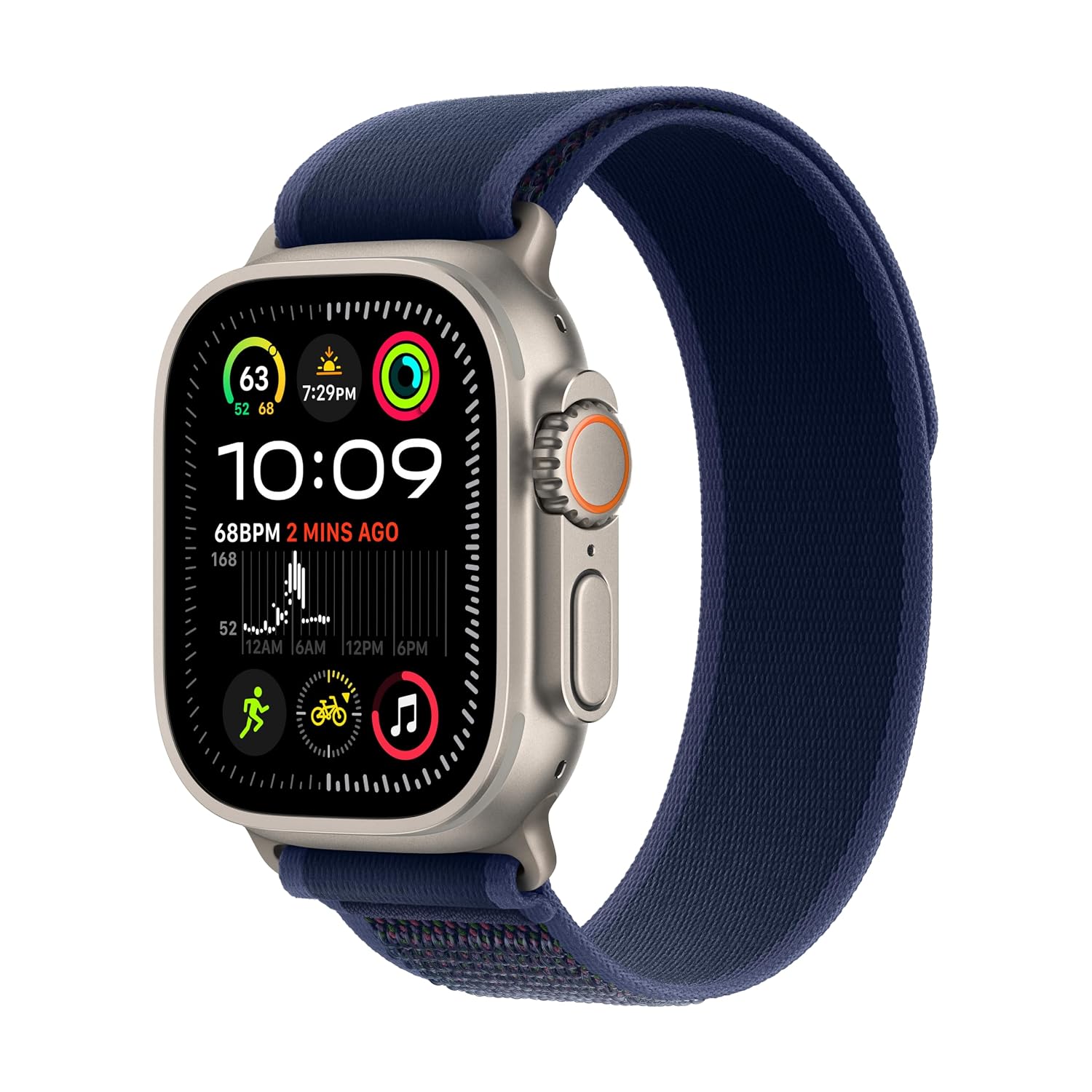
Apple Watch Ultra 2 is the best “one device” sleep option for many iPhone users. Sleep stages, vitals, and Health app history are polished, and daytime utility is unmatched. The catch is the same Apple Watch problem: charging habits can interrupt overnight trend continuity. Ultra improves endurance versus standard Apple Watch models, which helps sleep tracking in practice. Still, it is not a week-long ring. If you forget to charge before bed, you lose the night that mattered. Where Ultra wins is consolidation. If you already want dive/adventure durability, training metrics, notifications, and sleep in one purchase, paying for a separate ring may be unnecessary. Choose Ultra if your wearable life is already Apple-centric and sleep is one major feature among many. Skip it if sleep specialization and multi-day wear are the top priorities.
Estimated ownership: about $799 in year 1 and
$799 over 3 years.
Hardware-only estimate; Apple Watch Ultra is expensive upfront but has no sleep membership wall.
Google / Fitbit · Band
Best for: Budget-friendly dedicated sleep and activity tracking
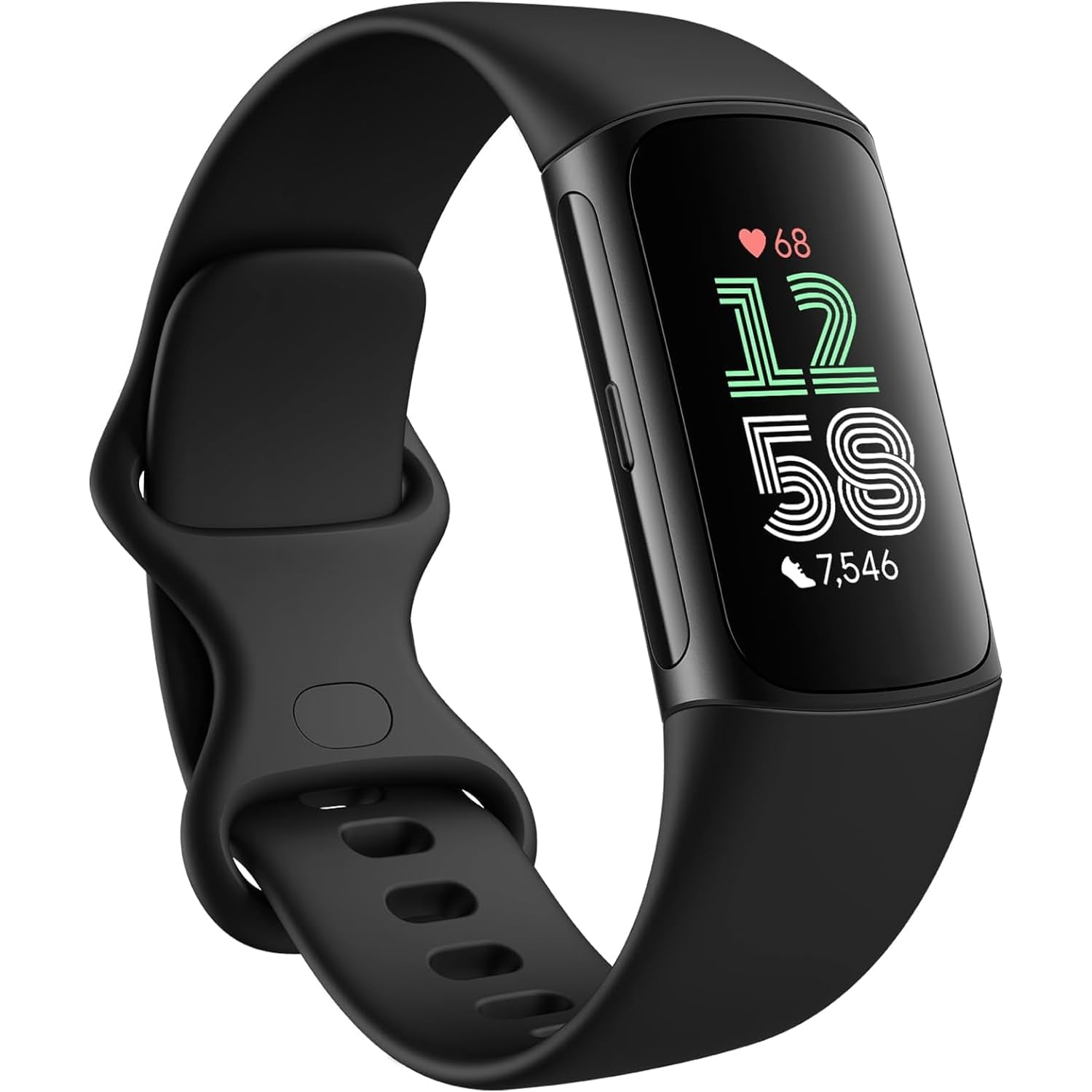
Fitbit Charge 6 remains one of the best value sleep trackers you can buy. It is not the flashiest device in this guide, but it combines familiar Sleep Score tooling, week-scale battery life, and a price that makes experimentation low-risk. Fitbit’s historical strength is approachability. Beginners get a readable sleep score and stage breakdown without needing an athlete identity or luxury-ring budget. Premium can unlock more coaching and richer reporting, but many users do fine without it. That flexibility is a real advantage versus membership-mandatory products. Choose Charge 6 if you want dedicated sleep/activity tracking on a budget. Skip it if you need a full smartwatch or the most advanced recovery coaching.
Estimated ownership: about $159 in year 1 and
$159 over 3 years.
Hardware-only baseline; Premium is optional for deeper insights.
Google · Watch
Best for: Pixel phone users wanting Fitbit sleep intelligence
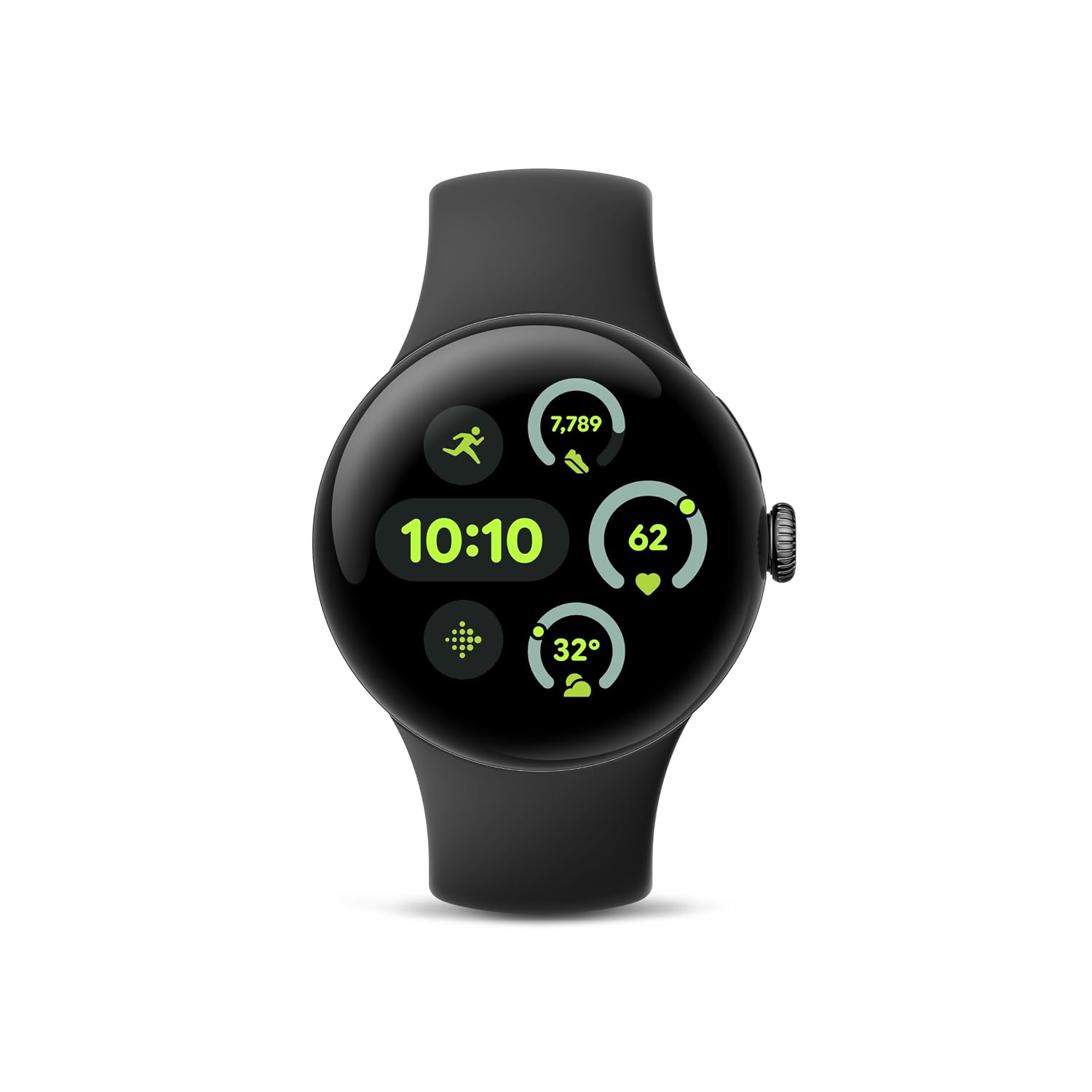
Pixel Watch 3 is Google’s argument that Fitbit sleep intelligence belongs on a full smartwatch. For Pixel phone owners, the combination of Wear OS convenience and Fitbit sleep scoring is cohesive and attractive. Sleep quality here is less about reinventing sensors and more about software familiarity. Fitbit’s sleep stage and score framework still resonates with users who want quick interpretation. Battery life remains the constraint. Like most modern smartwatches, Pixel Watch asks for frequent charging, which can interrupt sleep streaks. Choose Pixel Watch 3 if your phone is Pixel and you want one wearable for apps plus Fitbit-style sleep. Skip it if battery life or sleep specialization come first.
Estimated ownership: about $349 in year 1 and
$349 over 3 years.
Hardware baseline; Fitbit Premium remains optional.
Apple · Watch
Best for: Everyday iPhone users tracking sleep as one feature
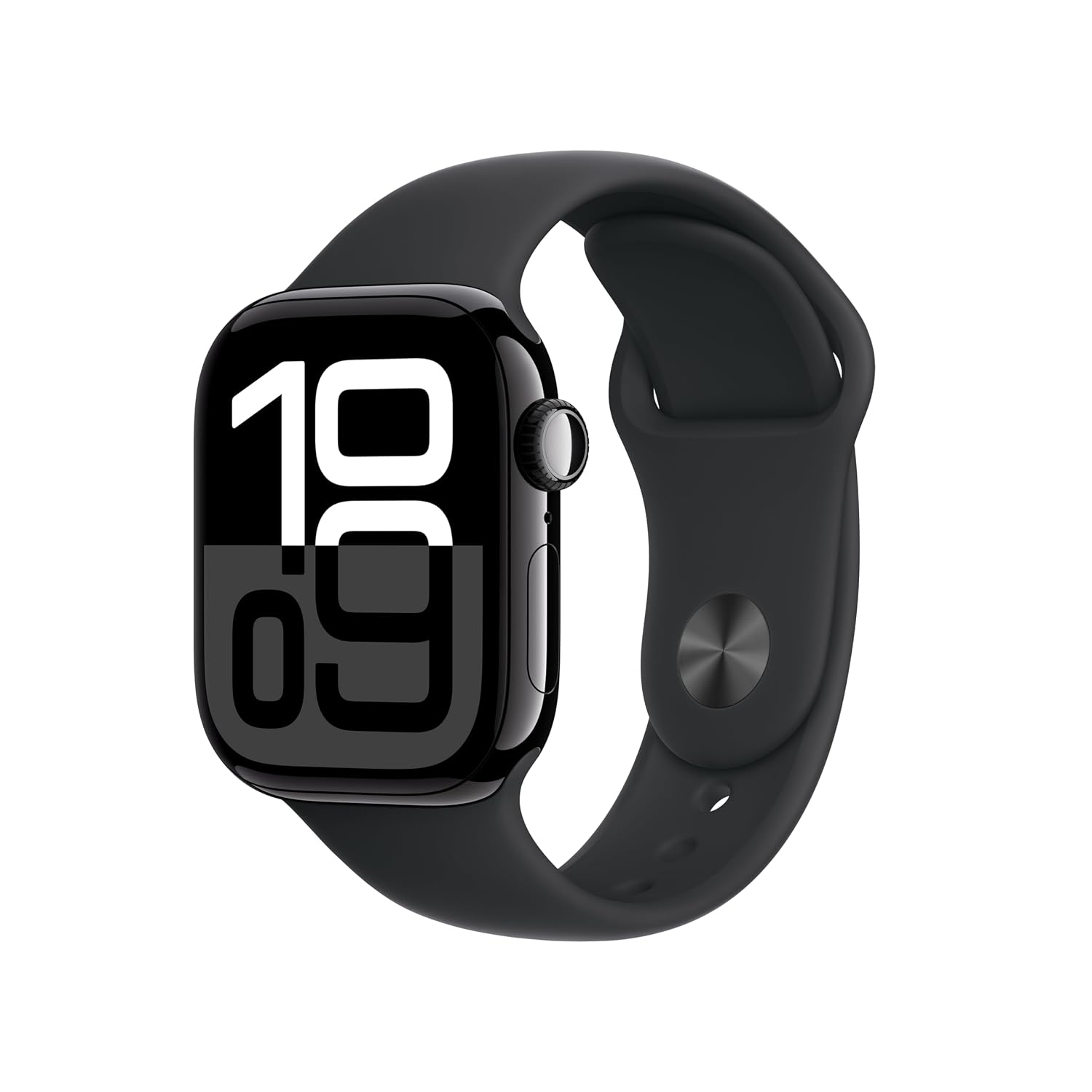
The standard Apple Watch Series is good enough sleep tracking for millions of people because they already wear it. Sleep stages, bedtime schedules, and morning summaries are cleanly integrated into iPhone habits. It is rarely the best specialized sleep device, but it is often the most practical. Practicality matters more than perfection. If the alternative is buying a second wearable you forget to charge, Apple Watch sleep features win by default. The weakness is trend integrity. Daily charging before bed creates exactly the wrong failure mode for sleep analysis. Users who care deeply about multi-week sleep experiments usually add a ring or move to Garmin. Choose Apple Watch Series if you already wanted one for daily life. Skip it as a dedicated sleep purchase if you do not need the smartwatch features.
Estimated ownership: about $399 in year 1 and
$399 over 3 years.
Assumes a current Series purchase with no sleep membership.
Withings · Bedside
Best for: Wearable-free sleep apnea screening signals
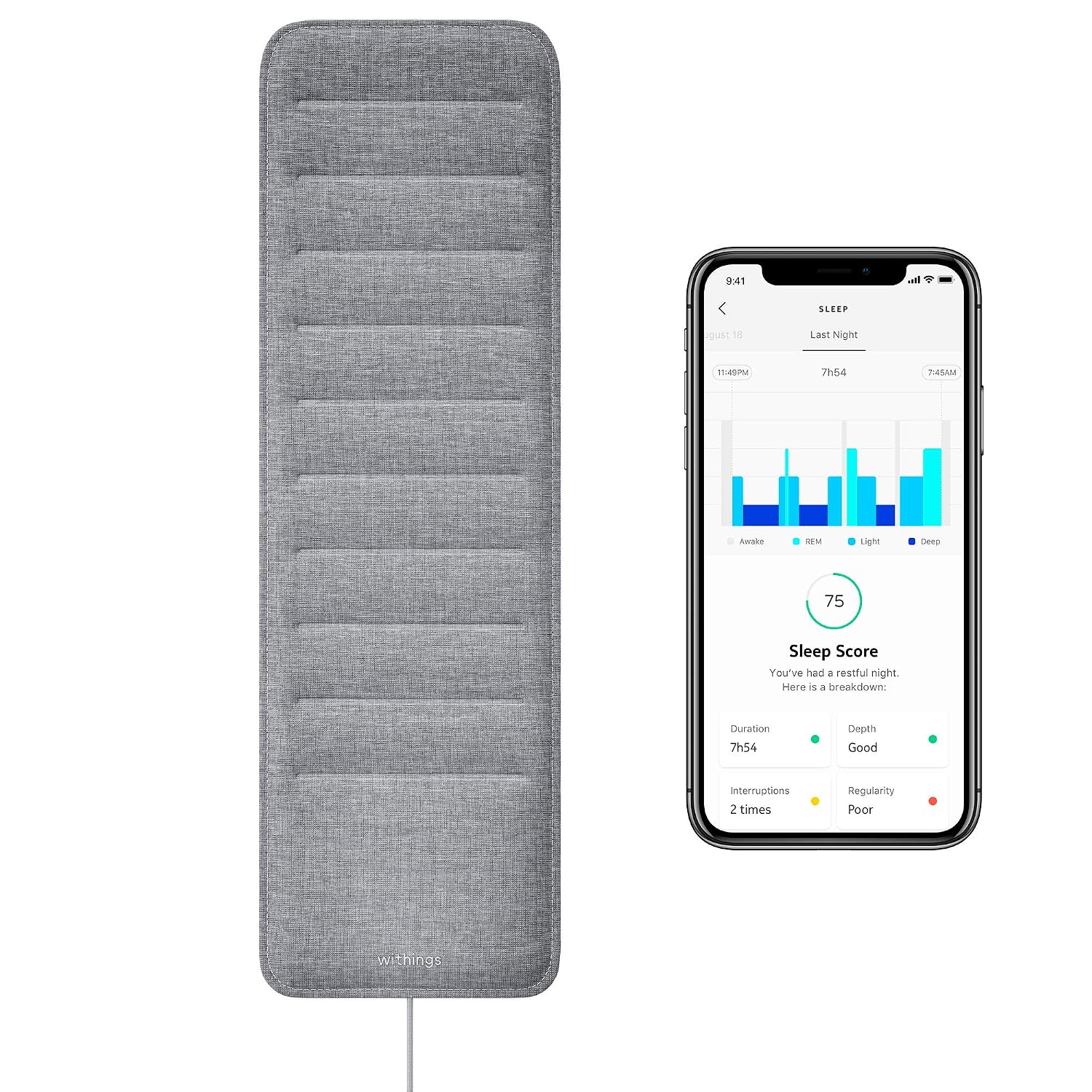
Withings Sleep Analyzer is the best answer for people who refuse to wear anything to bed. As an under-mattress sensor, it removes comfort objections entirely and focuses on sleep detection plus breathing-disturbance risk signals. This is not a direct like-for-like versus Oura or WHOOP. You lose portable daytime recovery context, but you gain zero on-body friction and automatic tracking for the bed where it is installed. It is especially relevant for users curious about snoring or apnea-related risk flags who still understand that consumer sensors are not diagnostic devices. Choose Sleep Analyzer if wearables are a non-starter. Skip it if you travel often or want HRV/recovery coaching throughout the day.
Estimated ownership: about $150 in year 1 and
$150 over 3 years.
One-time device cost; always-on powered sensor with no wearable membership.
Amazfit · Ring
Best for: Lower-cost entry into smart rings
Amazfit Helio Ring is best understood as an accessible on-ramp to smart rings. You get the comfort advantages of a ring and the usual biometric checklist at a more approachable price, with fewer expectations around ecosystem prestige. For buyers who want to test whether they even like sleeping in a ring, Helio can be a rational first purchase. The cost of being wrong is lower than with premium rings. The compromise is confidence. Compared with Oura, there is less public validation discourse and often less polish in insights and long-term feature depth. Choose Helio Ring if budget and curiosity matter most. Skip it if you want the most trusted sleep-ring experience available.
Estimated ownership: about $299 in year 1 and
$299 over 3 years.
Hardware-focused estimate with no required membership.
Detailed reviews
Oura Ring 4
Pros
Cons
Choose this if
Skip this if
WHOOP 5.0
Pros
Cons
Choose this if
Skip this if
Ultrahuman Ring Air
Pros
Cons
Choose this if
Skip this if
Garmin Venu 3
Pros
Cons
Choose this if
Skip this if
Samsung Galaxy Ring
Pros
Cons
Choose this if
Skip this if
Withings ScanWatch 2
Pros
Cons
Choose this if
Skip this if
Apple Watch Ultra 2
Pros
Cons
Choose this if
Skip this if
Fitbit Charge 6
Pros
Cons
Choose this if
Skip this if
Google Pixel Watch 3
Pros
Cons
Choose this if
Skip this if
Apple Watch Series
Pros
Cons
Choose this if
Skip this if
Withings Sleep Analyzer
Pros
Cons
Choose this if
Skip this if
Amazfit Helio Ring
Pros
Cons
Choose this if
Skip this if
How to choose the right sleep tracker
- Pick the form factor you will wear for 30 nights. Adherence beats spec sheets.
- Decide your membership tolerance. WHOOP requires it; Oura/Fitbit reward it; Garmin/Withings mostly do not.
- Match ecosystem. Apple Watch for iPhone, Galaxy Ring for Samsung, Garmin for training depth.
- Prioritize battery if sleep is the main goal. Multi-day devices create cleaner baselines.
- Use scores as trends, not verdicts. Compare yourself to yourself over weeks.
- Calculate three-year cost before checkout. A cheaper device with mandatory membership can lose on total ownership.
Quick recommendations by persona
- Sleep optimizer: Oura Ring 4
- Athlete: WHOOP 5.0
- No-subscription hybrid trainer: Garmin Venu 3
- Budget starter: Fitbit Charge 6
- iPhone generalist: Apple Watch Ultra 2 or current Series
- Galaxy Android user: Samsung Galaxy Ring
- Wearable-free sleeper: Withings Sleep Analyzer
No consumer wearable matches clinical polysomnography. Among consumer options, rings such as Oura and continuous bands such as WHOOP usually produce more consistent overnight datasets than watches that need nightly charging. Accuracy depends on fit, firmware, and which metric you care about most: total sleep time is generally stronger than stage-by-stage precision. For most sleep-first buyers, Oura is the better default because of comfort and sleep-centric reporting. WHOOP is stronger when sleep is one input into athletic strain and recovery decisions. If you train hard and want coaching prescriptions, WHOOP can win. If you want nightly adherence and sleep trend clarity, Oura usually wins. WHOOP requires membership for normal use. Oura and Fitbit offer deeper insights with optional paid plans. Garmin, Withings, Ultrahuman, Samsung, and Amazfit generally keep core sleep tracking usable without a mandatory subscription. Always compare three-year ownership cost, not just hardware sticker price. Rings usually win on comfort and multi-night battery life, which improves adherence and trend quality. Watches win if you want daytime notifications, GPS, and one device for everything. The best choice depends on whether sleep is your primary use case or one feature among many. No. Consumer wearables and under-mattress sensors can surface risk signals such as breathing disturbances or SpO2 dips, but they are not diagnostic devices. Use them as screening context and confirm concerns with a clinician or formal sleep study. Start with total sleep time, sleep efficiency, resting heart rate, HRV trends, and whether you actually wear the device every night. Sleep staging is useful for patterns over weeks, but it is easy to over-interpret night to night. Temperature deviation can help flag illness or recovery shifts. Compare yourself to your own baseline over 2–4 weeks. Look for patterns around alcohol, late meals, travel, training load, and bedtime variability. One bad score is noise. Repeated drops after the same behavior are information.Wearable sleep tracker FAQ
What is the most accurate wearable sleep tracker in 2026?
+
Is Oura better than WHOOP for sleep?
+
Do I need a subscription for a sleep tracker?
+
Are smart rings better than smartwatches for sleep?
+
Can a sleep tracker diagnose sleep apnea?
+
What metrics matter most on a sleep wearable?
+
How should I use sleep scores without obsessing?
+
This comparison is designed for practical decision-making. Product capabilities, pricing, and memberships change quickly, so treat battery claims, plan costs, and feature availability as moving targets.
Foundational review context for why wearables estimate sleep rather than replace PSG, and why validation methods matter. Peer-reviewed comparison of consumer wearable sleep metrics versus laboratory reference standards.
Oura Ring product documentation
Battery, sensor, and membership details change by firmware and region; verify before purchase.
Affiliate disclosure: some product links on Keersa Health may earn a commission at no extra cost to you.
Editorial recommendations are independent of commercial relationships.
Read our full disclosure.
Sources and editorial notes
Bottom line
The best wearable sleep tracker is the one that produces reliable nights of data you will actually use. For most sleep-first buyers, a ring or long-battery band outperforms a daily-charge smartwatch. For ecosystem generalists, Apple, Google, Samsung, and Garmin remain excellent — as long as you understand battery and subscription tradeoffs.
Start with the overview if you have not yet: The Sleep Protocol. Related deep dives: circadian lighting, smart beds, blue light blocking, mouth taping & nasal devices, and sleep apnea beyond CPAP.