Fitness & Mobility guide · Updated 2026
Mobility Tools That Earn a Place: Percussion Guns, Rollers, Balls & Bands
A detailed 2026 guide to mobility tools that earn locker space — percussion guns, foam rollers, pinpoint balls, and resistance bands — sorted by use case rather than recovery hype.
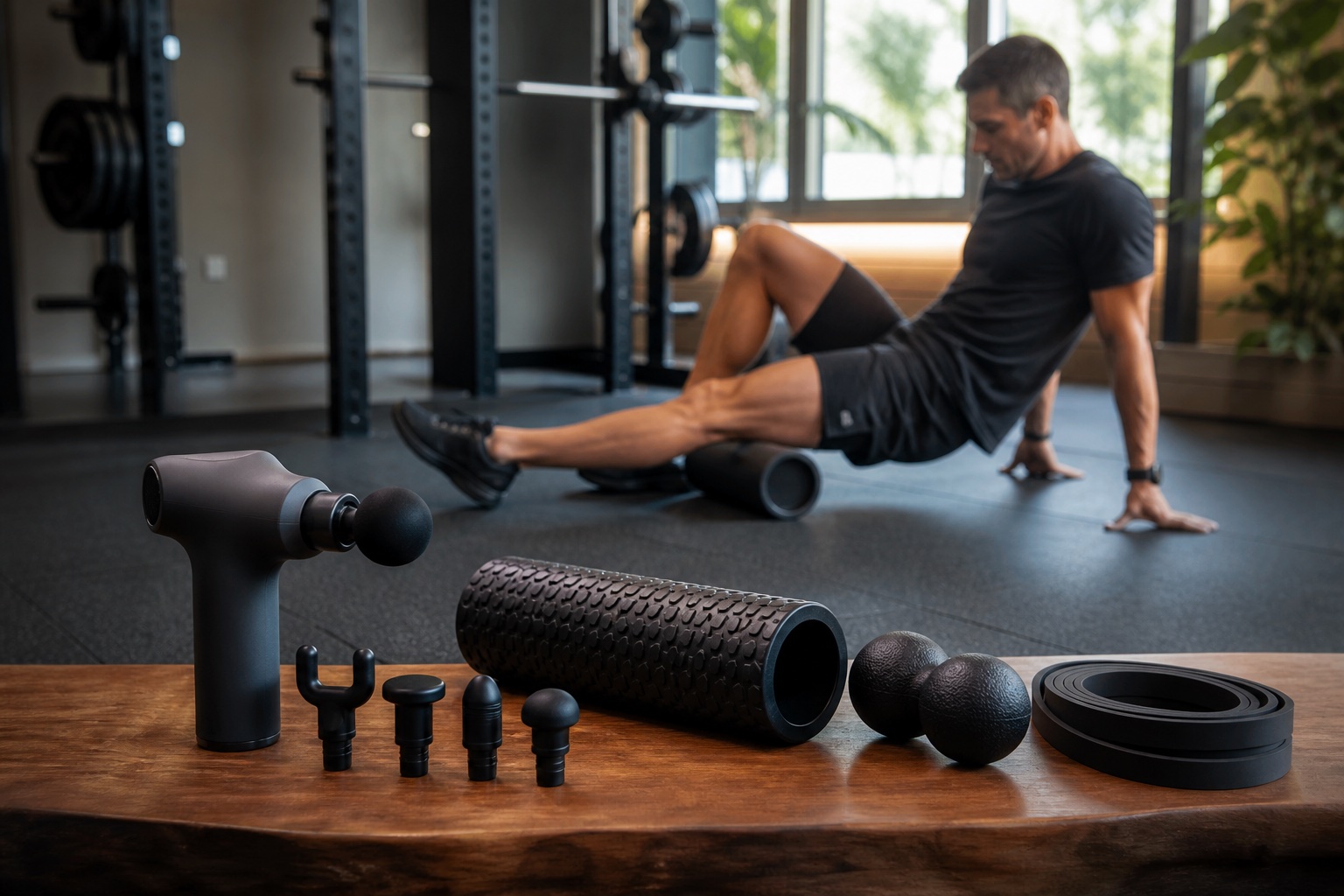
Mobility tools that earn a place are not the ones with the loudest motors in 2026 — they are the ones that match a real job: broad soft-tissue work, pinpoint pressure, active end-range stretching, or travel-friendly recovery. Percussion guns, foam rollers, peanut balls, and bands all show up in gym bags. Only some survive a year of honest use.
Foam rollers cover large areas cheaply and sit closest to the self-myofascial-release evidence base. Percussion guns win on hard-to-reach anatomy and convenience. Balls and peanuts deliver pinpoint pressure. Bands create active mobility a massage tool cannot fake. What these tools do for you is reduce friction around ROM and recovery — not rebuild tissue with marketing physics.
Key takeaways
- Best default purchase: TriggerPoint GRID — durable textured rolling with the best evidence-to-cost story.
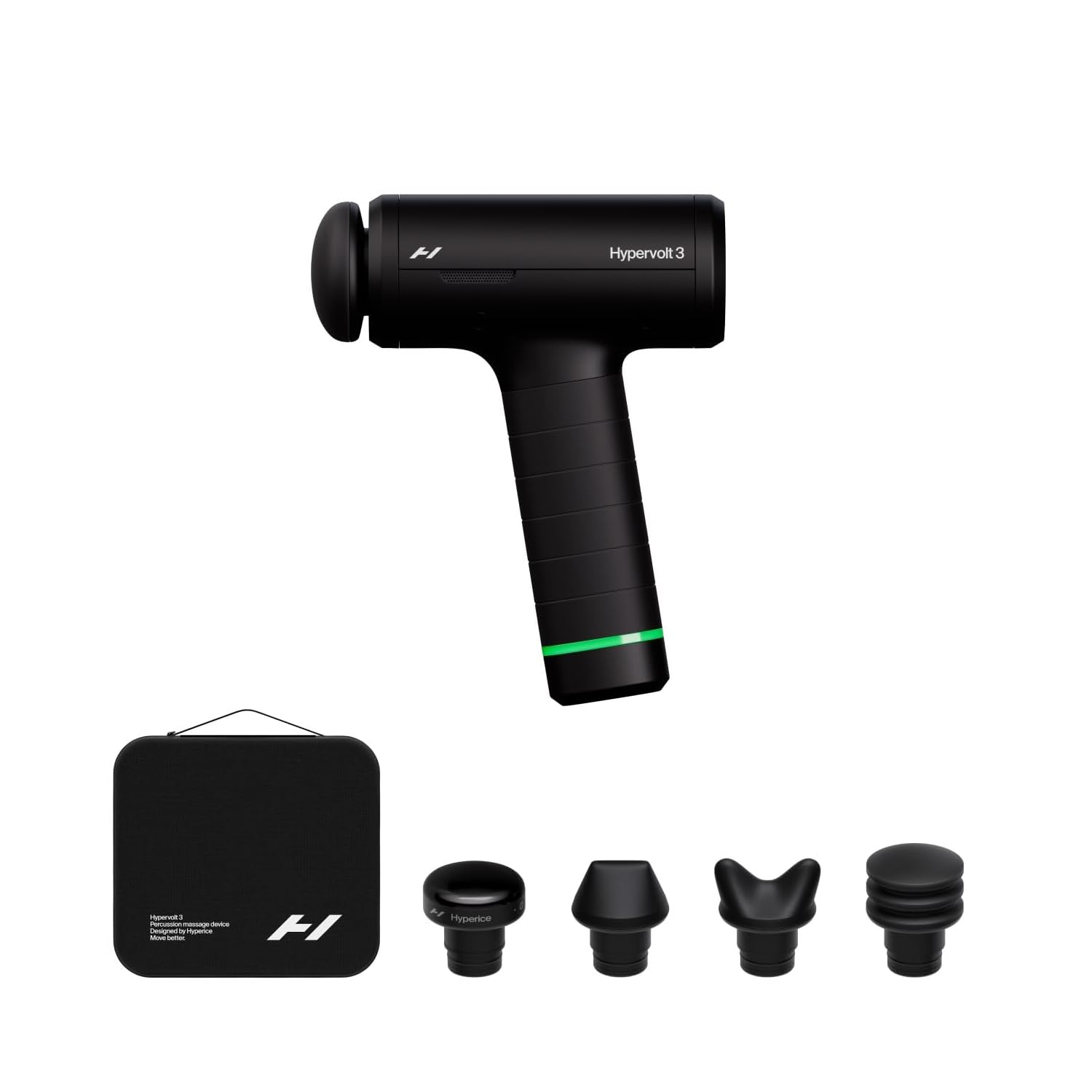
- Best quiet premium gun: Hypervolt 3.
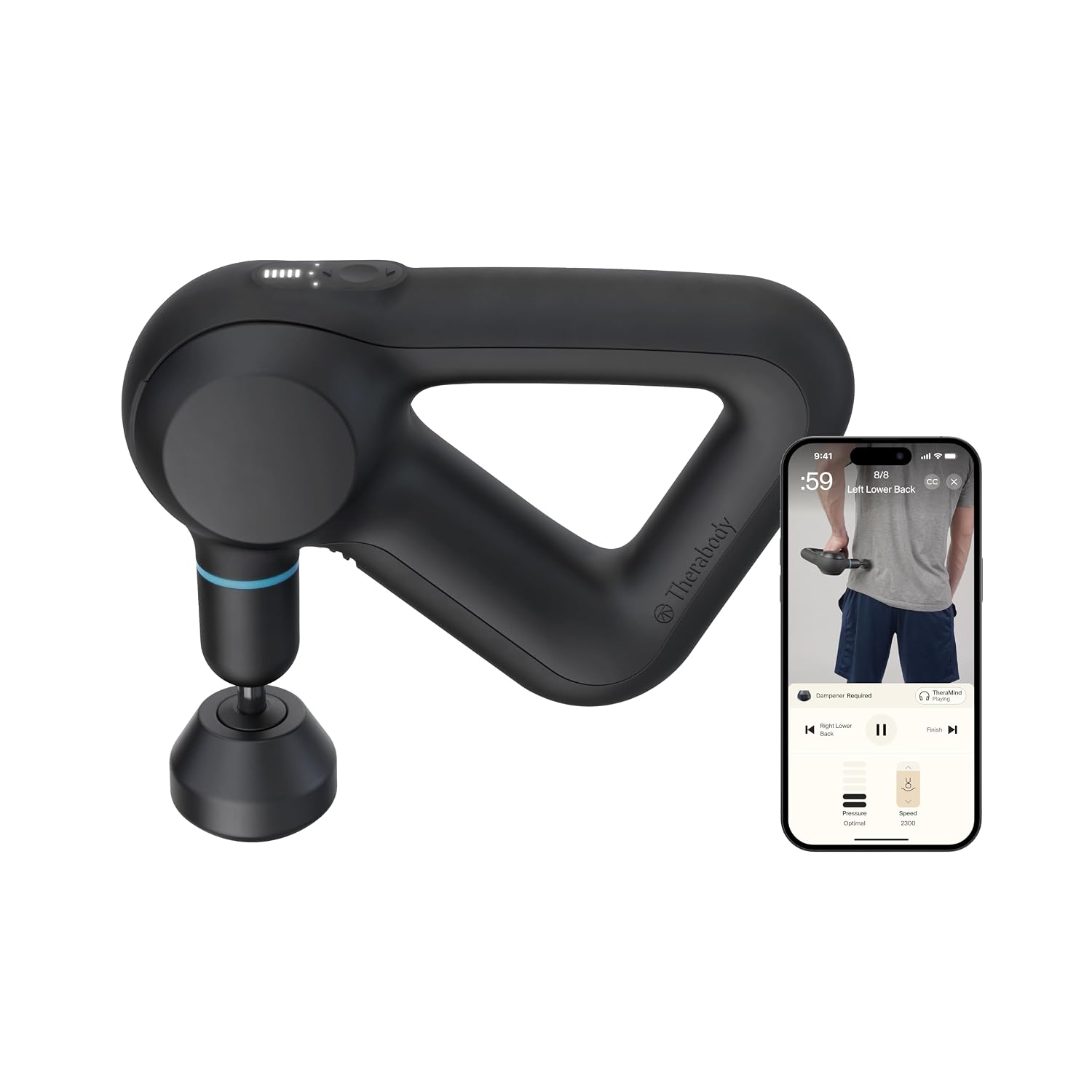
- Best ergonomic premium gun: Theragun Prime.
- Best budget roller experiment: Amazon Basics High-Density Foam Roller.
- Best pinpoint add-on: RAD Roller (peanut).
- Best active mobility tool: Rogue Monster Bands.
- Biggest buying mistake: spending $300 on percussion before owning a $40 roller you will use weekly.
How we evaluate mobility tools
Editorial scores favor tools that earn weekly use for everyday athletes — not demo-day recovery theater. We score each option across five pillars:
- Job fit (25%) — broad roll, pinpoint, percussion, or active stretch.
- Evidence alignment (25%) — how closely the tool maps to published ROM/recovery themes.
- Adherence friction (20%) — setup time, noise, floor requirements, travel reality.
- Ownership cost (15%) — hardware durability without mandatory memberships.
- Buyability (15%) — Amazon path vs specialty retail.
Important limitation: Keersa Health scores are editorial synthesis based on publicly documented features and published soft-tissue/mobility themes. They are not medical certifications. Stop for sharp pain, numbness, or acute injury concerns and get clinical guidance when needed.
What the research actually supports
Foam-rolling meta-analyses and systematic reviews generally support short-term ROM improvements and useful recovery perceptions, often without large acute performance penalties when bouts are brief. DOMS studies show rollers can help versus passive rest. Newer comparisons of foam rolling versus percussive massage suggest both can aid recovery markers — without crowning a universal winner for pain.
Stretching remains timing-sensitive: ROM gains are real; long static holds right before max strength/power can blunt acute output. Bands belong in mobility sessions as much as soft-tissue toys do.
Buy in this order
- 1. Broad roller — GRID or Basics.
- 2. Pinpoint ball/peanut — for leftovers.
- 3. Band — for active end-range work.
- 4. Percussion gun — only if the first three are in weekly rotation.
Interactive comparison
Filter by form factor, sort by score or price, and pin up to three options for a focused side-by-side view.
Tradeoff:
Sticker price still matters here — most options are one-time hardware buys, so the three-year estimate mainly reflects purchase price plus expected upkeep.
Estimates are directional and based on common public pricing patterns. Promotions, refurbished units, family plans, and tier changes can move these numbers materially.
3-year cost of ownership
Device
Year 1
3-year estimate
Amazon Price
TriggerPoint GRID
$37
$37
$35.99
Rogue Monster Bands
$55
$75
—
Hypervolt 3
$339
$379
$249
Theragun Prime
$309
$349
$319.99
RAD Roller
$30
$30
$24.99
Amazon Basics High-Density Foam Roller
$18
$28
—
Form factor decides the job. Rollers cover area. Guns deliver powered pinpoint convenience. Balls/peanuts hit stubborn spots. Bands create active end-range work.Rollers vs guns vs balls vs bands
Choose a foam roller if...
Choose a percussion gun if...
Choose a ball or peanut if...
Choose bands if...
Below are deeper notes on every option in the comparison table, sorted by editorial score. Jump directly from the table pins or the cost section.
TriggerPoint · Roller
Best for: Evidence-aligned broad foam rolling for ROM and recovery without buying a gun first
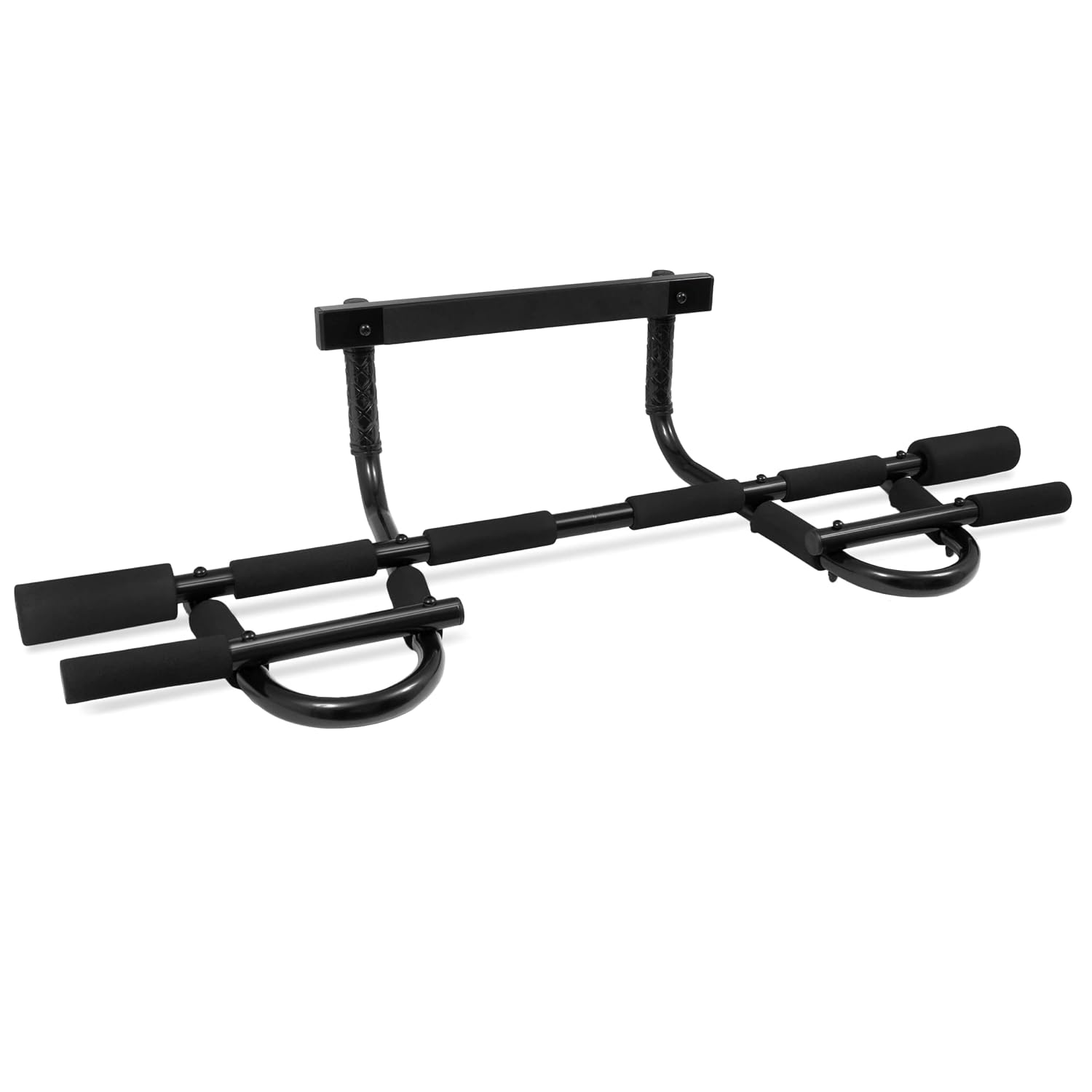
TriggerPoint GRID is the mobility tool that most often earns a permanent locker spot: cheap, durable, and backed by the foam-rolling literature more clearly than any Bluetooth gun. Start here before spending three figures on percussion. Short bouts can improve ROM without clear force penalties in several protocols. Long grinding sessions are not automatically better. Use it for quads, glutes, calves, and thoracic extensions — then add a ball or gun for leftovers. Choose GRID as your default roller. Skip premium vibrating rollers until this habit sticks.
Estimated ownership: about $37 in year 1 and
$37 over 3 years.
One-time hardware. Replace only if the core collapses after years of heavy use.
Rogue Fitness · Band
Best for: Active mobility, end-range stretching, and light resistance that a roller cannot provide
Heavy resistance bands earn a place because mobility is not only soft-tissue massage. Bands create active end-range work and assisted positions that percussion guns cannot fake. Stretching evidence is timing-dependent: useful for ROM, potentially blunt for acute strength/power if holds are long right before max efforts. Use bands for controlled mobility sessions — not as a random Instagram contortion contest. Choose Rogue-class bands for durability. Amazon loop sets work for experiments if quality is verified.
Estimated ownership: about $55 in year 1 and
$75 over 3 years.
Assumes two useful band tensions. Replace when latex cracks.
Hyperice · Percussion-gun
Best for: Quieter premium percussion with solid stall force and heated-head options on some kits
Hypervolt 3 is the quiet-premium percussion alternative: similar job to Theragun with a different feel and often friendlier noise. If your household hates loud recovery gadgets, start here. Quietness is a real adherence feature — tools you will use beat slightly deeper tools you leave in a drawer. Heated attachments are comfort features, not magic recovery multipliers. Choose Hypervolt for quiet premium percussion. Skip it if you specifically prefer Theragun’s triangle grip.
Estimated ownership: about $339 in year 1 and
$379 over 3 years.
Confirm whether the listing includes a heated head. Battery packs and heads add cost over years.
Therabody · Percussion-gun
Best for: Targeted percussive work on hard-to-reach spots a foam roller cannot hit easily
Theragun Prime is the default premium percussion pick when you want targeted recovery on shoulders, calves, and spots a roller cannot reach. Buy it for convenience and pinpoint pressure — not because it “breaks up scar tissue” on command. Percussion and foam rolling can both help ROM and soreness perceptions. Guns win on hard-to-reach anatomy; rollers win on broad cheap coverage. Keep sessions short. Avoid bony landmarks, acute injuries, and “more amplitude always” thinking. Choose Theragun if ergonomics and brand ecosystem matter. Skip it if a roller and ball already cover your routine.
Estimated ownership: about $309 in year 1 and
$349 over 3 years.
Hardware plus occasional attachment replacements. App membership is optional for basic use.
RAD · Ball
Best for: Pinpoint and para-spinal pressure where a full foam roller is too blunt
RAD Roller-class peanut tools earn a place because they solve a different job than foam cylinders: targeted pressure around the spine and stubborn spots without buying a percussion motor. Balls and peanuts are for pinpoint work. Do not expect them to replace broad rolling for large muscle groups. Start gently. Pain-as-progress is a bad mobility heuristic. Choose a peanut for thoracic/spot work. Skip it if a single lacrosse ball already covers you.
Estimated ownership: about $30 in year 1 and
$30 over 3 years.
One-time hardware. Lacrosse-ball pairs are cheaper substitutes if needed.
Amazon Basics · Roller
Best for: Cheapest honest experiment before upgrading to a textured GRID-style roller
Amazon Basics high-density rollers are the control group for recovery spending: if you will not use an $18 cylinder, a $300 gun was never the bottleneck. Buy this to learn the skill, then upgrade texture if needed. Smooth rollers still count as foam rolling in the evidence sense. Texture is preference and pressure distribution, not a separate science category. Choose Basics to test adherence. Skip it if you already know you want GRID texture day one.
Estimated ownership: about $18 in year 1 and
$28 over 3 years.
Disposable-tier pricing. Upgrade once the habit is real.
Detailed reviews
TriggerPoint GRID
Pros
Cons
Choose this if
Skip this if
Rogue Monster Bands
Pros
Cons
Choose this if
Skip this if
Hypervolt 3
Pros
Cons
Choose this if
Skip this if
Theragun Prime
Pros
Cons
Choose this if
Skip this if
RAD Roller
Pros
Cons
Choose this if
Skip this if
Amazon Basics High-Density Foam Roller
Pros
Cons
Choose this if
Skip this if
How to choose the right kit
- Name the bottleneck. Broad soreness, a stubborn spot, missing end-range, or travel convenience?
- Start cheap and boring. A roller beats an unused gun.
- Add pinpoint next. Peanuts and balls are dollars, not hundreds.
- Program bands separately. Active mobility is not the same session as aggressive soft-tissue work.
- Buy quiet if noise kills adherence. Hypervolt-class tools win households.
- Stop escalating. If three tools sit unused, the fourth will too.
Quick recommendations by persona
- Most athletes, first buy: TriggerPoint GRID
- Ultra-budget starter: Amazon Basics High-Density Foam Roller
- Quiet premium percussion: Hypervolt 3
- Ergonomic premium percussion: Theragun Prime
- Pinpoint / thoracic add-on: RAD Roller
- Active mobility / end-range: Rogue Monster Bands
Not necessarily. Foam rolling has clearer pooled evidence for ROM and recovery perceptions. Guns help most for hard-to-reach spots and convenience. Buy a gun after a roller habit exists — not before. Head-to-head work suggests both can help biomechanical recovery markers versus doing nothing, but neither is guaranteed to beat passive rest for pain relief. Prefer the tool you will actually use for short sessions. No. Soft-tissue tools are adjuncts. Bands can support active mobility and end-range work; progressive strength training and sensible stretching timing still do the heavy lifting for durable range. Short foam-rolling bouts often preserve force better than long static stretches. Prolonged static stretching immediately before max strength/power can blunt acute performance — save long holds for separate mobility sessions. A high-density foam roller (Amazon Basics or TriggerPoint GRID), then a peanut/lacrosse tool, then a quality band. Add a percussion gun only if those are in weekly use and you still need pinpoint powered work. Usually later. A durable textured roller covers most of the foam-rolling literature. Vibration is a comfort/novelty upgrade after adherence is proven.Mobility tools that earn a place FAQ
Do I need a massage gun if I already foam roll in 2026?
+
Is percussion better than foam rolling for DOMS?
+
Can mobility tools replace stretching or strength training?
+
Should I foam roll or stretch right before heavy lifts?
+
What should I buy first on a tight budget?
+
Are vibrating rollers worth it?
+
This comparison is designed for practical decision-making. Product capabilities, pricing, and memberships change quickly, so treat battery claims, plan costs, and feature availability as moving targets.
Pooled evidence that foam rolling can aid recovery perceptions and ROM with limited acute performance harm when used sensibly. Foundational practitioner review supporting short-term ROM gains without clear performance penalties from foam rolling / roller massage. Classic DOMS study showing foam rolling can reduce soreness and help recovery of dynamic performance markers versus passive rest. Head-to-head style comparison context for foam rolling vs percussion after a fatigue protocol — both can aid biomechanical recovery markers; pain relief vs passive rest is not guaranteed. Clarifies when stretching helps ROM versus when prolonged static stretching can blunt acute performance — useful for band-based mobility programming. Supports short foam-rolling bouts for ROM without an immediate force penalty in the studied protocol.
Therabody Theragun product documentation
Amplitude, attachments, and app features change by generation; verify the exact model before purchase.
Hyperice Hypervolt product documentation
QuietGlide claims, speeds, and heated attachments vary by SKU; confirm battery and head compatibility.
Affiliate disclosure: some product links on Keersa Health may earn a commission at no extra cost to you.
Editorial recommendations are independent of commercial relationships.
Read our full disclosure.
Sources and editorial notes
Bottom line
Mobility tools earn a place when they match a job you will repeat: roll broadly, press pinpoint spots, stretch actively, or travel light. Start with a roller and a band. Add a gun only after the boring tools prove they get used. Soft-tissue gadgets are adjuncts — durable range still comes from progressive loading, sleep, and sensible mobility practice.
Related: Smart Resistance Equipment, Blood Flow Restriction Training Devices, Vibration Platforms and Neuromuscular Stimulus, Wearable HRV and Training Readiness, and GPS and Power Meters for Endurance.