Fitness & Mobility guide · Updated 2026
Wearable HRV and Training Readiness: Oura, WHOOP, Garmin & Morning Spot Checks
A detailed 2026 guide to wearable HRV for training readiness — overnight rings and bands, watch readiness scores, and ECG chest-strap spot checks — with validation caveats and ownership costs.
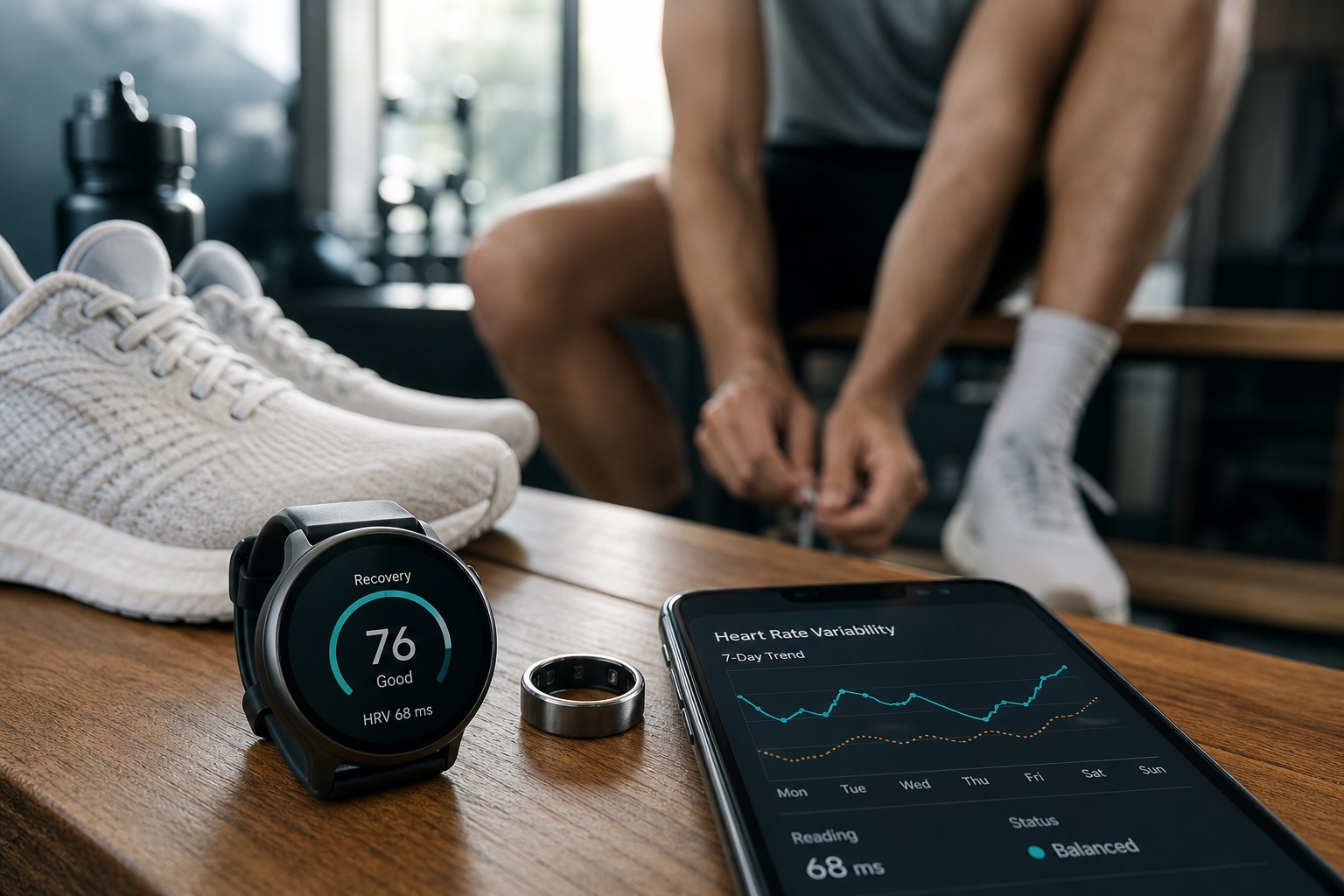
Wearable HRV and training readiness are everywhere in 2026 — rings whisper overnight RMSSD, bands assign recovery scores, and watches fold HRV into Training Readiness widgets. The category spans overnight PPG wearables, wrist readiness composites, and ECG chest-strap spot checks. This guide compares popular Amazon-reachable options on overnight HRV usefulness, readiness coaching, strain/load context, battery, and ownership cost.
Overnight rings and bands estimate HRV while you sleep. Watches often blend HRV into a composite readiness score plus workouts. Chest straps give higher-fidelity beat intervals for disciplined morning checks. What these tools do for you is turn recovery into a trend you can act on — if you keep a stable protocol and refuse to treat one noisy night as destiny.
Key takeaways
- Best overnight HRV wearable: Oura Ring 4 — strong nocturnal agreement in recent ECG comparisons.
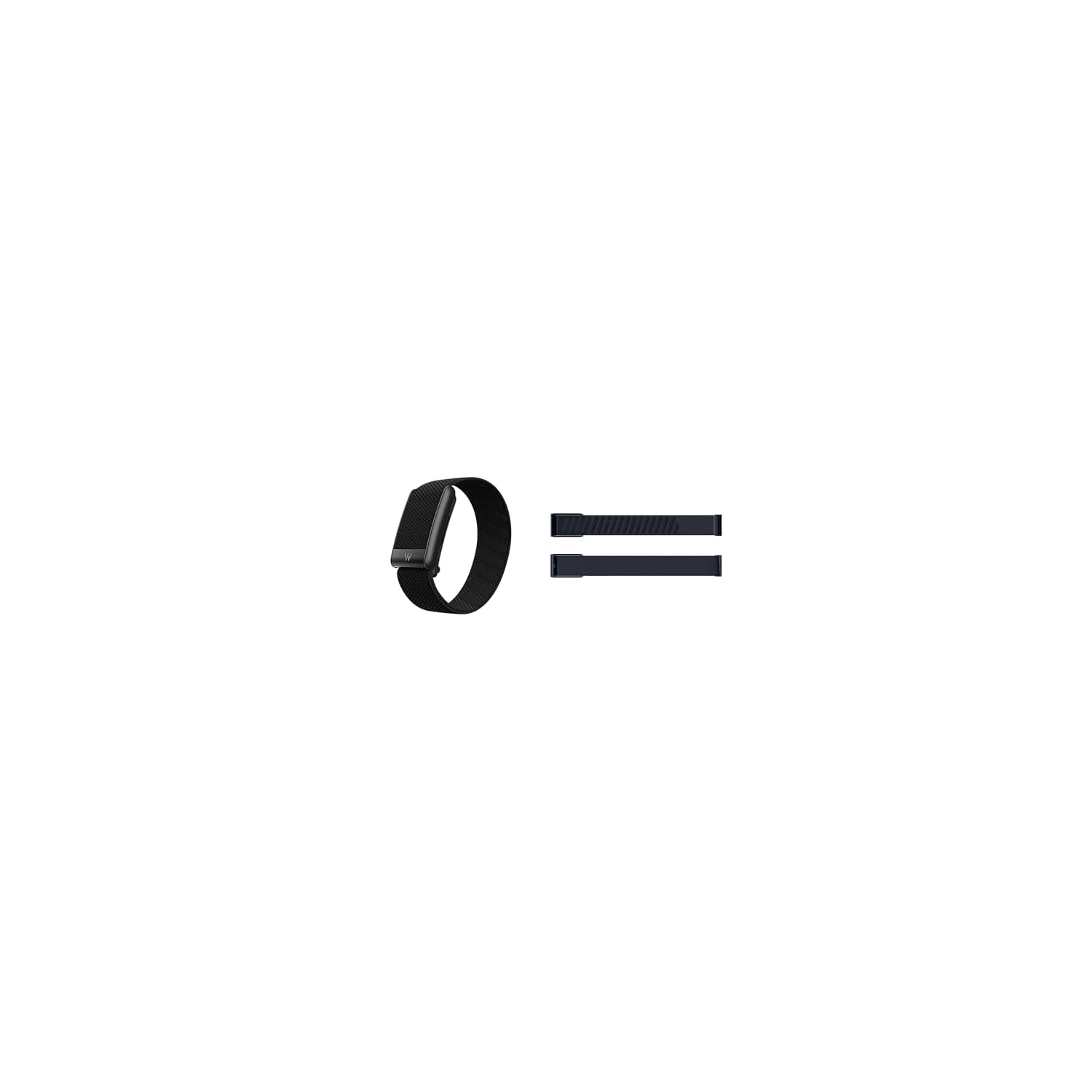
- Best strain-to-recovery loop: WHOOP 5.0 — built for athletes who want daily load guidance.
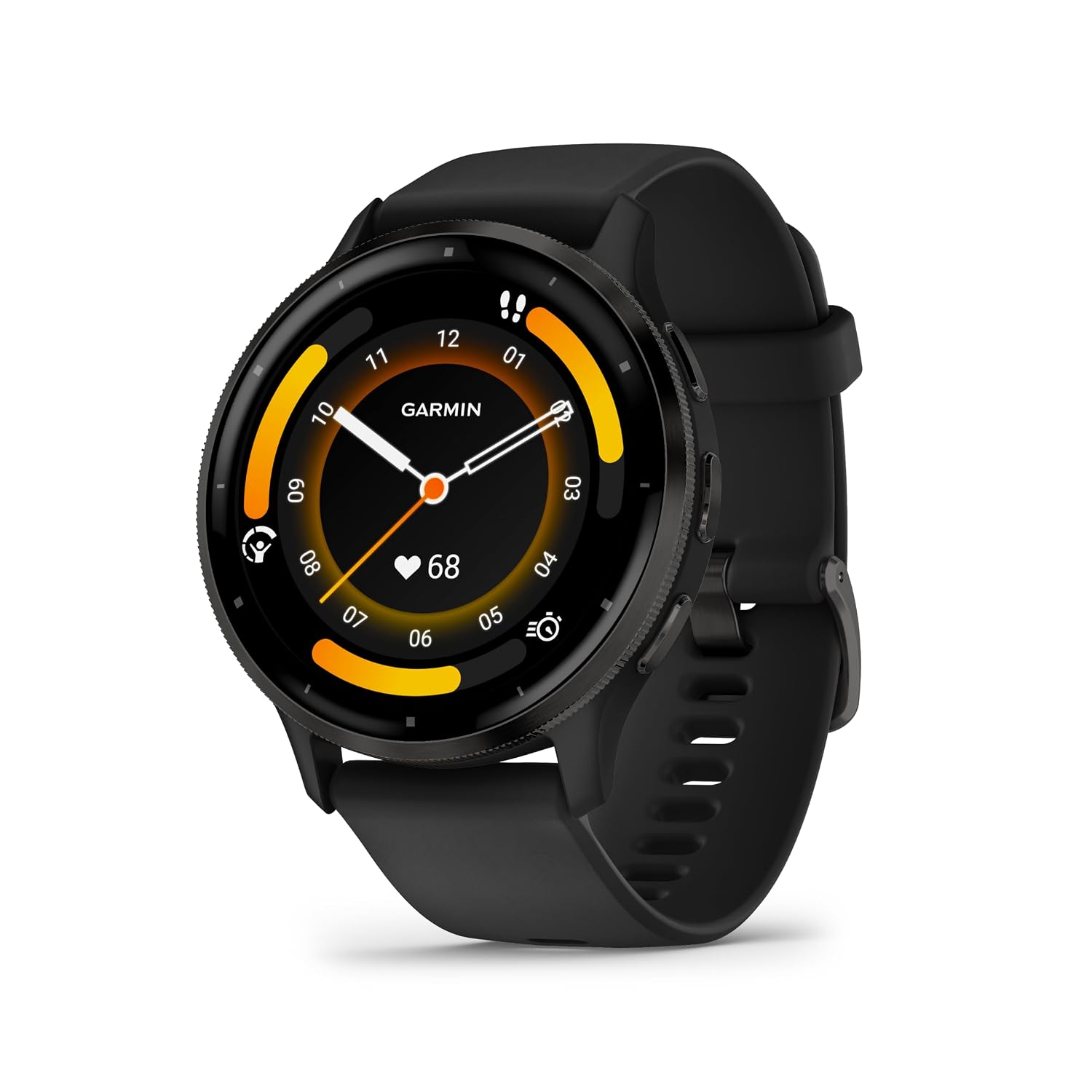
- Best no-subscription watch readiness: Garmin Venu 3 — Training Readiness + HRV Status without a mandatory fee.
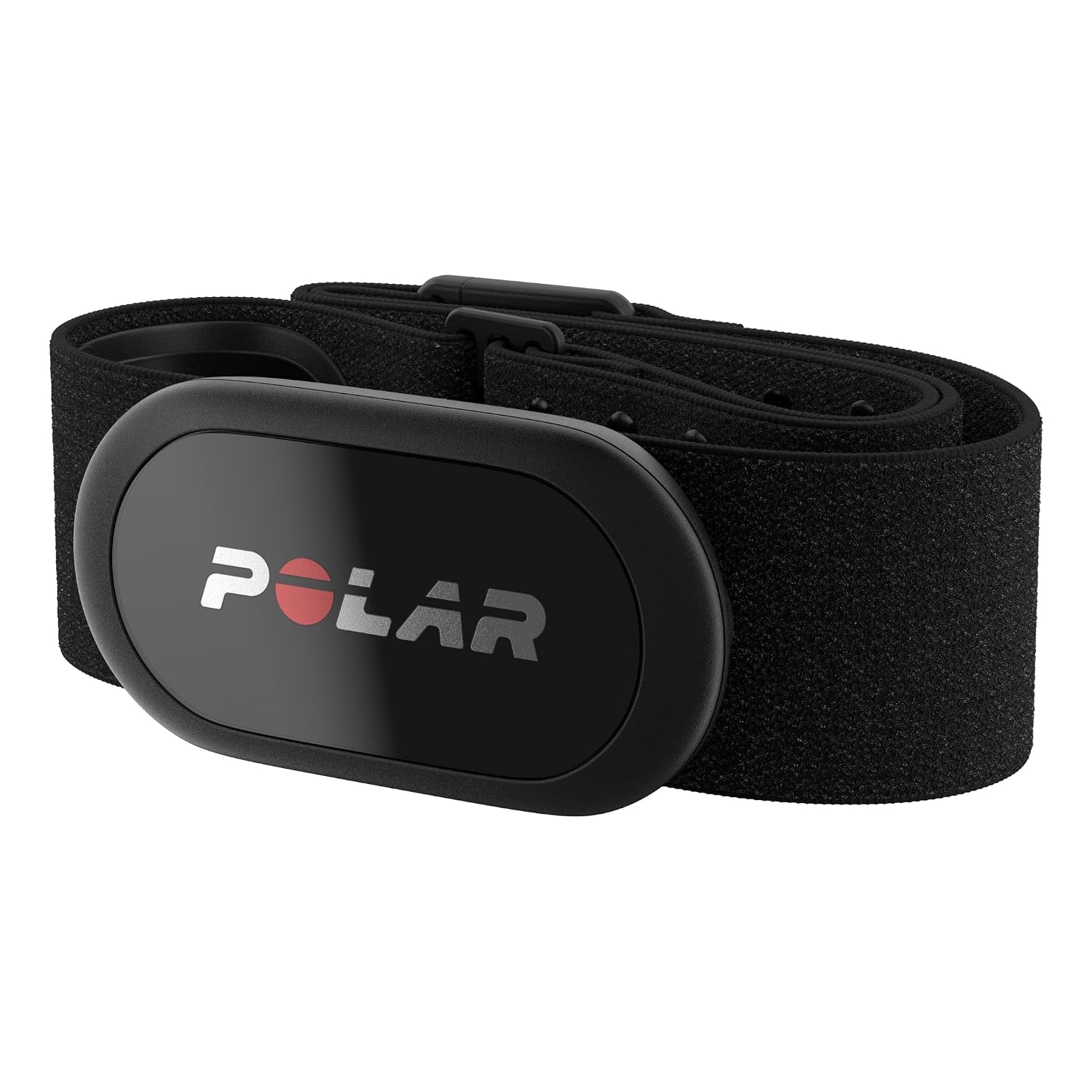
- Best ECG spot-check tool: Polar H10 — reference-grade RR intervals for morning RMSSD routines.
- Best no-subscription ring alternative: RingConn Gen 2.
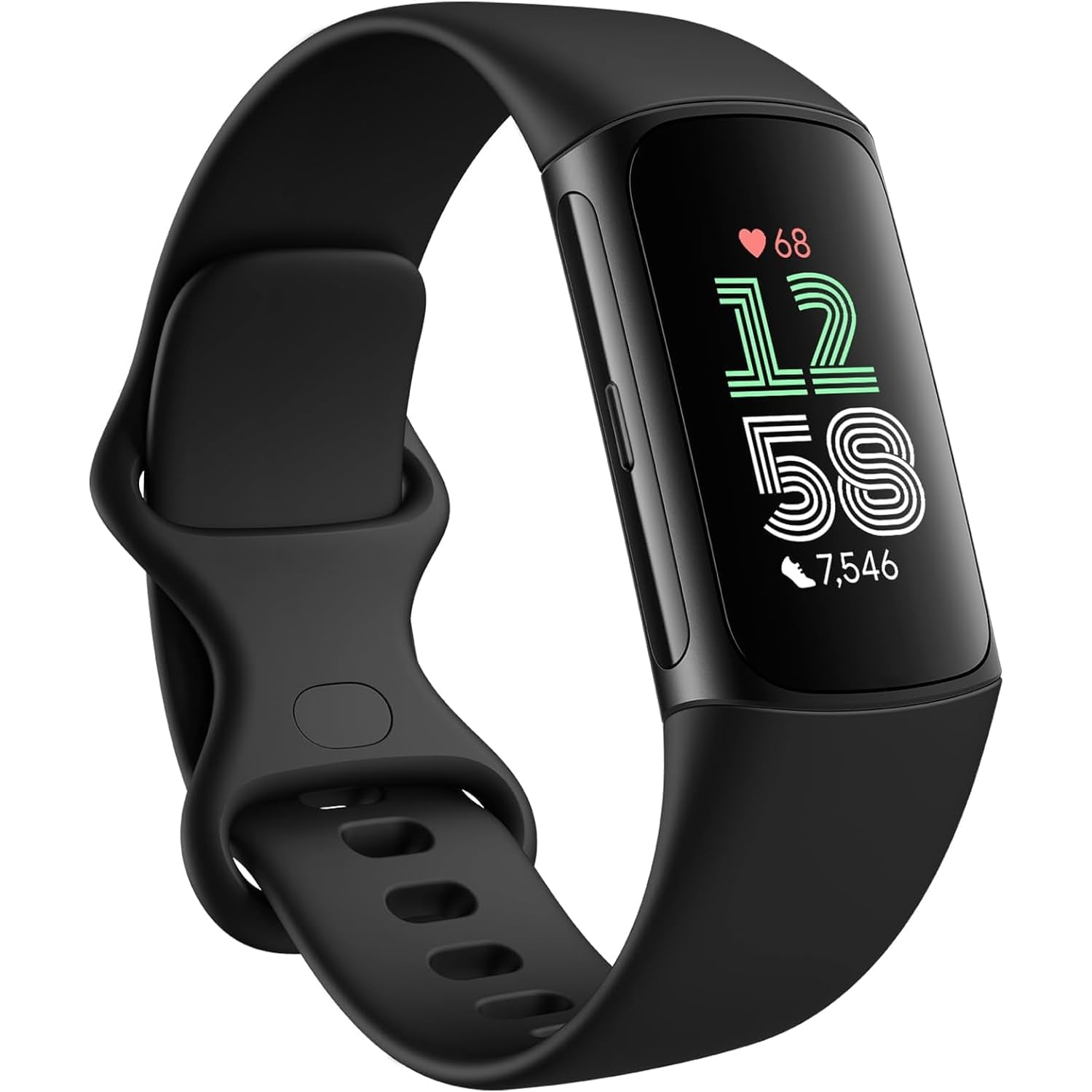
- Best budget band experiment: Fitbit Charge 6.
- Biggest hidden factor: protocol. Same device, same timing, weeks of data beats shopping for a “more accurate” gadget you abandon.
How we evaluate wearable HRV tools
Editorial scores favor tools that improve training decisions for everyday athletes, not lab prestige alone. We score each option across five pillars:
- HRV signal usefulness (25%) — overnight quality, spot-check quality, and trend stability.
- Readiness actionability (25%) — whether the score changes how you plan intensity.
- Training-load context (20%) — strain, acute load, or workout integration.
- Adherence (15%) — comfort, battery, and whether you will measure most days.
- Ownership cost (15%) — hardware plus likely 1- and 3-year membership burden.
Important limitation: Keersa Health scores are editorial synthesis based on publicly documented features and published validation themes. They are not medical certifications. Firmware, memberships, and regional pricing change — verify before buying.
How HRV readiness actually works
Heart rate variability reflects beat-to-beat variation. In training contexts, RMSSD-style metrics are commonly used as parasympathetic markers. Lower-than-normal values can accompany heavy load, poor sleep, illness, or psychological stress — but context matters more than a single dashboard color.
Three practical rules beat feature marketing:
- Trend over trophy numbers — compare yourself to your baseline.
- Stabilize the protocol — overnight wear or a fixed morning routine, not both randomly.
- Pair HRV with how you feel and how you perform — RPE, pace, and bar speed still matter.
Metrics that matter most
- Overnight HRV / nocturnal RMSSD — continuity while you sleep.
- Weekly average and variation — chronic adaptation vs acute noise.
- Readiness / recovery scores — useful when transparent enough to trust.
- Strain or acute load — closes the loop between yesterday’s work and today’s plan.
- Sleep context — HRV without sleep context is half a story.
Interactive comparison
Filter by form factor, sort by score or price, and pin up to three options for a focused side-by-side view.
Tradeoff:
Sticker price is misleading in this category. Membership-heavy products can cost more over three years than premium hardware with no required plan.
Estimates are directional and based on common public pricing patterns. Promotions, refurbished units, family plans, and tier changes can move these numbers materially.
3-year cost of ownership
Device
Year 1
3-year estimate
Amazon Price
Membership
Oura Ring 4
$419
$559
$349
Optional / recommended
WHOOP 5.0
$239
$717
$288
Required membership
Polar H10
$99
$129
$104.95
No hardware membership (apps optional)
Garmin Venu 3
$449
$449
$364
None required
RingConn Gen 2
$299
$299
$299
No app subscription
Fitbit Charge 6
$159
$159
$159.49
Premium optional
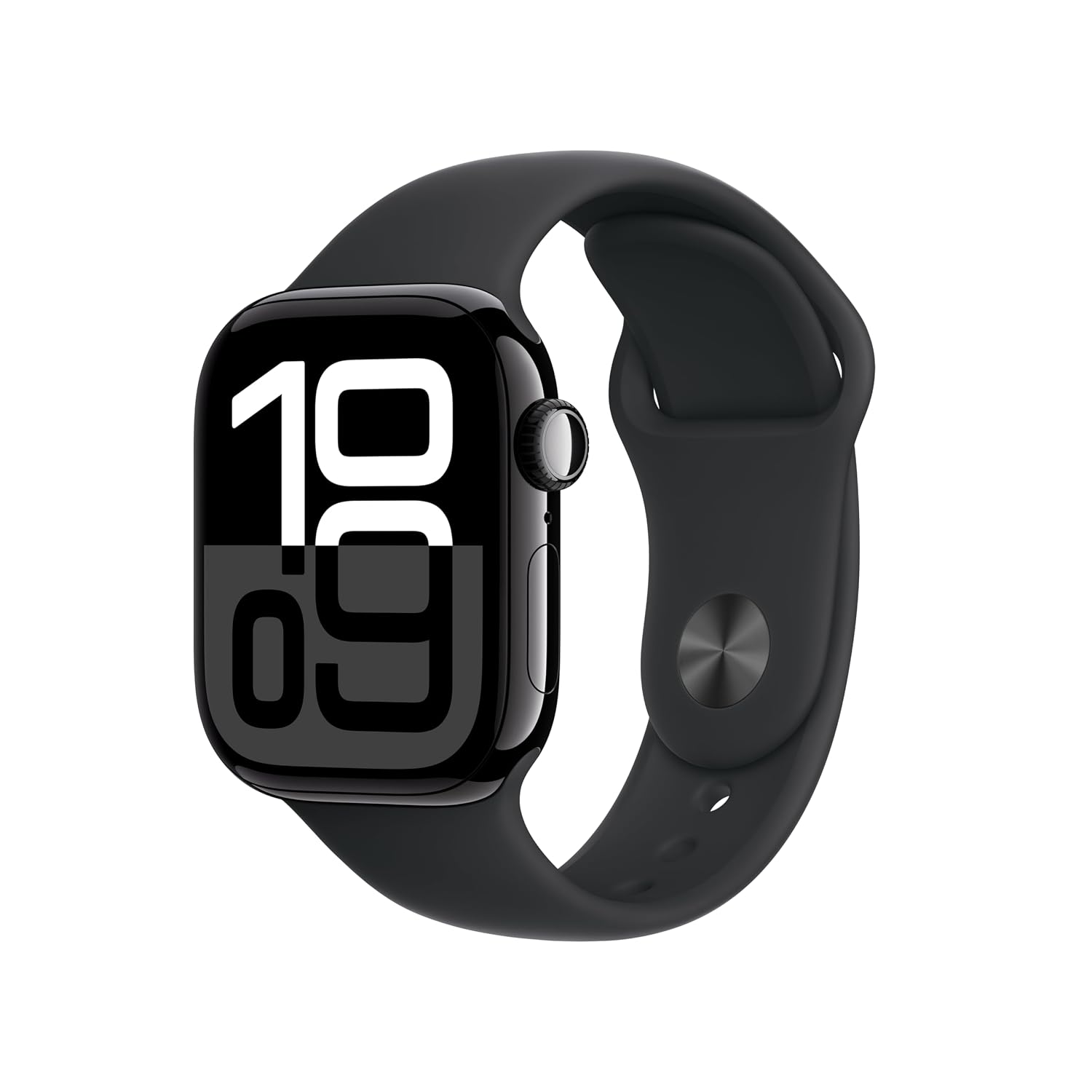
Apple Watch
$399
$399
$399
No required membership
Form factor decides the job. A ring maximizes overnight adherence. A band often pairs recovery with strain. A watch keeps readiness next to workouts. A chest strap maximizes beat-interval quality for spot checks.Rings vs bands vs watches vs chest straps
Choose a ring if...
Choose a recovery band if...
Choose a watch if...
Choose a chest strap if...
Below are deeper notes on every option in the comparison table, sorted by editorial score. Jump directly from the table pins or the cost section.
Oura · Ring
Best for: Holistic sleep + recovery scoring
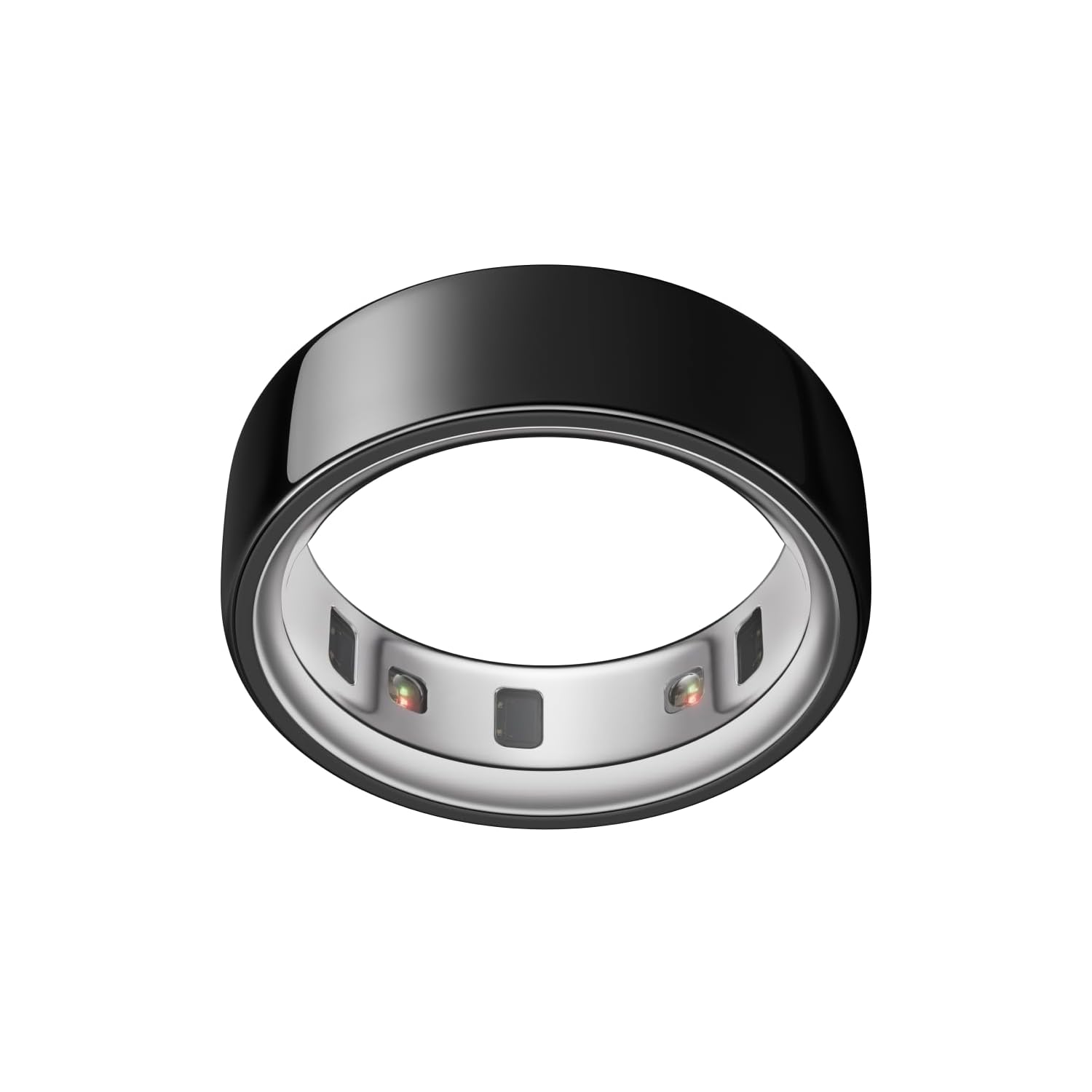
Oura Ring 4 is the default recommendation for most people whose primary goal is better sleep tracking. The ring form factor is easy to wear every night, the app presents sleep stages and recovery context clearly, and long-term temperature and HRV trends are more useful than one-off scores. It is not a clinical sleep study replacement, but it is one of the strongest consumer systems for building a personal sleep baseline. Where Oura stands out is adherence. A tracker only helps if you wear it through weekends, travel, and imperfect nights. Rings generally win here versus bulky watches. Oura also pairs sleep duration and staging with readiness-style recovery context, so users can connect late nights, alcohol, illness, or training load to next-day physiology. The main buying tension is membership value. Core tracking can still be useful, but many of the deeper insights and long-term reporting are stronger with a paid plan. Fit also matters: a loose ring can degrade optical signal quality. If you are between sizes, prioritize fit over aesthetics. Choose Oura if sleep quality, comfort, and trend tracking matter more than notifications or GPS. Skip it if you want a full smartwatch experience or refuse any subscription ecosystem.
Estimated ownership: about $419 in year 1 and
$559 over 3 years.
Assumes hardware at ~$349 plus membership (~$70/year). Exact tiers vary.
WHOOP · Band
Best for: Athletes optimizing strain and recovery
WHOOP 5.0 is less a sleep gadget and more a recovery operating system. Sleep is one input into a broader loop of strain, recovery, and coaching. If you train hard and want prescriptions rather than just charts, WHOOP is one of the best options available. WHOOP’s sleep value comes from continuity. Battery life and the battery-pack charging approach reduce the data gaps that plague daily-charge watches. That matters when you are trying to understand sleep debt, restorative sleep, and readiness across a training block. The membership model is the real product. You are paying for ongoing coaching infrastructure, not a one-time gadget. Over three years that can cost more than a ring plus light membership, so WHOOP only makes sense if you will use the feedback loop. Choose WHOOP if athletic recovery decisions are the point. Skip it if you mainly want comfortable sleep staging without a subscription identity.
Estimated ownership: about $239 in year 1 and
$717 over 3 years.
Membership-driven model; hardware access is bundled with plan pricing that varies by tier.
Polar · Strap
Best for: ECG-grade morning HRV spot checks and research-style RR intervals
Polar H10 is the accuracy tool: a chest strap that many validation studies treat as a reference input. For training readiness, it is best as a disciplined morning RMSSD check — often with an app — not as a 24/7 lifestyle coach. If your question is “how accurate is my ring’s HRV?”, this is the device you compare against. If your question is “will I wear something every night?”, a ring/band usually wins. Protocol matters more than brand myths: same time of day, same posture, breathing calm, consistent routine. Choose H10 for signal quality and low cost. Skip it if you will not perform spot checks consistently.
Estimated ownership: about $99 in year 1 and
$129 over 3 years.
Hardware plus occasional replacement straps/batteries. Pairing apps like HRV4Training may have their own fees.
Garmin · Watch
Best for: Training-focused users who also care about sleep
Garmin Venu 3 is easy to underestimate in sleep conversations because people assume Garmin equals running watches. In reality, Sleep Coach, HRV Status, and multi-week battery life make it one of the best no-subscription sleep-and-training hybrids. Battery life is the strategic advantage. Two weeks of wear means fewer gaps and less bedtime charging anxiety than Apple or Pixel watches. Garmin’s sleep tools are practical rather than flashy. If you want guidance tied to training readiness and body-battery style energy concepts, the ecosystem feels coherent. Choose Venu 3 if you train regularly and refuse subscriptions. Skip it if you want a jewelry-like ring or a maximalist smartwatch app store.
Estimated ownership: about $449 in year 1 and
$449 over 3 years.
One-time hardware purchase with no required sleep subscription.
RingConn · Ring
Best for: Ring-based HRV/recovery tracking without a membership
RingConn Gen 2 is the no-subscription ring alternative for buyers who want overnight HRV continuity without Oura’s membership gravity. Expect less polished coaching and a thinner validation paper trail — but a cleaner long-term cost story. If membership friction is why you abandoned wearables before, RingConn addresses that objection directly. Compare fit, app stability, and export options before assuming it replaces Oura’s ecosystem. Choose RingConn for cost control in a ring form factor. Skip it if you want the most validated nocturnal HRV stack today.
Estimated ownership: about $299 in year 1 and
$299 over 3 years.
Hardware-focused estimate assuming no required membership for core tracking.
Google / Fitbit · Band
Best for: Budget-friendly dedicated sleep and activity tracking
Fitbit Charge 6 remains one of the best value sleep trackers you can buy. It is not the flashiest device in this guide, but it combines familiar Sleep Score tooling, week-scale battery life, and a price that makes experimentation low-risk. Fitbit’s historical strength is approachability. Beginners get a readable sleep score and stage breakdown without needing an athlete identity or luxury-ring budget. Premium can unlock more coaching and richer reporting, but many users do fine without it. That flexibility is a real advantage versus membership-mandatory products. Choose Charge 6 if you want dedicated sleep/activity tracking on a budget. Skip it if you need a full smartwatch or the most advanced recovery coaching.
Estimated ownership: about $159 in year 1 and
$159 over 3 years.
Hardware-only baseline; Premium is optional for deeper insights.
Apple · Watch
Best for: iPhone users who already wear Apple Watch and want HRV trends in Apple Health
Apple Watch is a practical HRV source if you already live on iPhone — not because it is the best dedicated readiness coach, but because adherence is already solved for millions of people. HRV in Apple Health is useful for trends, especially when paired with a serious interpretation app. Out of the box, it is less opinionated than WHOOP Recovery or Garmin Training Readiness. Nightly charging is the silent killer of overnight datasets. If you charge during sleep, your recovery story gets holes. Choose Apple Watch if ecosystem lock-in is already real. Skip it if you want a dedicated recovery wearable with multi-day battery.
Estimated ownership: about $399 in year 1 and
$399 over 3 years.
Hardware cost only for core Health HRV. Third-party coaching apps may add fees.
Detailed reviews
Oura Ring 4
Pros
Cons
Choose this if
Skip this if
WHOOP 5.0
Pros
Cons
Choose this if
Skip this if
Polar H10
Pros
Cons
Choose this if
Skip this if
Garmin Venu 3
Pros
Cons
Choose this if
Skip this if
RingConn Gen 2
Pros
Cons
Choose this if
Skip this if
Fitbit Charge 6
Pros
Cons
Choose this if
Skip this if
Apple Watch
Pros
Cons
Choose this if
Skip this if
How to choose the right setup
- Decide the job. Overnight trend, readiness coaching, or ECG spot checks?
- Pick the form factor you will wear. Rings win sleep adherence; watches win workouts; straps win signal quality.
- Price the membership honestly. Three-year WHOOP/Oura math can exceed a Garmin watch.
- Commit to 3–4 weeks before judging. Early noise is normal.
- Write simple decision rules. Example: large unexplained HRV drop + poor sleep → easy day.
- Escalate only if needed. Add a Polar H10 if you want to validate or tighten morning checks.
Quick recommendations by persona
- Sleep-first recovery optimizer: Oura Ring 4
- High-frequency trainer: WHOOP 5.0
- One-watch athlete, no subscription: Garmin Venu 3
- iPhone ecosystem loyalist: Apple Watch
- Accuracy-first morning ritual: Polar H10
- Budget band starter: Fitbit Charge 6
- No-subscription ring seeker: RingConn Gen 2
Most athletes use HRV as a proxy for autonomic recovery — especially overnight or morning RMSSD trends. A rising or stable personal baseline often supports harder work; a sharp drop can flag stress, illness, poor sleep, or accumulated load. It is a decision aid, not a medical diagnosis. Chest-strap ECG (for example Polar H10) remains the reference for beat-to-beat intervals. Recent multi-night comparisons show some rings — notably Oura — can agree closely with ECG for nocturnal HRV averages, while wrist devices vary more. Accuracy is product- and firmware-specific. Not automatically. Check context: alcohol, late meals, travel, sickness, heat, and life stress all move HRV. Many coaches prefer weekly averages and variation patterns over a single red score. If you feel fine and the dip has an obvious non-training cause, a planned session can still make sense. Overnight wearables win on adherence and sleep context. Morning chest-strap checks win on signal quality if you actually do them daily with a fixed protocol. The best system is the one you measure consistently for weeks. Usually no. Algorithms, sampling windows, units, and score transforms differ. Compare yourself to your own baseline on one device. No. Garmin, Polar H10 + app workflows, RingConn, and core Apple Health HRV can work without a recovery membership. WHOOP requires membership for normal use; Oura is stronger with membership. Compare three-year cost, not sticker price alone. HRV responds to many stressors, not only mileage. Strength athletes can use it to catch poor recovery weeks — especially when sleep debt and life stress stack with hard lifting. It will not replace bar velocity or RPE for session quality.Wearable HRV and training readiness FAQ
What is wearable HRV used for in training readiness in 2026?
+
Is overnight wearable HRV as accurate as a chest strap?
+
Should I skip hard training when my readiness score is low?
+
Morning spot check or overnight wearable — which is better?
+
Can I compare my Oura HRV number to a friend’s WHOOP HRV?
+
Do I need a subscription for useful HRV tracking?
+
Is HRV useful for strength athletes, or only endurance athletes?
+
This comparison is designed for practical decision-making. Product capabilities, pricing, and memberships change quickly, so treat battery claims, plan costs, and feature availability as moving targets.
Multi-night ECG comparison of Oura, WHOOP, Garmin, and Polar nocturnal RHR/HRV — useful benchmark for overnight wearable accuracy. Supports high agreement of Oura ring nocturnal HR/HRV averages with ECG in healthy adults. Head-to-head consumer-device comparison including Oura and HRV4Training-style workflows for resting rMSSD. Foundational applied-sports framing for using HRV trends (and variation in variability) in training decisions. Practical overview of HR/HRV monitoring choices, measurement conditions, and interpretation pitfalls for coaches. Recent narrative review emphasizing RMSSD, near-daily measurement, weekly averages, and coefficient of variation for athlete monitoring. Clarifies what HRV indexes in autonomic terms and why protocol consistency matters more than single-number mythology.
Oura Ring product / HRV documentation
Membership tiers, readiness inputs, and firmware change; verify current product claims before purchase.
Garmin HRV Status and Training Readiness support documentation
Explains Garmin’s multi-day HRV Status and composite Training Readiness inputs; features vary by watch model.
Affiliate disclosure: some product links on Keersa Health may earn a commission at no extra cost to you.
Editorial recommendations are independent of commercial relationships.
Read our full disclosure.
Sources and editorial notes
Bottom line
The best wearable HRV setup is the one that produces a clean personal baseline and changes a few training decisions each month. For most people, that means an overnight wearable you actually sleep in — or a chest-strap morning habit you will not skip. Buy for adherence and interpretation, not for a magical readiness number.
Related: Force Plates for Everyday Athletes if you want objective lower-body output to pair with recovery scores, and Blood Flow Restriction Training Devices for light-load hypertrophy tools.