Fitness & Mobility guide · Updated 2026
Smart Resistance Equipment: Digital Cables, VBT Feedback & Whether Connected Gyms Are Worth It
A detailed 2026 guide to smart resistance equipment — wall-mounted digital weights, freestanding motorized gyms, AI free-weight coaches, and connected adjustable dumbbells — with membership math and evidence caveats.
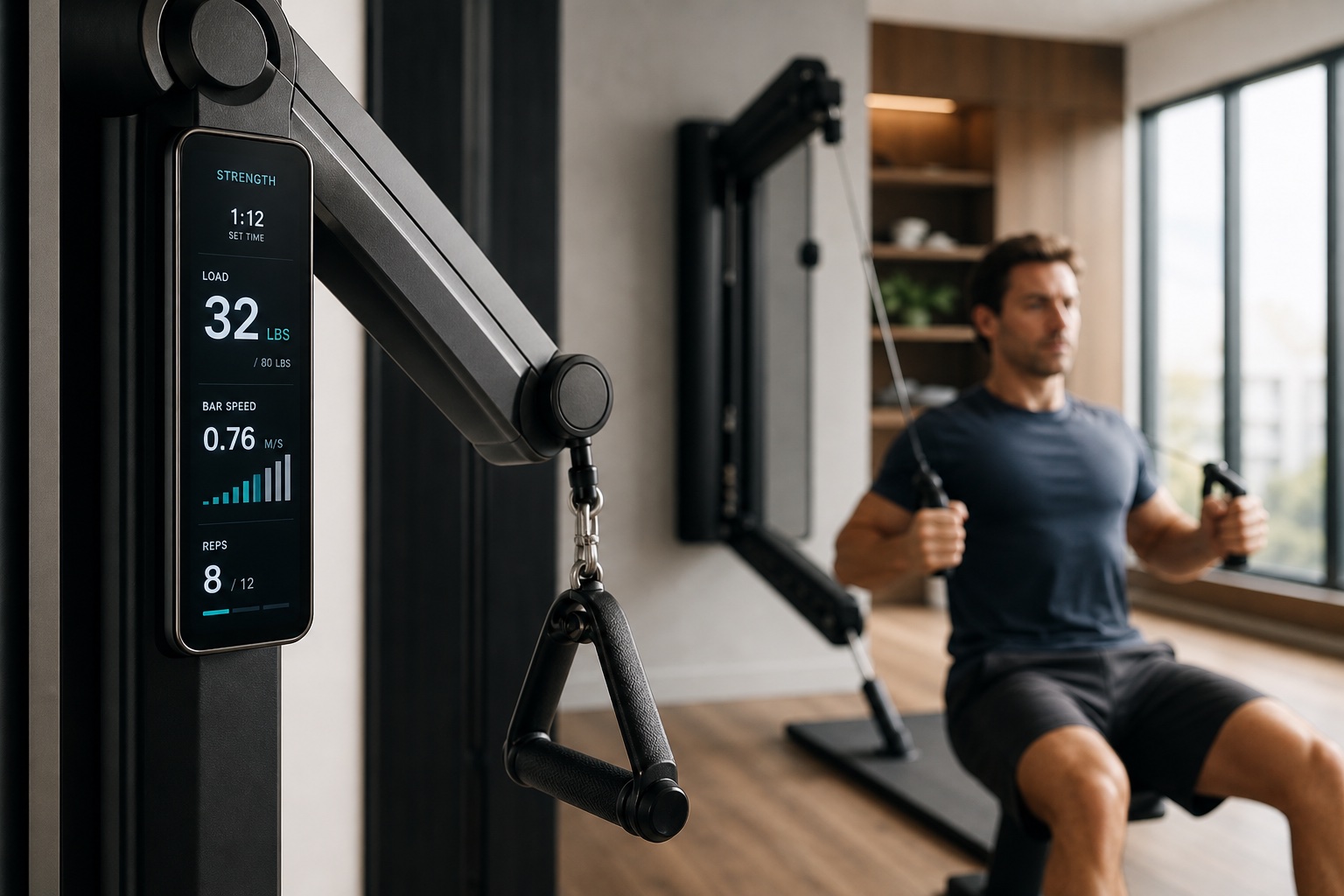
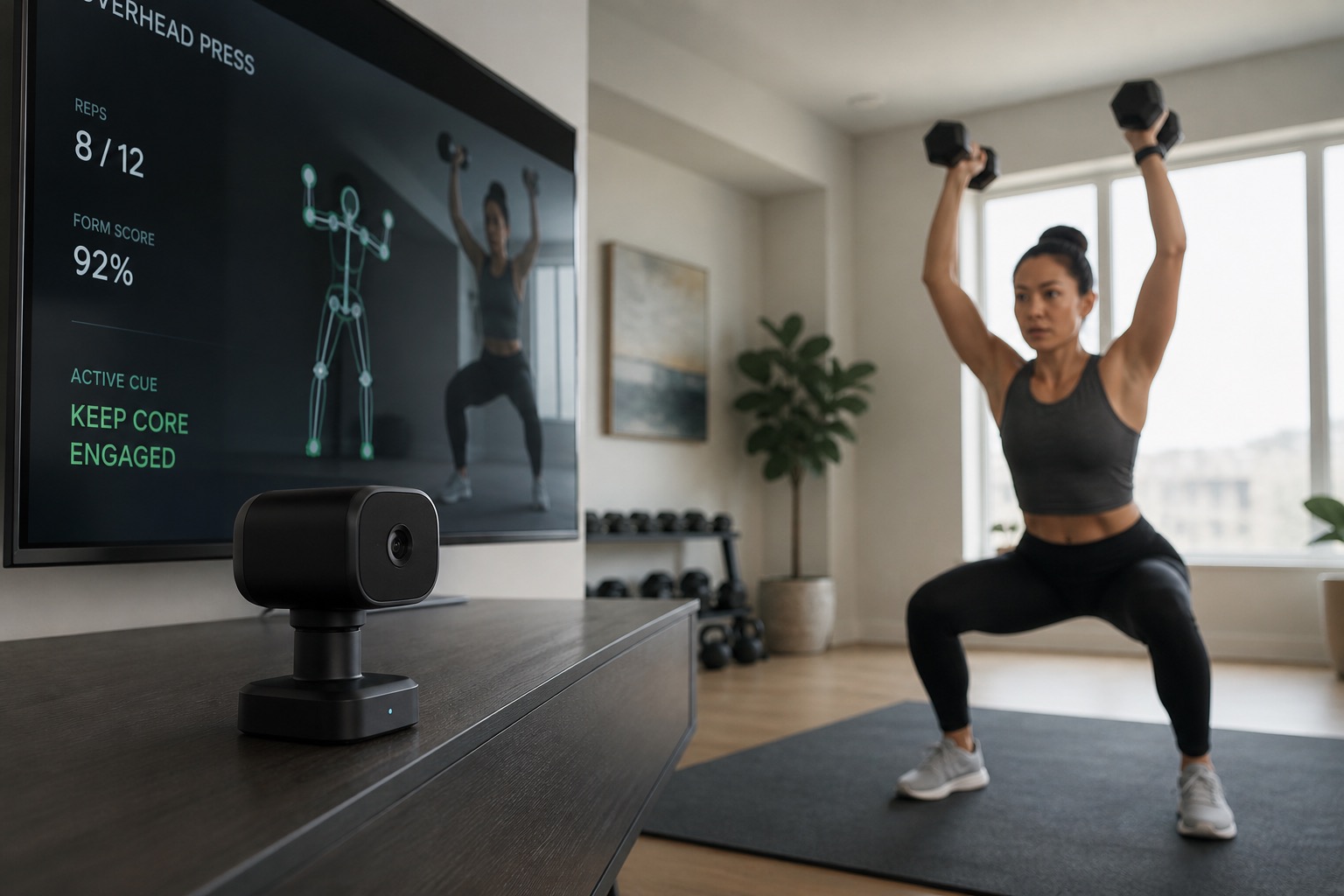
Smart resistance equipment promises a full strength room in a wall panel, a folding tower, or a pair of connected dumbbells. In 2026 the category spans electromagnetic cable machines, freestanding digital gyms, compact resistance platforms, AI free-weight coaches, and app-linked adjustable bells. The useful question is not “is it futuristic?” — it is whether the system improves progressive overload, autoregulation, or adherence enough to justify hardware plus membership math.
Digital / electromagnetic resistance changes load without plates. Eccentric and variable modes reshape the rep. Form coaching tries to replace a trainer’s eye. Connected adjustable dumbbells mostly reduce rack friction. What these tools do for you is lower setup cost for consistent strength work at home. They do not repeal the repetition continuum — hard sets still build muscle.
Key takeaways
- Best polished digital wall gym: Tonal 2 — coaching + electromagnetic resistance, with serious membership cost.
- Best freestanding value challenger: Speediance Gym Monster 2 — motorized cables without a mandatory fee wall install.
- Best high-load compact platform: Vitruvian Trainer+.
- Best AI coaching on real iron: Tempo Move.
- Best Amazon connected bells: JaxJox DumbbellConnect.
- Best no-subscription baseline: Bowflex SelectTech 552 — the honest control group.
- Biggest buying mistake: comparing sticker prices without three-year memberships — or assuming digital eccentric modes automatically beat free weights.
How we evaluate smart resistance gear
Editorial scores favor tools that improve real training decisions for everyday athletes — not demo-day wow. We score each option across five pillars:
- Stimulus quality (25%) — resistance range, eccentric/variable usefulness, exercise coverage.
- Feedback usefulness (20%) — form cues, load suggestions, velocity/power proxies.
- Adherence friction (20%) — setup time, coaching quality, whether you will train weekly.
- Ownership cost (20%) — hardware + required/optional memberships over 1–3 years.
- Buyability and footprint (15%) — install constraints, portability, Amazon path.
Important limitation: Keersa Health scores are editorial synthesis based on publicly documented features and published strength-science themes. They are not lab certifications. Memberships, max loads, and SKUs change — verify before buying.
What “smart” actually means here
Sports science already has a mature language for objective resistance prescription: velocity-based training, eccentric overload methods, and progressive proximity to failure. Consumer machines borrow those ideas unevenly. Some offer genuine eccentric emphasis or adaptive load. Others mostly stream classes next to ordinary adjustable dumbbells.
Published EMG work on electromagnetic resistance is a useful antidote to marketing: modes can feel different without automatically producing more muscle activation than a dumbbell. Meanwhile, mHealth evidence supports the boring win — connected prescriptions can help people complete resistance training.
Features that matter most
- Digital vs mechanical resistance — motors/cables versus iron you already understand.
- Membership reality — required, optional, or none.
- Eccentric / variable modes — useful if programmed, not decorative.
- Form coaching quality — adherence aid with accuracy limits.
- Three-year cost — the only fair comparison across brands.
Interactive comparison
Filter by form factor, sort by score or price, and pin up to three options for a focused side-by-side view.
Tradeoff:
Sticker price is misleading in this category. Membership-heavy products can cost more over three years than premium hardware with no required plan.
Estimates are directional and based on common public pricing patterns. Promotions, refurbished units, family plans, and tier changes can move these numbers materially.
3-year cost of ownership
Device
Year 1
3-year estimate
Amazon Price
Membership
Tonal 2
$4,883
$6,059
—
Membership required for full use (often ~$49/mo)
Speediance Gym Monster 2
$2,749
$3,049
—
Optional premium coaching (core use without mandatory fee)
Vitruvian Trainer+
$3,769
$4,729
—
Membership typically required for full training features
Bowflex SelectTech 552
$429
$449
—
Optional JRNY / app content
Tempo Move
$963
$1,899
$67.99
Membership typically required for coaching features
JaxJox DumbbellConnect
$619
$679
$745
App features optional / historically uneven support
Form factor decides the job. Wall/freestanding digital gyms motorize cables. Sensors/cameras coach free weights. Adjustable dumbbells shrink a rack â with or without an app.Digital cables vs AI on iron vs adjustable bells
Choose a digital cable gym if...
Choose AI free-weight coaching if...
Choose connected or mechanical adjustable dumbbells if...
Wait on the category if...
Below are deeper notes on every option in the comparison table, sorted by editorial score. Jump directly from the table pins or the cost section.
Tonal · Wall-unit
Best for: Premium wall-mounted electromagnetic resistance with polished coaching and eccentric/variable modes
Tonal 2 is the category-defining smart resistance wall unit: electromagnetic cables, guided programming, and software features like eccentric emphasis that free weights cannot match without a coach. It is also the clearest example of why you must price the membership, not just the machine. Lab EMG work on electromagnetic resistance (including Tonal hardware in published protocols) is a useful humility check: fancy modes do not automatically beat dumbbells for muscle activation. Buy Tonal for coaching polish and compact digital strength. Skip it if you refuse subscriptions or cannot commit to a wall install. Strong lifters should confirm max resistance and accessory needs before assuming it replaces a full barbell gym.
Estimated ownership: about $4,883 in year 1 and
$6,059 over 3 years.
Assumes ~$4,295 hardware plus ~$49/mo membership. Accessories and install can raise year-one cost further.
Speediance · Freestanding
Best for: Freestanding digital cable gym without a mandatory membership wall install
Speediance Gym Monster 2 is the practical freestanding challenger to wall-mounted smart gyms: digital resistance, a tilting screen, and a lower long-term membership tax. For renters and value hunters, that ownership model often matters more than one extra coaching feature. Compare package contents carefully — benches, bars, and handles change the real sticker. Digital resistance still needs progressive overload and hard sets. The screen does not create hypertrophy alone. Choose Speediance if you want motorized cables without wall mounting. Skip it if you specifically want Tonal’s coaching ecosystem.
Estimated ownership: about $2,749 in year 1 and
$3,049 over 3 years.
Assumes hardware without mandatory membership. Add optional Wellness+/coaching if you want AI programming tiers.
Vitruvian · Platform
Best for: High max digital resistance in a low-profile platform footprint
Vitruvian Trainer+ is the strength-nerd smart gym: a compact digital platform that prioritizes heavy digital loading over mirror aesthetics. If your complaint about other smart gyms is “not enough resistance,” this is the shortlist. High max load matters only if your programming uses it. Most people progress with coaching consistency first. Platform cable geometry differs from wall-arm machines — expect a short skill adaptation period. Choose Vitruvian for compact heavy digital strength. Skip it if you want wall-art coaching polish above all.
Estimated ownership: about $3,769 in year 1 and
$4,729 over 3 years.
Assumes hardware plus a membership tier. Confirm current max load and subscription terms by region.
Bowflex · Dumbbell
Best for: Proven mechanical adjustable dumbbells with optional app coaching — no motors required
Bowflex SelectTech 552 is the control group for smart resistance marketing: mechanical adjustable dumbbells that already solve space and progression for most people. If a connected gym cannot beat this on adherence and cost, you do not need the connected gym. “Smart” should mean better training decisions or lower friction — not Bluetooth for its own sake. Pair these with a simple program before spending four figures on motors. Choose SelectTech as the baseline home strength kit. Upgrade to motorized systems only when coaching/features clearly improve consistency.
Estimated ownership: about $429 in year 1 and
$449 over 3 years.
One-time hardware. Optional app subscriptions are unnecessary for basic progressive training.
Tempo · Sensor
Best for: AI form coaching on real free weights without buying a motorized wall unit
Tempo Move is smart resistance software without pretending motors replace iron. If you already own adjustable dumbbells or a bar, it can be the cheapest path to guided progressive training — with the usual camera-coaching caveats. Form feedback cameras/sensors help adherence and cues; they are not lab motion-capture. Price the membership honestly. A cheap sensor with a forever subscription can outspend a one-time rack. Choose Tempo Move if you want coaching on free weights. Skip it if you specifically want digital cables and eccentric motor modes.
Estimated ownership: about $963 in year 1 and
$1,899 over 3 years.
Assumes ~$495 sensor plus ~$39/mo membership. Free weights and a bench are extra if you do not already own them.
JaxJox · Dumbbell
Best for: Amazon-reachable electronic adjustable dumbbells with quick weight changes
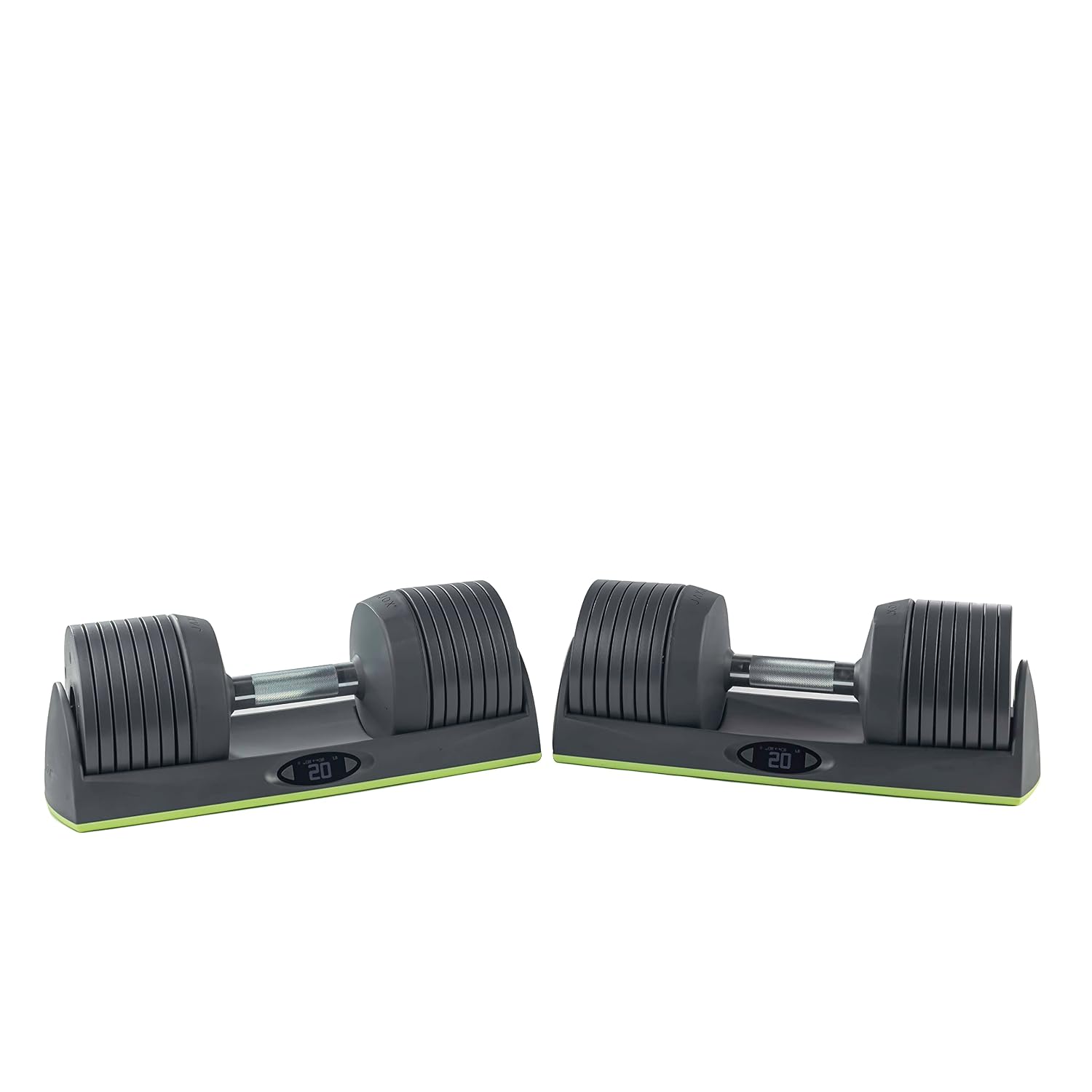
JaxJox DumbbellConnect is the practical “smart enough” Amazon strength buy: electronic adjustable dumbbells that shrink a rack into two handles. It is not a motorized cable gym — and that is fine if your goal is fast weight changes and space savings. Connected dumbbells succeed when adjustment friction drops. They fail when buyers expect Tonal-class programming from a pair of bells. Check live app/support notes on the marketplace listing — software longevity varies in this category. Choose JaxJox for compact adjustable iron. Skip it if you need 100+ lb dumbbell work or full digital cables.
Estimated ownership: about $619 in year 1 and
$679 over 3 years.
Hardware-focused. Treat premium app content as optional and verify current app status before relying on classes.
Detailed reviews
Tonal 2
Pros
Cons
Choose this if
Skip this if
Speediance Gym Monster 2
Pros
Cons
Choose this if
Skip this if
Vitruvian Trainer+
Pros
Cons
Choose this if
Skip this if
Bowflex SelectTech 552
Pros
Cons
Choose this if
Skip this if
Tempo Move
Pros
Cons
Choose this if
Skip this if
JaxJox DumbbellConnect
Pros
Cons
Choose this if
Skip this if
How to choose the right setup
- Write the job. Guided digital gym, freestanding cables, AI on free weights, or compact bells?
- Price three years. Hardware + membership beats sticker-price shopping.
- Check install constraints. Wall studs, renters, and moving plans kill wall units.
- Demand progressive overload. If the app cannot progress loads, it is entertainment.
- Baseline against SelectTech math. If adjustable bells already get you strong, upgrade only for clear friction wins.
- Keep a simple stop rule. If you skip weeks after month two, sell before the next membership renewal.
Quick recommendations by persona
- Premium guided wall gym: Tonal 2
- Freestanding, lower membership tax: Speediance Gym Monster 2
- Heavy compact digital platform: Vitruvian Trainer+
- Own weights, want coaching: Tempo Move
- Amazon connected bells: JaxJox DumbbellConnect
- No-subscription baseline: Bowflex SelectTech 552
Not automatically. Progressive tension and hard sets still drive strength and hypertrophy across equipment classes. Smart systems win when they improve adherence, safer eccentric/variable loading, or velocity-style feedback — not because magnets are magic. They can change the loading profile, but published EMG comparisons using electromagnetic hardware have not shown automatic superiority over dumbbells in simple curls. Treat modes as tools, not guaranteed upgrades. Buy Tonal-class wall units for polish and compact installs you can mount. Buy freestanding systems like Speediance if you rent, move, or refuse a mandatory membership. Price three years of fees either way. Some show rep speed or power proxies; few replace a full sports-science VBT workflow with calibrated linear transducers. Use on-device speed as a useful cue, not as lab-grade bar-velocity science by default. For many people, yes. If SelectTech or JaxJox-class bells keep you training hard three days a week, a four-figure motorized wall unit may be an expensive lifestyle purchase rather than a necessary stimulus upgrade. mHealth resistance-training interventions can help people complete prescribed training. Hardware only matters if sessions happen — evaluate coaching usefulness and membership cost together.Smart resistance equipment FAQ
Is smart resistance better than free weights in 2026?
+
Do eccentric or variable digital-weight modes beat dumbbells?
+
Should I buy Tonal or a freestanding digital gym?
+
Is velocity-based training built into these machines?
+
Can a connected adjustable dumbbell replace a smart gym?
+
Do connected apps actually improve adherence?
+
This comparison is designed for practical decision-making. Product capabilities, pricing, and memberships change quickly, so treat battery claims, plan costs, and feature availability as moving targets.
Applied framework for using bar velocity to prescribe load, monitor fatigue, and set velocity-loss thresholds — the sports-science backbone behind “smart” resistance feedback. Lab comparison using a commercial electromagnetic resistance device (Tonal) versus dumbbells — variable resistance and eccentric-overload modes did not reliably beat dumbbells for EMG in this elbow-flexion design. Supports the adherence angle: mobile/connected prescriptions can help people actually do resistance training — hardware is only useful if sessions happen. Systematic review/meta-analysis on real-time monitoring of flywheel eccentric overload — useful context for why “eccentric modes” need honest measurement, not marketing alone. Meta-analysis on eccentric-overload flywheel adaptations versus conventional loading — relevant when smart machines advertise eccentric emphasis. Reminder that progressive tension and proximity to failure drive adaptations across equipment classes — digital cables still need hard sets. Max resistance, Smart View features, install requirements, and membership terms change; verify before purchase.
Speediance Gym Monster product documentation
Freestanding digital resistance specs, folding footprint, and optional subscription tiers vary by package.
Affiliate disclosure: some product links on Keersa Health may earn a commission at no extra cost to you.
Editorial recommendations are independent of commercial relationships.
Read our full disclosure.
Sources and editorial notes
Bottom line
Smart resistance equipment is worth it when it makes hard strength sessions more consistent — through lower setup friction, better autoregulation, or coaching you will follow. It is not worth it as a four-figure substitute for progressive overload. Start from the boring baseline (adjustable bells + a program), then buy motors and cameras only when they clearly fix a friction you actually have.
Related: Force Plates for Everyday Athletes, Wearable HRV and Training Readiness, Blood Flow Restriction Training Devices, Vibration Platforms and Neuromuscular Stimulus, and Mobility Tools That Earn a Place.